The weekend in the Czech Republic was enriched by an unusually prominent polar aurora, which could be observed in the clear sky, especially in Bohemia, due to a solar eruption and a geomagnetic storm. #polárnízáře #Česko #meteorologie (translated)
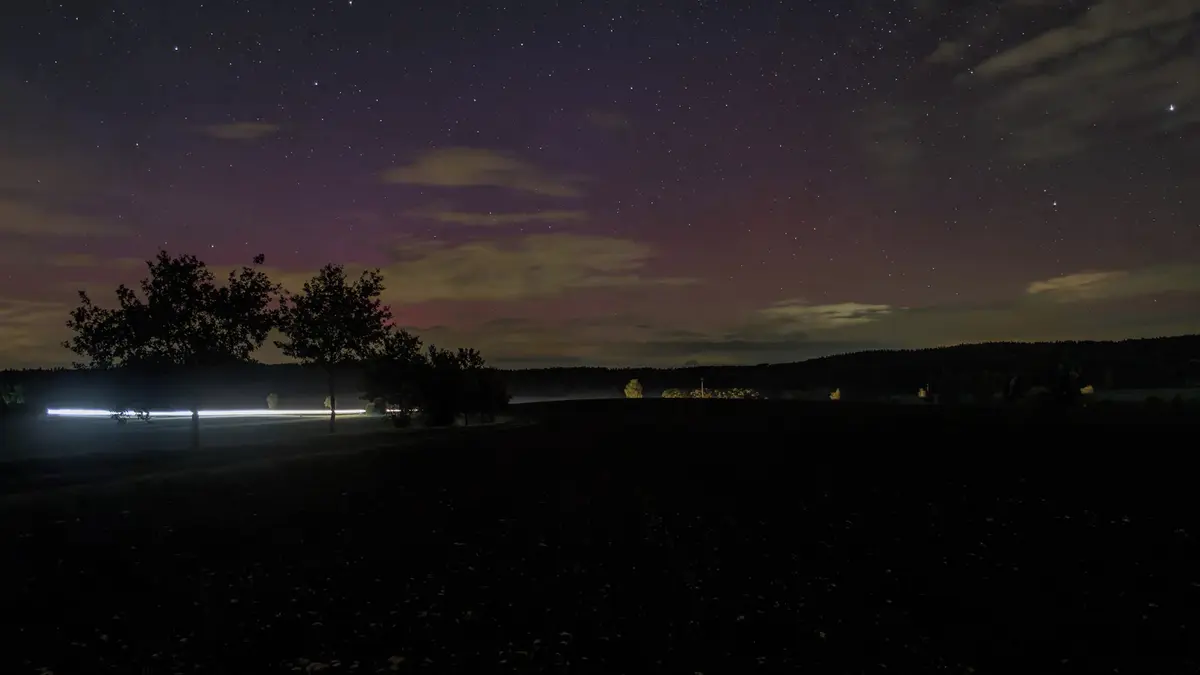
The weekend in the Czech Republic was enriched by an unusually prominent polar aurora, which could be observed in the clear sky, especially in Bohemia, due to a solar eruption and a geomagnetic storm. #polárnízáře #Česko #meteorologie (translated)

Tomáš Zdechovský wrote that "a day without Russian boots" will show whether an ordinary Czech from Brno has his own opinion or has only temporarily lost connection with Moscow. https://t.co/tnWqN9jM2t #Rusko #Politika #Názory (translated)
LETTERE MERIDIANE — IL TEATRO-EDICOLA DI SAN SEVERO CONQUISTA IL MONDO SOURCE: SOURCE: https://www.letteremeridiane.org/2026/10/il-teatro-edicola-di-san-severo-conquista-il-mondo/?fbclid=IwY2xjawU4oqFleHRuA2FlbQIxMQBwZG9mAXNydGMGYXBwX2lkEDIyMjAzOTE3ODgyMDA4OTIAAR5rVEwYs6UUXg7v-P0SyIQ_DRb_F6ZiY58OcseYoV4J7atcTiERnhWaqKM2pw_aem_Njle1jq1XLzHr93KLBUcVA Dopo Broadway World, Los Angeles Journal, The Psychologist (British Psychological Association) ed Hollywood Beat Magazine, ora è arrivata la sua “consacrazione accademica” a cura della Stanford University. Come ho già sottolineato nel mio articolo sulla rivincita del GIO Festival a Foggia, celebrata dal BroadwayWorld per la prima mondiale scenica della giordaniana Marina (1888), la provincia di Foggia ha smesso ormai di essere periferia. Accade quando trova un’idea che sposta le coordinate: ebbene, a San Severo, a 40 chilometri da Foggia, è successo di nuovo. Solo che questa volta non serviva un’orchestra, ma sono bastate sei sedie. Il celebre Teatro-Edicola del sanseverese direttore artistico Francesco Gravino della Compagnia Teatrale Foyer’97 è finito sulla rivista accademica Stanford Social Innovation Review (SSIR) in qualità di caso di studio accademico. La notizia, rilanciata il 19 settembre 2026 da ANSA Nazionale, sembrava un refuso. Poi si è capito che non lo era. La SSIR, pubblicazione pluripremiata che copre soluzioni multisettoriali ai problemi globali, ha inserito il progetto nella sezione Dispatches con il reportage The Six-Seat Revolution. È il percorso inverso rispetto a quello del GIO Festival: non un’opera dimenticata che torna in un grande teatro storico italiano a ferro di cavallo, ma un teatro intero che rinasce dentro un luogo dismesso, dimenticato dall’uomo. Ci sono momenti in cui il passato e il futuro si intrecciano per creare qualcosa di visionario, innovativo, artisticamente “rivoluzionario”: San Severo ha vissuto uno di questi momenti la mattina del 27 marzo 2026, durante la Giornata Mondiale del Teatro, quando la saracinesca di un’edicola chiusa da sei anni in Via Matteo Tondi è stata riaperta “non per vendere giornali, ma per offrire emozionanti storie”, citando il motto graviniano. L’idea del visionario Francesco Gravino (nella foto sopra), direttore artistico, regista e attore della compagnia sanseverese Foyer ’97, attiva da almeno 30 anni in Capitanata si è basata sull’edicola, esagonale in metallo e vetro, concessa a titolo gratuito dal proprietario Pino Frau, ormai un relitto urbano creato dalla crisi dell’editoria degli inizi anni 2000: oggi in Italia le edicole attive sono scese da circa 35.000 nel 2005 a circa 20.000 nel 2024, con un calo del 42,8%. Gravino e altri undici attori l’hanno ristrutturata in due settimane di lavoro, senza fondi istituzionali, e l’hanno trasformata in quello che oggi è sotto esame della commissione londinese del Guinness World Record come “teatro più piccolo del mondo”. La formula è volutamente austera: sei spettatori alla volta fuori, attori dentro a meno di un metro, spettacoli di 15 minuti, rotazione continua dalle 11 alle 20.45, testi da Goldoni a Čechov, da Ibsen a Dacia Maraini. Sulla porta un QR code con un originale avvertimento teatrale: “Attenzione! Questo codice QR trasforma i passanti in attori. Scansionate solo se pronti.” I numeri hanno sùbito detto che non era una boutade: più di 60 persone in un solo pomeriggio, tre giornate inaugurali che hanno registrato il tutto esaurito. Ma soprattutto un’eco positiva che è andata oltre i confini sanseveresi. BroadwayWorld (proprio come il previo caso del GIO Festival) la più influente testata mondiale di critica teatrale con oltre 5,5 milioni di visualizzazioni mensili, il 27 aprile 2026 gli ha dedicato una copertura esclusiva: An Abandoned Italian Newsstand Just Became the World’s Smallest Theatre. Non una segnalazione, ma un’analisi: “Non c’è foyer, non c’è balconata, non c’è graticcia. C’è a malapena una quinta. Quello che c’è è qualcosa di quasi irriconoscibile come serata a teatro, e proprio per questo è ancora più potente.” BroadwayWorld ha colto l’idea manifesto di Gravino: “Questo è un teatro di prossimità. In un’epoca di distanza digitale, stiamo rimettendo il contatto umano al centro,” incorniciandolo come “Più che un abile esercizio di teatro site-specific. È una riappropriazione.”. Il tutto, in un Mezzogiorno d’Italia spesso raccontato solo per criminalità organizzata e marginalizzazione. A quel sigillo se ne è aggiunto un altro, ancora più spiazzante per un’edicola di San Severo: il Los Angeles Journal, una delle testate più influenti della West Coast per le arti performative. Il 12 maggio 2026, titola in questo modo: San Severo’s Teatro Edicola as an Innovative Model for Los Angeles Theaters? aprendo così: “In una città del Sud Italia di cui Hollywood non ha mai sentito parlare, un regista teatrale ha appena costruito il palcoscenico più piccolo del mondo: sei posti, quindici minuti, zero distanza. Los Angeles dovrebbe prestare attenzione.” Il Los Angeles Journal non fa folklore, ma mette il chiosco di via Matteo Tondi accanto al presigioso teatro losangelino Ahmanson da 1600 posti, al Pantages di Broadway in Hollywood, ai 99-seat plan di Rogue Machine, all’ Odyssey, al Victory Theatre e all’ Hollywood Fringe. Rievoca persino l’Electrical Box Theatre di Ethan Marks, una vera e propria scatola elettrica foderata di velluto rosso in downtown Los Angeles, per dire che Gravino ha portato all’estremo la domanda che Los Angeles si fa da decenni: Quanto piccolo può diventare un palco prima di smettere di essere un palco? E riconosce il modello urbano sanseverese: costo quasi zero, due settimane di lavoro e una sestina di sedie, a fronte di una immediata copertura mediatica provinciale, regionale e nazionale, riconoscimento dell’ Amministrazione Comunale sanseverese, e un format esportabile (quasi) ovunque. Dopodiché, il terzo tassello americano è arrivato dall’ Hollywood Beat Magazine il 20 aprile 2026: Six seats. Fifteen minutes. One actor. No stage. Il magazine racconta il chiosco di Via Tondi rimasto dismesso per quasi sei anni, il presidio culturale contemporaneo da sei posti, inserendo Francesco Gravino nella genealogia alta: Richard Schechner e l’environmental theatre, Jerzy Grotowski e il teatro povero, Nicolas Bourriaud e l’estetica relazionale. Ma chiude con concretezza: non è una tesi, è fixing a street corner, ovvero aggiustare un angolo di strada urbana chiedendosi non quanto grande può diventare un teatro, ma quanto piccolo deve tornare per recuperare il suo potere originario. E infine, il celebre londinese The Psychologist, la rivista della British Psychological Society (BPS), la più antica società di psicologia al mondo, ha trasformato il Teatro-Edicola in caso di studio scientifico: il 30 luglio 2026 pubblica The world’s smallest theatre — and Psychologists’ next act, partendo dallo stesso dettaglio, la mattina del 27 marzo in cui la saracinesca metallica del chiosco esagonale di Via Tondi si riapre dopo sei anni, sei persone dentro, un attore a meno di un metro che inizia Chekhov. Descrive la formula: sei spettatori, 15 minuti, 11 attori su 10 ore, da Goldoni a Euripide, dentro un chiosco dove la quarta parete non si rompe perché architettonicamente non è mai esistita. Ma la BPS fa un passo oltre: cita gli studi del 2025 di Damien Gabriel su IBRO Neuroscience Reports, la performance live genera attivazione emotiva e fisiologica misurabilmente più forte del video e introduce la prossemica di Edward Hall: sotto il metro è spazio intimo, riservato a medici, amici stretti, amanti. In quello spazio da un metro quadrato, il respiro dell’attore è udibile, le microespressioni leggibili, il confine sé-altro diventa permeabile. Il Teatro-Edicola “non rende il teatro migliore, lo rende inevitabile”. Ed è qui che si capisce perché Stanford lo studia come caso di studio accademico di innovazione sociale, non come caso di originalità artistica. In Italia, nel frattempo, il circuito mediatico nazionale aveva già intercettato il fenomeno: RaiNews — TG2 Storie lo porta su RaiDue alla mezzanotte del 19 aprile. RTL 102.5 dedica spazio al format ideato da Gravino e sviluppato da Foyer’97 nel cuore di San Severo in Via Tondi, definendolo micro-palcoscenico permanente capace di portare teatro nello spazio pubblico. ANSA.it, Gazzetta del Mezzogiorno, La Repubblica, TG2000, Radio Capital, RSI svizzera, ANSA Brasile e tanti altri seguono. E per diritto di cronaca: Fiorello lo ha elogiato in La Pennicanzacome caso artistico ispirato al suo Edicola Fiore, nonché Biagio Antonacci, nel suo tour nell’anfiteatro augusteo di Lucera, ha fatto tappa “conoscitiva” nel Teatro-Edicola cantando la celebre e nostalgica Iris davanti ad un pubblico sicuramente maggiore dei “sei posti”. La Compagnia Teatrale Foyer ’97 di Francesco Gravino non è nata ieri: ha alle spalle il Teatro-Cantina del 2016, il teatro sottoterra, e nel 2011 una performance sulla torre campanaria di una chiesa del centro di San Severo a 45 metri d’altezza. Il Teatro Edicola completa, nelle parole di Gravino, “l’intera estensione verticale del teatro: sottoterra, piano strada, tetto”. E si prepara al trentennale del 2027 puntando ad acquistare l’edicola per renderla permanente esportando il “Modello San Severo” a Roma, Lucca, nei festival di Santarcangelo e Todi. Come per il GIO Festival, qualcuno potrebbe osare di affermare che si tratta solo di un exploit ma, quando BroadwayWorld ti mette accanto alla Los Angeles Opera House, il Los Angeles Journal ti propone come modello per Hollywood, Hollywood Beat Magazine ti legge con Grotowski e la British Psychological Society ti usa per spiegare i neuroni specchio, non è più un exploit ma un eccellente posizionamento artistico ed accademico. A chi ancora sussurra che Foggia e la Capitanata siano provincia, la risposta ora è scritta su due fronti opposti e complementari: il 5 giugno a Foggia un’opera di 138 anni ha ritrovato la scena al Giordano finendo su BroadwayWorld; il 27 marzo a San Severo un’edicola di 4 metri quadrati ha inventato una scena che non esisteva, finendo a Stanford, a Los Angeles, a Hollywood e a Londra. La periferia, quando ha un’idea precisa, diventa centro. Anche con sei sedie. Luciano Magaldi Sardella

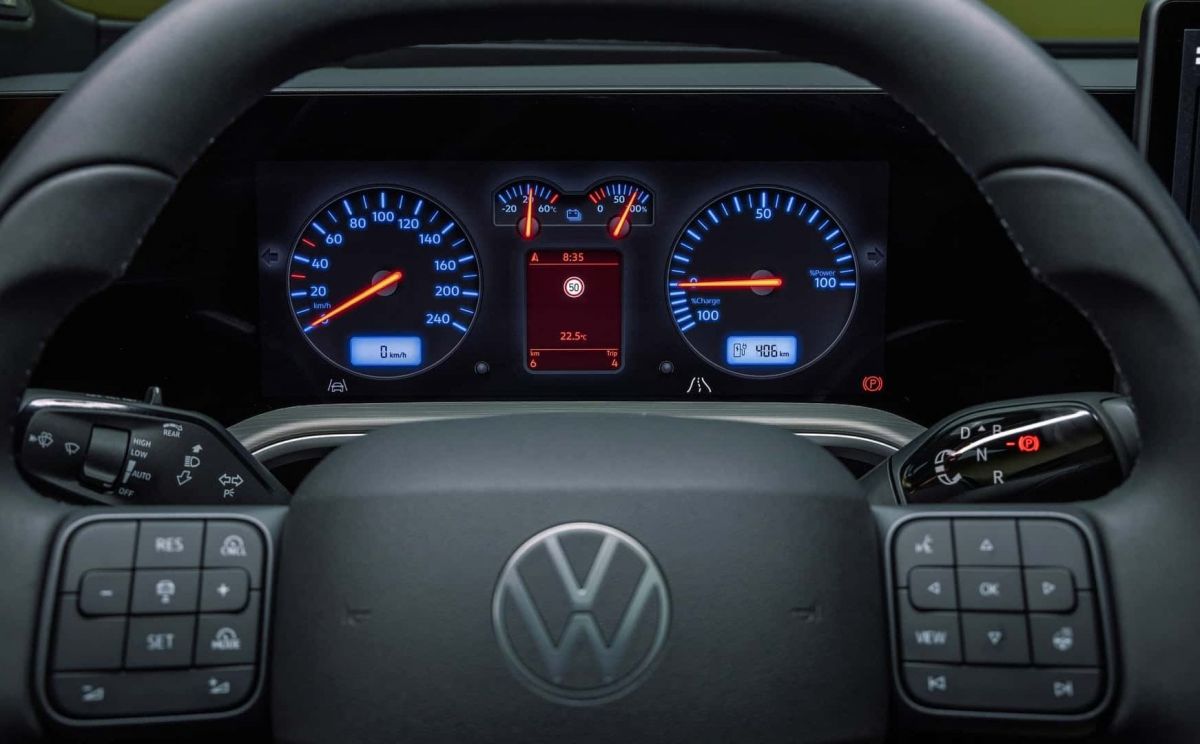
The electric Volkswagen ID. Tiguan, a new model in the brand's lineup, combines the features of family SUVs with a nostalgic reference to the Golf IV, offering a redesigned body, physical buttons, and more powerful drivetrains up to 299 HP. #Volkswagen #IDTiguan #elektryki (translated)

The availability of housing is proving to be a major priority for Czechs ahead of the upcoming local elections, with voter expectations varying according to the size of municipalities and regions. #bydlení #komunálnívolby #STEM (translated)

Oliver Adámek, who according to his own words attended the Prague council for four years, stated that Prague is moving forward, but its development is hindered by the limited powers of local government. He identified the Metropolitan Plan and the continuation of tram line construction as the greatest successes of the past period. He considered the pressure on secondary schools and the Libeň Bridge as the biggest problems. Adámek wrote that elected politicians have only a limited influence on the shape of streets, closures, and construction. He advocated for the abolition of delegated powers, stronger powers for local governments in land-use planning, direct election of the mayor, and reducing the number of city districts by at least half. He noted that these changes would need to be approved by Parliament. He also rejected the claim that nothing is being built in Prague. He recalled the development on three major brownfields, 14 new tram lines in 10 years, metro line D, the Dvorecký Bridge, the railway to the airport, and the construction of the outer ring road. Regarding the inner ring road, he mentioned the complicated amendment to the land-use plan and stated that the Vltava Philharmonic had been waiting for building permits and financing. According to him, however, Prague needed significantly more apartments, both private and municipal. According to Adámek, the traffic jams in Prague are caused by three times as many cars compared to the 1990s, not by current closures or adjustments to tram islands. He believes that the ring roads would not change traffic in the broader center much, as nearly 90% of cars on the main road drove into the center. A vast P+R system, he argued, would require tens of billions of crowns and would not make sense. He considered the railway hub to be more important, as it would speed up commuting from Central Bohemia: while he claimed that 23% of Prague residents used cars daily, the majority of residents from the Central Bohemia region did. He criticized the current mayor for not engaging enough in public debate according to him and for not describing his vision for Prague in 10 to 20 years. He stated that most of the other current leaders had some vision. #Praha #volby #politika (translated)
Ondřej Černý appreciated an unspecified gesture and wrote that most Czech people would rather lose a thumb than admit a mistake. He added that President Petr Pavel must be tired of being considered a savior by people. He compared him to an "umbrella species," which, according to him, bears attacks from people whom he described vulgarity for a certain time so that a resilient young generation can grow under its protection. Černý also wrote that democracy should not rely on a single guarantor, into whom people project their problems, but on free individuals who support each other and encourage each other towards good. He thanked for this lesson. #demokracie #svoboda #politika (translated)
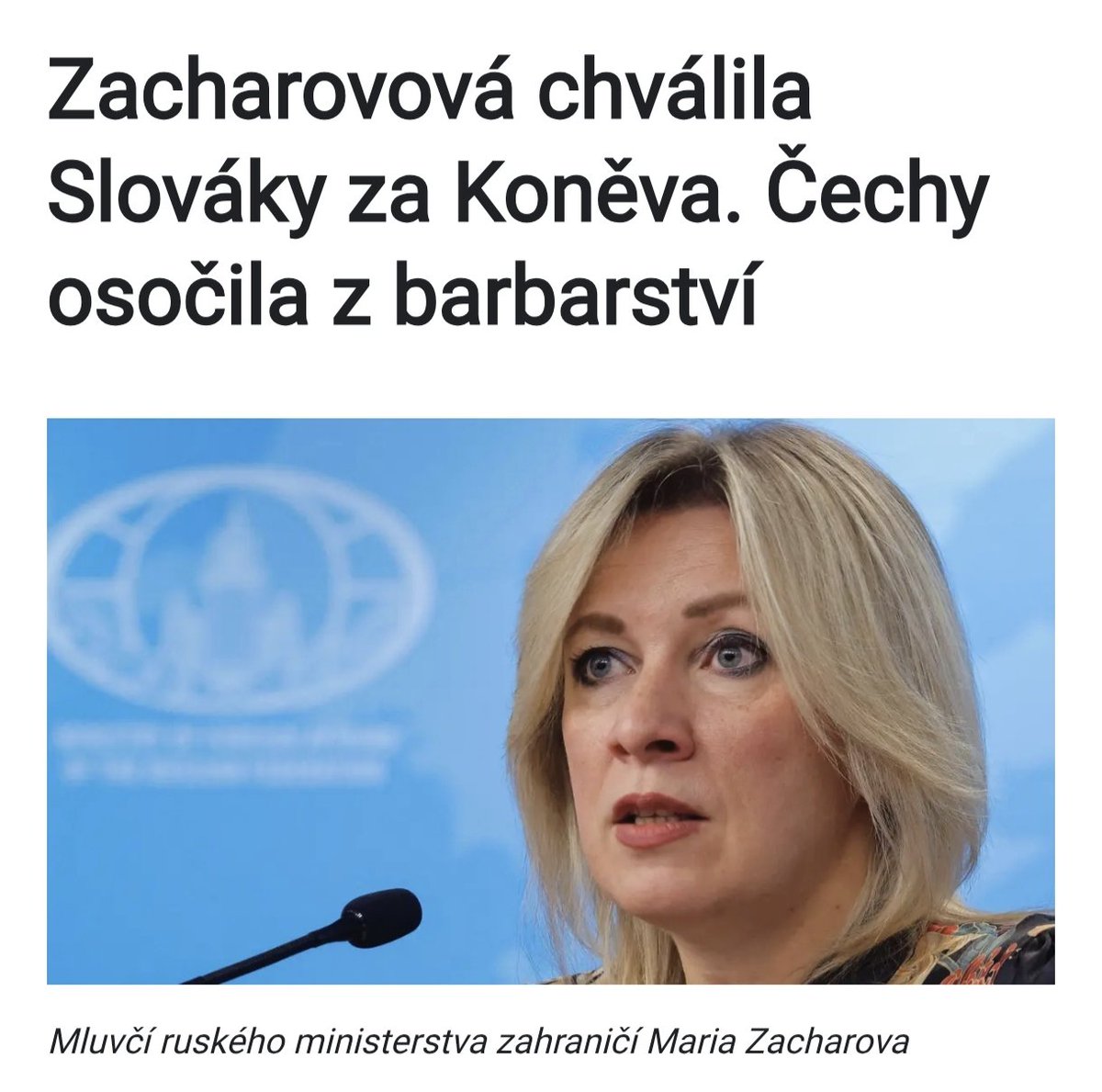
Roman Maca wrote that Zakharova accused the Czechs of barbarism, while "patriots" remained silent according to him. He stated that if a similar statement had been made by the spokesman of the German Foreign Ministry, they would have reacted much more sharply, and he wondered why they are silent now. https://t.co/xpFcNwLdeM #politika #ČeskáRepublika #diskuze (translated)
Tomáš Zdechovský wrote that the European Parliament labeled the Russian elections as a fraud. He referred to Konečný, Dostál, and David as Czech opponents of the resolution and called them collaborators. https://t.co/eYpmRGCPZO #RuskéVolby #EvropskýParlament #Politika (translated)
If there is a risk of flight, and I believe there is, it also poses a threat to society. Hellerstein, appointed by Bill Clinton, stated that the new charges, the weight of the evidence—which he described as "very strong"—and Flores' history and character traits make the risk of flight too great to release her from federal custody. #Maduro #Wenezuela #tortury (translated)
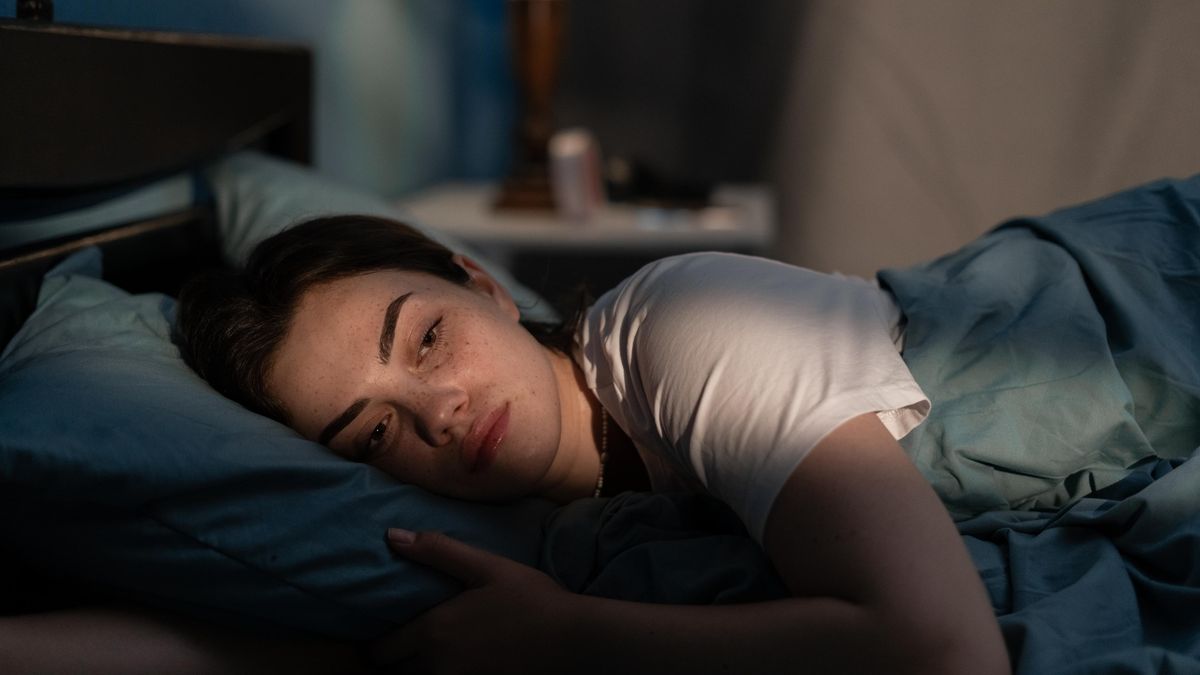
Nearly two-thirds of Czechs experienced significant stress last year, with more than a quarter of them unable to go to work because of it, and the worst situation is reported by young people, especially from Generation Z. #DuševníZdraví #Stres #GeneraceZ (translated)

Tomáš Zdechovský wrote that the European Parliament labeled the Russian elections as a fraud. Among the Czechs who were against it, he mentioned Konečná, Dostál, and David, and accused them of collaboration. #Rusko #EvropskýParlament #Volby (translated)
In Belarus, a Czech named Vital Dziamidchyk was detained on suspicion of providing financial support to the local opposition and is now in custody awaiting trial. #Bělorusko #politickíVězni #solidarita (translated)

Glup Shitto wrote that the Pirates unironically supported cameras with facial recognition, preferably of Israeli origin. He described the Czech political scene as completely shattered and stated that, in his opinion, the Czechs deserved only occupation by a foreign state and should not have been allowed to govern themselves. #politika #ČeskáRepublika #pirátství (translated)
Group BTL, led by Jan Vild, one of the richest Czechs, purchased the Explora Business Centre administrative building in Prague's Nové Butovice from the real estate fund Trigea, planning to move its offices to the new space within the next five years. #ExploraBusinessCentre #nemovitosti #investice (translated)

Jan Eichler stated that Karel Vejmelka, with 110 wins, ranked among the historically most successful Czech goalkeepers, sharing seventh place with Roman Čechmánek. David Rittich had 122 wins according to him, and the top position was held by Dominik Hašek with 389. Eichler reminded that Vejmelka left Kometa, according to him, without high public expectations. In the past season, he achieved 38 victories; only Hašek and Roman Turek had more in a single season according to Eichler. This year, Vejmelka has won two out of three starts. #českýhokej #brankáři #výhry (translated)
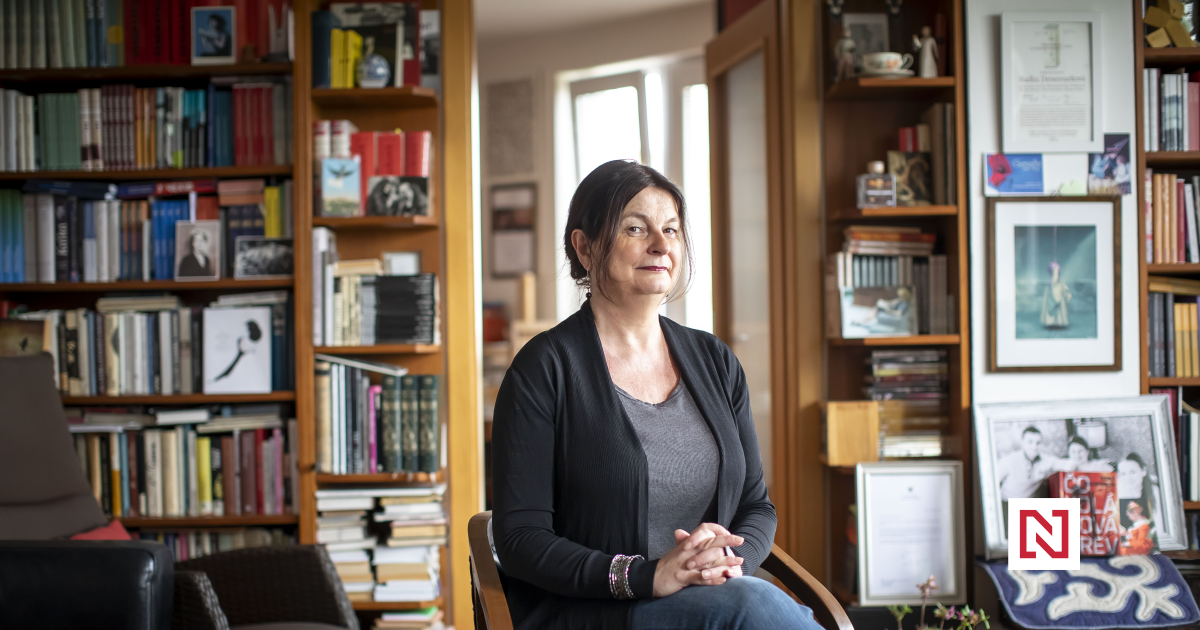
Radka Denemarková, in her speech at the Frankfurt Book Fair, emphasizes that politics and literature cannot be separated, and reflects on the historical and cultural connections between Czechs, Germans, and Jews in the context of Czech literature. #literatura #RadkaDenemarková #FrankfurtskýKnižníVeletrh (translated)

Zdeněk Folprecht described the match as the weakest performance under coach Deniou. He criticized the initial play and low self-confidence, stated that Sláma was not covering the runs, and questioned whether Cufal's goal was an own goal. He added that it was difficult to significantly praise the Czech players, the atmosphere was poor, and Kane delivered a top performance. He also questioned why Ondřej Kričfaluši from the U21 national team was called up, as he was only supposed to play ten minutes in a four-defender formation at right back. #fotbal #Slovácko #sport (translated)