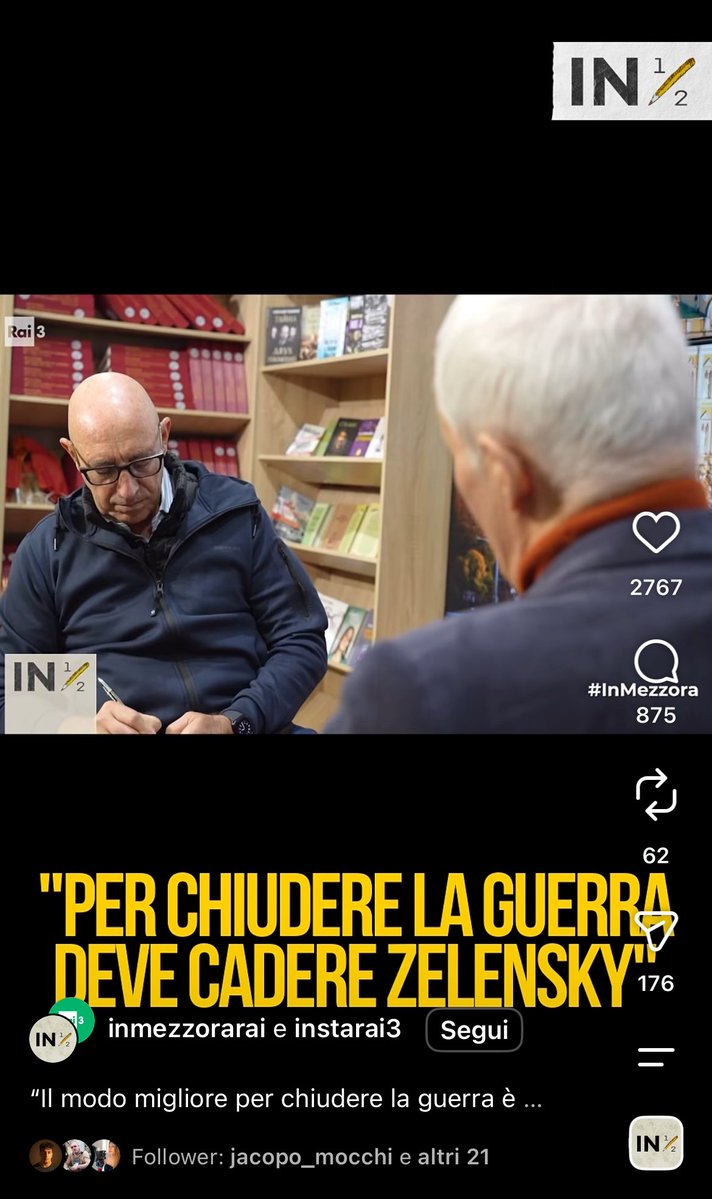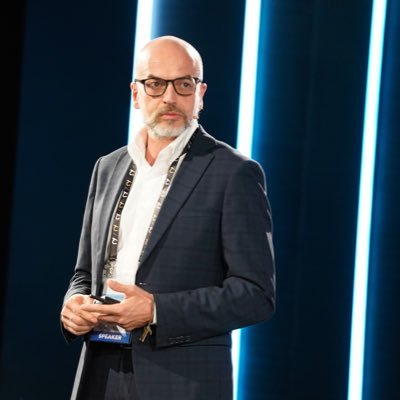
Cristiano Tinazzi argued that disinformation played a central role in hybrid warfare and that its dissemination through a public television program constituted a national problem. He pointed to "In Mezz’ora" on Rai and Gian Micalessin’s reports, stating that in the past the journalist had been in Bashar al-Assad's court to present him as a defender of Christians. Tinazzi also recalled a report on Maidan that, in his opinion, the BBC had termed false: Micalessin had interviewed people presented as Georgian snipers, claiming that the protesters had shot themselves. Tinazzi stated that other freelancers had been excluded from mainstream media for much less, while Micalessin continued to work and move with the Russian occupiers. He linked the situation to the journalist's historical ties with Monica Maggioni, whom he described as his former partner and founder of GM News Produzioni, where Maggioni had been a managing partner. In his view, this created a serious conflict of interest, on which the Rai Supervisory Commission had also taken an interest in 2022. Tinazzi said that one should expect rigor and seriousness from a public television program, and not a showcase for Russian propaganda. He cited an interview by Micalessin with Kostyantyn Suvkov, whom he defined as a representative of ultranationalist and militarist Russian propaganda. According to Tinazzi, that content contributed to polluting information and was part of a psychological warfare operation aimed at terrorizing Western public opinion and weakening military support for Kyiv. #Disinformazione #GuerraIbrida #MediaResponsabili (translated)