WRLD

Search

#Suffrage
Brèves de presse 7h

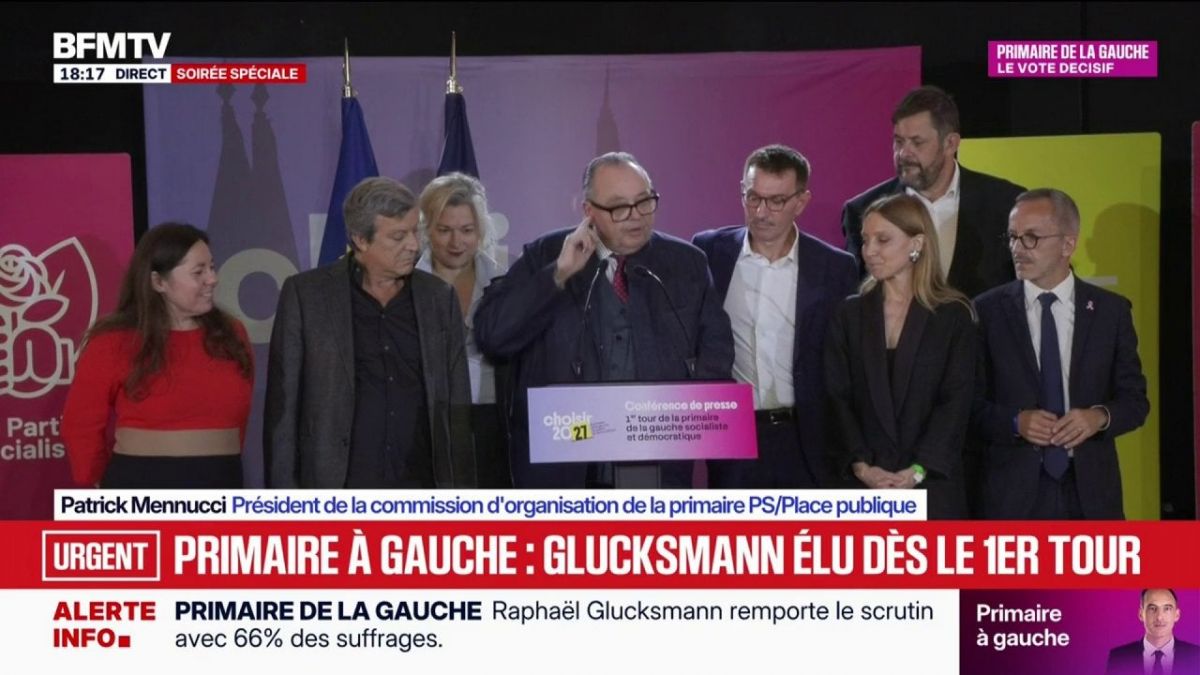
Press Briefs reported that Ségolène Royal referred to Raphaël Glucksmann as an intern after his victory in the social-democratic primary. The media recalled that she stated to L’Obs at the end of September that he had attended a meeting of Nicolas Sarkozy and did not come from the left. According to Press Briefs, Glucksmann was surrounded by several figures from the outgoing majority, including Aurélien Rousseau, Marguerite Cazeneuve, Simon Bernard, and Sacha Houlié, and was presented by some as a "new Macron." The media also mentioned a campaign note revealed by Mediapart in May, which allegedly recommended targeting wealthy, educated, and older voters as a priority, rather than the 18-25 age group, the working classes, and residents of the suburbs. Press Briefs added that an anonymous executive from Place Publique confided to Mediapart in August that Glucksmann had requested to set the voting fee at 15 euros to restrict the electorate, fearing that too many people participating might lead to a loss. The primary reportedly gathered about 121,000 participants, nearly 14 times less than in 2017 and 22 times less than in 2011, according to the media's comparisons with the first rounds of previous socialist primaries. The media contrasted these figures with the LR primary of 2021, won by Valérie Pécresse with 60.95% of the votes among nearly 115,000 participants. She then obtained 4.78% in the 2022 presidential election. Glucksmann, on the other hand, received 66.17% of the votes in a vote counting approximately 121,000 participants, noted Press Briefs, which questioned the significance of this victory in view of the presidential election. #politique #France #primaires (translated)


2011
BFMTV 21h

Raphaël Glucksmann won the social-democratic primary in the first round with 66% of the votes. #PrimaireSocialeDémocrate #RaphaëlGlucksmann #ÉlectionPrésidentielle2027 (translated)

www.bfmtv.com
Primaire sociale-démocrate: Raphaël Glucksmann l'emporte dès le premier tour avec 66% des suffrages
2272
2
20minutes 5d

A survey by Ifop reveals that 74% of the French support the recognition of blank votes as expressed votes for the presidential election of 2027, although this figure has decreased compared to previous years, while displaying disparities depending on political affiliations and education levels. #VoteBlanc #Élection2027 #Sondage (translated)

www.20minutes.fr
Présidentielle 2027 : Les Français sont encore favorables au vote blanc, mais nettement moins qu’avant
1691
Cerfia 6d

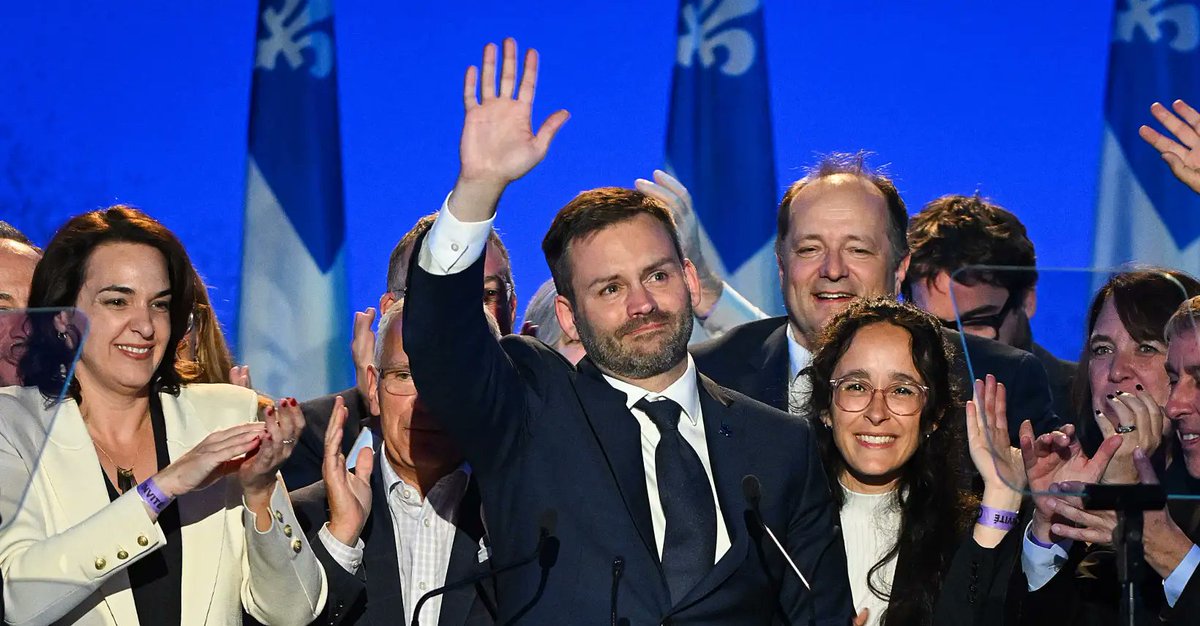
Cerfia reported that the Parti québécois, led by Paul Saint-Pierre Plamondon, had won the provincial elections in Quebec and regained power for the first time since 2014. According to the media, the party had obtained about 28% of the votes based on almost final results, without an absolute majority. Cerfia added that the PQ had promised to hold a third referendum on the independence of Quebec and its departure from Canada, after those of 1980 and 1995, which were won by the no camp. In 1995, the yes vote received 49.42% of the ballots, according to the media. #Québec #Politique #Indépendance (translated)

2940
Edwy Plenel 7d

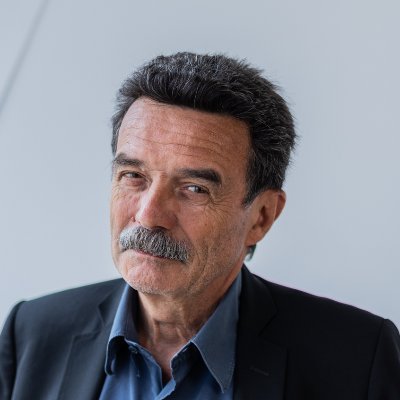
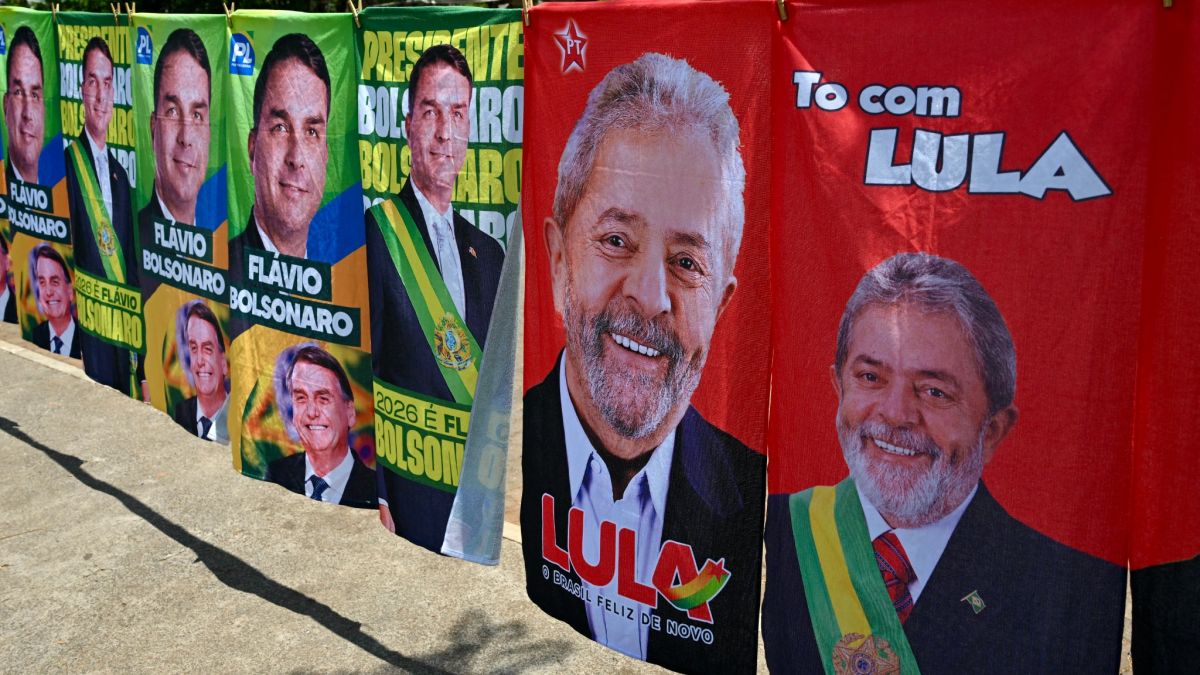
The author estimated that the first round of the presidential election in Brazil confirmed a global wave in favor of the far right. According to him, Flávio Bolsonaro came in first with 47% of the votes, ahead of the outgoing president Lula by more than 2 million votes. He also reported setbacks for Lula's camp. #Brésil #Élections2023 #ExtrêmeDroite #BR #FR (translated)

341
BFMTV 1w

Flavio Bolsonaro, the son of former far-right president Jair Bolsonaro, is well ahead of outgoing president Lula with nearly 50% of the votes, during the counting of more than 60% of the ballots in the first round of the Brazilian presidential election. #Brésil #FlavioBolsonaro #Lula (translated)

www.bfmtv.com
Brésil: Flavio Bolsonaro devance largement Lula après dépouillement de plus de 60 % des urnes
1592
Cerfia 2w

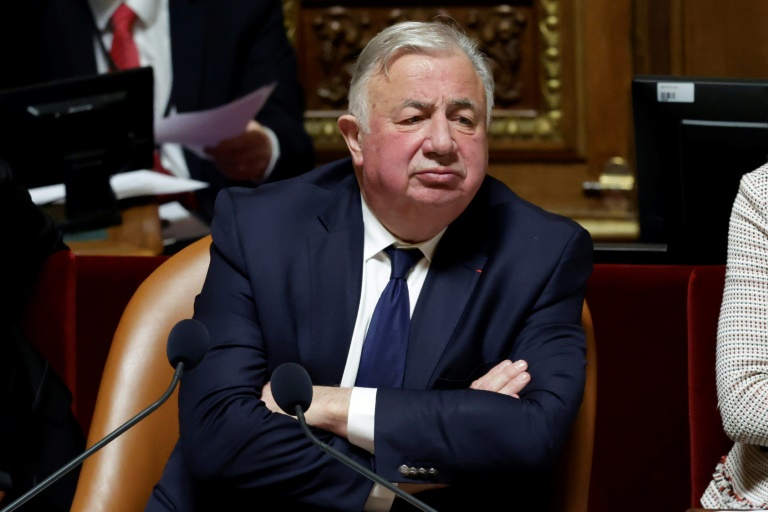
🚨🇫🇷🗳️ INFO ALERT | Gérard Larcher is re-elected for the SIXTH time as President of the Senate. The LR senator from Yvelines wins in the first round with 203 votes out of 302 expressed votes. https://t.co/1ke05qkXCp #Sénat #Politique #Election (translated)

14185
Edwige Diaz Ⓜ️ 2w

« Aujourd’hui il n’y a plus aucun plafond de verre qui tient, même sur une élection à suffrage indirect » #Sénatoriales #RassemblementNational #LaFranceInsoumise

Elections sénatoriales : Un groupe pour le RN, entrée de LFI… Que retenir du scrutin ?
www.20minutes.fr
1494
BFMTV 3w

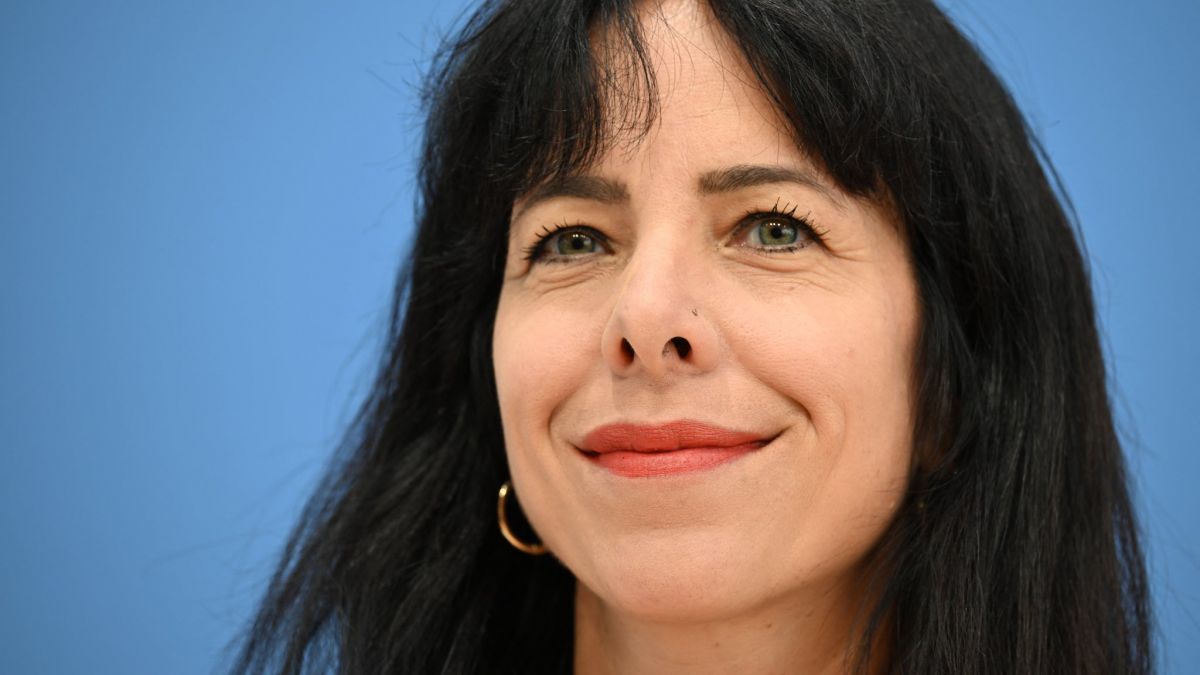
Elif Eralp, juriste de 45 ans d'origine turque et figure de la gauche radicale, est en tête des élections à la mairie de Berlin avec 25% des suffrages, promettant de transformer la capitale en un lieu meilleur et abordable. #ElifEralp #Berlin #DieLinke

www.bfmtv.com
Qui est Elif Eralp, figure de la gauche radicale arrivée en tête des élections à la mairie de Berlin?
8677
L'Obs 3w

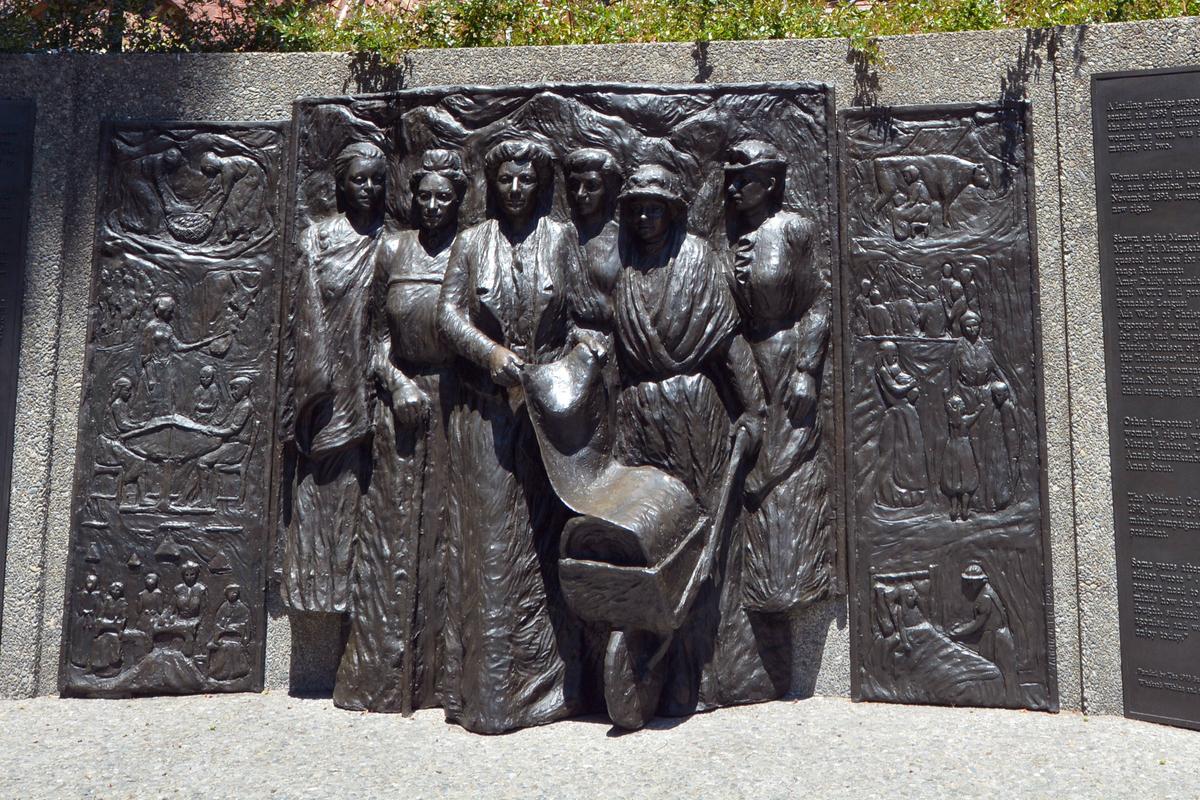
Le 19 septembre 1893, la Nouvelle-Zélande est devenue le premier pays au monde à accorder le droit de vote aux femmes, marquant ainsi la naissance du suffrage universel. #DroitDeVote #SuffrageFéminin #NouvelleZélande

www.nouvelobs.com
Ce 19 septembre où le suffrage universel est né à l’autre bout du monde
8692
Gabriel Attal 4w

La gouvernance des États-Unis d’Europe doit trouver sa légitimité dans les urnes. Je propose d’élire au suffrage universel direct le premier président de l’Europe, pour qu’il dispose d’un mandat clair et fort pour agir. https://t.co/iAETal408I #Europe #Démocratie #Élections #EU #US

3713
François Ruffin Sep 9

Raphaël Glucksmann a peur. Pas de moi, mais des électeurs. Pourquoi ils instaurent un suffrage censitaire ? Une barrière de 15 euros à l'entrée ? Pour avoir le moins de votants possibles ! Pour que les ouvriers ne viennent pas déranger. Comme s'il y avait un risque de rendre https://t.co/MO1NxiFkBE #SuffrageCensitaire #Élections #Démocratie

117
Actu Foot Sep 7

🚨🚨 Kylian Mbappé 🇫🇷 : « Pour qui je vote pour le Ballon d'Or ? POUR MOI. 🌕 C'est UN TROPHÉE INDIVIDUEL. On regarde ce que le joueur a fait de manière INDIVIDUELLE. Les gens disent que je n'ai pas gagné de trophée ? Je n'ai jamais vu de Ballon d'Or, à l'unanimité, qui cochait TOUT à chaque fois. Il y a déjà quelqu'un qui a gagné le Ballon d'Or avec 100% des suffrages ? NON. Donc ça veut dire qu'il y a toujours quelqu'un qui pensait qu'il ne le méritait pas. Être meilleur buteur de l'histoire de la Coupe du monde, c'est quelque chose qui brûle la rétine. Finir meilleur buteur de toutes les compétitions les plus importantes où tous les meilleurs joueurs jouent, je ne sais pas si ça a déjà été réalisé. Je pars toujours du principe que l'Histoire doit être récompensée. Quand on regarde les arguments, quand on regarde la concurrence... Je regarde, et je me dis que ouais... ça ne serait pas volé. » 🎙️ @lequipe https://t.co/Y34hbfgpjm #BallondOr #KylianMbappé #Football

30815
Edwy Plenel Sep 6

En Saxe-Anhalt, l’extrême droite allemande obtient une victoire historique. Selon les premières estimations, l’AfD a obtenu plus de 44 % des suffrages dans ce land de l’ex-RDA, où la participation a été très élevée. https://t.co/iM1imv1yl2 #SaxeAnhalt #AfD #ExtrêmeDroite #DE #FR

467
Ivan Rioufol ن Sep 6

Sur @RTLFrance, @bayrou défend laborieusement l'idéal centriste en prophétisant un "risque mortel" pour le pays en cas de victoire "des extrêmes". Mais c'est l'indécision centriste qui est rejetée par les Français : en 2022, le vote "populiste" représentait déjà 58% des suffrages #Centriste #Populisme #Elections2022 #FR

Luciano Magaldi Sardella (PhD) Sep 5

Freeman of the City of London: An Ordinary Honour for All, an Honorary One for Few SOURCE: https://www.linkedin.com/pulse/freeman-city-london-ordinary-honour-all-honorary-one-sardella-ph-d--m1alf/ Abstract The Freedom of the City of London is an institution of mediaeval origin, attested as far back as 1237, originally conceived to afford freeborn citizens protection from feudal obligations, the right to trade, and the ownership of property within the bounds of the Square Mile — the territory of the City of London proper. Having evolved progressively from a concrete economic privilege into a civic and symbolic distinction, it has preserved its relevance over the centuries through successive legislative reforms — most notably the extension of eligibility to all nationalities in 1996 — and today records approximately 1,800 to 2,000 new admissions annually. The present article examines the historical and juridical evolution of the title, sets out the several routes of access provided by current regulation (by servitude through apprenticeship, by patrimony, by redemption through direct nomination, by presentation through the Livery Companies, and by registration on the electoral roll), and analyses the contemporary profile of the Freemen in the light of recent admissions of prominent figures from the worlds of finance, culture, sport, and public life. Contrary to the elitist image surrounding many British honours, the ordinary Freedom proves accessible to any person whatsoever, regardless of nationality or financial standing, upon the satisfaction of minimal requirements and the payment of an administrative fee of £180–185. The article concludes by reflecting upon the contemporary significance of the institution: not in the residual privileges, now largely ceremonial, but in its identity-forming, civic-participatory function and its connection to the long history of the oldest and most venerable city in Europe. Keywords: Freedom of the City of London; Livery Companies; City of London Corporation; British honours; urban civic identity. Contenuto dell’articolo Introduction Amongst the historic honours of Britain, few institutions evoke an imaginative world as rich as the Freedom of the City of London. Cited in films, novels, and articles on manners and custom with tones of exclusivity and mystery, it is frequently associated with figures of the very highest standing: sovereigns, heads of state, military commanders returning from the wars. Yet, upon closer and more methodical scrutiny, a markedly different picture emerges: that of a title which, in its ordinary and non-honorary dimension, is today accessible to a considerable number of persons each year, without the requirement of extraordinary merit or elevated financial means. The present contribution aims to examine the institution in its twofold aspect, historical and contemporary, with the object of dispelling the most prevalent misconception: that which confounds the ordinary Freedom with the Honorary Freedom — the latter genuinely rare and reserved for figures of international standing. This article traces the mediaeval origins and legislative evolution (§ 2), sets out the current routes of access (§ 3), discusses requirements, costs, and procedure (§ 4), analyses the contemporary composition of the body of Freemen (§ 5), examines rights, privileges, and obligations (§ 6), reviews the most distinguished recipients of recent decades (§ 7), and concludes with some reflections upon the contemporary significance of the institution (§ 8). Origins and Historical Development of the Institution The Freedom of the City of London is attested from 1237, during the reign of Henry III, as a form of civic status designating individuals not subject to a feudal lord, and therefore entitled to the protections guaranteed by the City's charters. In this original sense, the term freeman denoted the free man in the fullest sense of the word: one who might trade freely within the perimeter of the Square Mile, hold property, and join the trade guilds without external interference. The practical privileges were of concrete scope and directly functional to the mediaeval economy: exemption from certain tolls, including the celebrated right to drive flocks of sheep across London Bridge without payment — a concession rooted in the wool trade that dominated the English economy — protection against arbitrary arrest beyond the jurisdiction of the City, and access to the markets regulated by the guilds. As confirmed by the subsequent reissues of Magna Carta by Henry III in 1225, such liberties were intrinsically bound to the self-governance of the City, which defended them against royal and baronial interference. The progressive codification of the institution took place through royal ordinances from the fourteenth century onwards. In 1319, Edward II issued constitutions restricting access to the Freedom to members of the trade guilds, prohibiting the admission of unaffiliated outsiders, and thereby formalising servitude through apprenticeship as the principal route for new entrants, whilst the patrimonial route ensured continuity for established families. Subsequent monarchs, from Edward III onwards, repeatedly confirmed the civic liberties through charters granted often in exchange for financial loans, consolidating the City's autonomy and its role as creditor to the Crown. In the nineteenth century, with industrialisation and the demographic expansion of London, corporate control over trade proved increasingly unenforceable. The Municipal Corporations Act of 1835 extended eligibility to any person living, working in, or having a significant connection with London, partially detaching the title from corporate membership and progressively transforming it into an honorary distinction of a civic character. During the twentieth century, further reforms rendered access more inclusive. Women, already admitted informally as widows by inheritance in earlier periods but formally excluded from the standard routes, saw their right to ordinary admission recognised — Angela Burdett-Coutts having already received the Honorary Freedom in 1872, and Florence Nightingale in 1908 — while formal equality was consolidated in the twentieth century. Finally, in 1996, the requirement of British or Commonwealth citizenship was abolished, opening the title to any nationality whatsoever. Routes of Access: The Current Regulatory Framework The current regulations, administered by the Court of the Lord Chamberlain of the City of London Corporation, provide for five principal modes of access to the Freedom of the City of London, each reflecting different historical ties between the individual and the City's institutions. By servitude confers the title upon the completion of a formal apprenticeship under the Custom of London, traditionally of seven years' duration, under a master freeman of a Livery Company. This route, the oldest and of the greatest historical significance, verifies merit through practical competence and loyalty to the guild. Completing apprentices are admitted without the need for approval by the Court of Common Council, provided they have been registered on the City's electoral roll for at least one year, and in such cases no financial contribution is required. By patrimony confers automatic eligibility upon the children of Freemen, provided the parent held the title at the time of the candidate's birth and appropriate documentation is furnished. Historically restricted to sons, it was extended to daughters by the Municipal Corporations Act of 1835. The candidate must have attained the age of eighteen, must not be an undischarged bankrupt, and must not have relevant unspent criminal convictions. By redemption constitutes the route open to any person whatsoever. The candidate submits an application to the Court of the Lord Chamberlain, supported by two sponsors — Common Councillors, Aldermen, or Liverymen of at least one year's standing who attest to their reputation — and the matter is examined by the Freedom Applications Sub-Committee and approved by the Court of Common Council. The administrative fee (the Freedom Fine) amounts to £180 following the tariff revision of 1 April 2024 (£185 in the case of direct nomination). For candidates registered on the Ward List, the City's electoral roll, the procedure is free of charge. By presentation through a Livery Company is the route most frequently taken in contemporary practice. The candidate first becomes a member of their relevant guild, following a procedure that varies amongst each of the 113 Livery Companies currently active, and subsequently submits an online application to the Court of the Lord Chamberlain for admission to the Freedom of the City, with approval in the vast majority of cases being a matter of routine. Requirements, Costs, and Procedure The requirements for access to the ordinary Freedom are of a simplicity that may well surprise, given the aura of exclusivity surrounding the title. The candidate must have attained the age of eighteen, must not be an undischarged bankrupt, and must not have unspent criminal convictions within the meaning of the Rehabilitation of Offenders Act of 1974. No requirement of nationality, residence, educational attainment, or financial standing is imposed. The documentation required is of a standard biographical character: a full birth certificate, a marriage certificate or name-change document where applicable, and, where admission is by presentation, the certificate of membership issued by the relevant Livery Company. The application is submitted online through the City of London Corporation's portal. The admission ceremony is held at the Guildhall in London, in the Court Room of the Lord Chamberlain, on every working day between 10.30 and 12.00, and between 14.00 and 15.30. The newly admitted Freeman is invited to read aloud the Declaration of a Freeman and to sign the Admissions' Book, receiving upon its conclusion a calligraphed certificate on vellum and a copy of the Rules for the Conduct of Life — the eighteenth-century document of moral guidance that enjoins the holder to lead a life of rectitude, compassion, and social engagement. For those unable to attend in person, the City Corporation has retained the option of conducting the ceremony virtually, a facility introduced during the pandemic and subsequently preserved. The Contemporary Composition of the Body of Freemen One significant empirical datum serves to diminish the elitist dimension of the title: between 1,800 and 2,000 new persons are admitted each year, within a body that counts over 300,000 documented admissions across the centuries. As the City of London Corporation itself observes, contemporary Freemen comprise 'a broad cross-section of the population', encompassing professionals, students, craftspeople, entrepreneurs, military personnel, and foreign nationals. The growing contribution of university students, frequently presented in groups by their academic institutions, and of international professionals, has further broadened the demographic base. The group ceremony of 2024, in which 40 individuals drawn from fields ranging from science and medicine to entrepreneurship and diversity initiatives received the title simultaneously, is illustrative of this openness. A fundamental distinction must, however, be emphasised. The Honorary Freedom of the City of London constitutes an entirely separate institution of radically different scope. Granted by the Court of Common Council by special resolution, it is reserved for figures of exceptional international stature — typically fewer than a dozen conferred annually — and represents, in the words of the City Corporation itself, the highest honour it is able to bestow. It is this Freedom that has been enjoyed by Winston Churchill, Her Majesty Queen Elizabeth II, and, more recently, the television presenter Rachel Riley (October 2025), in recognition of her commitment to Holocaust education and the combating of antisemitism. The confusion between the two forms is the principal source of the distorted public perception of the institution. The Contemporary Significance: Between Identity and Participation While the great majority of the practical privileges once associated with the condition of Freeman have today disappeared or been reduced to solemn ceremonial form, what persists is the powerful symbolic and identity-forming value of the title. The ceremony retains elements of ritual solemnity — the reading of the Declaration, the signing of the historic Admission Register, the receipt of the calligraphed certificate on vellum — which inscribe the new Freeman within a chain of continuity of nearly eight centuries, linking diverse figures through a shared bond with the history of the Square Mile. This venerable London institution also performs a cohesive function within the ecosystem of the City and the Livery Companies. The 113 active guilds collectively disbursed over £81 million in charitable activities in 2024, through programmes of vocational training, scholarships, and technical apprenticeships that preserve specialist skills in economically significant sectors. Being a Freeman constitutes a formal prerequisite for advancement to Liveryman, and therefore for the exercise of voting rights in the governance of the City: a vestige of corporate democracy which, however distant from the models of universal suffrage, retains its own institutional logic within the unique legal architecture of the London Square Mile. Critics of a progressive persuasion have observed that the system favours established networks and access by hereditary or professional routes, potentially excluding broader strata of the London population, with the pool of living Freemen well below one per cent of the nine million residents of Greater London. Nevertheless, the data on recent admissions — encompassing recognition spanning African entrepreneurship, community sport, broadcasting, and medicine — suggest a trajectory of progressive opening which, whilst falling short of full demographic representativeness, attests to the institutional will to maintain the institution as a living tradition rather than an exclusive relic. Conclusions The foregoing analysis permits the formulation of several concluding observations. The Freedom of the City — the ordinary Freedom — is today an honour accessible to a far wider audience than the collective imagination suggests. The admission requirements are minimal, the costs modest, the procedures relatively streamlined and open to any nationality. The persistent confusion with the Honorary Freedom, reserved for figures of exceptional international eminence, is the principal source of a distorted perception that merits correction. The contemporary value of the title resides not in the residual privileges, now largely solemn and ceremonial, but in three complementary dimensions: the identity-forming, which connects the holder to nearly eight centuries of institutional history; the civic-participatory, which through access to the Livery Companies and the City's electoral system inserts the Freeman into genuinely operative networks; and the communitarian, which through the mechanisms of honorary recognition celebrates contributions of an ever more varied scope and provenance. In this respect, the Freedom represents an instructive case study in how historic institutions may reinvent themselves without losing authenticity, preserving their significance through inclusion rather than exclusion. References and Sources: City of London Corporation. (2024). Freedom of the City of London. https://www.cityoflondon.gov.uk/about-us/law-historic-governance/freedom-of-the-city Guild of Freemen of the City of London. (2025). Freedom of the City. https://www.guild-freemen-london.co.uk/freedom-of-the-city Livery Committee. (2025). Freedom of the City. https://liverycommittee.org/about/membership-freedom-and-livery-clothing/freedom-of-the-city/ Municipal Corporations Act 1835. UK Parliament. Rehabilitation of Offenders Act 1974. UK Parliament. Grokipedia. (2025). Freedom of the City of London. https://grokipedia.com/page/Freedom_of_the_City_of_London City Solicitors' Educational Trust. (2025). Applying for the Freedom of the City of London. LondradaVivere.com. (2025). La 'Freedom of the City of London': un'antica libertà ancora viva. City of London Corporation. (2023). Livery Companies: Charitable Activities Report 2024. ONS / City of London Corporation. (2023). Financial Services Contribution to UK GDP.

www.linkedin.com
Freeman of the City of London: An Ordinary Honour for All, an Honorary One for Few
935
G
Gérard Lantez Sep 4

Le constat est le suivant : Les français biberonés à la dette sont dans le déni du niveau de celle ci. Si rien de sérieux n'est fait très rapidement, nous allons dans le mur, comme les Grecs. Les partis populistes engrangent les suffrages. Incompréhensible !

701
Tomas Kapler #AI 🤖✨ Sep 1

Včera jsem se vás ptal, jestli byste měli zájem o seriál - příběhy význačných žen - zejména vědkyň, které ale téměř nikdo nezná (nebo alespoň u nás). Doufal jsem ve větší zájem, ale přesto se pár desítek z vás našlo, a tak začnu právě ženou, která jako první popsala, jak se vědkyním krade sláva a sama přitom z dějin téměř zmizela. Uvidíme, jestli se to chytne, další osud seriálu je ve vašich rukou. Je v tom trpká ironie: Matilda Joslyn Gageová se stala obětí jevu, který sama odhalila. Teprve v roce 1993 tento mechanismus pojmenovala jiná historička právě po ní: Matildin efekt. V roce 1870 vydala Gageová třicetistránkový spisek Woman as Inventor (Žena jako vynálezkyně) a o třináct let později ho rozšířila ve formě článku pro prestižní časopis North American Review. Píše v něm, že ženy odpradávna vynalézaly – od postupů zpracování hedvábí a krajek až po hlubinný dalekohled –, ale veškeré zásluhy si nakonec vždy připsal nejbližší muž. Často to byl přímo manžel – vdaná žena totiž v tehdejších Spojených státech neměla právo na výdělek z vlastního patentu. Gageová to nepsala jen jako teoretické zamyšlení; její práce byla uceleným katalogem konkrétních případů. Nejznámější z nich je spor o odzrňovač bavlny. Gageová tvrdila, že tento přelomový nápad ve skutečnosti patří Catherine Littlefieldové Greeneové, vdově po generálovi, která na své plantáži hostila mladého Eliho Whitneyho. Právě Whitney stroj podle jejího návrhu sestrojil a následně na něj získal patent. Historici se dodnes přou o to, jak velký podíl Greeneová vlastně měla. Pro Gageovou však nešlo jen o jeden konkrétní vynález. Šlo o systematický vzorec: žena něco vymyslí, muž to zpeněží a učebnice si zapamatují pouze jeho jméno. Matilda Joslyn Gageová se narodila 24. března 1826 v newyorském městě Cicero do rodiny bojující za zrušení otroctví. Dům jejích rodičů, a později i její vlastní dům ve Fayetteville, sloužil jako stanice tzv. podzemní železnice, jež pomáhala uprchlým otrokům. V roce 1852 poprvé promluvila na národním sjezdu za práva žen, přestože jí tehdy bylo pouhých čtyřiadvacet let. Společně s Elizabeth Cady Stantonovou a Susan B. Anthonyovou založila Národní asociaci pro volební právo žen a podílela se na sepsání prvních tří svazků díla History of Woman Suffrage. Byla však mnohem radikálnější než její dvě kolegyně. Odsuzovala církev jako hlavní oporu podřízenosti žen, tvrdě hájila práva původních obyvatel a dokonce se nechala čestně adoptovat do vlčího klanu Mohawků. Když se v roce 1890 hnutí za práva žen sloučilo s konzervativnějším proudem, Gageová na protest vystoupila a založila si vlastní organizaci. Za trest ji hlavní proud sufražistek ze svých dějin vymazal. Feministka Gloria Steinemová ji později výstižně označila za „ženu, která předběhla i ty, jež samy předběhly svou dobu“. Zemřela v roce 1898 v Chicagu u své dcery Maud, manželky L. Franka Bauma, autora slavného Čaroděje ze země Oz. Baum pojmenoval hlavní hrdinku Dorotku po vnučce Gageové, která zemřela v kojeneckém věku. I v tomto slavném příběhu se tak tiše ozývá stejný motiv: silná žena v pozadí fenoménu, jejž celý svět zná pod cizím jménem. Sto třiadvacet let po vydání spisku Gageové dala tomuto jevu konečně jméno historička Margaret W. Rossiterová. V roce 1993 publikovala v časopise Social Studies of Science (@Soc_Stud_Sci) článek s názvem The Matthew/Matilda Effect in Science. Takzvaný Matoušův efekt (dříve popsaný sociologem Robertem Mertonem) definuje pravidlo, podle kterého slavný vědec získá nepoměrně více uznání i za práci, na níž se podílel jeho méně známý kolega. Rossiterová k tomuto principu přidala genderovou variantu a pojmenovala ji po Gageové – protože ta tento fenomén nejen jako první popsala, ale sama se stala jeho obětí. Rossiterová o ní napsala, že „zahlédla, co se děje, pochopila vzorec, odsoudila ho, a přitom si jím sama prošla“. Sama Rossiterová, jež zemřela v srpnu 2025 ve věku 81 let, strávila desítky let v archivech a napsala tři monumentální svazky díla Women Scientists in America. Když jako doktorandka poprvé oznámila, že chce zkoumat historii vědkyň, kolegové se jí smáli, že to bude velmi tenká knížka. Nakonec jich objevila stovky. Příklady, které Rossiterová uvádí, dobře rezonují i dnes. Snímky DNA Rosalind Franklinové. Teoretický výklad jaderného štěpení Lisy Meitnerové, za který dostal Nobelovu cenu výhradně Otto Hahn. Středověká lékařka Trota ze Salerna, jejíž spisy se po její smrti začaly účelově připisovat mužům. Nettie Stevensová, jež objevila chromozomy X a Y. Nebo Jocelyn Bellová Burnellová, která ještě jako doktorandka objevila pulsary, avšak ocenění za objev převzal její školitel. Tento jev bohužel neskončil s 19. stoletím. Studie stále dokazují, že naprosto identický odborný článek získá vyšší hodnocení a respekt, pokud je pod ním podepsán muž. V Česku na tuto problematiku dlouhodobě upozorňuje Národní kontaktní centrum – gender a věda (@NKC_CZ) při Sociologickém ústavu (@Sociologicky) AV ČR (@Akademie_ved_CR). Česká republika navíc vykazuje jedny z nejhorších statistik v Evropě, pokud jde o podíl žen ve vedení výzkumných institucí. Zarážející je i fakt, že celá polovina Češek s čerstvým doktorátem do výzkumné sféry nakonec vůbec nenastoupí. Matilda Joslyn Gageová v roce 1883 napsala, že pokrok vzniká z řady drobných kroků a že nelze předvídat, co se stane, když z historie vynecháme i tu nejnepatrnější osobu. Právě proto má smysl vracet těmto ženám jejich jména. Nejde o pouhé morální gesto, ale o nezbytné narovnání historických faktů. Bez nich je totiž historie vědy neúplná a zkreslená. Osobně vidím ale ještě snad důležitější důvod pro jejich zviditelnění - chceme-li, aby se naše dcery samy věnovaly vědě, potřebují takové silné pozitivní vzory. Musí vidět, že ženy jsou neméně schopné a jen potřebují příležitost a musíme jim vštípit, ať bojují za přiznání svých úspěchů nejen pro ně samé, ale i pro generace dalších žen. Tento text je úvodem k novému seriálu o vědkyních, které Matildin efekt téměř vymazal z naší paměti. V následujících týdnech bych vám rád mnohé jejich práce a osudy postupně představil, záleží jak se vám bude téma líbit a budete-li mé články sdílet. Taky mi pište své náměty - která zapomenutá vědkyně (světová i česká) by podle vás měla dostat také prostor? Napište mi do komentářů. A nezapomeňte sledovat @tkapler, ať vám další díly neuniknou. Hash: #zeny_ve_vede #Matilda_effect #zeny_ve_vede #Matilda_effect #feminismus

12993
François Asselineau 🇫🇷 Aug 30

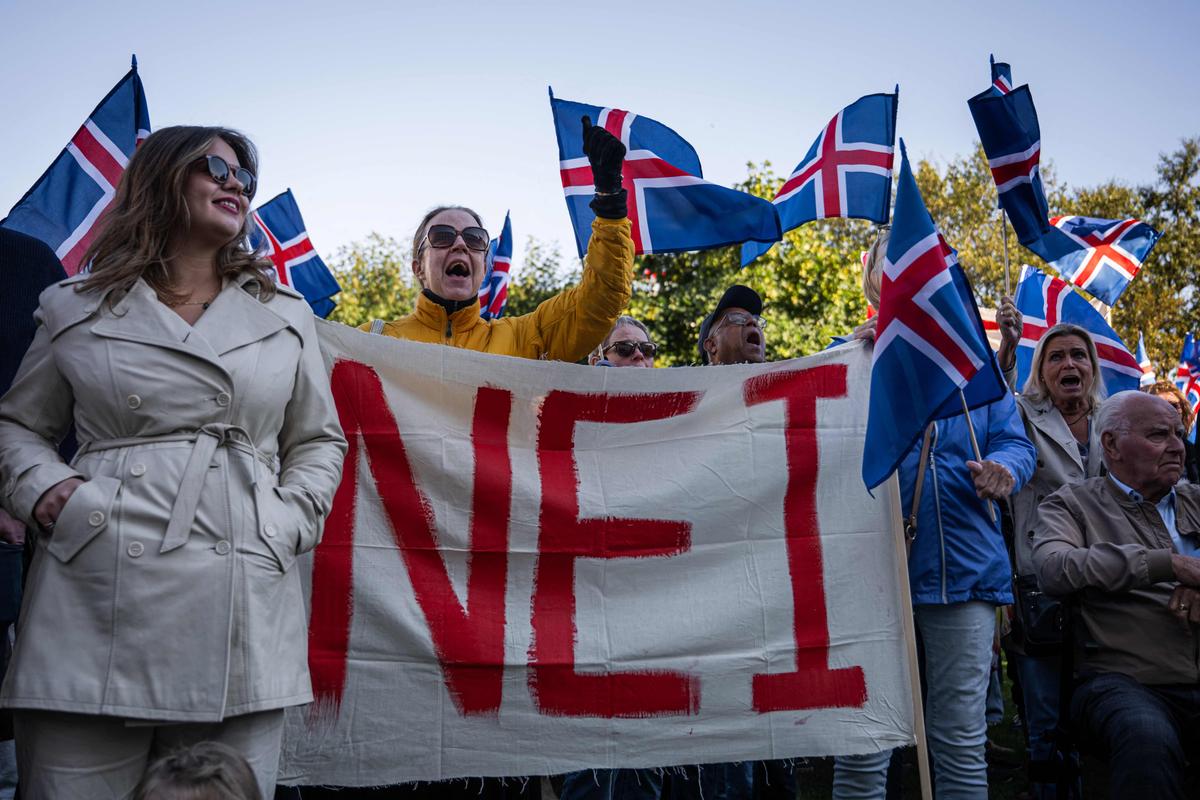
⚠️ 𝗛𝗜𝗦𝗧𝗢𝗥𝗜𝗤𝗨𝗘 ⚠️ 🇮🇸 𝗟𝗘𝗦 𝗜𝗦𝗟𝗔𝗡𝗗𝗔𝗜𝗦 𝗥𝗘𝗙𝗨𝗦𝗘𝗡𝗧 𝗟𝗔 𝗥𝗘𝗢𝗨𝗩𝗘𝗥𝗧𝗨𝗥𝗘 𝗗𝗘𝗦 𝗡𝗘𝗚𝗢𝗖𝗜𝗔𝗧𝗜𝗢𝗡𝗦 𝗗'𝗔𝗗𝗛𝗘𝗦𝗜𝗢𝗡 𝗔 𝗟'𝗨𝗘 ! Un immense bravo au peuple islandais qui vient de rejeter, à 52,8% des suffrages, le projet de réouverture de #Islande #Référendum #Politique #IS

3046
L'Obs Aug 30

Les Islandais ont rejeté l'adhésion à l'Union européenne lors d'un référendum, marquant un tournant notable dans le vote des jeunes, avec 52,5 % des suffrages pour le « non » et une participation élevée de 80 %. #Islande #UnionEuropéenne #Référendum

www.nouvelobs.com
Les Islandais disent « non » à l’UE par référendum, avec un basculement du vote des jeunes
12300