WRLD

Search

#expérience
La Libre.be 5h

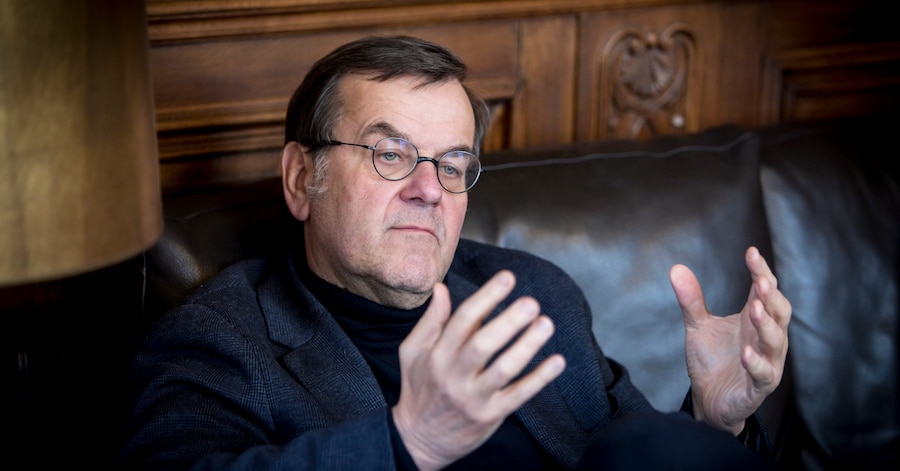
Willy Demeyer (PS), the mayor of Liège, defends his management of the recent riots in the face of criticism from the Minister of the Interior, Bernard Quintin, stating that he acted with experience and in a timely manner. #Belgique #Politique #Liège (translated)
www.lalibre.be
Willy Demeyer (PS) répond aux critiques de Bernard Quintin : “J’ai une grande expérience et je n’ai pas de leçon à recevoir”
1428
Luciano Magaldi Sardella (PhD) 5h

LETTERE MERIDIANE — “TEATRO-EDICOLA” OF SAN SEVERO CONQUERS THE WORLD SOURCE: https://www.letteremeridiane.org/2026/10/il-teatro-edicola-di-san-severo-conquista-il-mondo/?fbclid=IwY2xjawU4oqFleHRuA2FlbQIxMQBwZG9mAXNydGMGYXBwX2lkEDIyMjAzOTE3ODgyMDA4OTIAAR5rVEwYs6UUXg7v-P0SyIQ_DRb_F6ZiY58OcseYoV4J7atcTiERnhWaqKM2pw_aem_Njle1jq1XLzHr93KLBUcVA After “Broadway World”, the “Los Angeles Journal”, “The Psychologist (British Psychological Association)” and Hollywood Beat Magazine, its “academic consecration” has now arrived courtesy of Stanford University. As I have already emphasised in my article on the revival of the GIO Festival in Foggia, celebrated by BroadwayWorld for the world stage premiere of the Giordano’s opera Marina (1888), the province of Foggia has long ceased to be peripheral. It happens when it finds an idea that shifts the coordinates: well, in San Severo, 40 kilometres from Foggia, it has happened again. Only this time an orchestra was not needed; six chairs were enough. The celebrated Teatro-Edicola of San Severo artistic director Francesco Gravino of the theatre company Foyer ’97 has been featured in the academic journal “Stanford Social Innovation Review (SSIR)” as an academic case study. The news, relayed on 19 September 2026 by ANSA Nazionale, looked like a misprint. Then it became clear that it was not. SSIR, an award-winning publication covering multisectoral solutions to global problems, included the project in its Dispatches section with the reportage “The Six-Seat Revolution”. It is the inverse trajectory to that of the GIO Festival: not a forgotten opera returning to a grand historic Italian horseshoe theatre, but an entire theatre reborn inside a disused place, forgotten by man. There are moments when past and future intertwine to create something visionary, innovative, artistically “revolutionary”: San Severo experienced one of those moments on the morning of 27 March 2026, during World Theatre Day, when the shutter of a newsstand closed for six years in Via Matteo Tondi was reopened “not to sell newspapers, but to offer stirring stories”, to quote Gravino’s motto. The idea of the visionary Francesco Gravino, artistic director, stage director and actor of the San Severo company Foyer ’97, active for at least 30 years in Capitanata, centred on the kiosk, hexagonal in metal and glass, granted free of charge by its owner Pino Frau, by now an urban relic created by the publishing crisis of the early 2000s: today in Italy active newsstands have fallen from about 35,000 in 2005 to about 20,000 in 2024, a decline of 42.8%. Gravino and eleven other actors restructured it in two weeks of work, without institutional funding, and transformed it into what is now under examination by the London commission of Guinness World Records as the “world’s smallest theatre”. The formula is deliberately austere: six spectators at a time outside, actors inside at less than a metre’s distance, 15-minute performances, continuous rotation from 11:00 to 20:45, texts ranging from Goldoni to Chekhov, from Ibsen to Dacia Maraini. On the door a QR code with an original theatrical warning: “Warning! This QR code transforms passers-by into actors. Scan only if ready.” The numbers immediately showed that it was no boutade: more than 60 people in a single afternoon, three inaugural days that sold out. But above all a positive echo that went beyond the borders of San Severo. “Broadway World” (just as in the previous case of the GIO Festival), the world’s most influential theatre criticism outlet with over 5.5 million monthly views, devoted exclusive coverage to it on 27 April 2026: “An Abandoned Italian Newsstand Just Became the World’s Smallest Theatre”. Not a mere listing, but an analysis: “There is no foyer, there is no balcony, there is no grid. There is barely a wing. What there is is something almost unrecognisable as an evening at the theatre, and for that very reason it is all the more powerful.” “Broadway World” captured Gravino’s manifesto idea: “This is a theatre of proximity. In an era of digital distance, we are putting human contact back at the centre,” framing it as “More than a clever exercise in site-specific theatre. It is a reappropriation.” All of this, in a Mezzogiorno of Italy often narrated only in terms of organised crime and marginalisation. To that seal of approval was added another, even more disorienting for a newsstand in San Severo: the “Los Angeles Journal”, one of the most influential publications on the West Coast for the performing arts. On 12 May 2026, it headlined thus: “San Severo’s Teatro-Edicola as an Innovative Model for Los Angeles Theaters?” opening as follows: “In a city in southern Italy that Hollywood has never heard of, a theatre director has just built the smallest stage in the world: six seats, fifteen minutes, zero distance. Los Angeles should pay attention.” The “Los Angeles Journal” does not indulge in folklore, but places the kiosk in Via Matteo Tondi alongside the prestigious 1,600-seat Ahmanson Theatre in Los Angeles, the Pantages of Broadway in Hollywood, the 99-seat plan of Rogue Machine, the Odyssey, the Victory Theatre and the Hollywood Fringe. It even recalls Ethan Marks’s Electrical Box Theatre, a veritable electrical box lined with red velvet in downtown Los Angeles, to argue that Gravino has taken to the extreme the question Los Angeles has been asking itself for decades: How small can a stage become before it ceases to be a stage? And it recognizes the San Severo urban model: almost zero cost, two weeks of work and six chairs, in return for immediate provincial, regional and national media coverage, recognition by the San Severo’s Municipal Administration, and a format exportable anywhere. Then, the third American piece came from “Hollywood Beat Magazine” on 20 April 2026: Six seats. Fifteen minutes. One actor. No stage. The magazine recounts the kiosk in Via Tondi left disused for almost six years, the contemporary six-seat cultural outpost, placing Francesco Gravino in a distinguished genealogy: Richard Schechner and environmental theatre, Jerzy Grotowski and poor theatre, Nicolas Bourriaud and relational aesthetics. But it closes with pragmatism: it is not a thesis, it is fixing a street corner, that is, repairing an urban street corner by asking not how large a theatre can become, but how small it must become again to recover its original power. And finally, the celebrated London-based “The Psychologist”, the journal of the “British Psychological Society (BPS)”, the oldest psychological society in the world, transformed the Teatro-Edicola into a scientific case study: on 30 July 2026 it published “The world’s smallest theatre — and Psychologists’ next act”, starting from the same detail, the morning of 27 March when the metal shutter of the hexagonal kiosk in Via Tondi reopened after six years, six people inside, an actor at less than a metre’s distance beginning Chekhov. It describes the formula: six spectators, 15 minutes, 11 actors over 10 hours, from Goldoni to Euripides, inside a kiosk where the fourth wall does not break because architecturally it never existed. But the BPS goes a step further: it cites the 2025 studies by Damien Gabriel in IBRO Neuroscience Reports, that live performance generates measurably stronger emotional and physiological activation than video, and introduces Edward Hall’s proxemics: below one metre is intimate space, reserved for doctors, close friends, lovers. In that one-square-metre space, the actor’s breath is audible, micro-expressions legible, the self-other boundary becomes permeable. The Teatro-Edicola “does not make theatre better, it makes it inevitable”. And it is here that one understands why Stanford is studying it as an academic case study in social innovation, not as a case of artistic originality. In Italy, meanwhile, the national media circuit had already picked up the phenomenon: RaiNews — TG2 Storie brought it to RaiDue at midnight on 19 April. RTL 102.5 devoted space to the format conceived by Gravino and developed by Foyer ’97 in the heart of San Severo in Via Tondi, defining it as a permanent micro-stage capable of bringing theatre into public space. ANSA.it, Gazzetta del Mezzogiorno, La Repubblica, TG2000, Radio Capital, Swiss RSI, ANSA Brazil and many others followed. And for the record: Fiorello praised it in La Pennicanza as an artistic case inspired by his Edicola Fiore, and Biagio Antonacci, on his tour in the Augustan amphitheatre of Lucera, made a “fact-finding” stop at the Teatro-Edicola singing the celebrated and nostalgic Iris in front of an audience certainly larger than the “six seats”. Francesco Gravino’s theatre company Foyer ’97 was not born yesterday: behind it lie the Teatro-Cantina of 2016, the underground theatre, and in 2011 a performance on the bell tower of a church in the centre of San Severo at 45 metres high. The Teatro-Edicola completes, in Gravino’s words, “the entire vertical extension of theatre: underground, street level, rooftop”. And it is preparing for its thirtieth anniversary in 2027 aiming to purchase the kiosk to make it permanent, exporting the “San Severo Model” to Rome, Lucca, and to the festivals of Santarcangelo and Todi. As with the GIO Festival, someone might dare to claim that it is merely a stunt, but when BroadwayWorld places you alongside the Los Angeles Opera House, the “Los Angeles Journa”l proposes you as a model for Hollywood, “Hollywood Beat Magazine” reads you through Grotowski and the “British Psychological Society” uses you to explain mirror neurones, it is no longer a stunt but an excellent artistic and academic positioning. To those who still whisper that Foggia and Capitanata are provincial, the answer is now written on two opposite and complementary fronts: on 5 June in Foggia a 138-year-old opera found the stage again at the Giordano ending up on BroadwayWorld; on 27 March in San Severo a 4-square-metre kiosk invented a stage that did not exist, ending up at Stanford, in Los Angeles, in Hollywood and in London. The periphery, when it has a precise idea, becomes the centre. Even with six chairs. Luciano Magaldi Sardella

www.letteremeridiane.org
Il teatro-edicola di San Severo conquista il mondo
63
Anna Simon Marí 14h

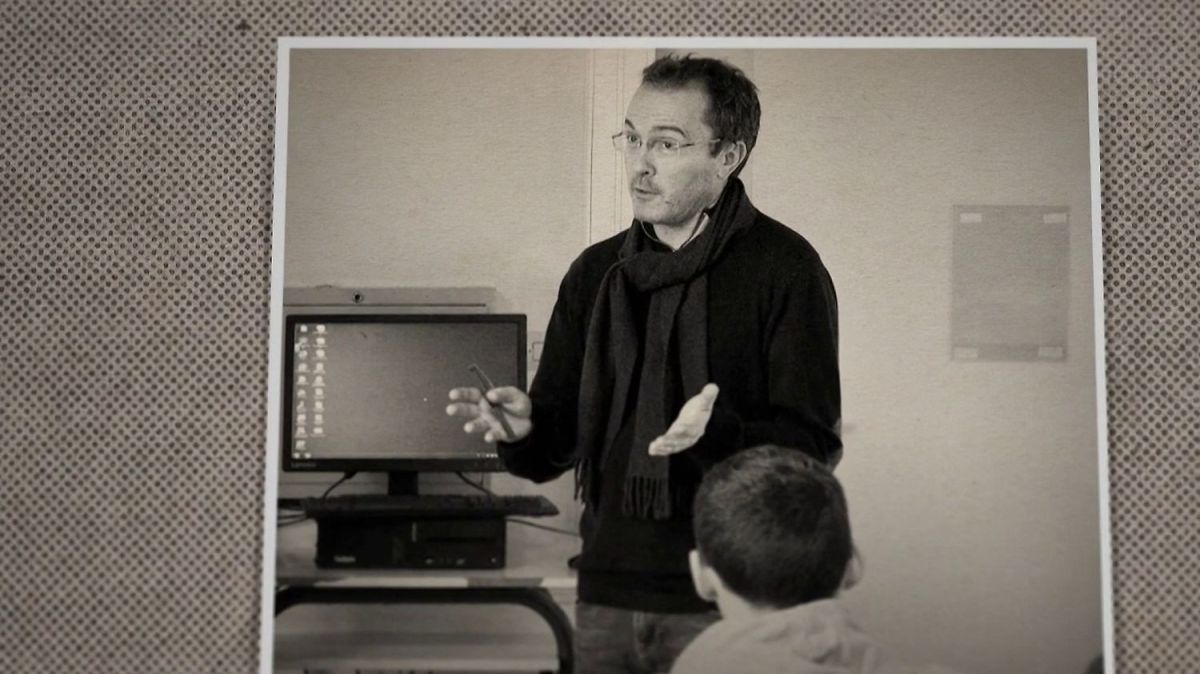
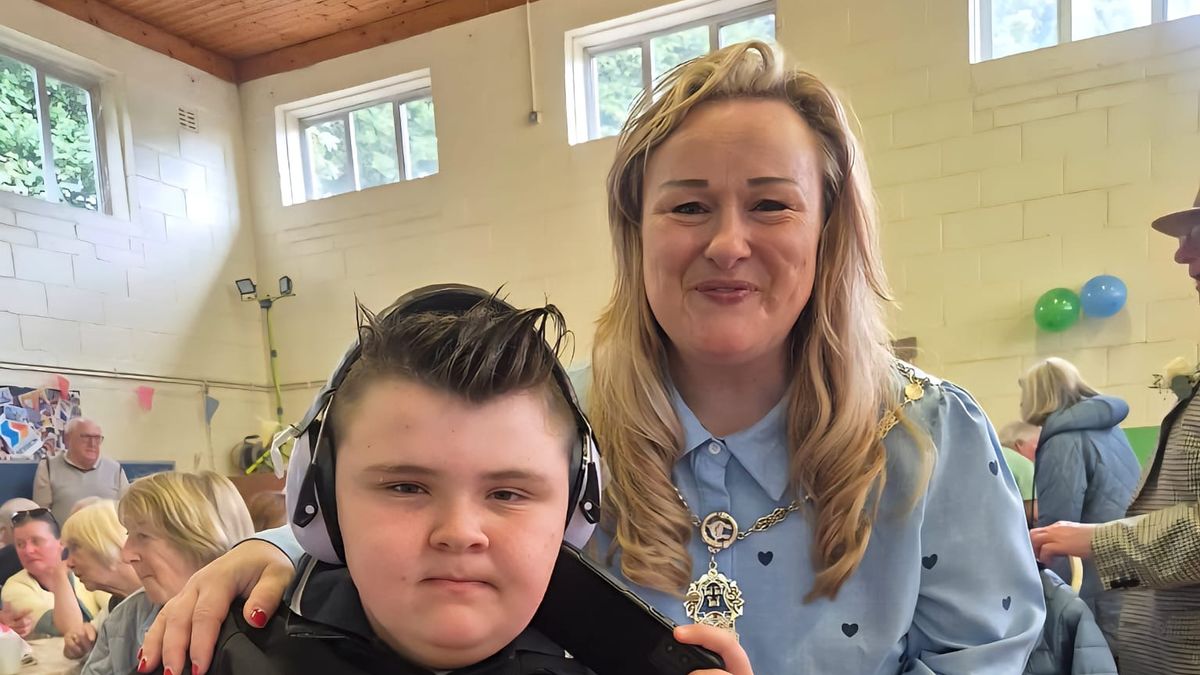
"It was a timeless experience. There were soldiers everywhere, police. The judge was there. The defendants were in a glass cage. It's extremely impressive, we felt very small," Anna Simon tells them, being part of the project dedicated to Samuel Paty as well. #SamuelPaty #LibertéDéexpression #GénérationPaty (translated)

"Génération Paty" : quand les lycéens racontent le procès de l'assassinat de Samuel Paty aux collégiens actuels de Conflans-Sainte-Honorine
www.franceinfo.fr
2020
Franceinfo 14h

The Generation Paty project allows high school students who attended the trial for the assassination of Samuel Paty to share their experiences and raise awareness among middle school students in Conflans-Sainte-Honorine about the issues of freedom of expression and the consequences of rumors. #SamuelPaty #LibertéDéexpression #GénérationPaty (translated)

www.franceinfo.fr
"Génération Paty" : quand les lycéens racontent le procès de l'assassinat de Samuel Paty aux collégiens actuels de Conflans-Sainte-Honorine
2020
2
20minutes 14h

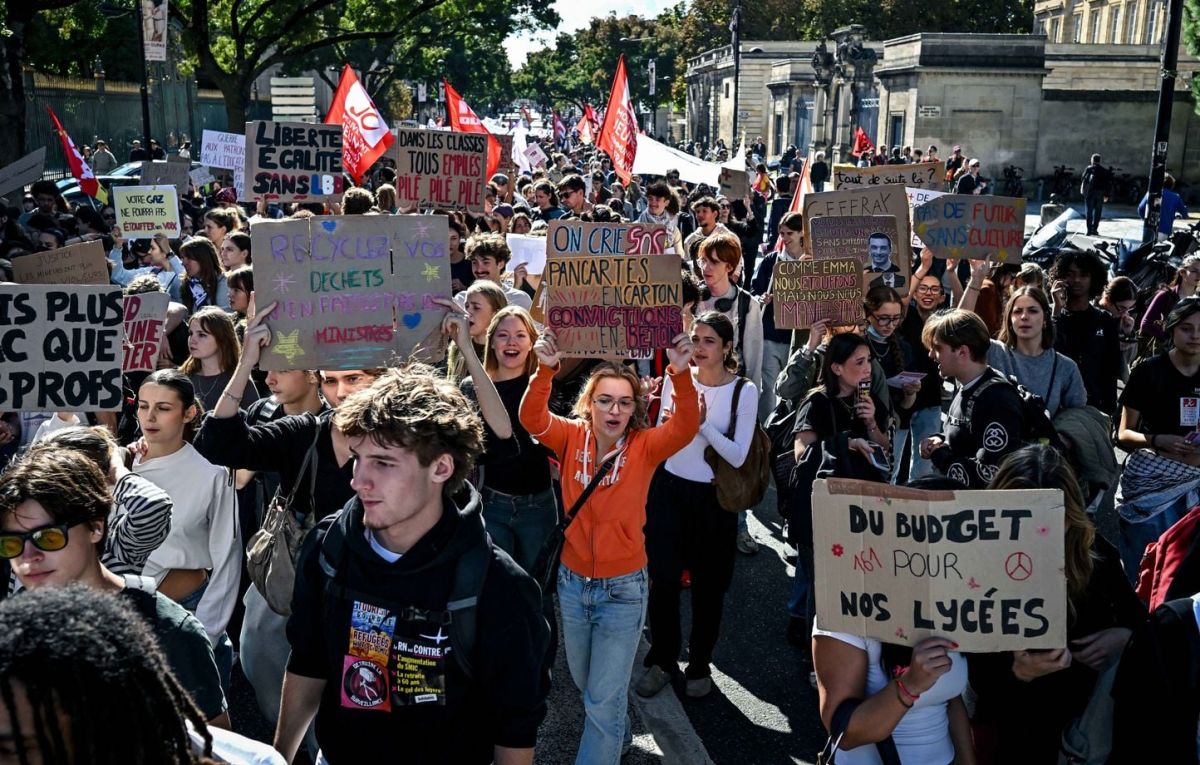
High school students express their dissatisfaction regarding the organization of timetables and the condition of school buildings, which has led to a consultation platform set up by the government, gathering 76,500 contributions to improve their educational experience. #Lycée #EmploiDuTemps #Concertation (translated)

www.20minutes.fr
Colère des lycéens : Les emplois du temps et la dégradation des bâtiments au cœur des préoccupations
2021
O
Ouest France 18h

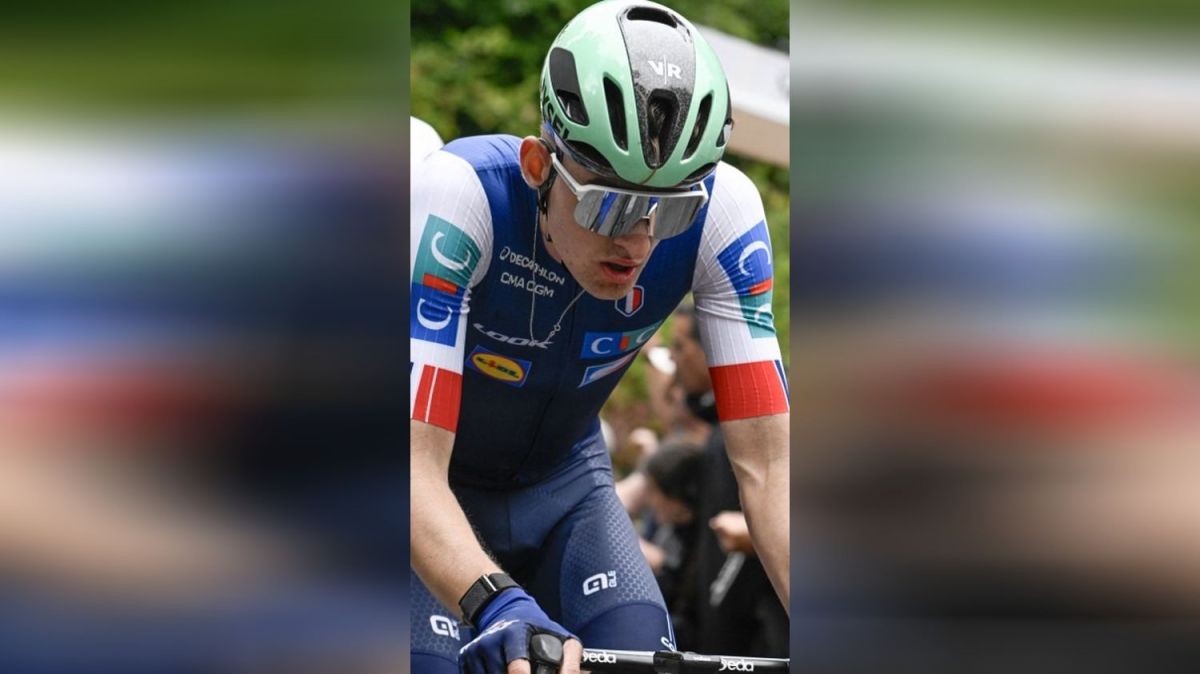
Julien Jurdie shares his experience of success at the Tour of Lombardy, mentioning the key moment when Paul Seixas revealed the code that changed the game. #ErreurService #SoutienClient #Dépannage (translated)

www.ouest-france.fr
ENTRETIEN. «Quand Paul Seixas nous a dit le code, on a compris» : Julien Jurdie raconte le triomphe du Tour de Lombardie
1828
rsvp 24h

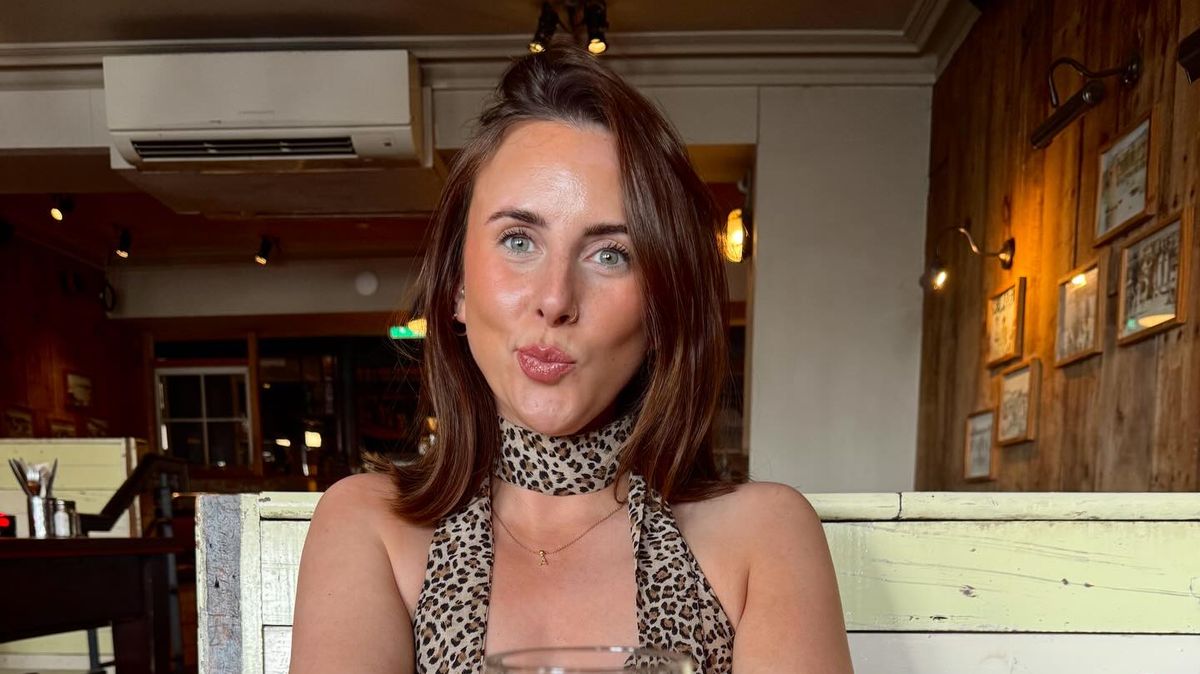
Aisling Gallagher, a seemingly super healthy young woman, experienced alarming bowel symptoms that ultimately led to a diagnosis of stage-two rectal cancer at age 28, prompting her to raise awareness about the importance of early detection and recognizing warning signs in one's health. #BowelCancerAwareness #EarlyDetection #CancerSurvivor

www.rsvplive.ie
'Super healthy' woman's toilet symptom was sign of deadly disease
2257
L
Le Soir 1d

Olivier Grondeau shares his experience of arrest and detention in Iran in his book "Joseph in the Night," where he shares his personal and sensory account of these trials. #OlivierGrondeau #Iran #DiplomatieDesOtages (translated)

www.lesoir.be
Olivier Grondeau revient sur son arrestation en Iran dans un livre : « Le matin est horrible, tout est à recommencer »
1726
Le Gruppetto 1d

The Gruppetto reported that Paul Seixas finished 64th in the Roc d'Azur on Sunday, nearly 18 minutes behind the winner Jordan Sarrou. Seixas explained that he came for the enjoyment and let the other riders pass when he realized he couldn't keep up with their pace in the technical descents. He then waited for Bruno Armirail to complete the circuit with him. Seixas said he rode calmly after feeling pain in his arm. He described the event as an experience, noting that he hadn't done mountain biking in over a year. He also recounted having a few scares in the descents and estimated that he should train more in that area if he returned, as he didn't want to take risks. #VTT #RocDAzur #Cyclisme (translated)

2183
Le Parisien 1d

The article highlights Akliouche's enthusiasm for his experience at PSG, where he scored a goal and shows great promise for the future. #Ligue1 #PSG #Football (translated)

www.leparisien.fr
« J’aime tout de Maghnes, tout ! » : Akliouche, un but et de belles promesses avec le PSG
2274
António Guterres 2d

The author said that this year’s World Mental Health Day reaffirmed the expertise and leadership of people with lived experience of mental health challenges. They called for renewed commitment to mental health, efforts to remove stigma, and systems grounded in dignity and rights for all.

3158
Franceinfo 2d

Paul Seixas, despite his hopes of victory at the world championships in Montreal, was forced to withdraw after suffering cramps, calling this experience a rookie mistake and a huge disappointment. #ChampionnatsDuMonde #PaulSeixas #Déception (translated)

www.franceinfo.fr
"C'est une erreur de débutant, une énorme déception", regrette Paul Seixas, 15e des championnats du monde
2540
Le Parisien 2d

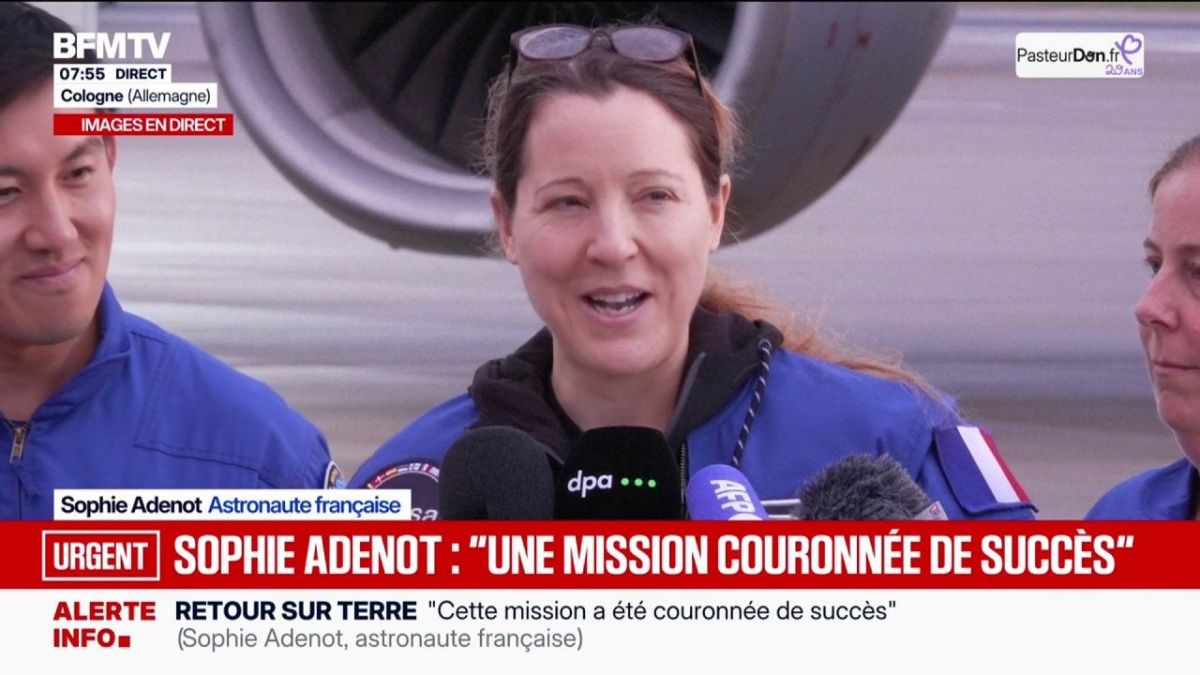
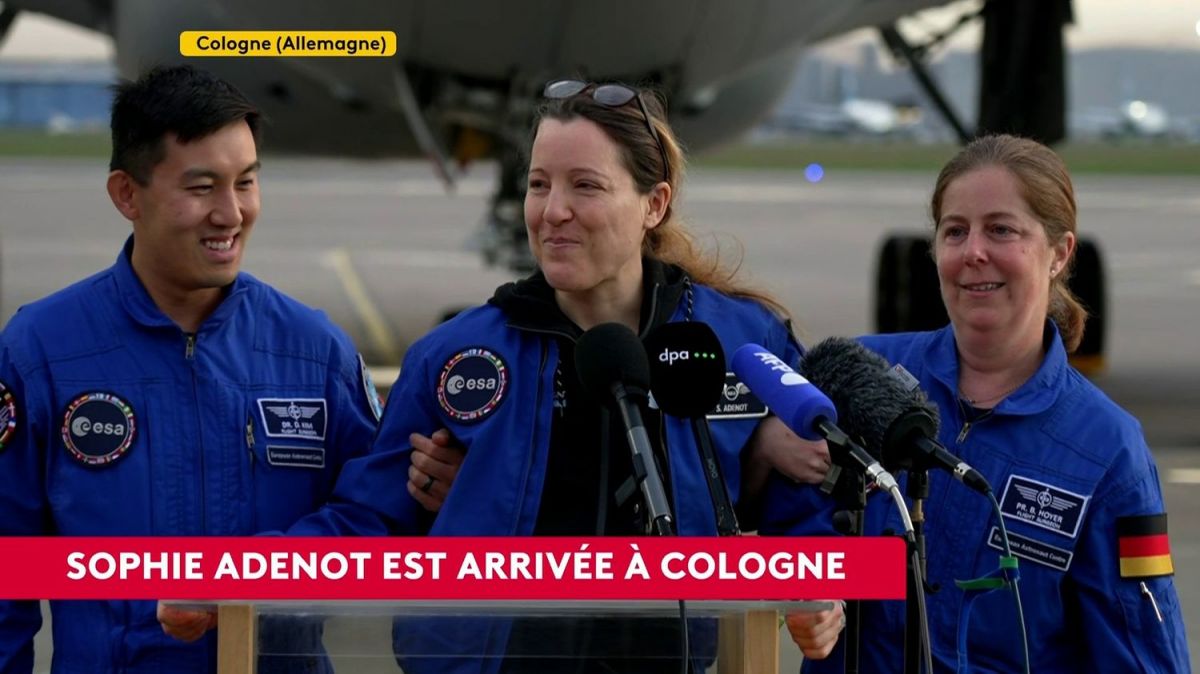
Astronaut Sophie Adenot, back in Europe, expresses her poignant emotions and the feeling of having to relearn how to live after her space experience. #SophieAdenot #astronautes #explorationspatiale (translated)

www.leparisien.fr
« J’ai l’impression de réapprendre à vivre » : de retour en Europe, l’astronaute Sophie Adenot désarme par ses larmes
2680
rsvp 2d

Alison Field, mother of 12-year-old James with non-verbal autism, criticizes the Irish government for failing families in the special needs sector, highlighting their struggles in securing resources and support in light of her family’s experience featured in Eric Roberts' documentary, Crisis In The Classroom. #CrisisInTheClassroom #SpecialNeeds #AutismAwareness

www.rsvplive.ie
Mother of son, James, with non-verbal autism says the government have 'failed them'
2576
Le Sprint 2d

The Sprint estimated that Max Verstappen and Lewis Hamilton displayed an exceptional pace, which he attributed to their experience and talent. #F1 #SingaporeGP https://t.co/TyQOa68hV6 #F1 #Verstappen #Hamilton (translated)

3213
BFMTV 2d

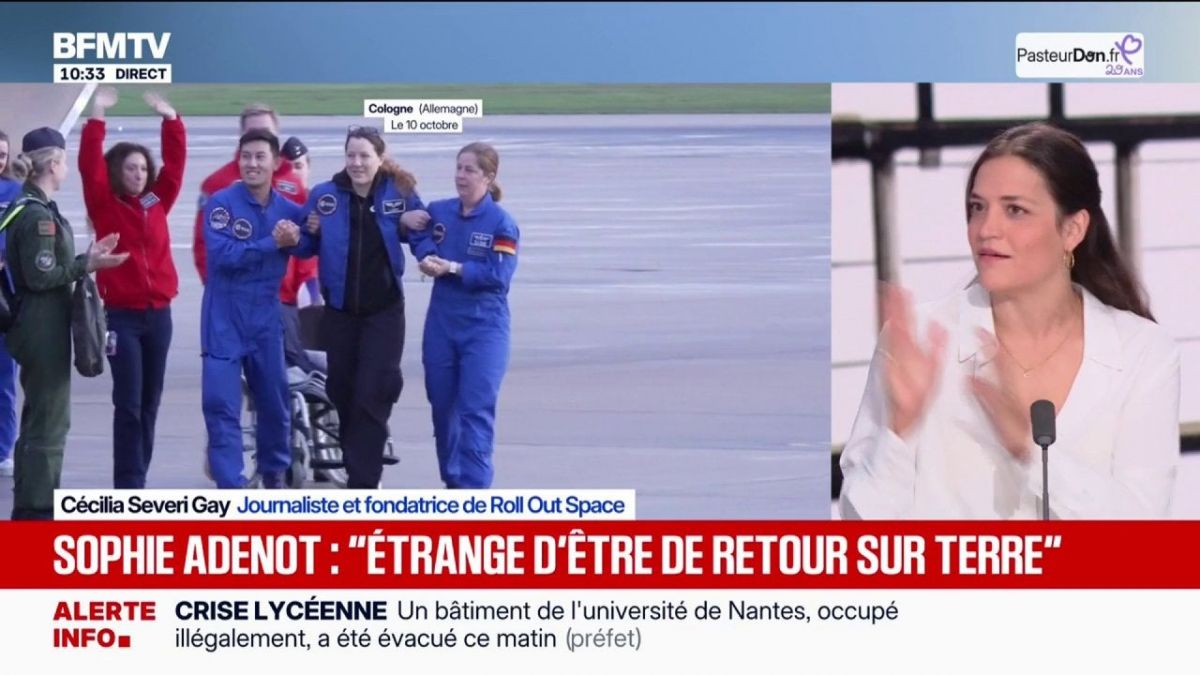
Sophie Adenot, French astronaut of the Crew-12 mission, stated at a press conference in Germany that her return to Earth after living in microgravity has profoundly changed her experience. #Astronautes #Espace #SophieAdenot (translated)

www.bfmtv.com
"Ce n'est pas la même Sophie qui arrive sur Terre que celle qui évoluait en microgravité", développe Cécilia Severi Gay, journaliste et fondatrice de Roll Out Space
2777
Franceinfo 2d

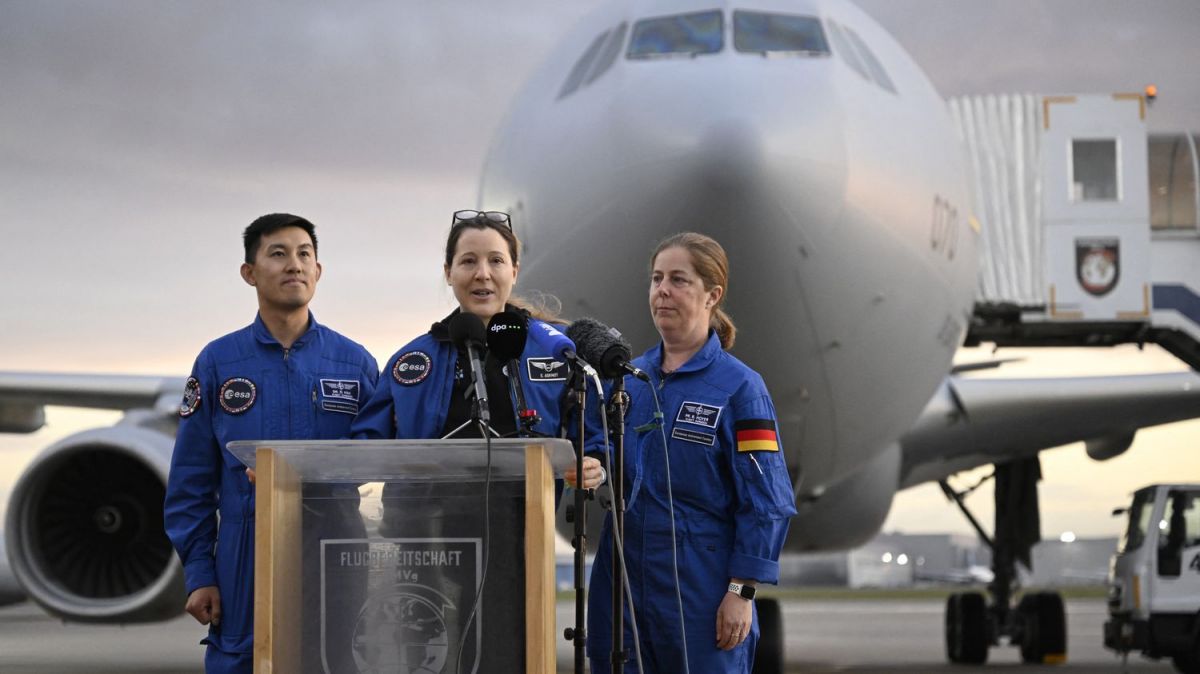
French astronaut Sophie Adenot shared an emotional speech in Cologne, highlighting her experience of human emotions after her landing and calling for unity, while recalling the tears that overcame her upon her return to Earth. #SophieAdenot #Espace #Unité (translated)

www.franceinfo.fr
"Les larmes suivent l'apesanteur maintenant": l'astronaute française Sophie Adenot prononce un émouvant discours après son retour sur la terre ferme
3002
BFMTV 2d

Sophie Adenot, a French astronaut, shared her experiences of returning to Earth after the Crew-12 mission, emphasizing that while space is challenging, it fosters unity among people. #SophieAdenot #espace #astronautique (translated)

www.bfmtv.com
Retour sur Terre de Sophie Adenot: "L'espace, c'est dur, mais l'espace nous unit", affirme l'astronaute française
2890
Franceinfo 2d

French astronaut Sophie Adenot, back on Earth after a record mission of 237 days in space and three extravehicular outings, stated that she went through the entire spectrum of human emotions during her experience. #SophieAdenot #Astronautique #Espace (translated)

www.franceinfo.fr
"J'ai traversé tout le spectre des émotions humaines", déclare l'astronaute Sophie Adenot, de retour sur Terre
3113
Jürgen Schmidhuber 2d

The author wrote that their embodied AI drew on memory of lived experiences, which they said helped it model the world, plan, minimise expected pain, maximise expected reward and connect more deeply with goodness.

2892