WRLD

Search

#Angeles
Frankfurter Allgemeine 36m

Marco Reus had to endure a bitter 2:6 defeat against St. Louis City SC with Los Angeles Galaxy in Major League Soccer (MLS), after being substituted in at a hopeless 1:6 deficit. #MarcoReus #MLSSaison #LosAngelesGalaxy (translated)

www.faz.net
Bittere Niederlage: Marco Reus wird beim Stand von 1:6 eingewechselt
1150
Luciano Magaldi Sardella (PhD) 3h

LETTERE MERIDIANE — “TEATRO-EDICOLA” OF SAN SEVERO CONQUERS THE WORLD SOURCE: https://www.letteremeridiane.org/2026/10/il-teatro-edicola-di-san-severo-conquista-il-mondo/?fbclid=IwY2xjawU4oqFleHRuA2FlbQIxMQBwZG9mAXNydGMGYXBwX2lkEDIyMjAzOTE3ODgyMDA4OTIAAR5rVEwYs6UUXg7v-P0SyIQ_DRb_F6ZiY58OcseYoV4J7atcTiERnhWaqKM2pw_aem_Njle1jq1XLzHr93KLBUcVA After “Broadway World”, the “Los Angeles Journal”, “The Psychologist (British Psychological Association)” and Hollywood Beat Magazine, its “academic consecration” has now arrived courtesy of Stanford University. As I have already emphasised in my article on the revival of the GIO Festival in Foggia, celebrated by BroadwayWorld for the world stage premiere of the Giordano’s opera Marina (1888), the province of Foggia has long ceased to be peripheral. It happens when it finds an idea that shifts the coordinates: well, in San Severo, 40 kilometres from Foggia, it has happened again. Only this time an orchestra was not needed; six chairs were enough. The celebrated Teatro-Edicola of San Severo artistic director Francesco Gravino of the theatre company Foyer ’97 has been featured in the academic journal “Stanford Social Innovation Review (SSIR)” as an academic case study. The news, relayed on 19 September 2026 by ANSA Nazionale, looked like a misprint. Then it became clear that it was not. SSIR, an award-winning publication covering multisectoral solutions to global problems, included the project in its Dispatches section with the reportage “The Six-Seat Revolution”. It is the inverse trajectory to that of the GIO Festival: not a forgotten opera returning to a grand historic Italian horseshoe theatre, but an entire theatre reborn inside a disused place, forgotten by man. There are moments when past and future intertwine to create something visionary, innovative, artistically “revolutionary”: San Severo experienced one of those moments on the morning of 27 March 2026, during World Theatre Day, when the shutter of a newsstand closed for six years in Via Matteo Tondi was reopened “not to sell newspapers, but to offer stirring stories”, to quote Gravino’s motto. The idea of the visionary Francesco Gravino, artistic director, stage director and actor of the San Severo company Foyer ’97, active for at least 30 years in Capitanata, centred on the kiosk, hexagonal in metal and glass, granted free of charge by its owner Pino Frau, by now an urban relic created by the publishing crisis of the early 2000s: today in Italy active newsstands have fallen from about 35,000 in 2005 to about 20,000 in 2024, a decline of 42.8%. Gravino and eleven other actors restructured it in two weeks of work, without institutional funding, and transformed it into what is now under examination by the London commission of Guinness World Records as the “world’s smallest theatre”. The formula is deliberately austere: six spectators at a time outside, actors inside at less than a metre’s distance, 15-minute performances, continuous rotation from 11:00 to 20:45, texts ranging from Goldoni to Chekhov, from Ibsen to Dacia Maraini. On the door a QR code with an original theatrical warning: “Warning! This QR code transforms passers-by into actors. Scan only if ready.” The numbers immediately showed that it was no boutade: more than 60 people in a single afternoon, three inaugural days that sold out. But above all a positive echo that went beyond the borders of San Severo. “Broadway World” (just as in the previous case of the GIO Festival), the world’s most influential theatre criticism outlet with over 5.5 million monthly views, devoted exclusive coverage to it on 27 April 2026: “An Abandoned Italian Newsstand Just Became the World’s Smallest Theatre”. Not a mere listing, but an analysis: “There is no foyer, there is no balcony, there is no grid. There is barely a wing. What there is is something almost unrecognisable as an evening at the theatre, and for that very reason it is all the more powerful.” “Broadway World” captured Gravino’s manifesto idea: “This is a theatre of proximity. In an era of digital distance, we are putting human contact back at the centre,” framing it as “More than a clever exercise in site-specific theatre. It is a reappropriation.” All of this, in a Mezzogiorno of Italy often narrated only in terms of organised crime and marginalisation. To that seal of approval was added another, even more disorienting for a newsstand in San Severo: the “Los Angeles Journal”, one of the most influential publications on the West Coast for the performing arts. On 12 May 2026, it headlined thus: “San Severo’s Teatro-Edicola as an Innovative Model for Los Angeles Theaters?” opening as follows: “In a city in southern Italy that Hollywood has never heard of, a theatre director has just built the smallest stage in the world: six seats, fifteen minutes, zero distance. Los Angeles should pay attention.” The “Los Angeles Journal” does not indulge in folklore, but places the kiosk in Via Matteo Tondi alongside the prestigious 1,600-seat Ahmanson Theatre in Los Angeles, the Pantages of Broadway in Hollywood, the 99-seat plan of Rogue Machine, the Odyssey, the Victory Theatre and the Hollywood Fringe. It even recalls Ethan Marks’s Electrical Box Theatre, a veritable electrical box lined with red velvet in downtown Los Angeles, to argue that Gravino has taken to the extreme the question Los Angeles has been asking itself for decades: How small can a stage become before it ceases to be a stage? And it recognizes the San Severo urban model: almost zero cost, two weeks of work and six chairs, in return for immediate provincial, regional and national media coverage, recognition by the San Severo’s Municipal Administration, and a format exportable anywhere. Then, the third American piece came from “Hollywood Beat Magazine” on 20 April 2026: Six seats. Fifteen minutes. One actor. No stage. The magazine recounts the kiosk in Via Tondi left disused for almost six years, the contemporary six-seat cultural outpost, placing Francesco Gravino in a distinguished genealogy: Richard Schechner and environmental theatre, Jerzy Grotowski and poor theatre, Nicolas Bourriaud and relational aesthetics. But it closes with pragmatism: it is not a thesis, it is fixing a street corner, that is, repairing an urban street corner by asking not how large a theatre can become, but how small it must become again to recover its original power. And finally, the celebrated London-based “The Psychologist”, the journal of the “British Psychological Society (BPS)”, the oldest psychological society in the world, transformed the Teatro-Edicola into a scientific case study: on 30 July 2026 it published “The world’s smallest theatre — and Psychologists’ next act”, starting from the same detail, the morning of 27 March when the metal shutter of the hexagonal kiosk in Via Tondi reopened after six years, six people inside, an actor at less than a metre’s distance beginning Chekhov. It describes the formula: six spectators, 15 minutes, 11 actors over 10 hours, from Goldoni to Euripides, inside a kiosk where the fourth wall does not break because architecturally it never existed. But the BPS goes a step further: it cites the 2025 studies by Damien Gabriel in IBRO Neuroscience Reports, that live performance generates measurably stronger emotional and physiological activation than video, and introduces Edward Hall’s proxemics: below one metre is intimate space, reserved for doctors, close friends, lovers. In that one-square-metre space, the actor’s breath is audible, micro-expressions legible, the self-other boundary becomes permeable. The Teatro-Edicola “does not make theatre better, it makes it inevitable”. And it is here that one understands why Stanford is studying it as an academic case study in social innovation, not as a case of artistic originality. In Italy, meanwhile, the national media circuit had already picked up the phenomenon: RaiNews — TG2 Storie brought it to RaiDue at midnight on 19 April. RTL 102.5 devoted space to the format conceived by Gravino and developed by Foyer ’97 in the heart of San Severo in Via Tondi, defining it as a permanent micro-stage capable of bringing theatre into public space. ANSA.it, Gazzetta del Mezzogiorno, La Repubblica, TG2000, Radio Capital, Swiss RSI, ANSA Brazil and many others followed. And for the record: Fiorello praised it in La Pennicanza as an artistic case inspired by his Edicola Fiore, and Biagio Antonacci, on his tour in the Augustan amphitheatre of Lucera, made a “fact-finding” stop at the Teatro-Edicola singing the celebrated and nostalgic Iris in front of an audience certainly larger than the “six seats”. Francesco Gravino’s theatre company Foyer ’97 was not born yesterday: behind it lie the Teatro-Cantina of 2016, the underground theatre, and in 2011 a performance on the bell tower of a church in the centre of San Severo at 45 metres high. The Teatro-Edicola completes, in Gravino’s words, “the entire vertical extension of theatre: underground, street level, rooftop”. And it is preparing for its thirtieth anniversary in 2027 aiming to purchase the kiosk to make it permanent, exporting the “San Severo Model” to Rome, Lucca, and to the festivals of Santarcangelo and Todi. As with the GIO Festival, someone might dare to claim that it is merely a stunt, but when BroadwayWorld places you alongside the Los Angeles Opera House, the “Los Angeles Journa”l proposes you as a model for Hollywood, “Hollywood Beat Magazine” reads you through Grotowski and the “British Psychological Society” uses you to explain mirror neurones, it is no longer a stunt but an excellent artistic and academic positioning. To those who still whisper that Foggia and Capitanata are provincial, the answer is now written on two opposite and complementary fronts: on 5 June in Foggia a 138-year-old opera found the stage again at the Giordano ending up on BroadwayWorld; on 27 March in San Severo a 4-square-metre kiosk invented a stage that did not exist, ending up at Stanford, in Los Angeles, in Hollywood and in London. The periphery, when it has a precise idea, becomes the centre. Even with six chairs. Luciano Magaldi Sardella

www.letteremeridiane.org
Il teatro-edicola di San Severo conquista il mondo
57
Luciano Magaldi Sardella (PhD) 3h

LETTERE MERIDIANE — IL TEATRO-EDICOLA DI SAN SEVERO CONQUISTA IL MONDO SOURCE: SOURCE: https://www.letteremeridiane.org/2026/10/il-teatro-edicola-di-san-severo-conquista-il-mondo/?fbclid=IwY2xjawU4oqFleHRuA2FlbQIxMQBwZG9mAXNydGMGYXBwX2lkEDIyMjAzOTE3ODgyMDA4OTIAAR5rVEwYs6UUXg7v-P0SyIQ_DRb_F6ZiY58OcseYoV4J7atcTiERnhWaqKM2pw_aem_Njle1jq1XLzHr93KLBUcVA Dopo Broadway World, Los Angeles Journal, The Psychologist (British Psychological Association) ed Hollywood Beat Magazine, ora è arrivata la sua “consacrazione accademica” a cura della Stanford University. Come ho già sottolineato nel mio articolo sulla rivincita del GIO Festival a Foggia, celebrata dal BroadwayWorld per la prima mondiale scenica della giordaniana Marina (1888), la provincia di Foggia ha smesso ormai di essere periferia. Accade quando trova un’idea che sposta le coordinate: ebbene, a San Severo, a 40 chilometri da Foggia, è successo di nuovo. Solo che questa volta non serviva un’orchestra, ma sono bastate sei sedie. Il celebre Teatro-Edicola del sanseverese direttore artistico Francesco Gravino della Compagnia Teatrale Foyer’97 è finito sulla rivista accademica Stanford Social Innovation Review (SSIR) in qualità di caso di studio accademico. La notizia, rilanciata il 19 settembre 2026 da ANSA Nazionale, sembrava un refuso. Poi si è capito che non lo era. La SSIR, pubblicazione pluripremiata che copre soluzioni multisettoriali ai problemi globali, ha inserito il progetto nella sezione Dispatches con il reportage The Six-Seat Revolution. È il percorso inverso rispetto a quello del GIO Festival: non un’opera dimenticata che torna in un grande teatro storico italiano a ferro di cavallo, ma un teatro intero che rinasce dentro un luogo dismesso, dimenticato dall’uomo. Ci sono momenti in cui il passato e il futuro si intrecciano per creare qualcosa di visionario, innovativo, artisticamente “rivoluzionario”: San Severo ha vissuto uno di questi momenti la mattina del 27 marzo 2026, durante la Giornata Mondiale del Teatro, quando la saracinesca di un’edicola chiusa da sei anni in Via Matteo Tondi è stata riaperta “non per vendere giornali, ma per offrire emozionanti storie”, citando il motto graviniano. L’idea del visionario Francesco Gravino (nella foto sopra), direttore artistico, regista e attore della compagnia sanseverese Foyer ’97, attiva da almeno 30 anni in Capitanata si è basata sull’edicola, esagonale in metallo e vetro, concessa a titolo gratuito dal proprietario Pino Frau, ormai un relitto urbano creato dalla crisi dell’editoria degli inizi anni 2000: oggi in Italia le edicole attive sono scese da circa 35.000 nel 2005 a circa 20.000 nel 2024, con un calo del 42,8%. Gravino e altri undici attori l’hanno ristrutturata in due settimane di lavoro, senza fondi istituzionali, e l’hanno trasformata in quello che oggi è sotto esame della commissione londinese del Guinness World Record come “teatro più piccolo del mondo”. La formula è volutamente austera: sei spettatori alla volta fuori, attori dentro a meno di un metro, spettacoli di 15 minuti, rotazione continua dalle 11 alle 20.45, testi da Goldoni a Čechov, da Ibsen a Dacia Maraini. Sulla porta un QR code con un originale avvertimento teatrale: “Attenzione! Questo codice QR trasforma i passanti in attori. Scansionate solo se pronti.” I numeri hanno sùbito detto che non era una boutade: più di 60 persone in un solo pomeriggio, tre giornate inaugurali che hanno registrato il tutto esaurito. Ma soprattutto un’eco positiva che è andata oltre i confini sanseveresi. BroadwayWorld (proprio come il previo caso del GIO Festival) la più influente testata mondiale di critica teatrale con oltre 5,5 milioni di visualizzazioni mensili, il 27 aprile 2026 gli ha dedicato una copertura esclusiva: An Abandoned Italian Newsstand Just Became the World’s Smallest Theatre. Non una segnalazione, ma un’analisi: “Non c’è foyer, non c’è balconata, non c’è graticcia. C’è a malapena una quinta. Quello che c’è è qualcosa di quasi irriconoscibile come serata a teatro, e proprio per questo è ancora più potente.” BroadwayWorld ha colto l’idea manifesto di Gravino: “Questo è un teatro di prossimità. In un’epoca di distanza digitale, stiamo rimettendo il contatto umano al centro,” incorniciandolo come “Più che un abile esercizio di teatro site-specific. È una riappropriazione.”. Il tutto, in un Mezzogiorno d’Italia spesso raccontato solo per criminalità organizzata e marginalizzazione. A quel sigillo se ne è aggiunto un altro, ancora più spiazzante per un’edicola di San Severo: il Los Angeles Journal, una delle testate più influenti della West Coast per le arti performative. Il 12 maggio 2026, titola in questo modo: San Severo’s Teatro Edicola as an Innovative Model for Los Angeles Theaters? aprendo così: “In una città del Sud Italia di cui Hollywood non ha mai sentito parlare, un regista teatrale ha appena costruito il palcoscenico più piccolo del mondo: sei posti, quindici minuti, zero distanza. Los Angeles dovrebbe prestare attenzione.” Il Los Angeles Journal non fa folklore, ma mette il chiosco di via Matteo Tondi accanto al presigioso teatro losangelino Ahmanson da 1600 posti, al Pantages di Broadway in Hollywood, ai 99-seat plan di Rogue Machine, all’ Odyssey, al Victory Theatre e all’ Hollywood Fringe. Rievoca persino l’Electrical Box Theatre di Ethan Marks, una vera e propria scatola elettrica foderata di velluto rosso in downtown Los Angeles, per dire che Gravino ha portato all’estremo la domanda che Los Angeles si fa da decenni: Quanto piccolo può diventare un palco prima di smettere di essere un palco? E riconosce il modello urbano sanseverese: costo quasi zero, due settimane di lavoro e una sestina di sedie, a fronte di una immediata copertura mediatica provinciale, regionale e nazionale, riconoscimento dell’ Amministrazione Comunale sanseverese, e un format esportabile (quasi) ovunque. Dopodiché, il terzo tassello americano è arrivato dall’ Hollywood Beat Magazine il 20 aprile 2026: Six seats. Fifteen minutes. One actor. No stage. Il magazine racconta il chiosco di Via Tondi rimasto dismesso per quasi sei anni, il presidio culturale contemporaneo da sei posti, inserendo Francesco Gravino nella genealogia alta: Richard Schechner e l’environmental theatre, Jerzy Grotowski e il teatro povero, Nicolas Bourriaud e l’estetica relazionale. Ma chiude con concretezza: non è una tesi, è fixing a street corner, ovvero aggiustare un angolo di strada urbana chiedendosi non quanto grande può diventare un teatro, ma quanto piccolo deve tornare per recuperare il suo potere originario. E infine, il celebre londinese The Psychologist, la rivista della British Psychological Society (BPS), la più antica società di psicologia al mondo, ha trasformato il Teatro-Edicola in caso di studio scientifico: il 30 luglio 2026 pubblica The world’s smallest theatre — and Psychologists’ next act, partendo dallo stesso dettaglio, la mattina del 27 marzo in cui la saracinesca metallica del chiosco esagonale di Via Tondi si riapre dopo sei anni, sei persone dentro, un attore a meno di un metro che inizia Chekhov. Descrive la formula: sei spettatori, 15 minuti, 11 attori su 10 ore, da Goldoni a Euripide, dentro un chiosco dove la quarta parete non si rompe perché architettonicamente non è mai esistita. Ma la BPS fa un passo oltre: cita gli studi del 2025 di Damien Gabriel su IBRO Neuroscience Reports, la performance live genera attivazione emotiva e fisiologica misurabilmente più forte del video e introduce la prossemica di Edward Hall: sotto il metro è spazio intimo, riservato a medici, amici stretti, amanti. In quello spazio da un metro quadrato, il respiro dell’attore è udibile, le microespressioni leggibili, il confine sé-altro diventa permeabile. Il Teatro-Edicola “non rende il teatro migliore, lo rende inevitabile”. Ed è qui che si capisce perché Stanford lo studia come caso di studio accademico di innovazione sociale, non come caso di originalità artistica. In Italia, nel frattempo, il circuito mediatico nazionale aveva già intercettato il fenomeno: RaiNews — TG2 Storie lo porta su RaiDue alla mezzanotte del 19 aprile. RTL 102.5 dedica spazio al format ideato da Gravino e sviluppato da Foyer’97 nel cuore di San Severo in Via Tondi, definendolo micro-palcoscenico permanente capace di portare teatro nello spazio pubblico. ANSA.it, Gazzetta del Mezzogiorno, La Repubblica, TG2000, Radio Capital, RSI svizzera, ANSA Brasile e tanti altri seguono. E per diritto di cronaca: Fiorello lo ha elogiato in La Pennicanzacome caso artistico ispirato al suo Edicola Fiore, nonché Biagio Antonacci, nel suo tour nell’anfiteatro augusteo di Lucera, ha fatto tappa “conoscitiva” nel Teatro-Edicola cantando la celebre e nostalgica Iris davanti ad un pubblico sicuramente maggiore dei “sei posti”. La Compagnia Teatrale Foyer ’97 di Francesco Gravino non è nata ieri: ha alle spalle il Teatro-Cantina del 2016, il teatro sottoterra, e nel 2011 una performance sulla torre campanaria di una chiesa del centro di San Severo a 45 metri d’altezza. Il Teatro Edicola completa, nelle parole di Gravino, “l’intera estensione verticale del teatro: sottoterra, piano strada, tetto”. E si prepara al trentennale del 2027 puntando ad acquistare l’edicola per renderla permanente esportando il “Modello San Severo” a Roma, Lucca, nei festival di Santarcangelo e Todi. Come per il GIO Festival, qualcuno potrebbe osare di affermare che si tratta solo di un exploit ma, quando BroadwayWorld ti mette accanto alla Los Angeles Opera House, il Los Angeles Journal ti propone come modello per Hollywood, Hollywood Beat Magazine ti legge con Grotowski e la British Psychological Society ti usa per spiegare i neuroni specchio, non è più un exploit ma un eccellente posizionamento artistico ed accademico. A chi ancora sussurra che Foggia e la Capitanata siano provincia, la risposta ora è scritta su due fronti opposti e complementari: il 5 giugno a Foggia un’opera di 138 anni ha ritrovato la scena al Giordano finendo su BroadwayWorld; il 27 marzo a San Severo un’edicola di 4 metri quadrati ha inventato una scena che non esisteva, finendo a Stanford, a Los Angeles, a Hollywood e a Londra. La periferia, quando ha un’idea precisa, diventa centro. Anche con sei sedie. Luciano Magaldi Sardella

www.letteremeridiane.org
Il teatro-edicola di San Severo conquista il mondo
57
Le Parisien 7h

Powerful waves from the Pacific have caused major destruction to coastal homes south of Los Angeles, providing stunning images of this disaster. #Vagues #Pacifique #LosAngeles (translated)

www.leparisien.fr
Les images impressionnantes des vagues du Pacifique détruisant des maisons de bord de mer, au sud de Los Angeles
1350
SVT Nyheter 9h

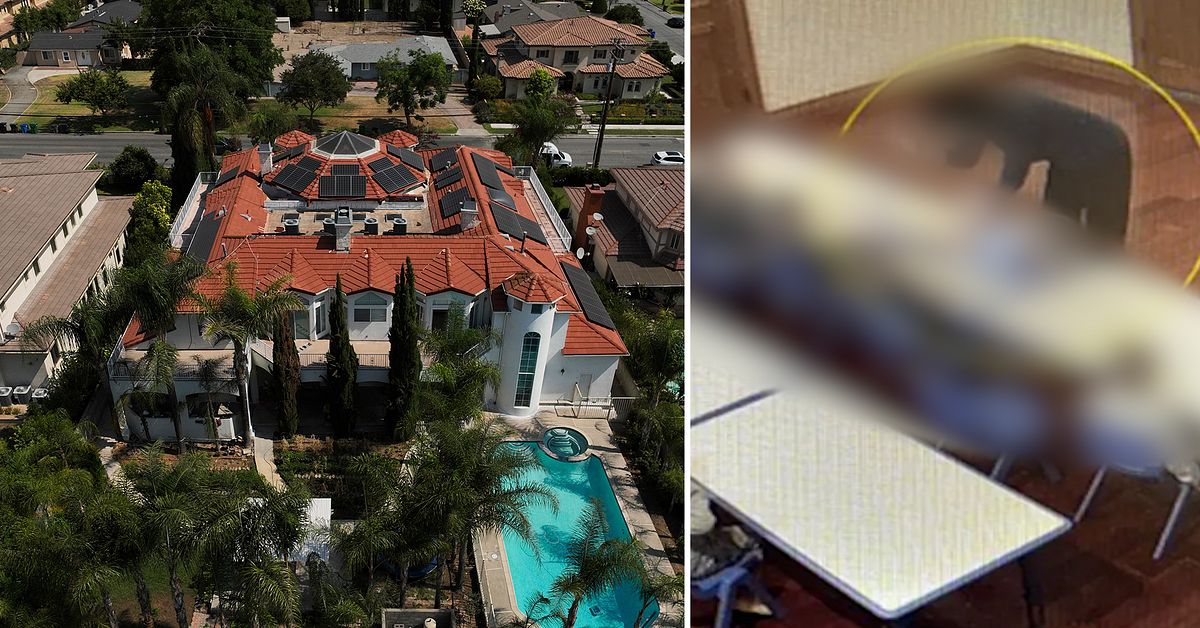
A couple in California is suspected of having subjected at least 14 of their 21 children, the majority of whom were born through surrogacy, to systematic abuse in their luxury home outside Los Angeles. #Barnmisshandel #Surrogatmödrar #Kalifornien (translated)

www.svt.se
Bakom lyxvillans fasad – par misstänks för misshandel av minst 14 barn
1557
FC Barcelona 13h

FC Barcelona reported that its first vice president, Rafa Yuste, attended a charity event in Los Angeles at Arnold Schwarzenegger's residence. According to the club, the meeting supported After-School All-Stars, the foundation created by the actor to promote education, sports, and opportunities for children and young people. Yuste presented Schwarzenegger with a personalized blaugrana jersey with his name, in a gesture that Barça linked to its values and solidarity commitment. #FCBarcelona #Solidaridad #Educación (translated)

2142
L
lastampa.it 20h

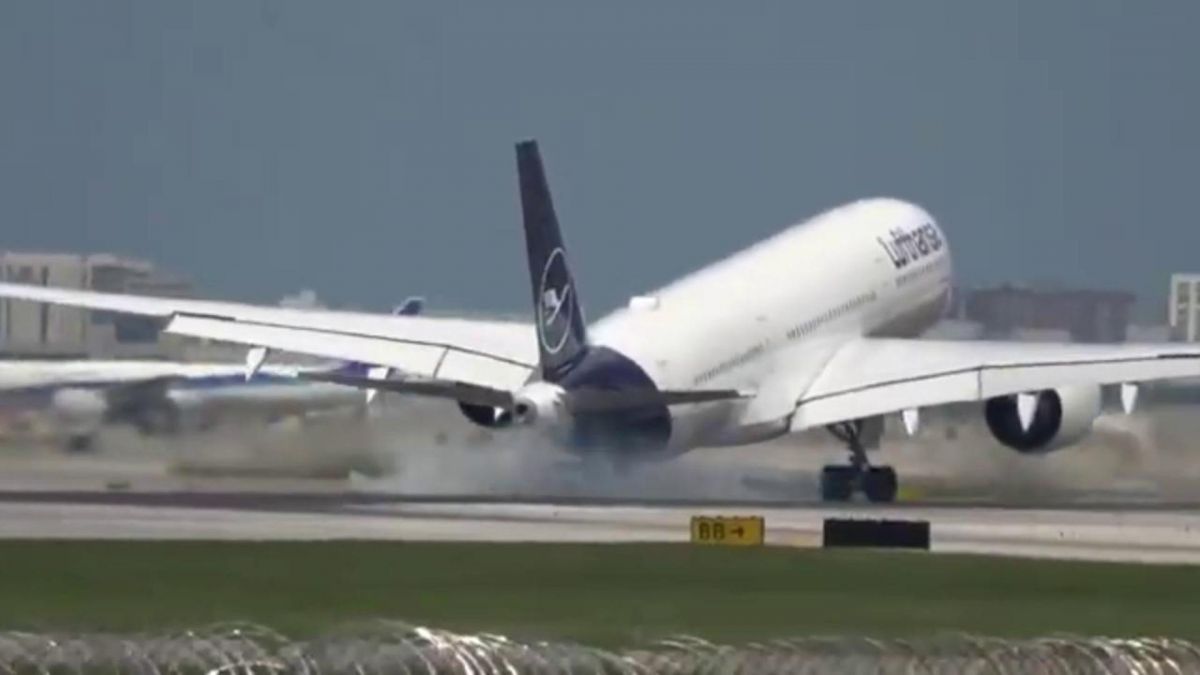
A Lufthansa Boeing 747-8 aborted a landing in Los Angeles, with the tail just a few centimeters from the asphalt, but it successfully landed on the second attempt. #Boeing #atterraggio #Lufthansa (translated)

www.lastampa.it
Il Boeing interrompe l’atterraggio e si rialza all’ultimo secondo: la coda a un soffio dall’asfalto
1893
Le Monde.fr 2d

Teddy Riner, absent from the judo World Championships, is focusing on his training for the 2028 Los Angeles Games, while facing the challenge of time. #ProblemasDeCarga #SolucionesWeb #ConexiónInternet (translated)

www.lemonde.fr
Teddy Riner, absent des Mondiaux de judo, gère sa « course contre la montre » vers les Jeux de Los Angeles 2028
2665
Irish Independent 2d

Rhasidat Adeleke and Kate O’Connor share their aspirations and excitement about competing at the 2028 Olympics as they visit the venue in Los Angeles. #Cookies #Security #OnlinePrivacy

www.independent.ie
‘We want to be the best we can be’ – Rhasidat Adeleke and Kate O’Connor on their LA dream as they visit 2028 Olympic venue
2556
Donald J. Trump 3d

Fake and artificial media try to say that I am encouraging the enemy to bomb San Diego and Los Angeles, while in reality I was talking about how the temporary rise in gas prices is a small price to pay for Iran not to have nuclear weapons, and if you want to see a truly high price, imagine what the situation would be like if they bombed San Diego and/or Los Angeles. Donald Trump explained on Thursday that his words about the destruction of San Diego and Los Angeles were only meant to highlight that higher gas prices are a low price for preventing Iran from having nuclear weapons. #DonaldTrump #LosAngeles #SanDiego (translated)

Bombardowanie Los Angeles? Donald Trump tłumaczy się ze swoich słów
www.rmf24.pl
2574
rmf24.pl 3d

Donald Trump explains his controversial comments about the destruction of San Diego and Los Angeles, claiming that they were meant to highlight that higher gasoline prices are a small price to pay to prevent Iran from acquiring nuclear weapons, and the media misinterprets his words as a call to bomb those cities. #DonaldTrump #LosAngeles #SanDiego (translated)

www.rmf24.pl
Bombardowanie Los Angeles? Donald Trump tłumaczy się ze swoich słów
2574
Mica Suarez 3d

Mica Suárez said that she had to kiss Gime Accardi in a series and that her 10-year-old self, who watched *Casi Ángeles* and adored Malvina, would be proud. #CasiÁngeles #GimeAccardi #Recuerdos (translated)

3138
BFMTV 4d

An American couple, Guojun Xuan and Silvia Zhang, has been arrested for mistreatment of 14 of their 21 children, whom they allegedly had through surrogates under false pretenses in the city of Arcadia, near Los Angeles. #MaltraitanceEnfant #MaisonDeLhorreur #CoupleAméricain (translated)

www.bfmtv.com
“Maison de l’horreur”: un couple américain poursuivi pour maltraitance sur 14 de leurs 21 enfants
2243
20 minutos 4d

María Pérez, champion in the mixed relay of Paris 2024, reveals that her main daily motivation is to win the gold medal at the Los Angeles 2028 Olympics, the only one missing from her impressive record. #MaríaPérez #OroOlímpico #Deportes (translated)

www.20minutos.es
María Pérez: "El oro en Los Ángeles es por lo que me levanto motivada todas las mañanas"
2808
Donald J. Trump 4d

"Do you want to see problems? Let them hit San Diego, let them hit Los Angeles," said Trump. #Trump #Teksas #republikanci (translated)

VIDEO Trump pokušava spasiti republikance u Teksasu. Govor mu prekidali prosvjednici
www.index.hr
1910
eldiario.es 4d

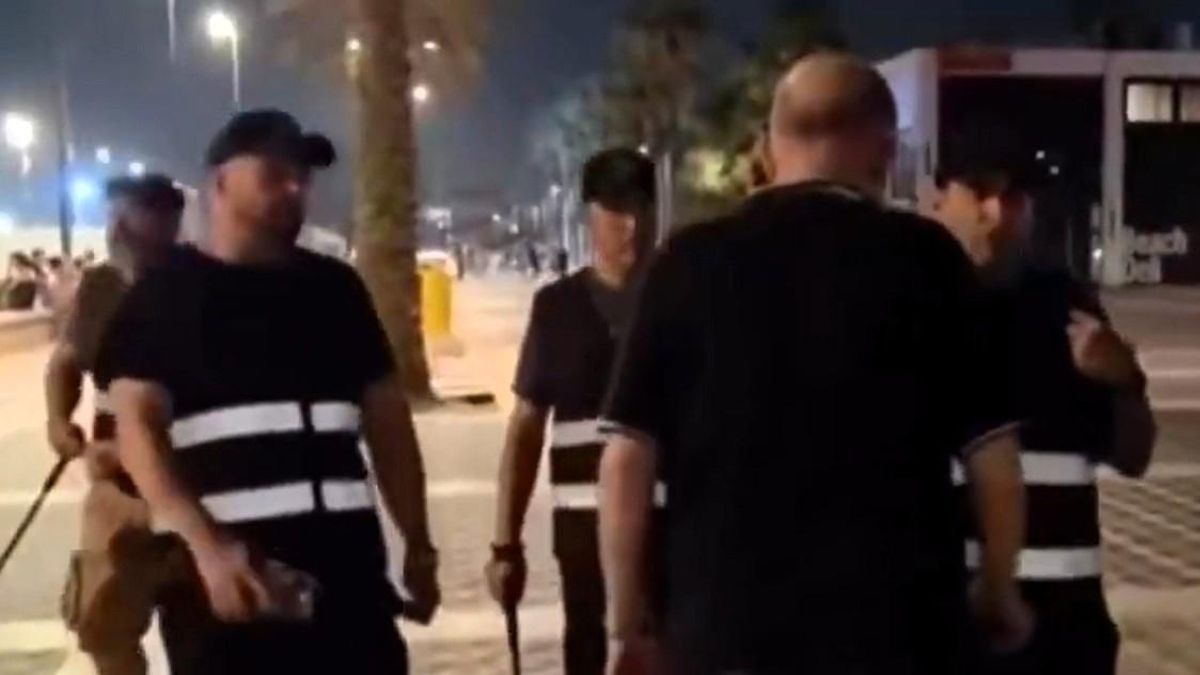
The Valencia Prosecutor's Office has opened proceedings to investigate the 'Angels of the Night', an ultra group that patrols neighborhoods in the city, for possible hate crimes and coercion against immigrants, following the dissemination of videos on social media that involve harassment situations. #DelitoDeOdio #Inmigración #ExtremaDerecha (translated)

www.eldiario.es
La Fiscalía abre diligencias contra los 'Ángeles de la noche', las escuadras fascistas que asedian a inmigrantes en València
1797
Varizan 4d

Varizan wrote that Bump, the agency founded by Squeezie, had established itself in Los Angeles, where a team was supposed to connect with American creators and publishers. He estimated that this presence could offer new business opportunities for Gentle Mates, particularly for its Call of Duty team, in an American market he described as important for esports. He reminded that Bump was notably working with gaming and esports creators Skyyart, Nikof, Mel, and Gotaga, and managed partnerships and sponsorship for Gentle Mates, the club of Squeezie, Gotaga, and Brawks. According to the figures cited by Varizan, the agency, founded in 2020 after Squeezie left Webedia, counted more than 70 creators, totaled 3 billion views, and had 300 active clients, and had completed 1,500 partnerships in 2025. Varizan presented Bump as the commercial structure of the club and indicated that the model combining creators, esports club, and sponsorship organized by the agency was already in place in France. #BumpAgency #Esport #Squeezie (translated)

3258
Trump 4d

"To destroy Los Angeles or San Diego. It's a small price." "To destroy Los Angeles or San Diego. It's a small price." Trump, stunning statements... #DIICOT #CalinGeorgescu #anchetă (translated)

Familia Georgescu, a treia zi la DIICOT. Anchetatorii verifică zeci de telefoane și dispozitive electronice. Ce încearcă să afle
www.digi24.ro
1799
Trump 4d

"Let them destroy Los Angeles or San Diego. It is a small price." #China #UE #exporturi (translated)

China respinge cererea UE de a limita exporturile de maşini hibride. Beijingul refuză plafonul propus de Bruxelles
www.digi24.ro
2136
Observador 4d

Olympic swimmer and European vice-champion Camila Rebelo signs a contract with Benfica, joining other prominent athletes as she prepares to compete in the Paris 2024 and Los Angeles 2028 Olympic Games. #Natação #CamilaRebelo #Benfica (translated)

observador.pt
Vice-campeã europeia Camila Rebelo reforça Benfica
1575