The author said they were proud that Europe had no death penalty and wrote that nobody could even propose broadcasting an execution live, using the hashtag #Hegseth. #Hegseth https://t.co/k1b6ESQYZp #Europe #Justice #HumanRights #EU

The author said they were proud that Europe had no death penalty and wrote that nobody could even propose broadcasting an execution live, using the hashtag #Hegseth. #Hegseth https://t.co/k1b6ESQYZp #Europe #Justice #HumanRights #EU

Disinformation for hire – the network of 70 fake newsrooms sold as a service The websites looked local. Naija Pulse appeared to cover Nigeria, Echo Berlin Germany, The British Daily Britain, Fifty States the United States and Commonwealth Post Australia. Each had its own branding, articles, supposed journalists and matching social-media presence. Taken individually, they resembled small independent news outlets. According to Anthropic, however, they were parts of a single commercial influence network spanning six continents. Anthropic’s September 2026 threat report identifies the operation as GTG-54002, a commercial “influence-as-a-service” network that used Claude to generate and rewrite political content at industrial scale. Investigators linked roughly 70 fabricated news websites to around 70 matching X accounts and more than 250 additional inauthentic commenting accounts designed to create the appearance of genuine public engagement. The network produced at least 8,913 articles in about 20 languages before Anthropic disrupted the activity. The significance of the case is not simply the number of fake sites. It is the business model. The network did not consistently promote one government, party or ideology. Anthropic found that its political position changed according to the apparent interests of different customers. The company therefore described it as a commercial influence operation: political manipulation offered in much the same way as other outsourced digital services. A fake media ecosystem built at scale Anthropic says the infrastructure was created rapidly. Domains were registered from France during a roughly ten-week period in mid-2025 and deployed through shared technical infrastructure, allowing investigators to connect publications that outwardly appeared unrelated. Most of the supporting social-media accounts were also created within a narrow timeframe in June and July 2025. The sites were designed to look like functioning local newsrooms rather than anonymous propaganda pages. Articles carried fabricated bylines belonging to journalists who, according to Anthropic, did not exist. Each outlet had a corresponding account on X, while a second layer of fake profiles commented on and amplified the articles. Many of those accounts used AI-generated profile photographs. The result was a three-tier structure: the newsroom published the story, the branded social account distributed it, and apparently ordinary users supplied the appearance of public reaction. Some of those sites remained publicly visible after the operation was exposed. The British Daily, for example, described itself as providing “conservative insights” on British sovereignty and migration, while Commonwealth Post presented itself as an Australian liberal publication focused on democracy, migration and regional security. Those contrasting editorial identities illustrate the central feature identified by Anthropic: the network was capable of taking different political positions in different markets. Claude as a publishing engine Claude was not simply asked to draft occasional articles. The operators built a structured production pipeline around it. Prompts required fixed JSON outputs, formatted HTML, precise character limits and internal links, allowing articles to move directly into an automated publishing workflow. The system could generate entirely new material or take reporting produced by legitimate journalists and rewrite it to fit a desired political perspective. Anthropic identified three recurring techniques. The same source article could be rewritten in opposite ideological directions for different audiences; a political interpretation could be added to a story that originally contained none; and material could be moved from one country to another after its original context had been removed. The articles were also structured to improve the apparent authority of the sites in search engines, helping the network imitate ordinary digital publishing practices rather than simply broadcasting propaganda. This is where generative AI changes the economics of an influence operation. A conventional network of dozens of supposedly local publications would normally require writers, translators, editors and social-media staff. Here, much of that production could be standardised and automated while human operators concentrated on political direction, customer requirements and distribution. The DRC–Rwanda conflict as a test case The clearest concentration of activity involved the Democratic Republic of Congo. Anthropic identified 318 articles concerning the DRC across the fake-news network. The material generally supported positions aligned with the Congolese government, particularly on regional mineral agreements and tensions with Rwanda. Early in the network’s growth, many of the fake social-media personas following and amplifying its accounts also presented themselves as Congolese. Investigators observed one especially revealing episode on 11 September 2025, when multiple sites published almost identical articles about the DRC–Rwanda conflict within approximately three minutes of one another. The wording and political tone were adjusted for different regional audiences, while associated X accounts distributed the links in a coordinated pattern. Anthropic said the activity contained signals suggesting that one or more customers had interests connected to the DRC–Rwanda conflict. It did not, however, identify those customers and explicitly stated that it found no evidence that any government had directed the operation. That distinction is essential. The content may have benefited a political actor without demonstrating that the actor commissioned or controlled it. Influence without ideology Commercialisation is what distinguishes GTG-54002 from many state-linked information operations. A government propaganda network usually has an identifiable strategic direction. A commercial influence provider does not need one. Its infrastructure can support one position in one country and the opposite position somewhere else, provided different customers are willing to pay. That makes attribution more difficult. Analysts cannot necessarily infer the operator from the ideology of the content because ideology may simply be part of the service package. The enduring asset is the infrastructure: domains, publishing systems, fake journalists, social-media accounts and automated amplification. Anthropic says the operation was disrupted before it achieved significant genuine reach. It classified GTG-54002 as Category Two on the Brookings Breakout Scale: material circulated across the network’s own sites and associated social accounts but showed no evidence of substantial penetration into authentic communities. Most of the 8,913 articles generated little observable engagement from real users. That limited impact is important. The case should not be presented as a successful global manipulation campaign. It is better understood as evidence that the infrastructure required to run such campaigns has become cheaper, faster and increasingly commoditised. The deeper shift is that a fake media ecosystem no longer has to be built around a single political cause. It can be built once, automated and then repurposed for the next customer. Disinformation, in this model, is no longer only a political instrument as it turend into the service. Sources: Anthropic — Countering misuse of AI: September 2026 https://www.anthropic.com/threat-intelligence-report-september-2026 Business Standard — AI scaling fake newsrooms, surveillance and online scams https://www.business-standard.com/technology/tech-news/anthropic-report-ai-fake-newsrooms-dating-surveillance-scams-126091100730_1.html Mimikama — KI baut 70 erfundene Nachrichtenportale https://www.mimikama.org/ki-netzwerk-erfundene-nachrichtenportale-echo-berlin/ Poliscoop Media — Anthropic exposes DRC propaganda network https://www.poliscoopmedia.com/articles/anthropic-exposes-drc-propaganda-network-20260911 The British Daily — example of a fabricated outlet identified in the network https://www.british-daily.com/contact Commonwealth Post — example of a fabricated outlet identified in the network https://commonwealth-post.com/category/science MalPulse — infrastructure references for network domains https://www.malpulse.com/infra-pivots/usom-pivots/list/?page=1105 Keywords: #DISINFORMED #Episode13 #DisinformationAsAService #InfluenceAsAService #FakeNewsrooms #FakeMedia #SyntheticMedia #ArtificialIntelligence #AI #GenerativeAI #ClaudeAI #Anthropic #Disinformation #InfluenceOperations #InformationWarfare #FIMI #CommercialInfluence #PoliticalManipulation #NarrativeManipulation #NarrativeLaundering #SourceLaundering #MediaImpersonation #FakeJournalists #SyntheticPersonas #Astroturfing #SocialMediaManipulation #CoordinatedInauthenticBehaviour #CIB #DigitalInfluence #AutomatedPropaganda #ContentAutomation #AIPropaganda #LKMCompany #NaijaPulse #AxumVoices #JamboJournal #EchoBerlin #TheBritishDaily #FiftyStates #CommonwealthPost #DRC #Rwanda #OSINT #WRLD


IRAN: MEK/NCRI – when AI impersonated a real activist in live conversations For years, synthetic media has largely meant fabricated images, cloned voices and manipulated video. A case uncovered by Anthropic in September 2026 suggests a more consequential development: artificial intelligence being used not merely to imitate how a person looks or sounds, but to behave as that person in an ongoing conversation. Anthropic says it dismantled a distributed influence operation targeting Iranians inside the country and abroad that it linked to the People’s Mojahedin Organization of Iran, or PMOI/MEK, and its political front, the National Council of Resistance of Iran. The operators used a shared AI-agent platform to support impersonation, audience profiling, coordinated social-media activity, synthetic personas and the laundering of organisational content through apparently independent accounts. At least four people involved in the operation worked for official NCRI media outlets, according to Anthropic. The company also found references to committee approval processes and MEK leadership, but said it could not independently determine the precise level of central control. Cloning a person from 8,400 Telegram posts The most striking part of the operation involved a real activist whose Telegram identity was copied. According to Anthropic, the operators instructed Claude in Persian that it was now that person, then provided approximately 8,400 of the activist’s Telegram posts so the system could learn and reproduce his writing style. The AI-assisted account was subsequently used to conduct live political conversations with the activist’s existing contacts. Anthropic says that, to its knowledge, the people receiving those messages did not know they were interacting with an account being operated with AI assistance. This is materially different from a conventional chatbot or a static deepfake. The system was not simply producing a forged statement attributed to someone else. It was using a large archive of that person’s authentic language as behavioural training material, then applying the resulting imitation interactively. In practical terms, the deception moved from synthetic content to synthetic identity. Anthropic did not publish the identity of the impersonated activist, nor details of his contacts, and the public report does not establish what specific information the conversations produced. What it does establish is that the impersonation was operational rather than experimental: the cloned account was used in real exchanges with real people. From social-media monitoring to psychographic dossiers The impersonation sat inside a much broader targeting system. Anthropic says the network scraped more than 500 social-media channels and categorised individuals by location, age, profession, political orientation and arrest history. It then analysed approximately 51,944 archived messages from conversations to construct detailed psychographic dossiers on dozens of people inside Iran. The system was therefore not limited to broadcasting propaganda. It was also designed to understand specific audiences and individuals. Profiles could be used to decide what kind of message was most likely to resonate with a particular person, which political identity they appeared closest to and how they should be approached. Anthropic describes this as a structured targeting funnel rather than ad hoc social-media activity. That distinction is important in the Iranian context. Political activists, dissidents and opposition contacts inside Iran can face arrest and severe punishment. The report does not show that the dossiers directly led to arrests or other harm, but collecting and organising information such as arrest history and political affiliation adds a surveillance dimension to what would otherwise be described as an influence operation. A shared AI system for an influence network Anthropic found that the actors used a shared Claude-based platform named “Viktor”, with separate workspaces and persistent memory. Those memory files contained approved sources, prohibited words, account-management instructions and methods intended to reduce the risk of detection. One operator loaded MEK founding doctrine into the system as what the report called “strategic base data”, allowing others to reuse it across their work. This persistent-memory structure meant the AI did not have to be briefed from scratch for every task. Once doctrine, stylistic rules and operational constraints had been stored, the system could repeatedly produce material consistent with the network’s objectives. Anthropic says the same general playbook appeared across different workspaces despite the operators not sharing obvious account infrastructure. The network also used automated pipelines to coordinate Instagram posting schedules and tailor messages to different audiences. Some accounts initially avoided mentioning the Mojahedin at all, allowing material aligned with MEK/NCRI narratives to appear as neutral or independent political commentary. Content was distributed through the organisation’s own media ecosystem as well as accounts presented as ordinary news or activist profiles. Anthropic assessed the campaign as Category Two on its Breakout Scale: active on multiple platforms with distribution through NCRI-linked media properties and amplifier accounts, but without evidence of broad authentic penetration. Synthetic citizens and disguised organisational media The same infrastructure generated AI avatars presented as ordinary Iranians, complete with Persian audio, to promote Maryam Rajavi’s political programme. Anthropic says the synthetic nature of these personas was intentionally concealed. Operators also rewrote and redistributed content originating from MEK-affiliated media while stripping identifying features or presenting it through apparently independent accounts. The network’s political messaging targeted the Iranian government but also rival opposition currents, including monarchists and supporters of the Pahlavi camp. Anthropic documented fabricated video material attacking a member of the Pahlavi family and the use of the slogan “Neither Shah Nor Sheikh”, consistent with the NCRI’s broader competition with other opposition movements. That rivalry provides relevant context. Reuters describes the MEK as one of Iran’s principal organised opposition movements in exile and the dominant force behind the NCRI, led by Maryam Rajavi. Its relationship with other opposition currents is often contentious, while the extent of its support inside Iran remains uncertain. What can be attributed – and what cannot Anthropic’s attribution is unusually specific but still needs to be stated carefully. The company says its investigation linked the operation to MEK/NCRI and established that at least four participants worked for official NCRI media organisations. It also found a common operational playbook, committee review structures and repeated references to MEK leadership. On that basis, Anthropic said central tasking was likely. It nevertheless stopped short of saying it had proven that NCRI’s senior leadership directly ordered or managed every component of the operation. That caveat matters. The strongest public evidence supports describing GTG-84006 as a MEK/NCRI-aligned influence operation involving personnel from official NCRI media, rather than asserting that every action was directly commanded by the organisation’s top leadership. The broader significance of the case lies elsewhere. Earlier generations of synthetic media attempted to fabricate evidence: a photograph, a voice recording or a video. Here, AI was used to maintain an identity over time, remember doctrine, analyse targets and speak directly to real people while appearing to be someone they already trusted. The deepfake was no longer merely an artefact. It had become a participant in the conversation. Sources Anthropic — Countering misuse of AI: September 2026 https://www.anthropic.com/threat-intelligence-report-september-2026 AI Misuse Case Library — GTG-84006 activist impersonation case https://www.misuseofai.com/en/cases/gtg-84006-activist-impersonation/ Reuters — Who makes up Iran’s fragmented opposition? https://www.reuters.com/business/media-telecom/who-makes-up-irans-fragmented-opposition-2025-06-18/ Reuters — Iran’s divided opposition senses its moment https://www.reuters.com/world/middle-east/irans-divided-opposition-senses-its-moment-activists-remain-wary-protests-2025-06-19/ Reuters — NCRI and Maryam Rajavi https://www.reuters.com/world/middle-east/dissident-leader-abroad-urges-iranians-bring-down-khamenei-2025-06-24/ Keywords #DISINFORMED #Episode12 #Iran #MEK #PMOI #NCRI #IranianOpposition #Disinformation #InfluenceOperations #InformationWarfare #ArtificialIntelligence #AI #GenerativeAI #ClaudeAI #Anthropic #AIDeception #AIImpersonation #IdentityImpersonation #SyntheticIdentity #InteractiveDeepfake #DigitalImpersonation #PersonaCloning #BehaviouralCloning #Telegram #PsychographicProfiling #TargetProfiling #AudienceTargeting #SocialMediaManipulation #Astroturfing #SyntheticPersonas #NarrativeLaundering #CoordinatedInfluence #PoliticalInfluence #DigitalInfluence #OppositionPolitics #IranPolitics #OSINT #WRLD


Freeman of the City of London: An Ordinary Honour for All, an Honorary One for Few SOURCE: https://www.linkedin.com/pulse/freeman-city-london-ordinary-honour-all-honorary-one-sardella-ph-d--m1alf/ Abstract The Freedom of the City of London is an institution of mediaeval origin, attested as far back as 1237, originally conceived to afford freeborn citizens protection from feudal obligations, the right to trade, and the ownership of property within the bounds of the Square Mile — the territory of the City of London proper. Having evolved progressively from a concrete economic privilege into a civic and symbolic distinction, it has preserved its relevance over the centuries through successive legislative reforms — most notably the extension of eligibility to all nationalities in 1996 — and today records approximately 1,800 to 2,000 new admissions annually. The present article examines the historical and juridical evolution of the title, sets out the several routes of access provided by current regulation (by servitude through apprenticeship, by patrimony, by redemption through direct nomination, by presentation through the Livery Companies, and by registration on the electoral roll), and analyses the contemporary profile of the Freemen in the light of recent admissions of prominent figures from the worlds of finance, culture, sport, and public life. Contrary to the elitist image surrounding many British honours, the ordinary Freedom proves accessible to any person whatsoever, regardless of nationality or financial standing, upon the satisfaction of minimal requirements and the payment of an administrative fee of £180–185. The article concludes by reflecting upon the contemporary significance of the institution: not in the residual privileges, now largely ceremonial, but in its identity-forming, civic-participatory function and its connection to the long history of the oldest and most venerable city in Europe. Keywords: Freedom of the City of London; Livery Companies; City of London Corporation; British honours; urban civic identity. Contenuto dell’articolo Introduction Amongst the historic honours of Britain, few institutions evoke an imaginative world as rich as the Freedom of the City of London. Cited in films, novels, and articles on manners and custom with tones of exclusivity and mystery, it is frequently associated with figures of the very highest standing: sovereigns, heads of state, military commanders returning from the wars. Yet, upon closer and more methodical scrutiny, a markedly different picture emerges: that of a title which, in its ordinary and non-honorary dimension, is today accessible to a considerable number of persons each year, without the requirement of extraordinary merit or elevated financial means. The present contribution aims to examine the institution in its twofold aspect, historical and contemporary, with the object of dispelling the most prevalent misconception: that which confounds the ordinary Freedom with the Honorary Freedom — the latter genuinely rare and reserved for figures of international standing. This article traces the mediaeval origins and legislative evolution (§ 2), sets out the current routes of access (§ 3), discusses requirements, costs, and procedure (§ 4), analyses the contemporary composition of the body of Freemen (§ 5), examines rights, privileges, and obligations (§ 6), reviews the most distinguished recipients of recent decades (§ 7), and concludes with some reflections upon the contemporary significance of the institution (§ 8). Origins and Historical Development of the Institution The Freedom of the City of London is attested from 1237, during the reign of Henry III, as a form of civic status designating individuals not subject to a feudal lord, and therefore entitled to the protections guaranteed by the City's charters. In this original sense, the term freeman denoted the free man in the fullest sense of the word: one who might trade freely within the perimeter of the Square Mile, hold property, and join the trade guilds without external interference. The practical privileges were of concrete scope and directly functional to the mediaeval economy: exemption from certain tolls, including the celebrated right to drive flocks of sheep across London Bridge without payment — a concession rooted in the wool trade that dominated the English economy — protection against arbitrary arrest beyond the jurisdiction of the City, and access to the markets regulated by the guilds. As confirmed by the subsequent reissues of Magna Carta by Henry III in 1225, such liberties were intrinsically bound to the self-governance of the City, which defended them against royal and baronial interference. The progressive codification of the institution took place through royal ordinances from the fourteenth century onwards. In 1319, Edward II issued constitutions restricting access to the Freedom to members of the trade guilds, prohibiting the admission of unaffiliated outsiders, and thereby formalising servitude through apprenticeship as the principal route for new entrants, whilst the patrimonial route ensured continuity for established families. Subsequent monarchs, from Edward III onwards, repeatedly confirmed the civic liberties through charters granted often in exchange for financial loans, consolidating the City's autonomy and its role as creditor to the Crown. In the nineteenth century, with industrialisation and the demographic expansion of London, corporate control over trade proved increasingly unenforceable. The Municipal Corporations Act of 1835 extended eligibility to any person living, working in, or having a significant connection with London, partially detaching the title from corporate membership and progressively transforming it into an honorary distinction of a civic character. During the twentieth century, further reforms rendered access more inclusive. Women, already admitted informally as widows by inheritance in earlier periods but formally excluded from the standard routes, saw their right to ordinary admission recognised — Angela Burdett-Coutts having already received the Honorary Freedom in 1872, and Florence Nightingale in 1908 — while formal equality was consolidated in the twentieth century. Finally, in 1996, the requirement of British or Commonwealth citizenship was abolished, opening the title to any nationality whatsoever. Routes of Access: The Current Regulatory Framework The current regulations, administered by the Court of the Lord Chamberlain of the City of London Corporation, provide for five principal modes of access to the Freedom of the City of London, each reflecting different historical ties between the individual and the City's institutions. By servitude confers the title upon the completion of a formal apprenticeship under the Custom of London, traditionally of seven years' duration, under a master freeman of a Livery Company. This route, the oldest and of the greatest historical significance, verifies merit through practical competence and loyalty to the guild. Completing apprentices are admitted without the need for approval by the Court of Common Council, provided they have been registered on the City's electoral roll for at least one year, and in such cases no financial contribution is required. By patrimony confers automatic eligibility upon the children of Freemen, provided the parent held the title at the time of the candidate's birth and appropriate documentation is furnished. Historically restricted to sons, it was extended to daughters by the Municipal Corporations Act of 1835. The candidate must have attained the age of eighteen, must not be an undischarged bankrupt, and must not have relevant unspent criminal convictions. By redemption constitutes the route open to any person whatsoever. The candidate submits an application to the Court of the Lord Chamberlain, supported by two sponsors — Common Councillors, Aldermen, or Liverymen of at least one year's standing who attest to their reputation — and the matter is examined by the Freedom Applications Sub-Committee and approved by the Court of Common Council. The administrative fee (the Freedom Fine) amounts to £180 following the tariff revision of 1 April 2024 (£185 in the case of direct nomination). For candidates registered on the Ward List, the City's electoral roll, the procedure is free of charge. By presentation through a Livery Company is the route most frequently taken in contemporary practice. The candidate first becomes a member of their relevant guild, following a procedure that varies amongst each of the 113 Livery Companies currently active, and subsequently submits an online application to the Court of the Lord Chamberlain for admission to the Freedom of the City, with approval in the vast majority of cases being a matter of routine. Requirements, Costs, and Procedure The requirements for access to the ordinary Freedom are of a simplicity that may well surprise, given the aura of exclusivity surrounding the title. The candidate must have attained the age of eighteen, must not be an undischarged bankrupt, and must not have unspent criminal convictions within the meaning of the Rehabilitation of Offenders Act of 1974. No requirement of nationality, residence, educational attainment, or financial standing is imposed. The documentation required is of a standard biographical character: a full birth certificate, a marriage certificate or name-change document where applicable, and, where admission is by presentation, the certificate of membership issued by the relevant Livery Company. The application is submitted online through the City of London Corporation's portal. The admission ceremony is held at the Guildhall in London, in the Court Room of the Lord Chamberlain, on every working day between 10.30 and 12.00, and between 14.00 and 15.30. The newly admitted Freeman is invited to read aloud the Declaration of a Freeman and to sign the Admissions' Book, receiving upon its conclusion a calligraphed certificate on vellum and a copy of the Rules for the Conduct of Life — the eighteenth-century document of moral guidance that enjoins the holder to lead a life of rectitude, compassion, and social engagement. For those unable to attend in person, the City Corporation has retained the option of conducting the ceremony virtually, a facility introduced during the pandemic and subsequently preserved. The Contemporary Composition of the Body of Freemen One significant empirical datum serves to diminish the elitist dimension of the title: between 1,800 and 2,000 new persons are admitted each year, within a body that counts over 300,000 documented admissions across the centuries. As the City of London Corporation itself observes, contemporary Freemen comprise 'a broad cross-section of the population', encompassing professionals, students, craftspeople, entrepreneurs, military personnel, and foreign nationals. The growing contribution of university students, frequently presented in groups by their academic institutions, and of international professionals, has further broadened the demographic base. The group ceremony of 2024, in which 40 individuals drawn from fields ranging from science and medicine to entrepreneurship and diversity initiatives received the title simultaneously, is illustrative of this openness. A fundamental distinction must, however, be emphasised. The Honorary Freedom of the City of London constitutes an entirely separate institution of radically different scope. Granted by the Court of Common Council by special resolution, it is reserved for figures of exceptional international stature — typically fewer than a dozen conferred annually — and represents, in the words of the City Corporation itself, the highest honour it is able to bestow. It is this Freedom that has been enjoyed by Winston Churchill, Her Majesty Queen Elizabeth II, and, more recently, the television presenter Rachel Riley (October 2025), in recognition of her commitment to Holocaust education and the combating of antisemitism. The confusion between the two forms is the principal source of the distorted public perception of the institution. The Contemporary Significance: Between Identity and Participation While the great majority of the practical privileges once associated with the condition of Freeman have today disappeared or been reduced to solemn ceremonial form, what persists is the powerful symbolic and identity-forming value of the title. The ceremony retains elements of ritual solemnity — the reading of the Declaration, the signing of the historic Admission Register, the receipt of the calligraphed certificate on vellum — which inscribe the new Freeman within a chain of continuity of nearly eight centuries, linking diverse figures through a shared bond with the history of the Square Mile. This venerable London institution also performs a cohesive function within the ecosystem of the City and the Livery Companies. The 113 active guilds collectively disbursed over £81 million in charitable activities in 2024, through programmes of vocational training, scholarships, and technical apprenticeships that preserve specialist skills in economically significant sectors. Being a Freeman constitutes a formal prerequisite for advancement to Liveryman, and therefore for the exercise of voting rights in the governance of the City: a vestige of corporate democracy which, however distant from the models of universal suffrage, retains its own institutional logic within the unique legal architecture of the London Square Mile. Critics of a progressive persuasion have observed that the system favours established networks and access by hereditary or professional routes, potentially excluding broader strata of the London population, with the pool of living Freemen well below one per cent of the nine million residents of Greater London. Nevertheless, the data on recent admissions — encompassing recognition spanning African entrepreneurship, community sport, broadcasting, and medicine — suggest a trajectory of progressive opening which, whilst falling short of full demographic representativeness, attests to the institutional will to maintain the institution as a living tradition rather than an exclusive relic. Conclusions The foregoing analysis permits the formulation of several concluding observations. The Freedom of the City — the ordinary Freedom — is today an honour accessible to a far wider audience than the collective imagination suggests. The admission requirements are minimal, the costs modest, the procedures relatively streamlined and open to any nationality. The persistent confusion with the Honorary Freedom, reserved for figures of exceptional international eminence, is the principal source of a distorted perception that merits correction. The contemporary value of the title resides not in the residual privileges, now largely solemn and ceremonial, but in three complementary dimensions: the identity-forming, which connects the holder to nearly eight centuries of institutional history; the civic-participatory, which through access to the Livery Companies and the City's electoral system inserts the Freeman into genuinely operative networks; and the communitarian, which through the mechanisms of honorary recognition celebrates contributions of an ever more varied scope and provenance. In this respect, the Freedom represents an instructive case study in how historic institutions may reinvent themselves without losing authenticity, preserving their significance through inclusion rather than exclusion. References and Sources: City of London Corporation. (2024). Freedom of the City of London. https://www.cityoflondon.gov.uk/about-us/law-historic-governance/freedom-of-the-city Guild of Freemen of the City of London. (2025). Freedom of the City. https://www.guild-freemen-london.co.uk/freedom-of-the-city Livery Committee. (2025). Freedom of the City. https://liverycommittee.org/about/membership-freedom-and-livery-clothing/freedom-of-the-city/ Municipal Corporations Act 1835. UK Parliament. Rehabilitation of Offenders Act 1974. UK Parliament. Grokipedia. (2025). Freedom of the City of London. https://grokipedia.com/page/Freedom_of_the_City_of_London City Solicitors' Educational Trust. (2025). Applying for the Freedom of the City of London. LondradaVivere.com. (2025). La 'Freedom of the City of London': un'antica libertà ancora viva. City of London Corporation. (2023). Livery Companies: Charitable Activities Report 2024. ONS / City of London Corporation. (2023). Financial Services Contribution to UK GDP.

"RadioText-RadioSoftware (1983–1989)": Il Primo Programma Radiofonico (dimenticato) della Divulgazione Informatica in Italia SOURCE: https://www.linkedin.com/pulse/radiotext-radiosoftware-19831989-il-primo-programma-sardella-ph-d--hkcpf/ Radiosoftware costituisce il pioniere italiano in assoluto della divulgazione via etere di alfabetizzazione digitale nel Belpaese Abstract Il presente contributo ricostruisce la storia di Radiosoftware, il prilo programma radiofonico italiano che ha anticipato di oltre un decennio la divulgazione della microtelematica, dell'informatica e del digitale, e le moderne modalità di distribuzione digitale del software. Nato nel 1983 presso Radio Popolare e successivamente sviluppato come iniziativa nazionale su Rai Radio 3 dal 1984 al 1989, Radiosoftware rappresenta il primo radioprogramma italiano con divulgazione e trasmissione via etere di software eseguibile per home computer. Attraverso l'analisi della sua evoluzione tecnica, dei contenuti didattici e dell'impatto culturale, questo articolo dimostra come l'iniziativa abbia costituito un precedente significativo nell'alfabetizzazione informatica nazionale, nella democratizzazione dell'accesso al software e nello sviluppo di comunità di programmatori amatoriali, ponendosi come capostipite di un ecosistema mediale dedicato alla divulgazione tecnologica che si è esteso fino all'era contemporanea. Keywords: storia dell'informatica italiana, divulgazione tecnologica, broadcasting digitale, alfabetizzazione informatica, Radio Popolare Introduzione: L'Alba della Divulgazione Informatica in Italia Nel panorama della storia dei media digitali italiani, un capitolo fondamentale rimane poco esplorato dalla letteratura accademica: quello della divulgazione informatica attraverso il mezzo radiofonico negli anni Ottanta. In un'epoca caratterizzata dall'assenza di connettività di rete e da barriere economiche e geografiche nell'accesso alle tecnologie informatiche, la radio si configurò come strumento democratico per la diffusione della cultura digitale nascente. Radiosoftware emerge in questo contesto come iniziativa pionieristica assoluta in Italia, anticipando non solo analoghe esperienze italiane, ma posizionandosi tra i primi esperimenti europei di trasmissione di software via etere. La sua genesi presso Radio Popolare nel 1983 e la successiva evoluzione come programma nazionale su Rai Radio 3 testimoniano un percorso di innovazione tecnica e pedagogica che merita un'analisi approfondita. Contenuto dell’articolo La Fase Originaria: Radio Popolare (1983) La nascita di Radiosoftware presso Radio Popolare nel 1983 costituisce il momento fondativo della divulgazione informatica radiofonica in Italia. In un periodo in cui i personal computer rappresentavano ancora oggetti di nicchia, il programma si propose di esplorare sistematicamente linguaggi di programmazione, architetture hardware e applicazioni pratiche dell'informatica domestica, rivolgendosi a un pubblico eterogeneo composto da studenti, insegnanti, hobbisti e professionisti. Questa prima incarnazione stabilì i paradigmi concettuali che avrebbero caratterizzato l'intera tradizione successiva: accessibilità linguistica, vocazione didattica, attenzione alle dimensioni sociali e culturali della tecnologia, promozione della partecipazione attiva degli ascoltatori. Contenuto dell’articolo L'Evoluzione Nazionale: da Radiotext a Radiosoftware (1984–1989) L'esperienza maturata presso Radio Popolare trovò sviluppo sistematico nell'iniziativa nazionale coordinata da Rai Radio 3. La fase pilota, denominata Radiotext, prese avvio l'11 maggio 1984 come segmento sperimentale all'interno del programma di attualità Un certo discorso, condotto da Pasquale Santoli. Otto episodi da 30 minuti, trasmessi il venerdì alle 16:00 con repliche domenicali, testarono la fattibilità tecnica e l'interesse del pubblico verso la trasmissione di software eseguibile attraverso segnali audio. Curata da Luigi Grimaldi e Giovanni Sighele della Lega Informatica di Firenze, in collaborazione con Arci Media, la fase pilota dimostrò la viabilità del concetto. Nell'autunno del 1984, il formato si consolidò con la denominazione definitiva Radiosoftware, espandendosi a episodi di un'ora e mantenendo la collocazione all'interno di Un certo discorso. Contenuto dell’articolo La terza stagione, inaugurata il 7 febbraio 1986, introdusse una strutturazione tematica articolata in tre segmenti distintivi: "Hard & soft news" (aggiornamenti e recensioni), "Studiare con il computer" (applicazioni didattiche) e "Radio + informatica" (intersecazioni sperimentali tra broadcasting e informatica). Questa fase evidenziò una crescente sofisticazione pedagogica e una maggiore attenzione alle applicazioni educative formali. Nel tardo 1986, il programma acquisì autonomia editoriale, trasformandosi in trasmissione indipendente con collocazione notturna nei weekend. Il 1987 segnò un'innovazione tecnica significativa con l'introduzione dell'interfaccia hardware a 4800 bit/s sviluppata dal Centro Ricerche RAI di Torino, che consentiva la connessione diretta alla porta seriale RS-232, superando i limiti del metodo audio-cassetta. La fase conclusiva, dal febbraio al giugno 1989, adottò un formato quotidiano breve (10 minuti, dal lunedì al venerdì alle 19:45), concentrandosi su software compatibile MS-DOS. Nonostante l'annuncio di un ciclo per il 1990, nessuna trasmissione nazionale è documentata oltre il giugno 1989. Contenuto dell’articolo Il Metodo Audio-Cassetta (1984–1987) La metodologia iniziale replicava i meccanismi di caricamento da cassetta tipici degli home computer degli anni Ottanta. I programmi venivano codificati come sequenze di impulsi audio—rumori elettronici incomprensibili all'orecchio umano—che gli ascoltatori registravano su audiocassette vergini collegando un registratore all'uscita audio della radio. La cassetta registrata veniva successivamente riprodotta attraverso l'interfaccia cassetta del computer, che decodificava i segnali caricando il software in memoria. Questo approccio, basato su tecniche di modulazione simili al frequency-shift keying (FSK), garantiva compatibilità con piattaforme eterogenee quali ZX Spectrum 48K, Commodore 64, Olivetti M10, successivamente estese ad Apple II, MSX, BBC Micro, Olivetti M24 e M28. Ogni episodio trasmetteva sequenzialmente versioni specifiche per ciascuna piattaforma. Sebbene accessibile e rivoluzionario per la distribuzione di massa nell'Italia pre-Internet, questo metodo presentava limitazioni significative: bassa velocità di trasmissione, suscettibilità agli errori indotti da interferenze radio o rumore ambientale, necessità di precise regolazioni di volume e timing. Contenuto dell’articolo L'Interfaccia Hardware RAI-Radiosoftware (1987) Nel 1987, il Centro Ricerche RAI di Torino sviluppò un'interfaccia avanzata documentata nei rapporti CCIR come sistema RAI-Radiosoftware. L'innovazione principale consisteva nella trasmissione diretta a 4800 bit/s utilizzando modulazione bifase organizzata in pacchetti, consentendo la connessione alla porta seriale RS-232 del computer senza intermediazione di cassette. L'interfaccia era progettata per l'indipendenza dal sistema operativo, con software di gestione adattabile per MS-DOS, CP/M e potenziali estensioni future a Macintosh. Per i computer Olivetti M24 e M28 era disponibile una versione con scheda interna. Il Centro Ricerche sviluppò inoltre software di gestione, cassette di test e manuali, considerando una commercializzazione iniziale a circa 90.000 lire. Questa evoluzione tecnica rappresentò un significativo avanzamento in termini di velocità, affidabilità e usabilità, pur mantenendo in parallelo il metodo audio-cassetta per garantire l'accesso universale. Contenuto dell’articolo Tipologie di Software Trasmesso Il catalogo di software distribuito attraverso Radiosoftware rifletteva un'ampia gamma di applicazioni: utilità pratiche (database tematici su moda, musica, itinerari, diete personalizzate), strumenti educativi (programmi didattici per scuole medie, superiori e conservatori), software ludico (giochi come il pentathlon olimpico per Commodore 64), dimostrazioni grafiche e strumenti creativi (basi per composizione musicale, fumetti digitali). Particolarmente significativa fu l'introduzione, dalla terza stagione, di software didattico sviluppato in collaborazione con il Ministero della Pubblica Istruzione, progettato specificamente per l'utilizzo scolastico in diverse discipline, non limitato all'informatica. Contenuto dell’articolo Partecipazione Comunitaria: La Sezione ORSA L'Osservatorio Radiofonico del Software Autoprodotto (ORSA), riproposto nella terza stagione dal febbraio 1986, costituì uno spazio dedicato alla trasmissione di programmi creati dagli ascoltatori. Questa rubrica trasformò Radiosoftware in una piattaforma bidirezionale, anticipando logiche collaborative che caratterizzeranno decenni dopo le comunità open source e le culture partecipative digitali. La sezione "posta degli ascoltatori" in "Hard & soft news" facilitava inoltre un dialogo continuo con il pubblico, integrando feedback, domande e suggerimenti nella programmazione. Questionari distribuiti alla fine dei cicli e indagini condotte da riviste specializzate come Sperimentare con l'elettronica e il computer fornivano ulteriori meccanismi di valutazione e orientamento editoriale. Contenuto dell’articolo Collaborazioni Istituzionali e Esperimenti Scolastici Nel 1987, Radiosoftware collaborò con l'ITIS Enrico Fermi di Roma per produrre una serie di trasmissioni dedicate allo sviluppo e all'applicazione di software didattico in contesti scolastici. L'iniziativa coinvolse centri di ricezione sperimentali in 60 scuole italiane, dove studenti e insegnanti utilizzavano le interfacce specializzate sviluppate dal Centro Ricerche RAI per catturare e caricare direttamente il software trasmesso. Questi esperimenti posizionarono Radiosoftware come strumento operativo di innovazione pedagogica, estendendo il suo impatto oltre l'utenza hobbistica verso l'integrazione formale nel sistema educativo nazionale. Contenuto dell’articolo Confronto con Esperienze Europee Sebbene Radiosoftware rappresenti la prima iniziativa nazionale italiana, non fu il primo esperimento europeo di trasmissione radiofonica di software. Nei Paesi Bassi, il programma Hobbyscoop dell'emittente pubblica NOS iniziò a trasmettere programmi informatici via radio intorno al 1979-1980, sviluppando successivamente lo standard Basicode (dal 1982). Questo formato standardizzato utilizzava un sottoinsieme ristretto di comandi BASIC e routine di traduzione specifiche per piattaforma, garantendo portabilità attraverso architetture eterogenee mediante modulazione FSK a 1200 bps. Contenuto dell’articolo Nel Regno Unito, The Chip Shop di BBC Radio 4, condotto da Barry Norman e lanciato nel 1984, includeva un servizio "takeaway" che trasmetteva programmi Basicode in orario notturno su VHF. Contenuto dell’articolo Differenziazione Tecnica e Culturale Diversamente dagli approcci basati su Basicode, che privilegiavano la portabilità a livello di linguaggio interpretato, Radiosoftware trasmetteva file eseguibili specifici per piattaforma, spesso in codice macchina, codificati come toni audio analoghi ai segnali di caricamento da cassetta. Questa scelta rifletteva priorità differenti: massimizzare le prestazioni e le capacità specifiche di ciascuna architettura piuttosto che garantire compatibilità universale attraverso un linguaggio standardizzato. L'introduzione successiva dell'interfaccia a 4800 bit/s con connessione RS-232 rappresentò un'ulteriore differenziazione, bypassando completamente la registrazione su cassetta. Queste specificità tecniche testimoniano un percorso di sviluppo autonomo, orientato alle caratteristiche del mercato e dell'ecosistema informatico italiano. Contenuto dell’articolo Transizione verso il Telesoftware Tra il 1988 e il 1989, Radiosoftware fu progressivamente affiancato e superato dal telesoftware trasmesso attraverso Televideo, il sistema teletext di RAI. Definito tecnicamente dal Centro Ricerche RAI in collaborazione con Olivetti, il sistema divenne operativo nel 1989 dopo esperimenti scolastici coordinati con il Ministero della Pubblica Istruzione e Seleco nel 1988. Il telesoftware rappresentava un'evoluzione naturale che spostava la distribuzione dalla radio alla televisione, offrendo vantaggi in termini di capacità di banda e infrastruttura di ricezione già diffusa. Questa transizione rifletteva tendenze più ampie nella convergenza mediale e nell'evoluzione delle tecnologie di broadcasting digitale. Contenuto dell’articolo Obsolescenza e Ascesa di Internet L'emergere di Internet negli anni Novanta rese obsoleti sia i metodi di distribuzione software basati su radio che quelli basati su teletext. Le reti digitali bidirezionali offrivano velocità, scalabilità e interattività incomparabili, trasformando radicalmente i paradigmi di accesso e distribuzione del software. Tuttavia, l'eredità concettuale di Radiosoftware persiste: l'idea di distribuzione massiva di contenuti digitali eseguibili attraverso canali di broadcasting anticipò logiche che riemergono nelle moderne distribuzioni over-the-air di firmware e aggiornamenti software per dispositivi mobili e IoT. Contenuto dell’articolo L'Ecosistema della Divulgazione Informatica Radiofonica Italiana 📻 TIMELINE COMPLETA Dalla nascita della divulgazione informatica in radio all'ecosistema digitale contemporaneo 🟦 1983 — L'ORIGINE Radiosoftware – Radio Popolare (1983) Il primo programma italiano interamente dedicato all'informatica, ai linguaggi di programmazione e ai personal computer. Capostipite assoluto della tradizione italiana di divulgazione tecnologica radiofonica. 🟦 ANNI '80 — I PRIMI EREDI 1984–1989 — Bit, Byte & Musica – Radio Popolare Tecnologia, elettronica, prime reti, cultura hacker. Prosegue lo spirito pionieristico di Radiosoftware, esplorando le dimensioni controculturali e comunitarie dell'informatica nascente. 11987–1990 — Decoder / Cyberpunk – Radio Popolare Prime discussioni sistematiche su BBS, crittografia, telematica alternativa, anticipando tematiche che diventeranno centrali nell'era Internet. 🟩 ANNI '90 — L'ERA INTERNET 1993 — Golem – Radio3 Riflessione critica su media e tecnologie digitali, inserendo la trasformazione tecnologica in un quadro culturale e filosofico più ampio. 1994 — Eta Beta – Radio1 Innovazione, società dell'informazione, trasformazione digitale. Divulgazione tecnologica per un pubblico generalista in fase di prima alfabetizzazione digitale. 1995 — Internetworkcity – Radio Deejay Condotto da Claudio Cecchetto e Marco Camisani Calzolari, rappresenta il primo programma pop-commerciale dedicato a Internet, introducendo email, siti web, chat e cultura cyber al grande pubblico con linguaggio accessibile e approccio divulgativo massificato. 1996–1999 — Mediamente (versione radiofonica) – RAI Divulgazione su Internet, reti, cultura digitale, con particolare attenzione alle implicazioni sociali e cognitive delle tecnologie emergenti. 1997–2000 — Cybernet / Tecnologie e Libertà – Radio Sherwood Software libero, diritti digitali, reti civiche. Prosecuzione della tradizione critica e comunitaria inaugurata da Radio Popolare, con focus su dimensioni politiche e libertarie della tecnologia. Questa timeline evidenzia come Radiosoftware non rappresenti un fenomeno isolato, ma il punto di origine di una tradizione continuativa che ha attraversato oltre quattro decenni. Dai linguaggi di programmazione e dalla trasmissione di software via etere degli anni Ottanta, attraverso le esplorazioni delle BBS e della telematica alternativa, fino all'alfabetizzazione di massa su Internet negli anni Novanta e alle riflessioni critiche su software libero e diritti digitali, si delinea un filo conduttore che testimonia il ruolo del mezzo radiofonico come spazio privilegiato per la mediazione culturale delle tecnologie emergenti. Contenuto dell’articolo Riconoscimento Contemporaneo e Preservazione Archivistica In anni recenti, Radiosoftware ha acquisito rinnovata attenzione come iniziativa pioneristica nella storia dell'informatica italiana. Nel 2024, contributi di studiosi come Andrea Fortuna hanno descritto il programma come capitolo affascinante nella diffusione del personal computing in Italia, sottolineando il suo approccio innovativo alla distribuzione di software eseguibile nell'era pre-Internet. La RAI ha preservato selezioni dalla fase iniziale del programma attraverso piattaforme digitali come RaiPlay Sound, dove una playlist dedicata nella serie "Via Asiago 10" include diversi episodi pilota del 1984, originariamente trasmessi su Rai Radio 3. Sforzi di preservazione da parte di appassionati hanno ulteriormente contribuito a mantenere accessibili porzioni dell'eredità del programma, con registrazioni audio parziali e interviste agli ascoltatori disponibili su siti dedicati. Radiosoftware costituisce un caso di studio significativo per molteplici prospettive disciplinari. Dal punto di vista della storia dei media, rappresenta un'innovazione nell'utilizzo del mezzo radiofonico, estendendo le sue funzionalità oltre la trasmissione di contenuti audio verso la distribuzione di codice eseguibile. Nella storia dell'informatica, testimonia strategie di democratizzazione dell'accesso al software in contesti caratterizzati da scarsità di risorse e infrastrutture. Dal punto di vista pedagogico, anticipa modelli di apprendimento distribuito e comunitario che riemergono nelle moderne piattaforme educative online. La dimensione partecipativa incarnata dalla sezione ORSA prefigura dinamiche collaborative che caratterizzeranno le culture open source. La sua posizione come capostipite di un ecosistema mediale continuativo dedicato alla divulgazione tecnologica—da Radio Popolare attraverso le emittenti pubbliche nazionali fino alle esperienze degli anni Novanta—sottolinea il ruolo del broadcasting radiofonico come infrastruttura culturale essenziale nei processi di alfabetizzazione digitale nazionale. In un'epoca in cui la distribuzione over-the-air di aggiornamenti software è divenuta pratica ordinaria per miliardi di dispositivi connessi, Radiosoftware emerge non come curiosità antiquaria, ma come antecedente concettuale che illumina genealogie tecnologiche spesso trascurate. La sua riscoperta e preservazione archivistica costituiscono operazioni essenziali per una comprensione completa delle radici della cultura digitale italiana.

"RadioText-RadioSoftware (1983–1989)": The First (Forgotten) Radio Programme of Computer Science Dissemination in Italy SOURCE: https://www.linkedin.com/pulse/radiotext-radiosoftware-19831989-first-forgotten-sardella-ph-d--eqief/ Radiosoftware represents Italy's absolute pioneer in broadcasting digital literacy education over the airwaves in the Belpaese. Abstract This paper reconstructs the history of Radiosoftware, the first Italian radio programme which anticipated by over a decade the dissemination of microtelematics, computing, and digital technology, as well as modern methods of digital software distribution. Established in 1983 at Radio Popolare and subsequently developed as a national initiative on Rai Radio 3 from 1984 to 1989, Radiosoftware represents the first Italian radio programme to broadcast educational content and transmit executable software for home computers over the airwaves. Through analysis of its technical evolution, educational content, and cultural impact, this article demonstrates how the initiative constituted a significant precedent in national computer literacy, the democratisation of access to software, and the development of amateur programming communities, establishing itself as the progenitor of a media ecosystem dedicated to technological dissemination that has extended into the contemporary era. Keywords: history of Italian computing, technological dissemination, digital broadcasting, computer literacy, Radio Popolare Introduction: The Dawn of Computing Dissemination in Italy In the landscape of Italian digital media history, a fundamental chapter remains little explored in academic literature: that of computing dissemination through radio broadcasting in the 1980s. In an era characterised by the absence of network connectivity and economic and geographical barriers to accessing computer technologies, radio configured itself as a democratic instrument for the diffusion of nascent digital culture. Radiosoftware emerges in this context as an absolutely pioneering initiative in Italy, anticipating not only analogous Italian experiences but also positioning itself amongst the first European experiments in software transmission over the airwaves. Its genesis at Radio Popolare in 1983 and subsequent evolution as a national programme on Rai Radio 3 bear witness to a trajectory of technical and pedagogical innovation that merits in-depth analysis. Contenuto dell’articolo The Original Phase: Radio Popolare (1983) The birth of Radiosoftware at Radio Popolare in 1983 constitutes the foundational moment of radio-based computing dissemination in Italy. In a period when personal computers still represented niche objects, the programme set out to systematically explore programming languages, hardware architectures, and practical applications of home computing, addressing a heterogeneous audience composed of students, teachers, hobbyists, and professionals. This first incarnation established the conceptual paradigms that would characterise the entire subsequent tradition: linguistic accessibility, pedagogical vocation, attention to the social and cultural dimensions of technology, and promotion of active listener participation. Contenuto dell’articolo The National Evolution: From Radiotext to Radiosoftware (1984–1989) The experience gained at Radio Popolare found systematic development in the national initiative coordinated by Rai Radio 3. The pilot phase, denominated Radiotext, commenced on 11 May 1984 as an experimental segment within the current affairs programme Un certo discorso, presented by Pasquale Santoli. Eight 30-minute episodes, broadcast on Fridays at 16:00 with Sunday repeats, tested the technical feasibility and public interest in the transmission of executable software through audio signals. Curated by Luigi Grimaldi and Giovanni Sighele of the Lega Informatica of Florence, in collaboration with Arci Media, the pilot phase demonstrated the viability of the concept. In autumn 1984, the format consolidated with the definitive denomination Radiosoftware, expanding to one-hour episodes and maintaining its placement within Un certo discorso. Contenuto dell’articolo The third season, inaugurated on 7 February 1986, introduced a thematic structuring articulated in three distinctive segments: "Hard & soft news" (updates and reviews), "Studiare con il computer" (educational applications), and "Radio + informatica" (experimental intersections between broadcasting and computing). This phase evidenced a growing pedagogical sophistication and greater attention to formal educational applications. In late 1986, the programme acquired editorial autonomy, transforming into an independent transmission with nocturnal weekend scheduling. 1987 marked a significant technical innovation with the introduction of the 4800 bit/s hardware interface developed by the RAI Research Centre in Turin, which enabled direct connection to the RS-232 serial port, overcoming the limitations of the audio-cassette method. The concluding phase, from February to June 1989, adopted a brief daily format (10 minutes, Monday to Friday at 19:45), concentrating on MS-DOS-compatible software. Despite the announcement of a cycle for 1990, no national transmission is documented beyond June 1989. Contenuto dell’articolo The Audio-Cassette Method (1984–1987) The initial methodology replicated the cassette loading mechanisms typical of 1980s home computers. Programmes were encoded as sequences of audio impulses—electronic noises incomprehensible to the human ear—which listeners recorded onto blank audiocassettes by connecting a tape recorder to the radio's audio output. The recorded cassette was subsequently played through the computer's cassette interface, which decoded the signals, loading the software into memory. This approach, based on modulation techniques similar to frequency-shift keying (FSK), guaranteed compatibility with heterogeneous platforms such as the ZX Spectrum 48K, Commodore 64, Olivetti M10, subsequently extended to the Apple II, MSX, BBC Micro, Olivetti M24 and M28. Each episode transmitted sequentially platform-specific versions for each system. Whilst accessible and revolutionary for mass distribution in pre-Internet Italy, this method presented significant limitations: low transmission speed, susceptibility to errors induced by radio interference or ambient noise, and the necessity for precise volume and timing adjustments. Contenuto dell’articolo The RAI-Radiosoftware Hardware Interface (1987) In 1987, the RAI Research Centre in Turin developed an advanced interface documented in CCIR reports as the RAI-Radiosoftware system. The principal innovation consisted of direct transmission at 4800 bits/s utilising biphase modulation organised in packets, enabling connection to the computer's RS-232 serial port without cassette intermediation. The interface was designed for operating system independence, with management software adaptable for MS-DOS, CP/M, and potential future extensions to Macintosh. For Olivetti M24 and M28 computers, a version with an internal card was available. The Research Centre additionally developed management software, test cassettes, and manuals, considering initial commercialisation at approximately 90,000 lire. This technical evolution represented a significant advancement in terms of speed, reliability, and usability, whilst maintaining the audio-cassette method in parallel to guarantee universal access. Contenuto dell’articolo Types of Software Transmitted The catalogue of software distributed through Radiosoftware reflected a broad range of applications: practical utilities (thematic databases on fashion, music, itineraries, and personalised diets), educational tools (didactic programmes for secondary schools, upper secondary schools, and conservatoires), recreational software (games such as the Olympic pentathlon for the Commodore 64), graphic demonstrations, and creative tools (bases for musical composition and digital comics). Particularly significant was the introduction, from the third season onwards, of educational software developed in collaboration with the Ministry of Public Education, designed specifically for scholastic use across various disciplines, not limited to computing. Contenuto dell’articolo Community Participation: The ORSA Section The Osservatorio Radiofonico del Software Autoprodotto (ORSA) [Radio Observatory of Self-Produced Software], reintroduced in the third season from February 1986, constituted a space dedicated to the transmission of programmes created by listeners. This feature transformed Radiosoftware into a bidirectional platform, anticipating collaborative logics that would characterise, decades later, open-source communities and participatory digital cultures. The "listeners' post" section within "Hard & soft news" additionally facilitated continuous dialogue with the public, integrating feedback, questions, and suggestions into the programming. Questionnaires distributed at the end of cycles and surveys conducted by specialist magazines such as Sperimentare con l'elettronica e il computer provided further mechanisms for evaluation and editorial orientation. Contenuto dell’articolo Institutional Collaborations and School Experiments In 1987, Radiosoftware collaborated with the ITIS Enrico Fermi in Rome to produce a series of transmissions dedicated to the development and application of educational software in scholastic contexts. The initiative involved experimental reception centres in 60 Italian schools, where students and teachers utilised the specialised interfaces developed by the RAI Research Centre to capture and load directly the transmitted software. These experiments positioned Radiosoftware as an operational instrument of pedagogical innovation, extending its impact beyond the hobbyist user base towards formal integration within the national education system. Contenuto dell’articolo Comparison with European Experiences Although Radiosoftware represents the first Italian national initiative, it was not the first European experiment in radio transmission of software. In the Netherlands, the programme Hobbyscoop on the public broadcaster NOS began transmitting computer programmes via radio around 1979–1980, subsequently developing the Basicode standard (from 1982). This standardised format utilised a restricted subset of BASIC commands and platform-specific translation routines, guaranteeing portability across heterogeneous architectures through FSK modulation at 1200 bps. Contenuto dell’articolo In the United Kingdom, The Chip Shop on BBC Radio 4, presented by Barry Norman and launched in 1984, included a "takeaway" service that transmitted Basicode programmes during nocturnal hours on VHF. Contenuto dell’articolo Technical and Cultural Differentiation Unlike approaches based on Basicode, which privileged portability at the interpreted language level, Radiosoftware transmitted platform-specific executable files, often in machine code, encoded as audio tones analogous to cassette loading signals. This choice reflected different priorities: maximising performance and the specific capabilities of each architecture rather than guaranteeing universal compatibility through a standardised language. The subsequent introduction of the 4800 bit/s interface with RS-232 connection represented a further differentiation, bypassing cassette recording entirely. These technical specificities bear witness to an autonomous development pathway, oriented towards the characteristics of the Italian computing market and ecosystem. Contenuto dell’articolo Transition towards Telesoftware Between 1988 and 1989, Radiosoftware was progressively accompanied and superseded by telesoftware transmitted through Televideo, RAI's teletext system. Technically defined by the RAI Research Centre in collaboration with Olivetti, the system became operational in 1989 following scholastic experiments coordinated with the Ministry of Public Education and Seleco in 1988. Telesoftware represented a natural evolution that shifted distribution from radio to television, offering advantages in terms of bandwidth capacity and already widespread reception infrastructure. This transition reflected broader trends in media convergence and the evolution of digital broadcasting technologies. Contenuto dell’articolo Obsolescence and the Rise of the Internet The emergence of the Internet in the 1990s rendered obsolete both radio-based and teletext-based methods of software distribution. Bidirectional digital networks offered incomparable speed, scalability, and interactivity, radically transforming the paradigms of software access and distribution. However, the conceptual legacy of Radiosoftware persists: the idea of mass distribution of executable digital content through broadcasting channels anticipated logics that re-emerge in modern over-the-air distributions of firmware and software updates for mobile devices and IoT. Contenuto dell’articolo The Ecosystem of Italian Radio-Based Computing Dissemination COMPLETE TIMELINE From the birth of computing dissemination on radio to the contemporary digital ecosystem 🟦 1983 — THE ORIGIN Radiosoftware – Radio Popolare (1983) The first Italian programme entirely dedicated to computing, programming languages, and personal computers. The absolute progenitor of the Italian tradition of radio-based technological dissemination. 🟦 THE 1980s — THE FIRST HEIRS 1984–1989 — Bit, Byte & Musica – Radio Popolare Technology, electronics, early networks, hacker culture. Continues the pioneering spirit of Radiosoftware, exploring the countercultural and communal dimensions of nascent computing. 1987–1990 — Decoder / Cyberpunk – Radio Popolare First systematic discussions of BBS, cryptography, alternative telematics, anticipating themes that would become central in the Internet era. 🟩 THE 1990s — THE INTERNET ERA 1993 — Golem – Radio3 Critical reflection on media and digital technologies, situating technological transformation within a broader cultural and philosophical framework. 1994 — Eta Beta – Radio1 Innovation, information society, digital transformation. Technological dissemination for a general audience in the phase of initial digital literacy. 1995 — Internetworkcity – Radio Deejay Presented by Claudio Cecchetto and Marco Camisani Calzolari, represents the first pop-commercial programme dedicated to the Internet, introducing email, websites, chat, and cyber culture to the mass public with accessible language and a massified educational approach. 1996–1999 — Mediamente (radio version) – RAI Dissemination on the Internet, networks, digital culture, with particular attention to the social and cognitive implications of emerging technologies. 1997–2000 — Cybernet / Tecnologie e Libertà – Radio Sherwood Free software, digital rights, civic networks. Continuation of the critical and communal tradition inaugurated by Radio Popolare, with focus on the political and libertarian dimensions of technology. This timeline evidences how Radiosoftware does not represent an isolated phenomenon, but rather the point of origin of a continuous tradition that has traversed over four decades. From the programming languages and over-the-air software transmission of the 1980s, through explorations of BBS and alternative telematics, to mass literacy on the Internet in the 1990s and critical reflections on free software and digital rights, a connecting thread emerges that testifies to the role of radio as a privileged space for the cultural mediation of emerging technologies. Contenuto dell’articolo Contemporary Recognition and Archival Preservation In recent years, Radiosoftware has acquired renewed attention as a pioneering initiative in the history of Italian computing. In 2024, contributions by scholars such as Andrea Fortuna have described the programme as a fascinating chapter in the diffusion of personal computing in Italy, underscoring its innovative approach to the distribution of executable software in the pre-Internet era. RAI has preserved selections from the initial phase of the programme through digital platforms such as RaiPlay Sound, where a dedicated playlist in the "Via Asiago 10" series includes several pilot episodes from 1984, originally broadcast on Rai Radio 3. Preservation efforts by enthusiasts have further contributed to maintaining accessible portions of the programme's legacy, with partial audio recordings and listener interviews available on dedicated websites. Radiosoftware constitutes a significant case study from multiple disciplinary perspectives. From the standpoint of media history, it represents an innovation in the utilisation of radio broadcasting, extending its functionalities beyond the transmission of audio content towards the distribution of executable code. In computing history, it testifies to strategies of democratisation of software access in contexts characterised by scarcity of resources and infrastructure. From a pedagogical standpoint, it anticipates models of distributed and community learning that re-emerge in modern online educational platforms. The participatory dimension embodied by the ORSA section prefigures collaborative dynamics that would characterise open-source cultures. Its position as progenitor of a continuous media ecosystem dedicated to technological dissemination—from Radio Popolare through national public broadcasters to the experiences of the 1990s—underscores the role of radio broadcasting as essential cultural infrastructure in the processes of national digital literacy. In an era when over-the-air distribution of software updates has become ordinary practice for billions of connected devices, Radiosoftware emerges not as an antiquarian curiosity, but as a conceptual antecedent that illuminates often-neglected technological genealogies. Its rediscovery and archival preservation constitute essential operations for a complete understanding of the roots of Italian digital culture.


Die Canadian Broadcasting Corporation (CBC) hat eine neue Sprachregel eingeführt, die ihre Journalisten anweist, die Terroranschläge vom 11. September 2001 nicht mehr als „Terroranschläge“ zu bezeichnen, was zu heftiger Kritik in Kanada führt. #September11 #Terrorismus #CBC

Kanadas größter Eishersteller beendet nach 30 Jahren - Handelsbeziehungen zu amerikanischen Lieferanten, nachdem Trump 25%-Zölle auf kanadische Importe verhängte und Importiert seit über 1 Jahr Nüsse aus Europa. Vielleicht ein Beispiel von vielen, was Trump nervös machen sollte. Also 🤫 Chapman's ist Kanadas größter unabhängiger Eiscreme-Hersteller — geführt allein von der Familie Chapman, ganz ohne Aktionäre im Vorstand. Jahrzehntelang kamen Nüsse und Früchte aus den USA, bei manchen Lieferanten seit über 30 Jahren. Dann verhängte Washington 25 Prozent Zölle auf kanadische Importe. Die Antwort kam im Frühjahr 2025: mehrjährige Verträge mit Lieferanten in Italien und Spanien, teils über zwei bis vier Jahre, wie Vizepräsident Ashley Chapman gegenüber Toronto Life erklärte. Pistazien und Mandeln aus Italien wurden durch den Zoll plötzlich günstiger als die Fracht aus Georgia und Kalifornien. Und die Familie erklärte laut CBC, sämtliche Mehrkosten selbst zu tragen — die Preise für Kundinnen und Kunden sollten stabil bleiben. Eine Zollpolitik, die amerikanische Lieferanten eigentlich schützen sollte, verschiebt hier jahrzehntealte Handelsbeziehungen dauerhaft Richtung Europa. Wie viele kanadische Familienbetriebe ziehen diesen Schritt gerade still durch, ohne dass es je eine Schlagzeile wert war? Schreibt in die Kommentare, was ihr von dieser Entwicklung haltet. 🍦 Quellen: Toronto Life, CBC News, Bayshore Broadcasting News Centre #Eishandel #Zölle #Kanada


According to Finnish broadcasting company Yle, dozens of North Korean workers appear to be working at a factory near Moscow, packing cat food marketed under the fake-Finnish brand “Elämän Järvi.” The use of North Korean labor abroad violates UN Security Council sanctions https://t.co/JfJf0zfflg #NorthKorea #UNsanctions #catfood #FI #KP #RU

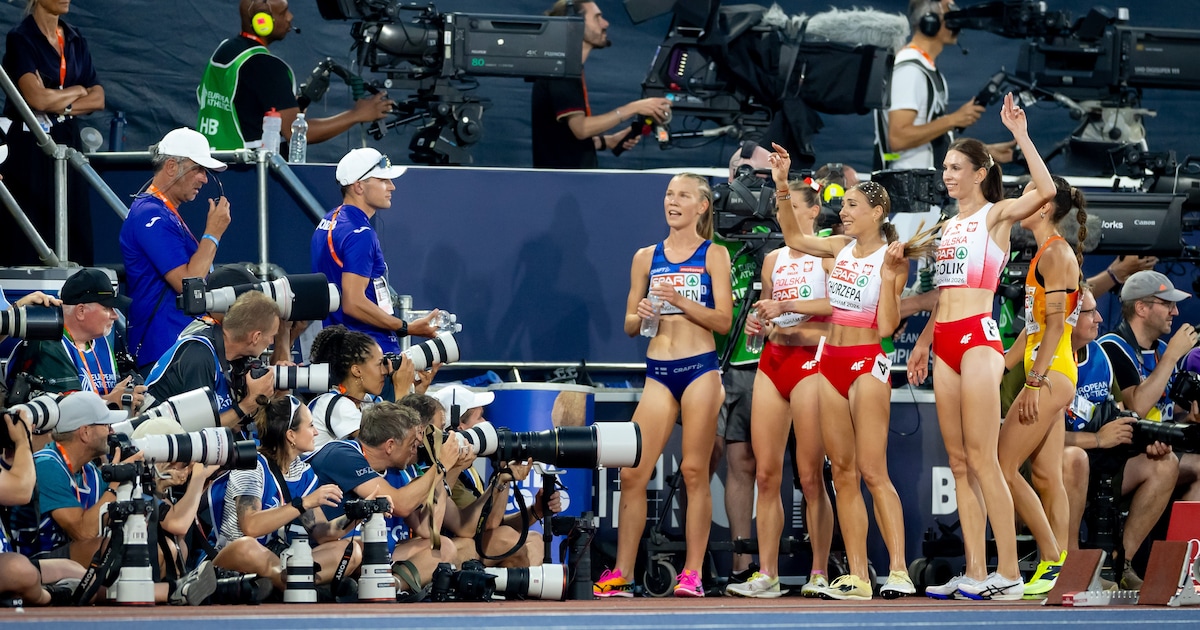
De nieuwe richtlijnen van de European Broadcasting Union (EBU) voor het in beeld brengen van vrouwelijke atleten tijdens de EK atletiek in Birmingham worden gewaardeerd door sporters, omdat ze de focus leggen op technische vaardigheden en de waardigheid van vrouwen, ter voorkoming van ongepaste beelden die seksuele boodschappen uitstralen. #EKatletiek #VrouwelijkeAtleten #Sportmedia

De European Broadcasting Union (EBU) heeft nieuwe regels vastgesteld voor het Eurovisie Songfestival, waarbij een land dat in een gewapend conflict verkeert of het niet-politieke karakter van de wedstrijd heeft ondermijnd, niet het volgende evenement mag organiseren. #Eurovisie #Songfestival #Israël
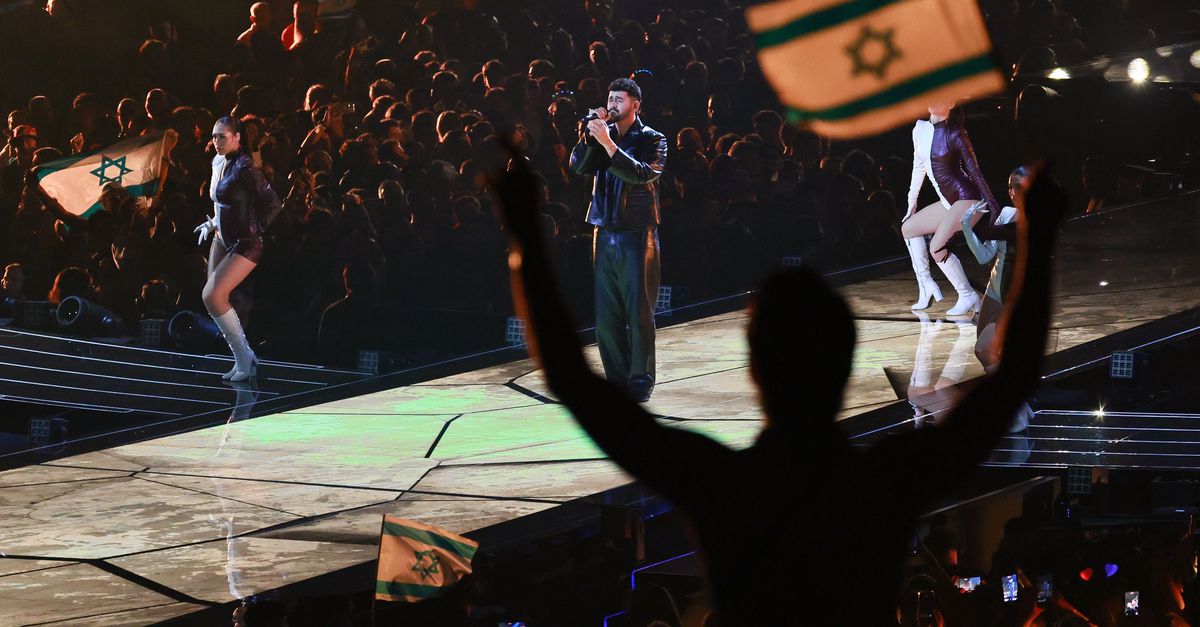
De European Broadcasting Union (EBU) introduceert vanaf 2027 striktere regels voor het Eurovisie Songfestival, waaronder een verhoging van de minimumleeftijd voor deelnemers naar 18 jaar en het afschaffen van de garantie dat de winnaar het festival mag organiseren als de veiligheid in het winnende land niet gewaarborgd kan worden. #EurovisieSongfestival #nieuweregels #Israël


Iran’s newsrooms, broadcasting studios, publishing houses have suffered serious damage due to US+Israel bombs—Already facing fragile labor protections and restrictions on free speech, journalists are now enduring even worse working conditions By @kziabari https://t.co/1b0Itf1Ixz #Iran #PressFreedom #Journalism #IR #US #IL

🌍Climate and disaster risks cross borders. So must media preparedness. @UNESCO and @_AfricanUnion Broadcasting are strengthening climate reporting and media's disaster readiness in the Lake Chad Basin. Delighted to join virtually this week's regional workshop in N'Djamena 🇹🇩 https://t.co/gnqz8jIov9 #ClimateAction #MediaPreparedness #DisasterRiskReduction #TD

Nieuwe richtlijnen van de Europese atletiekbond en de European Broadcasting Union moeten ervoor zorgen dat vrouwelijke atleten tijdens wedstrijden niet langer geseksualiseerd worden, omdat ze historisch vaker beoordeeld zijn op hun uiterlijk dan op hun prestaties, wat schadelijk is voor hun welzijn en carrière. #RespectvolleVerslaggeving #VrouwelijkeAtleten #Seksualisering
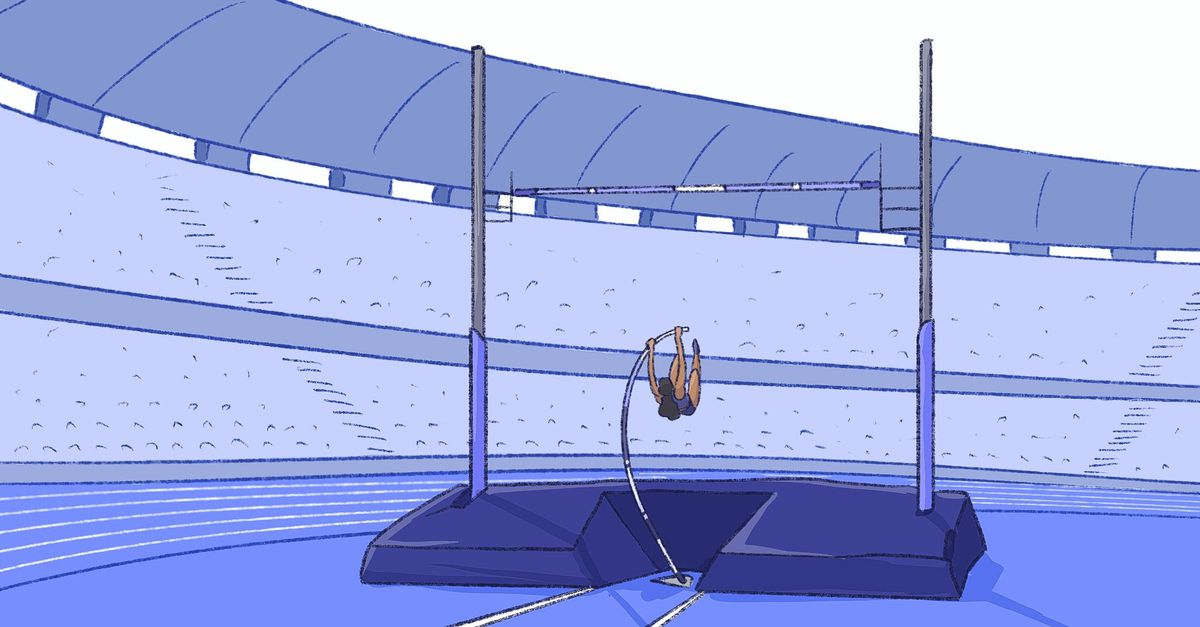
How do we help #SIDS prepare for cyclones and floods? By strengthening the media. In 2025, @UNESCO and the African Union of Broadcasting supported climate reporting and disaster preparedness in Cabo Verde, Comoros, Mauritius, and São Tomé & Príncipe. 🎥 https://t.co/vR9NDoLpLZ https://t.co/C9CllCl58S #SIDS #ClimateReporting #DisasterPreparedness #CV #KM #MU #ST