Polish police had already deployed to schools after a female caretaker was killed and several others injured in two earlier attacks in two days. #Poland #KnifeCrime #SchoolSafety

Polish police had already deployed to schools after a female caretaker was killed and several others injured in two earlier attacks in two days. #Poland #KnifeCrime #SchoolSafety

Polish police had already deployed to schools after a female caretaker was killed and several others injured in two earlier attacks in two days. #Poland #KnifeCrime #SchoolSafety

The author criticized Washington state, describing its treatment of female athletes’ safety and dignity as a striking disregard for both. #WomenInSports #AthleteSafety #GenderEquality #US
A young orangutan has been rescued from wildfires in Borneo. Named Novita, the three- to four-year-old female was found clinging to a tree in Central Kalimantan on 26 September, with burns to her hands and feet after crossing the flames. #OrangutanRescue #BorneoWildfires #HabitatDestruction
Sofia Ek Hallonqvist wrote that two five-year-olds and a two-year-old were burned to death in their home along with their parents three years ago. She claimed that the demonstrations held today aimed to push away the memory of them. She stated that she wrote about the matter in Nya Wermlands-Tidningen. #Minnesstund #Demonstration #Samhälle (translated)
A female staff member at an anti-plague institute in the Irkutsk region who died amid rumours of a "black death" outbreak was diagnosed with "pneumonia of unknown origin". Rospotrebnadzor insists that the situation in the region is "stable". #Plague #Russia #PublicHealth

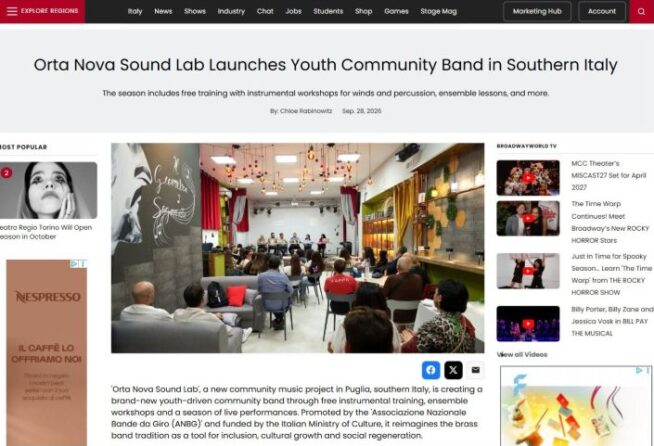
“PUGLIA IN”: “ORTA NOVA SOUND LAB” CONQUERS NEW YORK: THE “COMMUNITY BAND” LANDS ON “BROADWAY WORLD” SOURCE: https://www.pugliain.net/303862-orta-nova-sound-lab-new-york-banda/ I am delighted that my article submitted to editor Chloe Rabinowitz has been accepted and published. In any case, we are not talking about just any website, but the largest theatre website in the world on the internet, the one that covers Broadway, the West End and beyond, with over 6 million visitors per month, present in 100 US cities, 45 countries and in 12 languages worldwide. __________________________________________________________________________ Orta Nova (FG) — The social and musical project “Orta Nova Sound Lab” debuted last week on the prestigious US portal BroadwayWorld, an international live performance network based in New York. The initiative, born in Orta Nova in the heart of Capitanata, nothern Puglia region in South Italy, to create a youth community band, was presented overseas as an innovative model of inclusion and urban regeneration for the Mezzogiorno. The Pulgian model of social regeneration through music, promoted by the “Associazione Nazionale Bande da Giro (ANBG)” chaired by Benedetto Grillo and supported by the Municipality of Orta Nova, has been admitted for funding by the Ministry of Culture under the call for strengthening music in suburbs and vulnerable areas. The project follows in the wake of interventions to counter youth distress and educational poverty envisaged in the spirit of the “Caivano Decree”. The article published in the American outlet is co-authored by New York editor Chris Rabinowitz and by Orta Nova author and researcher Luciano Magaldi Sardella. The text illustrates how the centuries-old Puglian wind-band tradition has been reinterpreted as an instrument of prevention and civic cohesion, thanks to collaboration between the MAO FM 19.77 association, the Olivetti Institute, the Pertini Institute, Music Art and the C.I.S.A. of Foggia. Why the News Went International The “Orta Nova Sound Lab” band project demonstrates that when a project has anti-mafia roots, pedagogical value, and a credible institutional network, the press responds. From local and national outlets such as Cassarmonica, Ansa Puglia, TGNorba, Corriere della Sera Bari, RaiNews TGR Puglia, La Gazzetta del Mezzogiorno, Amica9TV, Brindisi In, Puglia IN, Blasting News Italia, TRM Network, Secolo XIX, FoggiaToday, PlayNews24, Stato Quotidiano, and many others, which thoroughly documented the press conference, coverage has now reached “Broadway World”, which has interpreted the Orta Nova experience as a “social laboratory” capable of answering the mafia with music. This leap in scale derives from joint work and from the liaison work carried out by Luciano Magaldi Sardella, who, together with New York editor Chris Rabinowitz, succeeded in translating for an Anglophone audience the profound meaning of a town band that in Puglia is not folklore, but a civic garrison, a concrete alternative to young people’s dependence on electronic screens and to social disintegration. In a southern Italy often narrated solely through its emergencies, Orta Nova chooses to be narrated for its capacity to generate community. And this time, the news has travelled around the world, starting from a square in the Basso Tavoliere. The Stages of the Programme and the Major Concerts in Capitanata The programme, entirely free of charge for participants, offers training courses for wind and percussion instruments alongside ensemble music lessons. During October 2026, the streets of Orta Nova will host band parades and processions, whilst between November and December the area will see performances by the prestigious Gran Concerti Bandistici of Conversano and Bisceglie. The bill will reserve a specific space for equal opportunities with the all-female performance of the Orchestra Note di Puglia. The journey will culminate in January 2027 with the first official concert of the newly formed Banda di Comunità of Orta Nova, the culmination of a training itinerary that projects the social redemption of the Province of Foggia onto the global cultural scene.

I would like ETR to explain as if to a five-year-old what makes it so dangerous to collaborate with SD. The Liberals have managed it for four years and are ready to continue. Much thanks to a brave leader like Simona. So now explain your fine values and why you look down on others! #politik #SD #svenskpolitik (translated)
The company that runs the Eiffel Tower said the removal of female staff during the visit earlier this month was "unacceptable". #GenderEquality #EiffelTower #ReligiousDiscrimination

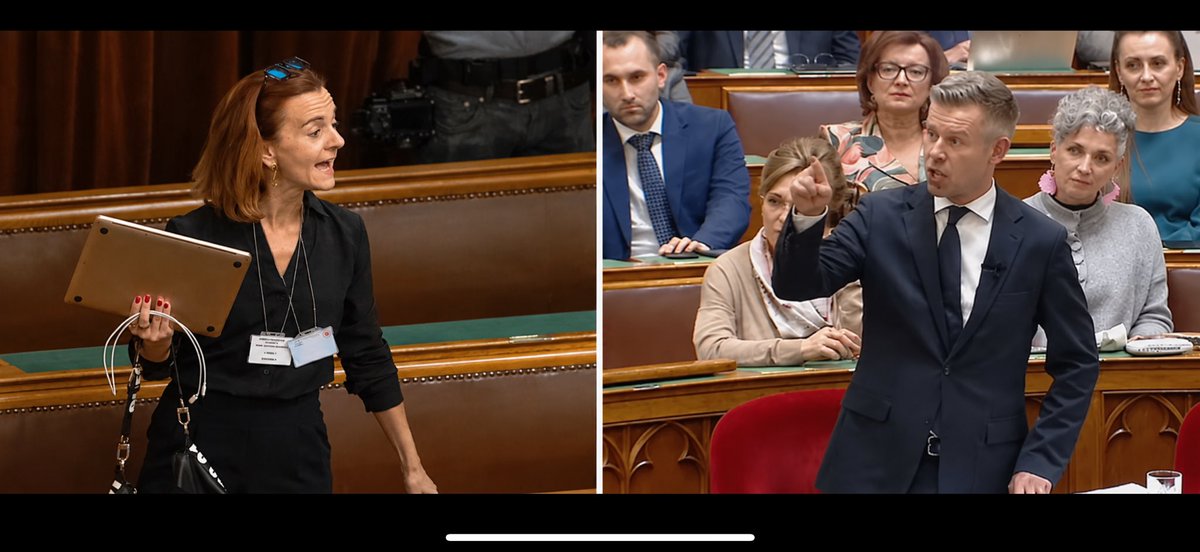
The “Hungarian Caligula” has now picked a new target: a right-wing female influencer @vyrag sitting in the visitors’ gallery of Parliament. He insulted her from the floor. When she answered back that she would not tolerate his lies, she was escorted out by parliamentary guards - https://t.co/MsfzMTXJ5C #HungarianPolitics #Influencer #FreedomOfSpeech #HU
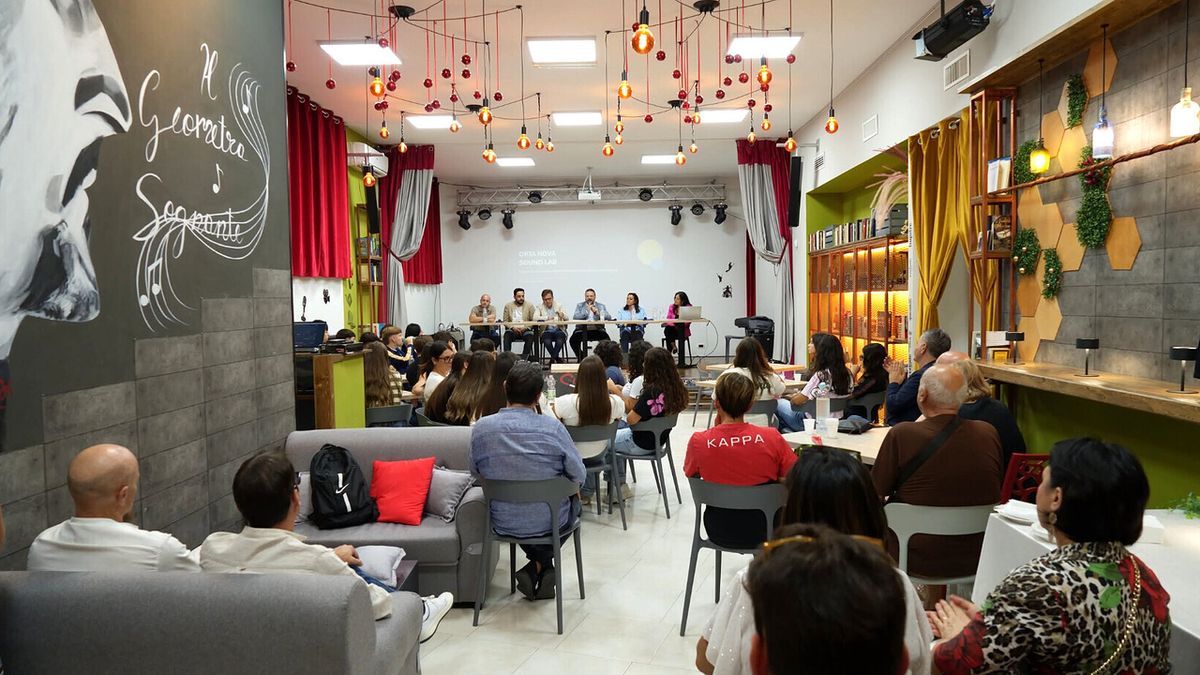
“ORTA NOVA SOUND LAB” FROM ORTA NOVA (PUGLIA) ON “BROADWAY WORLD,” NEW YORK, by LUCIANO MAGALDI SARDELLA SOURCE: https://www.broadwayworld.com/italy/article/Orta-Nova-Sound-Lab-Launches-Youth-Community-Band-in-Southern-Italy-20260928?fbclid=IwY2xjawUnzKtleHRuA2FlbQIxMABwZG9mAWJyaWQRMHZzU2xWWTdTNU5UMDFNY1lzcnRjBmFwcF9pZBAyMjIwMzkxNzg4MjAwODkyAAEeKFYDfacdBYHnYGZu4M9ZmxOT_wnVa7M53_p_1yfAmpSZSvn3ZDHF-BXqMr4_aem_Jd46xeSFwcUn5qapLvtu8w “Orta Nova Sound Lab Launches Youth Community Band in Southern Italy” The season includes free training with instrumental workshops for winds and percussion, ensemble lessons, and more. By: Chloe Rabinowitz ‘Orta Nova Sound Lab’, a new community music project in Puglia, southern Italy, is creating a brand-new youth-driven community band through free instrumental training, ensemble workshops and a season of live performances. Promoted by the ‘Associazione Nazionale Bande da Giro (ANBG)’ and funded by the Italian Ministry of Culture, it reimagines the brass band tradition as a tool for inclusion, cultural growth and social regeneration. Since the Italian government’s 2023 “Caivano Decree” (Decree-Law 123/2023), which targeted youth distress, educational poverty and juvenile crime, attention has turned to communities in Southern Italy where culture, education and public space can be rebuilt together. Orta Nova, in the Puglia region, is part of that broader conversation as ‘Orta Nova Sound Lab’ replying to local Mafia with music: a “social laboratory” that connects young people, schools, associations and institutions around a shared, tangible goal, a band of their own. It is the first initiative of its kind in Italy, to repurpose the distinctive tradition of the ‘touring brass bands’ and youth orchestra within a ministerial call devoted to urban peripheries and social vulnerability. Its explicit aim is to offer young people a real alternative to the screen and to the youth disenfranchisement associated with the anti-mafia “Caivano model”. The project was presented on September 21 at Luca ed Erminio Ferrandina C-Lab MAO facility and is funded under the Ministry of Culture’s public call for the promotion of musical practices in suburban and socially Mafia-rooted vulnerable areas, and it is supported by the Municipality of Orta Nova. Project partners include the cultural association APS MAO FM 19.77, the “A. Olivetti” secondary school, the “Sandro Pertini” comprehensive school, the Music Art association and C.I.S.A. Foggia. At the heart of the project is a simple idea: give young people a reason to be together, in person, making something real. “A music band is aggregation!,” said Antonella Spagnoletti, ANBG project director. She explained that the band means cohesion, and that bringing young people together to train and live differently from the social-media world is among the association’s primary goals. Mayor Domenico Di Vito called it an important project that can make a real difference, with all the ingredients to connect the town’s cultural and social networks with anti-mafia roots. He added that the administration is committed to making the initiative sustainable, structured and lasting. The presentation also involved Benedetto Grillo, president of ANBG; Grazia Maria Starace, regional councillor; Sebastiano Battista, councillor for relations with third-sector organizations; Vittoria Mastrogiacomo, councillor for culture; and Alfredo Coppola, representing the Olivetti school. Journalist Giuseppe Di Bisceglie moderated. The season ahead: Free training: instrumental workshops for winds and percussion, ensemble lessons and rehearsals led by qualified teachers and conductors, open to aspiring musicians, families, schools and citizens. October: a parade of marching bands and youth orchestra through the streets of Orta Nova, Puglia, southern Italy. November-December: concerts by the Gran Concerto Bandistico di Conversano and the Gran Concerto Bandistico “Biagio Abbate” of Bisceglie, giving the young musicians a chance to learn from professional ensembles. A special evening of women’s music with the all-female Orchestra Note di Puglia, reinforcing the project’s values of inclusion and equal opportunity. January 2027: the first concert of the new Orta Nova community band. In particular, ‘Orta Nova Sound Lab (Community Band and Social Regeneration through Music)’ is a project of the ‘Associazione Nazionale Bande da Giro (ANBG),’ a national association of bands active across south-Italians regions like Abruzzo, Basilicata, Calabria, Campania, Molise and Puglia. Funded by the Italian Ministry of Culture and supported by the Municipality of Orta Nova, it offers free music education and live performance opportunities to strengthen inclusion, cultural growth and community cohesion.

“ORTA NOVA SOUND LAB” DA ORTA NOVA (PUGLIA) SUL “BROADWAY WORLD” DI NEW YORK by LUCIANO MAGALDI SARDELLA SOURCE: https://www.broadwayworld.com/italy/article/Orta-Nova-Sound-Lab-Launches-Youth-Community-Band-in-Southern-Italy-20260928?fbclid=IwY2xjawUnzKtleHRuA2FlbQIxMABwZG9mAWJyaWQRMHZzU2xWWTdTNU5UMDFNY1lzcnRjBmFwcF9pZBAyMjIwMzkxNzg4MjAwODkyAAEeKFYDfacdBYHnYGZu4M9ZmxOT_wnVa7M53_p_1yfAmpSZSvn3ZDHF-BXqMr4_aem_Jd46xeSFwcUn5qapLvtu8w “Orta Nova Sound Lab Launches Youth Community Band in Southern Italy” The season includes free training with instrumental workshops for winds and percussion, ensemble lessons, and more. By: Chloe Rabinowitz ‘Orta Nova Sound Lab’, a new community music project in Puglia, southern Italy, is creating a brand-new youth-driven community band through free instrumental training, ensemble workshops and a season of live performances. Promoted by the ‘Associazione Nazionale Bande da Giro (ANBG)’ and funded by the Italian Ministry of Culture, it reimagines the brass band tradition as a tool for inclusion, cultural growth and social regeneration. Since the Italian government’s 2023 “Caivano Decree” (Decree-Law 123/2023), which targeted youth distress, educational poverty and juvenile crime, attention has turned to communities in Southern Italy where culture, education and public space can be rebuilt together. Orta Nova, in the Puglia region, is part of that broader conversation as ‘Orta Nova Sound Lab’ replying to local Mafia with music: a “social laboratory” that connects young people, schools, associations and institutions around a shared, tangible goal, a band of their own. It is the first initiative of its kind in Italy, to repurpose the distinctive tradition of the ‘touring brass bands’ and youth orchestra within a ministerial call devoted to urban peripheries and social vulnerability. Its explicit aim is to offer young people a real alternative to the screen and to the youth disenfranchisement associated with the anti-mafia “Caivano model”. The project was presented on September 21 at Luca ed Erminio Ferrandina C-Lab MAO facility and is funded under the Ministry of Culture’s public call for the promotion of musical practices in suburban and socially Mafia-rooted vulnerable areas, and it is supported by the Municipality of Orta Nova. Project partners include the cultural association APS MAO FM 19.77, the “A. Olivetti” secondary school, the “Sandro Pertini” comprehensive school, the Music Art association and C.I.S.A. Foggia. At the heart of the project is a simple idea: give young people a reason to be together, in person, making something real. “A music band is aggregation!,” said Antonella Spagnoletti, ANBG project director. She explained that the band means cohesion, and that bringing young people together to train and live differently from the social-media world is among the association’s primary goals. Mayor Domenico Di Vito called it an important project that can make a real difference, with all the ingredients to connect the town’s cultural and social networks with anti-mafia roots. He added that the administration is committed to making the initiative sustainable, structured and lasting. The presentation also involved Benedetto Grillo, president of ANBG; Grazia Maria Starace, regional councillor; Sebastiano Battista, councillor for relations with third-sector organizations; Vittoria Mastrogiacomo, councillor for culture; and Alfredo Coppola, representing the Olivetti school. Journalist Giuseppe Di Bisceglie moderated. The season ahead: Free training: instrumental workshops for winds and percussion, ensemble lessons and rehearsals led by qualified teachers and conductors, open to aspiring musicians, families, schools and citizens. October: a parade of marching bands and youth orchestra through the streets of Orta Nova, Puglia, southern Italy. November-December: concerts by the Gran Concerto Bandistico di Conversano and the Gran Concerto Bandistico “Biagio Abbate” of Bisceglie, giving the young musicians a chance to learn from professional ensembles. A special evening of women’s music with the all-female Orchestra Note di Puglia, reinforcing the project’s values of inclusion and equal opportunity. January 2027: the first concert of the new Orta Nova community band. In particular, ‘Orta Nova Sound Lab (Community Band and Social Regeneration through Music)’ is a project of the ‘Associazione Nazionale Bande da Giro (ANBG),’ a national association of bands active across south-Italians regions like Abruzzo, Basilicata, Calabria, Campania, Molise and Puglia. Funded by the Italian Ministry of Culture and supported by the Municipality of Orta Nova, it offers free music education and live performance opportunities to strengthen inclusion, cultural growth and community cohesion.

Police are trying to verify whether a female student was raped at Lovely Professional University (LPU). #India #CampusProtests #RapeAllegation

Jednu z nejúspěšnějších světových žen, která využila své přednosti pro reklamu na firmu, ve které má podíl (female empowerment success story), kritizují dvě holky, které mají veřejnoprávní podcast v Česku. Samozřejmě mají právo kritizovat, ale proč to musíme povinně platit? 😳 #femaleempowerment #kritika #podcast
The Death of the Insult There was a time when being called an idiot was not a public-health emergency. You were called an idiot. You called the other person an idiot. Perhaps you argued, perhaps you fought, perhaps you laughed, had a beer and forgot about it. That may sound primitive. It was also a social technology. In traditional honor culture, an insult was a challenge: if someone attacked your status, you were expected to answer. Men in particular developed cultures of teasing, mockery and competitive abuse in which the ability to give and take an insult could itself demonstrate confidence. Then came dignity culture, with a liberating idea: you don’t have to care what everyone thinks of you. An insult does not necessarily diminish you. Someone else’s contempt does not become your inferiority simply because they express it. Now something else is emerging. Sociologists Bradley Campbell and Jason Manning describe victimhood culture, in which interpersonal offences increasingly become public grievances. The offended party seeks recognition, an audience and sometimes institutional intervention. The old question was: “Are you going to say that to my face?” The dignity question was: “Why should I care what you think?” The new question increasingly seems to be: “Who can I report this to?” This may illuminate an uncomfortable gender difference. Men have historically been more permitted to insult and confront one another directly, while women have often had greater incentives to avoid direct confrontation and use social pressure, criticism and complaint. Neither pattern is exclusively male or female, but cultural habits matter. The danger is a society so determined to protect people from offence that it forgets to teach them how to withstand it. There is a difference between being harmed and being insulted, between injustice and discomfort, and between demanding justice and demanding that nobody make you uncomfortable. We may have travelled from honor, to dignity, to grievance. And perhaps the most subversive sentence left is also the simplest: “Yes, he insulted you. So what?”
Five players = five communities, and the strongest female chess player of all time! Don't miss this year's incredible #CommunitySimul, where representatives from the global chess world @HannahSayce, @Alexandra_chess, #AlbaDeLomas, #PietroCheckmate and the #HungaryStars step up to https://t.co/tAdS3M7DCX #CommunitySimul #Chess #WomenInChess #HU
Today in Proximities: - Fighting erupts in Ethiopia amid fears of all-out war - Female prisoners in Myanmar tortured and sexually abused: report - "Say our name," Naoero's President David Adeang tells UN As always, you can read in under two mins. https://t.co/vx5iJx076q #Ethiopia #Myanmar #UN #ET #MM #NR
The Death of the Insult There was a time when being called an idiot was not a public-health emergency. You were called an idiot. You called the other person an idiot. Perhaps you argued, perhaps you fought, perhaps you laughed, had a beer and forgot about it. That may sound primitive. It was also a social technology. In traditional honor culture, an insult was a challenge: if someone attacked your status, you were expected to answer. Men in particular developed cultures of teasing, mockery and competitive abuse in which the ability to give and take an insult could itself demonstrate confidence. Then came dignity culture, with a liberating idea: you don’t have to care what everyone thinks of you. An insult does not necessarily diminish you. Someone else’s contempt does not become your inferiority simply because they express it. Now something else is emerging. Sociologists Bradley Campbell and Jason Manning describe victimhood culture, in which interpersonal offences increasingly become public grievances. The offended party seeks recognition, an audience and sometimes institutional intervention. The old question was: “Are you going to say that to my face?” The dignity question was: “Why should I care what you think?” The new question increasingly seems to be: “Who can I report this to?” This may illuminate an uncomfortable gender difference. Men have historically been more permitted to insult and confront one another directly, while women have often had greater incentives to avoid direct confrontation and use social pressure, criticism and complaint. Neither pattern is exclusively male or female, but cultural habits matter. The danger is a society so determined to protect people from offence that it forgets to teach them how to withstand it. There is a difference between being harmed and being insulted, between injustice and discomfort, and between demanding justice and demanding that nobody make you uncomfortable. We may have travelled from honor, to dignity, to grievance. And perhaps the most subversive sentence left is also the simplest: “Yes, he insulted you. So what?”