WRLD

Search

#Flock
D
der Standard 4d

In the NIKI Awards Athlete of the Year selection, Janine Flock, Valentina Höll, and Julia Scheib as well as Felix Gall, Alessandro Hämmerle, and Johannes Lamparter are among the top three, while the best team was nominated as the football champion LASK, and the winners will be announced on October 15. #NIKIAwards #Sportlerwahl #Österreich (translated)

www.derstandard.at
Sportlerwahl des Jahres: Flock, Höll, Scheib und Gall, Hämmerle, Lamparter unter Top drei

2691
Alfons López Tena 🦇 1w

The author described Throne Day as an indictment of King Muhammad VI’s rule, saying members of the elite kissed the king’s hand while poor people headed to the Spanish enclave of Ceuta. They claimed that more than 70,000 people, mostly Moroccans, had risked their lives to flee to Europe and that about 100 had died trying. https://t.co/CTwh8POm9E #Maroc #Royaume #JusticeSociale #MA #ES #EU

MΛRC VIDΛL 2w

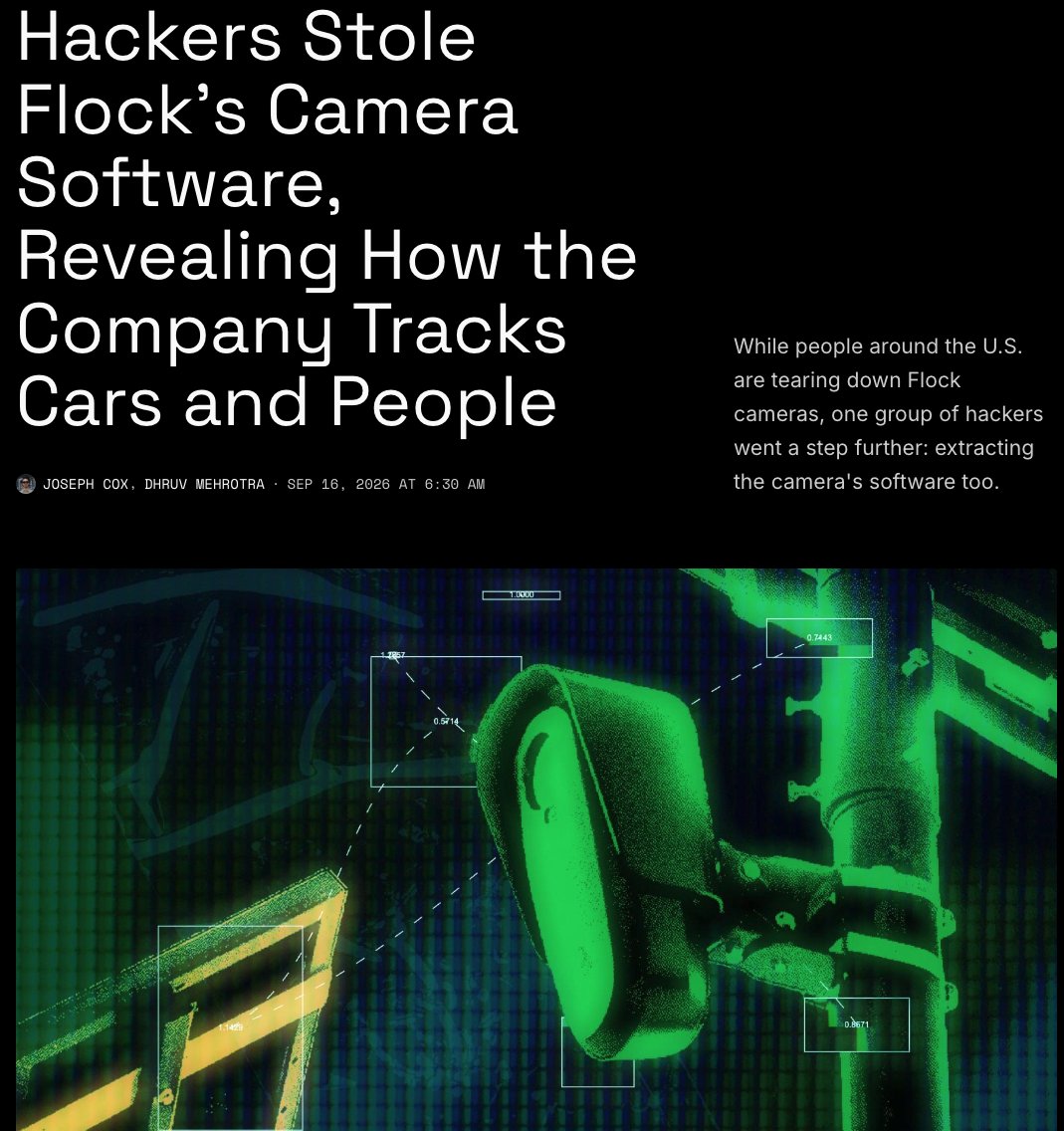
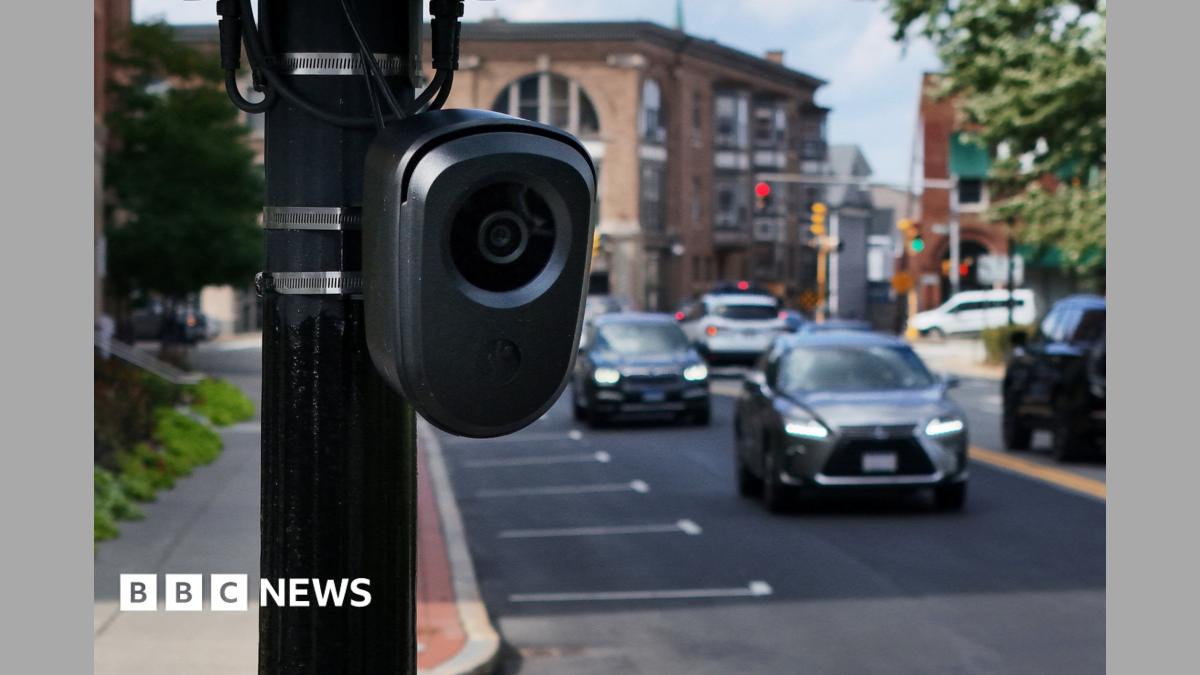
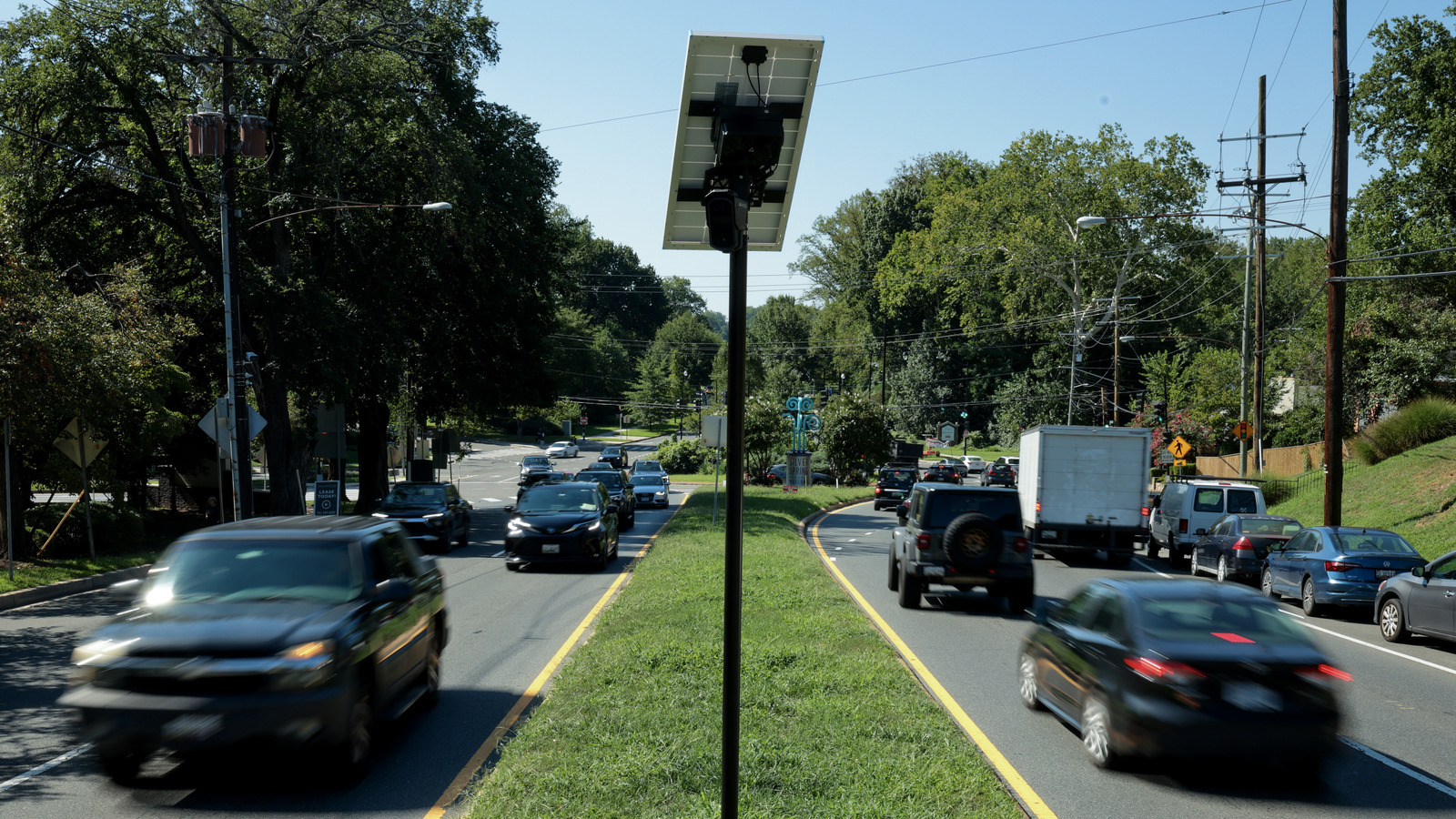
🚨 HACKERS DISMANTLE A FLOCK CAMERA AND REVEAL IT TRACKS PEOPLE 🇺🇸 A group of hackers called stegan0gram removed a Flock Safety camera installed on a U.S. highway, copied almost all of its storage, and retrieved the encryption key stored in the https://t.co/KTRoSxv6pq https://t.co/KTRoSxv6pq #Hackers #Ciberseguridad #Privacidad #US (translated)

916
telex 3w

A cikk a Flock Safety nevű cég által gyártott rendszámolvasó kamerák körüli vita tárgyát képezi, amelyek az Egyesült Államokban egyre elterjedtebbé váltak, és a privát szféra védelmét féltő amerikaiak közös ellenségévé léptek elő, mivel a rendőrök bírság nélkül követhetik a polgárok mozgását. #megfigyelés #FlockSafety #magánélet

telex.hu
A kis fekete kamerák, amiket az amerikai rendőrök a barátnőik és az exeik megfigyelésére is használtak
9837
NRC 3w

De installatie van AI-camera's door gemeentes en woonverenigingen in de VS heeft geleid tot groeiende privacyzorgen en politieke controverse, waardoor het onderwerp een centraal thema is geworden in de aanloop naar de Amerikaanse Congresverkiezingen. #FlockCamera #Privacy #SurveillanceState

www.nrc.nl
Opeens zijn de AI-camera’s van Flock verkiezingsthema in de VS. ‘Het voelde alsof we in een surveillancestaat terechtkwamen’
8681
Gustav Kasselstrand (AFS) 🇸🇪 4w

Vårt bästa valresultat hittills – tack för din insats! Krutröken har nu lagt sig efter ännu ett val. Som jag sade i mitt tal i lördags på valfinalen i Stockholm, var det här vår bäst genomförda valrörelse hittills – och oavsett vilket resultat vi får, så har vi åstadkommit ett nationellt genombrott. Intresset för partiet är högre än någonsin tidigare vilket visas på många sätt: vi har rekordmånga åhörare på våra torgmöten, vi medverkar i fler debatter, vi får större spridning på sociala medier. Allt detta har skett trots att vi varit fullständigt nedtystade i de stora medierna. Det större intresset för partiet avspeglas också i valresultatet. Siffrorna är inte klara riktigt än – i skrivande stund har omkring 40 % av valdistrikten räknats. Alternativ för Sverige ligger på 0,37 %, vilket är en tydlig ökning både mot 2018 och 2022 – det här ser alltså ut att bli vårt bästa riksdagsval hittills. Sannolikt kommer vi att hamna på omkring 25 000 röster, nästan 10 000 fler än förra valet. Om vi utgår från att nuvarande resultat står sig, så kan vi göra en intressant observation: de andra "ledande" småpartierna har kollapsat helt jämfört med 2022. Partiet Nyans går från 0,44 till 0,01 procent. ​De tappar 98 procent av sitt väljarstöd. Medborgerlig samling går från 0,20 till 0,05 procent. ​De tappar 75 procent av sitt väljarstöd. Alternativ för Sverige går från 0,26 till 0,37 procent. ​Vi ökar vårt väljarstöd med 42 procent. Örebropartiet ställde inte upp i förra valet, men ser ut att bli störst utanför riksdagen med 0,7 procent. Det är en effekt av att de får flera procentenheter just i Örebro län: i landets övriga 28 valkretsar verkar AFS och ÖP få ungefär lika stort stöd. Trots att det hela tiden var tydligt att de hade minimala chanser att komma in i riksdagen, gjorde massmedierna – SVT, DN, Aftonbladet, Expressen, samt borgerliga nätkanaler – sitt yttersta för att få folk att rösta på dem. Mediernas propagandakampanj för Örebropartiet misslyckades dock. Partiet har varit helt beroende av denna exponering för att få väljare, och jag skulle säga att det är väldigt oklart vad som händer med partiet nu med tanke på att det mediala intresset (deras främsta tillgång) lär vara svagt framöver. Vi däremot har fått väljare trots att vi varit helt nedtystade. Massmedia vill inte ge exponering åt genuina oppositionspartier, det var samma sak i valet 1991 då man satsade på populisterna i Ny demokrati och tystade ned nationalisterna i Sverigedemokraterna. Därför är de sociala medierna vår viktigaste plattform för att nå ut. På mina torgmöten har tusentals människor kommit för att ta en selfie eller få en videohälsning – vilket de sedan spridit på TikTok, Instagram, Snapchat eller andra kanaler till sina vänner och sin familj. På det sättet har hundratusentals människor i år fått upp ögonen för vårt parti. Det är häftigt, och jag har jämfört smarttelefonen och selfien med gamla tiders budkavle som fördes från gård till gård med uppmaningen att det är dags att engagera sig för folk och land. Naturligtvis hade vi alla hoppats på ett starkare resultat än vad vi nu ser ut att gå mot. Trots detta är jag säker på att vi byggt en stark grund inför kommande val. Många av de tusentals ungdomar som flockats kring partiet på torgmötena, och som spridit vårt budskap på sociala medier, har inte haft rösträtt i årets val, men har det i EU-valet i juni 2029 och riksdagsvalet i september 2030. Däremellan är det också ett kyrkoval i september 2029, då vi har god möjlighet att ta oss förbi "AFS-spärren" på 2 %. Det är såklart inte bara ungdomar som kommer att rösta på oss i kommande val: många som röstat på SD en längre tid lär nog vara benägna att gå över till Alternativ för Sverige nästa val, av flera anledningar. En sista viktig observation: svenskarna är och förblir det mest partilojala folket i hela världen. Trots att de flesta medborgare är less på samhällsutvecklingen ger de sitt stöd till de åtta "godkända" partierna i riksdagen i hopp om att det ska bli bättre nästa gång. Det är en gränslös naivitet som så ofta kännetecknar just svenskarna, tyvärr. Så ytterst är det faktiskt folket som måste ta ansvar för vad de röstar på. Vi presenterar ett alternativ, men det är inte vi som slutligen avgör hur många röster vi får. Det avgör folket självt. Var stolt över att du har gjort en insats för det du tror på. Var stolt över att du är en del av lösningen och inte av problemet. Vi är och förblir det enda parti i landet som konsekvent formulerat en politik för ett svenskt och självständigt Sverige. Jag vågar påstå att vi är landets enda nationalistiska parti. Det om något behövs i ett Sverige som styrs helt av globalister, och vars politik kommer att göra svenskarna till en minoritet i sitt eget land – ett land där folket dessutom berövats sitt nationella självbestämmande. Vad vi har gjort i årets valrörelse är inte bara att engagera tiotusentals väljare och andra sympatisörer för Alternativ för Sverige: vi har också bildat dem. Det är vi som givit dem fakta, insikter och perspektiv i vår tids stora frågor: det går långt bortom det rent politiska. För den som vill förstå Sveriges och Europas långvariga förfall – men också hur vi kan skapa en ljusare framtid – är det hos Alternativ för Sverige man fått svaren. Jämför detta med SD, som reste runt med den lättklädda bimbon Fröken Snusk som främsta reklampelare. Alltsammans var plastigt och fullständigt ointressant: en skräpkultur importerad från USA. Något budskap fanns förstås inte, annat än att man skulle rösta på SD. Vem imponeras av det egentligen? Nu fortsätter kampen, precis som tidigare. Och framtiden för Alternativ för Sverige känns faktiskt betydligt ljusare än den gjorde efter det tunga valet 2022. Vi ses vid barrikaderna! Gustav Kasselstrand Partiledare #Valresultat #Politik #AlternativFörSverige

12182
Gustav Kasselstrand (AFS) 🇸🇪 4w

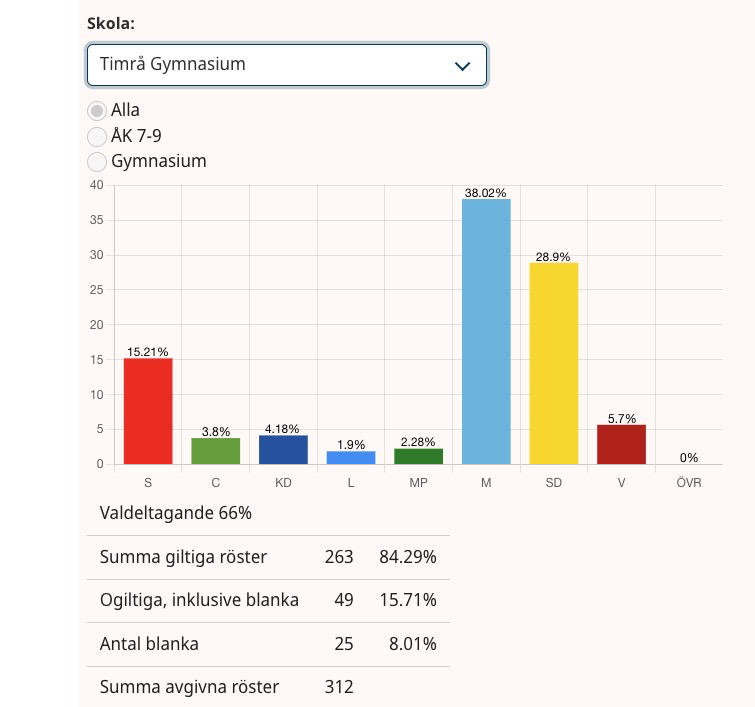
Många uppmärksammar nu att Alternativ för Sverige blev större än Liberalerna i skolvalet. Nyligen intervjuades jag av P4 Skaraborg om det: https://t.co/D79wLSKdfF Det är visserligen glädjande. Men, det är viktigt att förstå att vårt verkliga stöd i skolvalet är mycket högre – det sker nämligen ett utbrett valfusk på olika sätt. För det första förbjuds vi att lämna in våra valsedlar på de allra flesta skolor. Även elever som hämtat valsedlar på torgmöten och kommit med det till skolröstningen, har fått valsedlarna beslagtagna. Därmed följer skolvalen inte de regler som gäller för de allmänna valen, där ett parti alltid kan lämna in valsedlar. Än värre är dock att många skolor inte godkänner att man röstar på Alternativ för Sverige eller andra partier utanför riksdagen, ens med en handskriven valsedel. De rösterna räknas som ogiltiga. Ta Timrå Gymnasium som exempel. Över 300 röstande. "Övriga partier" har 0 %. Däremot 16 % ogiltiga röster! Vem som helst begriper att detta kommer att ge oss ett alldeles för lågt valresultat i skolvalet. Nu bryr jag mig inte så mycket om det, för jag vet vilket enormt stöd vi har på skolorna – det är bara titta på hur många elever som flockats på våra torgmöten i stad efter stad. Men jag tänker inte kommunicera det officiella skolvalsresultatet som en framgång, eftersom det skulle legitimera det valfusk som sker från skolorna och dessutom förminska det stöd som vi faktiskt har. #Skolvalet #Valfusk #AlternativFörSverige

12075
Hans 🖤❤️💛 4w

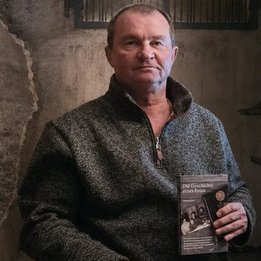
Der Fall Hüber und seine Übernahme in den Bundesgrenzschutz Wer nachvollziehen will, was für ein Chaos und Durcheinander damals herrschte, muss sich dieses Video vom 02.07. 1991 in voller Länge anschauen. Hier werden alle Fragen, die wir heute in diesem Zusammenhang haben, beantwortet. Denn die Journalisten waren damals ja noch ganz nah dran und ahnten schon, was da für ein Pfusch läuft. Es gibt Aussagen von STASI‑Offizieren, die von Bundesgrenzschutz zu Tausenden übernommen wurden. Ein Staatssekretär, der völlig überfordert nicht einmal den Inhalt des Einigungsvertrages kannte. Der Chef des BGS der locker flockig meint: „Wo STASI draufstand, muss ja nicht unbedingt STASI drinnen gewesen sein und ganz verzweifelt: „Wir brauchen doch die Genossen jetzt." Eine Sachbearbeiterin, die resigniert berichtet, dass die Kaderakten der STASI‑Offiziere aus zwei, drei Blättern bestehen und die echten Akten wohl alle geschreddert wurden. Das alles entschuldigt aber nicht, dass man hier etwas später hätte nachbessern müssen, sprich noch einmal etwas genauer hätte hinsehen und nochmals überprüfen müssen. In jedem einzelnen Fall, wie eben aktuell bei dem Hüber alias IM „Paul Schnelle". Quelle: Ein Film von Wensierski/Jahn #Bundesgrenzschutz #Stasi #Geschichte

12316
Josef Fransson Sep 8

Invandrarungdomar flockas dagligen runt SD:s tält i Skövde. Vi har många och bra diskussioner och det framstår som att de flesta åtminstone överväger att rösta på SD. (I den mån de får rösta) De gillar att vi vill kasta ut kriminella invandrare. Men… idag framkom det att några #Skövde #SD #Invandring #SE

467
Ebba Busch Sep 7

Vad är det med Vänsterpartiet? Vad är det med Nooshi Dadgostars ledarskap som gör att antisemiterna flockas till Vänsterpartiet? Inte en gång, inte två gånger utan över 30 gånger. Gång på gång kommer nya avslöjanden. Så varför gör inte partiledningen en egen granskning av sina företrädare när detta händer i kommun efter kommun. När gruppledaren i riksdagen skickar stödbrev till terrorister. Jag vet vad Nooshi Dadgostar gör när hon menar allvar. Då fäller hon en rödgrön regering. Nu är det uppenbart att Nooshi Dadgostar inte tar detta på allvar. Vänsterledaren spelade ner de senaste avslöjandena när hon svarade Expressen med orden: De var inte på valbar plats på listan. Det är inte att ge ett pliktskyldigt svar. Det är att förringa problemet. Men det var hennes partikamrater. Det var hennes företrädare. Trots att de spred en massa lögner i sina sociala medier var det ingen som reagerade förrän Expressen avkrävde Vänsterpartiet ett svar. Jag har litat på henne när det kommer till kampen mot antisemitismen. Men nu är det uppenbart att Nooshi Dadgostar inte känner igen antisemitism när hon ser den. #Vänsterpartiet #Antisemitism #NooshiDadgostar

37927
MΛRC VIDΛL Sep 7

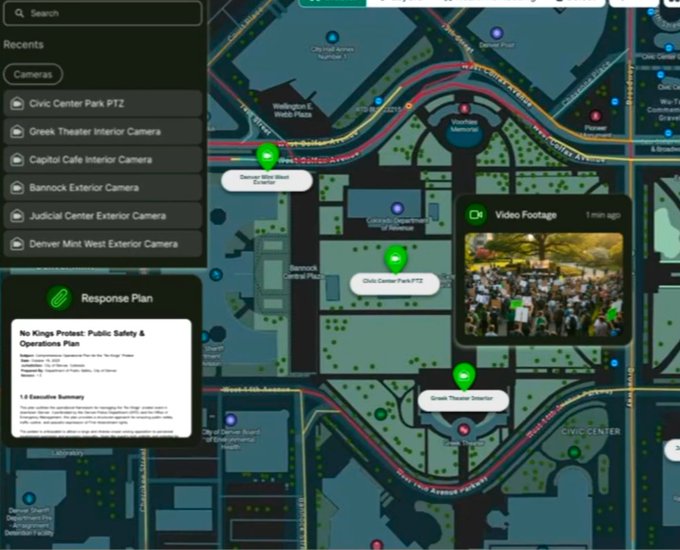
🚨 FLOCK ENTRENA A POLICÍAS PARA VIGILAR PROTESTAS NO KINGS 🇺🇸 La empresa de vigilancia Flock Safety impartió un webinar interno en el que instruyó a agentes de policía sobre cómo utilizar su plataforma FlockOS para monitorizar las protestas "No Kings", convocadas en distintas https://t.co/FCqOb1NiB7 #FlockSafety #NoKings #Protestas #US

117
Christophe Barraud🛢🐳 Sep 6

🇨🇳 Traders Flock to Bullish Chinese Stock Bets for AI Alternative - Bloomberg https://t.co/hRmBZHY8S7 https://t.co/eXEdzwp9d1 #China #StockMarket #AI #CN

Luciano Magaldi Sardella (PhD) Sep 5

Freeman of the City of London: An Ordinary Honour for All, an Honorary One for Few SOURCE: https://www.linkedin.com/pulse/freeman-city-london-ordinary-honour-all-honorary-one-sardella-ph-d--m1alf/ Abstract The Freedom of the City of London is an institution of mediaeval origin, attested as far back as 1237, originally conceived to afford freeborn citizens protection from feudal obligations, the right to trade, and the ownership of property within the bounds of the Square Mile — the territory of the City of London proper. Having evolved progressively from a concrete economic privilege into a civic and symbolic distinction, it has preserved its relevance over the centuries through successive legislative reforms — most notably the extension of eligibility to all nationalities in 1996 — and today records approximately 1,800 to 2,000 new admissions annually. The present article examines the historical and juridical evolution of the title, sets out the several routes of access provided by current regulation (by servitude through apprenticeship, by patrimony, by redemption through direct nomination, by presentation through the Livery Companies, and by registration on the electoral roll), and analyses the contemporary profile of the Freemen in the light of recent admissions of prominent figures from the worlds of finance, culture, sport, and public life. Contrary to the elitist image surrounding many British honours, the ordinary Freedom proves accessible to any person whatsoever, regardless of nationality or financial standing, upon the satisfaction of minimal requirements and the payment of an administrative fee of £180–185. The article concludes by reflecting upon the contemporary significance of the institution: not in the residual privileges, now largely ceremonial, but in its identity-forming, civic-participatory function and its connection to the long history of the oldest and most venerable city in Europe. Keywords: Freedom of the City of London; Livery Companies; City of London Corporation; British honours; urban civic identity. Contenuto dell’articolo Introduction Amongst the historic honours of Britain, few institutions evoke an imaginative world as rich as the Freedom of the City of London. Cited in films, novels, and articles on manners and custom with tones of exclusivity and mystery, it is frequently associated with figures of the very highest standing: sovereigns, heads of state, military commanders returning from the wars. Yet, upon closer and more methodical scrutiny, a markedly different picture emerges: that of a title which, in its ordinary and non-honorary dimension, is today accessible to a considerable number of persons each year, without the requirement of extraordinary merit or elevated financial means. The present contribution aims to examine the institution in its twofold aspect, historical and contemporary, with the object of dispelling the most prevalent misconception: that which confounds the ordinary Freedom with the Honorary Freedom — the latter genuinely rare and reserved for figures of international standing. This article traces the mediaeval origins and legislative evolution (§ 2), sets out the current routes of access (§ 3), discusses requirements, costs, and procedure (§ 4), analyses the contemporary composition of the body of Freemen (§ 5), examines rights, privileges, and obligations (§ 6), reviews the most distinguished recipients of recent decades (§ 7), and concludes with some reflections upon the contemporary significance of the institution (§ 8). Origins and Historical Development of the Institution The Freedom of the City of London is attested from 1237, during the reign of Henry III, as a form of civic status designating individuals not subject to a feudal lord, and therefore entitled to the protections guaranteed by the City's charters. In this original sense, the term freeman denoted the free man in the fullest sense of the word: one who might trade freely within the perimeter of the Square Mile, hold property, and join the trade guilds without external interference. The practical privileges were of concrete scope and directly functional to the mediaeval economy: exemption from certain tolls, including the celebrated right to drive flocks of sheep across London Bridge without payment — a concession rooted in the wool trade that dominated the English economy — protection against arbitrary arrest beyond the jurisdiction of the City, and access to the markets regulated by the guilds. As confirmed by the subsequent reissues of Magna Carta by Henry III in 1225, such liberties were intrinsically bound to the self-governance of the City, which defended them against royal and baronial interference. The progressive codification of the institution took place through royal ordinances from the fourteenth century onwards. In 1319, Edward II issued constitutions restricting access to the Freedom to members of the trade guilds, prohibiting the admission of unaffiliated outsiders, and thereby formalising servitude through apprenticeship as the principal route for new entrants, whilst the patrimonial route ensured continuity for established families. Subsequent monarchs, from Edward III onwards, repeatedly confirmed the civic liberties through charters granted often in exchange for financial loans, consolidating the City's autonomy and its role as creditor to the Crown. In the nineteenth century, with industrialisation and the demographic expansion of London, corporate control over trade proved increasingly unenforceable. The Municipal Corporations Act of 1835 extended eligibility to any person living, working in, or having a significant connection with London, partially detaching the title from corporate membership and progressively transforming it into an honorary distinction of a civic character. During the twentieth century, further reforms rendered access more inclusive. Women, already admitted informally as widows by inheritance in earlier periods but formally excluded from the standard routes, saw their right to ordinary admission recognised — Angela Burdett-Coutts having already received the Honorary Freedom in 1872, and Florence Nightingale in 1908 — while formal equality was consolidated in the twentieth century. Finally, in 1996, the requirement of British or Commonwealth citizenship was abolished, opening the title to any nationality whatsoever. Routes of Access: The Current Regulatory Framework The current regulations, administered by the Court of the Lord Chamberlain of the City of London Corporation, provide for five principal modes of access to the Freedom of the City of London, each reflecting different historical ties between the individual and the City's institutions. By servitude confers the title upon the completion of a formal apprenticeship under the Custom of London, traditionally of seven years' duration, under a master freeman of a Livery Company. This route, the oldest and of the greatest historical significance, verifies merit through practical competence and loyalty to the guild. Completing apprentices are admitted without the need for approval by the Court of Common Council, provided they have been registered on the City's electoral roll for at least one year, and in such cases no financial contribution is required. By patrimony confers automatic eligibility upon the children of Freemen, provided the parent held the title at the time of the candidate's birth and appropriate documentation is furnished. Historically restricted to sons, it was extended to daughters by the Municipal Corporations Act of 1835. The candidate must have attained the age of eighteen, must not be an undischarged bankrupt, and must not have relevant unspent criminal convictions. By redemption constitutes the route open to any person whatsoever. The candidate submits an application to the Court of the Lord Chamberlain, supported by two sponsors — Common Councillors, Aldermen, or Liverymen of at least one year's standing who attest to their reputation — and the matter is examined by the Freedom Applications Sub-Committee and approved by the Court of Common Council. The administrative fee (the Freedom Fine) amounts to £180 following the tariff revision of 1 April 2024 (£185 in the case of direct nomination). For candidates registered on the Ward List, the City's electoral roll, the procedure is free of charge. By presentation through a Livery Company is the route most frequently taken in contemporary practice. The candidate first becomes a member of their relevant guild, following a procedure that varies amongst each of the 113 Livery Companies currently active, and subsequently submits an online application to the Court of the Lord Chamberlain for admission to the Freedom of the City, with approval in the vast majority of cases being a matter of routine. Requirements, Costs, and Procedure The requirements for access to the ordinary Freedom are of a simplicity that may well surprise, given the aura of exclusivity surrounding the title. The candidate must have attained the age of eighteen, must not be an undischarged bankrupt, and must not have unspent criminal convictions within the meaning of the Rehabilitation of Offenders Act of 1974. No requirement of nationality, residence, educational attainment, or financial standing is imposed. The documentation required is of a standard biographical character: a full birth certificate, a marriage certificate or name-change document where applicable, and, where admission is by presentation, the certificate of membership issued by the relevant Livery Company. The application is submitted online through the City of London Corporation's portal. The admission ceremony is held at the Guildhall in London, in the Court Room of the Lord Chamberlain, on every working day between 10.30 and 12.00, and between 14.00 and 15.30. The newly admitted Freeman is invited to read aloud the Declaration of a Freeman and to sign the Admissions' Book, receiving upon its conclusion a calligraphed certificate on vellum and a copy of the Rules for the Conduct of Life — the eighteenth-century document of moral guidance that enjoins the holder to lead a life of rectitude, compassion, and social engagement. For those unable to attend in person, the City Corporation has retained the option of conducting the ceremony virtually, a facility introduced during the pandemic and subsequently preserved. The Contemporary Composition of the Body of Freemen One significant empirical datum serves to diminish the elitist dimension of the title: between 1,800 and 2,000 new persons are admitted each year, within a body that counts over 300,000 documented admissions across the centuries. As the City of London Corporation itself observes, contemporary Freemen comprise 'a broad cross-section of the population', encompassing professionals, students, craftspeople, entrepreneurs, military personnel, and foreign nationals. The growing contribution of university students, frequently presented in groups by their academic institutions, and of international professionals, has further broadened the demographic base. The group ceremony of 2024, in which 40 individuals drawn from fields ranging from science and medicine to entrepreneurship and diversity initiatives received the title simultaneously, is illustrative of this openness. A fundamental distinction must, however, be emphasised. The Honorary Freedom of the City of London constitutes an entirely separate institution of radically different scope. Granted by the Court of Common Council by special resolution, it is reserved for figures of exceptional international stature — typically fewer than a dozen conferred annually — and represents, in the words of the City Corporation itself, the highest honour it is able to bestow. It is this Freedom that has been enjoyed by Winston Churchill, Her Majesty Queen Elizabeth II, and, more recently, the television presenter Rachel Riley (October 2025), in recognition of her commitment to Holocaust education and the combating of antisemitism. The confusion between the two forms is the principal source of the distorted public perception of the institution. The Contemporary Significance: Between Identity and Participation While the great majority of the practical privileges once associated with the condition of Freeman have today disappeared or been reduced to solemn ceremonial form, what persists is the powerful symbolic and identity-forming value of the title. The ceremony retains elements of ritual solemnity — the reading of the Declaration, the signing of the historic Admission Register, the receipt of the calligraphed certificate on vellum — which inscribe the new Freeman within a chain of continuity of nearly eight centuries, linking diverse figures through a shared bond with the history of the Square Mile. This venerable London institution also performs a cohesive function within the ecosystem of the City and the Livery Companies. The 113 active guilds collectively disbursed over £81 million in charitable activities in 2024, through programmes of vocational training, scholarships, and technical apprenticeships that preserve specialist skills in economically significant sectors. Being a Freeman constitutes a formal prerequisite for advancement to Liveryman, and therefore for the exercise of voting rights in the governance of the City: a vestige of corporate democracy which, however distant from the models of universal suffrage, retains its own institutional logic within the unique legal architecture of the London Square Mile. Critics of a progressive persuasion have observed that the system favours established networks and access by hereditary or professional routes, potentially excluding broader strata of the London population, with the pool of living Freemen well below one per cent of the nine million residents of Greater London. Nevertheless, the data on recent admissions — encompassing recognition spanning African entrepreneurship, community sport, broadcasting, and medicine — suggest a trajectory of progressive opening which, whilst falling short of full demographic representativeness, attests to the institutional will to maintain the institution as a living tradition rather than an exclusive relic. Conclusions The foregoing analysis permits the formulation of several concluding observations. The Freedom of the City — the ordinary Freedom — is today an honour accessible to a far wider audience than the collective imagination suggests. The admission requirements are minimal, the costs modest, the procedures relatively streamlined and open to any nationality. The persistent confusion with the Honorary Freedom, reserved for figures of exceptional international eminence, is the principal source of a distorted perception that merits correction. The contemporary value of the title resides not in the residual privileges, now largely solemn and ceremonial, but in three complementary dimensions: the identity-forming, which connects the holder to nearly eight centuries of institutional history; the civic-participatory, which through access to the Livery Companies and the City's electoral system inserts the Freeman into genuinely operative networks; and the communitarian, which through the mechanisms of honorary recognition celebrates contributions of an ever more varied scope and provenance. In this respect, the Freedom represents an instructive case study in how historic institutions may reinvent themselves without losing authenticity, preserving their significance through inclusion rather than exclusion. References and Sources: City of London Corporation. (2024). Freedom of the City of London. https://www.cityoflondon.gov.uk/about-us/law-historic-governance/freedom-of-the-city Guild of Freemen of the City of London. (2025). Freedom of the City. https://www.guild-freemen-london.co.uk/freedom-of-the-city Livery Committee. (2025). Freedom of the City. https://liverycommittee.org/about/membership-freedom-and-livery-clothing/freedom-of-the-city/ Municipal Corporations Act 1835. UK Parliament. Rehabilitation of Offenders Act 1974. UK Parliament. Grokipedia. (2025). Freedom of the City of London. https://grokipedia.com/page/Freedom_of_the_City_of_London City Solicitors' Educational Trust. (2025). Applying for the Freedom of the City of London. LondradaVivere.com. (2025). La 'Freedom of the City of London': un'antica libertà ancora viva. City of London Corporation. (2023). Livery Companies: Charitable Activities Report 2024. ONS / City of London Corporation. (2023). Financial Services Contribution to UK GDP.

www.linkedin.com
Freeman of the City of London: An Ordinary Honour for All, an Honorary One for Few
934
Fria Tider Sep 3

Kasselstrand togs emot som rockstjärna i Malmö: Ungdomarna flockades – som vanligt. Hundratals trängdes för att komma nära AFS-ledaren. https://t.co/LI0TeKP7uP #Malmö #AFS #Ungdomar

13912