WRLD

Search

#Magal
Planeta do Futebol 🌎 14h

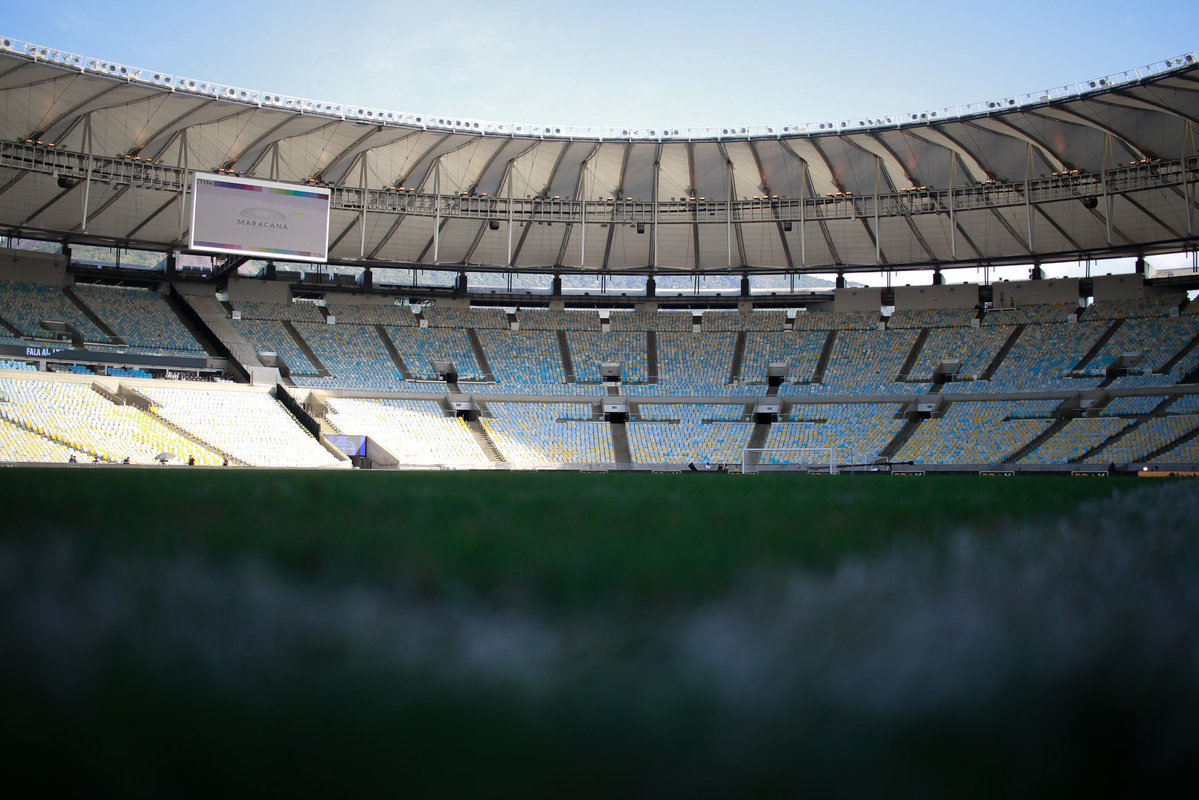
Planeta do Futebol reported that, after an unfavorable court decision, the Fla-Flu Consortium asked the court to reject a new appeal from Vasco regarding ticket sales for the match against Boca Juniors. The concessionaire stated that the club should assume the risks of having sold tickets while the injunction could still be suspended. The Consortium argued that the appeal had lost its object due to the proximity of the deadline and that it repeated already rejected arguments. It advocated for the match to be held at Nilton Santos Stadium and stated that there would still be time to reorganize the event. According to the publication, Vasco urgently requested reconsideration of the suspension and claimed that it had begun sales for Maracanã after receiving court authorization. The club argued that the capacity of Nilton Santos, which is 44,661 people, was less than the 46,014 tickets sold, which would require cancellations and refunds. It also pointed out the need to accommodate 4,000 visiting fans and maintain separation areas between the supporters. The appeal from Vasco and the statement from the Fla-Flu Consortium were awaiting analysis from Judge Suely Lopes Magalhães, reported Planeta do Futebol, based on ESPN Brazil. #Vasco #Maracanã #Futebol (translated)

2098
Planeta do Futebol 🌎 1d

The Planet of Football reported that a decision by Judge Suely Lopes Magalhães suspended the injunction that required the Fla-Flu Consortium to release Maracanã for Vasco vs. Boca Juniors, for the semifinal of the South American Cup. According to the publication, the legal dispute continued. The judge reportedly understood that Marco Antônio Ibrahim could not alone review the decision of the rapporteur Alexandre de Carvalho Mesquita and that the appeal should be analyzed by the rapporteur himself or by a panel. She also reportedly pointed out the risk of having three rival fan bases in the same area, as Flamengo vs. Botafogo, for basketball, would be held that evening at Maracanãzinho. According to the report, Suely cited a report from BEPE that deemed Nilton Santos suitable to host the match and stated that the police's preference for Maracanã did not make its use indispensable for safety. The decision, the publication added, did not determine whether Vasco had the right to the stadium nor whether the consortium's refusal was legitimate. The writ of security would be forwarded to rapporteur Joaquim Domingos de Almeida Neto, and the decision would be submitted to the Special Body of TJ-RJ. The publication attributed the information to the newspaper O Globo. #Maracanã #Vasco #Justiça (translated)

2864
hayy⚡️ 2d

Hayy stated that Vera Magalhães commented on the PT's reaction to a Datafolha poll that placed Flávio Bolsonaro ahead of Lula in the second round. According to Hayy, Magalhães said that some party members "threw in the towel," and the author added that Lula's team already knew. https://t.co/tnCzRpuLwP #Política #Brasil #Eleições2022 (translated)

3109
L'Obs 2d

Magali Daudet, a freelance nurse in Lozère, is faced with the rising price of gasoline, which prompts her to adjust her consumption habits and consider alternatives such as electric cars. #hausseprix #infirmière #carburant (translated)

www.nouvelobs.com
« On coupe et on redémarre le moteur tout le temps, ça consomme » : Magali, infirmière face à la hausse des prix de l’essence
2450
Eduardo Paes 2d

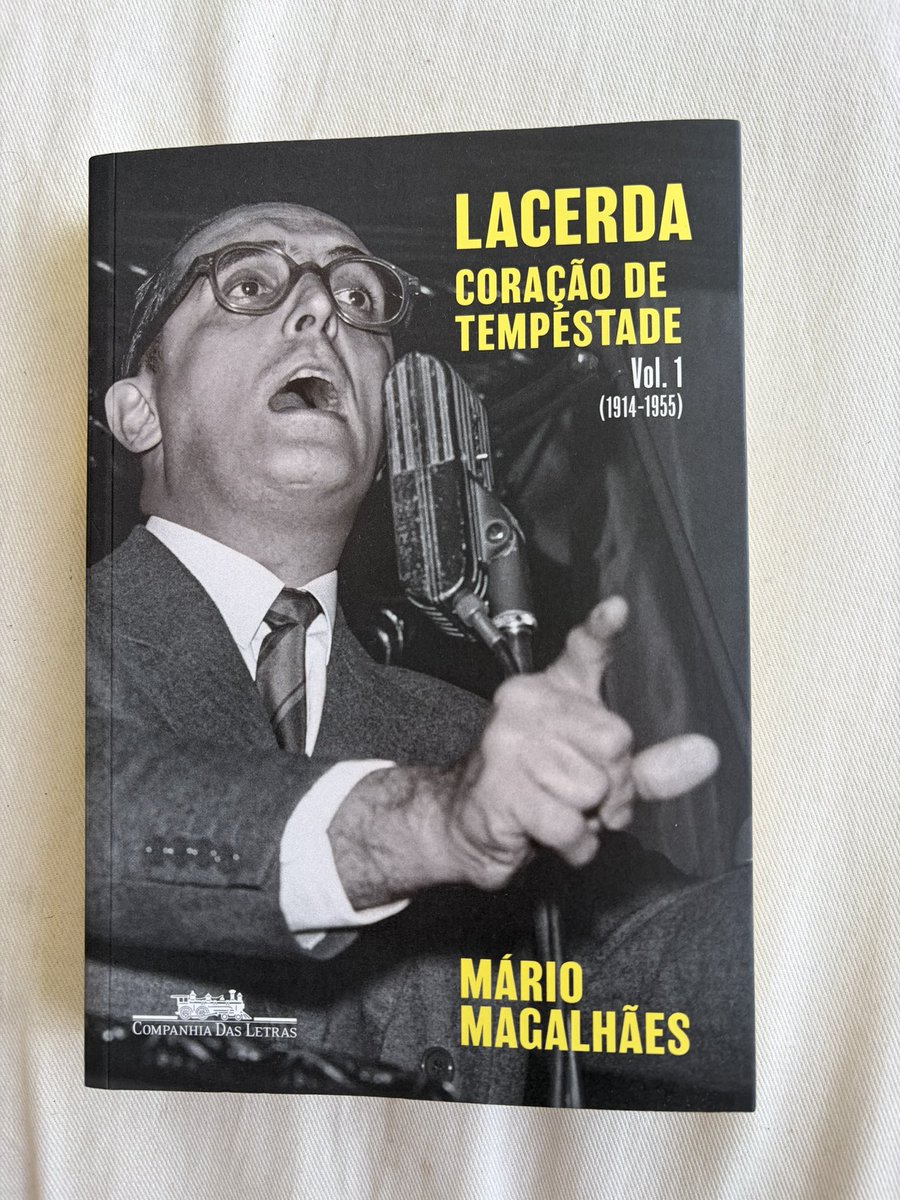
Eduardo Paes thanked for the expressions of affection and support he said he had received since the previous day. He stated that he was sad for not being able to do more for the state and the population but said he was at peace considering that he had fulfilled his duty. Paes referred to a passage from *Depoimento*, by Carlos Lacerda, to describe how he felt, suggesting that the reader replace "president" with "governor." The passage, according to him, contrasted the attraction to a public office with the satisfaction of living in freedom. Paes also stated that he had dedicated more than 30 years to Rio and its population, with deliveries and recognition, and said he felt gratitude and joy. Finally, he informed that he would start reading the first volume of Lacerda's biography, written by Mario Magalhães. #Gratidão #RioDeJaneiro #História (translated)

3455
L
Le Soir 3d

Magali Van Coppenolle, chief economist at Belfius, believes that the numerous budget discussions are not necessarily concerning, highlighting the importance of taking the time to develop a budget that reflects a societal vision. #Budget #Économie #Belgique (translated)

www.lesoir.be
Magali Van Coppenolle (Belfius) : « Le fait qu’il y ait beaucoup de discussions budgétaires n’est pas nécessairement mauvais signe »
2799
Luciano Magaldi Sardella (PhD) 5d

MSN ITALIA - ANSA ITALIA: "THE TEATRO-EDICOLA FEATURED IN STANFORD UNIVERSITY'S REVIEW" SOURCE: https://www.msn.com/.../il-teatro-edicola-del.../ar-AA2cyMWR (ANSA) - FOGGIA, 19 SEPT - The idea of the newspaper-kiosk theatre in San Severo, in the province of Foggia, renamed the smallest theatre in the world, has become a case study for Stanford University. The article "The Six-Seat Revolution" by the Foggian researcher Luciano Magaldi, supervised by editor David V. Johnson, has been published in Ssir (an award-winning publication covering multi-sectoral solutions to global problems). The article is in the "Dispatches" section of the "Stanford Social Innovation Review". "It is a result that rewards our work - emphasises Francesco Gravino, artistic director of the theatre company Foyer 97 - . Requests to replicate the model have come from other areas of Italy, such as Lucca and Rome. We thought of creating a cultural activity from a place that was disused and in a state of abandonment. There ought to be a regional law that allows for the reconversion of these disused places in which numerous activities could be created. Veritable cultural outposts". Gravino and the actors of the company are preparing the new programme. "Next year our company will be 30 years old - he said - , an important milestone which we shall celebrate with some new developments". Six chairs, less than two square metres, performances every 15 minutes and a sold-out audience of young people and adults. An experiment that has aroused curiosity and interest in the world of entertainment as well. Between the end of July and the beginning of August, during the tour in Lucera (Foggia), Biagio Antonacci made a surprise stop at the newspaper-kiosk theatre and sang his Iris. "It was truly a wonderful encounter which captured the attention of passers-by," concludes Gravino. (ANSA). (translated)

902
Luciano Magaldi Sardella (PhD) 5d

MSN ITALIA - ANSA ITALIA: THE THEATER-NEWSSTAND OF FOGGIA ENDS UP IN THE STANFORD UNIVERSITY MAGAZINE SOURCE: https://www.msn.com/.../the-theater-newsstand-of.../ar-AA2cyMWR (ANSA) - FOGGIA, SEPTEMBER 19 - The idea of the newsstand theater in San Severo, in the province of Foggia, nicknamed the smallest theater in the world, becomes a case study for Stanford University. An article titled "The Six-Seat Revolution," authored by Foggian researcher Luciano Magaldi and supervised by editor David V. Johnson, has been published in the Ssir journal (an award-winning publication covering multisectoral solutions to global problems). The article can be found in the "Dispatches" section of the "Stanford Social Innovation Review." "This is a result that rewards our hard work," emphasizes Francesco Gravino, artistic director of the Foyer 97 theater company. Requests to replicate the model have come from other areas of Italy, such as Lucca and Rome. We wanted to create a cultural activity in a place that has been disused and abandoned. There should be a regional law that allows the conversion of these abandoned places into venues for numerous activities. Real cultural outposts." Gravino and the company’s actors are preparing the new program lineup. "Next year our company will turn 30," he said, "an important milestone that we will celebrate with some new features." Six chairs, less than two square meters, reenactments of shows every 15 minutes, and sold-out attendance from both young and adults. An experiment that has sparked curiosity and interest even in the entertainment world. Between the end of July and the beginning of August, during the tour in Lucera (Foggia), Biagio Antonacci made a surprise stop at the newsstand theater and sang his song "Iris." "It was truly a wonderful encounter that drew the attention of passersby," concludes Gravino. (ANSA). (translated)

677
Luciano Magaldi Sardella (PhD) 7d

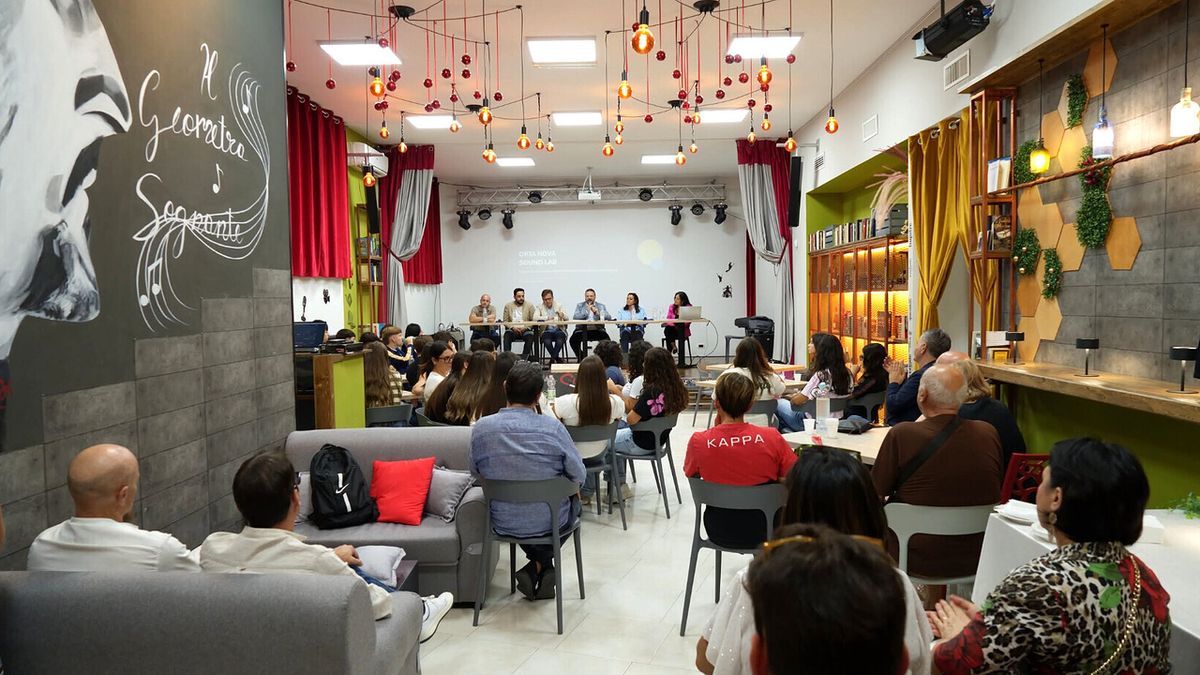
CIVICO 33 - "ORTA NOVA SOUND LAB": FROM CAPITANATA TO "BROADWAY WORLD", THE "COMMUNITY BAND" PROJECT CONQUERS NEW YORK The social laboratory promoted by ANBG and the Ministry of Culture lands on the largest theatrical network in the world thanks to the article co-written by Chris Rabinowitz and the Orthese author Luciano Magaldi Sardella. There is a brass thread connecting Piazza Mario Frasca to Broadway. "Orta Nova Sound Lab" is the Community and Social Regeneration Band through Music, the project officially presented on September 21 at the C-Lab MAO FM 19.77 by brothers Luca and Erminio Ferrandina, which is experiencing unprecedented media attention for a band initiative born in the province of Foggia. The journalistic success is marked by its appearance on September 28 in Broadway World, the most authoritative global portal dedicated to theater and live performance, based in New York with over 1.5 million monthly global visits. This is not an insignificant result, projecting a story from the Apulian periphery into the realm of international cultural information. The article, titled "Orta Nova Sound Lab Launches Youth Community Band in Southern Italy," is co-authored by New York editor Chris Rabinowitz, a journalist for the American publication, and his Italian co-author Luciano Magaldi Sardella, an international author originally from Orta Nova, an engineer, academic journalist, and researcher active between Italy and abroad. The dual Italian-American signature symbolizes how a "good local practice" can become global news when told with expertise and roots. The Project: the Band as Social Regeneration "Orta Nova Sound Lab" is promoted by the National Association of Marching Bands (ANBG), chaired by Benedetto Grillo, and has been approved for funding under the public notice of the Ministry of Culture as per D.D.G. April 7, 2026, rep. n. 149, aimed at "Enhancing research and dissemination of musical practices in peripheral and areas of high social vulnerability." It is realized with the support of the Municipality of Orta Nova and with the collaboration of a solid civic network: the A.P.S. MAO FM 19.77, the "A. Olivetti" Higher Education Institute, the "Sandro Pertini" Comprehensive Institute, the Music Art association, and the C.I.S.A. of Foggia. As highlighted by "Broadway World," this is the first initiative in Italy to reinterpret the distinctive tradition of marching bands and youth orchestras within a ministry grant dedicated to urban peripheries and social vulnerability. A model that explicitly dialogues with the spirit of the so-called "Caivano Decree" (D.L. 123/2023) for combating youth discomfort, educational poverty, and juvenile delinquency. The idea, in its disarming simplicity, was summarized by the project director for ANBG, Antonella Spagnoletti: "The band is aggregation! The band is cohesion. Bringing these kids together to learn and live differently from the social world is among the primary objectives of our association." This concept was reiterated by the Mayor of Orta Nova, Ing. Domenico Di Vito: "This is an important project that can definitely make a difference compared to the past because it has all the ingredients to connect the entire world of culture and social issues that exists in Orta Nova and needs to be valued. The administration's commitment is to ensure sustainability, structure, and continuity over time." At the press conference presentation, moderated by journalist Giuseppe Di Bisceglie, participated alongside President Grillo, Director Spagnoletti, and Mayor Di Vito, Regional Councillor Grazia Maria Starace, Councillor for relationships with the third sector Sebastiano Battista, Councillor for Culture Vittoria Mastrogiacomo, and educational professor Alfredo Coppola, delegate of the Olivetti Institute. Why the News Became International The "Orta Nova Sound Lab" marching band project demonstrates that when a project has anti-mafia roots, pedagogical value, and a credible institutional network, the press responds. From local and national outlets like Cassa Armonica, Ansa Puglia, TGNorba, Corriere della Sera Bari, RaiNews TGR Puglia, La Gazzetta del Mezzogiorno, Amica9TV, Brindisi In, Blasting News Italia, TRM Network, Secolo XIX, FoggiaToday, PlayNews24, Stato Quotidiano, and many others that well-documented the conference, it reached BroadwayWorld, which viewed the Orthese experience as a "social laboratory" capable of responding to the mafia with music. This leap in scale comes from joint efforts and the bridging work done by Luciano Magaldi Sardella, who managed to translate for the English-speaking audience alongside New York editor Chris Rabinowitz the deep meaning of a village band that in Apulia is not folklore, but a civil presence, a concrete alternative to screens and disintegration. In a South often narrated only for its emergencies, Orta Nova chooses to be told for its ability to generate community. And this time, the news has made its way around the world, starting from a square in Daunia. The Schedule The path, entirely free, includes instrumental workshops for brass and percussion, ensemble music lessons, and collective rehearsals with qualified teachers and conductors, open to aspiring musicians, families, schools, and citizens. The program that attracted the attention of national and now international press is organized as follows: October 2026: parade of bands marching through the streets and public spaces of Orta Nova, to recover the historical value of the band as a popular and identity expression. November-December 2026: high-profile concert season with the Grand Band Concert of Conversano and the Grand Band Concert "Biagio Abbate" City of Bisceglie, artistic training for the young students. Focus on inclusion: a special evening dedicated to female music with the Orchestra Note di Puglia, a formation composed entirely of professionals, to reinforce the values of equal opportunities. January 2027: first official concert of the newly formed Community Band of Orta Nova, a foundational act and public restitution of the work done. (translated)

www.civico93.it
"ORTA NOVA SOUND LaAB": DALLA CAPITANATA A "BROADWAYWORLD", IL PROGETTO “BANDA DI COMUNITA’ CONQUISTA NEW YORK - Civico93 | Be original
454
Luciano Magaldi Sardella (PhD) 7d

CIVICO 33 — “ORTA NOVA SOUND LAB”: FROM CAPITANATA TO “BROADWAYWORLD”, THE “COMMUNITY BAND” PROJECT CONQUERS NEW YORK SOURCE: https://www.civico93.it/orta-nova-sound-laab-dalla-capitanata-a-broadwayworld-il-progetto-banda-di-comunita-conquista-new-york/ The social laboratory promoted by ANBG and the Ministry of Culture has landed on the world’s largest theatre network, thanks to the article co-authored by Chris Rabinowitz and the Orta Nova-born author Luciano Magaldi Sardella. There is a brass thread linking Piazza Mario Frasca to Broadway. It is called “Orta Nova Sound Lab” — the Community and Social Regeneration Band through Music — the project officially presented on 21 September last at the C-Lab MAO FM 19.77 of brothers Luca and Erminio Ferrandina, which is enjoying unprecedented media coverage for a band-cultural initiative born in the Province of Foggia. Its journalistic success was sealed on 28 September last by its arrival on BroadwayWorld, the world’s most authoritative portal dedicated to theatre and live performance, based in New York with over 1.5 million global monthly visits. A result that was by no means a foregone conclusion, which projects a story from the Apulian periphery into the international cultural news circuit. The article, entitled Orta Nova Sound Lab Launches Youth Community Band in Southern Italy, is jointly by-lined by New York editor Chris Rabinowitz, journalist for the American publication, and his Italian co-author Luciano Magaldi Sardella, an international author originally from Orta Nova, engineer, academic journalist, and researcher active between Italy and abroad. The dual Italo-American by-line symbolises how a “local good practice” can become global news when it is recounted with expertise and rootedness. The Project: The Band as Social Regeneration “Orta Nova Sound Lab” is promoted by the Associazione Nazionale Bande da Giro (ANBG), chaired by Benedetto Grillo, and was admitted for funding under the public call of the Ministry of Culture pursuant to Director General Decree of 7 April 2026, reg. no. 149, aimed at the “Strengthening of research activities and dissemination of musical practices in peripheries and in areas of high social vulnerability”. It is realized with the support of the Comune di Orta Nova and with the collaboration of a solid civic network: A.P.S. MAO FM 19.77, the Istituto di Istruzione Superiore “A. Olivetti”, the Istituto Comprensivo “Sandro Pertini”, the Music Art association, and the C.I.S.A. of Foggia. As BroadwayWorld itself emphasised, this is the first initiative in Italy to reinterpret the distinctive tradition of touring bands (bande da giro) and youth orchestras within a ministerial call dedicated to urban peripheries and social vulnerability. A model that dialogues explicitly with the spirit of the so-called “Caivano Decree” (Law Decree 123/2023) for combating youth distress, educational poverty, and juvenile crime. The idea, in its disarming simplicity, was summarised by the project director for ANBG, Antonella Spagnoletti: “The band is aggregation! The band is cohesion. Bringing these youngsters together, educating them, and enabling them to live in a manner different from the social-media world is among the primary objectives of our association.” A concept reiterated by the Mayor of Orta Nova, Eng. Domenico Di Vito: “This is an important project that can certainly make a difference compared with the past, because all the ingredients are there to network the entire cultural and social world that exists in Orta Nova and that must be valorised. The administration’s commitment is to ensure sustainability, structure, and continuity over time.” Taking part in the launch press conference, moderated by journalist Giuseppe Di Bisceglie, in addition to President Grillo, Director Spagnoletti, and Mayor Di Vito, were Regional Councillor Grazia Maria Starace, Councillor for relations with the third sector Sebastiano Battista, Councillor for Culture Vittoria Mastrogiacomo, and educational professor Alfredo Coppola, contact person for the Olivetti Institute. Why the Story Went International The “Orta Nova Sound Lab” band project demonstrates that when a project has anti-mafia roots, pedagogical value, and a credible institutional network, the press responds. From local and national titles such as Cassa Armonica, Ansa Puglia, TGNorba, Corriere della Sera Bari, RaiNews TGR Puglia, La Gazzetta del Mezzogiorno, Amica9TV, Brindisi In, Blasting News Italia, TRM Network, Secolo XIX, FoggiaToday, PlayNews24, Stato Quotidiano, and many others, which thoroughly documented the conference, the coverage reached “Broadway World”, which read the Orta Nova experience as a “social laboratory” capable of answering the mafia with music. This change of scale derives from joint work and also from the liaison work carried out by Luciano Magaldi Sardella, who, together with New York editor Chris Rabinowitz, succeeded in translating for an Anglophone audience the profound meaning of a town band which, in Apulia, is not folklore, but a civil garrison, a concrete alternative to the screen and to social disintegration. In a South often narrated only for its emergencies, Orta Nova chooses to be recounted for its capacity to generate community. And this time, the news has travelled around the world, starting from a piazza in the Daunia. The Calendar The pathway, which is entirely free of charge, provides instrumental workshops for wind and percussion, ensemble music lessons, and collective rehearsals with qualified teachers and conductors, open to aspiring musicians, families, schools, and citizens. The programme that has attracted the attention of the national and now international press is structured as follows: October 2026: parade of marching bands through the streets and public spaces of Orta Nova, to recover the historic value of the band as a popular and identity-based expression. November–December 2026: high-profile concert season with the Gran Concerto Bandistico di Conversano and the Gran Concerto Bandistico “Biagio Abbate” Città di Bisceglie, an artistic training ground for young pupils. Inclusion Focus: a special evening dedicated to women in music with the Orchestra Note di Puglia, an ensemble composed entirely of professional women musicians, to reinforce the values of equal opportunities. January 2027: first official concert of the newborn Community Band of Orta Nova, a foundational act and public restitution of the work accomplished. (translated)

www.civico93.it
"ORTA NOVA SOUND LaAB": DALLA CAPITANATA A "BROADWAYWORLD", IL PROGETTO “BANDA DI COMUNITA’ CONQUISTA NEW YORK - Civico93 | Be original
794
Pri 7d

Pri wrote that Vera Magalhães had described the result as a Bolsonaro wave, and not just anti-PT, larger than in 2018. She also mentioned the election of members of the Bolsonaro family, the size of PL in Congress, and Flávio reaching the second round. https://t.co/3xKE8pfGgR #Bolsonaro #Eleições2022 #Política (translated)

33935
Luciano Magaldi Sardella (PhD) 1w

“PUGLIA IN”: “ORTA NOVA SOUND LAB” CONQUERS NEW YORK: THE “COMMUNITY BAND” LANDS ON “BROADWAY WORLD” SOURCE: https://www.pugliain.net/303862-orta-nova-sound-lab-new-york-banda/ I am delighted that my article submitted to editor Chloe Rabinowitz has been accepted and published. In any case, we are not talking about just any website, but the largest theatre website in the world on the internet, the one that covers Broadway, the West End and beyond, with over 6 million visitors per month, present in 100 US cities, 45 countries and in 12 languages worldwide. __________________________________________________________________________ Orta Nova (FG) — The social and musical project “Orta Nova Sound Lab” debuted last week on the prestigious US portal BroadwayWorld, an international live performance network based in New York. The initiative, born in Orta Nova in the heart of Capitanata, nothern Puglia region in South Italy, to create a youth community band, was presented overseas as an innovative model of inclusion and urban regeneration for the Mezzogiorno. The Pulgian model of social regeneration through music, promoted by the “Associazione Nazionale Bande da Giro (ANBG)” chaired by Benedetto Grillo and supported by the Municipality of Orta Nova, has been admitted for funding by the Ministry of Culture under the call for strengthening music in suburbs and vulnerable areas. The project follows in the wake of interventions to counter youth distress and educational poverty envisaged in the spirit of the “Caivano Decree”. The article published in the American outlet is co-authored by New York editor Chris Rabinowitz and by Orta Nova author and researcher Luciano Magaldi Sardella. The text illustrates how the centuries-old Puglian wind-band tradition has been reinterpreted as an instrument of prevention and civic cohesion, thanks to collaboration between the MAO FM 19.77 association, the Olivetti Institute, the Pertini Institute, Music Art and the C.I.S.A. of Foggia. Why the News Went International The “Orta Nova Sound Lab” band project demonstrates that when a project has anti-mafia roots, pedagogical value, and a credible institutional network, the press responds. From local and national outlets such as Cassarmonica, Ansa Puglia, TGNorba, Corriere della Sera Bari, RaiNews TGR Puglia, La Gazzetta del Mezzogiorno, Amica9TV, Brindisi In, Puglia IN, Blasting News Italia, TRM Network, Secolo XIX, FoggiaToday, PlayNews24, Stato Quotidiano, and many others, which thoroughly documented the press conference, coverage has now reached “Broadway World”, which has interpreted the Orta Nova experience as a “social laboratory” capable of answering the mafia with music. This leap in scale derives from joint work and from the liaison work carried out by Luciano Magaldi Sardella, who, together with New York editor Chris Rabinowitz, succeeded in translating for an Anglophone audience the profound meaning of a town band that in Puglia is not folklore, but a civic garrison, a concrete alternative to young people’s dependence on electronic screens and to social disintegration. In a southern Italy often narrated solely through its emergencies, Orta Nova chooses to be narrated for its capacity to generate community. And this time, the news has travelled around the world, starting from a square in the Basso Tavoliere. The Stages of the Programme and the Major Concerts in Capitanata The programme, entirely free of charge for participants, offers training courses for wind and percussion instruments alongside ensemble music lessons. During October 2026, the streets of Orta Nova will host band parades and processions, whilst between November and December the area will see performances by the prestigious Gran Concerti Bandistici of Conversano and Bisceglie. The bill will reserve a specific space for equal opportunities with the all-female performance of the Orchestra Note di Puglia. The journey will culminate in January 2027 with the first official concert of the newly formed Banda di Comunità of Orta Nova, the culmination of a training itinerary that projects the social redemption of the Province of Foggia onto the global cultural scene.

www.pugliain.net
Orta Nova Sound Lab conquista New York: la banda di comunità approda su BroadwayWorld
1027
Luciano Magaldi Sardella (PhD) 1w

“PUGLIA IN”: “ORTA NOVA SOUND LAB” CONQUISTA NEW YORK: LA “BANDA DI COMUNITA’ “APPRODA SU “BROADWAY WORLD” SOURCE: https://www.pugliain.net/303862-orta-nova-sound-lab-new-york-banda/ Lieto che il mio articolo inviato all’editor Chloe Rabinowitz sia stato accettato e pubblicato. Comunque, non stiamo parlando di un sito qualsiasi, ma de il più grande sito di teatro al mondo su internet, quello che copre Broadway, il West End e oltre, con oltre 6 milioni di visitatori al mese, presente in 100 città USA, 45 paesi e in 12 lingue nel mondo. _________________________________________________________________ ORTA NOVA (FG) — Il progetto sociale e musicale “Orta Nova Sound Lab” ha debuttato la scorsa settimana sul prestigioso portale statunitense BroadwayWorld, network internazionale dello spettacolo dal vivo con sede a New York. L’iniziativa, nata a Orta Nova nel cuore della Capitanata per creare una banda giovanile di comunità, è stata presentata oltreoceano come un modello innovativo di inclusione e rigenerazione urbana per il Mezzogiorno. Il modello pugliese di rigenerazione sociale attraverso la musica promosso dall’ “Associazione Nazionale Bande da Giro (ANBG)” presieduta da Benedetto Grillo e sostenuto dal Comune di Orta Nova, il laboratorio è stato ammesso a finanziamento dal Ministero della Cultura nell’ambito del bando per il potenziamento della musica nelle periferie e nelle aree vulnerabili. Il progetto si inserisce nel solco degli interventi di contrasto al disagio giovanile e alla povertà educativa previsti dallo spirito del “Decreto Caivano”. L’articolo pubblicato sulla testata americana porta la firma dell’editor newyorchese Chris Rabinowitz e dell’autore e ricercatore di Orta Nova Luciano Magaldi Sardella. Il testo illustra come la secolare tradizione bandistica pugliese sia stata reinterpretata quale strumento di prevenzione e coesione civica, grazie alla collaborazione tra l’associazione MAO FM 19.77, l’Istituto Olivetti, l’Istituto Pertini, Music Art e il C.I.S.A. di Foggia. Perché la Notizia è Diventata Internazionale Il progetto bandistico “Orta Nova Sound Lab” dimostra che quando un progetto ha radici antimafia, valenza pedagogica e una rete istituzionale credibile, la stampa risponde. Dalle testate locali e nazionali come Cassarmonica, Ansa Puglia, TGNorba, Corriere della Sera Bari, RaiNews TGR Puglia, La Gazzetta del Mezzogiorno, Amica9TV, Brindisi In, Puglia IN, Blasting News Italia, TRM Network, Secolo XIX, FoggiaToday, PlayNews24, Stato Quotidiano, e tanti altri, che hanno ben documentato la conferenza, si è arrivati a “Broadway World”, che ha letto l’esperienza ortese come “laboratorio sociale” capace di rispondere alla mafia con la musica. Questo salto di scala deriva dal lavoro congiunto anche al lavoro di raccordo svolto da Luciano Magaldi Sardella, che ha saputo tradurre per il pubblico anglofono insieme alla redattrice newyorchese Chris Rabinowitz il significato profondo di una banda di paese che in Puglia non è folklore, ma presidio civile, alternativa concreta alle dipendenze giovanili dagli schermi elettronici e alla disgregazione sociale. In un Sud spesso narrato solo per le sue emergenze, Orta Nova sceglie di farsi raccontare per la sua capacità di generare comunità. E questa volta, la notizia ha fatto il giro del mondo, partendo da una piazza del Basso Tavoliere. Le tappe del programma e i grandi concerti in Capitanata La programmazione, totalmente gratuita per i partecipanti, propone percorsi formativi per strumenti a fiato e percussioni affiancati da lezioni di musica d’insieme. Durante il mese di ottobre 2026, le vie di Orta Nova ospiteranno sfilate e parate bandistiche, mentre tra novembre e dicembre il territorio vedrà l’esibizione dei prestigiosi Gran Concerti Bandistici di Conversano e Bisceglie. Il cartellone riserverà uno spazio specifico alle pari opportunità con l’esibizione al femminile dell’Orchestra Note di Puglia. Il percorso culminerà a gennaio 2027 con il primo concerto ufficiale della neonata Banda di Comunità di Orta Nova, traguardo di un itinerario formativo che proietta il riscatto sociale della provincia di Foggia sulla scena culturale globale.

www.pugliain.net
Orta Nova Sound Lab conquista New York: la banda di comunità approda su BroadwayWorld
1027
La Pilule Bleue 1w

The PQ would abolish the monarchy and replace the lieutenant governor with Magalie Picard. https://t.co/WNyc5yl9Tb #PQ #Monarchie #Politique (translated)

12793
Luciano Magaldi Sardella (PhD) 2w

Mitico Magazine - The Teatro Edicola of San Severo: A Model of Cultural Revolution for Stanford University as Well Source: https://www.miticomagazine.com/territorio-e-sociale/teatro-edicola-di-san-severo-un-modello-di-rivoluzione-culturale-anche-per-la-stanford-university/ The Teatro Edicola in Via Tondi In San Severo, a singular metamorphosis has taken place: a newsstand abandoned for at least six years has found a new function and a new identity, transforming into one of the smallest and most unusual theatre stages in the world. An experiment born in the heart of the town which, in just a few months, has moved beyond local boundaries, attracting attention even overseas. It is called Teatro Edicola and it is a project conceived by the company Foyer '97, artistically directed by Francesco Gravino, which has brought the old newsstand in Via Tondi back to life through a formula that is both essential and surprising. Foyer '97 Foyer '97 APS was established as a formally constituted association active in the cultural sector in San Severo in 1997, born from the vocation of a group of actors, directors and theatre enthusiasts, with the aim of building a "living" and accessible theatre in the town. Over the years the company has developed a repertoire that includes texts from the classical tradition, contemporary dramaturgy, comedy and experimental projects, not limiting itself to the mere production of theatre shows, but also organising theatre courses and workshops and educational and cultural projects characterised by a strong inclusive ethos, particularly in schools. Foyer '97 does not always have a fixed artistic ensemble, but works with different performers and collaborators depending on the project; the only indispensable presence is that of Francesco Guido Gravino himself, actor, director and artistic director of the theatre company. The distinctive feature of Foyer '97 is certainly the value of social and cultural promotion attributed to theatre, the extremely close relationship with the audience and the search for a type of theatre outside conventional spaces, with cemeteries, trains, bell towers, and now a newsstand, as its backdrop. Six spectators, a few minutes and a minimal distance between stage and audience The project was launched on 27 March 2026, on the occasion of World Theatre Day, offering a theatrical experience built around a radical reduction of the conventional spaces and times of performance. The idea was born not only from the search for unconventional spaces, but also from "Edicola Fiore", the morning press review with a strongly ironic tone presented by Rosario Fiorello and Stefano Meloccaro, which was broadcast first only on Fiorello's social channels between 2011 and 2014, and then also on radio and television between 2016 and 2018. The review took its name from the diminutive of its founder, Fiore, and from the newsstand of a friend of Fiorello's in Via Flaminia Nuova in Rome, where the showman would meet early in the morning with a group of friends to read the newspapers. The San Severo newsstand was granted free of charge by its owner Pino Frau to the theatre group which, after obtaining temporary authorisation and institutional support from the Municipality of San Severo, refurbished it within two weeks at a cost of less than €3,000. Just six seats, a total surface area of 4 sq m, of which only 2 are for the stage area, less than a metre between actors and audience, a curtain, a lectern, two lights, performances lasting between 5 and 15 minutes, audience rotation every quarter of an hour: apparently minimal elements that end up subverting the usual relationship between stage and auditorium. Spectators, in fact, find themselves immersed in the stage action, in such proximity to the actors that every gesture, expression and word becomes immediately perceptible. In this way, theatre abandons its traditional spaces and insinuates itself into the everyday life of the street, becoming an intimate, concentrated and almost participatory experience. During the inaugural period admission was free with a subsequent voluntary donation from spectators; in the event of a more stable and longer-term concession, which could lead to seasonal theatre performances, the proposed ticket price would be €5. Audiences reward the experiment Foyer '97's gamble met with public interest right from the start: over 60 people attended the shows in a single afternoon, while the three days that inaugurated the season sold out. From a singular local experiment, the Teatro Edicola thus began to arouse curiosity even outside the province of Foggia, gradually transforming into a case of cultural and social interest, until it reached the American continent. From the province of Foggia to the "Stanford Social Innovation Review" The San Severo experience has now come under the international spotlight: in September 2026, the Stanford Social Innovation Review, an international journal and platform dedicated to social innovation published by the Stanford Center on Philanthropy and Civil Society at Stanford University in California, published on its website and in the Fall 2026 print edition the reportage "The Six-Seat Revolution", written by Dr Luciano Magaldi Sardella, independent journalist and researcher affiliated with the European Open University, and editorially supervised by deputy editor David V. Johnson. In the article, it is argued that the Teatro Edicola attracted attention overseas because the project concentrates cultural innovation, urban regeneration and proximity theatre into just a few square metres: starting from a real urban problem, it recovers an abandoned place with a modest investment, brings performance directly into public space and experiments with a much closer relationship between actors and spectators. From the point of view of theatrical representation, it also highlights how the format, based on micro-stories of five to twelve minutes, taken from great classics such as Goldoni, Chekhov, Ibsen, Euripides and Benni, and on audience rotation every fifteen minutes, transforms the physical limitations of the space into a precise dramaturgical choice, proving to be extremely innovative. All of this makes it possible to address some of the main critical issues in the sector: falling audience numbers, an exclusively elderly audience, reduced resources and distance from traditional cultural venues. The journal also highlights, however, the potential problems: economic sustainability, the need for stable institutional support and the difficulty of replicating the model, which is closely linked to the community and territory of San Severo. A model looking beyond San Severo Despite the difficulties, initial requests for information have already arrived from Lucca and Rome, where there is curiosity about the possibility of getting to know the model more closely and the steps needed to replicate it. The replicability formula, in fact, does not seem to require particularly costly infrastructure: an unused space, a targeted intervention, a cultural idea, in-depth knowledge of the surrounding area and a willingness to return that place to the community can be enough to trigger a new urban function. It is precisely in the disproportion between the modesty of the resources employed and the resonance generated by the initiative that perhaps the most original feature of the Teatro Edicola lies, certainly unique of its kind; there are, however, other examples in Italy of newsstands reused for other purposes: "Edicola 518", a twentieth-century kiosk abandoned in the centre of Perugia, now dedicated to independent publishing, art and cultural production; and in Rome itself, the abandoned newsstand in Piazza Testaccio used temporarily as a stage for a show by Fabio Morgan and the Erno newsstand in the Prati district, which almost every month offers a calendar of events, exhibitions, pop-ups and collaborations with artists and creative enterprises. Small revolutions, therefore, that tell stories of the reappropriation of urban spaces, of creativity and social innovation. And which, it is hoped, will take root in order to look ever further afield.

www.miticomagazine.com
Teatro Edicola di San Severo: un modello di rivoluzione culturale anche per la Stanford University
1032
Luciano Magaldi Sardella (PhD) 2w

Mitico Magazine - The Teatro Edicola of San Severo: A Model of Cultural Revolution for Stanford University as Well Source: https://www.miticomagazine.com/territorio-e-sociale/teatro-edicola-di-san-severo-un-modello-di-rivoluzione-culturale-anche-per-la-stanford-university/ The Teatro Edicola in Via Tondi In San Severo, a singular metamorphosis has taken place: a newsstand abandoned for at least six years has found a new function and a new identity, transforming into one of the smallest and most unusual theatre stages in the world. An experiment born in the heart of the town which, in just a few months, has moved beyond local boundaries, attracting attention even overseas. It is called Teatro Edicola and it is a project conceived by the company Foyer '97, artistically directed by Francesco Gravino, which has brought the old newsstand in Via Tondi back to life through a formula that is both essential and surprising. Foyer '97 Foyer '97 APS was established as a formally constituted association active in the cultural sector in San Severo in 1997, born from the vocation of a group of actors, directors and theatre enthusiasts, with the aim of building a "living" and accessible theatre in the town. Over the years the company has developed a repertoire that includes texts from the classical tradition, contemporary dramaturgy, comedy and experimental projects, not limiting itself to the mere production of theatre shows, but also organising theatre courses and workshops and educational and cultural projects characterised by a strong inclusive ethos, particularly in schools. Foyer '97 does not always have a fixed artistic ensemble, but works with different performers and collaborators depending on the project; the only indispensable presence is that of Francesco Guido Gravino himself, actor, director and artistic director of the theatre company. The distinctive feature of Foyer '97 is certainly the value of social and cultural promotion attributed to theatre, the extremely close relationship with the audience and the search for a type of theatre outside conventional spaces, with cemeteries, trains, bell towers, and now a newsstand, as its backdrop. Six spectators, a few minutes and a minimal distance between stage and audience The project was launched on 27 March 2026, on the occasion of World Theatre Day, offering a theatrical experience built around a radical reduction of the conventional spaces and times of performance. The idea was born not only from the search for unconventional spaces, but also from "Edicola Fiore", the morning press review with a strongly ironic tone presented by Rosario Fiorello and Stefano Meloccaro, which was broadcast first only on Fiorello's social channels between 2011 and 2014, and then also on radio and television between 2016 and 2018. The review took its name from the diminutive of its founder, Fiore, and from the newsstand of a friend of Fiorello's in Via Flaminia Nuova in Rome, where the showman would meet early in the morning with a group of friends to read the newspapers. The San Severo newsstand was granted free of charge by its owner Pino Frau to the theatre group which, after obtaining temporary authorisation and institutional support from the Municipality of San Severo, refurbished it within two weeks at a cost of less than €3,000. Just six seats, a total surface area of 4 sq m, of which only 2 are for the stage area, less than a metre between actors and audience, a curtain, a lectern, two lights, performances lasting between 5 and 15 minutes, audience rotation every quarter of an hour: apparently minimal elements that end up subverting the usual relationship between stage and auditorium. Spectators, in fact, find themselves immersed in the stage action, in such proximity to the actors that every gesture, expression and word becomes immediately perceptible. In this way, theatre abandons its traditional spaces and insinuates itself into the everyday life of the street, becoming an intimate, concentrated and almost participatory experience. During the inaugural period admission was free with a subsequent voluntary donation from spectators; in the event of a more stable and longer-term concession, which could lead to seasonal theatre performances, the proposed ticket price would be €5. Audiences reward the experiment Foyer '97's gamble met with public interest right from the start: over 60 people attended the shows in a single afternoon, while the three days that inaugurated the season sold out. From a singular local experiment, the Teatro Edicola thus began to arouse curiosity even outside the province of Foggia, gradually transforming into a case of cultural and social interest, until it reached the American continent. From the province of Foggia to the "Stanford Social Innovation Review" The San Severo experience has now come under the international spotlight: in September 2026, the Stanford Social Innovation Review, an international journal and platform dedicated to social innovation published by the Stanford Center on Philanthropy and Civil Society at Stanford University in California, published on its website and in the Fall 2026 print edition the reportage "The Six-Seat Revolution", written by Dr Luciano Magaldi Sardella, independent journalist and researcher affiliated with the European Open University, and editorially supervised by deputy editor David V. Johnson. In the article, it is argued that the Teatro Edicola attracted attention overseas because the project concentrates cultural innovation, urban regeneration and proximity theatre into just a few square metres: starting from a real urban problem, it recovers an abandoned place with a modest investment, brings performance directly into public space and experiments with a much closer relationship between actors and spectators. From the point of view of theatrical representation, it also highlights how the format, based on micro-stories of five to twelve minutes, taken from great classics such as Goldoni, Chekhov, Ibsen, Euripides and Benni, and on audience rotation every fifteen minutes, transforms the physical limitations of the space into a precise dramaturgical choice, proving to be extremely innovative. All of this makes it possible to address some of the main critical issues in the sector: falling audience numbers, an exclusively elderly audience, reduced resources and distance from traditional cultural venues. The journal also highlights, however, the potential problems: economic sustainability, the need for stable institutional support and the difficulty of replicating the model, which is closely linked to the community and territory of San Severo. A model looking beyond San Severo Despite the difficulties, initial requests for information have already arrived from Lucca and Rome, where there is curiosity about the possibility of getting to know the model more closely and the steps needed to replicate it. The replicability formula, in fact, does not seem to require particularly costly infrastructure: an unused space, a targeted intervention, a cultural idea, in-depth knowledge of the surrounding area and a willingness to return that place to the community can be enough to trigger a new urban function. It is precisely in the disproportion between the modesty of the resources employed and the resonance generated by the initiative that perhaps the most original feature of the Teatro Edicola lies, certainly unique of its kind; there are, however, other examples in Italy of newsstands reused for other purposes: "Edicola 518", a twentieth-century kiosk abandoned in the centre of Perugia, now dedicated to independent publishing, art and cultural production; and in Rome itself, the abandoned newsstand in Piazza Testaccio used temporarily as a stage for a show by Fabio Morgan and the Erno newsstand in the Prati district, which almost every month offers a calendar of events, exhibitions, pop-ups and collaborations with artists and creative enterprises. Small revolutions, therefore, that tell stories of the reappropriation of urban spaces, of creativity and social innovation. And which, it is hoped, will take root in order to look ever further afield.

www.miticomagazine.com
Teatro Edicola di San Severo: un modello di rivoluzione culturale anche per la Stanford University
1032
Luciano Magaldi Sardella (PhD) 2w

Mitico Magazine - Teatro Edicola di San Severo: un Modello di Rivoluzione Culturale anche per la Stanford University Source: https://www.miticomagazine.com/territorio-e-sociale/teatro-edicola-di-san-severo-un-modello-di-rivoluzione-culturale-anche-per-la-stanford-university/ Il Teatro Edicola di via Tondi A San Severo è avvenuta una singolare metamorfosi: un'edicola abbandonata da almeno sei anni ha ritrovato una funzione e una nuova identità, trasformandosi in uno dei palcoscenici teatrali più piccoli ed insoliti al mondo. Un esperimento nato nel cuore della città che, in pochi mesi, ha oltrepassato i confini locali, attirando l'attenzione anche oltreoceano. Si chiama Teatro Edicola ed è il progetto ideato dalla compagnia Foyer '97, diretta artisticamente da Francesco Gravino, che ha restituito vita alla vecchia edicola di via Tondi attraverso una formula essenziale e al tempo stesso sorprendente. Foyer '97 La Foyer '97 APS nasce come realtà associativa formalmente costituita e attiva nel settore culturale a San Severo nel 1997, dalla vocazione di un gruppo di attori, registi ed appassionati di teatro, con l'obiettivo di costruirne uno "vivo" e accessibile in città. Nel corso degli anni la compagnia ha sviluppato un repertorio che comprende testi della tradizione classica, drammaturgia contemporanea, commedia e progetti sperimentali, non limitandosi però alla semplice produzione di spettacoli teatrali, bensì anche all'organizzazione di corsi e laboratori teatrali e di progetti educativi e culturali caratterizzati da una forte impronta inclusiva, anche e soprattutto nelle scuole. La Foyer '97 non presenta sempre un organico artistico fisso, ma lavora con interpreti e collaboratori diversi a seconda dei progetti; unica presenza imprescindibile è quella, appunto, di Francesco Guido Gravino, attore, regista e direttore artistico della compagnia teatrale. La cifra distintiva di Foyer '97 è data sicuramente dalla valenza di promozione sociale e culturale attribuita al teatro, dal rapporto estremamente ravvicinato con il pubblico e dalla ricerca di un tipo di teatro fuori dagli spazi convenzionali, con cimiteri, treni, campanili, ed ora un'edicola, a fargli da sfondo. Sei spettatori, pochi minuti e una distanza minima tra palco e pubblico Il progetto ha preso il via il 27 marzo 2026, in occasione della Giornata Mondiale del Teatro, proponendo un'esperienza teatrale costruita attorno a una radicale riduzione degli spazi e dei tempi convenzionali dello spettacolo. L'idea nasce non soltanto dalla ricerca di spazi anticonvenzionali, bensì anche da "Edicola Fiore", la rassegna stampa mattutina dal taglio fortemente ironico condotta da Rosario Fiorello e Stefano Meloccaro, andata in onda prima solo sui canali social di Fiorello, tra il 2011 ed il 2014, e poi anche via radio e televisione tra il 2016 ed il 2018. Tale rassegna prendeva il nome dal diminutivo del suo fondatore, appunto Fiore, e dall'edicola di un amico di Fiorello in via Flaminia Nuova a Roma, dove lo showman si ritrovava la mattina presto con un gruppo di amici per leggere i giornali. L'edicola sanseverese è stata concessa gratuitamente dal proprietario Pino Frau al gruppo teatrale che, dopo aver ottenuto l'autorizzazione temporanea ed il supporto istituzionale da parte del Comune di San Severo, ha provveduto a ristrutturarla nell'arco di due settimane ad un costo inferiore ai 3000 euro. Soltanto sei posti a sedere, una superficie totale di 4 m2, di cui solo 2 destinati allo spazio scenico, meno di un metro di distanza tra attori e pubblico, un sipario, un leggio, due luci, rappresentazioni della durata compresa tra i 5 ed i 15 minuti, rotazione del pubblico ogni quarto d'ora: elementi apparentemente minimali che finiscono, però, per sovvertire il consueto rapporto fra palcoscenico e platea. Gli spettatori, infatti, si trovano immersi nell'azione scenica, in una prossimità con gli attori che rende ogni gesto, espressione e parola immediatamente percepibile. Il teatro, in questo modo, abbandona i suoi spazi tradizionali e si insinua nella quotidianità della strada, diventando un'esperienza intima, raccolta e quasi partecipativa. Durante il periodo inaugurale l'ingresso è stato gratuito con successiva offerta libera da parte degli spettatori; in caso di una concessione più stabile e lunga, che possa portare proprio a rappresentazioni teatrali stagionali, il costo del biglietto proposto sarebbe di 5 €. Il pubblico premia l'esperimento La scommessa di Foyer '97 ha incontrato sin dalle prime battute l'interesse del pubblico: oltre 60 persone hanno assistito agli spettacoli in un solo pomeriggio, mentre le tre giornate che hanno inaugurato la stagione hanno fatto registrare il tutto esaurito. Da singolare sperimentazione territoriale, il Teatro Edicola ha così cominciato a suscitare curiosità anche al di fuori della provincia di Foggia, trasformandosi progressivamente in un caso di interesse culturale e sociale, fino a raggiungere il continente americano. Dalla provincia di Foggia alla "Stanford Social Innovation Review" L'esperienza sanseverese, difatti, è arrivata ora sotto i riflettori internazionali: a settembre 2026, la Stanford Social Innovation Review, rivista e piattaforma internazionale dedicata all'innovazione sociale e pubblicata dallo Stanford Center on Philanthropy and Civil Society, all'interno della californiana Stanford University, ha pubblicato sul proprio sito e nell'edizione cartacea Fall 2026 il reportage "The Six-Seat Revolution", firmato dal dr. Luciano Magaldi Sardella, giornalista indipendente e ricercatore affiliato alla European Open University, e seguito editorialmente dal deputy editor David V. Johnson. Nell'articolo, si sostiene che il Teatro Edicola ha attirato l'attenzione oltreoceano perché il progetto concentra in pochi metri quadrati innovazione culturale, rigenerazione urbana e teatro di prossimità: partendo da un problema urbano reale, recupera un luogo abbandonato con un investimento contenuto, porta lo spettacolo direttamente nello spazio pubblico e sperimenta un rapporto molto più ravvicinato tra attori e spettatori. Dal punto di vista della rappresentazione teatrale, inoltre, si evidenzia come il format, fondato su microstorie di cinque-dodici minuti, estrapolate da grandi classici come Goldoni, Čechov, Ibsen, Euripide e Benni, e sulla rotazione degli spettatori ogni quarto d'ora, trasformi i limiti fisici dello spazio in una precisa scelta drammaturgica, rivelandosi estremamente innovativo. Tutto questo permette di far fronte ad alcune delle principali criticità del settore: calo degli spettatori, fasce di pubblico esclusivamente senili, riduzione delle risorse e distanza dai luoghi culturali tradizionali. La rivista ne evidenzia però anche le eventuali problematiche: la sostenibilità economica, la necessità di un sostegno istituzionale stabile e la difficoltà nel replicare il modello, strettamente legato alla comunità e al territorio di San Severo. Un modello che guarda oltre San Severo Nonostante le difficoltà, prime richieste di informazioni sono già arrivate da Lucca e Roma, dove si guarda con curiosità alla possibilità di conoscere più da vicino il modello e le modalità necessarie per riproporlo. La formula di replicabilità, infatti, non sembra richiedere infrastrutture particolarmente onerose: uno spazio inutilizzato, un intervento mirato, un'idea culturale, la conoscenza approfondita del territorio circostante e la disponibilità a restituire quel luogo alla collettività possono essere sufficienti per innescare una nuova funzione urbana. È proprio nella sproporzione fra la modestia delle risorse impiegate e l'eco generata dall'iniziativa che si trova forse la cifra più originale del Teatro Edicola, sicuramente unico nel suo genere; non mancano però, in Italia, esempi di altre edicole riutilizzate per altri fini: "Edicola 518", chiosco novecentesco abbandonato nel centro di Perugia, oggi dedicato all'editoria indipendente, all'arte e alla produzione culturale; e nella stessa Roma, l'edicola abbandonata di piazza Testaccio usata temporaneamente come palcoscenico per uno spettacolo di Fabio Morgan e l'edicola Erno del quartiere Prati, che quasi ogni mese propone un calendario di eventi, mostre, pop-up e collaborazioni con artisti e realtà creative. Piccole rivoluzioni, quindi, che raccontano storie di riappropriazione degli spazi urbani, di creatività e di innovazione sociale. E che, si spera, mettano radici per poter guardare sempre più lontano.

www.miticomagazine.com
Teatro Edicola di San Severo: un modello di rivoluzione culturale anche per la Stanford University
803
Luciano Magaldi Sardella (PhD) 2w

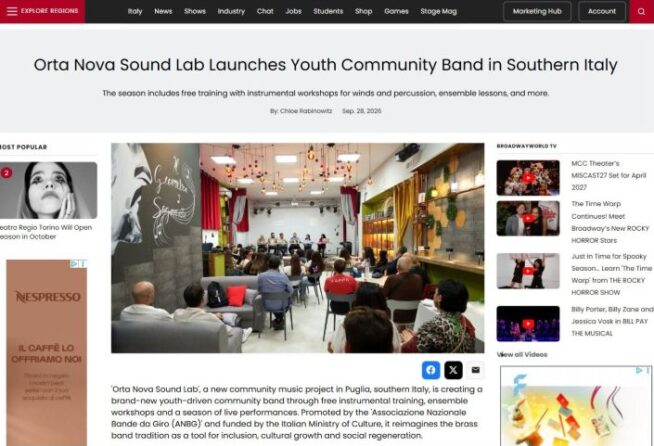
“ORTA NOVA SOUND LAB” FROM ORTA NOVA (PUGLIA) ON “BROADWAY WORLD,” NEW YORK, by LUCIANO MAGALDI SARDELLA SOURCE: https://www.broadwayworld.com/italy/article/Orta-Nova-Sound-Lab-Launches-Youth-Community-Band-in-Southern-Italy-20260928?fbclid=IwY2xjawUnzKtleHRuA2FlbQIxMABwZG9mAWJyaWQRMHZzU2xWWTdTNU5UMDFNY1lzcnRjBmFwcF9pZBAyMjIwMzkxNzg4MjAwODkyAAEeKFYDfacdBYHnYGZu4M9ZmxOT_wnVa7M53_p_1yfAmpSZSvn3ZDHF-BXqMr4_aem_Jd46xeSFwcUn5qapLvtu8w “Orta Nova Sound Lab Launches Youth Community Band in Southern Italy” The season includes free training with instrumental workshops for winds and percussion, ensemble lessons, and more. By: Chloe Rabinowitz ‘Orta Nova Sound Lab’, a new community music project in Puglia, southern Italy, is creating a brand-new youth-driven community band through free instrumental training, ensemble workshops and a season of live performances. Promoted by the ‘Associazione Nazionale Bande da Giro (ANBG)’ and funded by the Italian Ministry of Culture, it reimagines the brass band tradition as a tool for inclusion, cultural growth and social regeneration. Since the Italian government’s 2023 “Caivano Decree” (Decree-Law 123/2023), which targeted youth distress, educational poverty and juvenile crime, attention has turned to communities in Southern Italy where culture, education and public space can be rebuilt together. Orta Nova, in the Puglia region, is part of that broader conversation as ‘Orta Nova Sound Lab’ replying to local Mafia with music: a “social laboratory” that connects young people, schools, associations and institutions around a shared, tangible goal, a band of their own. It is the first initiative of its kind in Italy, to repurpose the distinctive tradition of the ‘touring brass bands’ and youth orchestra within a ministerial call devoted to urban peripheries and social vulnerability. Its explicit aim is to offer young people a real alternative to the screen and to the youth disenfranchisement associated with the anti-mafia “Caivano model”. The project was presented on September 21 at Luca ed Erminio Ferrandina C-Lab MAO facility and is funded under the Ministry of Culture’s public call for the promotion of musical practices in suburban and socially Mafia-rooted vulnerable areas, and it is supported by the Municipality of Orta Nova. Project partners include the cultural association APS MAO FM 19.77, the “A. Olivetti” secondary school, the “Sandro Pertini” comprehensive school, the Music Art association and C.I.S.A. Foggia. At the heart of the project is a simple idea: give young people a reason to be together, in person, making something real. “A music band is aggregation!,” said Antonella Spagnoletti, ANBG project director. She explained that the band means cohesion, and that bringing young people together to train and live differently from the social-media world is among the association’s primary goals. Mayor Domenico Di Vito called it an important project that can make a real difference, with all the ingredients to connect the town’s cultural and social networks with anti-mafia roots. He added that the administration is committed to making the initiative sustainable, structured and lasting. The presentation also involved Benedetto Grillo, president of ANBG; Grazia Maria Starace, regional councillor; Sebastiano Battista, councillor for relations with third-sector organizations; Vittoria Mastrogiacomo, councillor for culture; and Alfredo Coppola, representing the Olivetti school. Journalist Giuseppe Di Bisceglie moderated. The season ahead: Free training: instrumental workshops for winds and percussion, ensemble lessons and rehearsals led by qualified teachers and conductors, open to aspiring musicians, families, schools and citizens. October: a parade of marching bands and youth orchestra through the streets of Orta Nova, Puglia, southern Italy. November-December: concerts by the Gran Concerto Bandistico di Conversano and the Gran Concerto Bandistico “Biagio Abbate” of Bisceglie, giving the young musicians a chance to learn from professional ensembles. A special evening of women’s music with the all-female Orchestra Note di Puglia, reinforcing the project’s values of inclusion and equal opportunity. January 2027: the first concert of the new Orta Nova community band. In particular, ‘Orta Nova Sound Lab (Community Band and Social Regeneration through Music)’ is a project of the ‘Associazione Nazionale Bande da Giro (ANBG),’ a national association of bands active across south-Italians regions like Abruzzo, Basilicata, Calabria, Campania, Molise and Puglia. Funded by the Italian Ministry of Culture and supported by the Municipality of Orta Nova, it offers free music education and live performance opportunities to strengthen inclusion, cultural growth and community cohesion.

www.broadwayworld.com
Orta Nova Sound Lab Launches Youth Community Band in Southern Italy
574
Luciano Magaldi Sardella (PhD) 2w

“ORTA NOVA SOUND LAB” DA ORTA NOVA (PUGLIA) SUL “BROADWAY WORLD” DI NEW YORK by LUCIANO MAGALDI SARDELLA SOURCE: https://www.broadwayworld.com/italy/article/Orta-Nova-Sound-Lab-Launches-Youth-Community-Band-in-Southern-Italy-20260928?fbclid=IwY2xjawUnzKtleHRuA2FlbQIxMABwZG9mAWJyaWQRMHZzU2xWWTdTNU5UMDFNY1lzcnRjBmFwcF9pZBAyMjIwMzkxNzg4MjAwODkyAAEeKFYDfacdBYHnYGZu4M9ZmxOT_wnVa7M53_p_1yfAmpSZSvn3ZDHF-BXqMr4_aem_Jd46xeSFwcUn5qapLvtu8w “Orta Nova Sound Lab Launches Youth Community Band in Southern Italy” The season includes free training with instrumental workshops for winds and percussion, ensemble lessons, and more. By: Chloe Rabinowitz ‘Orta Nova Sound Lab’, a new community music project in Puglia, southern Italy, is creating a brand-new youth-driven community band through free instrumental training, ensemble workshops and a season of live performances. Promoted by the ‘Associazione Nazionale Bande da Giro (ANBG)’ and funded by the Italian Ministry of Culture, it reimagines the brass band tradition as a tool for inclusion, cultural growth and social regeneration. Since the Italian government’s 2023 “Caivano Decree” (Decree-Law 123/2023), which targeted youth distress, educational poverty and juvenile crime, attention has turned to communities in Southern Italy where culture, education and public space can be rebuilt together. Orta Nova, in the Puglia region, is part of that broader conversation as ‘Orta Nova Sound Lab’ replying to local Mafia with music: a “social laboratory” that connects young people, schools, associations and institutions around a shared, tangible goal, a band of their own. It is the first initiative of its kind in Italy, to repurpose the distinctive tradition of the ‘touring brass bands’ and youth orchestra within a ministerial call devoted to urban peripheries and social vulnerability. Its explicit aim is to offer young people a real alternative to the screen and to the youth disenfranchisement associated with the anti-mafia “Caivano model”. The project was presented on September 21 at Luca ed Erminio Ferrandina C-Lab MAO facility and is funded under the Ministry of Culture’s public call for the promotion of musical practices in suburban and socially Mafia-rooted vulnerable areas, and it is supported by the Municipality of Orta Nova. Project partners include the cultural association APS MAO FM 19.77, the “A. Olivetti” secondary school, the “Sandro Pertini” comprehensive school, the Music Art association and C.I.S.A. Foggia. At the heart of the project is a simple idea: give young people a reason to be together, in person, making something real. “A music band is aggregation!,” said Antonella Spagnoletti, ANBG project director. She explained that the band means cohesion, and that bringing young people together to train and live differently from the social-media world is among the association’s primary goals. Mayor Domenico Di Vito called it an important project that can make a real difference, with all the ingredients to connect the town’s cultural and social networks with anti-mafia roots. He added that the administration is committed to making the initiative sustainable, structured and lasting. The presentation also involved Benedetto Grillo, president of ANBG; Grazia Maria Starace, regional councillor; Sebastiano Battista, councillor for relations with third-sector organizations; Vittoria Mastrogiacomo, councillor for culture; and Alfredo Coppola, representing the Olivetti school. Journalist Giuseppe Di Bisceglie moderated. The season ahead: Free training: instrumental workshops for winds and percussion, ensemble lessons and rehearsals led by qualified teachers and conductors, open to aspiring musicians, families, schools and citizens. October: a parade of marching bands and youth orchestra through the streets of Orta Nova, Puglia, southern Italy. November-December: concerts by the Gran Concerto Bandistico di Conversano and the Gran Concerto Bandistico “Biagio Abbate” of Bisceglie, giving the young musicians a chance to learn from professional ensembles. A special evening of women’s music with the all-female Orchestra Note di Puglia, reinforcing the project’s values of inclusion and equal opportunity. January 2027: the first concert of the new Orta Nova community band. In particular, ‘Orta Nova Sound Lab (Community Band and Social Regeneration through Music)’ is a project of the ‘Associazione Nazionale Bande da Giro (ANBG),’ a national association of bands active across south-Italians regions like Abruzzo, Basilicata, Calabria, Campania, Molise and Puglia. Funded by the Italian Ministry of Culture and supported by the Municipality of Orta Nova, it offers free music education and live performance opportunities to strengthen inclusion, cultural growth and community cohesion.

www.broadwayworld.com
Orta Nova Sound Lab Launches Youth Community Band in Southern Italy
1491
Luciano Magaldi Sardella (PhD) 2w

IL TEATRO-EDICOLA (FRANCESCO GRAVINO) SU “LA STAMPA (SPECCHIO)”, “SIX CHAIRS AT THE TEATRO-EDICOLA” by FRANCESCA TAMBURRINO SOURCE: https://www.lastampa.it/specchio/rubriche/segue-buffet/2026/09/27/news/sei_sedie_al_teatro_-_edicola-15748967/ To the delight of lovers of the genre, the news is reassuring: theatres are back in fashion. Perhaps they had never gone out of fashion but were slightly tarnished by interest in other genres considered more contemporary. Wrong, theatre after millennia withstands wear and negativity reinvigorates it. Halls thought lost are reopening and new spaces are flourishing. Because theatre can be made anywhere, in houses, in streets, on the ashes of spaces born for other purposes. For example in newsstands: in many cities these kiosks sell everything except what they were conceived for, newspapers. The ingenious wheeze is to be found in the Foggia area with the Teatro-Edicola, the smallest theatre in the world, six chairs, less than two square metres, careful programming, performances every fifteen minutes and sold-out is easily guaranteed. A happy experiment that has intrigued even the noble journal of the American Stanford University. The wheeze from San Severo in the Foggia area pleased the students of Stanford so much that they made it a case study. The result was published in the “Stanford Social Innovation Review (SSIR)” quarterly journal and award-winning website given its specific specialisation in covering multisectoral solutions to global problems, considered one of the world reference points for social innovation. The article “The Six-Seat Revolution”, that is to say the Revolution of the Six Chairs, was curated by the Foggian (Orta Nova) researcher Luciano Magaldi Sardella, supervised by editor David V. Johnson and can be retrieved in the Dispatches section of the “Stanford Social Innovation Review”. Imagine the satisfaction of the theatre company Foyer 97 which sees itself projected into global fame and planetary interest, matured into a shower of requests for duplication. After all, who does not have a disused space in a state of abandonment to be recovered worthy of rising to a cultural garrison? Meanwhile the meritorious creators of the winning idea will return to the stage in October and are already preparing the thirtieth anniversary of the company which falls next year. On those six chairs, they assure us, young and old have sat in equal albeit meagre measure. An experiment which in the universe of entertainment is followed with attention. So much so that Biagio Antonacci made a surprise stop at the Teatro-Edicola where he sang his “Iris”. Passers-by in a huddle beyond the sold-out.

www.lastampa.it
Sei sedie al Teatro - Edicola
1034