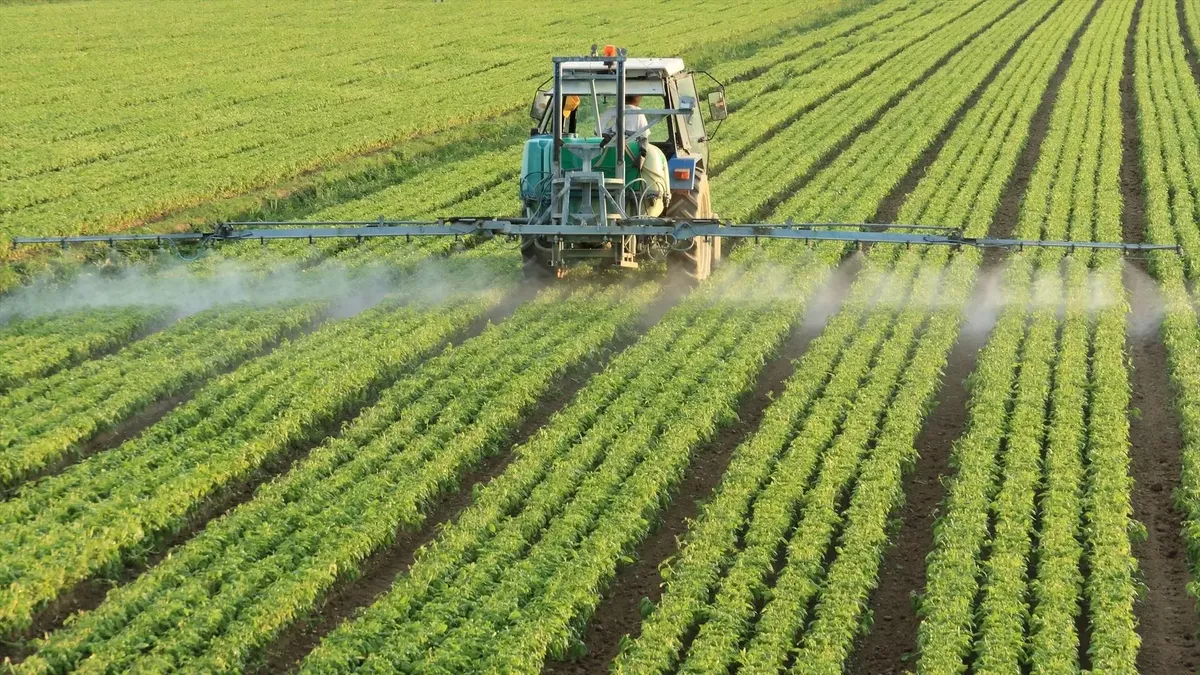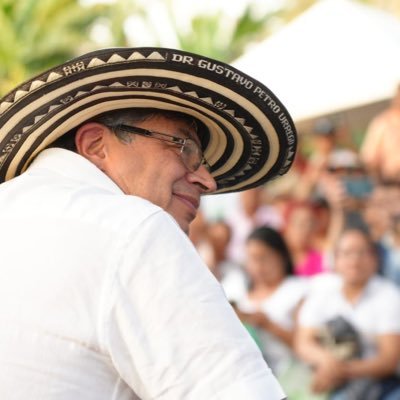
Gustavo Petro criticized the Minister of Agriculture for talking about stopping rice cultivation and called the proposal miserable for the Colombian people. He argued that rice was nutritious and that the country should move towards food self-sufficiency. He warned that a fall in the peso, a mega-drought, and rising food prices would increase hunger. He also stated that the Ibagué plateau had rice yields similar to those of the United States. Petro said he had proposed a "rice route" that would include cooperative mills owned by producers, cheap credit, cooperation with Chinese universities to improve techniques and productivity, tariff protection, and the expansion of rice-growing areas. He also suggested building the road between Ayapel, San Marcos, and Magangué, deepening agrarian reform in Magangué and southern Bolívar, and allowing water to flow in La Mojana. He asserted that Colombia should produce more cereals and replace extensive livestock farming on 15 million hectares of fertile land with food agriculture in the hands of peasant farmers and small and medium producers. He added that cashew production was important, but not as a substitute for rice-growing areas: he proposed cultivating it in low-productivity livestock areas, as a voluntary alternative to coca leaf crops and in the Colombian altillanura. Petro linked the minister's announcement about rice production to land burning in Tolima due to human action and to what he described as the idea of Abelardo and Restrepo of substituting production and intensive labor for hydrocarbon extraction and activities with less employment. https://t.co/zB0X6wz13i #Arroz #AutosuficienciaAlimentaria #ProducciónAgrícola (translated)