WRLD

Search

#Slavery
Sevim Dağdelen 1w

The post’s author said it was “Orwell Day” in Münster, where NATO was being awarded the Peace Prize. They described NATO as the world’s largest military pact and called the award a farce, arguing that people were being asked to accept contradictions such as NATO representing peace. The author also shared a link they said outlined basic truths about NATO. https://t.co/JnM1alhVst #NATO #Frieden #Politik #DE #US

3086
S
Sandfeen 2w

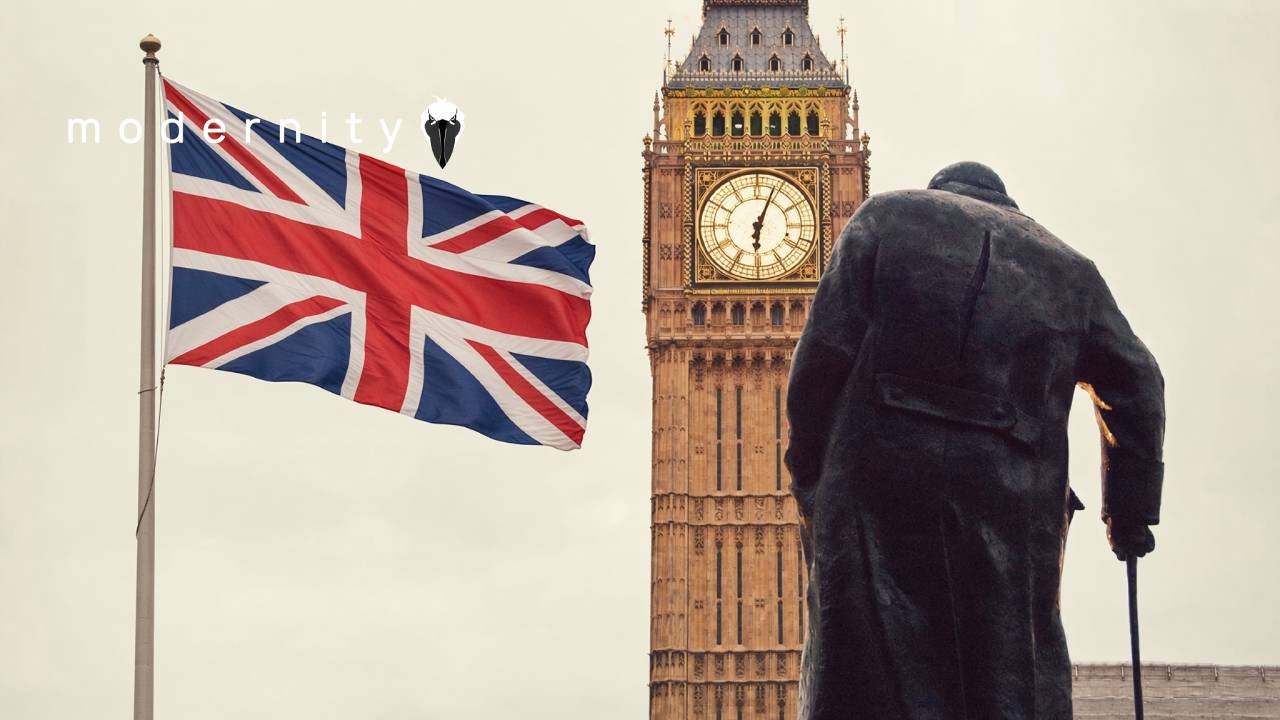
“The Abolition of Slavery — and Its Unfinished History Slavery is far older than the transatlantic slave trade. It existed for thousands of years in societies across the Middle East, Europe, Africa and the Americas. It was therefore not invented by Europeans or white people. But another part of the history deserves recognition. In the late 18th and 19th centuries, predominantly European and Western abolitionist movements developed sustained political campaigns against the slave trade and slavery. Britain is a major example. British abolitionists such as William Wilberforce, Thomas Clarkson and Granville Sharp, together with Black activists and formerly enslaved people such as Olaudah Equiano, campaigned for abolition. Parliament abolished Britain’s slave trade in 1807, and slavery throughout most of the British Empire through the 1833 Slavery Abolition Act, with emancipation beginning in 1834. Britain then used its navy and diplomacy to suppress the international slave trade. Between 1808 and 1870, British naval forces seized roughly 1,400 slave ships and liberated around 160,000 enslaved people. This does not erase Britain’s earlier role in the slave trade. Nor was abolition exclusively a white achievement. Black activists, former slaves, religious groups and others were important to the movement. Nevertheless, Western societies became leading forces in creating political, legal, diplomatic and military mechanisms to suppress the Atlantic slave trade and abolish slavery. And slavery has not disappeared. The latest global estimates, based on 2021 data, put the number living in modern slavery at 49.6 million: 27.6 million in forced labour and 22 million in forced marriage. About 29.3 million were in Asia and the Pacific, 7.0 million in Africa, 6.4 million in Europe and Central Asia, 1.7 million in the Arab States and 5.1 million in the Americas. Slavery is ancient and global; Europeans became major participants in the transatlantic system and later major forces in its abolition. Yet an estimated 49.6 million people were still living in modern slavery in 2021” - ChatGPT

806
S
Sandfeen 2w

The Deconstructionists and the Preservers The average person assumes that everyone wants the same things and merely disagrees about how to achieve them. But the social fracture we are living through is deeper: people no longer agree on what they want at all. Consider the conflicts dominating the news—crime, the border, online speech, and who raises children. Beneath each is a question rarely acknowledged: Does society corrupt human beings, or does it elevate them above their animal nature? If social constructs are oppressive, then every institution becomes suspect. Hierarchy, cultural norms, the family, and the nation appear to be cages designed to restrain a free creature. The only honest response, in this view, is to tear them down. The belief that society corrupts the individual is not fringe doctrine. It is the creed of much of the elite class governing the West. From Rousseau, who argued that man was born free until society placed him in chains, through Marx, who identified those chains as capital and class, to the postmodernists, who reduced institutions to masks for power, the thread remains unbroken. It is the philosophy of universities, the cultural industry, and the bureaucrats shaped by both. Opposing it is the older conviction of Hobbes and Hegel: that a person stripped of structure is not free, but frightened and dangerous, and that order is what improves him. Hobbes saw that without order, life becomes a war of all against all. Hegel believed that people become fully themselves through family, community, and the rational state. The divide, then, is not simply left against right. It is the deconstructionists against the preservers. The irony the demolishers never grasp is that freedom does not remain after every structure is cleared away. It requires personal responsibility as a cultural habit. When order is destroyed in the name of liberty, society begins to collapse. Something must bear the weight, and the state eventually fills the void—without moving gently. Liberty pursued through demolition produces, with grim reliability, the conditions of slavery. The deconstructionist imagines himself a liberator striking mankind’s chains. In truth, he is the architect of the cage.

921
Krzysztof Graj 3w

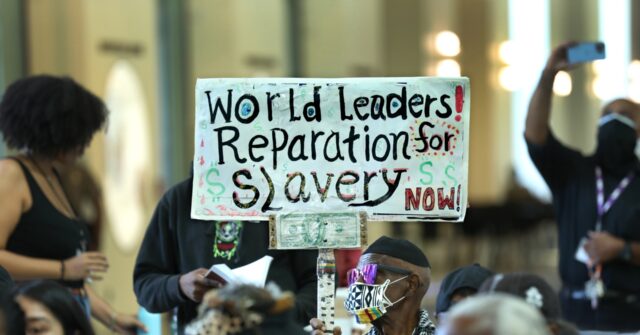
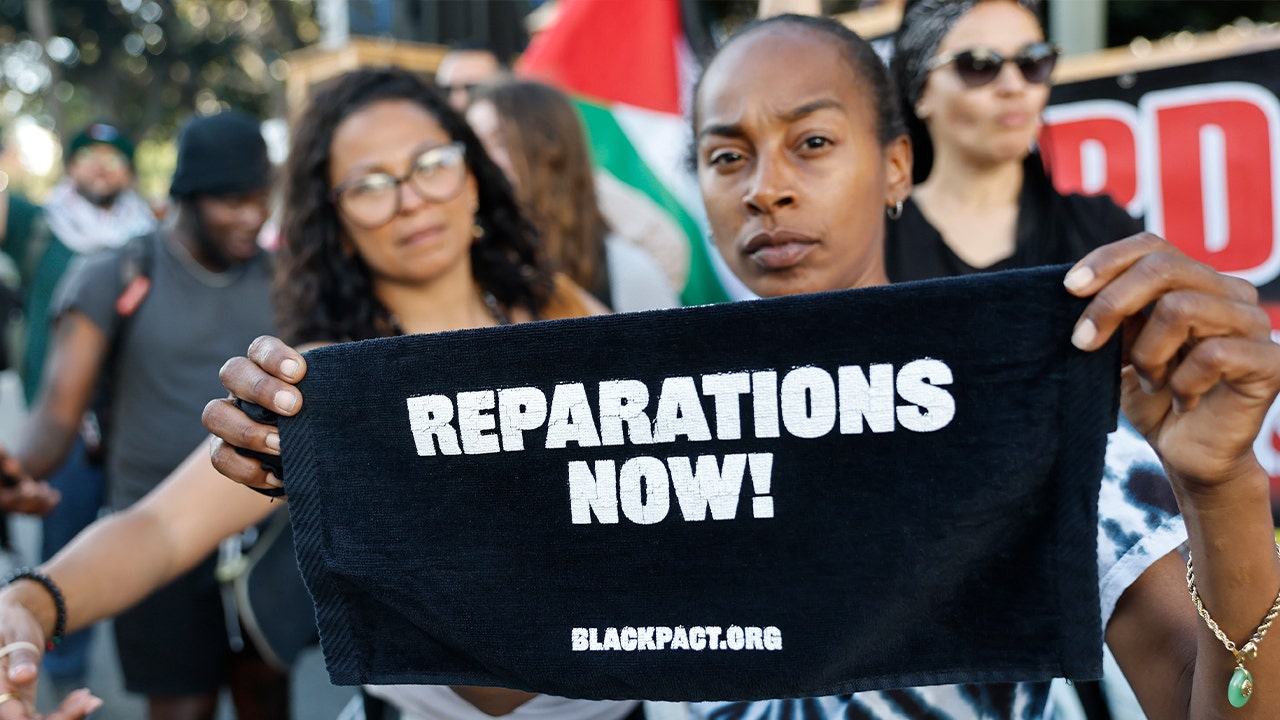
AFRICA DAILY REPORT — 24 SEPTEMBER 2026 Major developments reported during the previous 24 hours 1. ETHIOPIA — Renewed war in Tigray shatters the 2022 peace deal Importance: 10/10 — Critical Tigray's regional authorities said their forces had entered a "defensive war" against federal troops after fighting escalated sharply on 23 September. Tigrayan forces seized three airports, including Mekelle, and Ethiopian Airlines suspended flights to the region. The renewed hostilities effectively rupture the Pretoria peace framework that ended the devastating 2020–2022 war and raise the risk of a wider Horn of Africa conflict. Source: Reuters — https://www.reuters.com/world/africa/ethiopias-tigray-region-government-announces-it-has-entered-defensive-war-2026-09-23/ Additional analysis: https://www.reuters.com/world/africa/why-new-war-ethiopias-tigray-threatens-trigger-wider-conflict-2026-09-23/ 2. DR CONGO / CENTRAL AFRICA — U.S. pledges another $267 million for Ebola response Importance: 9.5/10 — Critical The U.S. State Department announced an additional $267 million for the Ebola response, mainly focused on the Democratic Republic of Congo. The new pledge brings the Trump administration's commitment to approximately $886 million. Officials used the UN General Assembly to seek broader international contributions toward a $2 billion response target as the outbreak remains the second most lethal Ebola epidemic on record. Source: Reuters — https://www.reuters.com/legal/litigation/us-pledges-267-million-more-fight-ebola-central-africa-2026-09-23/ 3. SUDAN — Khartoum rejects U.S. challenge to government's legitimacy Importance: 9/10 — Very High Sudan's foreign ministry rejected U.S. State Department remarks questioning the government's legitimacy and insisted that any peace initiative must respect Sudanese sovereignty, territorial integrity and what it described as legitimate national institutions. The dispute adds another complication to international efforts to negotiate an end to the SAF–RSF war. Source: Reuters — https://www.reuters.com/world/africa/sudan-rejects-us-remarks-questioning-government-legitimacy-2026-09-23/ 4. CENTRAL AFRICAN REPUBLIC — ICC convicts former Seleka commander Importance: 8.5/10 — Very High The International Criminal Court convicted Mahamat Said Abdel Kani, a former Seleka commander, on four counts of crimes against humanity, including torture. Prosecutors said he helped run a detention centre in Bangui where perceived supporters of former president François Bozizé were beaten and tortured. He is the first former Seleka member convicted by the ICC; sentencing will be determined separately. Source: Reuters — https://www.reuters.com/world/international-criminal-court-convicts-central-african-militia-leader-2026-09-23/ 5. SOUTH AFRICA — Reserve Bank raises policy rate to 7.25% Importance: 8.5/10 — Very High The South African Reserve Bank unanimously raised its policy rate by 25 basis points to 7.25%, its second increase this year. The bank cited sustained price shocks linked to the Iran conflict and raised its near-term inflation forecasts while cutting its 2026 growth forecast to 1.2% from 1.4%. Headline inflation reached 4.4% in August and the bank expects it to exceed 5% later this year. Source: Reuters — https://www.reuters.com/world/africa/south-africas-central-bank-raises-main-interest-rate-725-2026-09-23/ 6. SOUTH AFRICA — Mass shooting at KwaMakhutha house party kills 11 Importance: 8.5/10 — Very High Three gunmen opened fire at a house party in KwaMakhutha township south of Durban, killing 11 people, including a pregnant woman. Police are investigating the attack. The incident adds to concern over South Africa's exceptionally high levels of violent crime and follows intense public debate over a recent series of killings of women in Gauteng. Source: Associated Press — https://apnews.com/article/south-africa-house-party-shooting-91416626e0cf789bf2f801061bb8b46a 7. GHANA / AFRICAN UNION — Reparations campaign gains diplomatic momentum at UNGA Importance: 7.5/10 — High Ghana's Foreign Minister Samuel Okudzeto Ablakwa said Western support for reparatory justice over the trans-Atlantic slave trade is increasing. Ghana, Germany and France co-hosted a UNGA event on the issue. The African Union and CARICOM framework initially prioritizes restitution of looted cultural artifacts, with later stages potentially addressing formal apologies, debt relief and financial compensation. Source: Reuters report — https://wtaq.com/2026/09/23/western-countries-increase-support-for-slavery-reparations-ghana-says/ 8. KENYA / AFRICA — Ruto uses UNGA to challenge international credit-rating system Importance: 7.5/10 — High Kenyan President William Ruto told the UN General Assembly that African economies face disproportionately high financing costs and argued that the international credit-rating architecture penalizes the continent. His intervention forms part of a broader African push at UNGA for reform of international financial institutions and greater representation in global economic governance. Source: People Daily Kenya — https://peopledaily.digital/business/ruto-addresses-un-general-assembly-africa-loses-ksh9-71t-to-unfair-credit-ratings 9. MALI / SAHEL — Families await answers after catastrophic Dioura military attack Importance: 8/10 — High New reporting from Mali highlights the continuing human impact of JNIM's September 10 assault on the Dioura military camp. Families are still seeking information about missing soldiers after one of the most serious attacks on Mali's armed forces in recent years. Earlier reporting indicated that more than 100 soldiers may have been killed, illustrating the continued deterioration of security in the central Sahel. Source: AFP — https://www.afp.com/en/anguish-grips-mali-families-after-military-camp-massacre 10. UGANDA — Public debt rises 14.8% in a year Importance: 7/10 — Significant Uganda's public debt increased by 14.8% in the 12 months to June 2026, driven in part by increased domestic borrowing. The rise is significant for fiscal sustainability and debt-service costs as Uganda prepares for major infrastructure and oil-sector spending while facing broader pressure on its currency and public finances. Source: Reuters — https://www.reuters.com/world/africa/ugandas-public-debt-rises-15-surge-domestic-issuance-2026-09-24/ #Africa #AfricaNews #TopNewsOfAfrica #DRCongo #CentralAfrica #Ebola #EbolaOutbreak #EbolaResponse #PublicHealth #HealthSecurity #HumanitarianAid #UnitedStates #GlobalHealth #SouthAfrica #SouthAfricanReserveBank #SARB #InterestRates #MonetaryPolicy #Inflation #EconomicGrowth #AfricanEconomy #FinancialMarkets #Ethiopia #Tigray #TigrayConflict #PretoriaPeaceAgreement #HornOfAfrica #ArmedConflict #PeaceAndSecurity #RegionalStability #AfricanSecurity #Geopolitics #AfricaToday #wrldorg

1269
S
Sandfeen 3w

“The Abolition of Slavery — and Its Unfinished History Slavery is far older than the transatlantic slave trade. It existed for thousands of years in societies across the Middle East, Europe, Africa and the Americas. It was therefore not invented by Europeans or white people. But another part of the history deserves recognition. In the late 18th and 19th centuries, predominantly European and Western abolitionist movements developed sustained political campaigns against the slave trade and slavery. Britain is a major example. British abolitionists such as William Wilberforce, Thomas Clarkson and Granville Sharp, together with Black activists and formerly enslaved people such as Olaudah Equiano, campaigned for abolition. Parliament abolished Britain’s slave trade in 1807, and slavery throughout most of the British Empire through the 1833 Slavery Abolition Act, with emancipation beginning in 1834. Britain then used its navy and diplomacy to suppress the international slave trade. Between 1808 and 1870, British naval forces seized roughly 1,400 slave ships and liberated around 160,000 enslaved people. This does not erase Britain’s earlier role in the slave trade. Nor was abolition exclusively a white achievement. Black activists, former slaves, religious groups and others were important to the movement. Nevertheless, Western societies became leading forces in creating political, legal, diplomatic and military mechanisms to suppress the Atlantic slave trade and abolish slavery. And slavery has not disappeared. The latest global estimates, based on 2021 data, put the number living in modern slavery at 49.6 million: 27.6 million in forced labour and 22 million in forced marriage. About 29.3 million were in Asia and the Pacific, 7.0 million in Africa, 6.4 million in Europe and Central Asia, 1.7 million in the Arab States and 5.1 million in the Americas. Slavery is ancient and global; Europeans became major participants in the transatlantic system and later major forces in its abolition. Yet an estimated 49.6 million people were still living in modern slavery in 2021” - ChatGPT

926
S
Sandfeen 3w

Socialisternes notoriske løgne har igen båret frugt: “Who Invented Slavery? A Skeptic Research Center survey of more than 3,000 American adults asked respondents whether the statement “White people invented slavery” was true or false. The results were striking: 59% of Hispanic, 69% of Black, and 55% of Asian women answered “true.” Among men, the figures were 49%, 53%, and 41%, respectively. Among white respondents, 39% of women and 25% of men answered “true.” 55% of liberal Millennials also agreed, as did 31% of Americans with graduate degrees. Skeptic Research Center The survey also found other misconceptions among highly educated Americans: about 3 in 4 believed white Americans were the wealthiest racial group, while more than half were unaware that qualified Asian applicants are regularly rejected by U.S. universities. Around 1 in 3 also held a pessimistic view of the prospects for racial minorities and women to achieve success. But the historical record is clear: slavery was not invented by white people. Various forms of slavery existed in many societies long before the transatlantic slave trade—including in the ancient Middle East, Greece and Rome, as well as in Africa and the Americas. This does not diminish Europe’s central role in the transatlantic slave trade, in which millions of Africans were transported to the Americas and enslaved. But “Europeans played a central role in the transatlantic slave trade” and “white people invented slavery” are two entirely different historical claims. The United States abolished slavery through the 13th Amendment in 1865. Slavery is therefore a global institution with thousands of years of history. The transatlantic slave trade was a particularly large and brutal chapter of that history—but it was not its beginning” - ChatGPT

1505
Marcel Crok 4w

"De netbeheerders benadrukken dat de investeringen zorgen voor lagere energieprijzen omdat Nederland minder afhankelijk wordt van gas uit het buitenland." Haha, Orwell in actie, war is peace, freedom is slavery, ignorance is strength. Hier: we moeten 235 miljard euro (269 miljard is ook al genoemd) investeren maar daarna is uw energie goedkoper. Nee, beste netbeheerders, die investering is zo gigantisch dat je zelfs als theoretisch de stroomprijzen wat zullen dalen, je die investering van je lang zal je leven niet gaat terugverdienen. https://t.co/sqZEGv5sFK #Energieprijzen #Investeringen #Gasvoorziening

12438
S
Sandfeen Aug 28

Orwell’s Five Warnings About the Psychology of Totalitarianism Orwell understood totalitarianism’s psychology: unlike dictators who seek wealth and status, totalitarians aim to reshape humanity. They often claim to act “for our own good,” with conscience on their side. After reading Orwell, five lessons stand out: 1. Political correctness can become mind control “If thought corrupts language, language can also corrupt thought.” Words frame reality and limit solutions. 2. Doublethink is the hallmark of propaganda “War is peace. Freedom is slavery. Ignorance is strength.” When contradictions become acceptable, rational thought collapses. 3. Control the past and you control the future “Who controls the past controls the future.” Rewriting history turns gratitude into guilt and inheritance into theft. 4. You cannot fight for freedom with a shackled mind “Until they become conscious they will never rebel.” Team loyalties replace judgment; challenging the narrative grants permission to ask questions. 5. True power is the power to shape perception “Power is in tearing human minds to pieces and putting them together again in new shapes…” The goal isn’t mere obedience, but surrendering the ability to distinguish truth from what authority declares true. Orwell’s warning: don’t let it happen—resist arbitrary power by holding to truth, conscience, family, community, faith, and the people you love.

703
S
Sandfeen Aug 28

The Three Words Democracy Borrows Democracy is often praised as inherently good, but Aristotle, Plato, and Socrates saw serious flaws. A better view: rule by one, few, or many each has tradeoffs. A healthy society ideally combines a strong leader, a competent elite, and a virtuous citizenry—because, as Thomas Sowell said, “there are no solutions, only tradeoffs.” Democracy promises three virtues it can’t guarantee: freedom, wisdom, and consent. **Freedom:** Nozick’s thought experiment shows how slavery can be disguised by changing vocabulary—when power gradually shifts from overt domination to rules voted on by others, at what point is it “freedom”? A society can talk endlessly about freedom while restricting rights through taxes, regulations, and suspensions. **Wisdom:** Socrates doubted democracy produces wisdom. If a voyage were dangerous, you wouldn’t let every passenger vote equally on navigation. Yet political voting gives equal weight regardless of knowledge, inviting manipulation by those skilled in fear, emotion, and flattery. **Consent:** “Government of the people, by the people, for the people” can be an illusion. If the state is treated as “us,” coercion can be reframed as self-government. But representatives don’t truly follow your instructions the way a genuine agent must. Freedom, wisdom, and consent are real virtues—democracy just borrows their language, and the biggest risk is believing that choosing rulers collectively makes the ruled free, wise, and consenting.

820
Mariya Gabriel Aug 21

On 23 August, the Int’l Day for the Remembrance of the Slave Trade and its Abolition, we remember the victims and their resistance. @UNESCO’s #MoW Latin America & the Caribbean includes 18 inscriptions from 24 countries, keeping memories of slavery alive for future generations. https://t.co/olFEwYtRd3 #SlaveTrade #Abolition #UNESCO #LA #CA

Петър Дочев Aug 13

How life manifests itself as an insoluble contradiction. Slavery, the desire for dominance in relations between men and women, the commission of murders, violence and criminal acts occur as a result of an irresistible desire on the part of the perpetrators. The desire on the part of the victims and their attempts to counteract them turn out to be unattainable desires. Violence is a manifestation of sadism. It is caused and its level is determined by the level of the male sex hormone testosterone. It leads to violence on the one hand, and on the other hand determines the possibility of fertilization of female individuals and the continuation of life by creating offspring. OBVIOUSLY THIS IS A FUNDAMENTALLY INSOLVABLE CONTROVERSY THAT AFFECTS AND DETERMINES THE WHOLE OF LIFE. PEOPLE CANNOT BELIEVE, UNDERSTAND AND ACCEPT THIS FACT. THEY DEEPLY BELIEVE THAT CONTROVERSIES ARE NOT INSOLVABLE AND THAT THERE ARE SOLUTIONS FOR THEM. THEY ARE ENDLESSLY DISCUSSED, TRYING TO APPLY THEMSELVES THROUGHOUT LIFE AND THROUGHOUT THE ENTIRE EXISTENCE OF HUMANITY. And all this turns out to be vain efforts, ineffective, fruitless, fruitless. The ingenious explanation, opening everyone's eyes to the truth is the understanding that THESE RELATIONS ARE ALWAYS ON THE EDGE OF CONFLICT, THAT THEY ARE TOLERANCE OF THE INTOLERABLE. All attempts to overcome slavery are illusory. Attempts to create a socialist and communist society, to present slavery as part of family relations, as paternalism, that it can be replaced by democracy, that slaves can become wage workers and their interests can be effectively defended by protest actions, strikes, and trade unions are fruitless delusions. Man with his whole nature strives for slave ownership. Slave owners are sadists who kill slaves in case of disobedience. They have power over their lives and this creates in them a sense of superiority, of a chosen higher caste, a natural selection of the smartest, the most capable. eternal holders of sacred power given by God, a manifestation of higher justice and harmony. This is a delusion that completely blinds the mind. The truth is that slave ownership stems from cannibalism and they cannot realize this, understand that this is the truth. In Bulgaria, the slave-owners are called chorbadjii-izednicy, that is, cannibals, and this is not idle talk, but a very accurate definition of things. Slaves are masochists, weak, helpless to defend themselves. They are completely blocked by the power structures of the slave owners. In antiquity, they were usually soldiers, punished to be slaves because they tried to kill the slave owners. Relations between men and women are also on the verge of conflict, tolerance of the intolerable. They have a completely unacceptable, contradictory nature and this is an objective fact. The similarity that they are the same people, regardless of the different sex, is an illusion, self-deception. They are totally different and their relations are based on reconciliation or dominance, tyranny of one sex over the other. Violent, criminal manifestations have the same nature as slavery and relations between the sexes. All attempts to eradicate them are fruitless. They cannot even be limited.

707