WRLD

Search

#Tanning
Kurier Jul 23

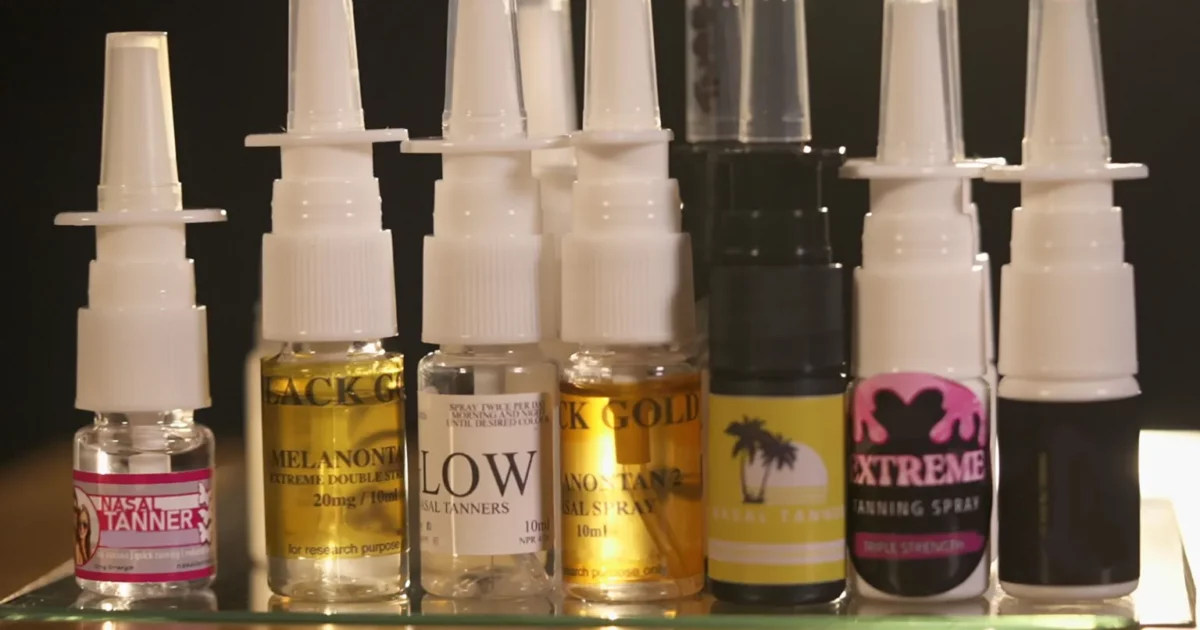
Na sociálních médiích, zejména na TikToku, se opět objevuje nebezpečný trend zvaný „Barbie droga“, který zahrnuje použití nelegálních nasálních tanning sprejů s peptidem Melanotan II, jež slibují rychlou a zdravou opálenou pleť, avšak odborníci varují před vážnými zdravotními riziky spojenými s jejich užíváním. #BarbieDroge #NasalTanning #TikTok
kurier.at
Gefährliche „Barbie Droge“ erlebt Comeback auf Social Media

10656
Il Fatto Quotidiano Jun 20

Gli esperti lanciando un allarme sui spray autoabbronzanti avvertono che possono causare nausea, vomito e problemi respiratori, sottolineando che il principale ingrediente, il DHA, è approvato solo per uso esterno e non deve essere inalato. #Salute #Autoabbronzanti #TanningNasalSpray

www.ilfattoquotidiano.it
Tanning nasal spray, gli esperti lanciano l’allarme sugli autoabbronzanti virali: “Possono causare nausea, vomito e problemi respiratori”
13695
BBC May 13

A cross-party group of MPs is calling for a ban on sunbed advertising and enhanced warnings about skin cancer risks, alongside measures such as including graphic images similar to cigarette warnings in tanning salons, in response to a report highlighting the preventability of many skin cancer cases and the heightened risk posed by sunbed use, particularly among younger individuals. #Sunsafety #SkinCancerAwareness #PublicHealth #UK #AU #BZ

www.bbc.com
MPs call for ban on sunbed advertising and health warnings in shops
10171
BBC May 13

A cross-party group of UK MPs is advocating for a ban on sunbed advertising, implementation of warning signs about skin cancer risks in tanning salons, and stricter regulations, including mandatory ID checks for underage users, following research that shows early sunbed use significantly heightens the risk of skin cancer, emphasizing the need for comprehensive public health campaigns and better education on sun safety. #SunSafety #SkinCancerAwareness #PublicHealth #UK #AU #BR

www.bbc.com
MPs call for ban on sunbed advertising and health warnings in shops
10171
The New York Times May 7

The article discusses the safety of sunless tanning products, highlighting that while they are generally considered safer than UV exposure, research on their long-term effects is limited, though no severe health risks have been identified with the primary active ingredient, DHA; dermatologists recommend following safety precautions when using these products. #SelfTanner #SkincareSafety #SunlessTanning #US #NY #IN #AL #MI #CA

www.nytimes.com
¿El autobronceador hace daño?
8980
The New York Times May 7

The article discusses the safety of using sunless tanning products, which have become popular due to their realistic results, emphasizing that while they are safer than UV tanning methods, the limited research on their long-term effects raises some concerns, particularly regarding the active ingredient DHA, yet they are generally considered safe when used as directed. #SunlessTanning #SkinSafety #BeautyTips #US #NY #AL #IN #MI #CA

www.nytimes.com
¿El autobronceador hace daño?
8382
The New York Times May 7

While sunless tanning products are generally considered safer than UV exposure, their long-term effects on human skin remain insufficiently studied; however, they are mainly deemed safe when used as directed, though potential irritations and allergic reactions can occur. #Sunsafe #SelfTanner #SkinHealth #US #NY #AL #IN #MI #CA

www.nytimes.com
¿El autobronceador hace daño?
8981
The New York Times May 7

The article discusses the safety of sunless tanning products, indicating that while current formulations yield realistic tans and pose less risk than UV exposure, research on their long-term health effects is limited; however, dermatologists generally consider them safe when used as directed, with precautions recommended for application and skin sensitivity. #SelfTanner #SkinCare #SunSafety #US

www.nytimes.com
¿El autobronceador hace daño?
8382
The New York Times May 5

The article discusses the safety of modern sunless tanning products, which are considered safer than traditional tanning methods despite a lack of extensive research on their health effects; while the active ingredient, dihydroxyacetone (DHA), is generally deemed safe for external use, caution should be exercised to avoid inhalation and application on sensitive skin or broken areas. #SelfTanner #SunlessTanning #SkinCareSafety #US

www.nytimes.com
Is Self-Tanner Bad for You?
8982
The New York Times May 5

Modern sunless tanning products, which primarily use dihydroxyacetone (DHA) to create a natural-looking tan, are considered safer than ultraviolet exposure, although limited research exists on their long-term safety; they can occasionally cause skin irritation or allergies, and proper application techniques should be followed to minimize risks. #SelfTanning #SkinHealth #SunSafety #US

www.nytimes.com
Is Self-Tanner Bad for You?
8384