
Jitse Groen wrote that people would soon get a heat pump without electricity, but they could also keep their old boiler without gas. #warmtepomp #Cvkettle #duurzaam (translated)
Jitse Groen wrote that people would soon get a heat pump without electricity, but they could also keep their old boiler without gas. #warmtepomp #Cvkettle #duurzaam (translated)

Martien Visser wrote about the progress regarding grid congestion that the website of Netbeheer Nederland did not show historical data and that readers therefore had to make do with his information. He added that PBL no longer saw hybrids as a structural solution and that The Hague wanted to make heat pumps mandatory. #grafiekvandedag https://t.co/XWQ2pdO3qt #energietransitie #warmtepompen #netcongestie (translated)


Boukje wrote that a satisfied dog smacking its lips in her warm little bag made her particularly happy. According to her, anything could make a person happy. https://t.co/1WjEMnCn7o #hond #geluk #huisdier (translated)

The cabinet aims that from 2029 hybrid and fully electric heat pumps will become smarter, deploying energy more efficiently by taking dynamic energy rates and grid congestion into account, and advises buyers to pay attention to the smart control options when purchasing. #SlimmeWarmtepomp #Energiebesparing #DuurzameEnergie (translated)
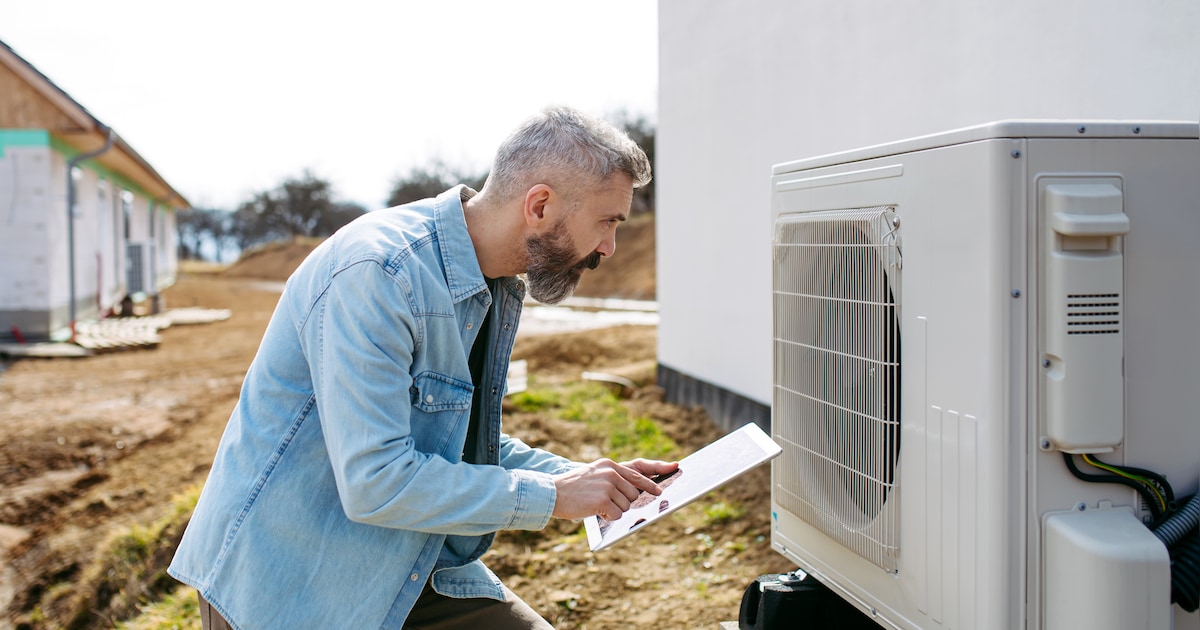

Joost Jansen stated that people were first forced to install a heat pump and then categorized as large consumers, being penalized extra for what he described as virtuous energy consumption. He referred to it again as a cheerleading story in the serial about the energy transition. #energietransitie #warmtepomp #energiebeleid (translated)

Construction company BAM has acquired A.Hak for 504 million euros, a specialist in underground infrastructure and district heating networks, to strengthen its growth strategy and positioning as the largest construction company in the Netherlands. #BAM #ondergrondseinfrastructuur #energietransitie (translated)

The cabinet has announced that a hybrid heat pump will become mandatory from 2029 when replacing old boilers, although there are exceptions for tens of thousands of households. #warmtepomp #energietransitie #duurzaamheid (translated)

Syp Wynia wrote in a link to Wynia's Week that the heat pumps of Hugo de Jonge did not save any natural gas or CO₂ according to him. https://t.co/Ng4TxnDTAR #duurzaamheid #klimaat #energiebesparing (translated)


Tadek Solarz wrote that TNO had calculated that large-scale installation of hybrid heat pumps in Dutch homes could theoretically save about 3.6 megatons of CO₂ equivalent per year. He compared this to the global fossil CO₂ emissions of 38.1 billion tons, which he stated amounted to about 0.0094%. Solarz wrote that those emissions are currently growing by about 1% per year, or about 380 million tons, and that global emissions increase in about three and a half days by as much as the Netherlands would save in a whole year with that operation. #duurzaamheid #klimaat #energiesparen (translated)
Mona Keijzer wrote that fuel, groceries, and energy became more expensive and that people also had to take into account €6,000 for a heat pump. According to her, many could barely make ends meet, and the Jetten cabinet had lost touch with reality. https://t.co/D2HYeClHj9 https://t.co/C3gX1M4pSg #kosten #duurzaamheid #energieprijzen (translated)


Roelof Bouwman wrote that it had not succeeded in reducing the number of asylum seekers, the housing shortage, crime, and inflation, getting more teachers, or paying fewer billions to Brussels. According to him, introducing a mandatory heat pump would not be a problem. https://t.co/OWy53KVLce #Asielzoekers #Woningnood #Criminaliteit (translated)

The cabinet wants to oblige homeowners to switch to a hybrid heat pump when replacing their boiler starting in 2029, with the exception of apartments and monuments. #hybridewarmtepomp #klimaatdoelen #verstaatreming (translated)
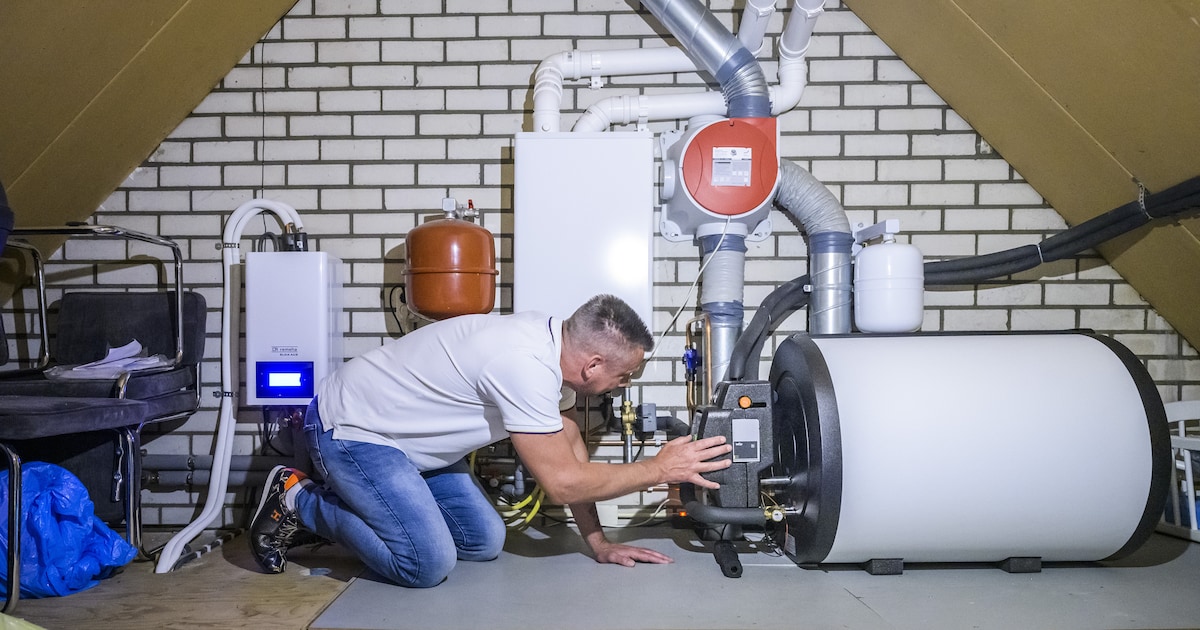
The cabinet has decided that from 2029 people must switch to a hybrid heat pump when replacing their heating boiler, seen as a necessary step towards gas-free heating by 2050, despite having scrapped earlier plans due to cost concerns. #hybriedwarmtepomp #klimaatdoelen #energieadvies (translated)
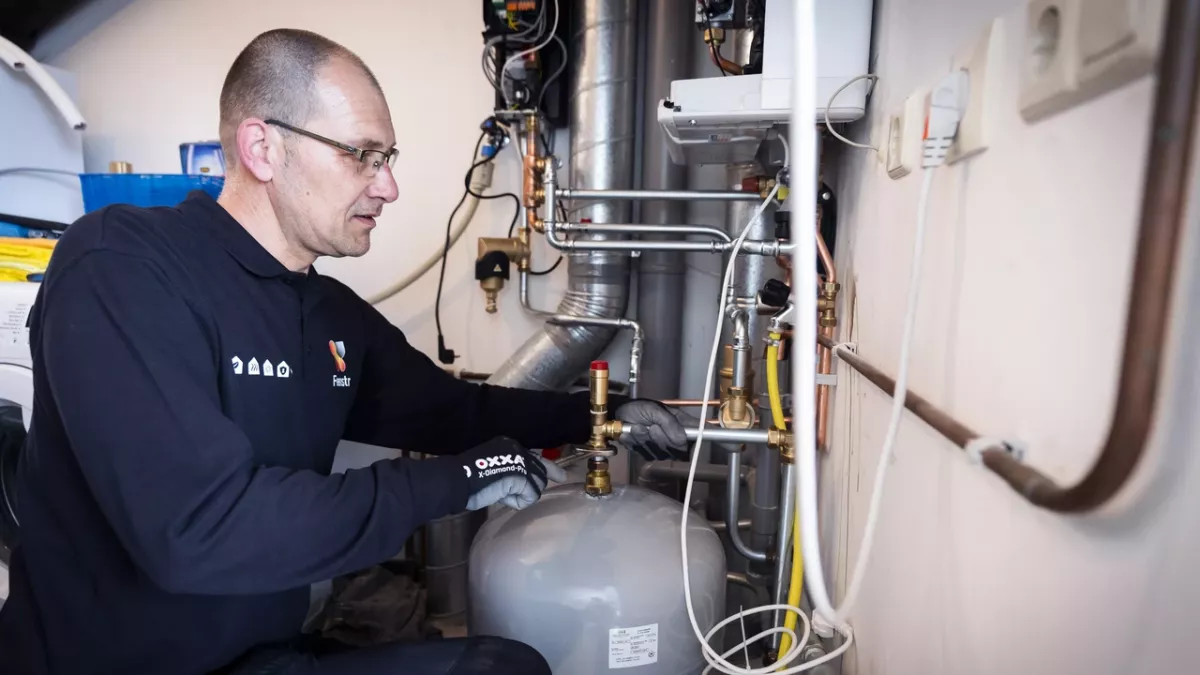

Bart Nijman wrote that Dutch media in 2015 portrayed participants in the Ukrainian referendum, including GeenPeil, as antidemocratic and pro-Putin. Nevertheless, he called the referendum a great success. In 2017, according to him, newspapers and parts of the NPO tried to boycott GeenStijl but were unsuccessful. He also accused the media of labeling critics of Greta Thunberg as climate deniers in 2019 and of presenting support for Black Lives Matter as a civic duty in 2020, while according to him, Zwarte Piet was pressured with unfounded accusations of racism. During the coronavirus pandemic, according to Nijman, the media shielded criticism of the measures and labeled those who deviated as irrational. He argued that this permanently damaged the credibility of the press and trust in its fairness and objectivity. From 2021, he stated that media opposed the farmers' movement with reporting on nitrogen that journalists did not understand sufficiently, and starting in 2022, labeled critics of Ukrainian accession to the EU or NATO's contribution to the escalation as pro-Putin. Nijman wrote that after October 7, 2023, many media condemned Israel and Jews in general and based reporting on genocide and starvation on lies. According to him, the media concealed the reasons for Hamas' attack and subordinated facts to information from NGOs, including Oxfam. He also claimed that journalists who disagreed were not offering enough public dissent, partly because they had to save for a mandatory heat pump in 2028. Furthermore, Nijman accused the media of shifting their own problems onto disinformation and Elon Musk and of leaving X for their own, small online environment. According to him, DPG, RTL, and the NPO imposed standards that many Dutch people did not conform to. He wrote that readers should hate the mainstream media even more and asserted that the free press had again chosen the wrong side on October 7. #Media #Nederland #VrijePers (translated)

Maarten van den Berg wrote that homeowners would be required to install a hybrid heat pump starting January 1, 2029, while he stated that there was no capacity on the electricity grid. He asked who would file a lawsuit against the government. https://t.co/mgNH5JgQki #hybridewarmtepomp #energiebeleid #klimaat (translated)

Syp Wynia wrote that according to a poll from three years earlier, two-thirds of the Netherlands was against a mandatory heat pump and only one-fifth was in favor. He said that D66, VVD, and CDA had brought Hugo's expensive mandatory heat pump back to the forefront and wondered if they were still pursuing the gas ban, which he described as idiotic. He also stated that a hybrid heat pump could not function without gas. https://t.co/7bYXQj6D0L #warmtepomp #klimaatbeleid #energietransitie (translated)


Henk Otten wrote that the Dutch power grid, in his opinion, collapsed due to a thoughtless energy transition. He called the mandatory implementation of heat pumps an incompetent response from a D66 politician and stated that the cabinet continued full throttle with what he considered absurd climate policy. According to Otten, the Netherlands would pay a high price for that. https://t.co/wUPIoTiwKm #Energietransitie #Klimaatbeleid #Warmtepompen (translated)

Syp Wynia wrote that the Jetten cabinet had resumed the obligation to purchase an expensive and, according to him, noisy heat pump. He called the obligation nonsensical and stated that Hugo's mandatory heat pump was particularly controversial. https://t.co/IFCYPtlvcB #warmtepomp #klimaat #energie (translated)


Dorien Rookmaker wrote that a complete transition to heat pumps would make the Netherlands heavily dependent on electricity, according to her. In extreme cold, millions of heat pumps would run simultaneously and increase the electricity demand, potentially resulting in local power outages. In the event of a power failure, heating and hot water would also be lost, as there would be no gas network as a backup. Rookmaker further stated that the winter heating demand coincides with periods when there is little solar energy and sometimes little wind available, which she believes threatens supply reliability. A digitally controlled power grid with smart heat pumps would also be more vulnerable to cyber attacks, she said. She called for hybrid systems with green gas, hydrogen, and nuclear energy, in addition to large-scale expansion of the electricity grid, to mitigate those risks. Additionally, Rookmaker warned of what she called a "concentration risk": if everyone follows government policy and that course later proves to be wrong, it would cause significant problems for both society and the government, according to her. https://t.co/rUtyMQbk6d #energievoorziening #warmtepompen #duurzaamheid (translated)

Piet Grasspriet wrote that people first needed to stop using gas and cook electrically, after which he suggested that heat pumps, home batteries, and solar water heaters were proposed as solutions in succession. He stated that changing rules and the cessation of net metering had resulted in homes being filled with equipment and money running out. #duurzaamheid #energietransitie #groeneenergie (translated)





