WRLD

Search

#debatēs
Xico Graziano 14h

Xico Graziano criticized Lilia Schwacz for a video in which, according to him, the professor said she would use Pix as much as possible because Flávio Bolsonaro could end the system by order of Donald Trump. Graziano classified the statement as false and questioned whether Schwacz knew this or truly believed that a victory for Bolsonaro would leave Brazil subservient to the United States. The author highlighted that Schwacz was a professor of Anthropology at USP, a Global Scholar from Princeton, an award-winning writer, and the owner of the publishing house Cia das Letras. He also stated that she was elected to the Brazilian Academy of Letters in March 2024 for chair 9. Graziano compared the video to her inauguration speech two years earlier, in which, according to him, Schwacz had advocated for the strengthening of institutions and citizenship. Graziano questioned whether the professor had used her prestige to deceive the public and speculated about the reasons for the publication, mentioning the possibility that she had consumed alcohol or was out of touch with reality due to living in an academic bubble. He also associated the episode with what he described as an old ideology of the Brazilian intellectual left, formed in the 1950s and 1960s and still linked to the class struggle. #FakeNews #Cidadania #Antropologia (translated)


2353
Observador 14h

One centimeter of VAR was crucial to secure FC Porto's victory in Madeira, where the team turned the game around against Marítimo, scoring a goal that was reviewed and raised debates about the refereeing and the performance of the teams. #FCPorto #Sporting #futebol (translated)

observador.pt
Um centímetro de VAR é suficiente para salvar o FC Porto?
1969
Krzysztof Graj 17h

Operation Dark Clark – Russia built a real organisation around a false identity Most influence operations create fake people, fake websites or fake news stories. Operation Dark Clark appears to have gone considerably further: Russian operators built what looked like a functioning research organisation in Latin America, employed real people to produce genuine research and concealed from those employees who was ultimately directing their work. OpenAI disclosed the operation on 8 October after banning a cluster of accounts originating in Russia. The actors used ChatGPT while targeting countries across Latin America, principally to damage Ukraine’s reputation, manipulate domestic political debates and manage a self-described research organisation called the Social Research Center, or SRC. OpenAI assessed Dark Clark as Category Five on the six-level Breakout Scale, the first operation it has disrupted since beginning its influence-operation reporting to reach that level. A front organisation with real employees The SRC presented itself as a research platform studying subjects including Latin America’s relationship with India and the Indian diaspora. OpenAI found more than 60 articles on its website, most of them apparently original rather than plagiarised. Internal reports produced by the Russian operators discussed hiring, dismissals, salary scales, staffing and unfinished research projects, strongly suggesting that the operators controlled the organisation rather than merely collaborating with it. At the centre of the structure was “Mia Clark”, a fictitious identity reportedly used to manage social-media activity and communicate with staff. According to OpenAI, the available evidence indicates that employees working for SRC in Latin America were probably unaware that the organisation was being directed by Russian actors. They interviewed experts, conducted research and wrote papers in what appears to have been good faith. The deception therefore existed primarily at the organisational level: much of the work was real, but the identity and strategic purpose of the institution commissioning it were not. OpenAI This is one reason Dark Clark differs from the familiar model of a troll farm. A reader encountering an SRC paper might be looking at research genuinely written by a Latin American employee based on genuine interviews. The manipulation lies further upstream, in who built the institution, selected its direction and controlled its infrastructure. From forged emails to real events The operation also appears to have attempted something more ambitious than online persuasion: inducing real people to produce events that could later be turned into propaganda. In May 2026, according to the operators’ internal reports, they created an email address impersonating Lima’s regional education authorities and instructed schools to organise activities about Ukraine for a cultural-diversity event. The instructions included references to Stepan Bandera, whose historical legacy remains particularly contentious in Poland and parts of Eastern Europe. The operators claimed that some schools complied, replied to the false address and sent photographs of the events. OpenAI could not independently verify every claim contained in the operators’ reports. It did, however, find Peruvian reporting matching the story, followed by publications in Poland and an English-language outlet in Hungary. Some coverage included comments from a Polish MEP calling for people displaying what he described as anti-Polish attitudes to be declared persona non grata. OpenAI therefore concluded that the fabricated starting point appears to have entered genuine political debate across national borders. The mechanism is unusually effective because the final photographs need not themselves be fabricated. If people can be tricked into staging a real event on the basis of a forged instruction, the operation creates authentic visual evidence of something that was artificially initiated. The same method in Ecuador and Bolivia Dark Clark’s internal reports describe similar efforts elsewhere. In Ecuador, the operators claimed they used a fake education email to encourage schools to stage ceremonies involving President Daniel Noboa and Erik Prince, the former head of Blackwater. Ecuadorian media subsequently covered a matching controversy, and the country’s education minister issued a detailed denial. Other Ecuador-focused material included fabricated audio attributed to Ukraine’s consul and a false television report alleging that Noboa’s government was recruiting Ecuadorians to fight in Ukraine. Local fact-checker Lupa found that the supposed Teleamazonas report had never been broadcast, that images had been taken from Instagram, that the audio was AI-generated and that a company named in a supposed recruitment contract did not exist in Ecuador’s corporate registry. In Bolivia, an internal report described a fake audio recording supposedly made by an employee of state water company EPSAS during anti-government protests. It claimed that water supplies to La Paz would be cut and a state of emergency declared. The allegation produced a fact-check and an official denial. OpenAI says the operators explicitly described their objective as worsening the political crisis surrounding the demonstrations. Possible links to the post-Wagner influence machine Dark Clark did not emerge in a vacuum. The operators repeatedly asked ChatGPT about Politology and La Compania, names associated in previous investigations with the Russian influence apparatus that developed from structures once connected to Yevgeny Prigozhin. Forbidden Stories and its partners obtained 1,431 pages of internal documents describing a network known as “The Company”, which they reported had grown to almost 100 operatives and was conducting influence projects across roughly 30 Global South countries. Their investigation found that the organisation moved under the supervision of Russia’s Foreign Intelligence Service, the SVR, after Prigozhin’s death. Its documented budget for ten months of activity in 2024 was approximately €7.3 million. Two older Argentina campaigns claimed in Dark Clark’s internal reports — a false story about Javier Milei buying Cartier collars for his dogs and the staging of anti-Milei graffiti — had already been independently attributed by investigative journalists to Politology/La Compania. That is significant corroboration, but it is not enough to prove that every Dark Clark activity was run by the same organisational structure. AI was the back office, not the mastermind Perhaps the most important finding concerns artificial intelligence itself. In most documented cases, the Russians were not using ChatGPT to generate the propaganda seen by the public. Their principal use was administrative: drafting reports for an unknown superior, summarising operations, translating material and recording the supposed success of campaigns. Those reports also expose a weakness in the operators’ own measurement. OpenAI found instances in which they tried to claim credit for developments they had probably not caused, suggesting that they were not only attempting to manipulate Latin American audiences but also presenting an inflated picture of their effectiveness to whoever was supervising them. Dark Clark nevertheless broke further into the real world than any influence operation OpenAI had previously disrupted. Under the Brookings framework, Category Five means that an operation has escaped its original network and been amplified by high-profile individuals such as politicians. Dark Clark crossed that threshold because fabricated narratives appear to have provoked governmental denials, mainstream reporting and political comment in several countries. Its most important innovation was therefore not a particularly convincing deepfake. It was the construction of a partly genuine institution around a concealed foreign controller. The research could be real. The employees could be real. The interviews could be real. What was false was who they were ultimately working for. Sources OpenAI — Disrupting AI-enabled “false front” operations https://openai.com/index/disrupting-ai-enabled-false-front-operations/ Forbidden Stories — Propaganda Machine: Russia’s foreign influence strategy across three continents https://forbiddenstories.org/propaganda-machine-secret-documents-reveal-russias-foreign-influence-strategy-across-three-continents/ Forbidden Stories — Ghost Journalists, Cash and Kremlin Scripts: Argentina https://forbiddenstories.org/ghost-journalists-cash-and-kremlin-scripts-how-russian-operatives-tried-to-influence-argentinian-media/ openDemocracy — Russian influence operation in Bolivia https://www.opendemocracy.net/en/russia-bolivia-south-america-putin-evo-morales-wagner-prigozhin-covert-operations-propaganda-disinformation-foreign-interference/ Lupa Media — Fake Teleamazonas report about recruiting Ecuadorians for Ukraine https://lupa.com.ec/verificaciones/noboa-mercenarios-ucrania-ecuador/ Brookings Institution — The Breakout Scale https://www.brookings.edu/articles/the-breakout-scale-measuring-the-impact-of-influence-operations/ Keywords: #DISINFORMED #Episode17 #OperationDarkClark #DarkClark #Russia #LatinAmerica #RussianInfluence #RussianDisinformation #Disinformation #InformationWarfare #InfluenceOperations #ForeignInterference #FIMI #FalseFront #FrontOrganisation #FakeInstitution #SocialResearchCenter #SRC #ArtificialIntelligence #AI #GenerativeAI #ChatGPT #OpenAI #NarrativeManipulation #SourceLaundering #InstitutionalManipulation #ForgedDocuments #FakeAudio #PoliticalInfluence #CovertInfluence #Peru #Ecuador #Bolivia #Argentina #Ukraine #Politology #LaCompania #TheCompany #SVR #WagnerLegacy #PropagandaMachine #GlobalSouth #BreakoutScale #OSINT #MediaManipulation #WRLD

82
Jamesons 1d

Jamesons stated that Meta reactivated its Instagram page after removing it in July, when it had more than 30,000 followers. According to the author, the company informed via email that the account did not violate Community Standards and could be used normally again. He said the page was deactivated for more than three months, including the entire first round of elections, and that the absence caused losses in reach, engagement, events, and content opportunities. Jamesons stated that he turned to the courts and that the process would continue, as the reactivation would not compensate for the damages. The author also alleged that Meta had been arbitrarily banning left-wing accounts while reducing their reach. He thanked those who followed the project during the period and asked for support to rebuild the page's presence on Instagram, with likes, comments, shares, and other interactions. #CulturaPop #LiberdadeDeExpressão #Justiça (translated)

2678
Andre Marsiglia 1d

Andre Marsiglia stated that it was a mistake to attribute the entry of influencers into politics and the winning of votes to the transformation of politics into entertainment or the arrival of social media. According to him, it was politics that migrated to social networks, where candidates did not ignore debates as they did with those on television. Marsiglia also said that politics had never been taken so seriously in the country and that it had simply stopped passing through the filter of the mainstream media, which he considered positive. #Política #RedesSociais #Influenciadores (translated)

2744
LAURENCE HAIM 1d

The author told American followers that increasingly heated debates between opposing factions on French television reminded them of what they had witnessed in 2015, citing the rhetoric, polarization and intensity of the confrontations. The post ended mid-sentence. #France #Radicalization #Polarization #US #FR

2615
Jeffrey Chiquini 2d

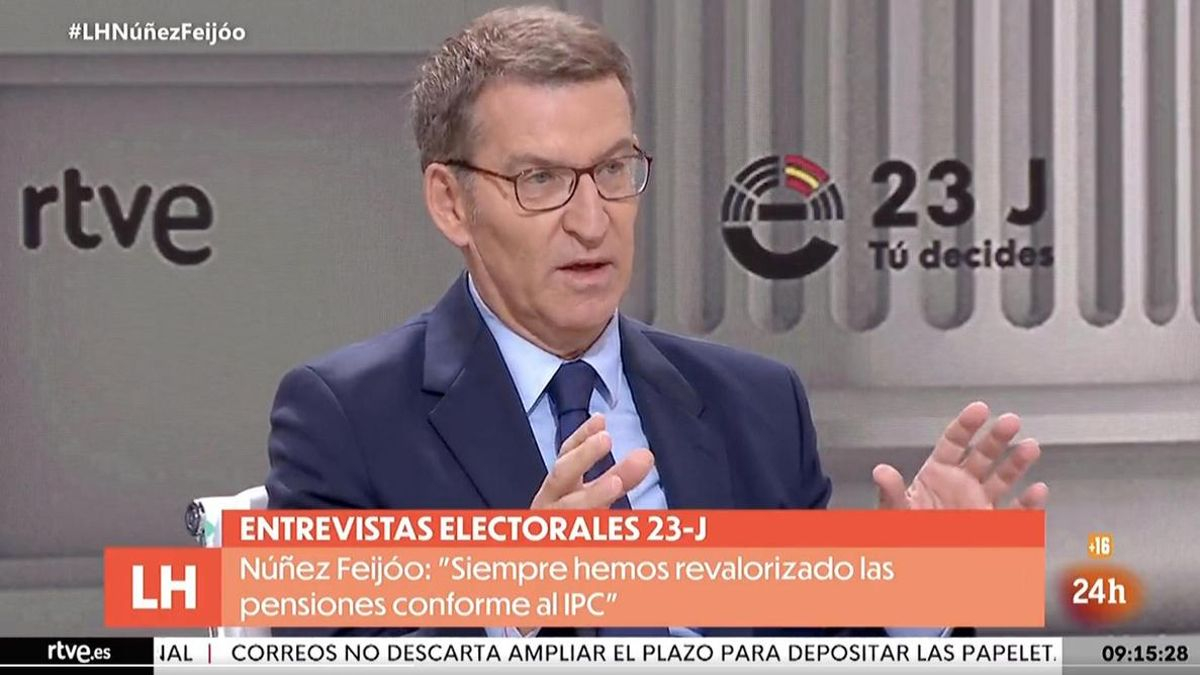
Jeffrey Chiquini stated that the reform of the Judiciary should eliminate political appointments to the higher courts. He said that a Judiciary made up of politicians in robes would not be independent and advocated for judicial independence as a condition for impartiality. Chiquini declared that, in the first week of the legislature, he would call public hearings to start discussions and present proposals for the reform of the justice system. According to him, entities from the sector, state and national associations of the judiciary, associations of the Public Prosecutor's Office, the Bar Association, and the Public Defender's Office would be invited. He also advocated for the appreciation of career judges, which he described as a right and a guarantee of society, and said that he would seek to restore legal security. #ReformaJudiciária #Justiça #IndependênciaJudiciária (translated)
2945
Observador 2d

The Portuguese parties are divided regarding the next European Union budget, with debates on increasing funds, criticism of the military budget, and concerns about sovereignty, as negotiations approach a decisive phase with a summit scheduled for next week. #OrçamentoUE #Soberania #NovasPrioridades (translated)

observador.pt
Partidos divididos sobre orçamento da UE
2831
LaVanguardia 2d

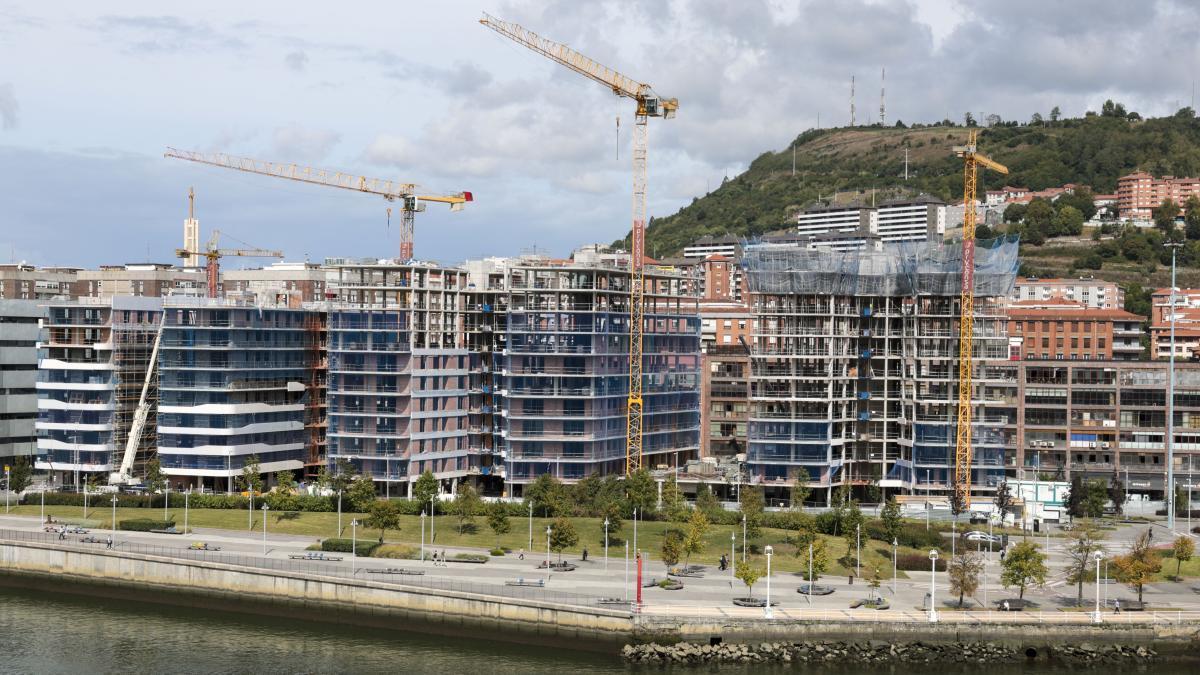
Access to housing has become the main problem in Spain, triggering early elections after two Decrees were rejected by Congress, while the debates focus on the lack of supply versus speculation as causes of the price increase. #Vivienda #CrisisInmobiliaria #España (translated)
www.lavanguardia.com
El problema de la vivienda en España
2796
eldiario.es 2d

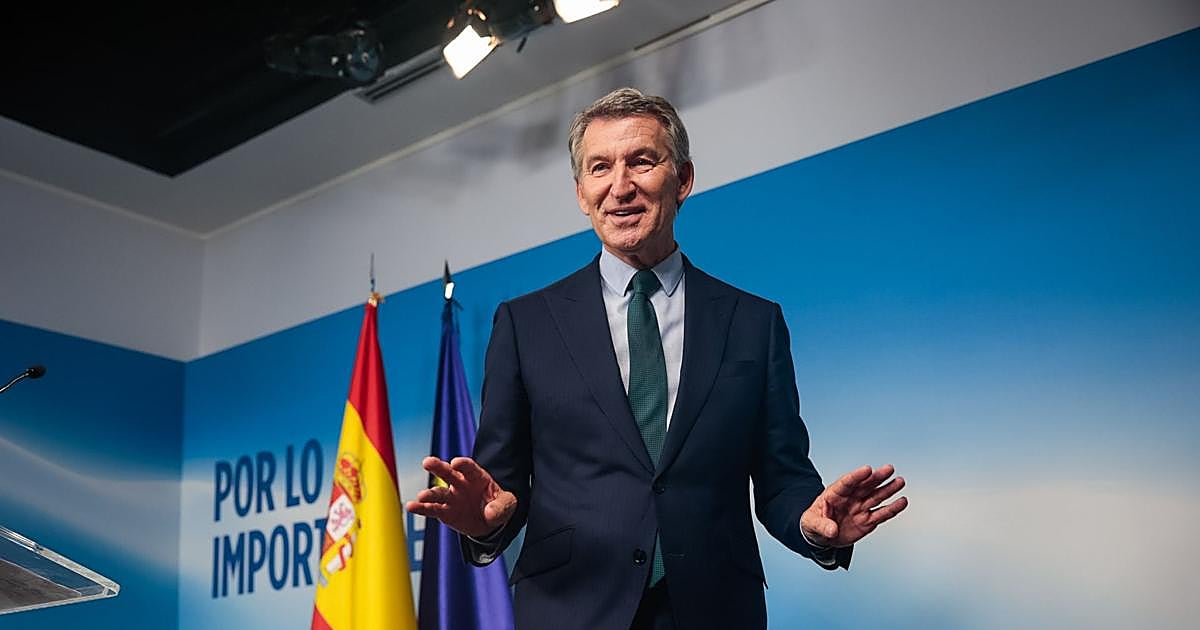
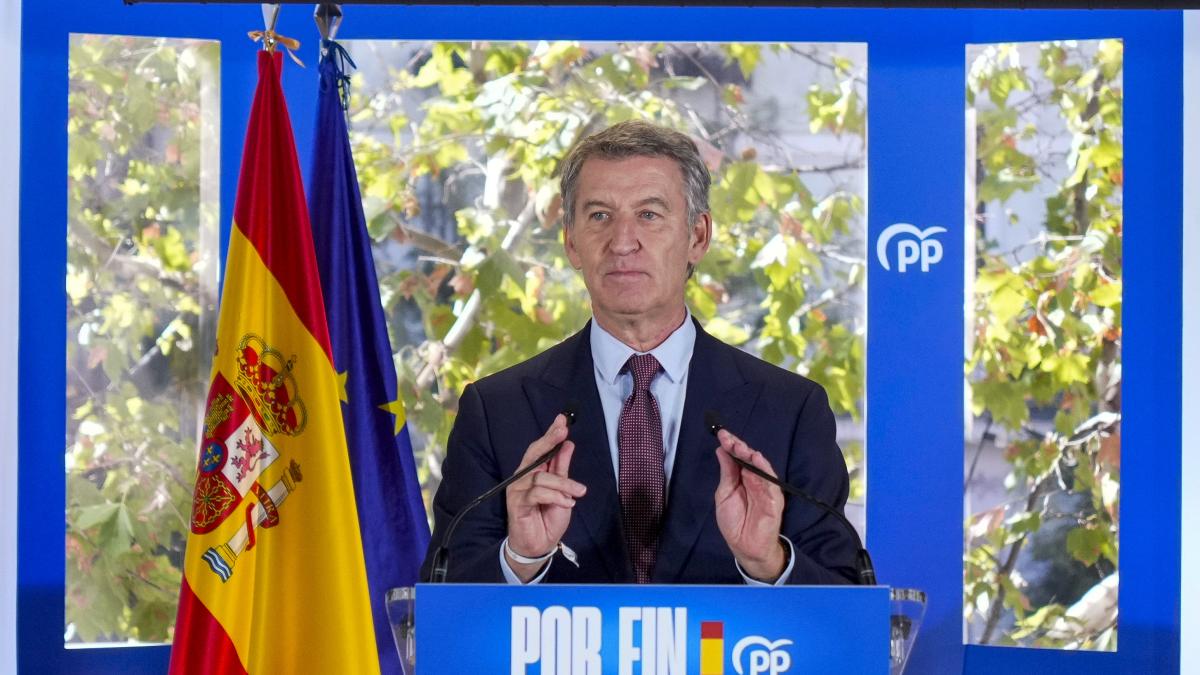
The article explores the hesitance of the PP candidate, Alberto Núñez Feijóo, ahead of the elections, highlighting his fear of debates and mail-in voting, in a context where citizen fervor for housing and rights could disrupt electoral forecasts. #Elecciones2026 #DerechosHumanos #ParticipaciónCiudadana (translated)

www.eldiario.es
Elecciones con el enemigo en casa
2952
Miguel Tellado 2d

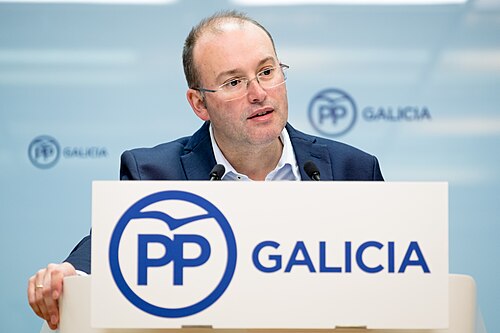
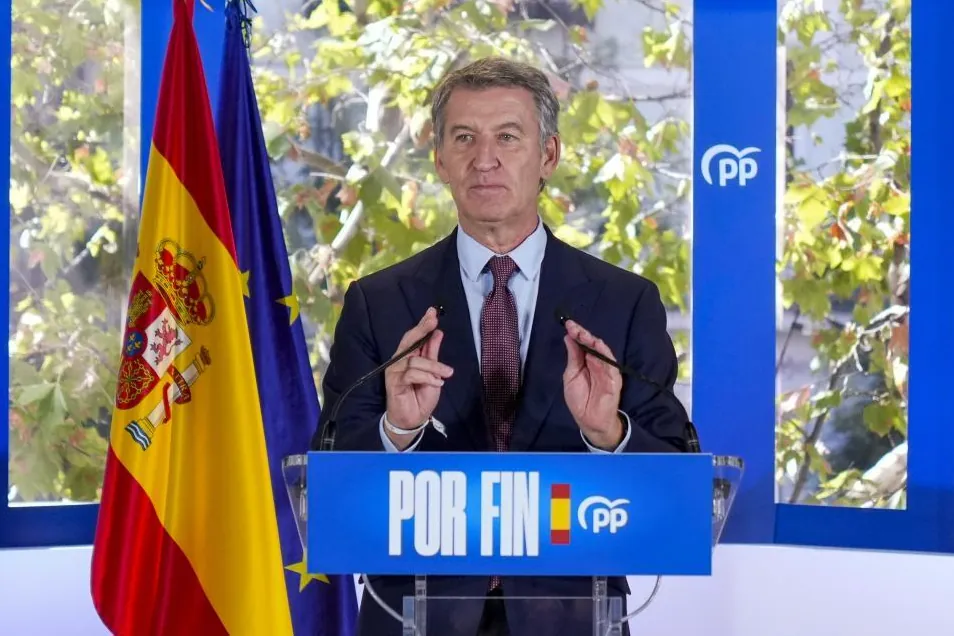
that the housing block in the debates has a special weight, a capital weight, to truly talk about an essential issue for the whole of Spanish society. This was announced yesterday by the Secretary General and campaign director of the PP, Miguel Tellado. Sánchez has aggravated that problem; the Spaniards know it, they hold him responsible, and that is why he is where he is in the surveys that we learn about every day. "Sánchez has aggravated that problem; the Spaniards know it, they hold him responsible, and that is why he is where he is in the surveys that we learn about every day," Tellado stated. #Vivienda #DebateElectoral #EleccionesEspaña (translated)

El PP quiere un bloque monográfico sobre vivienda en los debates electorales con Sánchez
www.elmundo.es
2889
E
EL MUNDO 2d

The People's Party proposes a monographic block on housing in the electoral debates with Pedro Sánchez, highlighting its intention to intensify the confrontation on this key issue for Spanish society. #Vivienda #DebateElectoral #EleccionesEspaña (translated)

www.elmundo.es
El PP quiere un bloque monográfico sobre vivienda en los debates electorales con Sánchez
2889
Rosa María Artal 2d

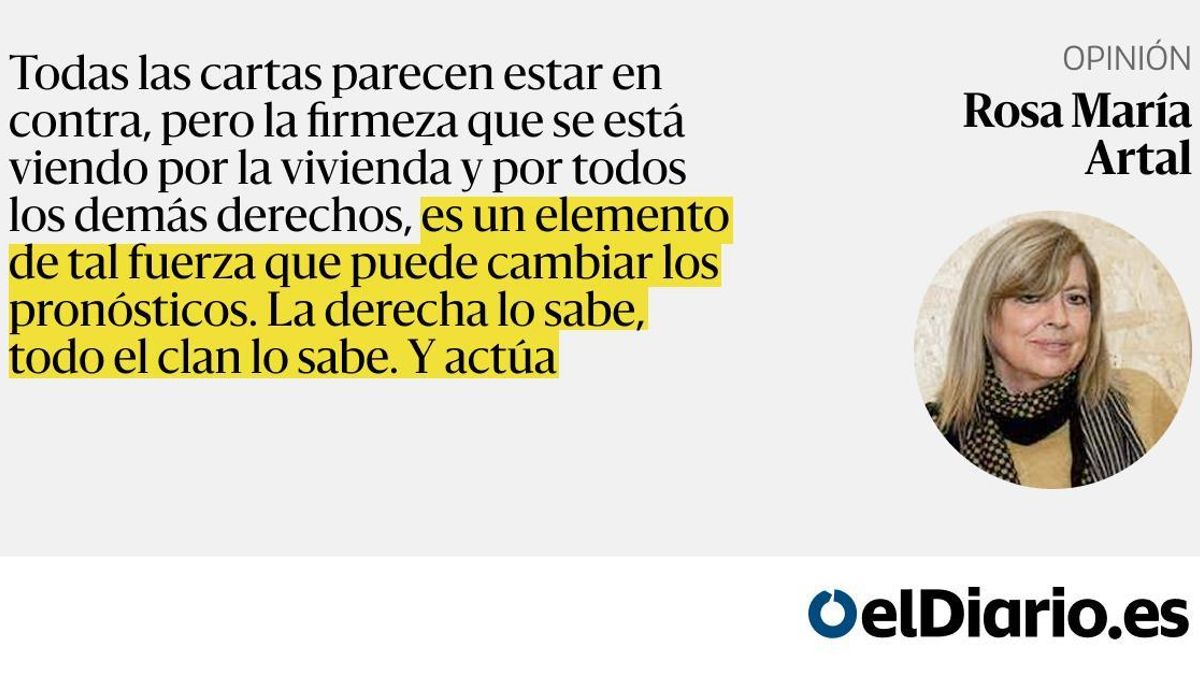
The publication described elections with opponents inside and outside the country and stated that, in principle, Feijóo had everything in his favor to win them. It also claimed that the PP candidate feared participating in debates moderated by journalists he did not choose and that he feared fraud in mail-in voting. (translated)

2891
Miguel Tellado 2d

"If RTVE complies with this premise, Feijóo will go," emphasizes the PP, who also reminds that the general secretary and campaign director, Miguel Tellado, has already expressed this position to the media groups through a letter sent this morning. #DebatesElectorales #PartidoPopular #AlbertoNúñezFeijóo (translated)

El PP acepta tres debates electorales y pone condiciones a RTVE para entrevistar a Feijóo
www.abc.es
3119
ABC TU DIARIO EN ESPAÑOL 2d

The Popular Party has agreed to participate in three electoral debates and has requested that interviews with its president, Alberto Núñez Feijóo, be conducted by internal professionals from RTVE instead of external production companies. #DebatesElectorales #PartidoPopular #AlbertoNúñezFeijóo (translated)

www.abc.es
El PP acepta tres debates electorales y pone condiciones a RTVE para entrevistar a Feijóo
3119
El Español 2d

The PP agrees to participate in three television debates during the electoral pre-campaign, but demands that interviews with its leader, Alberto Núñez Feijóo, are conducted by professionals from RTVE in self-produced spaces. #DebateElectoral #EleccionesGenerales #PedroSánchez (translated)

www.elespanol.com
El PP acepta tres debates en televisión y exige a TVE que la entrevista a Feijóo la hagan trabajadores de informativos
3009
Vinicius Carrion 3d

Vinicius Carrion stated that the only narrative against Flávio had been "buried" and said that Lula would have no more arguments for the second round debates, predicting that he would have to flee again. https://t.co/Xvqz0EFXbZ #Eleições2022 #Lula #Flávio (translated)

2898
E
EL MUNDO 3d

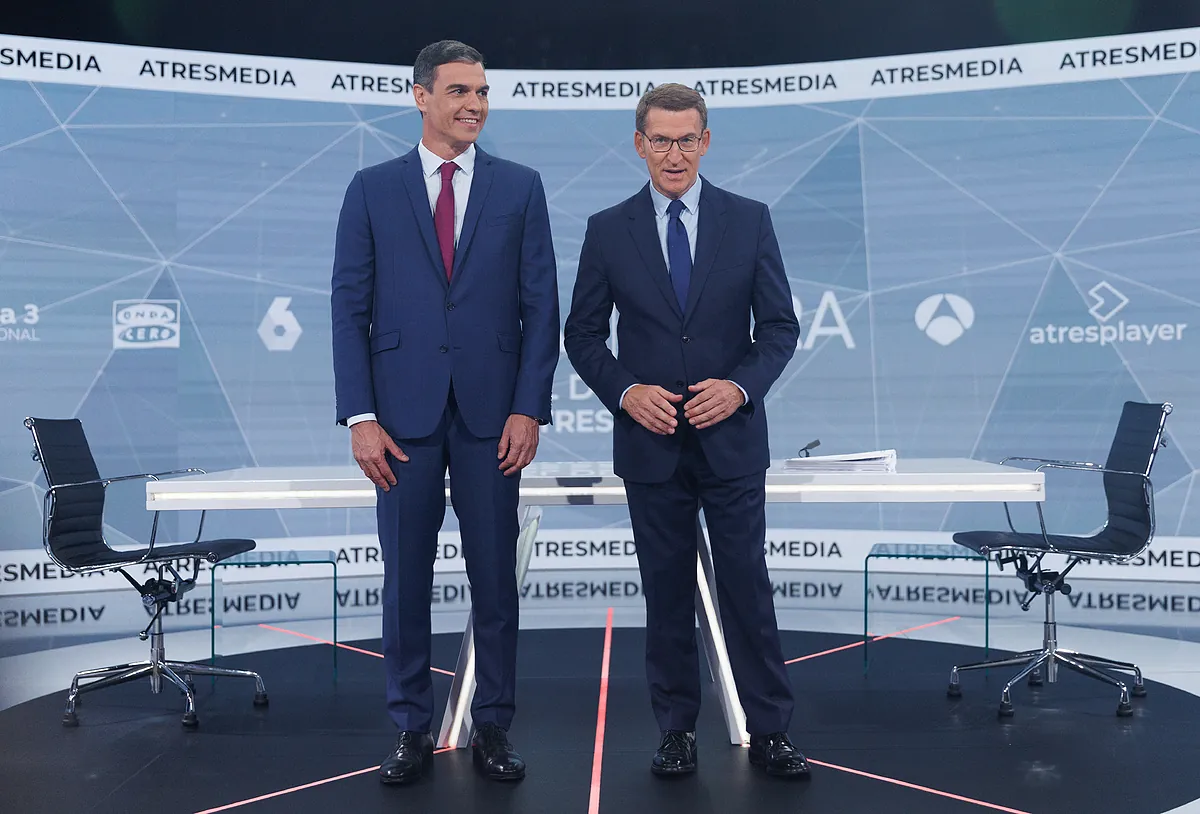
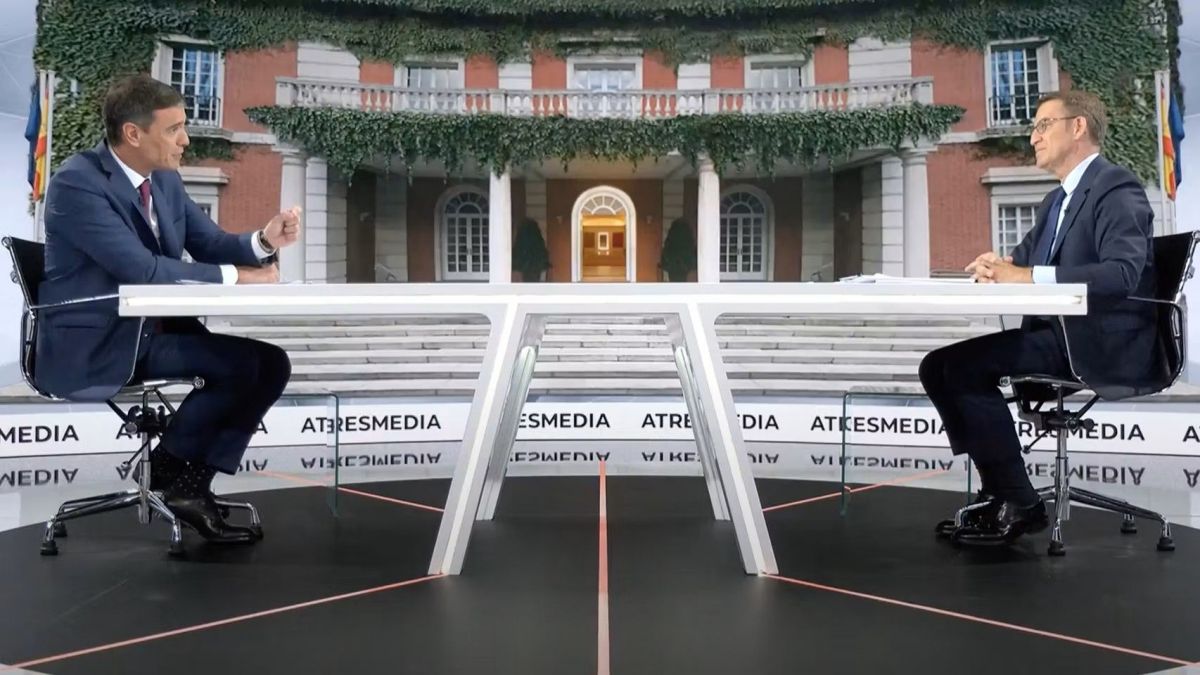
Alberto Núñez Feijóo agrees to participate in two electoral debates with Pedro Sánchez, including a face-to-face on November 16, while rejecting to debate on TVE because he considers it biased. #EleccionesGenerales #DebatesElectorales #PartidoPopular (translated)

www.elmundo.es
Feijóo acepta dos debates con Sánchez, incluido un cara a cara, y a TVE le concede sólo una entrevista
3125
eldiario.es 3d

The PP has proposed the holding of three electoral debates for November 29, including a 'face-to-face' debate between Alberto Núñez Feijóo and Pedro Sánchez, a four-way debate with Vox and the new Broad Front, and another one with spokespersons, also rejecting interviews on RTVE conducted by external producers. #DebateElectoral #AlbertoNúñezFeijóo #EleccionesGenerales2026 (translated)

www.eldiario.es
El PP plantea un 'cara a cara' de Feijóo y Sánchez, un debate a cuatro y otro de portavoces para el 29N
3014
LaVanguardia 3d

Alberto Núñez Feijóo proposes a face-to-face meeting with Pedro Sánchez on November 16 on Mediaset and accepts two additional debates, while conditioning his participation in an interview on RTVE to guaranteeing a space for original production due to the perceived bias of the channel. #DebatesElectorales #Feijóo #Sánchez (translated)

www.lavanguardia.com
Feijóo propone un cara a cara con Sánchez el 16 de noviembre en Mediaset
3014