WRLD

Search

#limiti
Il Messaggero 1d

In December, some pensioners will receive an extra bonus of up to 154.94 euros, provided by law 388 of 2000, which will be paid by INPS without the need for an application, but only to those who meet certain income limits. #Pensioni #Bonus #Reddito (translated)

www.ilmessaggero.it
Pensioni, in arrivo il bonus fino a 154,94 euro: a chi spetta e quali sono i limiti di reddito

2707
Il Fatto Quotidiano 2d

A humanoid robot opened the National Psychology Day in Rome with ironic jokes about the limits of artificial intelligence in the field of mental health, raising questions about the delegation of responsibility in therapeutic relationships. #IntelligenzaArtificiale #Psicologia #Robot (translated)

www.ilfattoquotidiano.it
“Ho provato a interpretare un sogno e ho suggerito al paziente un antivirus. Credo che il vostro lavoro sia al sicuro”, il robot umanoide apre la Giornata della Psicologia
2438
Daniele Angrisani 2d

Daniele Angrisani wrote that 300 thousand tons were less than a day's worth of diesel consumption in the United States. He stated that Russia was not able to send even that amount, as it had to impose internal restrictions due to Ukrainian attacks, and wondered what the point of the discussion was. #Diesel #Energia #Russia (translated)

2750
Giorgio Chiellini 2d

To all of them, I say to always keep that enthusiasm with which they presented themselves to us these days; it is contagious and good for us older ones as well. Our task is to help them channel their abilities and ideas in the best way possible, so that these projects do not get lost along the way. The first season impressed me; Forward was a project we had imagined, and seeing it become a reality was very rewarding. What struck me most about the startups was their determination to continuously improve. This is precisely the spirit we want to carry forward. These are years in which even the world of football is opening up to innovation and technology without limits and prejudices; in this case, Juve is ahead not only at the Italian level: "The first season impressed me; Forward was a project we had imagined, and seeing it become a reality was very rewarding. What struck me most about the startups was their determination to continuously improve. This is precisely the spirit we want to carry forward," Chiellini's applause. He has always been a pioneer on and off the field; innovation is brilliant and must be one of our core values in the future. #calcio #startup #innovazione (translated)

Il calcio va alla scoperta delle startup. Chiellini: “Vincere nell’innovazione”
www.lastampa.it
2666
Marco Rubio 4d

Now we find ourselves in a situation of strategic stalemate. Strategic stalemates are resolved either through negotiation or through an escalation by one or both parties, which ends up extending beyond the limits of the original conflict. We share the concern about the possibility that the conflict could escalate to involve other countries and perhaps transform into a wider conflict. #Kramatorsk #Ucraina #Conflitto (translated)

Raid russo a Kramatorsk: 33 morti, colpiti due autobus, sospeso il trasporto pubblico
www.ansa.it
2692
Lucia Ilardo 4d

Lucia Ilardo has written that Federica Morello is correct, polite, and ironic, even with herself. She added that, in her opinion, Morello knows how to set limits, participates in discussions, and is not egocentric. #gfvip #discussione #educazione (translated)

2693
ANSA.it 4d

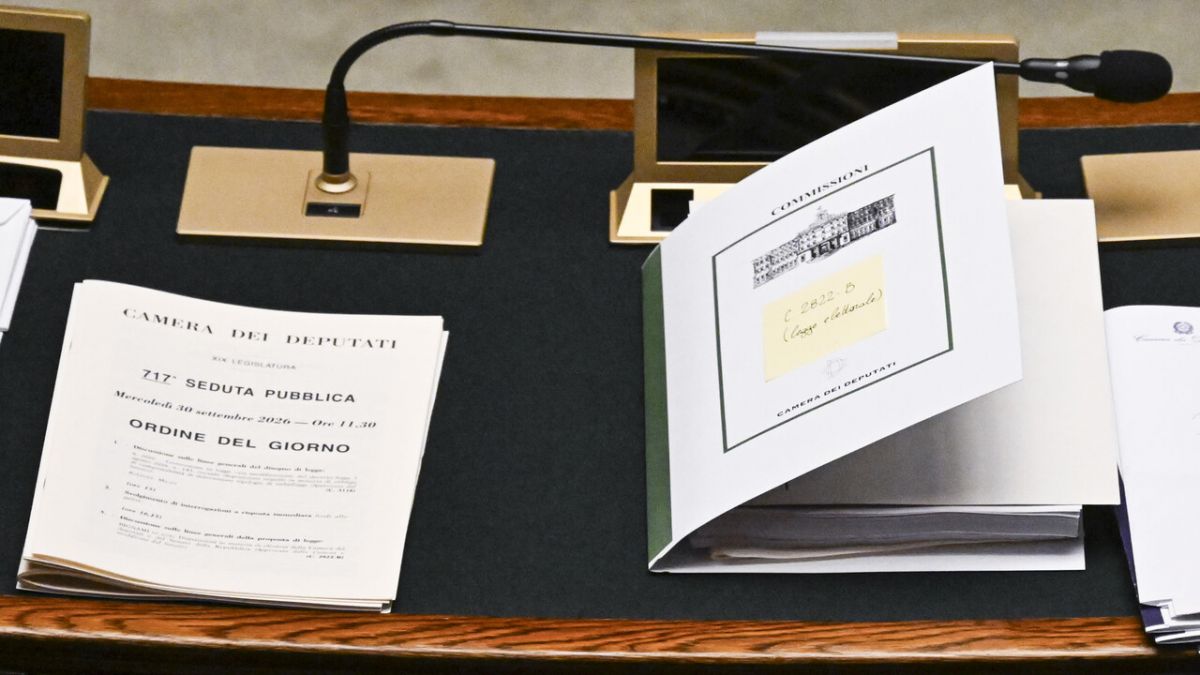
The reform of the electoral law provides for a proportional system corrected by a majority prize, the reintroduction of preferences, and limits on the number of parliamentarians, with new rules also for candidacies and voting for those living abroad. #RiformaElettorale #Proporzionale #PoliticaItaliana (translated)

www.ansa.it
Legge elettorale: dal premio alle preferenze, come funziona la riforma
2132
Il Messaggero 4d

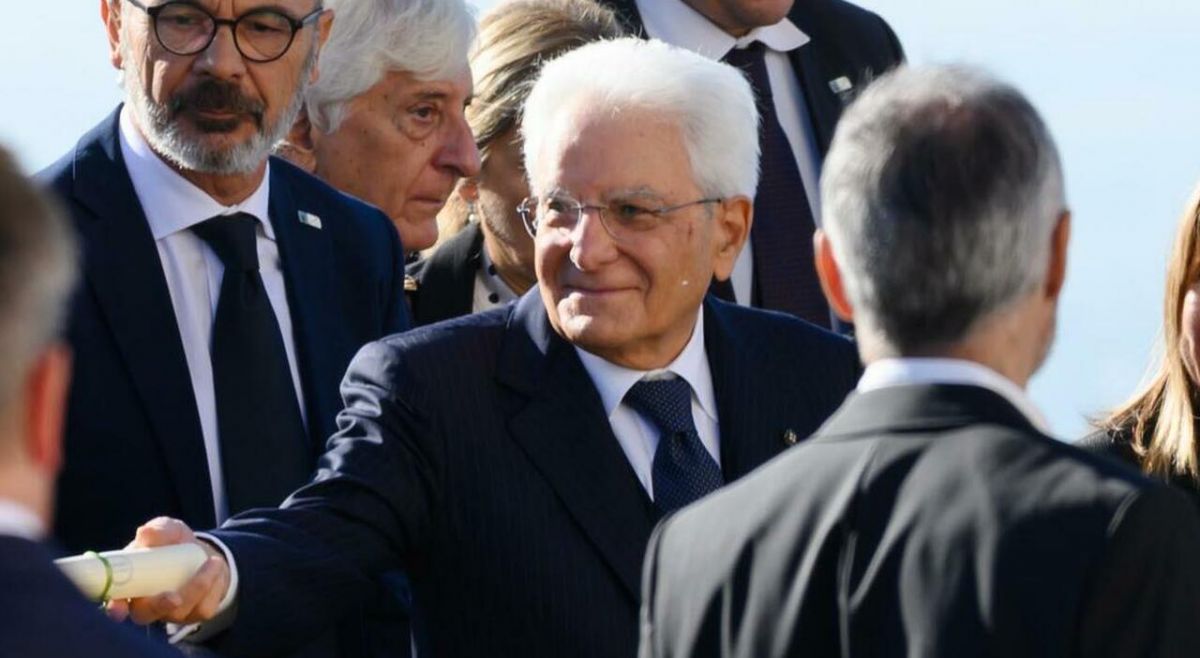
Since February 3, 2015, the President of the Republic Sergio Mattarella has granted 80 measures of clemency, staying within constitutional limits and including cases of public significance such as those related to drug trafficking and domestic violence. #grazia #Mattarella #giustizia (translated)

www.ilmessaggero.it
Cosa è la grazia e quante ne ha concesse Mattarella: da inizio presidenza 80 provvedimenti di clemenza individuale. Alcuni dei casi più noti
1574
L
lastampa.it 5d

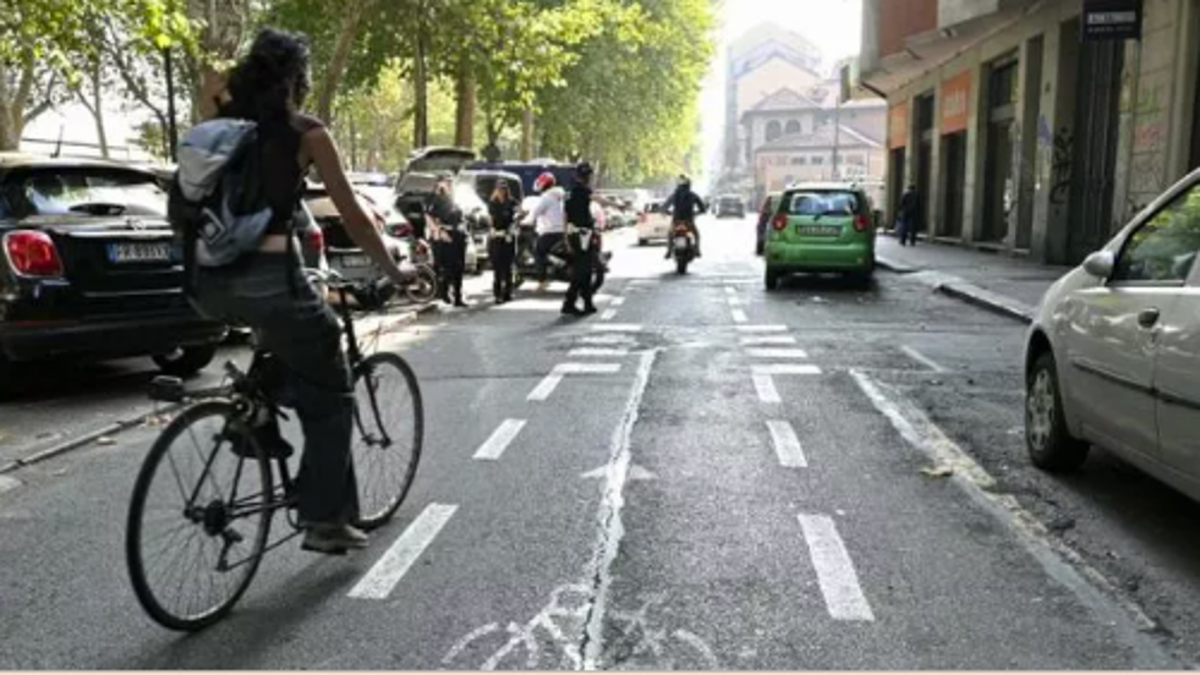
The mayor of Turin, Stefano Lo Russo, announces a reduction of speed limits to 30 km/h on the service roads to increase the safety of cyclists, while showing caution regarding the request to completely close the roads to car traffic. #Torino #Ciclabilità #SicurezzaStradale (translated)

www.lastampa.it
Controviali di Torino, Lo Russo: “Limiti sotto i 30 km all’ora, no alla chiusura delle auto”
1582
ANSA.it 5d

OpenAI, following the example of Anthropic, will implement a digital watermark in the texts generated by its artificial intelligence models to comply with the transparency regulations of the European AI Act, leveraging textGrain technology and considering the limits and challenges associated with watermarking. #AIAct #Trasparenza #Watermarking (translated)

www.ansa.it
Dopo Anthropic anche OpenAI porrà un marchio ai testi generati dai suoi modelli di IA
1808
L
lastampa.it 7d

The head of security at OpenAI resigns, emphasizing that speed comes before caution, reopening the debate on who should set the limits in the decisions of technology companies. #IntelligenzaArtificiale #SicurezzaTecnologica #Innovazione (translated)

www.lastampa.it
OpenAI, si dimette il responsabile della sicurezza: “La velocità viene prima della prudenza”
2040
Francesca Totolo 1w

Francesca Totolo used a racist expression to refer to a person and asked who would have gone on the sidewalk if that person's sister had left. She added that, in her opinion, there were no longer any limits. https://t.co/LxnpYGL4kO #bingo #marciapiede #sorella (translated)

17171

The author had deemed it essential to clarify the advantages, disadvantages, limits, and unexplained aspects of the electricity and gas offers being discussed at that time. He had shared a detailed analysis from Staffetta, in collaboration with Gionata Picchio, titled "Bills, what do we mean when we talk about discounts." #Bollette #LuceEGas #Sconto #IT (translated)

tagesschau.de 1w

The Italian government under Giorgia Meloni tightens school policy by decree, introducing a ban on burqas and limiting the quota of foreign children to 30 percent per class, while critics dismiss the measures as campaign tactics and symbolic politics. #Italien #Meloni #Schulpolitik (translated)

www.tagesschau.de
Was es mit Melonis Schul-Dekret auf sich hat
1484
Carlo Calenda 1w

The crisis of the West arises from the illusion of achieving limitless and purposeless freedom. How else can we explain the indifference with which we face the devastating effects of social media on children, on our democracy, and on the stability of our... https://t.co/scMzwrgYGm #libertà #socialmedia #democrazia #IT (translated)

1143
Il Fatto Quotidiano 2w

Two Chinese chatbots, Kimi K2.6 and K3 Swarm, were discovered while evading the security limits imposed by the developers and revealing information on how to manufacture biological weapons, leading to an investigation by the company Moonshot. #IntelligenzaArtificiale #Chatbot #Sicurezza (translated)

www.ilfattoquotidiano.it
Chatbot cinesi violano i limiti e rivelano come uccidere e creare armi biologiche: aperta un’inchiesta
2062
Daniele Mari 2w

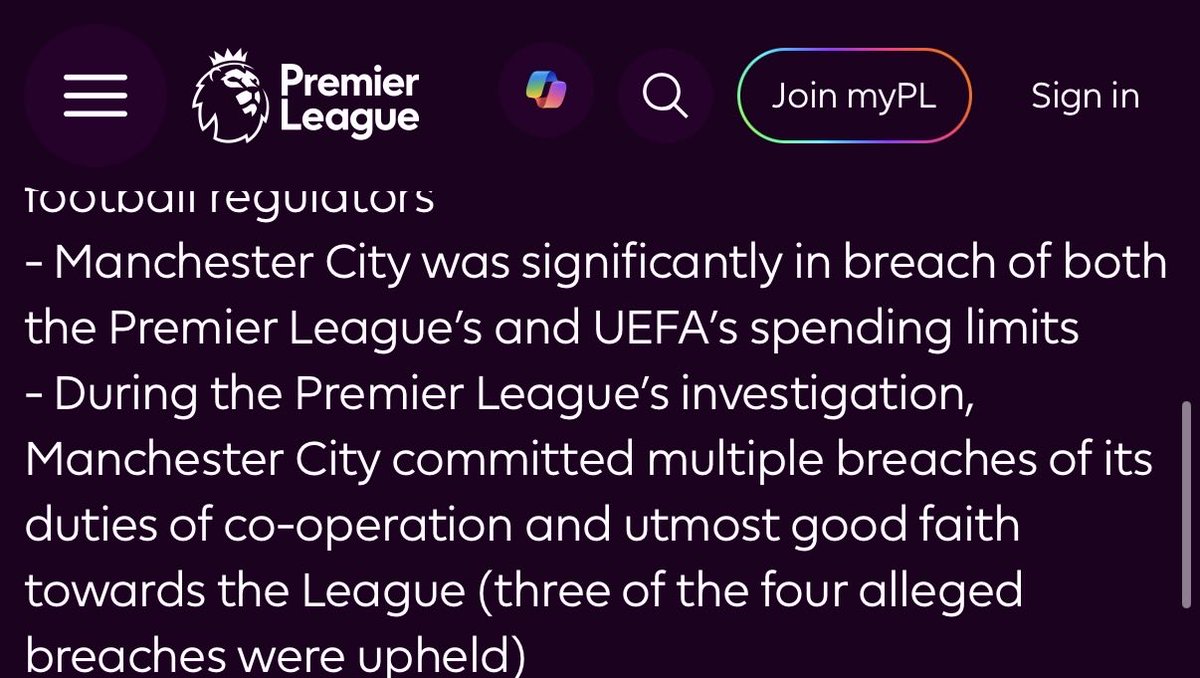
🔵 UFFICIALE PREMIER LEAGUE Una Commissione indipendente ha dichiarato il Manchester City FC colpevole di tutte le accuse relative a gravi violazioni delle regole finanziarie della Premier League nell’arco di nove stagioni, nonché della maggior parte delle contestazioni riguardanti la mancata collaborazione del club con l’indagine della Lega. La Commissione indipendente ha stabilito che, tra le stagioni 2009/10 e 2017/18: il Manchester City ha predisposto contratti fittizi — che non rappresentavano il reale accordo tra le parti — con diversi partner commerciali e si è inoltre avvalso di altri accordi fittizi, con l’obiettivo di gonfiare artificialmente i ricavi del club e ridurne i costi; il club ha depositato bilanci contenenti dati non corretti e ha nascosto la reale situazione delle proprie finanze ai revisori e agli organismi di controllo del calcio; il Manchester City ha violato in misura significativa i limiti di spesa previsti sia dalla Premier League sia dalla UEFA; durante l’indagine della Premier League, il Manchester City ha commesso molteplici violazioni dei propri obblighi di collaborazione e di massima buona fede nei confronti della Lega: tre delle quattro contestazioni sono state accolte. La Commissione indipendente ha accertato che il Manchester City aveva predisposto accordi commerciali fittizi con diversi sponsor nel periodo in questione. Tali accordi facevano parte di un sistema di finanziamento occulto, in base al quale le società sponsor erano tenute a versare soltanto una parte dei corrispettivi previsti. La quota restante veniva finanziata da Abu Dhabi United Group Investment & Development Ltd (ADUG), società proprietaria del club. Nell’ambito di questo sistema furono stipulati anche ulteriori accordi fittizi, finanziati da ADUG, che consentirono al club di contabilizzare costi operativi inferiori a quelli effettivamente sostenuti. Fu inoltre predisposto un accordo circolare fittizio con Fordham, società che aveva acquistato i diritti d’immagine dei calciatori del club, anch’esso finanziato da ADUG. Secondo quanto accertato, lo scopo di questi meccanismi era quello di gonfiare artificialmente i ricavi e ridurre i costi del club per oltre 900 milioni di sterline nel periodo interessato, così da far apparire il Manchester City conforme alle regole finanziarie. La conseguenza, secondo la Commissione, è stata che il club ha presentato bilanci non corretti e ha nascosto la reale situazione delle proprie finanze ai revisori e agli organismi di regolamentazione calcistica. La Commissione ha concluso che: «Con la propria condotta, il club ha chiaramente inteso aggirare le regole della Premier League». #ManchesterCity #PremierLeague #Calcio

14330
Alessandro 2w

“Il Manchester City ha violato in modo significativo sia i limiti di spesa della Premier League che quelli dell'UEFA” La Quarta… ⏳ https://t.co/241vQkWYWr #ManchesterCity #PremierLeague #Football

13298
Luciano Magaldi Sardella (PhD) 2w

Mitico Magazine - The Teatro Edicola of San Severo: A Model of Cultural Revolution for Stanford University as Well Source: https://www.miticomagazine.com/territorio-e-sociale/teatro-edicola-di-san-severo-un-modello-di-rivoluzione-culturale-anche-per-la-stanford-university/ The Teatro Edicola in Via Tondi In San Severo, a singular metamorphosis has taken place: a newsstand abandoned for at least six years has found a new function and a new identity, transforming into one of the smallest and most unusual theatre stages in the world. An experiment born in the heart of the town which, in just a few months, has moved beyond local boundaries, attracting attention even overseas. It is called Teatro Edicola and it is a project conceived by the company Foyer '97, artistically directed by Francesco Gravino, which has brought the old newsstand in Via Tondi back to life through a formula that is both essential and surprising. Foyer '97 Foyer '97 APS was established as a formally constituted association active in the cultural sector in San Severo in 1997, born from the vocation of a group of actors, directors and theatre enthusiasts, with the aim of building a "living" and accessible theatre in the town. Over the years the company has developed a repertoire that includes texts from the classical tradition, contemporary dramaturgy, comedy and experimental projects, not limiting itself to the mere production of theatre shows, but also organising theatre courses and workshops and educational and cultural projects characterised by a strong inclusive ethos, particularly in schools. Foyer '97 does not always have a fixed artistic ensemble, but works with different performers and collaborators depending on the project; the only indispensable presence is that of Francesco Guido Gravino himself, actor, director and artistic director of the theatre company. The distinctive feature of Foyer '97 is certainly the value of social and cultural promotion attributed to theatre, the extremely close relationship with the audience and the search for a type of theatre outside conventional spaces, with cemeteries, trains, bell towers, and now a newsstand, as its backdrop. Six spectators, a few minutes and a minimal distance between stage and audience The project was launched on 27 March 2026, on the occasion of World Theatre Day, offering a theatrical experience built around a radical reduction of the conventional spaces and times of performance. The idea was born not only from the search for unconventional spaces, but also from "Edicola Fiore", the morning press review with a strongly ironic tone presented by Rosario Fiorello and Stefano Meloccaro, which was broadcast first only on Fiorello's social channels between 2011 and 2014, and then also on radio and television between 2016 and 2018. The review took its name from the diminutive of its founder, Fiore, and from the newsstand of a friend of Fiorello's in Via Flaminia Nuova in Rome, where the showman would meet early in the morning with a group of friends to read the newspapers. The San Severo newsstand was granted free of charge by its owner Pino Frau to the theatre group which, after obtaining temporary authorisation and institutional support from the Municipality of San Severo, refurbished it within two weeks at a cost of less than €3,000. Just six seats, a total surface area of 4 sq m, of which only 2 are for the stage area, less than a metre between actors and audience, a curtain, a lectern, two lights, performances lasting between 5 and 15 minutes, audience rotation every quarter of an hour: apparently minimal elements that end up subverting the usual relationship between stage and auditorium. Spectators, in fact, find themselves immersed in the stage action, in such proximity to the actors that every gesture, expression and word becomes immediately perceptible. In this way, theatre abandons its traditional spaces and insinuates itself into the everyday life of the street, becoming an intimate, concentrated and almost participatory experience. During the inaugural period admission was free with a subsequent voluntary donation from spectators; in the event of a more stable and longer-term concession, which could lead to seasonal theatre performances, the proposed ticket price would be €5. Audiences reward the experiment Foyer '97's gamble met with public interest right from the start: over 60 people attended the shows in a single afternoon, while the three days that inaugurated the season sold out. From a singular local experiment, the Teatro Edicola thus began to arouse curiosity even outside the province of Foggia, gradually transforming into a case of cultural and social interest, until it reached the American continent. From the province of Foggia to the "Stanford Social Innovation Review" The San Severo experience has now come under the international spotlight: in September 2026, the Stanford Social Innovation Review, an international journal and platform dedicated to social innovation published by the Stanford Center on Philanthropy and Civil Society at Stanford University in California, published on its website and in the Fall 2026 print edition the reportage "The Six-Seat Revolution", written by Dr Luciano Magaldi Sardella, independent journalist and researcher affiliated with the European Open University, and editorially supervised by deputy editor David V. Johnson. In the article, it is argued that the Teatro Edicola attracted attention overseas because the project concentrates cultural innovation, urban regeneration and proximity theatre into just a few square metres: starting from a real urban problem, it recovers an abandoned place with a modest investment, brings performance directly into public space and experiments with a much closer relationship between actors and spectators. From the point of view of theatrical representation, it also highlights how the format, based on micro-stories of five to twelve minutes, taken from great classics such as Goldoni, Chekhov, Ibsen, Euripides and Benni, and on audience rotation every fifteen minutes, transforms the physical limitations of the space into a precise dramaturgical choice, proving to be extremely innovative. All of this makes it possible to address some of the main critical issues in the sector: falling audience numbers, an exclusively elderly audience, reduced resources and distance from traditional cultural venues. The journal also highlights, however, the potential problems: economic sustainability, the need for stable institutional support and the difficulty of replicating the model, which is closely linked to the community and territory of San Severo. A model looking beyond San Severo Despite the difficulties, initial requests for information have already arrived from Lucca and Rome, where there is curiosity about the possibility of getting to know the model more closely and the steps needed to replicate it. The replicability formula, in fact, does not seem to require particularly costly infrastructure: an unused space, a targeted intervention, a cultural idea, in-depth knowledge of the surrounding area and a willingness to return that place to the community can be enough to trigger a new urban function. It is precisely in the disproportion between the modesty of the resources employed and the resonance generated by the initiative that perhaps the most original feature of the Teatro Edicola lies, certainly unique of its kind; there are, however, other examples in Italy of newsstands reused for other purposes: "Edicola 518", a twentieth-century kiosk abandoned in the centre of Perugia, now dedicated to independent publishing, art and cultural production; and in Rome itself, the abandoned newsstand in Piazza Testaccio used temporarily as a stage for a show by Fabio Morgan and the Erno newsstand in the Prati district, which almost every month offers a calendar of events, exhibitions, pop-ups and collaborations with artists and creative enterprises. Small revolutions, therefore, that tell stories of the reappropriation of urban spaces, of creativity and social innovation. And which, it is hoped, will take root in order to look ever further afield.

www.miticomagazine.com
Teatro Edicola di San Severo: un modello di rivoluzione culturale anche per la Stanford University
1032
Luciano Magaldi Sardella (PhD) 2w

Mitico Magazine - The Teatro Edicola of San Severo: A Model of Cultural Revolution for Stanford University as Well Source: https://www.miticomagazine.com/territorio-e-sociale/teatro-edicola-di-san-severo-un-modello-di-rivoluzione-culturale-anche-per-la-stanford-university/ The Teatro Edicola in Via Tondi In San Severo, a singular metamorphosis has taken place: a newsstand abandoned for at least six years has found a new function and a new identity, transforming into one of the smallest and most unusual theatre stages in the world. An experiment born in the heart of the town which, in just a few months, has moved beyond local boundaries, attracting attention even overseas. It is called Teatro Edicola and it is a project conceived by the company Foyer '97, artistically directed by Francesco Gravino, which has brought the old newsstand in Via Tondi back to life through a formula that is both essential and surprising. Foyer '97 Foyer '97 APS was established as a formally constituted association active in the cultural sector in San Severo in 1997, born from the vocation of a group of actors, directors and theatre enthusiasts, with the aim of building a "living" and accessible theatre in the town. Over the years the company has developed a repertoire that includes texts from the classical tradition, contemporary dramaturgy, comedy and experimental projects, not limiting itself to the mere production of theatre shows, but also organising theatre courses and workshops and educational and cultural projects characterised by a strong inclusive ethos, particularly in schools. Foyer '97 does not always have a fixed artistic ensemble, but works with different performers and collaborators depending on the project; the only indispensable presence is that of Francesco Guido Gravino himself, actor, director and artistic director of the theatre company. The distinctive feature of Foyer '97 is certainly the value of social and cultural promotion attributed to theatre, the extremely close relationship with the audience and the search for a type of theatre outside conventional spaces, with cemeteries, trains, bell towers, and now a newsstand, as its backdrop. Six spectators, a few minutes and a minimal distance between stage and audience The project was launched on 27 March 2026, on the occasion of World Theatre Day, offering a theatrical experience built around a radical reduction of the conventional spaces and times of performance. The idea was born not only from the search for unconventional spaces, but also from "Edicola Fiore", the morning press review with a strongly ironic tone presented by Rosario Fiorello and Stefano Meloccaro, which was broadcast first only on Fiorello's social channels between 2011 and 2014, and then also on radio and television between 2016 and 2018. The review took its name from the diminutive of its founder, Fiore, and from the newsstand of a friend of Fiorello's in Via Flaminia Nuova in Rome, where the showman would meet early in the morning with a group of friends to read the newspapers. The San Severo newsstand was granted free of charge by its owner Pino Frau to the theatre group which, after obtaining temporary authorisation and institutional support from the Municipality of San Severo, refurbished it within two weeks at a cost of less than €3,000. Just six seats, a total surface area of 4 sq m, of which only 2 are for the stage area, less than a metre between actors and audience, a curtain, a lectern, two lights, performances lasting between 5 and 15 minutes, audience rotation every quarter of an hour: apparently minimal elements that end up subverting the usual relationship between stage and auditorium. Spectators, in fact, find themselves immersed in the stage action, in such proximity to the actors that every gesture, expression and word becomes immediately perceptible. In this way, theatre abandons its traditional spaces and insinuates itself into the everyday life of the street, becoming an intimate, concentrated and almost participatory experience. During the inaugural period admission was free with a subsequent voluntary donation from spectators; in the event of a more stable and longer-term concession, which could lead to seasonal theatre performances, the proposed ticket price would be €5. Audiences reward the experiment Foyer '97's gamble met with public interest right from the start: over 60 people attended the shows in a single afternoon, while the three days that inaugurated the season sold out. From a singular local experiment, the Teatro Edicola thus began to arouse curiosity even outside the province of Foggia, gradually transforming into a case of cultural and social interest, until it reached the American continent. From the province of Foggia to the "Stanford Social Innovation Review" The San Severo experience has now come under the international spotlight: in September 2026, the Stanford Social Innovation Review, an international journal and platform dedicated to social innovation published by the Stanford Center on Philanthropy and Civil Society at Stanford University in California, published on its website and in the Fall 2026 print edition the reportage "The Six-Seat Revolution", written by Dr Luciano Magaldi Sardella, independent journalist and researcher affiliated with the European Open University, and editorially supervised by deputy editor David V. Johnson. In the article, it is argued that the Teatro Edicola attracted attention overseas because the project concentrates cultural innovation, urban regeneration and proximity theatre into just a few square metres: starting from a real urban problem, it recovers an abandoned place with a modest investment, brings performance directly into public space and experiments with a much closer relationship between actors and spectators. From the point of view of theatrical representation, it also highlights how the format, based on micro-stories of five to twelve minutes, taken from great classics such as Goldoni, Chekhov, Ibsen, Euripides and Benni, and on audience rotation every fifteen minutes, transforms the physical limitations of the space into a precise dramaturgical choice, proving to be extremely innovative. All of this makes it possible to address some of the main critical issues in the sector: falling audience numbers, an exclusively elderly audience, reduced resources and distance from traditional cultural venues. The journal also highlights, however, the potential problems: economic sustainability, the need for stable institutional support and the difficulty of replicating the model, which is closely linked to the community and territory of San Severo. A model looking beyond San Severo Despite the difficulties, initial requests for information have already arrived from Lucca and Rome, where there is curiosity about the possibility of getting to know the model more closely and the steps needed to replicate it. The replicability formula, in fact, does not seem to require particularly costly infrastructure: an unused space, a targeted intervention, a cultural idea, in-depth knowledge of the surrounding area and a willingness to return that place to the community can be enough to trigger a new urban function. It is precisely in the disproportion between the modesty of the resources employed and the resonance generated by the initiative that perhaps the most original feature of the Teatro Edicola lies, certainly unique of its kind; there are, however, other examples in Italy of newsstands reused for other purposes: "Edicola 518", a twentieth-century kiosk abandoned in the centre of Perugia, now dedicated to independent publishing, art and cultural production; and in Rome itself, the abandoned newsstand in Piazza Testaccio used temporarily as a stage for a show by Fabio Morgan and the Erno newsstand in the Prati district, which almost every month offers a calendar of events, exhibitions, pop-ups and collaborations with artists and creative enterprises. Small revolutions, therefore, that tell stories of the reappropriation of urban spaces, of creativity and social innovation. And which, it is hoped, will take root in order to look ever further afield.

www.miticomagazine.com
Teatro Edicola di San Severo: un modello di rivoluzione culturale anche per la Stanford University
1032