WRLD

Search

#mondo
Luciano Magaldi Sardella (PhD) 58m

LETTERE MERIDIANE — “TEATRO-EDICOLA” OF SAN SEVERO CONQUERS THE WORLD SOURCE: https://www.letteremeridiane.org/2026/10/il-teatro-edicola-di-san-severo-conquista-il-mondo/?fbclid=IwY2xjawU4oqFleHRuA2FlbQIxMQBwZG9mAXNydGMGYXBwX2lkEDIyMjAzOTE3ODgyMDA4OTIAAR5rVEwYs6UUXg7v-P0SyIQ_DRb_F6ZiY58OcseYoV4J7atcTiERnhWaqKM2pw_aem_Njle1jq1XLzHr93KLBUcVA After “Broadway World”, the “Los Angeles Journal”, “The Psychologist (British Psychological Association)” and Hollywood Beat Magazine, its “academic consecration” has now arrived courtesy of Stanford University. As I have already emphasised in my article on the revival of the GIO Festival in Foggia, celebrated by BroadwayWorld for the world stage premiere of the Giordano’s opera Marina (1888), the province of Foggia has long ceased to be peripheral. It happens when it finds an idea that shifts the coordinates: well, in San Severo, 40 kilometres from Foggia, it has happened again. Only this time an orchestra was not needed; six chairs were enough. The celebrated Teatro-Edicola of San Severo artistic director Francesco Gravino of the theatre company Foyer ’97 has been featured in the academic journal “Stanford Social Innovation Review (SSIR)” as an academic case study. The news, relayed on 19 September 2026 by ANSA Nazionale, looked like a misprint. Then it became clear that it was not. SSIR, an award-winning publication covering multisectoral solutions to global problems, included the project in its Dispatches section with the reportage “The Six-Seat Revolution”. It is the inverse trajectory to that of the GIO Festival: not a forgotten opera returning to a grand historic Italian horseshoe theatre, but an entire theatre reborn inside a disused place, forgotten by man. There are moments when past and future intertwine to create something visionary, innovative, artistically “revolutionary”: San Severo experienced one of those moments on the morning of 27 March 2026, during World Theatre Day, when the shutter of a newsstand closed for six years in Via Matteo Tondi was reopened “not to sell newspapers, but to offer stirring stories”, to quote Gravino’s motto. The idea of the visionary Francesco Gravino, artistic director, stage director and actor of the San Severo company Foyer ’97, active for at least 30 years in Capitanata, centred on the kiosk, hexagonal in metal and glass, granted free of charge by its owner Pino Frau, by now an urban relic created by the publishing crisis of the early 2000s: today in Italy active newsstands have fallen from about 35,000 in 2005 to about 20,000 in 2024, a decline of 42.8%. Gravino and eleven other actors restructured it in two weeks of work, without institutional funding, and transformed it into what is now under examination by the London commission of Guinness World Records as the “world’s smallest theatre”. The formula is deliberately austere: six spectators at a time outside, actors inside at less than a metre’s distance, 15-minute performances, continuous rotation from 11:00 to 20:45, texts ranging from Goldoni to Chekhov, from Ibsen to Dacia Maraini. On the door a QR code with an original theatrical warning: “Warning! This QR code transforms passers-by into actors. Scan only if ready.” The numbers immediately showed that it was no boutade: more than 60 people in a single afternoon, three inaugural days that sold out. But above all a positive echo that went beyond the borders of San Severo. “Broadway World” (just as in the previous case of the GIO Festival), the world’s most influential theatre criticism outlet with over 5.5 million monthly views, devoted exclusive coverage to it on 27 April 2026: “An Abandoned Italian Newsstand Just Became the World’s Smallest Theatre”. Not a mere listing, but an analysis: “There is no foyer, there is no balcony, there is no grid. There is barely a wing. What there is is something almost unrecognisable as an evening at the theatre, and for that very reason it is all the more powerful.” “Broadway World” captured Gravino’s manifesto idea: “This is a theatre of proximity. In an era of digital distance, we are putting human contact back at the centre,” framing it as “More than a clever exercise in site-specific theatre. It is a reappropriation.” All of this, in a Mezzogiorno of Italy often narrated only in terms of organised crime and marginalisation. To that seal of approval was added another, even more disorienting for a newsstand in San Severo: the “Los Angeles Journal”, one of the most influential publications on the West Coast for the performing arts. On 12 May 2026, it headlined thus: “San Severo’s Teatro-Edicola as an Innovative Model for Los Angeles Theaters?” opening as follows: “In a city in southern Italy that Hollywood has never heard of, a theatre director has just built the smallest stage in the world: six seats, fifteen minutes, zero distance. Los Angeles should pay attention.” The “Los Angeles Journal” does not indulge in folklore, but places the kiosk in Via Matteo Tondi alongside the prestigious 1,600-seat Ahmanson Theatre in Los Angeles, the Pantages of Broadway in Hollywood, the 99-seat plan of Rogue Machine, the Odyssey, the Victory Theatre and the Hollywood Fringe. It even recalls Ethan Marks’s Electrical Box Theatre, a veritable electrical box lined with red velvet in downtown Los Angeles, to argue that Gravino has taken to the extreme the question Los Angeles has been asking itself for decades: How small can a stage become before it ceases to be a stage? And it recognizes the San Severo urban model: almost zero cost, two weeks of work and six chairs, in return for immediate provincial, regional and national media coverage, recognition by the San Severo’s Municipal Administration, and a format exportable anywhere. Then, the third American piece came from “Hollywood Beat Magazine” on 20 April 2026: Six seats. Fifteen minutes. One actor. No stage. The magazine recounts the kiosk in Via Tondi left disused for almost six years, the contemporary six-seat cultural outpost, placing Francesco Gravino in a distinguished genealogy: Richard Schechner and environmental theatre, Jerzy Grotowski and poor theatre, Nicolas Bourriaud and relational aesthetics. But it closes with pragmatism: it is not a thesis, it is fixing a street corner, that is, repairing an urban street corner by asking not how large a theatre can become, but how small it must become again to recover its original power. And finally, the celebrated London-based “The Psychologist”, the journal of the “British Psychological Society (BPS)”, the oldest psychological society in the world, transformed the Teatro-Edicola into a scientific case study: on 30 July 2026 it published “The world’s smallest theatre — and Psychologists’ next act”, starting from the same detail, the morning of 27 March when the metal shutter of the hexagonal kiosk in Via Tondi reopened after six years, six people inside, an actor at less than a metre’s distance beginning Chekhov. It describes the formula: six spectators, 15 minutes, 11 actors over 10 hours, from Goldoni to Euripides, inside a kiosk where the fourth wall does not break because architecturally it never existed. But the BPS goes a step further: it cites the 2025 studies by Damien Gabriel in IBRO Neuroscience Reports, that live performance generates measurably stronger emotional and physiological activation than video, and introduces Edward Hall’s proxemics: below one metre is intimate space, reserved for doctors, close friends, lovers. In that one-square-metre space, the actor’s breath is audible, micro-expressions legible, the self-other boundary becomes permeable. The Teatro-Edicola “does not make theatre better, it makes it inevitable”. And it is here that one understands why Stanford is studying it as an academic case study in social innovation, not as a case of artistic originality. In Italy, meanwhile, the national media circuit had already picked up the phenomenon: RaiNews — TG2 Storie brought it to RaiDue at midnight on 19 April. RTL 102.5 devoted space to the format conceived by Gravino and developed by Foyer ’97 in the heart of San Severo in Via Tondi, defining it as a permanent micro-stage capable of bringing theatre into public space. ANSA.it, Gazzetta del Mezzogiorno, La Repubblica, TG2000, Radio Capital, Swiss RSI, ANSA Brazil and many others followed. And for the record: Fiorello praised it in La Pennicanza as an artistic case inspired by his Edicola Fiore, and Biagio Antonacci, on his tour in the Augustan amphitheatre of Lucera, made a “fact-finding” stop at the Teatro-Edicola singing the celebrated and nostalgic Iris in front of an audience certainly larger than the “six seats”. Francesco Gravino’s theatre company Foyer ’97 was not born yesterday: behind it lie the Teatro-Cantina of 2016, the underground theatre, and in 2011 a performance on the bell tower of a church in the centre of San Severo at 45 metres high. The Teatro-Edicola completes, in Gravino’s words, “the entire vertical extension of theatre: underground, street level, rooftop”. And it is preparing for its thirtieth anniversary in 2027 aiming to purchase the kiosk to make it permanent, exporting the “San Severo Model” to Rome, Lucca, and to the festivals of Santarcangelo and Todi. As with the GIO Festival, someone might dare to claim that it is merely a stunt, but when BroadwayWorld places you alongside the Los Angeles Opera House, the “Los Angeles Journa”l proposes you as a model for Hollywood, “Hollywood Beat Magazine” reads you through Grotowski and the “British Psychological Society” uses you to explain mirror neurones, it is no longer a stunt but an excellent artistic and academic positioning. To those who still whisper that Foggia and Capitanata are provincial, the answer is now written on two opposite and complementary fronts: on 5 June in Foggia a 138-year-old opera found the stage again at the Giordano ending up on BroadwayWorld; on 27 March in San Severo a 4-square-metre kiosk invented a stage that did not exist, ending up at Stanford, in Los Angeles, in Hollywood and in London. The periphery, when it has a precise idea, becomes the centre. Even with six chairs. Luciano Magaldi Sardella

www.letteremeridiane.org
Il teatro-edicola di San Severo conquista il mondo
50
Luciano Magaldi Sardella (PhD) 59m

LETTERE MERIDIANE — IL TEATRO-EDICOLA DI SAN SEVERO CONQUISTA IL MONDO SOURCE: SOURCE: https://www.letteremeridiane.org/2026/10/il-teatro-edicola-di-san-severo-conquista-il-mondo/?fbclid=IwY2xjawU4oqFleHRuA2FlbQIxMQBwZG9mAXNydGMGYXBwX2lkEDIyMjAzOTE3ODgyMDA4OTIAAR5rVEwYs6UUXg7v-P0SyIQ_DRb_F6ZiY58OcseYoV4J7atcTiERnhWaqKM2pw_aem_Njle1jq1XLzHr93KLBUcVA Dopo Broadway World, Los Angeles Journal, The Psychologist (British Psychological Association) ed Hollywood Beat Magazine, ora è arrivata la sua “consacrazione accademica” a cura della Stanford University. Come ho già sottolineato nel mio articolo sulla rivincita del GIO Festival a Foggia, celebrata dal BroadwayWorld per la prima mondiale scenica della giordaniana Marina (1888), la provincia di Foggia ha smesso ormai di essere periferia. Accade quando trova un’idea che sposta le coordinate: ebbene, a San Severo, a 40 chilometri da Foggia, è successo di nuovo. Solo che questa volta non serviva un’orchestra, ma sono bastate sei sedie. Il celebre Teatro-Edicola del sanseverese direttore artistico Francesco Gravino della Compagnia Teatrale Foyer’97 è finito sulla rivista accademica Stanford Social Innovation Review (SSIR) in qualità di caso di studio accademico. La notizia, rilanciata il 19 settembre 2026 da ANSA Nazionale, sembrava un refuso. Poi si è capito che non lo era. La SSIR, pubblicazione pluripremiata che copre soluzioni multisettoriali ai problemi globali, ha inserito il progetto nella sezione Dispatches con il reportage The Six-Seat Revolution. È il percorso inverso rispetto a quello del GIO Festival: non un’opera dimenticata che torna in un grande teatro storico italiano a ferro di cavallo, ma un teatro intero che rinasce dentro un luogo dismesso, dimenticato dall’uomo. Ci sono momenti in cui il passato e il futuro si intrecciano per creare qualcosa di visionario, innovativo, artisticamente “rivoluzionario”: San Severo ha vissuto uno di questi momenti la mattina del 27 marzo 2026, durante la Giornata Mondiale del Teatro, quando la saracinesca di un’edicola chiusa da sei anni in Via Matteo Tondi è stata riaperta “non per vendere giornali, ma per offrire emozionanti storie”, citando il motto graviniano. L’idea del visionario Francesco Gravino (nella foto sopra), direttore artistico, regista e attore della compagnia sanseverese Foyer ’97, attiva da almeno 30 anni in Capitanata si è basata sull’edicola, esagonale in metallo e vetro, concessa a titolo gratuito dal proprietario Pino Frau, ormai un relitto urbano creato dalla crisi dell’editoria degli inizi anni 2000: oggi in Italia le edicole attive sono scese da circa 35.000 nel 2005 a circa 20.000 nel 2024, con un calo del 42,8%. Gravino e altri undici attori l’hanno ristrutturata in due settimane di lavoro, senza fondi istituzionali, e l’hanno trasformata in quello che oggi è sotto esame della commissione londinese del Guinness World Record come “teatro più piccolo del mondo”. La formula è volutamente austera: sei spettatori alla volta fuori, attori dentro a meno di un metro, spettacoli di 15 minuti, rotazione continua dalle 11 alle 20.45, testi da Goldoni a Čechov, da Ibsen a Dacia Maraini. Sulla porta un QR code con un originale avvertimento teatrale: “Attenzione! Questo codice QR trasforma i passanti in attori. Scansionate solo se pronti.” I numeri hanno sùbito detto che non era una boutade: più di 60 persone in un solo pomeriggio, tre giornate inaugurali che hanno registrato il tutto esaurito. Ma soprattutto un’eco positiva che è andata oltre i confini sanseveresi. BroadwayWorld (proprio come il previo caso del GIO Festival) la più influente testata mondiale di critica teatrale con oltre 5,5 milioni di visualizzazioni mensili, il 27 aprile 2026 gli ha dedicato una copertura esclusiva: An Abandoned Italian Newsstand Just Became the World’s Smallest Theatre. Non una segnalazione, ma un’analisi: “Non c’è foyer, non c’è balconata, non c’è graticcia. C’è a malapena una quinta. Quello che c’è è qualcosa di quasi irriconoscibile come serata a teatro, e proprio per questo è ancora più potente.” BroadwayWorld ha colto l’idea manifesto di Gravino: “Questo è un teatro di prossimità. In un’epoca di distanza digitale, stiamo rimettendo il contatto umano al centro,” incorniciandolo come “Più che un abile esercizio di teatro site-specific. È una riappropriazione.”. Il tutto, in un Mezzogiorno d’Italia spesso raccontato solo per criminalità organizzata e marginalizzazione. A quel sigillo se ne è aggiunto un altro, ancora più spiazzante per un’edicola di San Severo: il Los Angeles Journal, una delle testate più influenti della West Coast per le arti performative. Il 12 maggio 2026, titola in questo modo: San Severo’s Teatro Edicola as an Innovative Model for Los Angeles Theaters? aprendo così: “In una città del Sud Italia di cui Hollywood non ha mai sentito parlare, un regista teatrale ha appena costruito il palcoscenico più piccolo del mondo: sei posti, quindici minuti, zero distanza. Los Angeles dovrebbe prestare attenzione.” Il Los Angeles Journal non fa folklore, ma mette il chiosco di via Matteo Tondi accanto al presigioso teatro losangelino Ahmanson da 1600 posti, al Pantages di Broadway in Hollywood, ai 99-seat plan di Rogue Machine, all’ Odyssey, al Victory Theatre e all’ Hollywood Fringe. Rievoca persino l’Electrical Box Theatre di Ethan Marks, una vera e propria scatola elettrica foderata di velluto rosso in downtown Los Angeles, per dire che Gravino ha portato all’estremo la domanda che Los Angeles si fa da decenni: Quanto piccolo può diventare un palco prima di smettere di essere un palco? E riconosce il modello urbano sanseverese: costo quasi zero, due settimane di lavoro e una sestina di sedie, a fronte di una immediata copertura mediatica provinciale, regionale e nazionale, riconoscimento dell’ Amministrazione Comunale sanseverese, e un format esportabile (quasi) ovunque. Dopodiché, il terzo tassello americano è arrivato dall’ Hollywood Beat Magazine il 20 aprile 2026: Six seats. Fifteen minutes. One actor. No stage. Il magazine racconta il chiosco di Via Tondi rimasto dismesso per quasi sei anni, il presidio culturale contemporaneo da sei posti, inserendo Francesco Gravino nella genealogia alta: Richard Schechner e l’environmental theatre, Jerzy Grotowski e il teatro povero, Nicolas Bourriaud e l’estetica relazionale. Ma chiude con concretezza: non è una tesi, è fixing a street corner, ovvero aggiustare un angolo di strada urbana chiedendosi non quanto grande può diventare un teatro, ma quanto piccolo deve tornare per recuperare il suo potere originario. E infine, il celebre londinese The Psychologist, la rivista della British Psychological Society (BPS), la più antica società di psicologia al mondo, ha trasformato il Teatro-Edicola in caso di studio scientifico: il 30 luglio 2026 pubblica The world’s smallest theatre — and Psychologists’ next act, partendo dallo stesso dettaglio, la mattina del 27 marzo in cui la saracinesca metallica del chiosco esagonale di Via Tondi si riapre dopo sei anni, sei persone dentro, un attore a meno di un metro che inizia Chekhov. Descrive la formula: sei spettatori, 15 minuti, 11 attori su 10 ore, da Goldoni a Euripide, dentro un chiosco dove la quarta parete non si rompe perché architettonicamente non è mai esistita. Ma la BPS fa un passo oltre: cita gli studi del 2025 di Damien Gabriel su IBRO Neuroscience Reports, la performance live genera attivazione emotiva e fisiologica misurabilmente più forte del video e introduce la prossemica di Edward Hall: sotto il metro è spazio intimo, riservato a medici, amici stretti, amanti. In quello spazio da un metro quadrato, il respiro dell’attore è udibile, le microespressioni leggibili, il confine sé-altro diventa permeabile. Il Teatro-Edicola “non rende il teatro migliore, lo rende inevitabile”. Ed è qui che si capisce perché Stanford lo studia come caso di studio accademico di innovazione sociale, non come caso di originalità artistica. In Italia, nel frattempo, il circuito mediatico nazionale aveva già intercettato il fenomeno: RaiNews — TG2 Storie lo porta su RaiDue alla mezzanotte del 19 aprile. RTL 102.5 dedica spazio al format ideato da Gravino e sviluppato da Foyer’97 nel cuore di San Severo in Via Tondi, definendolo micro-palcoscenico permanente capace di portare teatro nello spazio pubblico. ANSA.it, Gazzetta del Mezzogiorno, La Repubblica, TG2000, Radio Capital, RSI svizzera, ANSA Brasile e tanti altri seguono. E per diritto di cronaca: Fiorello lo ha elogiato in La Pennicanzacome caso artistico ispirato al suo Edicola Fiore, nonché Biagio Antonacci, nel suo tour nell’anfiteatro augusteo di Lucera, ha fatto tappa “conoscitiva” nel Teatro-Edicola cantando la celebre e nostalgica Iris davanti ad un pubblico sicuramente maggiore dei “sei posti”. La Compagnia Teatrale Foyer ’97 di Francesco Gravino non è nata ieri: ha alle spalle il Teatro-Cantina del 2016, il teatro sottoterra, e nel 2011 una performance sulla torre campanaria di una chiesa del centro di San Severo a 45 metri d’altezza. Il Teatro Edicola completa, nelle parole di Gravino, “l’intera estensione verticale del teatro: sottoterra, piano strada, tetto”. E si prepara al trentennale del 2027 puntando ad acquistare l’edicola per renderla permanente esportando il “Modello San Severo” a Roma, Lucca, nei festival di Santarcangelo e Todi. Come per il GIO Festival, qualcuno potrebbe osare di affermare che si tratta solo di un exploit ma, quando BroadwayWorld ti mette accanto alla Los Angeles Opera House, il Los Angeles Journal ti propone come modello per Hollywood, Hollywood Beat Magazine ti legge con Grotowski e la British Psychological Society ti usa per spiegare i neuroni specchio, non è più un exploit ma un eccellente posizionamento artistico ed accademico. A chi ancora sussurra che Foggia e la Capitanata siano provincia, la risposta ora è scritta su due fronti opposti e complementari: il 5 giugno a Foggia un’opera di 138 anni ha ritrovato la scena al Giordano finendo su BroadwayWorld; il 27 marzo a San Severo un’edicola di 4 metri quadrati ha inventato una scena che non esisteva, finendo a Stanford, a Los Angeles, a Hollywood e a Londra. La periferia, quando ha un’idea precisa, diventa centro. Anche con sei sedie. Luciano Magaldi Sardella

www.letteremeridiane.org
Il teatro-edicola di San Severo conquista il mondo
50
Mariolinus 2h

"Questa generazione è una generazione malvagia; essa cerca un segno, ma non le sarà dato alcun segno, se non il segno di Giona" #Vangelo Lc 11,29s Il mondo non va sempre peggio, ma ha sempre necessità di vivere l'insegnamento di #Gesù Buona giornata 😇

110
ANSA.it 12h

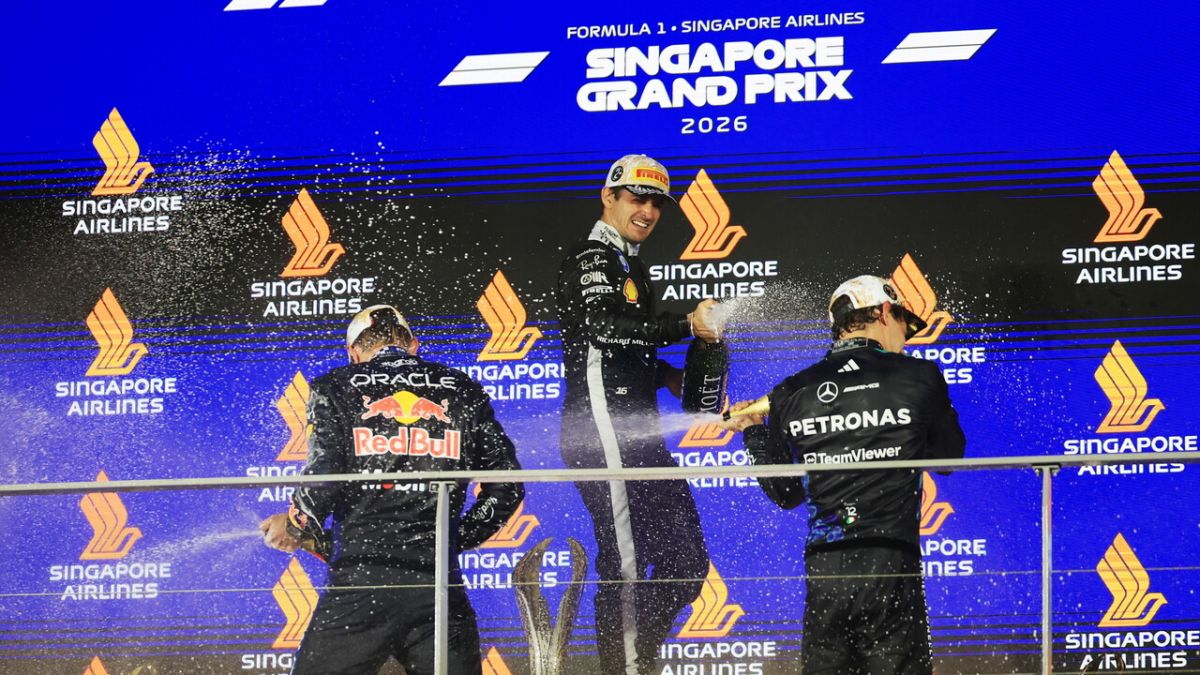
Kimi Antonelli, after finishing third in the Singapore GP, has the opportunity to become world champion as early as the next race in Austin, while Max Verstappen secured the victory, consolidating his seasonal dominance with Red Bull. #F1 #GPdiSingapore #KimiAntonelli (translated)

www.ansa.it
Verstappen bis a Singapore, Antonelli può diventare campione ad Austin
1888
Il Fatto Quotidiano 16h

Kimi Antonelli can become the Formula 1 world champion in Austin, 73 years after the last Italian victory, if he wins the race and his rivals George Russell and Lewis Hamilton do not achieve favorable results. #Formula1 #KimiAntonelli #Mondiale (translated)

www.ilfattoquotidiano.it
Formula 1, Antonelli può già diventare campione ad Austin: un italiano non vince un mondiale da 73 anni | Cosa serve e le combinazioni
2096
Carlo Calenda 18h

The author wrote that, while Trump was attacking Zelensky on worldwide television and asking for his resignation, Poland had called an emergency meeting due to a threat of an attack on its president by Russia. He also pointed out a similar risk for the leaders of European companies. https://t.co/71Ibw3tOTV #politica #Russia #Zelensky #US #PL #RU #EU (translated)

2853
Kaja Kallas 19h

According to András Rácz, it is technically true what Kaja Kallas, the EU's foreign affairs and security policy chief, said, namely, that the lifting of American sanctions on Russian gas oil contributes to financing Moscow's war against Ukraine. #Trump #Putyin #gázolaj (translated)

Rácz András: Trump és Putyin dízel-megállapodása az oroszoknak segít, az amerikaiaknak nem
telex.hu
2036
Kaja Kallas 19h

According to András Rácz, it is technically true what Kaja Kallas, the EU foreign affairs and security policy chief, said, namely that the lifting of American sanctions on Russian gas oil would contribute to Moscow's financing of the war against Ukraine. #oroszgázolaj #TrumpPutyin #szankciók (translated)

Rácz András: Putyin jár jól Trump üzletével
24.hu
2122
Donald J. Trump 20h

It's no coincidence that Trump abandoned Ukrainian leader Volodymyr Zelensky the day after the agreement, accusing him of creating "problems for the world" by attacking Russian refineries. #Trump #Putin #Diesel (translated)

Trump giù nei sondaggi anche tra i repubblicani. L’azzardo sul diesel di Putin tra costi reali e benefici incerti
www.ilfattoquotidiano.it
2219
Marco M.M. 23h

Marco M.M. wrote that his profile, dedicated to meteorology, would continue to deal with the weather, but that he wanted to share a personal reflection after facing a significant health issue in the previous weeks. He recounted having lived through difficult days and new fears, an experience that, according to him, made him reevaluate everyday things and the importance of paying attention to the difficulties of others. He added that his private messages were open to anyone who needed to talk and that, while he did not have solutions for every problem, he was available to listen. He concluded by inviting people to take care of themselves and those close to them, specifying that in the next post he would return to discussing meteorology. #Vita #Ascolto #Gratitudine (translated)

2591
Donald J. Trump 23h

Ukraine should get a new leader who is capable of ending the war. Later, Trump said in response to journalists' questions at the White House that "Ukraine should get a new leader who is capable of ending the war." #TrumpPutin #oroszolaj #amerikakülügyek (translated)

Tarjányi a Trump-Putyin egyezségről: Van egy sor döntés, amelyet érdemes egymás mellé tenni
24.hu
2326
ANSA.it 24h

According to a UNICEF report, around the world, one in five girls is married before the age of 18, with approximately 650 million women and girls currently affected, and it is estimated that over 12 million girls experience this violation of rights each year, especially in sub-Saharan Africa, highlighting the importance of education and reforms to prevent early marriages and support women's rights. #MatrimonioPrecoce #DirittiDelleBambine #NonRestareInSilenzio (translated)

www.ansa.it
Unicef, nel mondo una ragazza su cinque data in sposa prima dei 18 anni
2347
Donald J. Trump 2d

It could have ended this war on many occasions, it wants to create problems for the world and farmers, the time has come for Ukraine to have a new president. #Trump #Zelensky #Ucraina (translated)

Trump scarica Zelensky: 'Serve un nuovo presidente a Kiev per un accordo'
www.ansa.it
2436
Ultimora.net 2d

Donald Trump had attacked Volodymyr Zelensky, claiming that he could have ended the war on several occasions but chose not to. According to Trump, the Ukrainian president wanted to create problems for the world and American farmers by hitting Russian refineries. He added that, in his opinion, it was time for Ukraine to have a new president. #Trump #Zelensky #Ucraina (translated)

3075
Daniele Mari 2d

Daniele Mari reported that Chivu had emphasized how Diouf had become an international player and was part of one of the most important national teams in the world. The coach expressed satisfaction with how the player had adapted to the role identified for him based on his characteristics, giving him credit for the results achieved with his performances. Regarding Esposito, Chivu noted that he had been an international for some time and expressed his happiness to see him being decisive with Italy as he was for the team. #calcio #nazionale #sport (translated)

2909
Claudio Borghi A. 2d

Claudio Borghi A. wrote that, in his opinion, Parliament was often little involved in foreign policy issues, although he acknowledged that rapid changes could make its role appear slow. He argued that the International Criminal Court should not exist and expressed his opposition to any support for what he termed an undemocratic and supranational structure. He added that if Parliament was not consulted before positions were taken, its influence became null and decisions could then be made as deemed appropriate. #Politica #Parlamento #CortePenaleInternazionale (translated)

2895
Vincenzo De Luca 2d

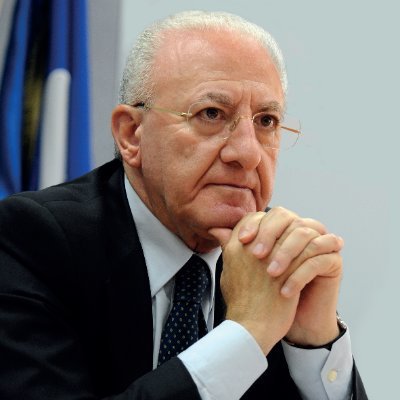
"We have reached barbarism, animality: we shoot a human being as if it were a public spectacle. We have gone back ninety years, to the last time a man was hanged in public in the United States. It is truly shameful." With these words, Vincenzo De Luca, in his usual weekly Facebook live address, comments on the decision announced by U.S. Secretary of Defense Pete Hegseth, whom he referred to as "the slicked-back one." What is happening in the United States with the current ruling group at the helm of the country is pushing the world towards levels of barbarism and loss of fundamental human values that leave us truly shocked." The mayor of Salerno describes the announcement as a return to practices that the United States had abandoned for almost a century, and harshly criticizes the Trump administration: "What is happening in the United States with the current ruling group at the helm of the country is pushing the world towards levels of barbarism and loss of fundamental human values that leave us truly shocked." We will have a political season that will record the further fragmentation of the political landscape of our country. Every election campaign eve sees the birth of new lists, new groupings, all that series of nonsense and hypocrisies that serve simply one purpose: to guarantee a candidacy to as many people as possible – he continues – I happened to particularly observe "Civic Project." I called it "Civic Opportunism": it is a way to try to create spaces for candidacy. That’s all." De Luca then comments on the eve of the Italian electoral season, targeting the political formation promoted by Alessandro Onorato, which continues to gather support even in Campania, including from regional councilors so far close to the former president of the Campania Region: "We will have a political season that will record the further fragmentation of the political landscape of our country. I have been repeating for decades that there is a condition of total anomaly in Italy. When you need to make political choices on major issues (healthcare, transportation, taxation, justice, foreign policy), you can have two different positions, three, four, five hypotheses for solving problems or lines on which to position yourself to tackle the issues. But you can’t have twenty lines of economic policy, twenty healthcare policies, twenty transportation policies." They pretend to contribute to the governance of the country, but in reality, they are great charades and initiatives of opportunism that simply serve to open spaces for the candidacies of a few characters in search of an author." #VincenzoDeLuca #Elezioni #PoliticaUSA (translated)

De Luca: “La fucilazione in streaming negli Usa? Barbarie e animalità”. Poi attacca Onorato: “Progetto Civico? Paraculismo, palle e manfrine”
www.ilfattoquotidiano.it
2146
raggio più lungo - Jonita era 2d

The author reported that the person in question hoped to stay there until Monday and that they were trying to extend their stay. He then contrasted these words with the image of the “good boy” who, according to him, would not be interested in the cameras or that world and would be anxious and shy. #alepier #GFVIP #realityshow #ansia (translated)

2604
Uccellino Milan 2d

Bird Milan has said that he does not want to justify the people who, in his opinion, have harmed Milan in recent years, including Cardinal among them. He argued that since June, the RedBird environment had changed its approach towards the club and that the facts demonstrated this, adding that there would be further developments. #Milan #RedBird #Calcio (translated)

2825
Adolfo Urso 2d

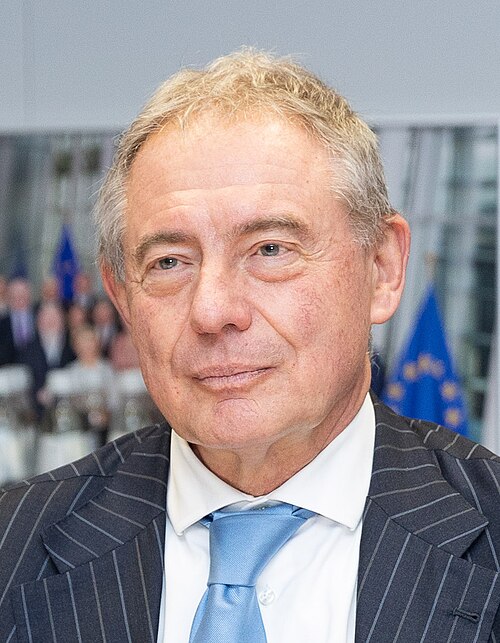
I believe that this initiative by Fai is of extreme importance, especially at this moment, because it enhances what is a heritage of our country, therefore its productive culture made up of brands that have made their way in the world. It is a system of excellence and quality that allows us to grow in times of global crisis. Adolfo Urso, the Minister of Enterprises and Made in Italy, played host during the presentation at Palazzo Piacentini: "I believe that this initiative by Fai is of extreme importance, especially at this moment, because it enhances what is a heritage of our country, therefore its productive culture made up of brands that have made their way in the world. It is a system of excellence and quality that allows us to grow in times of global crisis." #FAI #CulturaItaliano #PatrimonioArtistico (translated)

Da Palazzo Piacentini alla Villa La Tesoriera, tornano le giornate Fai d'Autunno
www.ansa.it
2726