WRLD

Search

#rad
Lucie Amálka 🌸 3m

Lucie Amálka wrote that the situation they used to laugh at in others has also affected them. She mentioned that she is happy that there will be TT twice a week and that she is looking forward to the weekly summary from J. Gulik on Sunday. She thanked Erik Tabery for the support at Respekt and added that, according to her, they can't do without humor. https://t.co/QvRoPXjtwr #humor #život #panoptikum (translated)


1184
Łukasz Warzecha 14m

Łukasz Warzecha wrote that entrepreneurs from the brewing and winemaking industries pointed out what he considered absurd regulations in the adopted law and warned about its consequences. He assessed that advertising regulations could harm Polish companies, give an advantage to large enterprises, and cost the gastronomy sector hundreds of millions of zlotys due to changes in the equipment of outdoor seating areas. Warzecha stated that the law could put President Karol Nawrocki, who had repeatedly declared support for Polish business, in a difficult position. He added that industry protests could complicate his signing of the law, although — as he assessed — personal freedom was not a determinant of the president's strategy. He called on brewers and winemakers for a quick mobilization beyond online protests. He pointed out that they could join the protest organized by the Council of Entrepreneurs on October 15 in front of the KPRM regarding the unfulfilled promise concerning ZUS. #PolskiBiznes #Protest #Ustawa (translated)

1170
Andrejs Pildegovičs 22m

Of course, it evokes various, including negative emotions. The ceasefire declared by US President Donald Trump in the energy sector is viewed very cautiously, as Ukraine has very limited information about what it means, says Latvia's extraordinary and plenipotentiary ambassador to Ukraine Andrejs Pildegovičs in an interview on Latvia Radio's "Labrīt" program. #Ukraina #Tramps #Zelenskis (translated)

Latvijas vēstnieks Ukrainā: Zelenskis uz Trampa paziņojumiem reaģējis ar lielu mieru un izturību
www.lsm.lv
1062
Gunnar Hökmark 25m

The writer referred to a text in the NT stating that such a government would create uncertainty in foreign and security policy and would not benefit Sweden's security, with war in Europe and threats even against Sweden. The writer also noted that there was a lack of support for the Social Democrats' leftist policies, even less so for the Left Party's. #Sverige #Säkerhetspolitik #Utrikespolitik #SE #EU (translated)

1211
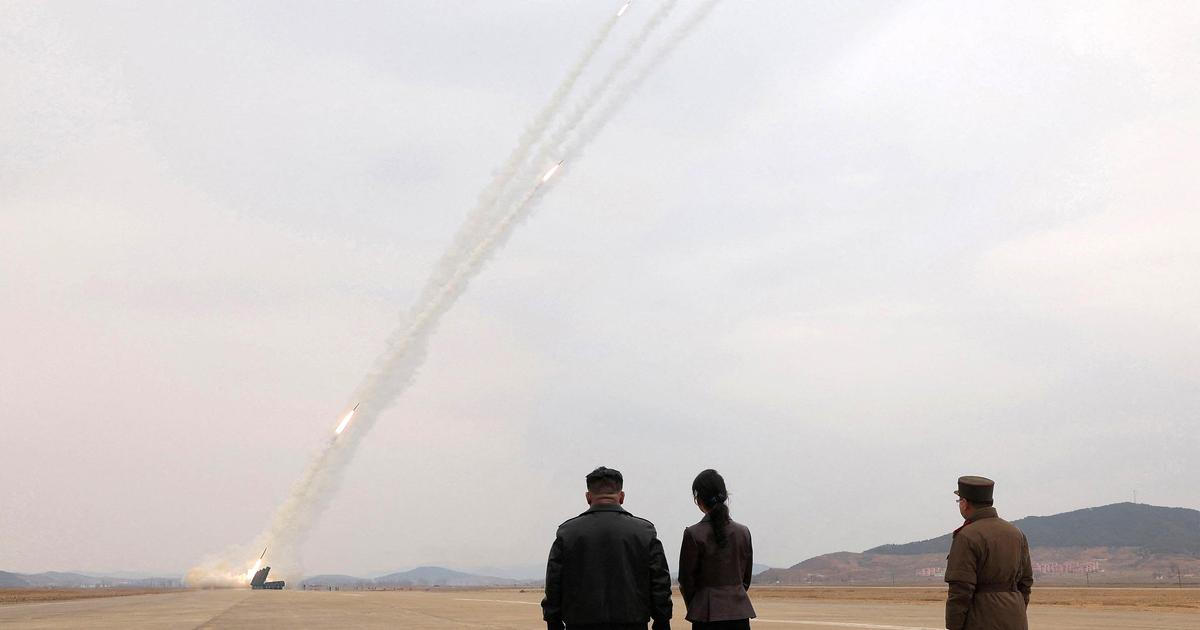
Aktuálně.cz - Víte, co se právě děje 29m

North Korea fired several ballistic missiles towards the Sea of Japan, prompting responses from South Korean and Japanese authorities regarding the violation of United Nations Security Council resolutions. #SeverníKorea #balistickérakety #JaponskéMoře (translated)

zpravy.aktualne.cz
Severní Korea vypálila několik balistických raket směrem k Japonskému moři
1179
Luciano Magaldi Sardella (PhD) 41m

LETTERE MERIDIANE — “TEATRO-EDICOLA” OF SAN SEVERO CONQUERS THE WORLD SOURCE: https://www.letteremeridiane.org/2026/10/il-teatro-edicola-di-san-severo-conquista-il-mondo/?fbclid=IwY2xjawU4oqFleHRuA2FlbQIxMQBwZG9mAXNydGMGYXBwX2lkEDIyMjAzOTE3ODgyMDA4OTIAAR5rVEwYs6UUXg7v-P0SyIQ_DRb_F6ZiY58OcseYoV4J7atcTiERnhWaqKM2pw_aem_Njle1jq1XLzHr93KLBUcVA After “Broadway World”, the “Los Angeles Journal”, “The Psychologist (British Psychological Association)” and Hollywood Beat Magazine, its “academic consecration” has now arrived courtesy of Stanford University. As I have already emphasised in my article on the revival of the GIO Festival in Foggia, celebrated by BroadwayWorld for the world stage premiere of the Giordano’s opera Marina (1888), the province of Foggia has long ceased to be peripheral. It happens when it finds an idea that shifts the coordinates: well, in San Severo, 40 kilometres from Foggia, it has happened again. Only this time an orchestra was not needed; six chairs were enough. The celebrated Teatro-Edicola of San Severo artistic director Francesco Gravino of the theatre company Foyer ’97 has been featured in the academic journal “Stanford Social Innovation Review (SSIR)” as an academic case study. The news, relayed on 19 September 2026 by ANSA Nazionale, looked like a misprint. Then it became clear that it was not. SSIR, an award-winning publication covering multisectoral solutions to global problems, included the project in its Dispatches section with the reportage “The Six-Seat Revolution”. It is the inverse trajectory to that of the GIO Festival: not a forgotten opera returning to a grand historic Italian horseshoe theatre, but an entire theatre reborn inside a disused place, forgotten by man. There are moments when past and future intertwine to create something visionary, innovative, artistically “revolutionary”: San Severo experienced one of those moments on the morning of 27 March 2026, during World Theatre Day, when the shutter of a newsstand closed for six years in Via Matteo Tondi was reopened “not to sell newspapers, but to offer stirring stories”, to quote Gravino’s motto. The idea of the visionary Francesco Gravino, artistic director, stage director and actor of the San Severo company Foyer ’97, active for at least 30 years in Capitanata, centred on the kiosk, hexagonal in metal and glass, granted free of charge by its owner Pino Frau, by now an urban relic created by the publishing crisis of the early 2000s: today in Italy active newsstands have fallen from about 35,000 in 2005 to about 20,000 in 2024, a decline of 42.8%. Gravino and eleven other actors restructured it in two weeks of work, without institutional funding, and transformed it into what is now under examination by the London commission of Guinness World Records as the “world’s smallest theatre”. The formula is deliberately austere: six spectators at a time outside, actors inside at less than a metre’s distance, 15-minute performances, continuous rotation from 11:00 to 20:45, texts ranging from Goldoni to Chekhov, from Ibsen to Dacia Maraini. On the door a QR code with an original theatrical warning: “Warning! This QR code transforms passers-by into actors. Scan only if ready.” The numbers immediately showed that it was no boutade: more than 60 people in a single afternoon, three inaugural days that sold out. But above all a positive echo that went beyond the borders of San Severo. “Broadway World” (just as in the previous case of the GIO Festival), the world’s most influential theatre criticism outlet with over 5.5 million monthly views, devoted exclusive coverage to it on 27 April 2026: “An Abandoned Italian Newsstand Just Became the World’s Smallest Theatre”. Not a mere listing, but an analysis: “There is no foyer, there is no balcony, there is no grid. There is barely a wing. What there is is something almost unrecognisable as an evening at the theatre, and for that very reason it is all the more powerful.” “Broadway World” captured Gravino’s manifesto idea: “This is a theatre of proximity. In an era of digital distance, we are putting human contact back at the centre,” framing it as “More than a clever exercise in site-specific theatre. It is a reappropriation.” All of this, in a Mezzogiorno of Italy often narrated only in terms of organised crime and marginalisation. To that seal of approval was added another, even more disorienting for a newsstand in San Severo: the “Los Angeles Journal”, one of the most influential publications on the West Coast for the performing arts. On 12 May 2026, it headlined thus: “San Severo’s Teatro-Edicola as an Innovative Model for Los Angeles Theaters?” opening as follows: “In a city in southern Italy that Hollywood has never heard of, a theatre director has just built the smallest stage in the world: six seats, fifteen minutes, zero distance. Los Angeles should pay attention.” The “Los Angeles Journal” does not indulge in folklore, but places the kiosk in Via Matteo Tondi alongside the prestigious 1,600-seat Ahmanson Theatre in Los Angeles, the Pantages of Broadway in Hollywood, the 99-seat plan of Rogue Machine, the Odyssey, the Victory Theatre and the Hollywood Fringe. It even recalls Ethan Marks’s Electrical Box Theatre, a veritable electrical box lined with red velvet in downtown Los Angeles, to argue that Gravino has taken to the extreme the question Los Angeles has been asking itself for decades: How small can a stage become before it ceases to be a stage? And it recognizes the San Severo urban model: almost zero cost, two weeks of work and six chairs, in return for immediate provincial, regional and national media coverage, recognition by the San Severo’s Municipal Administration, and a format exportable anywhere. Then, the third American piece came from “Hollywood Beat Magazine” on 20 April 2026: Six seats. Fifteen minutes. One actor. No stage. The magazine recounts the kiosk in Via Tondi left disused for almost six years, the contemporary six-seat cultural outpost, placing Francesco Gravino in a distinguished genealogy: Richard Schechner and environmental theatre, Jerzy Grotowski and poor theatre, Nicolas Bourriaud and relational aesthetics. But it closes with pragmatism: it is not a thesis, it is fixing a street corner, that is, repairing an urban street corner by asking not how large a theatre can become, but how small it must become again to recover its original power. And finally, the celebrated London-based “The Psychologist”, the journal of the “British Psychological Society (BPS)”, the oldest psychological society in the world, transformed the Teatro-Edicola into a scientific case study: on 30 July 2026 it published “The world’s smallest theatre — and Psychologists’ next act”, starting from the same detail, the morning of 27 March when the metal shutter of the hexagonal kiosk in Via Tondi reopened after six years, six people inside, an actor at less than a metre’s distance beginning Chekhov. It describes the formula: six spectators, 15 minutes, 11 actors over 10 hours, from Goldoni to Euripides, inside a kiosk where the fourth wall does not break because architecturally it never existed. But the BPS goes a step further: it cites the 2025 studies by Damien Gabriel in IBRO Neuroscience Reports, that live performance generates measurably stronger emotional and physiological activation than video, and introduces Edward Hall’s proxemics: below one metre is intimate space, reserved for doctors, close friends, lovers. In that one-square-metre space, the actor’s breath is audible, micro-expressions legible, the self-other boundary becomes permeable. The Teatro-Edicola “does not make theatre better, it makes it inevitable”. And it is here that one understands why Stanford is studying it as an academic case study in social innovation, not as a case of artistic originality. In Italy, meanwhile, the national media circuit had already picked up the phenomenon: RaiNews — TG2 Storie brought it to RaiDue at midnight on 19 April. RTL 102.5 devoted space to the format conceived by Gravino and developed by Foyer ’97 in the heart of San Severo in Via Tondi, defining it as a permanent micro-stage capable of bringing theatre into public space. ANSA.it, Gazzetta del Mezzogiorno, La Repubblica, TG2000, Radio Capital, Swiss RSI, ANSA Brazil and many others followed. And for the record: Fiorello praised it in La Pennicanza as an artistic case inspired by his Edicola Fiore, and Biagio Antonacci, on his tour in the Augustan amphitheatre of Lucera, made a “fact-finding” stop at the Teatro-Edicola singing the celebrated and nostalgic Iris in front of an audience certainly larger than the “six seats”. Francesco Gravino’s theatre company Foyer ’97 was not born yesterday: behind it lie the Teatro-Cantina of 2016, the underground theatre, and in 2011 a performance on the bell tower of a church in the centre of San Severo at 45 metres high. The Teatro-Edicola completes, in Gravino’s words, “the entire vertical extension of theatre: underground, street level, rooftop”. And it is preparing for its thirtieth anniversary in 2027 aiming to purchase the kiosk to make it permanent, exporting the “San Severo Model” to Rome, Lucca, and to the festivals of Santarcangelo and Todi. As with the GIO Festival, someone might dare to claim that it is merely a stunt, but when BroadwayWorld places you alongside the Los Angeles Opera House, the “Los Angeles Journa”l proposes you as a model for Hollywood, “Hollywood Beat Magazine” reads you through Grotowski and the “British Psychological Society” uses you to explain mirror neurones, it is no longer a stunt but an excellent artistic and academic positioning. To those who still whisper that Foggia and Capitanata are provincial, the answer is now written on two opposite and complementary fronts: on 5 June in Foggia a 138-year-old opera found the stage again at the Giordano ending up on BroadwayWorld; on 27 March in San Severo a 4-square-metre kiosk invented a stage that did not exist, ending up at Stanford, in Los Angeles, in Hollywood and in London. The periphery, when it has a precise idea, becomes the centre. Even with six chairs. Luciano Magaldi Sardella

www.letteremeridiane.org
Il teatro-edicola di San Severo conquista il mondo
49
Luciano Magaldi Sardella (PhD) 42m

LETTERE MERIDIANE — IL TEATRO-EDICOLA DI SAN SEVERO CONQUISTA IL MONDO SOURCE: SOURCE: https://www.letteremeridiane.org/2026/10/il-teatro-edicola-di-san-severo-conquista-il-mondo/?fbclid=IwY2xjawU4oqFleHRuA2FlbQIxMQBwZG9mAXNydGMGYXBwX2lkEDIyMjAzOTE3ODgyMDA4OTIAAR5rVEwYs6UUXg7v-P0SyIQ_DRb_F6ZiY58OcseYoV4J7atcTiERnhWaqKM2pw_aem_Njle1jq1XLzHr93KLBUcVA Dopo Broadway World, Los Angeles Journal, The Psychologist (British Psychological Association) ed Hollywood Beat Magazine, ora è arrivata la sua “consacrazione accademica” a cura della Stanford University. Come ho già sottolineato nel mio articolo sulla rivincita del GIO Festival a Foggia, celebrata dal BroadwayWorld per la prima mondiale scenica della giordaniana Marina (1888), la provincia di Foggia ha smesso ormai di essere periferia. Accade quando trova un’idea che sposta le coordinate: ebbene, a San Severo, a 40 chilometri da Foggia, è successo di nuovo. Solo che questa volta non serviva un’orchestra, ma sono bastate sei sedie. Il celebre Teatro-Edicola del sanseverese direttore artistico Francesco Gravino della Compagnia Teatrale Foyer’97 è finito sulla rivista accademica Stanford Social Innovation Review (SSIR) in qualità di caso di studio accademico. La notizia, rilanciata il 19 settembre 2026 da ANSA Nazionale, sembrava un refuso. Poi si è capito che non lo era. La SSIR, pubblicazione pluripremiata che copre soluzioni multisettoriali ai problemi globali, ha inserito il progetto nella sezione Dispatches con il reportage The Six-Seat Revolution. È il percorso inverso rispetto a quello del GIO Festival: non un’opera dimenticata che torna in un grande teatro storico italiano a ferro di cavallo, ma un teatro intero che rinasce dentro un luogo dismesso, dimenticato dall’uomo. Ci sono momenti in cui il passato e il futuro si intrecciano per creare qualcosa di visionario, innovativo, artisticamente “rivoluzionario”: San Severo ha vissuto uno di questi momenti la mattina del 27 marzo 2026, durante la Giornata Mondiale del Teatro, quando la saracinesca di un’edicola chiusa da sei anni in Via Matteo Tondi è stata riaperta “non per vendere giornali, ma per offrire emozionanti storie”, citando il motto graviniano. L’idea del visionario Francesco Gravino (nella foto sopra), direttore artistico, regista e attore della compagnia sanseverese Foyer ’97, attiva da almeno 30 anni in Capitanata si è basata sull’edicola, esagonale in metallo e vetro, concessa a titolo gratuito dal proprietario Pino Frau, ormai un relitto urbano creato dalla crisi dell’editoria degli inizi anni 2000: oggi in Italia le edicole attive sono scese da circa 35.000 nel 2005 a circa 20.000 nel 2024, con un calo del 42,8%. Gravino e altri undici attori l’hanno ristrutturata in due settimane di lavoro, senza fondi istituzionali, e l’hanno trasformata in quello che oggi è sotto esame della commissione londinese del Guinness World Record come “teatro più piccolo del mondo”. La formula è volutamente austera: sei spettatori alla volta fuori, attori dentro a meno di un metro, spettacoli di 15 minuti, rotazione continua dalle 11 alle 20.45, testi da Goldoni a Čechov, da Ibsen a Dacia Maraini. Sulla porta un QR code con un originale avvertimento teatrale: “Attenzione! Questo codice QR trasforma i passanti in attori. Scansionate solo se pronti.” I numeri hanno sùbito detto che non era una boutade: più di 60 persone in un solo pomeriggio, tre giornate inaugurali che hanno registrato il tutto esaurito. Ma soprattutto un’eco positiva che è andata oltre i confini sanseveresi. BroadwayWorld (proprio come il previo caso del GIO Festival) la più influente testata mondiale di critica teatrale con oltre 5,5 milioni di visualizzazioni mensili, il 27 aprile 2026 gli ha dedicato una copertura esclusiva: An Abandoned Italian Newsstand Just Became the World’s Smallest Theatre. Non una segnalazione, ma un’analisi: “Non c’è foyer, non c’è balconata, non c’è graticcia. C’è a malapena una quinta. Quello che c’è è qualcosa di quasi irriconoscibile come serata a teatro, e proprio per questo è ancora più potente.” BroadwayWorld ha colto l’idea manifesto di Gravino: “Questo è un teatro di prossimità. In un’epoca di distanza digitale, stiamo rimettendo il contatto umano al centro,” incorniciandolo come “Più che un abile esercizio di teatro site-specific. È una riappropriazione.”. Il tutto, in un Mezzogiorno d’Italia spesso raccontato solo per criminalità organizzata e marginalizzazione. A quel sigillo se ne è aggiunto un altro, ancora più spiazzante per un’edicola di San Severo: il Los Angeles Journal, una delle testate più influenti della West Coast per le arti performative. Il 12 maggio 2026, titola in questo modo: San Severo’s Teatro Edicola as an Innovative Model for Los Angeles Theaters? aprendo così: “In una città del Sud Italia di cui Hollywood non ha mai sentito parlare, un regista teatrale ha appena costruito il palcoscenico più piccolo del mondo: sei posti, quindici minuti, zero distanza. Los Angeles dovrebbe prestare attenzione.” Il Los Angeles Journal non fa folklore, ma mette il chiosco di via Matteo Tondi accanto al presigioso teatro losangelino Ahmanson da 1600 posti, al Pantages di Broadway in Hollywood, ai 99-seat plan di Rogue Machine, all’ Odyssey, al Victory Theatre e all’ Hollywood Fringe. Rievoca persino l’Electrical Box Theatre di Ethan Marks, una vera e propria scatola elettrica foderata di velluto rosso in downtown Los Angeles, per dire che Gravino ha portato all’estremo la domanda che Los Angeles si fa da decenni: Quanto piccolo può diventare un palco prima di smettere di essere un palco? E riconosce il modello urbano sanseverese: costo quasi zero, due settimane di lavoro e una sestina di sedie, a fronte di una immediata copertura mediatica provinciale, regionale e nazionale, riconoscimento dell’ Amministrazione Comunale sanseverese, e un format esportabile (quasi) ovunque. Dopodiché, il terzo tassello americano è arrivato dall’ Hollywood Beat Magazine il 20 aprile 2026: Six seats. Fifteen minutes. One actor. No stage. Il magazine racconta il chiosco di Via Tondi rimasto dismesso per quasi sei anni, il presidio culturale contemporaneo da sei posti, inserendo Francesco Gravino nella genealogia alta: Richard Schechner e l’environmental theatre, Jerzy Grotowski e il teatro povero, Nicolas Bourriaud e l’estetica relazionale. Ma chiude con concretezza: non è una tesi, è fixing a street corner, ovvero aggiustare un angolo di strada urbana chiedendosi non quanto grande può diventare un teatro, ma quanto piccolo deve tornare per recuperare il suo potere originario. E infine, il celebre londinese The Psychologist, la rivista della British Psychological Society (BPS), la più antica società di psicologia al mondo, ha trasformato il Teatro-Edicola in caso di studio scientifico: il 30 luglio 2026 pubblica The world’s smallest theatre — and Psychologists’ next act, partendo dallo stesso dettaglio, la mattina del 27 marzo in cui la saracinesca metallica del chiosco esagonale di Via Tondi si riapre dopo sei anni, sei persone dentro, un attore a meno di un metro che inizia Chekhov. Descrive la formula: sei spettatori, 15 minuti, 11 attori su 10 ore, da Goldoni a Euripide, dentro un chiosco dove la quarta parete non si rompe perché architettonicamente non è mai esistita. Ma la BPS fa un passo oltre: cita gli studi del 2025 di Damien Gabriel su IBRO Neuroscience Reports, la performance live genera attivazione emotiva e fisiologica misurabilmente più forte del video e introduce la prossemica di Edward Hall: sotto il metro è spazio intimo, riservato a medici, amici stretti, amanti. In quello spazio da un metro quadrato, il respiro dell’attore è udibile, le microespressioni leggibili, il confine sé-altro diventa permeabile. Il Teatro-Edicola “non rende il teatro migliore, lo rende inevitabile”. Ed è qui che si capisce perché Stanford lo studia come caso di studio accademico di innovazione sociale, non come caso di originalità artistica. In Italia, nel frattempo, il circuito mediatico nazionale aveva già intercettato il fenomeno: RaiNews — TG2 Storie lo porta su RaiDue alla mezzanotte del 19 aprile. RTL 102.5 dedica spazio al format ideato da Gravino e sviluppato da Foyer’97 nel cuore di San Severo in Via Tondi, definendolo micro-palcoscenico permanente capace di portare teatro nello spazio pubblico. ANSA.it, Gazzetta del Mezzogiorno, La Repubblica, TG2000, Radio Capital, RSI svizzera, ANSA Brasile e tanti altri seguono. E per diritto di cronaca: Fiorello lo ha elogiato in La Pennicanzacome caso artistico ispirato al suo Edicola Fiore, nonché Biagio Antonacci, nel suo tour nell’anfiteatro augusteo di Lucera, ha fatto tappa “conoscitiva” nel Teatro-Edicola cantando la celebre e nostalgica Iris davanti ad un pubblico sicuramente maggiore dei “sei posti”. La Compagnia Teatrale Foyer ’97 di Francesco Gravino non è nata ieri: ha alle spalle il Teatro-Cantina del 2016, il teatro sottoterra, e nel 2011 una performance sulla torre campanaria di una chiesa del centro di San Severo a 45 metri d’altezza. Il Teatro Edicola completa, nelle parole di Gravino, “l’intera estensione verticale del teatro: sottoterra, piano strada, tetto”. E si prepara al trentennale del 2027 puntando ad acquistare l’edicola per renderla permanente esportando il “Modello San Severo” a Roma, Lucca, nei festival di Santarcangelo e Todi. Come per il GIO Festival, qualcuno potrebbe osare di affermare che si tratta solo di un exploit ma, quando BroadwayWorld ti mette accanto alla Los Angeles Opera House, il Los Angeles Journal ti propone come modello per Hollywood, Hollywood Beat Magazine ti legge con Grotowski e la British Psychological Society ti usa per spiegare i neuroni specchio, non è più un exploit ma un eccellente posizionamento artistico ed accademico. A chi ancora sussurra che Foggia e la Capitanata siano provincia, la risposta ora è scritta su due fronti opposti e complementari: il 5 giugno a Foggia un’opera di 138 anni ha ritrovato la scena al Giordano finendo su BroadwayWorld; il 27 marzo a San Severo un’edicola di 4 metri quadrati ha inventato una scena che non esisteva, finendo a Stanford, a Los Angeles, a Hollywood e a Londra. La periferia, quando ha un’idea precisa, diventa centro. Anche con sei sedie. Luciano Magaldi Sardella

www.letteremeridiane.org
Il teatro-edicola di San Severo conquista il mondo
49
Łukasz Gibała 51m

I would like to believe that there will be enough people in the City Council who will put the good of Kraków above their own individual interests and who will be open to collaboration – Gibała said, noting, however, that his many years of experience in public affairs requires him to be cautious. #Kraków #ŁukaszGibała #wybory2026 (translated)

"Krakowianie odzyskali swoje miasto". Gibała ujawnia pierwsze plany
wiadomosci.wp.pl
1236
wiadomosci.wp.pl 51m

The newly elected president of Kraków, Łukasz Gibała, presented his plans for the financial stabilization of the city and expressed his willingness to cooperate with the City Council, emphasizing that the residents of the capital of Małopolska should be at the center of decisions. #Kraków #ŁukaszGibała #wybory2026 (translated)

wiadomosci.wp.pl
"Krakowianie odzyskali swoje miasto". Gibała ujawnia pierwsze plany
1236
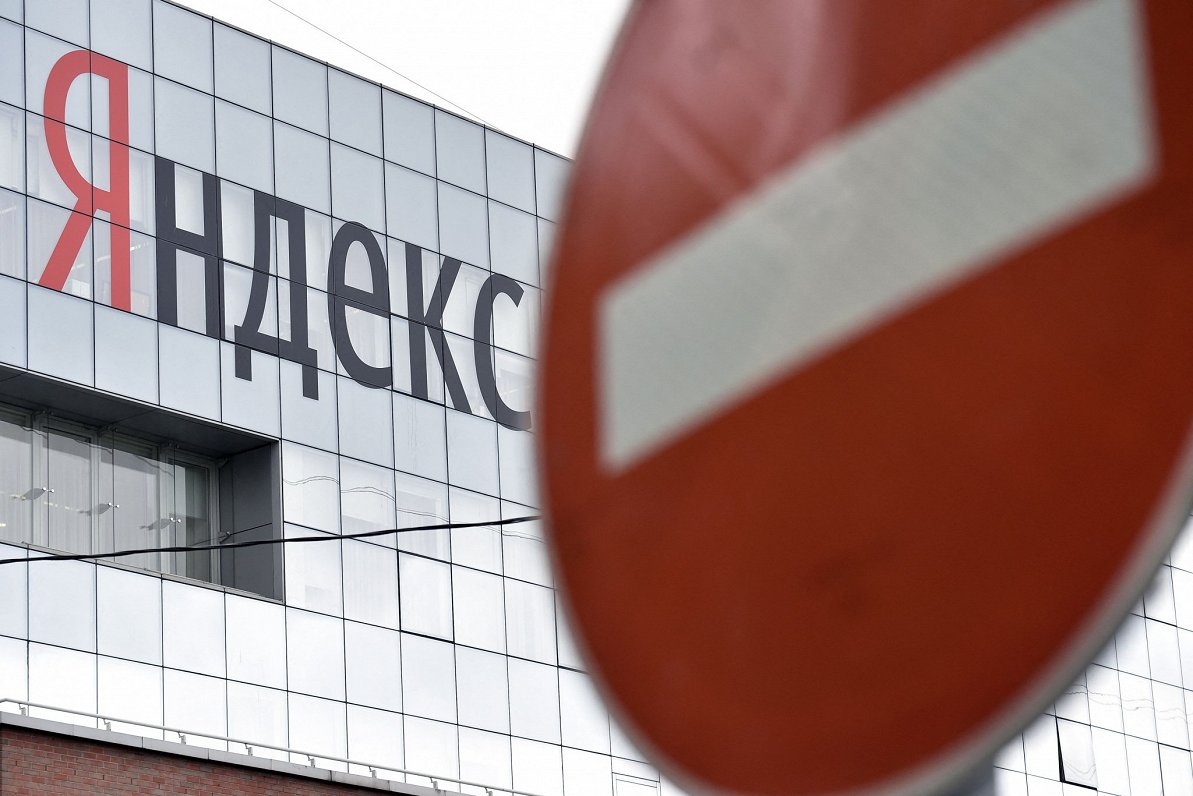
Latvian public media 1h

After attacks on Russian company Yandex's data centers in Ukraine, support for radical parties, such as Germany's Alternative for Germany, has significantly decreased on social media, as well as the number of hate-inciting accounts. #Yandex #Ukraina #dezinformācija (translated)

www.lsm.lv
Sociālajos tīklos krietni sarūk «botu» skaits pēc Ukrainas triecieniem «Yandex» datu centriem
1358
Stirile ProTV 1h

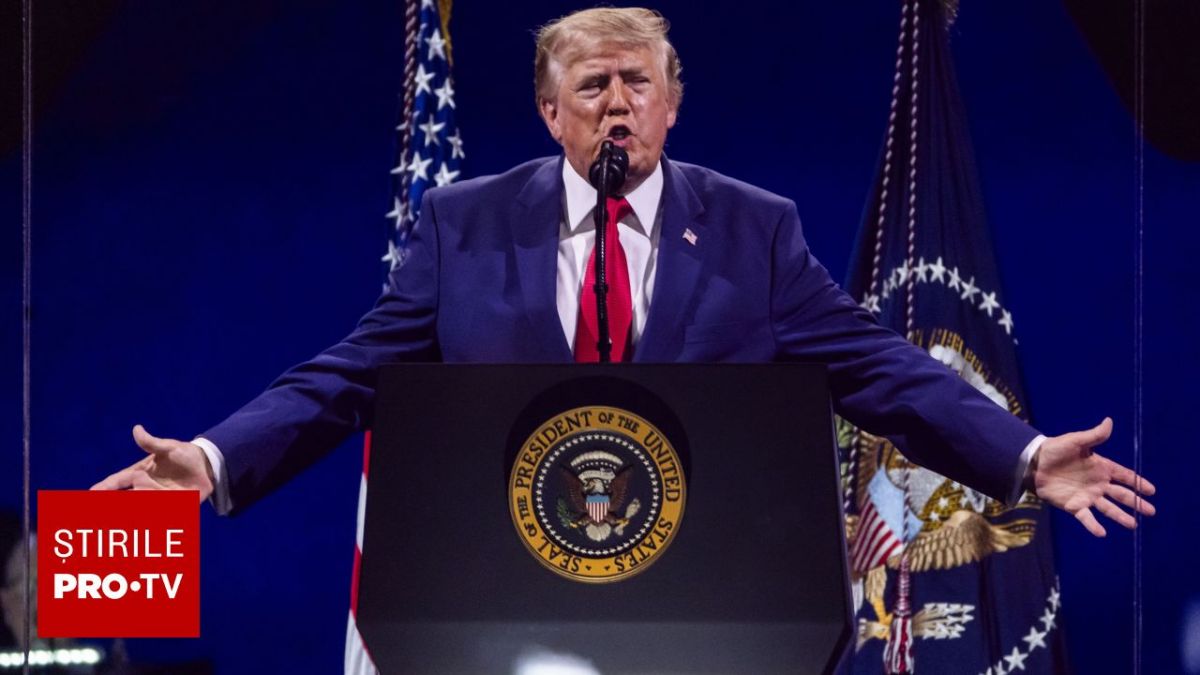
Donald Trump continues his efforts to radically change America through controversial agreements with Russia, public executions, and deportations, sparking strong reactions both domestically and internationally. #Trump #Rusia #Democrație (translated)

stirileprotv.ro
CNN: Trump schimbă radical America. Acordul cu Putin, execuțiile publice și deportările provoacă reacții puternice în SUA
1211
Dnevnik.hr 1h

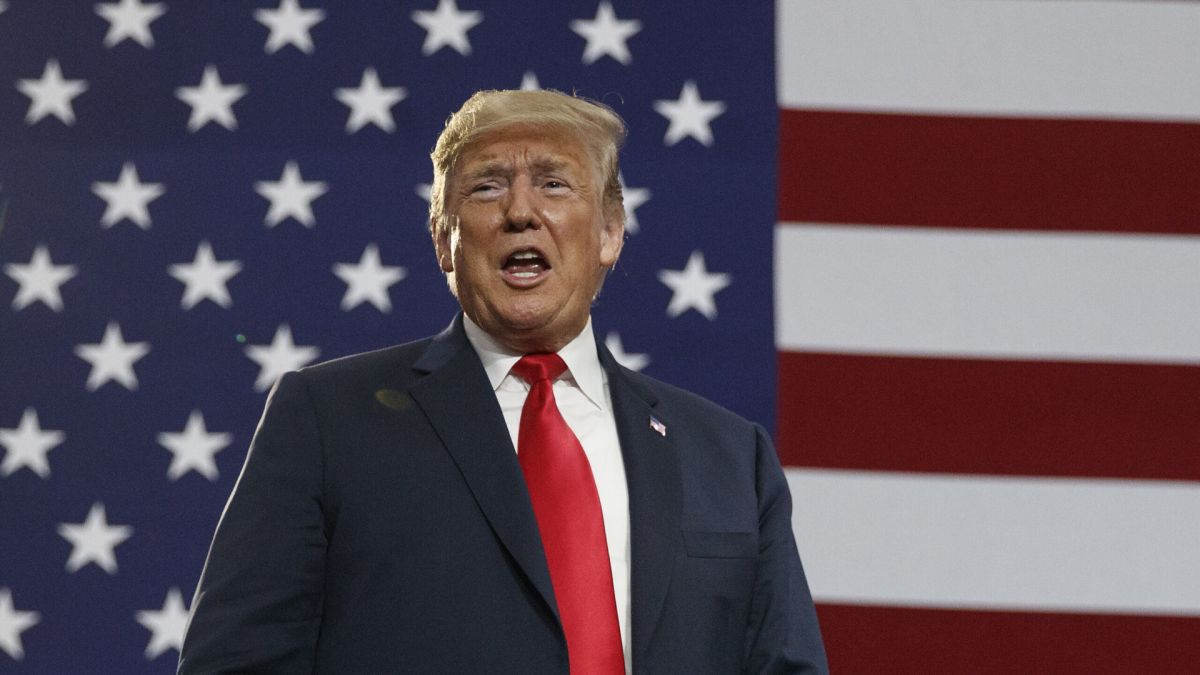
A court in New York has prohibited the Trump administration from using public funds to pay for political ads that praise Donald Trump, after public prosecutors claimed it was propaganda intended for the elections. #Trump #političkioglasi #javnonovčenje (translated)

dnevnik.hr
Sud zabranio da se javnim novcem plaća reklame koje veličaju Trumpa uoči izbora
1530
wiadomosci.wp.pl 1h

The National Broadcasting Council reprimanded TVN for the unreliable report "Valuable Dreams" aired in the News after receiving over 200 complaints from viewers, pointing out serious shortcomings in the selection of interviewees and the lack of information about credit risks. #KRRiT #TVN #prawoPrasowe (translated)

wiadomosci.wp.pl
Ponad 200 skarg na reportaż. KRRiT upomina TVN po materiale "Faktów"
1312
Seznam Zprávy 2h

North Korea fired several ballistic missiles toward the Sea of Japan, which the South Korean National Security Office called a violation of UN Security Council resolutions. #SeverníKorea #balistickéRakety #JaponskéMoře (translated)

www.seznamzpravy.cz
Severní Korea vypálila několik balistických raket směrem k Japonskému moři
1271
Jan Švec 2h

Those being removed are already the ones selected for positions by Xi," warns Jan Švec, an expert on Chinese politics from the Institute of International Relations, in an interview with Seznam Zprávy. "We can see differences in that those who were closer to Xi may have lower penalties, for example, they are just removed from their position. But loyalty alone is not enough for political survival," says Švec. After the era of Mao Zedong, a model of generational change was established, where the highest leadership changed every two congresses, or after ten years. It also became customary for cadres to be gradually promoted up the ladder to higher positions, "After the era of Mao Zedong, a model of generational change was established, where the highest leadership changed every two congresses, or after ten years. It also became customary for cadres to be gradually promoted up the ladder to higher positions," explains Švec. With the rise of Xi Jinping to power, it was expected that the sixth generation of leaders, politicians born in the 1960s, could take over leadership after him. Many of them reached high positions, but Xi Jinping has maintained leadership longer than initially expected. According to Švec, it can essentially be said that there is a "lost sixth generation": "With the rise of Xi Jinping to power, it was expected that the sixth generation of leaders, politicians born in the 1960s, could take over leadership after him. Many of them reached high positions, but Xi Jinping has maintained leadership longer than initially expected." #Čína #politickéčistky (translated)

Si Ťin-pching odstavil generaci, která ho měla nahradit. A nástupce nikde
www.seznamzpravy.cz
1324
Omar Radi 2h

As soon as I speak in public, as soon as I write a post on Facebook or Instagram, they come alive and start offending me. It’s a climate of terror. Then there are more traditional systems: microphones and microcameras placed in private spaces, like in the case of Omar Radi, a journalist persecuted for years for his articles on corruption, spied on through a tiny hidden microphone in a chandelier in his home: “As soon as I speak in public, as soon as I write a post on Facebook or Instagram, they come alive and start offending me. It’s a climate of terror.” #tecnooppressione #sorveglianza #dirittiumani (translated)

Marocco, ecco il sistema di “tecno-oppressione” contro giornalisti e attivisti
www.ilfattoquotidiano.it
1240
Jutarnji list 2h

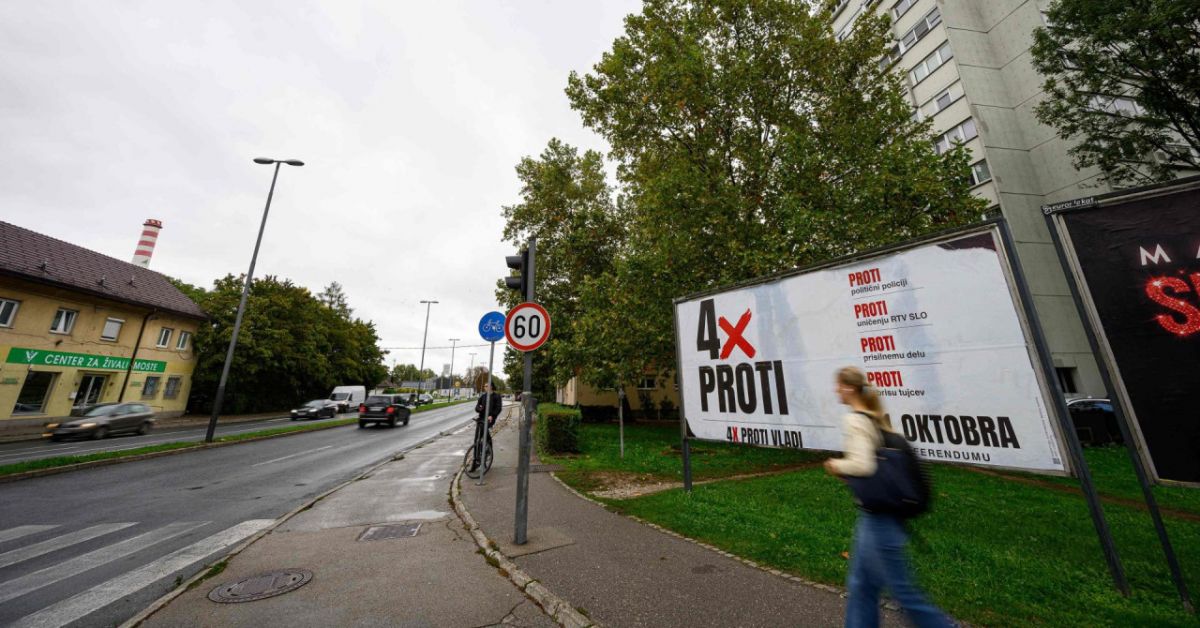
Slovenian voters at yesterday's referendums supported conditioning social assistance on work for the common good and the abolition of voting rights for foreigners in local elections, while the results on the RTV subscription and amendments to the law on parliamentary inquiry were close, highlighting political differences within the country. #Slovenija #Referendumi #socijalnapolitika (translated)

www.jutarnji.hr
Slovenci podržali tri referenduma
1459
24sata 2h

The court in New York prohibited the Trump administration from using public money for political ads that glorify the president, concluding that it is political propaganda rather than information of public interest. #Trump #javnonovcu #politika (translated)

www.24sata.hr
Sud zabranio javno financiranje veličanja Trumpa uoči izbora
1650
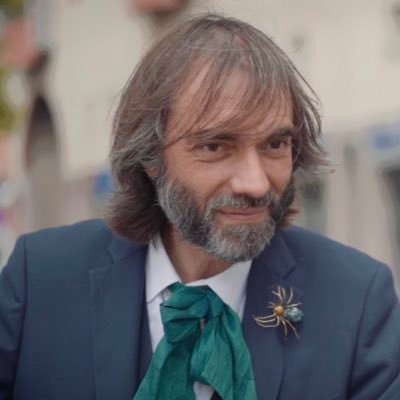
Cédric Villani 2h

"This is certainly the most radical change in mathematics in at least four centuries, perhaps even in 1,000 years," reacted the mathematician Cédric Villani on Thursday on France Inter. #IntelligenceArtificielle #Mathématiques #CriseExistencielle (translated)

"J'en ai même pleuré" : pourquoi les progrès de l'intelligence artificielle plongent les mathématiciens dans "une crise existentielle"
www.franceinfo.fr
1560
🇷🇴 George Simion 🇲🇩 2h

The money from those at Brodina to be taken, the money from this one at Rădăuți, together with those people registered in the application. In the case of Brodina and Rădăuți, we will change their data because they all registered in the application in December. And we are organizing elections, but they need to do this. But it is only acted upon in the application! #AUR #investigație #politică (translated)

INVESTIGAȚIE Simion: „Banii de luat de la ăia. Dar doar pe aplicație!” Sistemul AUR de colectat cotizații și împărțit funcții în partid
hotnews.ro
1451