The purchasing power of the Spanish has increased three times compared to economies like the French or German. The President of the Government, Pedro Sánchez, was proud a week ago when he announced the early elections by stating that "the purchasing power of the Spanish has increased three times compared to economies like the French or German." #Inflación #Salarios #PoderAdquisitivo (translated)
The agreed salary increase has been reduced to 3% in a context of high inflation nearing 5%, which exacerbates the loss of purchasing power for workers in Spain. #Inflación #Salarios #PoderAdquisitivo (translated)

Hayy stated that André Mendonça ordered the CUT to delete five posts against Flávio Bolsonaro. According to the author, the posts associated the senator with militias and the Office of Crime, in addition to mentioning a supposed freeze on the minimum wage and pensions and the end of Pix. https://t.co/r88HpSsqvx #AndréMendonça #FlávioBolsonaro #LutaPelaVerdad (translated)
Milei's Repentants reported that a 96-hour strike had been called at PAMI due to low wages and that during the measure only emergencies would be attended to. They also accused the Government of severely harming the health of retirees and claimed that it had already closed PAMI hospitals and was causing the resignation of doctors. https://t.co/31aCuacTpE #Salud #Jubilados #PAMI (translated)
Central Reality wrote that Wanessa Wolf, in a new video made during the protests, advocated for civil rights, a minimum wage, and retirement, as well as calling for democracy and stating that she would not accept setbacks. https://t.co/eJO7KDRJ9s #DireitosCivis #Democracia #JustiçaSocial (translated)
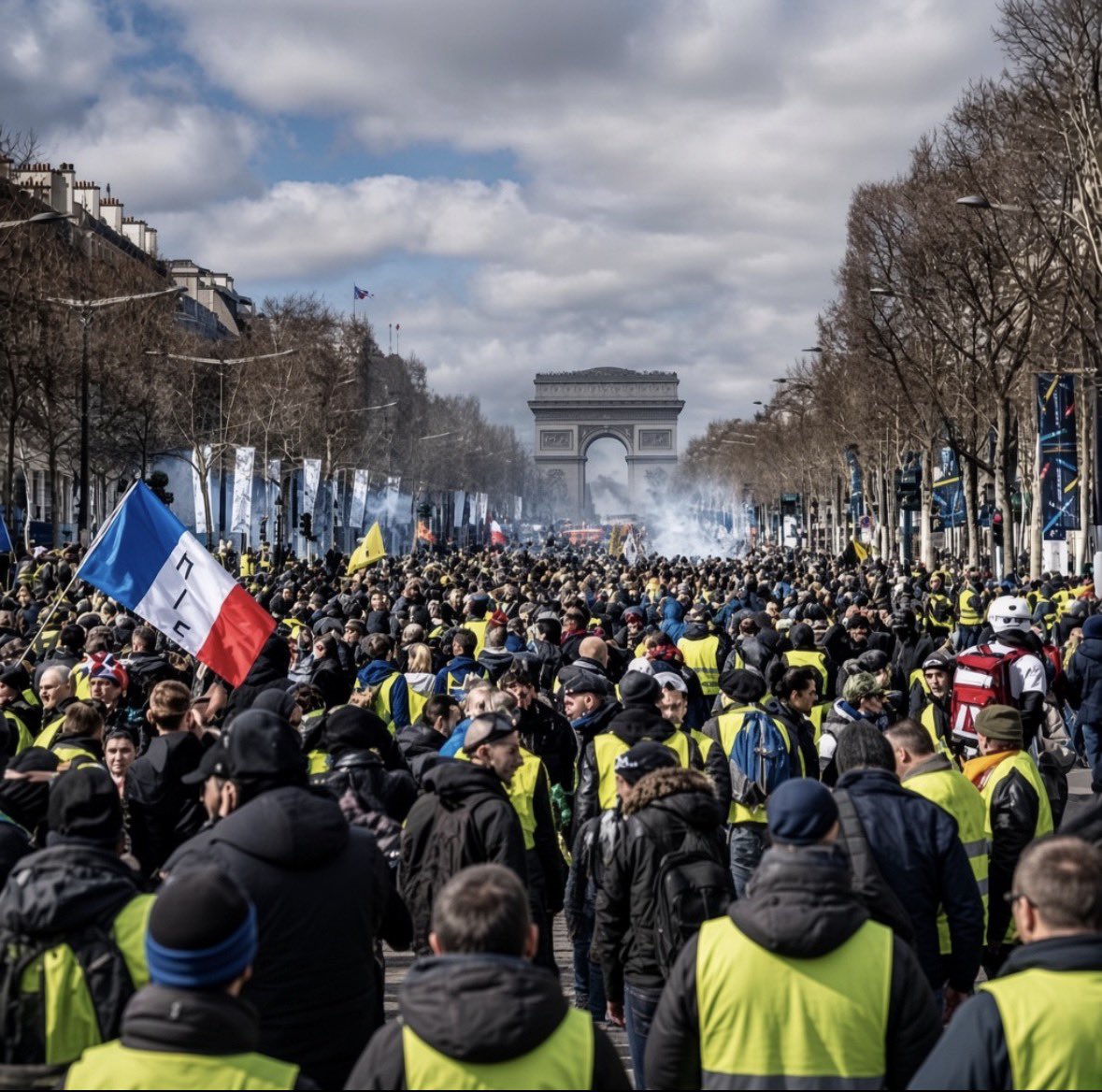
FRENCHRAPUS presented several claims that he said were made during the demonstration on October 17. They concerned, in particular, purchasing power, with increases in wages, an adjustment of the minimum wage, and a reduction in prices, as well as education and studies, with better conditions, more resources, and more places at university, a reform of scholarships, and a re-evaluation of Parcoursup and MonMaster. He also cited demands regarding the protection and support of employees, people with disabilities, and job seekers, as well as unemployment compensation. In the field of health, he mentioned the need for more medical staff and better reimbursement for healthcare. For overseas territories, he mentioned demands for a reduction in the cost of living and flight tickets, an increase in wages, and improvements to the water supply network. He also referred to more accessible transportation, improvement of the network, and a decrease in fuel prices. Finally, FRENCHRAPUS indicated that the demands included better consideration of testimonials, support for victims of violence, and harsher penalties in cases of serious misconduct or intentional endangerment. He also mentioned the importance of listening to citizens' demands and defending purchasing power. #Manif17Octobre #Revendiations #PouvoirDachat (translated)
Fede Sturzenegger stated that a tweet from Flor Carignano about DNU 70/23 showed, in his opinion, that Kirchnerism was against the benefits that the norm had granted to Argentines. He described it as a force protecting the "elite" and claimed that its proposals would lead to stagnation and poverty. In defending the decree, Sturzenegger said that after the repeal of the Rental Law, four times more apartments were being published and that prices had dropped by more than 30% in real terms. He also stated that, since the DNU, the prices of medications had fallen by 20% in real terms; domestic tickets by 51%; and tourist packages by 40%. He added that in 2025 there were 33 million passengers and that international connections from cities in the interior increased by 70%. Regarding foreign trade, he attributed part of the 63% drop in appliance prices and the 43% drop in textiles to the changes in the decree. He also said that more than 750,000 satellite internet connections allowed access for almost 3 million people in the interior, and that tourism reforms had increased the number of agencies by almost 40% and employment in the sector by more than 10%. Sturzenegger pointed out that some labor and land provisions had been taken to Congress, while others had been challenged in court. He stated that the DNU had removed trade restrictions, reduced paperwork, and allowed contracts in the chosen currency, among other changes. He concluded that the debate about the decree should be kept in mind in the elections of the following year. #DNU70 #Kirchnerismo #Argentina (translated)
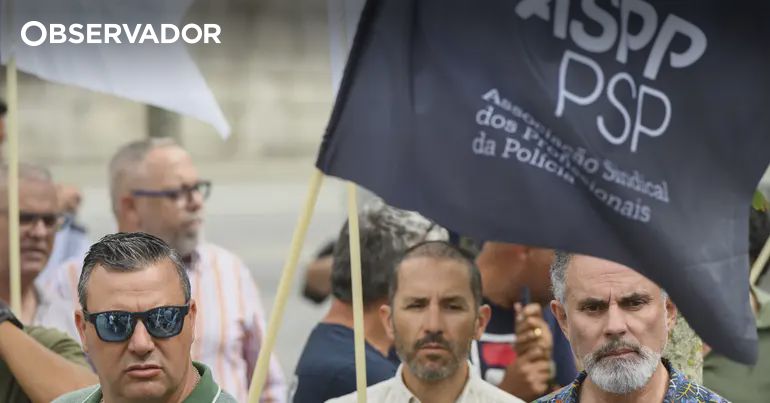
The Union Association of Police Professionals warned that the salary update planned in the State Budget for 2027 will not compensate for the losses of 2026, demanding a safeguard clause to ensure the restoration of purchasing power. #Salários #Inflação #Polícia (translated)

Guilherme Cortez criticized the website that Flávio Bolsonaro created to combat fake news and contested the proposal to adjust the minimum wage only for inflation. He stated that this correction would restore losses, rather than represent an increase, and said that Flávio's father adopted this policy for four years until Lula resumed increases above inflation. Cortez also predicted that, under Flávio, anything that was not cut would remain stagnant, especially salaries. #FakeNews #SalarioMinimo #Economia (translated)
Rick Azevedo wrote that Flávio Bolsonaro had spoken about spiritual warfare in a church, but according to him, he did not mention that his proposal for workers would be to negotiate directly with the employer and receive proportional amounts of salary, vacation, 13th salary, and FGTS. Azevedo stated that this would be Flávio's view on workers. #FlávioBolsonaro #Trabalho #DireitosTrabalhistas (translated)
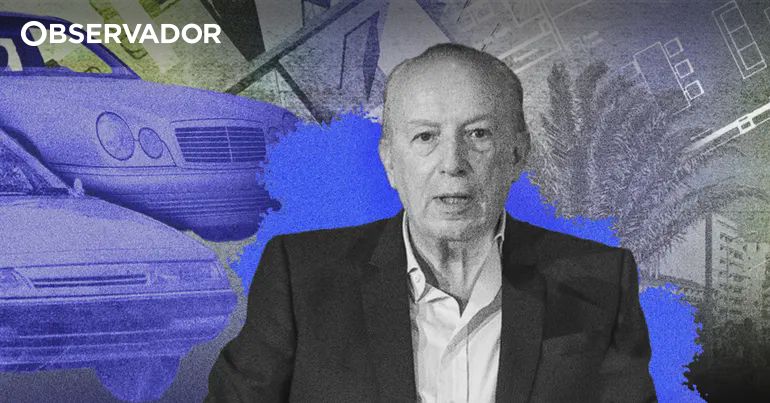
Santana Lopes, president of the Chamber of Figueira da Foz, earned more than five times his salary as a local politician through media collaborations, despite a political trajectory that also saw him facing moral issues related to his early retirement and declaration of assets. #SantanaLopes #FigueiraDaFoz #PolíticaPortuguesa (translated)

Dr. Laetitia Muadi called for not influencing labor inspectors in the Democratic Republic of the Congo. She introduced Finance Minister LikundeR as a loyal executor of President Félix Tshisekedi's directives. Muadi stated that no category of civil servants was currently receiving their full salary scale, specifically citing university professors, teachers, doctors, and nurses. According to her, the government was gradually adjusting salaries based on the state budget and treasury. She denied that the president ordered, during the 94th Cabinet meeting, the payment of 100% of their salary scale to labor inspectors and controllers. She indicated that presidential instructions were instead focused on accelerating the reform of the General Labor Inspection (IGT), the monthly payment of salaries, and the administrative and financial autonomy of the agency. Muadi stated that these measures had been implemented: a new IGT had been established, salaries had been integrated into the liquidation state for the fourth quarter, and operating and installation credits were included in the 2027 finance bill. She specified that inspectors and controllers were receiving 30% of their salary scale and were demanding 100%. According to her, the government had opted to increase remuneration in phases, as it had done for other categories of civil servants, depending on budgetary means. #RDC #Travail #Syndicats (translated)
The author noted that Pedro Passos Coelho would give an interview to Maria João Avillez on SIC Notícias, between 9 PM and 10 PM, and argued that his governance should be reassessed in light of the financial conditions he encountered. According to the author, Portugal had already requested external assistance when Passos Coelho arrived at the Government in 2011, and the adjustment program of 78 billion euros had been negotiated before he took office. He maintained that during the legislature, exports rose from about one-third of GDP to nearly 40% in 2015, including tourism, and that the tourism sector gained strategic momentum. Regarding privatizations, he acknowledged that some operations were questionable and warranted scrutiny but argued that they allowed the collection of billions of euros, the amortization of public debt, and reduce financing needs and interest burdens. He also considered that cuts in the public sector were painful but questioned what the alternatives would have been when the State could no longer finance itself normally. The author further highlighted that Portugal completed the financial assistance program in 2014 and returned to market financing without a precautionary program, recovering, in his view, decision-making leeway. He stated that Passos Coelho was the most relevant politician of the century in Portugal for having made unpopular decisions and contributed to an economic change whose effects surpassed his Government. #Portugal #Política #Economia (translated)
Sérgio Santos argued that the minimum wage should be doubled and countered the argument that Brazil could not bear the measure. He stated that the country could handle the increase, but that it was not acceptable for a person to live on 31 thousand cruzados a month. In the shared video, he also addressed Lula and claimed that the interviewers were trying to interrupt his speech. #SalárioMínimo #Brasil #Lula (translated)
Gustavo Martínez wrote that Vox proposed to considerably reduce the state and asked to know how that measure would be financed. To refer to those who, according to him, benefited from public spending at the expense of workers, he used derogatory language. He added that it was not enough to announce cuts and demanded figures on revenue. Martínez listed a proposal for income tax of 0% up to €22,000, 15% between €22,000 and €70,000, and 25% above €70,000. He also mentioned reducing corporate tax and VAT—from 21% to 18% in the general rate and from 10% to 8% in the reduced rate—setting the tax rate on basic foodstuffs at 0%, and eliminating taxes on wealth and on inheritances and donations. He also pointed out a 100% exemption for self-employed workers whose income did not reach the minimum wage. #Economía #Finanzas #Impuestos (translated)
Emilio Baena, former tax inspector, explains that inspectors can earn a gross salary of up to 110,000 euros, with 80-85% of this amount being fixed for attendance at work, while the remaining comes from bonuses related to the number of cases, which could lead to problems if the administrative resolutions are later modified by the courts. #Hacienda #Salario #Funcionarios (translated)

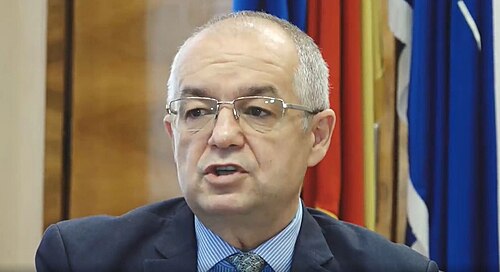
"Before the Government meeting, Prime Minister Emil Boc declared that the Government would propose a 25% reduction in the salary fund for companies with a majority state capital, such as CEC and Eximbank," MEDIAFAX reported at that time. #CrizaEconomică #Austeritate #GuvernulBoc (translated)
In 2010, the economic crisis in Romania intensified, and the government led by Emil Boc implemented radical austerity measures, including salary cuts and increasing the VAT to 24%, causing widespread protests among the population. #CrizaEconomică #Austeritate #GuvernulBoc (translated)
Alessandro Roncarati, an Italian accountant who moved to Vienna, shares his experience of escaping the Italian labor market, characterized by low salaries and difficult conditions, to find a balanced professional and economic dignity in Austria. #CervelliInFuga #LavoroInAustria #MigrantiItaliani (translated)