WRLD

Search

#végétation
Eric Ciotti 2w

Voilà où mène la violence. Des tirs de mortiers. Un feu de végétation. Deux policiers blessés. Une passante molestée. Tout cela en marge d’une mobilisation lycéenne au Parc Impérial. Ce ne sont pas des revendications. Ce sont des violences. Tout mon soutien aux victimes. Nos https://t.co/B1PEl6OCsY #violence #solidarité #mobilisation #FR

917
La Libre.be 2w

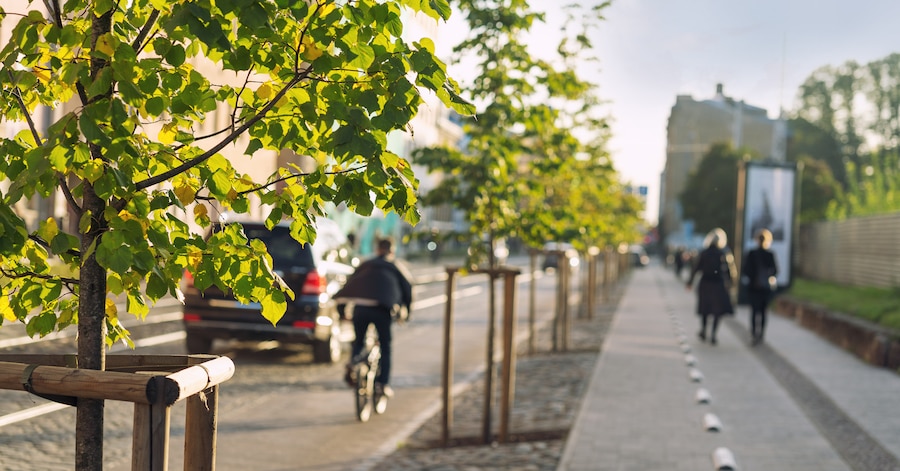
Certaines espèces d'arbres, comme les saules pleureurs et les peupliers, contribuent à la formation d'ozone nocif en libérant des composés organiques volatils, un phénomène qui pourrait s'accentuer avec le réchauffement climatique, soulignant l'importance de choisir judicieusement les espèces plantées en milieu urbain. #PollutionDeLair #VégétationUrbainne #ChangementClimatique

www.lalibre.be
Ces arbres qui aggravent la pollution de l’air en ville
1725
Franceinfo 3w

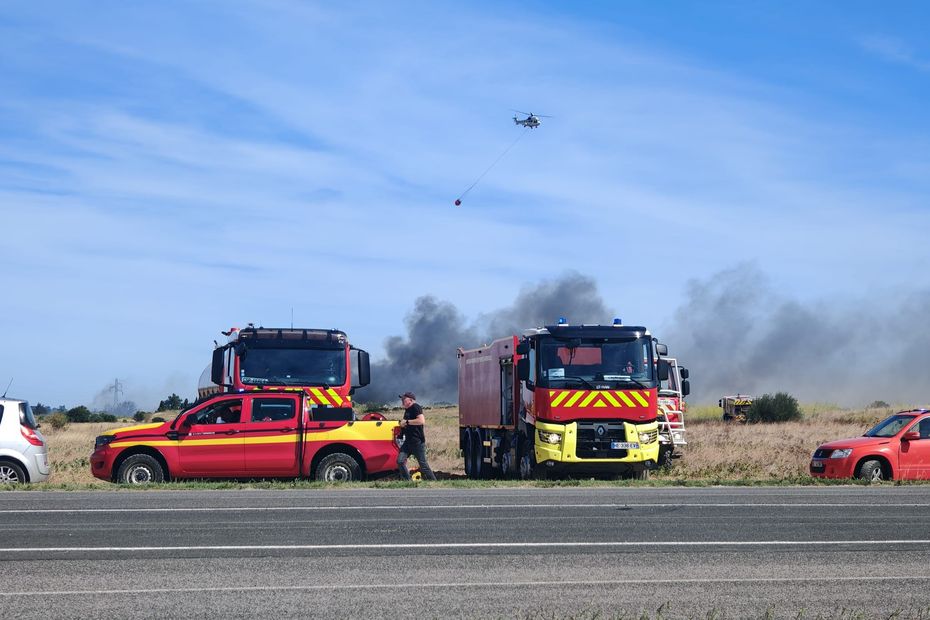
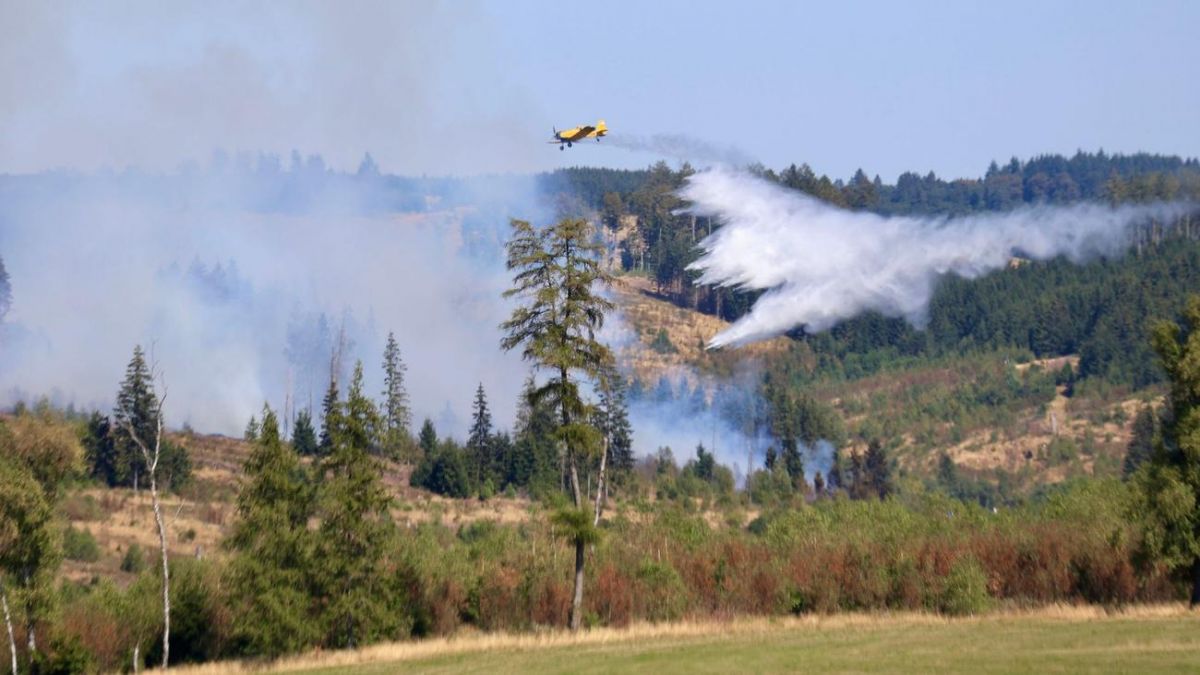
Un incendie de végétation s'est déclaré au sud de Perpignan, parcourant 35 hectares, mobilisant 180 pompiers, et entraînant l'interruption du trafic ferroviaire et la fermeture d'une route. #Incendie #PyrénéesOrientales #Perpignan

france3-regions.franceinfo.fr
Un feu de végétation a déjà parcouru 35 hectares au sud de Perpignan, le trafic des trains interrompu et une route fermée
7521
Krzysztof Graj 3w

Mali – a war where some of the people fighting do not exist In Mali's war, an apparently simple question is becoming increasingly difficult to answer: who exactly is speaking to us? A real person? A rebel organisation? A Russian influence operation? A supporter of the military junta? Or somebody who has never existed at all? In September 2026, the Dakar-based Timbuktu Institute published Des algorithmes en guerre, a report examining the use of generative artificial intelligence by actors involved in the Malian conflict. Its researchers describe the country as a potential laboratory for AI-assisted information warfare. Separatist networks are deploying synthetic fighters on TikTok. Jihadist propagandists are experimenting with AI-generated imagery. Pro-government accounts are producing large quantities of content celebrating the Malian armed forces. Russia, meanwhile, operates the most developed influence infrastructure of all: pseudo-media outlets, inauthentic accounts, AI-generated text, images and video, and systems designed to artificially amplify their visibility. Artificial intelligence did not create Mali's conflict. The war has been under way since 2012, and its participants have always fought with propaganda as well as weapons. What AI has changed is the economics of that struggle. A new “witness”, commentator, fighter, poster or video can now be produced in minutes. For audiences watching from a phone, distinguishing between genuine documentation, propaganda and material created entirely by an algorithm is becoming progressively harder. Azzghim – the fighter who cannot be killed or interrogated The most striking case documented by the Timbuktu Institute involves accounts associated with supporters of the Azawad Liberation Front, or FLA, a Tuareg separatist movement fighting the authorities in Bamako. A figure called “Azzghim” appeared on TikTok. He looks like a Tuareg fighter and regularly features in videos attacking Mali's government and Russia's Africa Corps, commenting on the conflict and promoting the cause of Azawad. There is one problem: Azzghim does not exist. Analysis of the videos identified anomalies characteristic of generative AI, including unnatural body movements, visual inconsistencies, irregular colouring and problems with audio synchronisation. According to the Timbuktu Institute, Azzghim is a synthetic character being used as the digital face of a political narrative. The propaganda advantages are considerable. An organisation no longer needs to expose a real spokesman. A synthetic personality can be designed to look exactly as its creators require, speak the appropriate language and appeal to a particular audience. Different characters could potentially be created for younger viewers, traditional communities or different ethnic and social groups. There is another advantage: a synthetic spokesman cannot be arrested, identified or interrogated. Researchers also identified accounts amplifying the material. At the time of the study, TikTok account @tawri.n.azawad had around 207,000 followers and was almost entirely devoted to publishing or repackaging content involving Azzghim. Another account, @asnan831, used a similar synthetic teenage character. An important distinction is necessary. Researchers describe these profiles as belonging to supporters or individuals associated with the FLA. The available evidence does not establish that every account is part of an operation centrally directed by the Front's leadership. The information effect, however, remains significant: a digital community can be constructed around the Azawad cause in which some of the apparent participants may not be real people at all. The jihadists are learning too The picture is different for Jama'at Nusrat al-Islam wal-Muslimin, or JNIM, the al-Qaeda-affiliated coalition that has become one of the most powerful armed groups in the Sahel. Its confirmed use of generative AI remains considerably less sophisticated. In June 2026, JNIM's Az-Zallaqa media apparatus published AI-generated posters promoting material about previous attacks. The images showed fighters in combat but contained familiar generative artefacts: buildings and vegetation merging unnaturally, blurred details and unnaturally smooth surfaces. More important than JNIM's current capabilities is what AI could add to an already sophisticated propaganda apparatus. The organisation already tailors communications to different audiences. UN reporting has documented its use of media channels for broader propaganda while other outlets increasingly distribute material in local languages, including Bambara. Generative AI could dramatically reduce the cost of this strategy, translating material into Fulfulde, Hausa, Zarma or Tamasheq, generating synthetic dubbing and producing multiple versions of the same message. The Timbuktu Institute also considers the future possibility of AI chatbots being used to personalise recruitment. That should not be presented as a capability JNIM has already demonstrated. At present, it is a risk scenario rather than a confirmed operation. Russia has the most sophisticated machine At the other end of the spectrum lies Russia's influence ecosystem. Here, AI is not an isolated experiment but another component of an infrastructure previously developed by Wagner-linked networks, Russian media operations and influence organisations operating across Africa. After Wagner's withdrawal from Mali in 2025, its military role was taken over by the Russian state-controlled Africa Corps. The information infrastructure evolved alongside it. Of particular importance is African Initiative, which presents itself as a news agency but has been identified by France's VIGINUM, the UK's Foreign, Commonwealth & Development Office and the European External Action Service as an important component of Russia's newer influence architecture in Africa. One of the most interesting elements of this ecosystem is a network researchers call AI-Freak. The operation uses generative AI to produce text, images and videos, places them on fake or apparently independent news websites and distributes them through inauthentic accounts. This is supplemented by so-called Black Hat SEO – techniques intended to artificially increase the visibility of content in search engines. Elements of this infrastructure have previously been identified by Meta and OpenAI. In 2024, OpenAI disrupted Russian accounts using ChatGPT to generate articles and comments in English, French and Russian. Some of the French-language content targeted audiences in West Africa. In a later iteration of the operation, AI models were also used to draft scripts for short videos praising the Russian Africa Corps, translate them into French and generate descriptions optimised for social media. This illustrates an important difference between the Russian approach and Azzghim. The separatist ecosystem uses AI primarily to manufacture convincing digital personalities. The Russian model increasingly resembles an industrial production line: text, image, video, pseudo-news website, distribution account, search optimisation and additional channels amplifying the narrative. The objective is not merely to convince someone of a single claim. It is to occupy as much of the information environment as possible with narratives advantageous to Moscow: Russia as an effective security partner, the West as a neo-colonial aggressor, France as a source of instability and Russian forces as defenders of African sovereignty. Yet VIGINUM also warns against equating technological sophistication with actual impact. Some Russian influence channels still attract relatively small audiences. A sophisticated operation is not automatically a successful one. The junta is building its own digital reality Mali's military authorities operate within the same contested information environment. Since breaking with France and moving closer to Moscow, Bamako has increasingly restricted independent media space while promoting a narrative built around restored sovereignty, military success and the benefits of its Russian partnership. The Timbuktu Institute highlights the TikTok account @6tm_officiel. At the time of the study, it had more than 436,000 followers and published substantial amounts of AI-generated material presenting Mali's armed forces, the FAMa, and the Africa Corps in a favourable light. One video concerning the battle for Kidal accumulated around 4.7 million views. Again, attribution requires care. Researchers describe the account as being operated by an individual based in Bamako; they do not provide evidence that it is officially managed by the Malian government. It is better understood as part of a wider pro-government information ecosystem in which the boundaries between state communications, supporters and co-ordinated propaganda can be difficult to establish. The Africa Center for Strategic Studies has previously identified the military regimes in Mali and Burkina Faso as important sources of disinformation campaigns in West Africa. Recurring narratives target France, the United Nations, ECOWAS, human-rights organisations and independent media, while presenting criticism of the authorities as part of a foreign conspiracy. Generative AI allows such narratives to be produced faster, more cheaply and in far more variations. Everyone is fighting over a different version of the same war What makes Mali particularly revealing is that multiple actors are using similar technology for very different objectives. FLA-linked networks need digital faces capable of humanising the Azawad cause and attacking Russia's presence. JNIM needs propaganda material and increasingly localised communications. The pro-government ecosystem seeks to portray Mali's armed forces as victorious and reinforce the junta's legitimacy. Russia possesses the broadest infrastructure, in which AI is merely one component of a larger system involving media outlets, websites, local partners, social-media profiles and technical amplification. The result is a war taking place simultaneously in two realities. In the first, soldiers and civilians are killed, towns change hands and the army, separatists and jihadists fight for territory. In the second, every side is trying to determine what the first reality will look like on a smartphone screen. Generative AI does not need to create a perfect deepfake to be effective. It merely needs to increase the number of competing versions of events until an ordinary viewer can no longer easily determine which one deserves to be trusted. That is why Mali matters. It is not showing us the future of information warfare. It is showing us its present. One TikTok video may feature a real soldier. Another may feature a propagandist. A third may feature a fighter who has never existed. And all three can tell completely different stories about the same war. Sources Timbuktu Institute – Des algorithmes en guerre: Comment l'IA générative rebat les cartes du conflit malien https://timbuktu-institute.org/index.php/toutes-l-actualites/item/1731-rapport-des-algorithmes-en-guerre-comment-l-ia-generative-rebat-les-cartes-du-conflit-malien AfricaNews/AFP – “Mali's information war is increasingly being shaped by AI” https://www.africanews.com/2026/09/09/malis-information-war-is-increasingly-being-shaped-by-ai/ OpenAI – research on Russia-origin influence activity and Operation Stop News https://openai.com/index/disrupting-malicious-uses-of-ai-stop-news-2024/ VIGINUM / FCDO / EEAS – technical report on African Initiative and the AI-Freak network https://www.sgdsn.gouv.fr/files/files/Publications/20250612_TLP-CLEAR_VIGINUM_FCDO_EEAS_Technical_Report_African_Initiative_EN.pdf Africa Center for Strategic Studies – Mapping a Surge of Disinformation in Africa https://africacenter.org/spotlight/mapping-a-surge-of-disinformation-in-africa/ Timbuktu Institute – analysis of AI use by JNIM https://timbuktu-institute.org/index.php/toutes-l-actualites/item/1735-artificial-intelligence-a-new-propaganda-lever-for-jnim-in-mali?print=1&tmpl=component #Disinformation #Mali #Sahel #Africa #ArtificialIntelligence #AI #GenerativeAI #AIPropaganda #InformationWarfare #InfluenceOperations #Propaganda #Deepfakes #SyntheticMedia #Azawad #FLA #JNIM #AfricaCorps #Russia #RussianInfluence #TikTok #DigitalWarfare #MediaManipulation #WRLD

timbuktu-institute.org
Rapport - DES ALGORITHMES EN GUERRE : Comment l'IA générative rebat les cartes du conflit malien
1624
Bild 4w

Die ESA hat erfolgreich die Satelliten FLEX und Sentinel-3C ins All gestartet, um weltweit Vegetation, Klima- und Umweltveränderungen zu überwachen und wichtige Daten zur Gesundheit der Erde zu sammeln. #ESAMission #Satelliten #Pflanzengesundheit

www.bild.de
„Historischer Meilenstein“ - Europas neue Klima-Wächter ins All gestartet
19754
BFMTV 4w

Un incendie sur l'île de Brac en Croatie a ravagé 3.500 hectares de végétation depuis le 10 septembre, entraînant l'évacuation de 230 personnes, tandis que les pompiers luttent contre les flammes dans des conditions difficiles. #IncendieCroatie #Brac #Évacuation

www.bfmtv.com
"Une nuit extrêmement difficile": incendie sur une île en Croatie, 3.500 hectares partis en fumée, plus de 200 personnes évacuées
12800
La Libre.be Sep 7

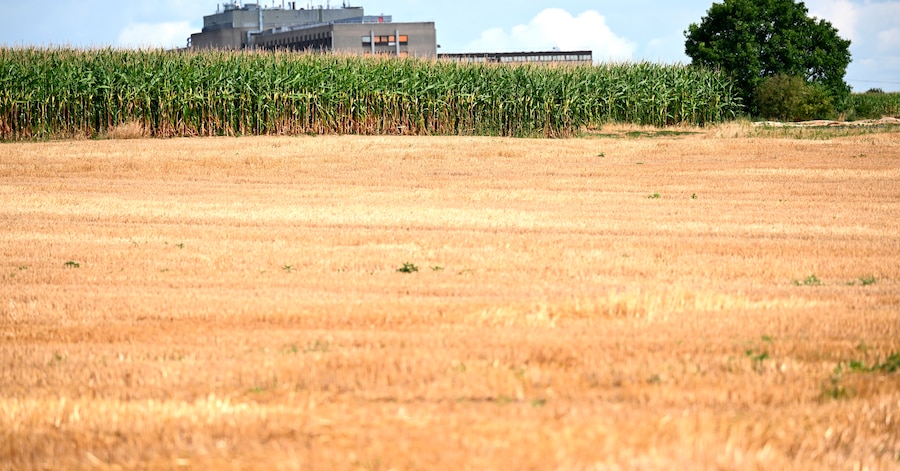
Malgré les récentes pluies, la sécheresse persiste en Belgique en raison de l'absorption rapide de l'eau par la végétation et de la lente recharge des nappes phréatiques, poussant les autorités à maintenir l'alerte jaune. #sécheresse #eau #Belgique

www.lalibre.be
Malgré la pluie, la sécheresse est toujours bien présente
12258
Franceinfo Sep 5

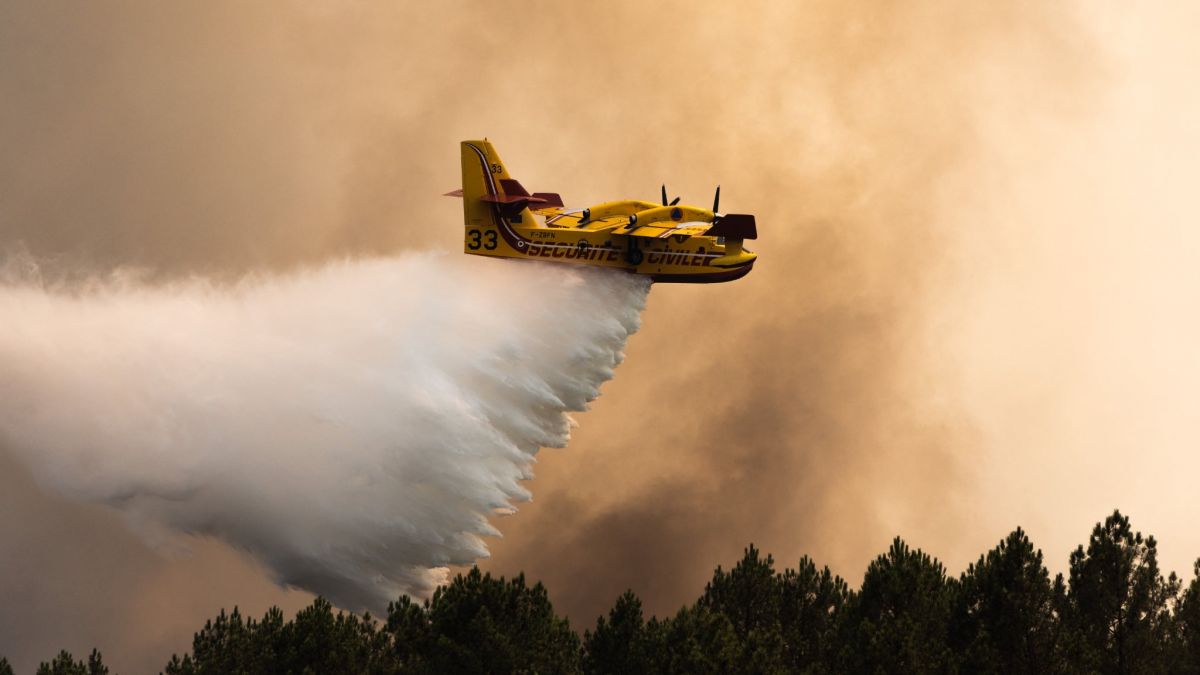
Un important incendie à Puilaurens, dans l'Aude, a parcouru 225 hectares de végétation et pourrait connaître une journée critique en raison des fortes températures attendues et du relief escarpé, incitant les pompiers à maintenir une vigilance accrue. #Incendie #Aude #Pompiers

www.franceinfo.fr
Incendie dans l'Aude : 225 hectares parcourus, une journée "critique" redoutée par les pompiers
9348
Franceinfo Aug 30

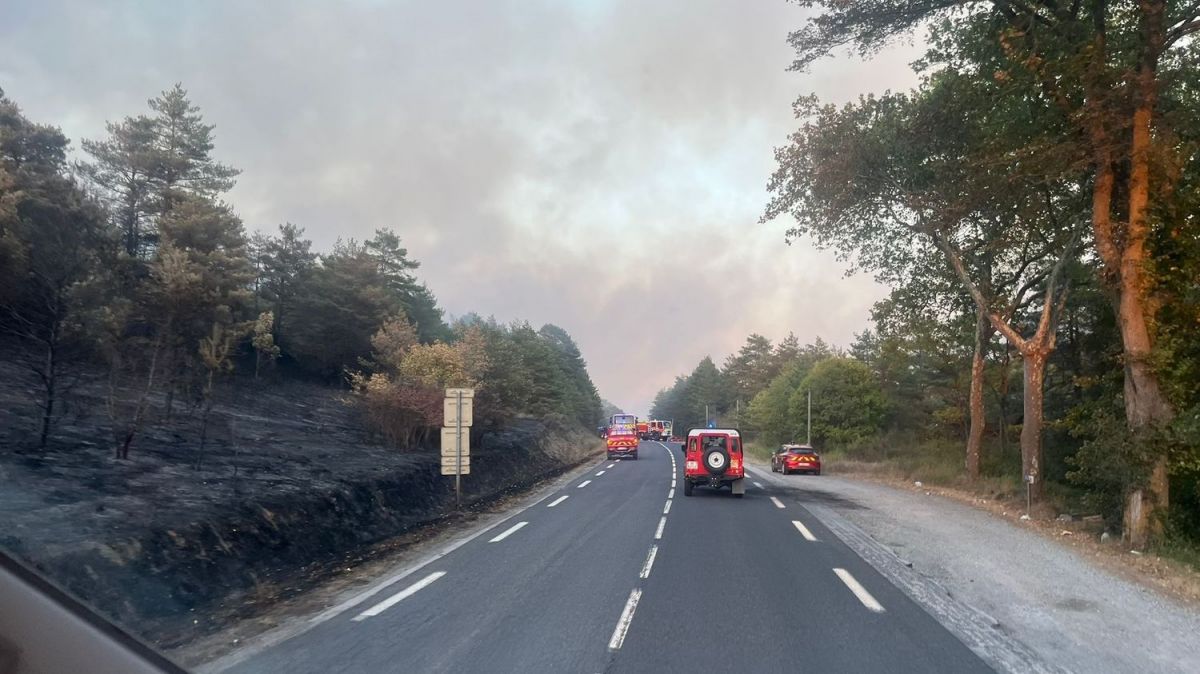
Un incendie en Haute-Corse, déclenché le 29 août, a ravagé plus de 100 hectares de végétation et menacé des habitations, nécessitant l'intervention rapide de 140 pompiers et plusieurs aéronefs pour contrôler la situation. #Incendie #HauteCorse #Pompiers

www.franceinfo.fr
"Il y avait de la fumée partout" : un incendie ravage plus de 100 hectares en Haute-Corse, les habitants témoignent
10542
newsORF.at Aug 20

Serbien kämpft seit Wochen gegen einen verheerenden Waldbrand im Banater Dünenland, der bereits 3.000 Hektar Vegetation zerstört hat und zur Evakuierung der Bewohner der Siedlung Trujino Naselje geführt hat. #Serbien #Waldbrand #Naturschutz

orf.at
Serbien kämpft seit Wochen gegen verheerende Feuer
9992
ZEIT ONLINE Aug 20

Laut einer Studie könnte der Klimawandel die Fläche von Vegetationsbränden in Europa bis Ende des Jahrhunderts um bis zu 192 Prozent erhöhen, wobei neben der Erderwärmung auch Faktoren wie Landnutzung, Prävention und Brandbekämpfung entscheidend sind. #Klimawandel #Waldbrände #Europa

www.zeit.de
Erderhitzung und Flächenbrände: Klimawandel könnte Waldbrandfläche in Europa verdreifachen
14695
La Libre.be Aug 20

L'incendie dans les Hautes Fagnes, qui a détruit environ 3.000 hectares de végétation, est désormais encerclé et contenu, mais reste actif, avec des opérations de secours limitées en raison des conditions météorologiques difficiles. #Incendie #HautesFagnes #Belgique

www.lalibre.be
DIRECT - Incendie dans les Hautes Fagnes : Les opérations se sont poursuivies de manière limitée en raison des conditions météo
10581
newsORF.at Aug 19

Ein neuer Großbrand in Spanien, der vermutlich absichtlich gelegt wurde, hat bereits 2.200 Hektar Vegetation, darunter Pinienwald, in der Provinz Caceres zerstört und zur Evakuierung von zehn Ortschaften geführt, während in der Nähe von Madrid ein weiteres Feuer ausbrach und die Behörden zur Evakuierung einiger Häuser aufriefen. #Spanien #Waldbrand #Extremadura

orf.at
Neuer Großbrand in Spanien vermutlich gelegt
11759
ZEIT ONLINE Aug 19

In Sachsen-Anhalt wurden seit Beginn der Waldbrandsaison 58 Wald- und Vegetationsbrände registriert, welche eine Fläche von insgesamt 29 Hektar betrafen, während die hohen Temperaturen und Trockenphasen die Brandgefahr erhöhten und ein Löschflugzeug, unter anderem die Hexe 1, zum Einsatz kam. #Waldbrände #SachsenAnhalt #Feuerwehr

www.zeit.de
Auch Löschflugzeug im Einsatz: 58 Wald- und Vegetationsbrände seit Saisonbeginn gemeldet
8819
CGN France Aug 19

La 17e Conférence des Parties à la Convention des Nations Unies sur la lutte contre la désertification (COP17) s'est récemment concentrée sur les défis mondiaux que représentent la dégradation des terres et la sécheresse. Dans ce dialogue sur l'avenir de la planète, le projet intégré de stockage d'énergie solaire thermique construit par China General Nuclear Power Group (CGN) à Delingha, dans la province du Qinghai, illustre parfaitement l'association du photovoltaïque et de la lutte contre la désertification. Le désert de Gobi, autrefois balayé par les vents, abrite désormais une centrale solaire thermique. Celle-ci produit de l'électricité en captant la lumière du soleil le jour et stocke la chaleur la nuit, assurant ainsi une alimentation électrique stable et propre 24 heures sur 24. Plus important encore, le réseau de miroirs réduit efficacement la vitesse du vent en surface et l'évaporation de l'eau, permettant à la végétation entre les panneaux de se régénérer progressivement et aux terres désertifiées de régresser. Il ne s'agit pas d'un simple projet énergétique, mais d'une démarche écologique visant à tirer profit du désert et à construire un avenir grâce à l'énergie solaire. CGN a démontré, par l'innovation technologique, que le développement des énergies propres peut s'inscrire dans la lutte contre la désertification, transformant des terres arides en un vivier d'énergies vertes. #UNCCDCOP17 #CGN #StockageÉnergieSolaireDelingha #LutteContreLaDésertification #ÉnergieVerte #VersLaLumière #LutteContreLaDésertification #ÉnergieVerte #UNCCDCOP17

19639
via.tt.se Aug 19

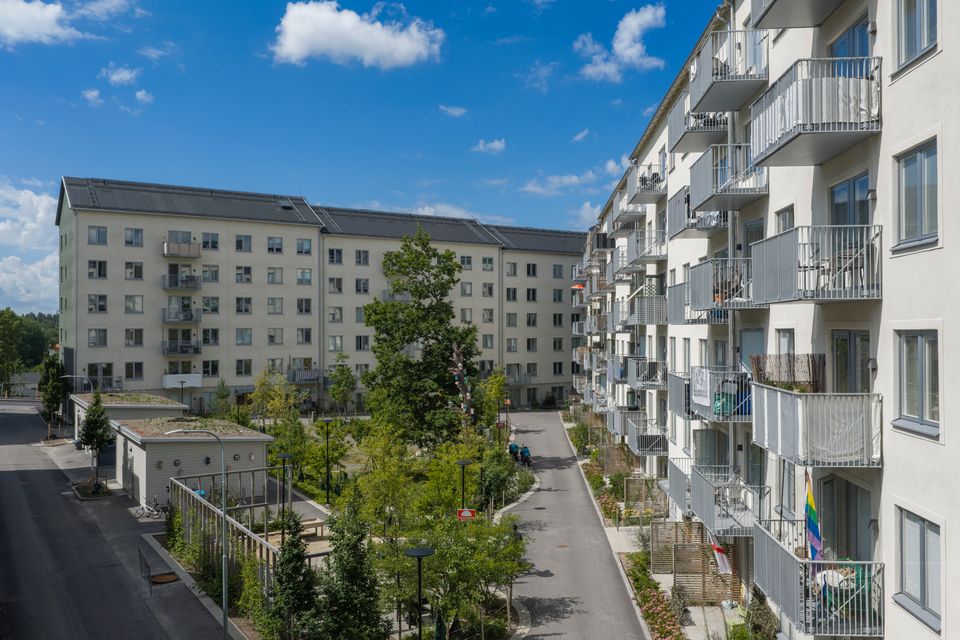
I de nya Stockholmshusen i Rågsved implementerar Stockholmshem naturbaserade lösningar som syftar till att hantera klimatförändringar genom att effektivt hantera dagvatten, förbättra vegetation och öka den biologiska mångfalden, vilket gör bostadsområdena bättre rustade för skyfall och torka. #klimatutmaningar #bioekonomi #hållbarhet

via.tt.se
Naturbaserade lösningar för ett tuffare klimat
17641
Franceinfo Aug 17

En Belgique, un incendie historique continue de ravager la réserve naturelle des Hautes Fagnes, ayant déjà détruit 3 000 hectares de végétation, malgré l'arrivée de la pluie et un dispositif de lutte contre les flammes mobilisant 500 hommes et des moyens aériens. #Incendie #Belgique #Environnement

www.franceinfo.fr
En Belgique, malgré la pluie et la baisse des températures, l'incendie continue de progresser et la polémique enfle
10002
L
Le Soir Aug 16

Le parquet de Liège a ouvert une enquête sur l’origine de l'incendie qui ravage les Fagnes depuis vendredi, tandis que 100.000 masques FFP2 ont été activés pour protéger les secouristes luttant contre le feu, qui a déjà détruit près de 3.000 hectares de végétation. #Incendie #Fagnes #MasquesFFP2

www.lesoir.be
Incendie dans les Fagnes : le parquet de Liège ouvre une enquête, le stock stratégique de 100.000 masques FFP2 activé
11181
La Libre.be Aug 16

Les Hautes Fagnes sont en proie à un incendie majeur, avec près de 3 000 hectares de végétation et de tourbières brûlés, provoquant une couche de fumée persistante et une forte odeur de brûlé dans la région, tandis que des bénévoles et des services de secours s'active pour lutter contre les flammes et soutenir les personnes évacuées. #Incendie #HautesFagnes #Solidarité

www.lalibre.be
Une couche de fumée, une forte odeur de brûlé persistante, les Hautes Fagnes sont en feu
12358
L
Le Soir Aug 16

Un incendie majeur dans les Fagnes a déjà ravagé près de 3.000 hectares de végétation, entraînant des évacuations de villages et le maintien de consignes de sécurité en raison de prévisions météorologiques défavorables, tout en mobilisant pompiers, policiers et militaires pour contenir les flammes et assurer la sécurité des évacués. #IncendieFagnes #Évacuation #Sécurité

www.lesoir.be
Incendie historique dans les Fagnes : prévisions météo défavorables et maintien des consignes d’évacuations
10004