WRLD

Search

#Áudio
O
Oberlé Daniel 56m

🧭 40 ans après la Charte d’Ottawa, Theresa Tam soutient qu’il ne faut pas remplacer les principes de la promotion de la santé, mais les appliquer aux crises actuelles. 📒 La promotion de la santé à l’ère des bouleversements : appliquer des principes durables dans un monde qui change ✍️ Theresa Tam, Agence de la santé publique du Canada, Ottawa Health promotion in an era of disruption: applying enduring principles in a changing world Capsules Audio de Pratiques en Santé 🎙️🎥 https://www.youtube.com/watch?v=JVxNrN_JZ9U Analyse de Pratiques en Santé et lien vers la source ℹ️➕ https://www.pratiquesensante.com/blog/pratiques-15/la-promotion-de-la-sante-a-l-ere-des-bouleversements-appliquer-des-principes-durables-dans-un-monde-qui-change-6252 📌 Pour les acteurs de la promotion de la santé, cet éditorial permet de relire les principes de la Charte d'Ottawa au regard des bouleversements récents décrits par l'autrice : COVID-19, urgences climatiques, crise des drogues toxiques, évolutions démographiques, transformation numérique, défiance et désinformation (p. 1). Il apporte des arguments pour défendre trois idées : investir dans le bien-être renforce aussi la résilience face aux crises (p. 1-2) ; la promotion de la santé gagne à sortir des silos et à s'associer à la gestion des urgences, aux soins, à l'éducation et aux politiques sociales, environnementales, économiques et numériques (p. 2, p. 3-4) ; les espaces numériques, en particulier ceux des enfants et des jeunes, font désormais partie des milieux de vie à prendre en compte (p. 3). Il invite enfin à choisir des mots qui parlent aux décideurs et aux communautés, comme bien-être, résilience communautaire, confiance ou cohésion sociale, sans renoncer au fond de la démarche (p. 3). 🇬🇧: Health promotion in an era of disruption: applying enduring principles in a changing world - https://www.pratiquesensante.com/en/blog/practices-15/health-promotion-in-an-era-of-disruption-applying-enduring-principles-in-a-changing-world-6252 #️⃣ #pratiquesensante #PromotionDeLaSanté #ChartedOttawa #BienÊtre #Résilience #ÉquitéEnSanté #SantéNumérique #Intersectorialité

www.youtube.com
Principes de santé durables : 40 ans après la Charte d’Ottawa,

Die Presse 4h

The regulatory authority RTR must initiate a procedure to revoke the license of Oe24.tv after the broadcaster allowed discriminatory remarks about the Chinese people in an interview with former BZÖ politician Stefan Petzner, which were classified as serious legal violations under the Audiovisual Media Services Act. #Hassrede #Medienverantwortung #CoronaPandemie (translated)

www.diepresse.com
Petzners „Schlitzaugen-Virus“: Oe24.tv droht Verfahren zum Lizenz-Entzug [premium]
1588
F
Fouad Abdelmoumni 6h

When I saw the video, I understood where the recordings had been made: the air conditioning unit. I inspected it but found nothing. I realized they had been able to install and uninstall the microcamera with extreme ease. The quality of the images and audio was very good despite the darkness: it must have been a very sophisticated product. #tecnooppressione #sorveglianza #dirittiumani (translated)

Marocco, ecco il sistema di “tecno-oppressione” contro giornalisti e attivisti
www.ilfattoquotidiano.it
1501
nacho con O 8h

Nacho con O wrote that Niurka Marcos left the dance floor during #LaGranjaGala after, as he indicated, the audio of the production failed and two dancers almost made her fall. #LaGranjaGala https://t.co/y3pEHj5mhJ #NiurkaMarcos #Baile #Entretenimiento (translated)

1634
Jon De Lorraine 18h

Jon De Lorraine wrote that Glucksmann's victory in the PS primary would lead public broadcasting to impose this candidate. He accompanied his message with a link presented as a reminder. https://t.co/NG1hagOHym #PS #politique #élections (translated)

2155
Rodrigo Constantino 22h

Rodrigo Constantino stated that network X was spreading the audio and demanding answers, unlike what he claimed the mainstream media and the PGR had done. He also said that attempts to discredit VEJA did not erase Vorcaro's voice describing what he termed a scheme, and he associated the situation with the PT, adding that the public was listening. #Brasil #Política #Mídia (translated)

2298
Pri 23h

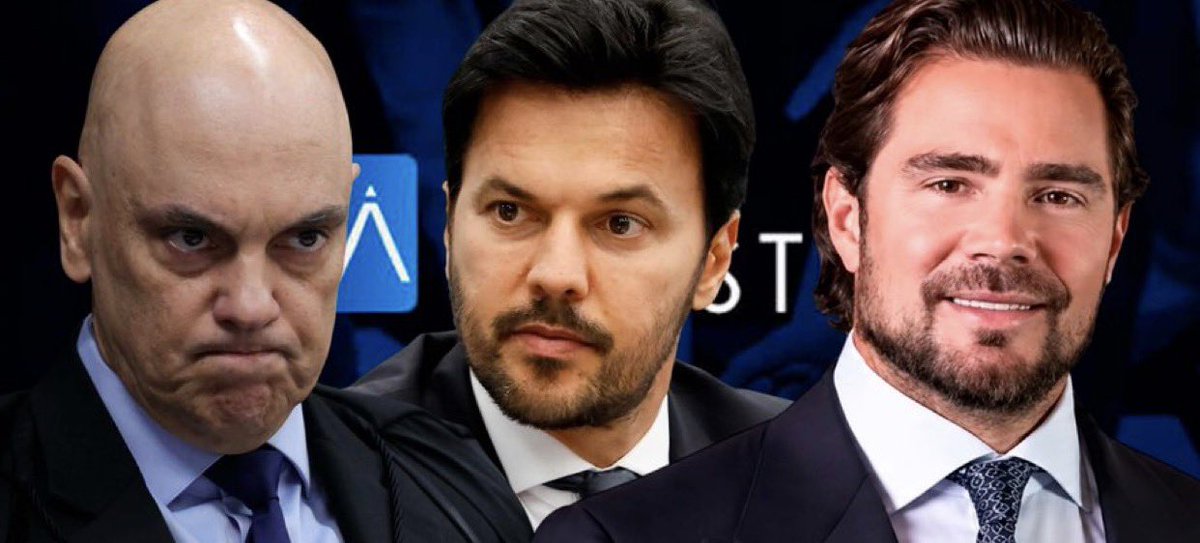
Pri published an audio that she identified as being from Fábio Faria, in a WhatsApp group with Vorcaro, Ciro Nogueira, and Hugo Motta, dated 08/22/25. According to her, Faria said that Alexandre de Moraes could not go to Trancoso and assessed that the minister's absence would be positive at that moment, as there would be a lot of risk for him. Faria also referred to Moraes in a derogatory manner, mentioning his baldness. https://t.co/fQ5s7Mj9zJ #WhatsApp #Política #Brasil (translated)

2490
O Antagonista 24h

O Antagonista reported that Fábio Faria mentioned Moraes in an audio with Vorcaro. According to the publication, the former Minister of Communications discussed holding a meeting in Trancoso in a group that also included Ciro Nogueira and Hugo Motta. #Brasil #Política #FábioFaria (translated)

2340
Rzeczpospolita 1d

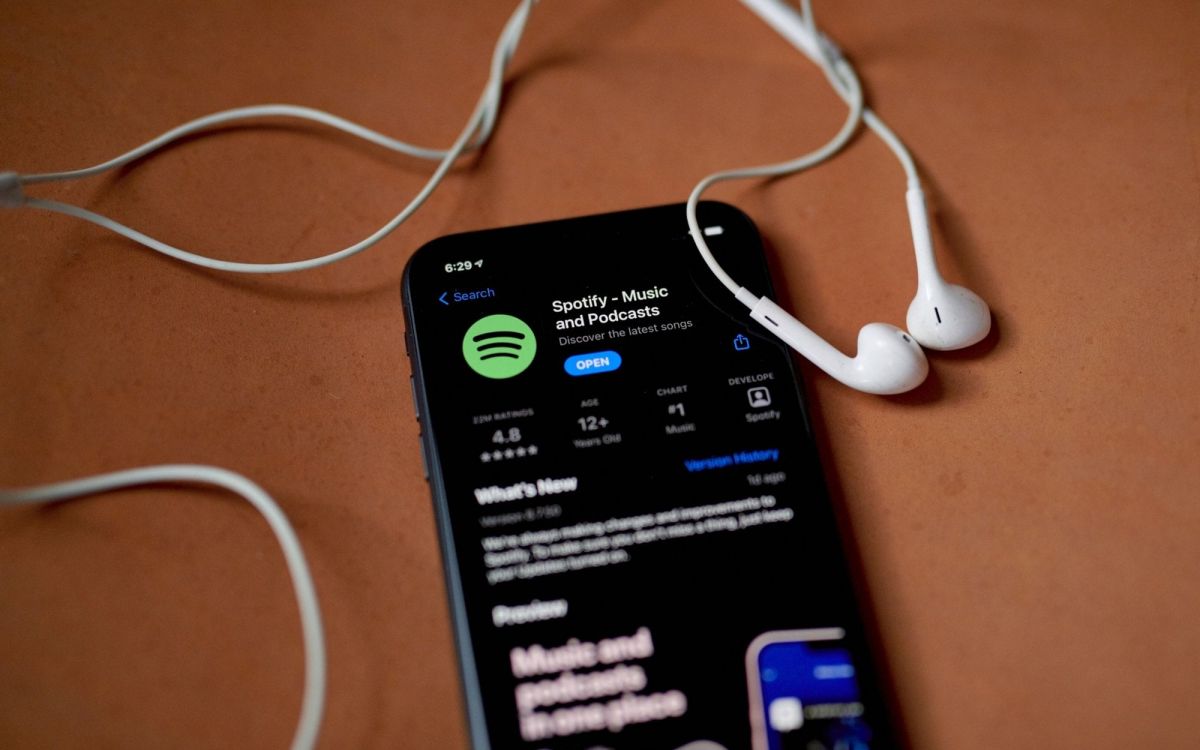
Spotify is introducing audiobooks to the Polish market starting October 15, which raises both hopes and concerns among local platforms and publishers. #Spotify #audiobooki #polskiRynek (translated)

www.rp.pl
Spotify wchodzi na nasz rynek audiobooków. Są ceny, limity. Biblioteka powstaje
2368
BFMTV 1d

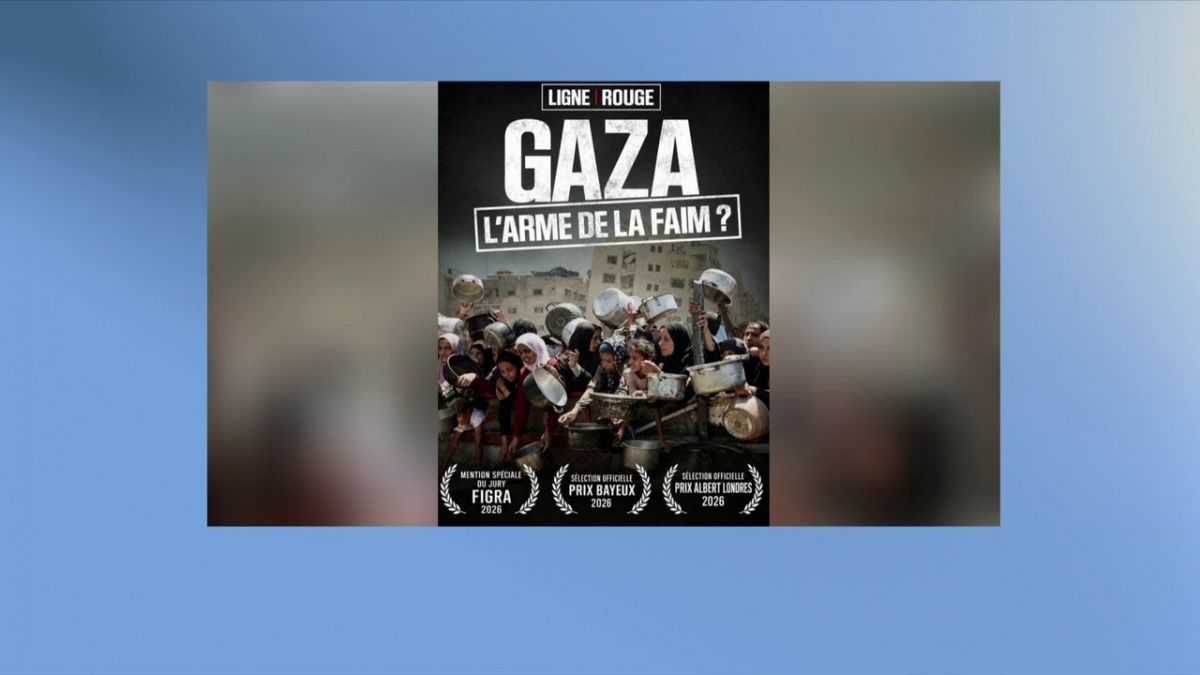
The documentary Gaza: The Weapon of Hunger? was awarded the Bayeux Prize for War Correspondents in the audiovisual category, honoring the work of BFMTV journalists and their fixers. #Gaza #Journalisme #PrixBayeux (translated)

www.bfmtv.com
Le documentaire Ligne Rouge "Gaza : l'arme de la faim ?" a reçu le Prix Bayeux des correspondants de guerre dans la catégorie audiovisuel
2297
20 minutos 1d

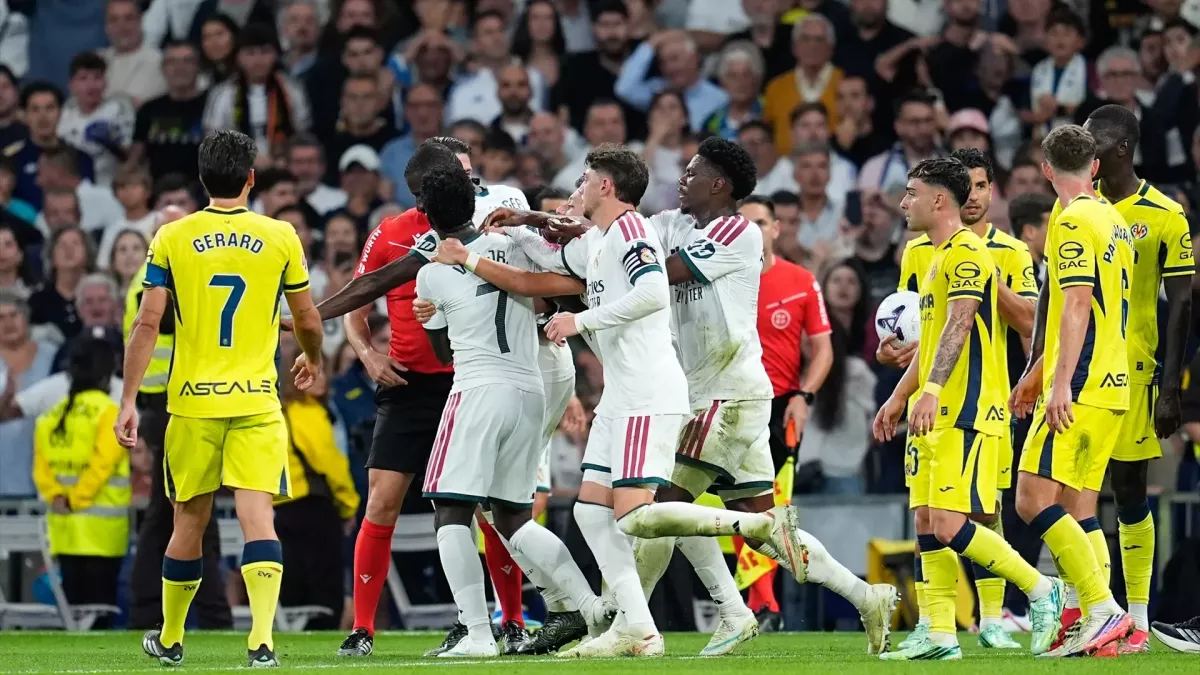
The article details the expulsion of Vinícius Júnior during the match between Real Madrid and Villarreal, where the referee justified the red card for violent conduct by pulling Nathan Saliba's hair, according to VAR audio and the referee's report. #Vinícius #VAR #Expulsión (translated)

www.20minutos.es
Los audios del VAR y el acta arbitral tras la expulsión de Vinícius: "Conducta violenta" y "actitud agresiva"
2303
Krzysztof Graj 1d

Operation Dark Clark – Russia built a real organisation around a false identity Most influence operations create fake people, fake websites or fake news stories. Operation Dark Clark appears to have gone considerably further: Russian operators built what looked like a functioning research organisation in Latin America, employed real people to produce genuine research and concealed from those employees who was ultimately directing their work. OpenAI disclosed the operation on 8 October after banning a cluster of accounts originating in Russia. The actors used ChatGPT while targeting countries across Latin America, principally to damage Ukraine’s reputation, manipulate domestic political debates and manage a self-described research organisation called the Social Research Center, or SRC. OpenAI assessed Dark Clark as Category Five on the six-level Breakout Scale, the first operation it has disrupted since beginning its influence-operation reporting to reach that level. A front organisation with real employees The SRC presented itself as a research platform studying subjects including Latin America’s relationship with India and the Indian diaspora. OpenAI found more than 60 articles on its website, most of them apparently original rather than plagiarised. Internal reports produced by the Russian operators discussed hiring, dismissals, salary scales, staffing and unfinished research projects, strongly suggesting that the operators controlled the organisation rather than merely collaborating with it. At the centre of the structure was “Mia Clark”, a fictitious identity reportedly used to manage social-media activity and communicate with staff. According to OpenAI, the available evidence indicates that employees working for SRC in Latin America were probably unaware that the organisation was being directed by Russian actors. They interviewed experts, conducted research and wrote papers in what appears to have been good faith. The deception therefore existed primarily at the organisational level: much of the work was real, but the identity and strategic purpose of the institution commissioning it were not. OpenAI This is one reason Dark Clark differs from the familiar model of a troll farm. A reader encountering an SRC paper might be looking at research genuinely written by a Latin American employee based on genuine interviews. The manipulation lies further upstream, in who built the institution, selected its direction and controlled its infrastructure. From forged emails to real events The operation also appears to have attempted something more ambitious than online persuasion: inducing real people to produce events that could later be turned into propaganda. In May 2026, according to the operators’ internal reports, they created an email address impersonating Lima’s regional education authorities and instructed schools to organise activities about Ukraine for a cultural-diversity event. The instructions included references to Stepan Bandera, whose historical legacy remains particularly contentious in Poland and parts of Eastern Europe. The operators claimed that some schools complied, replied to the false address and sent photographs of the events. OpenAI could not independently verify every claim contained in the operators’ reports. It did, however, find Peruvian reporting matching the story, followed by publications in Poland and an English-language outlet in Hungary. Some coverage included comments from a Polish MEP calling for people displaying what he described as anti-Polish attitudes to be declared persona non grata. OpenAI therefore concluded that the fabricated starting point appears to have entered genuine political debate across national borders. The mechanism is unusually effective because the final photographs need not themselves be fabricated. If people can be tricked into staging a real event on the basis of a forged instruction, the operation creates authentic visual evidence of something that was artificially initiated. The same method in Ecuador and Bolivia Dark Clark’s internal reports describe similar efforts elsewhere. In Ecuador, the operators claimed they used a fake education email to encourage schools to stage ceremonies involving President Daniel Noboa and Erik Prince, the former head of Blackwater. Ecuadorian media subsequently covered a matching controversy, and the country’s education minister issued a detailed denial. Other Ecuador-focused material included fabricated audio attributed to Ukraine’s consul and a false television report alleging that Noboa’s government was recruiting Ecuadorians to fight in Ukraine. Local fact-checker Lupa found that the supposed Teleamazonas report had never been broadcast, that images had been taken from Instagram, that the audio was AI-generated and that a company named in a supposed recruitment contract did not exist in Ecuador’s corporate registry. In Bolivia, an internal report described a fake audio recording supposedly made by an employee of state water company EPSAS during anti-government protests. It claimed that water supplies to La Paz would be cut and a state of emergency declared. The allegation produced a fact-check and an official denial. OpenAI says the operators explicitly described their objective as worsening the political crisis surrounding the demonstrations. Possible links to the post-Wagner influence machine Dark Clark did not emerge in a vacuum. The operators repeatedly asked ChatGPT about Politology and La Compania, names associated in previous investigations with the Russian influence apparatus that developed from structures once connected to Yevgeny Prigozhin. Forbidden Stories and its partners obtained 1,431 pages of internal documents describing a network known as “The Company”, which they reported had grown to almost 100 operatives and was conducting influence projects across roughly 30 Global South countries. Their investigation found that the organisation moved under the supervision of Russia’s Foreign Intelligence Service, the SVR, after Prigozhin’s death. Its documented budget for ten months of activity in 2024 was approximately €7.3 million. Two older Argentina campaigns claimed in Dark Clark’s internal reports — a false story about Javier Milei buying Cartier collars for his dogs and the staging of anti-Milei graffiti — had already been independently attributed by investigative journalists to Politology/La Compania. That is significant corroboration, but it is not enough to prove that every Dark Clark activity was run by the same organisational structure. AI was the back office, not the mastermind Perhaps the most important finding concerns artificial intelligence itself. In most documented cases, the Russians were not using ChatGPT to generate the propaganda seen by the public. Their principal use was administrative: drafting reports for an unknown superior, summarising operations, translating material and recording the supposed success of campaigns. Those reports also expose a weakness in the operators’ own measurement. OpenAI found instances in which they tried to claim credit for developments they had probably not caused, suggesting that they were not only attempting to manipulate Latin American audiences but also presenting an inflated picture of their effectiveness to whoever was supervising them. Dark Clark nevertheless broke further into the real world than any influence operation OpenAI had previously disrupted. Under the Brookings framework, Category Five means that an operation has escaped its original network and been amplified by high-profile individuals such as politicians. Dark Clark crossed that threshold because fabricated narratives appear to have provoked governmental denials, mainstream reporting and political comment in several countries. Its most important innovation was therefore not a particularly convincing deepfake. It was the construction of a partly genuine institution around a concealed foreign controller. The research could be real. The employees could be real. The interviews could be real. What was false was who they were ultimately working for. Sources OpenAI — Disrupting AI-enabled “false front” operations https://openai.com/index/disrupting-ai-enabled-false-front-operations/ Forbidden Stories — Propaganda Machine: Russia’s foreign influence strategy across three continents https://forbiddenstories.org/propaganda-machine-secret-documents-reveal-russias-foreign-influence-strategy-across-three-continents/ Forbidden Stories — Ghost Journalists, Cash and Kremlin Scripts: Argentina https://forbiddenstories.org/ghost-journalists-cash-and-kremlin-scripts-how-russian-operatives-tried-to-influence-argentinian-media/ openDemocracy — Russian influence operation in Bolivia https://www.opendemocracy.net/en/russia-bolivia-south-america-putin-evo-morales-wagner-prigozhin-covert-operations-propaganda-disinformation-foreign-interference/ Lupa Media — Fake Teleamazonas report about recruiting Ecuadorians for Ukraine https://lupa.com.ec/verificaciones/noboa-mercenarios-ucrania-ecuador/ Brookings Institution — The Breakout Scale https://www.brookings.edu/articles/the-breakout-scale-measuring-the-impact-of-influence-operations/ Keywords: #DISINFORMED #Episode17 #OperationDarkClark #DarkClark #Russia #LatinAmerica #RussianInfluence #RussianDisinformation #Disinformation #InformationWarfare #InfluenceOperations #ForeignInterference #FIMI #FalseFront #FrontOrganisation #FakeInstitution #SocialResearchCenter #SRC #ArtificialIntelligence #AI #GenerativeAI #ChatGPT #OpenAI #NarrativeManipulation #SourceLaundering #InstitutionalManipulation #ForgedDocuments #FakeAudio #PoliticalInfluence #CovertInfluence #Peru #Ecuador #Bolivia #Argentina #Ukraine #Politology #LaCompania #TheCompany #SVR #WagnerLegacy #PropagandaMachine #GlobalSouth #BreakoutScale #OSINT #MediaManipulation #WRLD

92
Brèves de presse 1d

Press Briefs reported nearly 7,000 police custody cases, 86% of which involved minors, and indicated that the majority had not led to legal proceedings at this stage. The account described these arrests as a massive and unprecedented measure aimed at containing the mobilization of young people. Several cited observers viewed this as a form of intimidation, while Press Briefs believed this practice infringed on the right to protest and risked normalizing disproportionate police and judicial responses. The account added that the preventive use of police custody had already been documented during the Yellow Vests movement. Relying on independent press articles, Press Briefs relayed testimonies from high school students reporting violent detention conditions, symptoms of post-traumatic stress, forced undressings, and physical or psychological violence. A 15-year-old reportedly recounted being slammed against a concrete bed and hit on the head by police and then insulted. A complaint had been filed, according to the account, which also indicated that the police prefecture had not responded to Mediapart's questions about the reported statements. Mohammed, a 16-year-old high school student in Saint-Denis, reportedly stated that police had hit the bars of his cell during the night to wake up the detainees and had targeted him with a racist insult. The mother of Noham, also 16, claimed that her son had been hit in the liver and face after asking why he had been arrested. Adam's mother also denounced violence against young protesters. Press Briefs added that several teenage girls and boys reported sexist and racist remarks from police, and complaints had been filed. Anne Savinel-Barras, president of Amnesty International France, expressed her concern over the repression of the student movement, believing that the young people's demands for education and health were met with prohibitions on demonstrations and disproportionate police violence. The NGO stated that it would support people peacefully protesting and defend the right to demonstrate. The United Nations High Commissioner for Human Rights also expressed concern about the situation in France and notably called for a proportional use of force. #jeunesse #manifestation #répression (translated)

2803
Martin Ajdari 2d

American video-on-demand services will represent more than 40% of the total. Finally, on the 18th, still in La Rochelle, the audiovisual regulator Martin Ajdari, president of Arcom, revealed that a milestone had been reached in 2025: Netflix became the largest private investor in French fiction, ahead of TF1. #FictionFrançaise #Netflix #Audiovisuel (translated)

Netflix sera bientôt le premier financeur de la fiction française : pourquoi c’est un problème
www.nouvelobs.com
2771
L'Obs 2d

Netflix is expected to soon become the main financier of French fiction, raising concerns about the sovereignty of the audiovisual sector in the face of American giants. #FictionFrançaise #Netflix #Audiovisuel (translated)

www.nouvelobs.com
Netflix sera bientôt le premier financeur de la fiction française : pourquoi c’est un problème
2771
UpdateCharts 2d

UpdateCharts stated that Leandra Leal said that Globo soap operas still followed the 6x1 schedule. According to the publication, she contrasted the network with the rest of the audiovisual sector and stated that all production companies already had agreements for the 5x2 schedule. https://t.co/AU3zpuqBG9 #Globo #Novela #Audiovisual (translated)

2777
𝒯𝓈𝓊𝓀𝒾 ☭⃠ 2d

Tsuki found it "sensational" that the magazine Veja had directly accused Lula's campaign of spreading false news against the publication. He then summarized the arguments from a response by the magazine regarding its report about Vorcaro. According to the text from Veja reproduced by Tsuki, Vorcaro's lawyer would have confirmed the authenticity of the audio, and the magazine stated that it removed five short statements — 15 seconds in total — to protect the source. The publication also clarified that it did not say that the audio was included in the plea bargain nor that the confession was made to the Federal Police. Regarding the PGR, the magazine claimed that Vorcaro, through his lawyers, presented an account regarding the funding of a documentary about Lula and promised to deliver documents if the plea bargain was accepted, which did not happen. Tsuki also stated that some outlets were using "jurists" in their headlines to conceal, according to his assessment, that the coordination of Lula's presidential campaign was spreading false news against Veja's cover story. #PolíticaBR #FakeNews #Eleições2022 (translated)

3359
O
Oberlé Daniel 2d

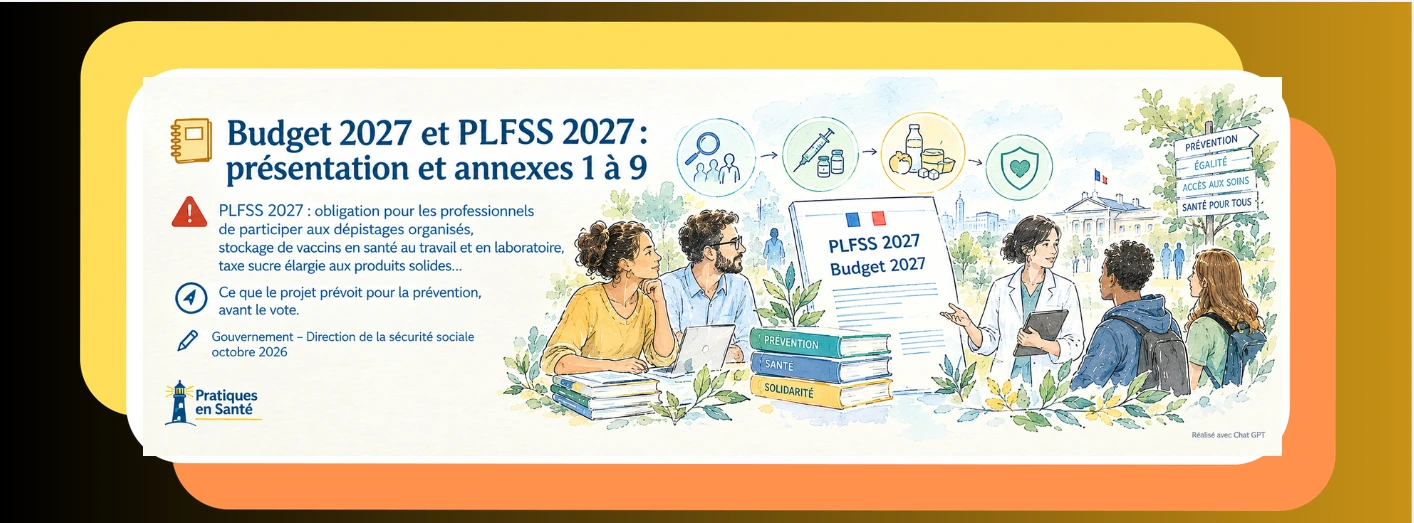
🇫🇷 : Budget 2027 et PLFSS 2027 : présentation et annexes 1 à 9 - https://www.pratiquesensante.com/blog/pratiques-15/budget-2027-et-plfss-2027-presentation-et-annexes-1-a-9-6251 Capsules Audio/Vidéo de Pratiques en Santé 🎙️🎥 https://www.youtube.com/watch?v=sQ3B71jNof0 🇬🇧: Budget 2027 and PLFSS 2027: presentation and appendices 1 to 9 - https://www.pratiquesensante.com/en/blog/practices-15/budget-2027-et-plfss-2027-presentation-et-annexes-1-a-9-6251

www.pratiquesensante.com
Budget 2027 and PLFSS 2027: presentation and appendices 1 to 9
218
Jeffrey Chiquini 2d

Jeffrey Chiquini stated that Vorcaro's defense confirmed the authenticity of an audio in which he allegedly admitted to paying bribes for Lula's film. https://t.co/E1NzKcLsjK #Corrupção #Lula #Propina (translated)

2863
Xico Graziano 2d

Xico Graziano stated that a report by the magazine VEJA about supposed payments linked to Lula had provoked a reaction within the PT. According to him, PT members denied the accusations, said there was no evidence, and echoed a contestation from the Federal Police. In summarizing the report, Graziano said that banker Vorcaro reported having negotiated with João Vaccari Neto, former treasurer of the PT, payments to obtain access to pension funds for federal employees. According to the excerpt of the article he shared, it would amount to R$ 30 million in cash destined for the Lula Institute to fund a documentary about Lula abroad, in addition to another undisclosed amount paid directly to the institute, managed by Paulo Okamotto. Graziano added that Vorcaro had provided details to the Attorney General's Office (PGR), which did not proceed with the case as it deemed there was insufficient evidence. The banker’s defense, according to the account reproduced by the author, mentioned WhatsApp messages and records of withdrawals and deliveries of money. Graziano expressed belief that VEJA would not publish the report without confidence in the material and assessed that the published piece would merely be a preview of new revelations. He considered the story credible, although there might not be definitive proof, and compared the case to the Atibaia site, which, according to him, was not registered in Lula's name in the registry office. In Graziano's view, the report would harm the PT and Lula's campaign, discouraging voters and causing some to give up on voting. He stated that the case would reduce Lula's chances of reversing a defeat in the first round. #Lula #Petismo #VEJA (translated)

3421