In a recent statement, Enzo Maresca calmly asserted that Manchester City's achievements remain valid despite recent rule breaches. #SeguridadEnLínea #BloqueoDeAcceso #Cookies
Enzo Maresca asserts that Manchester City's achievements are absolutely not tainted and expresses confidence that the club will win its appeal. #Cookies #Security #AccessBlocked
Thomas Tuchel praises Harry Kane for equalling Peter Shilton’s England record, describing his achievement as 'brilliant, brilliant'. #cookies #security #accessblock
Kyle Walker asserts that the impressive years at Manchester City will always be a significant achievement for the players, regardless of any challenges faced. #Cookies #Security #OnlinePrivacy
IRAQ LIBERATION WAS A SUCCESS 🇮🇶 My position is clear: the fall of Saddam Hussein’s dictatorship in 2003 was a historic achievement. U.S.-led forces entered Iraq in March 2003, Baghdad fell in April, and sovereignty was transferred to an Iraqi interim government in June 2004. https://t.co/OuLRltL3iv #IraqLiberation #SaddamHussein #USMilitarySuccess #IQ
“The Abolition of Slavery — and Its Unfinished History Slavery is far older than the transatlantic slave trade. It existed for thousands of years in societies across the Middle East, Europe, Africa and the Americas. It was therefore not invented by Europeans or white people. But another part of the history deserves recognition. In the late 18th and 19th centuries, predominantly European and Western abolitionist movements developed sustained political campaigns against the slave trade and slavery. Britain is a major example. British abolitionists such as William Wilberforce, Thomas Clarkson and Granville Sharp, together with Black activists and formerly enslaved people such as Olaudah Equiano, campaigned for abolition. Parliament abolished Britain’s slave trade in 1807, and slavery throughout most of the British Empire through the 1833 Slavery Abolition Act, with emancipation beginning in 1834. Britain then used its navy and diplomacy to suppress the international slave trade. Between 1808 and 1870, British naval forces seized roughly 1,400 slave ships and liberated around 160,000 enslaved people. This does not erase Britain’s earlier role in the slave trade. Nor was abolition exclusively a white achievement. Black activists, former slaves, religious groups and others were important to the movement. Nevertheless, Western societies became leading forces in creating political, legal, diplomatic and military mechanisms to suppress the Atlantic slave trade and abolish slavery. And slavery has not disappeared. The latest global estimates, based on 2021 data, put the number living in modern slavery at 49.6 million: 27.6 million in forced labour and 22 million in forced marriage. About 29.3 million were in Asia and the Pacific, 7.0 million in Africa, 6.4 million in Europe and Central Asia, 1.7 million in the Arab States and 5.1 million in the Americas. Slavery is ancient and global; Europeans became major participants in the transatlantic system and later major forces in its abolition. Yet an estimated 49.6 million people were still living in modern slavery in 2021” - ChatGPT
Of all of Trump’s vulnerabilities — naked corruption, malice on immigration, paltry legislative achievement and his siding so blithely with A.I. accelerationists against a large majority of the country — gas prices surge and the Iran war stand out https://t.co/1QM9e0Z9CG #Trump #GasPrices #IranWar #IR
Por primera vez en su historia, XBOX contará con un sistema de platino como PlayStation: Mythic Achievement. https://t.co/0h1pqvqKTi #XBOX #Videojuegos #Gaming
👀 ESTE ES EL PLATINO DE XBOX 🏆 Una actualización en la app de PC ha revelado el Mythic Achievement, incluye un símbolo verde especial y un sonido único de desbloqueo. Funciona similar al Platino, una vez consigues el 100% de un juego, este logro se activará ¿Qué opinan? 👇 https://t.co/WIp3Mt0AAo #Xbox #Gaming #Logros
The EU has just extended sanctions against nearly 3,000 individuals and entities linked to Russia’s aggression for another three years. This is a significant achievement, as it reduces the risk of future sanctions renewals becoming hostage to political bargaining. However, to #EUSanctions #RussiaAggression #PoliticalBargaining #EU #RU
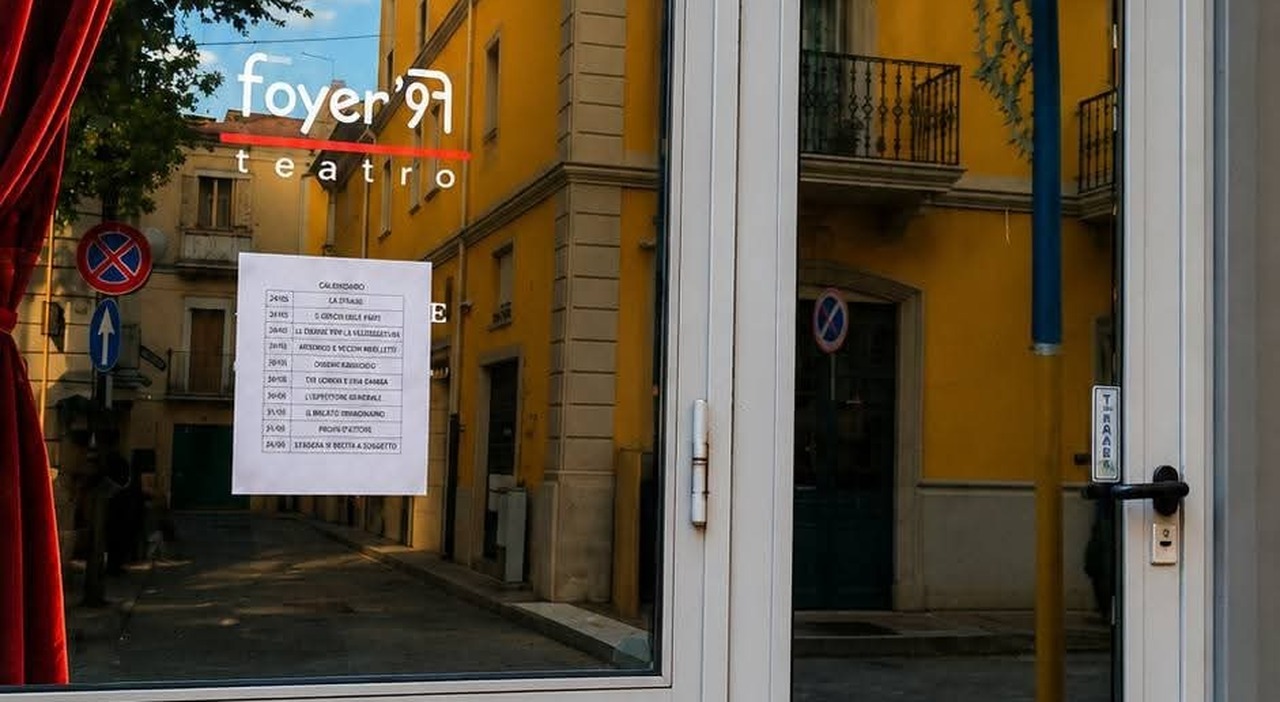
"RTL 102.5": THE KIOSK-THEATRE FEATURED IN STANFORD UNIVERSITY'S REVIEW SOURCE: https://l.facebook.com/l.php?u=https%3A%2F%2Fwww.instagram.com%2Fp%2FDdeEUnXiKMT%2F%3Ffbclid%3DIwcGRvZgFleHRuA2FlbQIxMABicmlkETB1OU02c2NZUzNkeWVpb2ZJc3J0YwZhcHBfaWQQMjIyMDM5MTc4ODIwMDg5MgABHhWTgrXrSOqSpbqd0NlmkWW4gNxVEDa-2BmQGWsVUhQQoqC4_J55glcV6Fzu_aem_zWbIIMpp66X9FxYrdVcTmg&h=AUDX8FniZvleWSVlN4ngwxrSLu1IeEzRJGb1DHFgsznthttLc9QR-ahTowPSBcj7rf_yYePu1vaPUXc34NqwzN3m-FtFuy-KM33ftfPsEeZaaYwWOXktve-A-NW0TY9CLHcritIH__2rbzUD5w&__tn__=-UK-R&c[0]=AUCpozNMTPma15kUqGpGsKv6GwFtuWcQmfK3Oj0VtFFsM0cj9rhdH6l9Y-6SLIz8vG2VBro_6pSGTiplv6br8YJx7ZZQnAPeuivIBI0eX8NPUol4JadoLFkhbxd949RZixQc7l2aWhHEkWT6kEVC92069Lsd2AymBya1pXHVw4UabsmzYz1s SAN SEVERO (FG) - The concept of the kiosk-theatre of San Severo, in the province of Foggia, dubbed the smallest theatre in the world, has become a case study for Stanford University. The article The "Six-Seat Revolution", by the Foggia-born researcher Luciano Magaldi Sardella, supervised by Deputy Editor David V. Johnson, has been published in "Stanford Social Innovation Review (SSIR)" - the multi-award-winning publication covering cross-sector solutions to global problems. The article appears in the "Dispatches" section of the "Stanford Social Innovation Review". "This is an achievement that rewards our work," emphasizes Francesco Gravino, Artistic Director of the theatre company Foyer 97. "Requests to replicate the model have come from other parts of Italy, such as Lucca and Rome. We thought of creating a cultural activity from a place that was disused and in a state of abandonment. There ought to be a regional law that makes it possible to convert these disused premises into places where numerous activities can be brought to life. Genuine cultural outposts." Gravino and the company's actors are preparing the new programme. "Next year our company will be 30 years old," he said, "an important milestone that we shall celebrate with a number of new developments." Six chairs, less than two square metres, performances repeated every 15 minutes, and sold-out audiences of young people and adults. An experiment that has aroused curiosity and interest in the world of entertainment as well. Between late July and early August, during his tour in Lucera (Foggia), Biagio Antonacci made a surprise stop at the kiosk-theatre and sang his Iris. "It was truly a wonderful encounter that attracted the attention of passers-by," Gravino concludes.
"RAINEWS - TGR PUGLIA": THE NEWSSTAND THEATRE FROM FOGGIA FEATURED IN STANFORD UNIVERSITY'S REVIEW ACTIVITY OF THE WORLD'S SMALLEST THEATRE TO RESUME IN OCTOBER SOURCE: https://www.rainews.it/tgr/puglia/articoli/2026/09/il-teatro-edicola-del-foggiano-finisce-sulla-rivista-della-stanford-university-1fa44018-e792-4bbe-b469-8ceb4dde825f.html?fbclid=IwY2xjawUcvbdwZG9mAWV4dG4DYWVtAjEwAGJyaWQRMHU5TTZzY1lTM2R5ZWlvZklzcnRjBmFwcF9pZBAyMjIwMzkxNzg4MjAwODkyAAEeJu765F3ygz0yxQ1zf6z27DM21yeKjBzL3eUBCVg0fk0ULdT4tnicXACUltw_aem_RkZlY9URH16w3f7zdL3AOQ SAN SEVERO (FG) - The idea of the newsstand theatre in San Severo, in the province of Foggia, dubbed the smallest theatre in the world, has become a case study for Stanford University. The article "The Six-Seat Revolution", by the researcher from Orta Nova in the Province of Foggia, Luciano Magaldi Sardella, supervised by editor David V. Johnson, has been published in "Stanford Social Innovation Review (SSIR)" - an award-winning publication covering cross-sectoral solutions to global problems. The piece appears in the "Dispatches" section of the "Stanford Social Innovation Review". The article describes how a rusted newsstand in San Severo was transformed into a radically new theatrical experience. "It is an achievement that rewards our work," emphasizes Francesco Gravino, artistic director of the theatre company Foyer 97. "Requests to replicate the model have come from other parts of Italy, such as Lucca and Rome. We thought of creating a cultural activity from a place that had long been disused and abandoned." "What we need is a regional law that makes it possible to repurpose these disused spaces where numerous activities could be organized. Genuine cultural outposts." Gravino and the actors of the company are preparing the new programme. "Next year our company will be 30 years old," he said, "an important milestone which we shall celebrate with some new initiatives." Six chairs, less than two square metres, performances repeated every 15 minutes, and sold-out audiences of young people and adults. An experiment that has aroused curiosity and interest in the world of entertainment as well. Between late July and early August, during the tour in Lucera (Foggia), Biagio Antonacci made a surprise stop at the newsstand theatre and sang his Iris. "It was truly a wonderful encounter that captured the attention of passers-by," Gravino concludes.

"ANSA NAZIONALE CULTURA": THE NEWSSTAND THEATRE FROM FOGGIA FEATURED IN STANFORD UNIVERSITY'S REVIEW ACTIVITY OF THE WORLD'S SMALLEST THEATRE TO RESUME IN OCTOBER SOURCE: https://www.ansa.it/sito/notizie/cultura/teatro/2026/09/19/il-teatro-edicola-del-foggiano-finisce-sulla-rivista-della-stanford-university_7b986fd6-267e-41ed-9c7b-a0c74aad9dea.html SAN SEVERO (FG) - The idea of the newsstand theatre in San Severo, in the province of Foggia, dubbed the smallest theatre in the world, has become a case study for Stanford University. The article "The Six-Seat Revolution", by the researcher from Orta Nova in the Province of Foggia, Luciano Magaldi Sardella, supervised by editor David V. Johnson, has been published in "Stanford Social Innovation Review (SSIR)" - an award-winning publication covering cross-sectoral solutions to global problems. The piece appears in the "Dispatches" section of the "Stanford Social Innovation Review". The article describes how a rusted newsstand in San Severo was transformed into a radically new theatrical experience. "It is an achievement that rewards our work," emphasizes Francesco Gravino, artistic director of the theatre company Foyer 97. "Requests to replicate the model have come from other parts of Italy, such as Lucca and Rome. We thought of creating a cultural activity from a place that had long been disused and abandoned." "What we need is a regional law that makes it possible to repurpose these disused spaces where numerous activities could be organized. Genuine cultural outposts." Gravino and the actors of the company are preparing the new programme. "Next year our company will be 30 years old," he said, "an important milestone which we shall celebrate with some new initiatives." Six chairs, less than two square metres, performances repeated every 15 minutes, and sold-out audiences of young people and adults. An experiment that has aroused curiosity and interest in the world of entertainment as well. Between late July and early August, during the tour in Lucera (Foggia), Biagio Antonacci made a surprise stop at the newsstand theatre and sang his Iris. "It was truly a wonderful encounter that captured the attention of passers-by," Gravino concludes.

"QUOTIDIANO DI PUGLIA": THE WORLD'S SMALLEST KIOSK-THEATRE IS IN PUGLIA AND WILL BE STUDIED AT STANFORD UNIVERSITY SOURCE: https://www.quotidianodipuglia.it/AMP/foggia/san_severo_teatro_edicola_puglia_stanford_university-9773347.html SAN SEVERO (FG) - On the eve of the new season, worldwide recognition has come for the kiosk-theatre, the smallest theatre in the world, built in San Severo, in the Province of Foggia: it is to become a case study at Stanford University. The concept of the kiosk-theatre was published in SSIR - the multi-award-winning publication covering cross-sector solutions to global problems - in the article 'The Six-Seat Revolution' by the Foggian researcher Luciano Magaldi Sardella, supervised by editor David V. Johnson. The article appears in the 'Dispatches' section of the Stanford Social Innovation Review. 'It is an achievement that rewards our work,' said Francesco Gravino, artistic director of the theatre company Foyer 97, with pride. In the meantime, he announced that requests have been made to replicate the model in other Italian cities. 'Requests to replicate our theatre model have come from Lucca and Rome. We thought of creating a cultural activity from a place that had been decommissioned and abandoned. What is needed is a regional law that allows for the reconversion of these disused places, in which numerous activities could be brought to life. Genuine cultural outposts.' The new programme, which Francesco Gravino and the actors of the company are preparing, is already in the pipeline. 'Next year our company will celebrate its 30th anniversary,' he said, 'an important milestone that we shall mark with some new developments.' Six chairs, less than two square metres, performances repeated every 15 minutes, and sold-out audiences of young people and adults. An experiment that has aroused curiosity and interest even in the world of show business. Amongst the curious theatre enthusiasts, last summer they also welcomed Biagio Antonacci as a guest. In Lucera, in the Province of Foggia, with his new tour between July and August, during his travels he made a surprise stop at the kiosk-theatre and sang 'Iris'. 'It was truly a wonderful encounter that captivated the attention of passers-by,' Gravino concluded.

“The Abolition of Slavery — and Its Unfinished History Slavery is far older than the transatlantic slave trade. It existed for thousands of years in societies across the Middle East, Europe, Africa and the Americas. It was therefore not invented by Europeans or white people. But another part of the history deserves recognition. In the late 18th and 19th centuries, predominantly European and Western abolitionist movements developed sustained political campaigns against the slave trade and slavery. Britain is a major example. British abolitionists such as William Wilberforce, Thomas Clarkson and Granville Sharp, together with Black activists and formerly enslaved people such as Olaudah Equiano, campaigned for abolition. Parliament abolished Britain’s slave trade in 1807, and slavery throughout most of the British Empire through the 1833 Slavery Abolition Act, with emancipation beginning in 1834. Britain then used its navy and diplomacy to suppress the international slave trade. Between 1808 and 1870, British naval forces seized roughly 1,400 slave ships and liberated around 160,000 enslaved people. This does not erase Britain’s earlier role in the slave trade. Nor was abolition exclusively a white achievement. Black activists, former slaves, religious groups and others were important to the movement. Nevertheless, Western societies became leading forces in creating political, legal, diplomatic and military mechanisms to suppress the Atlantic slave trade and abolish slavery. And slavery has not disappeared. The latest global estimates, based on 2021 data, put the number living in modern slavery at 49.6 million: 27.6 million in forced labour and 22 million in forced marriage. About 29.3 million were in Asia and the Pacific, 7.0 million in Africa, 6.4 million in Europe and Central Asia, 1.7 million in the Arab States and 5.1 million in the Americas. Slavery is ancient and global; Europeans became major participants in the transatlantic system and later major forces in its abolition. Yet an estimated 49.6 million people were still living in modern slavery in 2021” - ChatGPT
"ANTENNA SUD": SAN SEVERO - THE WORLD'S SMALLEST THEATRE BECOMES A STANFORD CASE STUDY SOURCE: https://www.antennasud.com/san-severo-il-teatro-piu-piccolo-del-mondo-diventa-un-caso-di-studio-per-stanford/ SAN SEVERO (FG) - Six chairs, fewer than two square metres, and performances reprised at intervals of fifteen minutes. It was upon such unassuming premises that there came into being, at San Severo, in the province of Foggia, the teatro edicola - the "kiosk theatre" - a diminutive cultural space wrought from a disused and long-abandoned news-stand, which today draws audiences, curiosity, and attention far beyond Italy's borders. The enterprise has been elevated to the dignity of a case study by Stanford University. In the "Stanford Social Innovation Review (SSIR)", the international journal dedicated to innovative solutions to social problems, there has been published the article "The Six-Seat Revolution", authored by the Foggia-based researcher Luciano Magaldi and supervised by editor David V. Johnson. The contribution is featured in the journal's Dispatches section. "It is an achievement which rewards our labour," emphasises Francesco Gravino, artistic director of the theatrical company Foyer 97, the protagonist of the undertaking. The idea is as simple as it is original: to transform a space fallen into disuse into a cultural outpost capable of accommodating petite spectacles and of forging an immediate rapport with the public. The format has already excited interest in other Italian cities. "Requests to replicate the model have reached us from other parts of Italy, such as Lucca and Rome," Gravino recounts. Hence also the appeal for intervention upon disused spaces: "What is required is a regional law affording the possibility of reconverting these places, wherein one might give life to manifold activities. Veritable cultural garrisons." In the kiosk theatre, performances endure but a few minutes, and the public is admitted in small parties. Six seats are available, performances follow one another in close succession, and an audience composed of the young and the adult has responded with constancy, frequently to the extent of being sold out. An experiment which has attracted the attention of the world of entertainment itself. Between the end of July and the first days of August, during his tour in Lucera, even Biagio Antonacci paid a surprise visit to the kiosk theatre. The singer-songwriter tarried within the space and sang Iris, drawing the attention of passers-by. "It was truly a most beautiful encounter which captivated the attention of all," Gravino recalls. Foyer 97 is now preparing its forthcoming programme. Next year, indeed, the company shall celebrate a significant milestone: "It shall attain its thirtieth anniversary, and it is an occasion we shall mark with sundry novelties," Gravino announces.

"LOCAL NEWS": FOGGIA-PROVINCE-BASED NEWSSTAND THEATRE IN A STANFORD UNIVERSITY REVIEW SOURCE: https://www.newslocali.it/foggia/teatro-edicola-foggiano-su-rivista-stanford-university SAN SEVERO (FG) - The 'smallest theatre in the world' in San Severo becomes an international case study. Its singularity has been chronicled in the prestigious journal of Stanford University, thereby commanding global attention. A diminutive theatre conquers Stanford University The innovative teatro edicola of San Severo, in the Province of Foggia, has attained an extraordinary milestone. This space, styled the 'smallest theatre in the world', is now the subject of academic study. Its history and operational model have been expounded in a publication of considerable international repute. The journal Stanford Social Innovation Review (SSIR), renowned for its much-lauded analyses of global solutions, has devoted attention to the initiative. The article, entitled "Six-Seat Revolution", was authored by the Foggian researcher Luciano Magaldi Sardella. Editorial supervision was entrusted to David V. Johnson. The piece appears in the 'Dispatches' section of the review. This publication constitutes a point of reference for social innovations and impact strategies. The success of the model and future prospects Francesco Gravino, artistic director of the theatrical company Foyer 97, has expressed profound satisfaction. "It is an achievement that rewards our labour," Gravino declared. The notion of transfiguring a disused site into a cultural centre has met with resounding success. The newsstand theatre model has generated requests for replication from sundry Italian cities. Amongst these, Lucca and Rome have evinced interest. The objective was to create a cultural enterprise within a derelict space. Gravino advocates for regional legislation that would facilitate the reconversion of disused areas. These might become veritable 'cultural outposts' for communities. The Foyer 97 company is already labouring upon its forthcoming programme. The coming year shall mark a significant anniversary for the company. It shall indeed celebrate 30 years of activity. This milestone shall be commemorated with sundry novelties. A success with public and critics alike The newsstand theatre is distinguished by its diminutive dimensions. It comprises but six chairs and occupies less than two square metres. Notwithstanding its limited space, performances are reprised every 15 minutes. This frequency ensures a substantial influx of spectators, with consistently sold-out houses. The experiment has captured the interest of young and old alike. It has also aroused curiosity within the world of entertainment. A significant episode occurred between late July and early August. During a stop of his tour in Lucera, the singer Biagio Antonacci paid a surprise visit. Antonacci paused at the newsstand theatre and performed his song 'Iris'. "It was truly a most beautiful encounter," Gravino remarked. The event captivated the attention of passers-by, demonstrating the capacity of the diminutive theatre to engender memorable moments. Questions and Answers What is the newsstand theatre of San Severo? The newsstand theatre of San Severo is a cultural space of exceedingly reduced dimensions, defined as 'the smallest theatre in the world'. It affords a mere six seats and offers continuous reprises of performances. Why was the newsstand theatre published in the Stanford University journal? The newsstand theatre was the subject of a study published in the Stanford Social Innovation Review by virtue of its innovative model for reconverting disused spaces into successful cultural centres. The article The Six-Seat Revolution analyses its uniqueness and its impact.

"FOGGIATODAY": SAN SEVERO'S KIOSK THEATRE FEATURED IN THE "STANFORD SOCIAL INNOVATION REVIEW": THE MODEL WAS A CASE STUDY AT STANFORD UNIVERSITY SOURCE: https://www.foggiatoday.it/attualita/teatro-edicola-san-severo-rivista-stanford-university.html SAN SEVERO (FG) - An article authored by the researcher Luciano Magaldi Sardella in the Stanford Social Innovation Review analyseth the experience of the company 'Foyer 97'. The Artistic Director, Gravino: "Requests for replication have been received from Lucca and Rome; a regional statute for the reconversion of abandoned sites is required." The initiative of the kiosk theatre of San Severo, situated in the Province of Foggia and renowned as the smallest theatre in the world, hath become the object of scholarly analysis at Stanford University. In SSIR - an award-winning periodical devoted to innovative solutions to global problems - there had indeed been published the article The Six-Seat Revolution, written by the Foggia-based researcher Luciano Magaldi under the supervision of the editor David V. Johnson. The article appeareth in the Dispatches section of the "Stanford Social Innovation Review". "It is an achievement that crowneth our labour upon labour," emphasised to ANSA Francesco Gravino, artistic director of the theatre company Foyer 97. "Requests to replicate the model have reached us from other parts of Italy, such as Lucca and Rome. We conceived the idea of engendering a cultural enterprise from a place hitherto disused and in a state of dereliction. What is requisite is a regional law that affordeth the possibility of reconverting these disused places, wherein one might engender a multitude of activities. Veritable cultural outposts." Gravino and the actors of the company are preparing the new programme. "Next year our company shall attain its thirtieth anniversary," he said, "a momentous occasion which we shall celebrate with sundry novelties." Six chairs assembled in less than two square metres, performances repeated every quarter of an hour, and audiences at full capacity, amongst both the young and the adult. An experiment that hath attracted attention and curiosity even within the profession of the stage. Between the end of July and the beginning of August, during the engagement at Lucera (Foggia), Biagio Antonacci paid a surprise visit to the kiosk theatre and performed his Iris. "It was truly a most beautiful encounter that captivated the attention of passers-by," Gravino concluded.

Ultimately this is also about people and talents. Free movement is one of Europe's greatest achievements – but mobility should remain a choice. People should be able to build a good future in their home regions - should have the right to stay home and explore their potential. 3/ #FreeMovement #TalentMobility #FutureInHomeRegions
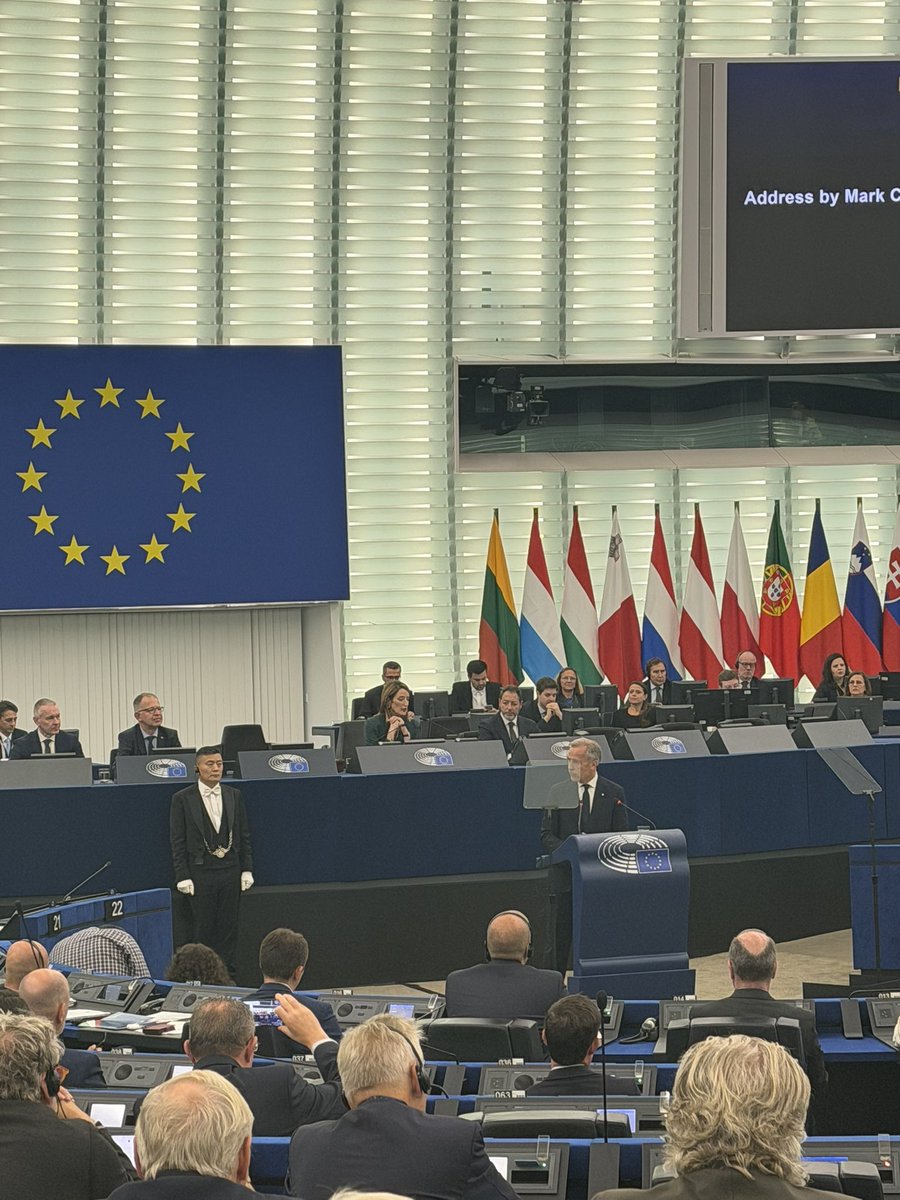
“Freedom must be earned every single day” PM Mark Carney is right. Poland knows the price of freedom. Ukraine is paying it today. Freedom is not a historical achievement. It is a responsibility. And we must be ready to defend it 🇨🇦🇵🇱🇪🇺 https://t.co/3pqWmEAKeL #Freedom #Responsibility #DefendDemocracy #CA #PL #UA #EU