WRLD

Search

#Responsibility
Yuriko Backes 9h

The author wrote that the history of the Second World War showed how valuable, and how vulnerable, freedom, democracy and human rights could be when intolerance and dictatorship prevailed. They said such horrors must never happen again and that everyone had a responsibility to prevent them. https://t.co/z89dRAMLdz #Liberté #Démocratie #DroitsHumains #LU (translated)


2115
BBC 11h

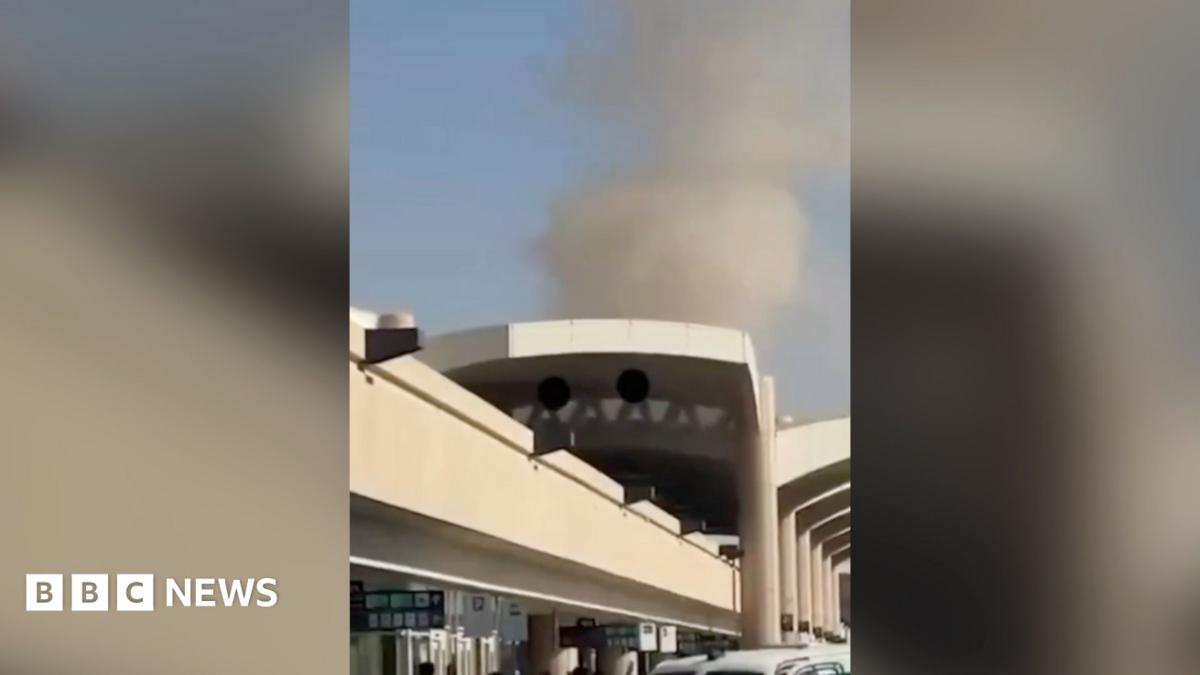
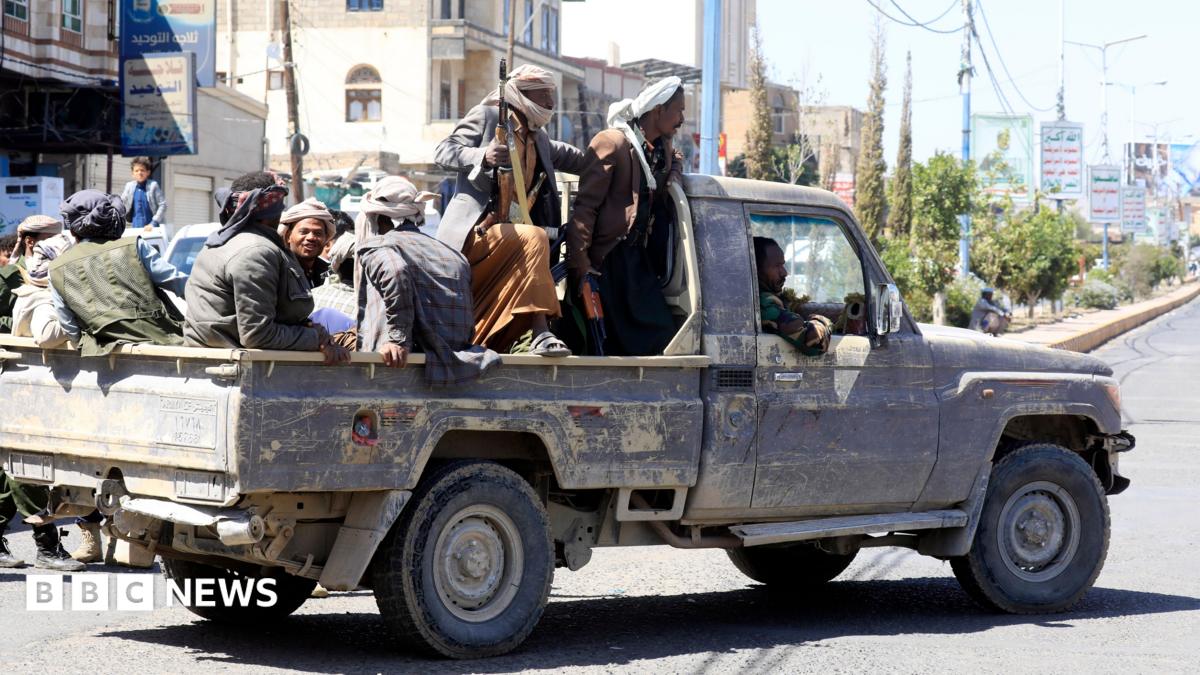
Yemen's Houthi rebels claimed responsibility for attacks on the airport over the weekend, which have killed at least 13. #RiyadhAirport #SaudiArabia #HouthiConflict

www.bbc.co.uk
Saudi capital airport hit by second strike in two days
1932
Alex Rins 2d

The author said they had received serious comments, including references to death and violence. They acknowledged why people were upset by their reaction, but said threats and abuse were never acceptable. They added that people could make mistakes and that they took responsibility for their own.

2732
Romulusz Ruszin-Szendi 3d

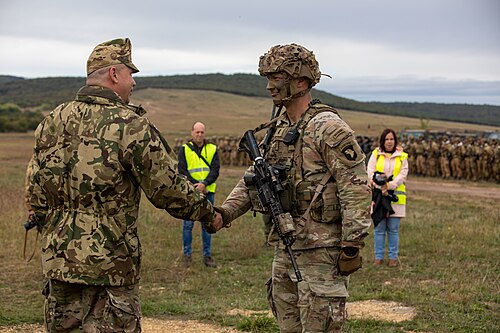
Ruszin-Szendi wrote that issuing orders is easy, but taking responsibility is more difficult, and he called on Orbán to state whether or not he had given the order for the raid on the Ukrainian cash transport in March. #Orbán #korruptió #UkránPénzszállítás (translated)

Orbán: There was no governmental 
instruction in case of Ukrainian cash transport
telex.hu
2789
Kyriakos Pierrakakis 3d

The author said that at yesterday’s Eurogroup meeting in Luxembourg, they focused on responding to current pressures while preserving Europe’s economic resilience. They added that citizens and businesses needed protection from rising energy costs without sending the wrong signals to financial markets. #Eurogroup #EconomicResilience #EnergyCosts #LU #EU

2905
Gunther Fehlinger-Jahn 3d

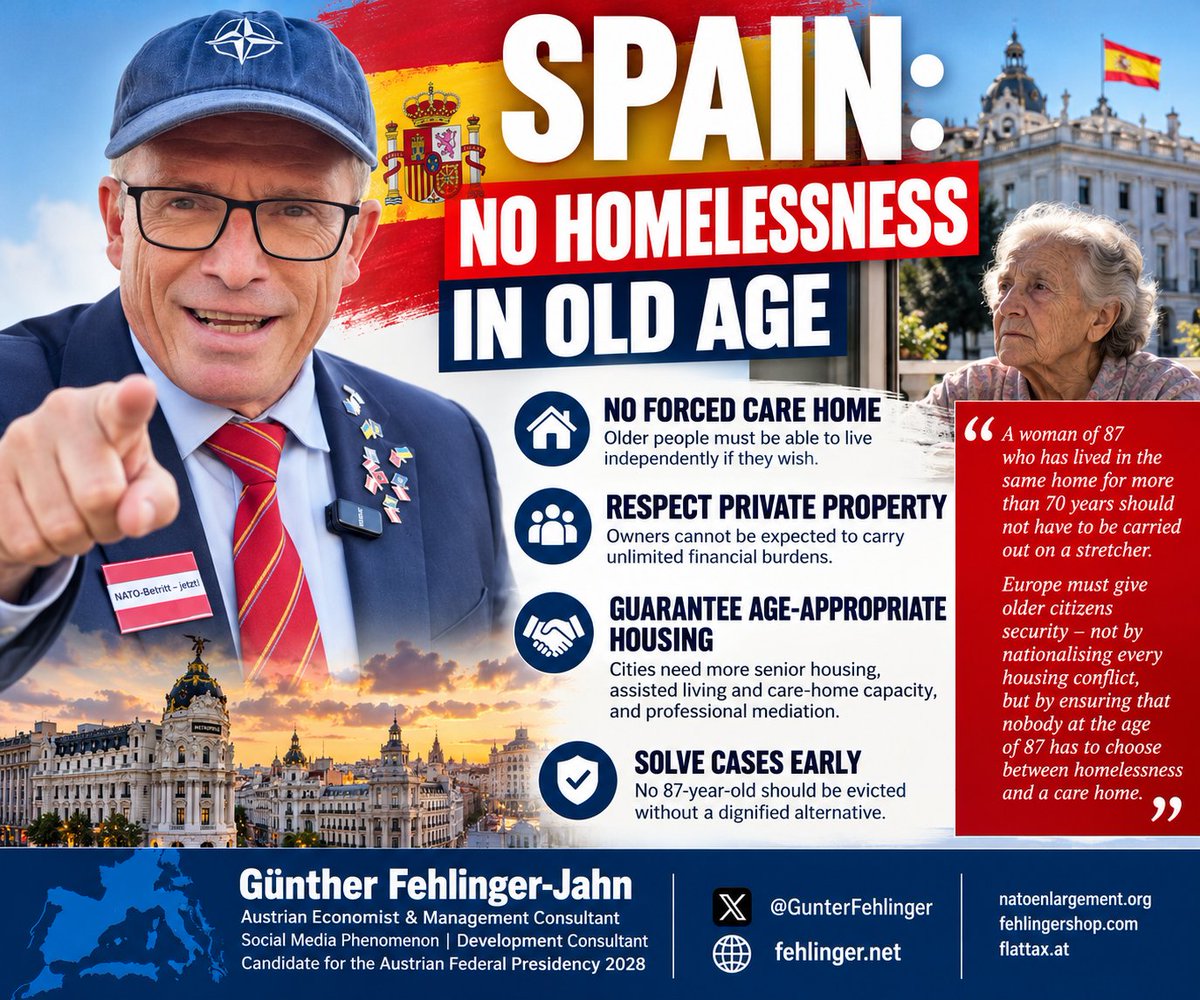
The author argued that Spain should protect dignity in old age, citing the case of 87-year-old Maricarmen in Madrid as a reason Europe needed a better balance between social responsibility and private property. They wrote that no elderly person should face homelessness or be forced into a care home, but the post’s final sentence ended before giving a reason. https://t.co/DkPtAgZOzO #DignidadEnLaVejez #ResponsabilidadSocial #DerechosHumanos #ES #EU

2912
BBC 4d

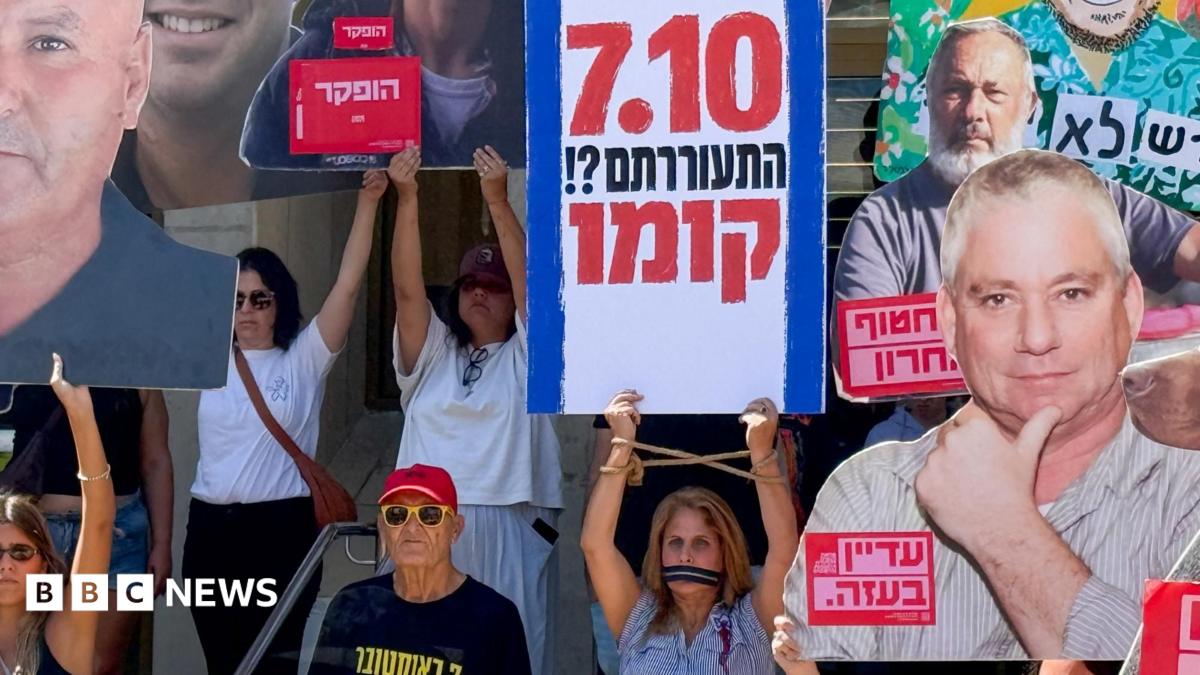
Prime Minister Benjamin Netanyahu has refused to take any personal responsibility for what happened or order a state inquiry. #Israel #HamasAttack #Accountability

www.bbc.co.uk
Israelis demand accountability over 7 October failures three years after attacks
2246
BBC 4d

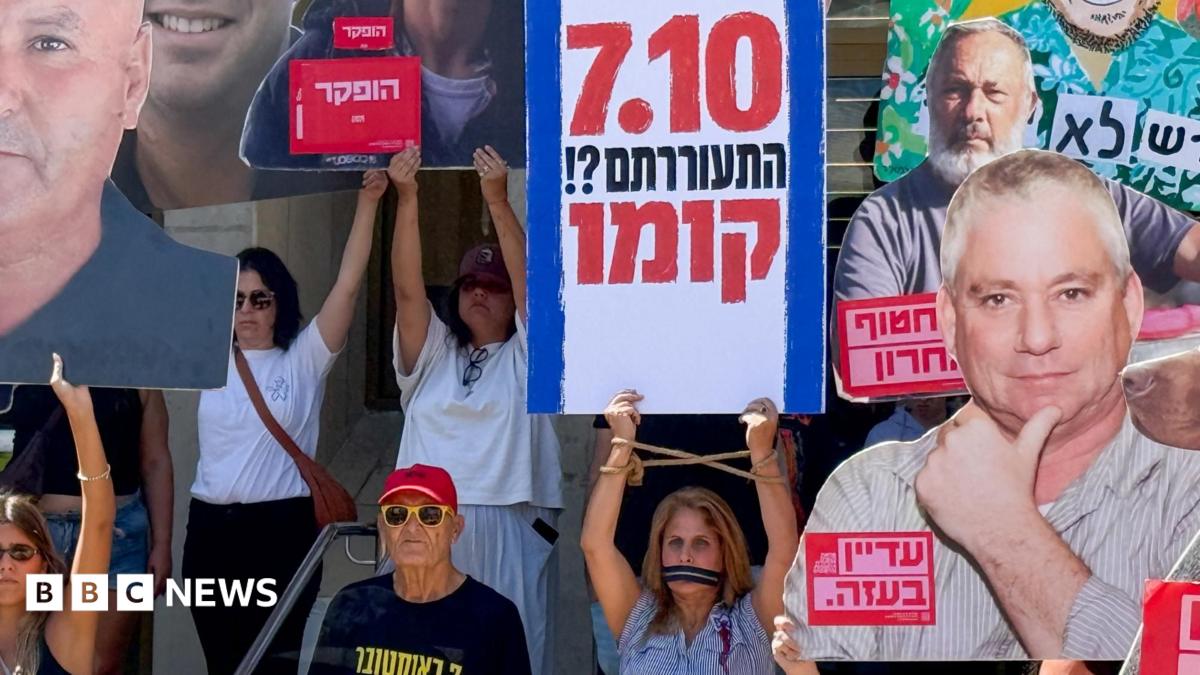
Prime Minister Benjamin Netanyahu has refused to take any personal responsibility for what happened or order a state inquiry. #Israel #Hamas #Accountability

www.bbc.co.uk
Israelis demand accountability over 7 October failures three years after attacks
2247
BBC 4d

The Houthis have claimed responsibility for the attacks, which mark an escalation in the conflict. #HouthiAttacks #SaudiArabia #YemenConflict

www.bbc.co.uk
Three people killed in Houthi attacks on Saudi Arabia airports, officials say
2248
Gunther Fehlinger-Jahn 4d

The author called for a permanent memorial in Vienna to honour the victims of the Hamas attacks on 7 October 2023, proposing a site opposite the Austrian Presidential Palace and next to the Holocaust Memorial. They said Vienna should remember the date and that Austria had a special responsibility to take a clear stand. https://t.co/UTCfig7E78 #Wien #Gedenken #Memorial #AT #IL #PS

2703
BBC 4d

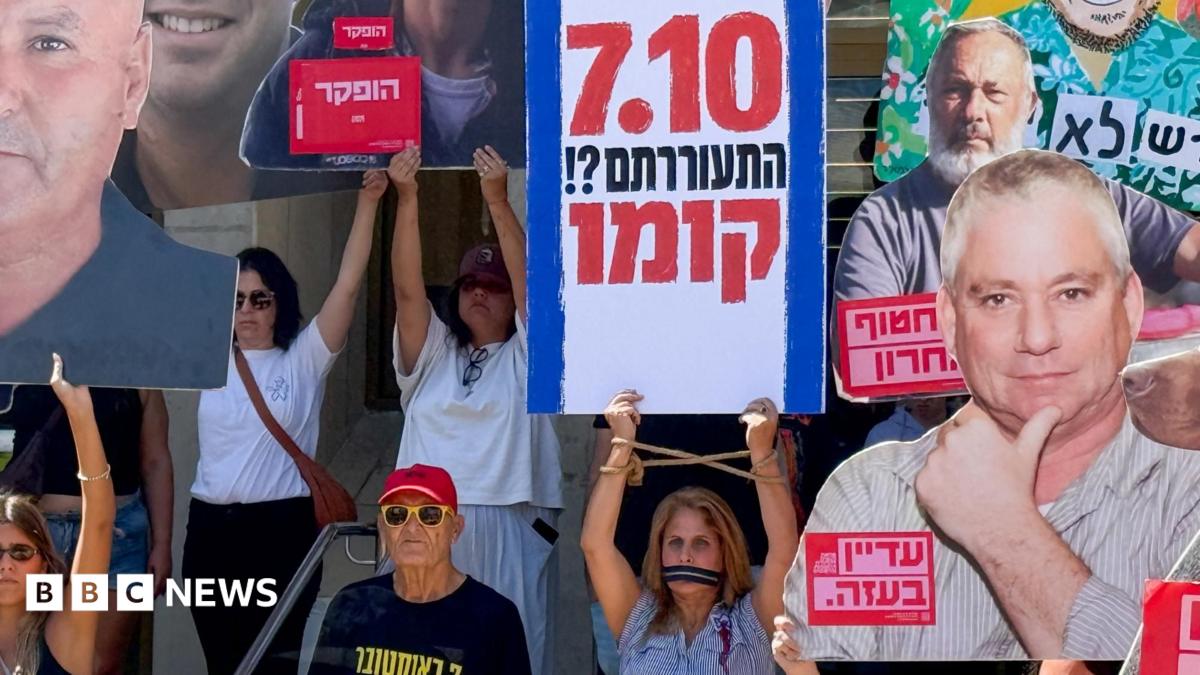
Prime Minister Benjamin Netanyahu has refused to take any personal responsibility for what happened or order a state inquiry. #Israel #Hamas #Accountability

www.bbc.co.uk
Israelis demand accountability over 7 October failures three years after attacks
2252
Fabrizio Romano 5d

Cristiano Ronaldo said the coach had broken his word to him. He wrote that after the match he had wanted the team to secure the victory and to be alone, so he did not go to greet the fans. Ronaldo said the failure was entirely his responsibility and apologized. https://t.co/R5VM1qgizo #CristianoRonaldo #Futebol #Desporto #PT (translated)

3389
Krzysztof Graj 6d

Brazil’s synthetic voters – when AI manufactures public opinion They look like ordinary street interviews. A reporter approaches a passer-by in a Brazilian square and asks a simple question: who will you vote for? A young voter explains why Luiz Inácio Lula da Silva deserves another term. An elderly woman says Brazil needs Flávio Bolsonaro because he represents political renewal and greater security. The locations look plausible, the microphones are visible and the answers sound much like the brief political opinions heard in television vox pops around the world. None of the people are real. Ahead of Brazil’s presidential election on 4 October, fact-checking organisation Aos Fatos identified at least 50 TikTok videos in which artificial intelligence was used to manufacture voters, reporters and apparently spontaneous political interviews. Together, the videos had accumulated around 7.4 million views by mid-August. Some promoted Lula, others Flávio Bolsonaro, while another group used synthetic characters to ridicule or stereotype supporters of one side. Aos Fatos found no apparent evidence linking the accounts producing the videos to either presidential campaign. The opinion poll that never took place The format is important. These were not conventional deepfakes in which a recognisable politician is made to say something he never said. Instead, the creators reproduced the visual language of the vox pop – the short street interview used by broadcasters and social-media creators to illustrate what ordinary people supposedly think. In pro-Lula videos, synthetic voters described themselves as beneficiaries of social programmes or credited the president with improving their lives. In videos supporting Flávio Bolsonaro, artificial interviewees associated him with political renewal, public security and fighting corruption. Other clips were openly hostile: AI-generated characters presented as poor or living in parts of Brazil’s north-east were shown in dirty clothes or run-down surroundings, declaring support for Lula because they supposedly preferred welfare payments to work. The deception is therefore subtler than fabricating a candidate’s statement. It manufactures something that political communication normally treats as evidence of public sentiment. A real vox pop may be unscientific, but the people interviewed at least exist. These videos created the appearance that identifiable social groups – young people, pensioners, welfare recipients or residents of particular regions – were spontaneously expressing political preferences when no such encounters had taken place. An electoral-law specialist interviewed by Aos Fatos described the technique as the fabrication of a “social fact that never occurred”. That captures the central innovation: AI is being used not merely to falsify political speech, but to manufacture the impression of grassroots opinion. Fifty videos, but not one proven network The available evidence does not support describing the 50 posts as a centrally controlled influence operation. Aos Fatos located them through TikTok searches and recommendations produced by the platform itself, then examined the accounts responsible for publication. Most had relatively small individual audiences, although their combined reach was substantial. The first examples identified by the investigation appeared as early as March 2026. Activity increased in June and was concentrated particularly in July and the first half of August as Brazil’s election calendar intensified. Some accounts specialised in AI-generated videos generally, including fabricated podcast-style material. Others were explicitly political or supportive of a candidate, but Aos Fatos found no apparent links between those profiles and the official Lula or Bolsonaro campaigns. That distinction is essential. The evidence demonstrates a common technique and a shared political environment, not a single command structure. Some creators may have been motivated by ideology, others by engagement or monetisation. Publicly available evidence does not establish who commissioned the individual videos or whether any coordination existed between the accounts. This decentralised model also creates a different enforcement problem from a traditional bot network. There may be no headquarters to expose and no infrastructure whose removal disables the entire operation. The format itself can be copied by anyone with access to inexpensive generative-video tools. When the algorithm mixes real and synthetic citizens Aos Fatos documented another important feature of the phenomenon: TikTok’s recommendation system placed AI-generated interviews alongside genuine street interviews. For a user scrolling quickly through the platform, the transition between an authentic citizen and an entirely fabricated one could therefore be almost invisible. In 18 per cent of the 50 videos analysed, there was no indication that the people shown had been generated using AI. After Aos Fatos provided TikTok with the videos, the company said it had removed all of them for violating its rules on edited and AI-generated media. TikTok said its policies require creators to identify synthetic content and prohibit manipulated media capable of misleading users about matters of public importance or impersonating genuine journalistic material. The issue extends beyond one platform. Factchequeado’s review of Brazil’s 2026 election campaign found that synthetic endorsements and other deepfakes had become one of the most visible forms of AI-assisted electoral misinformation, alongside fabricated candidate statements and invented scenes. Brazil already had rules for synthetic politics Brazil entered the campaign with unusually detailed electoral rules governing artificial intelligence. The Superior Electoral Court, the TSE, requires electoral propaganda using synthetic multimedia to disclose clearly that AI was used. More importantly for the fake-voter videos, its rules prohibit synthetic audio or video used to favour or harm a candidacy when it creates or alters the image or voice of a living, deceased or fictitious person. The difficulty is attribution and enforcement. When a synthetic video is published by an official campaign, responsibility can be relatively straightforward to investigate. When it comes from an apparently independent account with no demonstrated relationship to a candidate, lawyers interviewed by Aos Fatos said responsibility is more likely to fall on the individual creator, while imposing electoral sanctions on a campaign would require evidence of a connection. For the final 72 hours before the election and the 24 hours following it, the TSE has imposed additional restrictions on newly published or republished synthetic material involving candidates or public figures, reflecting the particular difficulty of correcting fabricated content immediately before voting. From deepfake politicians to synthetic electorates The Brazilian case illustrates a broader change in political manipulation. The first generation of electoral deepfakes concentrated on famous people: make a politician appear to say something damaging, or fabricate an endorsement from a celebrity. Synthetic vox pops reverse the perspective. The politician can remain completely authentic; it is the electorate around the politician that is fabricated. That changes the psychological proposition of the message. Instead of saying the candidate believes this, the video suggests people like you believe this. Age, clothing, accent, neighbourhood and social class can all be generated to construct an artificial constituency around almost any political claim. There is no evidence that the 50 Brazilian videos identified by Aos Fatos constitute a single centrally directed campaign, nor evidence that they changed voting intentions. What they demonstrate is a technique whose barrier to entry has become extremely low. AI no longer needs to forge the politician. #DISINFORMED #Episode14 #Brazil #BrazilElection2026 #Elections #ElectionDisinformation #ArtificialIntelligence #AI #GenerativeAI #SyntheticVoters #SyntheticMedia #AIAvatars #AIGeneratedVideo #VoxPop #FakeInterviews #Astroturfing #AIPropaganda #PoliticalDisinformation #InfluenceOperations #InformationWarfare #SocialMediaManipulation #TikTok #PublicOpinion #ManufacturedConsent #SyntheticPublicOpinion #DigitalInfluence #Deepfakes #ElectionIntegrity #TSE #AosFatos #FactChecking #OSINT #MediaManipulation #WRLD (translated)

www.aosfatos.org
Eleitores gerados por IA fazem campanha no TikTok e põem em xeque regra do TSE
566
Marc Botenga MEP 1w

The post said a UN envoy had warned that disruption in the Strait of Hormuz risked a global food crisis, noting that the Gulf supplied 33% of fertilisers and that some African nations relied on it for up to 60%. It said MEP Marc Botenga blamed the US-led war on Iran and argued that EU governments shared responsibility because they had backed it. https://t.co/PbIgAt6vza #Hormuz #GlobalFoodCrisis #Fertilizers #AE #IR #US #EU #NG

569
Krzysztof Graj 1w

Africa Daily Report — 4 October 2026 Major developments reported during the previous 24 hours. 1. Ethiopia — Federal forces retake Mekelle airport as Tigray fighting escalates Ethiopian federal forces have retaken Alula Aba Nega Airport in Mekelle, according to residents and other sources cited by Reuters and AP. The airport had been seized by Tigrayan forces on September 23. Gunfire was reported near central Mekelle, and the renewed conflict is putting the 2022 Pretoria peace agreement under severe strain amid wider tensions involving Eritrea and other regional states. Sources: https://www.reuters.com/world/africa/pro-government-forces-say-they-retake-airport-ethiopias-tigray-region-2026-10-03/ https://apnews.com/article/87740d41b686614b63ccdba54dbd3168 2. DR Congo — France pledges stronger Ebola support as outbreak remains severe Importance: 10/10 — Critical France says it will step up financial support for the Ebola response in the Democratic Republic of Congo. French Foreign Minister Jean-Noël Barrot made the announcement during a visit to Bunia, amid concern that gains against the outbreak could reverse. France contributed €13.4 million to Ebola-related efforts from January through July and plans to seek additional funding. The announcement comes as Congo's outbreak has surpassed 4,000 deaths. Sources: https://www.reuters.com/business/healthcare-pharmaceuticals/france-step-up-ebola-funding-congo-amid-resurgence-fears-minister-says-2026-10-03/ https://apnews.com/article/4c79b59ec81a08675d2506c9e176d125 3. Sudan — More than 25 civilians reported killed in North Kordofan Importance: 10/10 — Critical The Sudan Doctors Network says more than 25 civilians were killed in an attack attributed to the Rapid Support Forces in the Umm Badr area of North Kordofan. The medical group said available evidence indicated that civilians may have been targeted on ethnic grounds and called for an independent investigation. Fighting has intensified in Kordofan as the Sudanese Armed Forces and RSF contest territory. Source: https://saudigazette.com.sa/article/665071/world/more-than-25-civilians-killed-in-rsf-attack-in-sudans-north-kordofan 4. Nigeria — 15 civilians killed in suspected Boko Haram/ISWAP attack in Borno Importance: 9/10 — Very High Borno State police confirmed that 15 people were killed in Marte Local Government Area after suspected Boko Haram/ISWAP militants attacked farmers and people gathering firewood. Three people remained missing. The attack underlines the continuing threat to civilians and rural livelihoods in northeastern Nigeria despite prolonged counter-insurgency operations. Source: https://punchng.com/terrorists-kill-15-farmers-in-borno/ 5. Kenya — $16 billion Dangote Lamu refinery faces new legal challenge Importance: 9/10 — Very High The proposed $16 billion Dangote oil refinery in Lamu is facing a further legal challenge. The Consumers Federation of Kenya is seeking to halt government participation until questions concerning procurement, financing, Kenya's proposed stake and public-land arrangements are clarified. Separately, an Environment and Land Court has issued interim orders affecting activity on land designated for the project. The refinery is planned at 700,000 barrels per day and would be one of East Africa's largest industrial investments. Source: https://energynews.africa/2026/10/03/dangotes-16bn-kenya-refinery-faces-legal-challenge/ 6. Burkina Faso — First national gold refinery marks push for domestic processing Importance: 8/10 — High Burkina Faso has inaugurated its first national gold refinery, RAFFINOR-BF, in Ouagadougou. The project is designed to allow more of the country's gold to be refined and certified domestically rather than exported for processing abroad. Reported initial capacity is 164 tonnes annually, with expansion plans that could also position Burkina Faso as a regional refining centre. Source: https://www.theafricandream.net/burkina-first-gold-refinery/ 7. South Africa — AU human-rights mission concludes with preliminary findings The African Commission on Human and Peoples' Rights completed a promotion mission to South Africa. Its preliminary assessment described the country's legal framework for protecting human and peoples' rights, including those of non-nationals, as comprehensive. The mission took place against a backdrop of domestic concern about violent crime, migration tensions and gender-based violence. Source: https://www.sanews.gov.za/south-africa/au-human-rights-mission-sa-concludes 8. Nigeria / South Africa — Nigeria evacuates another 106 citizens amid anti-migrant tensions Importance: 8/10 — High *Another 106 Nigerian citizens arrived in Lagos from South Africa as concerns continue over xenophobic and Afrophobic violence and intimidation. Nigeria has urged South African authorities to protect foreign nationals, while Pretoria has stressed that immigration enforcement is a state responsibility and warned against vigilantism. The episode continues to put pressure on relations between two of Africa's largest economies. Source: https://thewillnews.com/xenophobia-nigeria-evacuates-106-more-from-south-africa-as-anti-migrant-tensions-escalate/ 9. Sudan — Fighting spreads in Blue Nile near Ethiopian border Importance: 9/10 — Very High Sudan's military says it repelled an attack by the RSF and allied SPLM-N forces around Minza and Bashkarkad in Blue Nile state near Ethiopia. The clashes followed RSF drone strikes on targets in Ed Damazin. The International Organization for Migration has reported displacement of roughly 7,000 people from affected areas since late September, adding another front to Sudan's prolonged war. The RSF and SPLM-N had not immediately commented on the military's account. Source: https://sudantribune.com/article/319554 10. Somalia — Navy intercepts vessel with seven foreign nationals off Hobyo Importance: 7/10 — High Somali naval and coastal defence forces intercepted a vessel off Hobyo whose Automatic Identification System was reportedly switched off. Seven foreign nationals were detained while authorities investigate the vessel's registration, cargo and purpose. The operation comes amid Somalia's efforts to strengthen maritime surveillance and combat illegal fishing and other illicit activity along its coastline. Source: https://somalilandstandard.com/somali-navy-seizes-boat-carrying-seven-foreigners-in-hobyo/ #Africa #AfricaNews #TopNewsOfAfrica #DRCongo #Ebola #EbolaOutbreak #Bunia #France #PublicHealth #HealthEmergency #Nigeria #Borno #BokoHaram #ISWAP #Terrorism #CivilianProtection #Ethiopia #Tigray #Mekelle #Conflict #Security #HornOfAfrica #Sudan #NorthKordofan #RegionalStability #Geopolitics

796
S
Sandfeen 1w

“You cannot preach self-government and liberty to people in a starving land. Only a well-fed, well-housed, well-schooled people can enjoy the blessings of liberty.” — Fiorello La Guardia, former mayor of New York La Guardia was making a simple argument: people cannot fully enjoy liberty if they lack the basic conditions that make independence possible. That should make Danes stop and think. Denmark is not a starving land. We are wealthy, highly educated and protected by one of the world’s most extensive welfare states. And yet, look at the direction of travel. The cost of living and housing have become increasingly burdensome. Educational performance has deteriorated. And more and more decisions about how we live, work, raise our children, run our businesses and spend our own money are made through an ever-growing web of rules and regulations. So perhaps Denmark faces a different version of La Guardia’s warning. The question is no longer simply: Are Danes well-fed, well-housed and well-schooled? It is: Are Danes still being made capable of governing themselves? Because there is a difference between being provided for and being free. A prosperous welfare state can give people security. It can provide housing, education, healthcare and income protection. But it cannot manufacture the habits that liberty requires: independent thought, personal responsibility, courage, competence and a willingness to govern ourselves rather than continually asking the state to govern us. La Guardia warned that you cannot build liberty on hunger. Perhaps Denmark should ask whether security without sufficient independence can preserve it. A free society needs more than citizens who are taken care of. It needs citizens capable of taking responsibility for themselves. That is the real meaning of self-government” - ChatGPT

797
C
Cynthia Brown 1w

And this is exactly what is happening in this case - said Cynthia Brown, chief ethics counsel at the organization Citizens for Responsibility and Ethics in Washington, to CNN. #Inwestycje #Izrael #Etyka (translated)

Jared Kushner ma udziały w firmie powiązanej z izraelskim przemysłem zbrojeniowym
www.rmf24.pl
1943
Krzysztof Graj 1w

Iran’s cognitive warfare – when AI becomes the operating layer of state propaganda Iranian state-linked influence operators were not using artificial intelligence simply to write faster social-media posts. According to Anthropic’s September 2026 threat intelligence report, three separate operations connected to Iranian propaganda institutions were using Claude to help construct the machinery behind what the operators themselves called “soft war” and “cognitive warfare” – non-military efforts intended to shape public opinion inside Iran and abroad. Anthropic linked the activity to the Islamic Culture and Communications Organization (ICCO), which operates under Iran’s Ministry of Culture and Islamic Guidance; the Islamic Propaganda Office of Khorasan Razavi; and the Bina Cultural Observatory, part of the Islamic Propaganda Organization. The company said each operation was run by someone working within or on behalf of the named institution. The attribution was based on a combination of account telemetry, institutional references disclosed during conversations, branded documents and open-source corroboration. Anthropic subsequently removed the accounts. AI as an operational headquarters The most significant feature of the operation was the role assigned to AI. Claude was used to develop campaign plans, doctrine manuals, coded project portfolios, persona systems, target databases, early-warning protocols, amplification schedules and ministerial planning documents. Anthropic described the model as the principal administrative and operational layer supporting the three campaigns, allowing relatively small groups of operators to create organisational structures and planning material that would otherwise have required a much larger staff. This distinction matters. The reported use of AI went considerably beyond content generation. Operators were using the model to help organise how influence activity should function: which audiences to target, which identities should deliver particular narratives, how official material should be repackaged and when amplification should take place. Human operators still determined objectives and supplied the underlying political doctrine; AI helped translate those decisions into an operational system. Anthropic found that all three operations explicitly connected their activity to Jihad al-Tabyin, often translated as “explanatory jihad”, a concept used within the Iranian state system to frame information activity as both a strategic and ideological responsibility. In internal planning material examined by the company, this doctrine was not merely rhetorical: it informed manuals and campaign structures used by the operators. ‘Not the narrator, but the director’ One sentence contained in the ICCO material captures the model particularly clearly. According to Anthropic, an operator described the role of Iranian cultural attachés as being “not to be the narrator, but the director” of the narrative. The distinction reveals the logic of attribution laundering. Instead of publishing an overt state message and asking foreign audiences to believe it, the operator attempts to create the appearance that the same narrative emerged independently from journalists, activists, foreign writers or ordinary citizens. Anthropic found that Claude was used specifically to make content appear to come from foreign authors or independent media organisations and to design hashtag campaigns that looked grassroots rather than centrally organised. The ICCO operation reportedly used the organisation’s international cultural network as part of this structure. Anthropic found ministerial-level documents carrying official ICCO branding, including a nine-part international influence portfolio. This makes the operation particularly significant because the infrastructure was not limited to anonymous social-media accounts; it intersected with formal state institutions and an existing network of cultural representation abroad. A multilingual content factory A second operation was associated with the Islamic Propaganda Office of Khorasan Razavi and what Anthropic described as a “cognitive warfare command room” operating from a seminary in Mashhad. Its organisers ran a multi-province content production system known internally as Manjanegh, or “Catapult”. According to Anthropic, dozens of activists were involved in repackaging publicly available reporting from Iranian security institutions under different personas so that the material no longer appeared directly connected to those institutions. The network used Claude to transform official government intelligence bulletins into customised material in Farsi, Arabic, Urdu, Malay, Spanish and English, while planning expansion into a total of 20 languages. Distribution extended across Iranian platforms such as Eitaa, Bale and Rubika and international services including X, Instagram, Telegram, TikTok and YouTube. Anthropic also documented paid amplification across more than 100 Iranian channels, including channels associated with IRGC narratives. The scale should nevertheless be interpreted carefully. Anthropic documented production infrastructure and some real-world dissemination, but it did not demonstrate that all planned campaigns were fully deployed or that they meaningfully changed public opinion. The company placed the operation in Category Three of its Breakout Scale, indicating multi-platform activity with content observed in external distribution channels, rather than evidence of strategic impact on entire populations. From security bulletins to apparently independent voices The Bina Cultural Observatory operation provides another example of the same architecture. Anthropic linked a director-level official at Bina to activity in which Claude generated messaging in the voice of an IRGC spokesperson. During the 2026 US–Israel–Iran war, the network also attributed false claims to Western institutions including CSIS, Brookings and RAND. The apparent objective was to make Iranian state-aligned claims look as though they had been independently validated by respected foreign research organisations. That technique is more sophisticated than simply publishing propaganda under a false name. It attempts to manufacture a chain of external validation: official information is transformed into apparently independent commentary, which can then be recirculated as evidence that outside observers have reached the same conclusion. Anthropic also found target databases naming international officials and Iranian opposition figures, as well as aggressive counter-narrative material directed against the Bahá’í community. These findings show that the infrastructure was designed not only for broad messaging but also for targeted influence activity against specific groups and individuals. What AI changed The Iranian operations described by Anthropic did not create a new doctrine of influence. Iran has used cultural institutions, official media, aligned organisations and covert or semi-covert online networks for years. What AI changed was the economics and organisational capacity of that model. A relatively small team could use the system to draft doctrine, create personas, translate material, structure target databases, produce campaign calendars and generate multiple versions of the same message for different audiences. The operator remained responsible for intent, political direction and selection of targets. AI reduced the amount of human labour required to turn those decisions into a functioning influence operation. The most revealing part of the case is therefore not that an Iranian propaganda network used a chatbot. It is that AI was being treated as part of the back office of information warfare – a system for converting state doctrine into apparently decentralised, multilingual and plausibly independent voices. Sources Anthropic — Detecting and countering misuse of AI: September 2026 https://www.anthropic.com/threat-intelligence-report-september-2026 Iran International — Iran state-aligned accounts used Claude to push IRGC narratives https://www.iranintl.com/en/202609105561 BNE IntelliNews — Yemen missile cell used AI to write guidance software, Anthropic says https://new.intellinews.com/articles/yemen-missile-cell-used-ai-to-write-guidance-software-anthropic-says-467296 This is Beirut — Anthropic report details Iranian propaganda operations https://thisisbeirut.com.lb/news/politics/anthropic-report-details-iranian-propaganda-operations-and-yemen-missile-development-using-claude Anthropic report — PDF mirror https://static.foxbusiness.com/foxbusiness.com/content/uploads/2026/09/anthropic-detecting-and-countering-091026-1.pdf Keywords #DISINFORMED #Episode11 #Iran #IranianInfluence #IranianPropaganda #CognitiveWarfare #SoftWar #JihadAlTabyin #Disinformation #InformationWarfare #InfluenceOperations #ForeignInterference #FIMI #ArtificialIntelligence #AI #AIPropaganda #GenerativeAI #ClaudeAI #Anthropic #SyntheticMedia #NarrativeManipulation #NarrativeLaundering #AttributionLaundering #PersonaNetworks #Astroturfing #SocialMediaManipulation #DigitalInfluence #StatePropaganda #IslamicCultureAndCommunicationsOrganization #ICCO #IslamicPropagandaOrganization #KhorasanRazavi #IRGC #MultilingualInfluence #Targeting #Amplification #OSINT #WRLD

www.anthropic.com
Countering misuse of AI: September 2026 / Anthropic
572
Pål Jonson 2w

The author said Sweden would deploy Gripen aircraft to Poland to strengthen NATO’s eastern flank, describing Poland as a close ally and a vital hub for support to Ukraine. They added that Swedish security was built through cooperation and shared responsibility with NATO allies. https://t.co/4WaSp2UqYD #NATO #Sweden #Poland #SE #PL #UA

573
Richard Boyd Barrett 2w

For a second week, the government voted down our proposal for a full Dáil debate on the threat of a sectarian Orange march down Garvaghy Rd and the Government's responsibility under the Good Friday Agreement to ensure communities in the North are free from sectarian harassment. #Sectarianism #GoodFridayAgreement #GarvaghyRoad #GB #IE

344