Local footage showed a cathedral collapsing and a hotel facade falling onto a car in Penonomé, central Panama. No casualties were immediately reported. #Tsunami #Earthquake #Panama
AFRICA DAILY REPORT — 9 OCTOBER 2026 Main developments of past 24 hours 1. ETHIOPIA–ERITREA — Reports of Eritrean troops entering Tigray and drone strikes A commander aligned with Ethiopia's government reported Eritrean troops in Adigrat and Idaga Hamus. ACLED reported drone strikes targeting Eritrean forces. The reports raise concerns about a direct Ethiopia–Eritrea confrontation; troop movements were not independently verified. SOURCE: https://apnews.com/article/ethiopia-eritrea-tigray-mekelle-shire-tplf-drones-6d89a0f53f527fb45d21637c5d9a0179 2. SOUTH AFRICA — Anti-migrant protests turn violent in Durban and Soweto IMPORTANCE: 9/10 — VERY HIGH Anti-migrant protests led to looting and vehicles being burned. The government attributed unrest partly to false claims about a Constitutional Court asylum ruling. Police deployed additional personnel. SOURCE: https://www.reuters.com/world/africa/south-african-anti-migrant-protests-turn-violent-with-cars-torched-gunshots-2026-10-08/ 3. GUINEA-BISSAU — December elections postponed The prime minister announced that presidential and legislative elections planned for December 6 could not proceed, citing missed candidate-selection and submission deadlines. No new election date was announced. SOURCE: https://www.reuters.com/world/africa/guinea-bissau-delay-elections-following-last-years-coup-2026-10-08/ 4. KENYA — Suspected second Ebola case tests negative IMPORTANCE: 9/10 — VERY HIGH Preliminary tests on a suspected Ebola patient in Wajir County were negative. Kenya continues heightened surveillance and contact tracing after its first confirmed imported case. SOURCE: https://www.reuters.com/business/healthcare-pharmaceuticals/kenya-says-tests-suspected-ebola-case-come-back-negative-2026-10-08/ 5. NIGERIA — Petrol price cap proposed IMPORTANCE: 8/10 — HIGH Nigeria's finance minister proposed capping petrol at about 1,350 naira per litre and considering measures to buffer fuel-price volatility, including possible windfall taxation. The measures are proposals, not implemented policy. SOURCE: https://www.reuters.com/business/energy/nigeria-proposes-petrol-price-cap-curb-fuel-cost-volatility-2026-10-08/ 6. NIGERIA — World Bank sees 4.4% average growth through 2028 IMPORTANCE: 8/10 — HIGH The World Bank forecasts Nigeria's economic growth averaging 4.4% through 2028 if reforms continue, with inflation potentially declining toward 12% by 2028. Improvements in public services and job creation remain essential. SOURCE: https://www.reuters.com/world/africa/world-bank-sees-nigeria-growth-averaging-44-through-2028-2026-10-08/ 7. AFRICA / UNITED STATES — Human Rights Watch examines third-country deportations Human Rights Watch documented allegations of arbitrary detention, mistreatment and other rights risks involving US deportations of people to African countries other than their countries of origin. These are findings and allegations of the rights organization. SOURCE: https://www.hrw.org/report/2026/10/08/to-scare-people/us-expulsions-of-third-country-nationals-to-countries-in-africa 8. SOMALIA — Conflict and aid reductions deepen famine risk IMPORTANCE: 10/10 — CRITICAL Drought, insecurity and reductions in international assistance are worsening food insecurity. Al-Shabaab restrictions impede access to vulnerable communities. Baidoa hosts large numbers of displaced people. SOURCE: https://www.lemonde.fr/en/international/article/2026/10/08/war-cuts-off-entire-somalians-threatened-by-famine-from-humanitarian-aid_6758371_4.html 9. SOUTH SUDAN — Hospitals overwhelmed by renewed fighting IMPORTANCE: 9/10 — VERY HIGH Medical facilities are struggling with gunshot, blast and trauma casualties. An ICRC-supported hospital in Juba has reported severe pressure on surgical capacity and medical supplies. SOURCE: https://www.theguardian.com/world/2026/oct/08/inside-south-sudan-overwhelmed-trauma-wards 10. PAN-AFRICAN FINANCE — Dangote refinery IPO highlights investment barriers IMPORTANCE: 8/10 — HIGH Nigeria's Dangote refinery $1.6 billion offering exposed regulatory obstacles to cross-border share purchases, despite ambitions for broad African participation. Investors outside Nigeria face fragmented securities rules and limited eligible intermediaries. SOURCE: https://www.reuters.com/business/energy/africas-biggest-ipo-exposes-continents-cross-border-investing-barriers-2026-10-09/ #Africa #AfricaNews #AfricaDailyReport #TopNewsOfAfrica #AfricaToday #SouthAfrica #Durban #Soweto #AntiMigrantProtests #Xenophobia #MigrationCrisis #CivilUnrest #HumanRights #Disinformation #Nigeria #NigerianEconomy #WorldBank #EconomicGrowth #GDPGrowth #EconomicReforms #Inflation #AfricanEconomy #Ethiopia #Eritrea #Tigray #Mekelle #HornOfAfrica #DroneStrikes #RegionalSecurity #ArmedConflict #GuineaBissau #Elections #PoliticalInstability #Kenya #Ebola #PublicHealth #NigeriaFuelPrices #EnergySecurity #Somalia #FoodInsecurity #FamineRisk #HumanitarianCrisis #SouthSudan #HealthcareCrisis #USDeportations #DangoteRefinery #AfricanFinance #CrossBorderInvestment #AfricanDevelopment #AfricanPolitics #Geopolitics #AfricaSecurity #AfricanUnion #WRLDorg
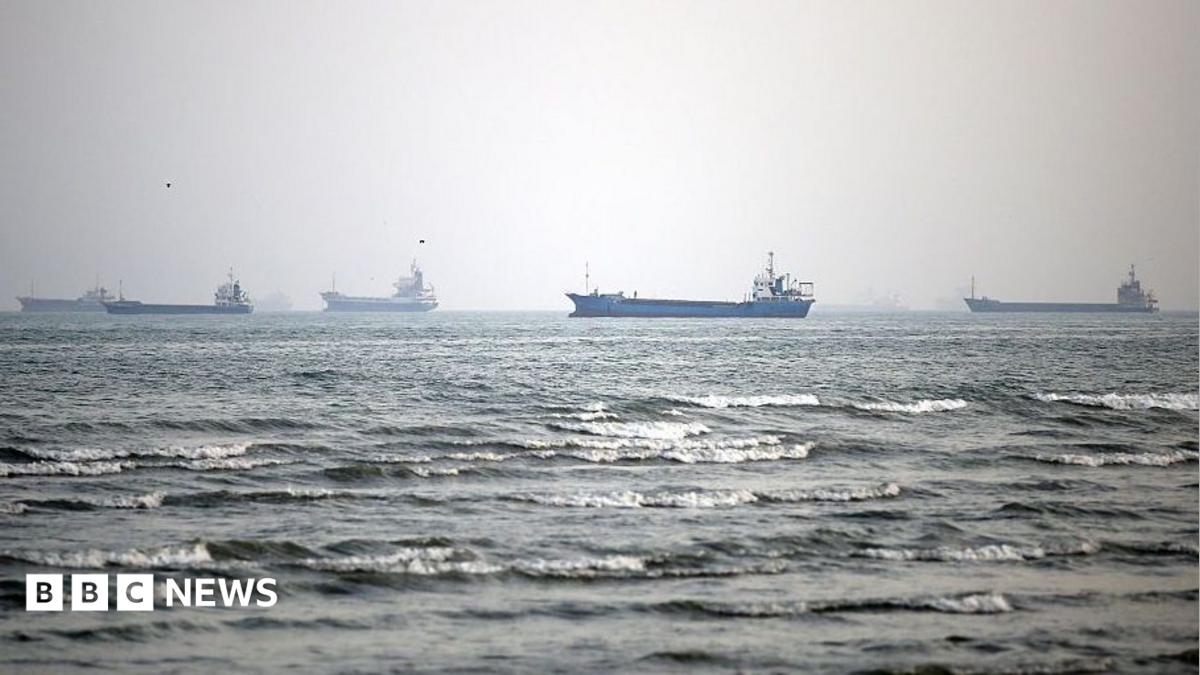
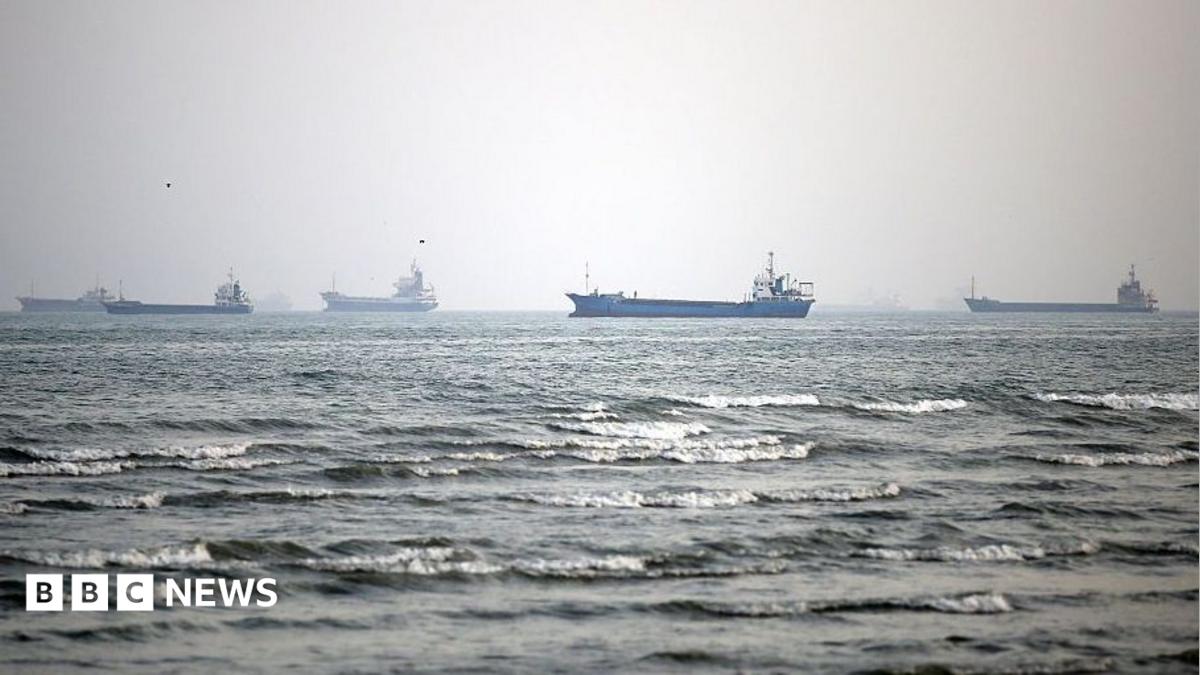
Casualties have been reported on the vessel, identified by a maritime intelligence firm as the oil and chemical tanker, Acers. #MaritimeSecurity #GulfIncident #IranWar

Casualties have been reported on the vessel, identified by a maritime intelligence firm as the oil and chemical tanker, Acers. #MaritimeSecurity #IranWar #StraitOfHormuz

AFRICA DAILY REPORT — 8 OCTOBER 2026 Main developments of past 24 hours 1. DR Congo — Ebola outbreak expands into new hotspots as response struggles Importance: 10/10 — Critical More than 8,500 infections and over 4,000 deaths have been reported. North Kivu accounts for around 40% of newly confirmed cases. Africa CDC reports that more than 70% of new cases are outside known contact networks, while MSF warns of inadequate treatment capacity and surveillance. SOURCE: https://apnews.com/article/42e9c7f66b9ee7628b0a852a4e9dd73b 2. Kenya — Ebola border-screening failures expose regional vulnerabilities Importance: 10/10 — Critical Authorities identified 57 contacts linked to Kenya's first confirmed Ebola patient, with 10 quarantined. The patient travelled from DR Congo through Uganda to Nairobi undetected. Kenya has reinforced airport screening and is coordinating with regional health authorities. SOURCE: https://www.reuters.com/world/africa/kenya-ebola-case-exposes-gaps-border-screenings-2026-10-07/ 3. Sudan — Drone strike kills civilians in Blue Nile state Importance: 10/10 — Critical A drone strike in Damazin killed at least four women and wounded dozens, according to Emergency Lawyers, which attributed the attack to the RSF. The RSF had not commented. Attacks on civilians and humanitarian operations continue amid extensive displacement. SOURCE: https://apnews.com/article/56473b19a098470344e54d75d0362092 4. Nigeria — ISWAP attacks military base in Borno, killing soldiers Importance: 9/10 — Very High ISWAP attacked the 101 Special Forces Battalion in Kukawa, Borno. A military officer reported 10 soldiers killed, while the army confirmed fatalities without specifying a figure. The army said it repelled the attack with air support and killed more than 25 militants. SOURCE: https://apnews.com/article/3cebadb3e037942384924a24917e2a7d 5. DR Congo — African Union mediators engage AFC/M23 rebels in Goma An AU delegation met Rwanda-backed AFC/M23 representatives in eastern DR Congo and called for continued engagement in peace negotiations despite ongoing fighting. The meeting is part of diplomatic efforts to advance a durable settlement. SOURCE: https://www.reuters.com/world/africa/african-union-delegation-meets-congo-rebels-calls-continued-peace-efforts-2026-10-07/ 6. African Union — Africa launches its first continental credit rating agency Importance: 9/10 — Very High The AU launched the Africa Credit Rating Agency (AfCRA) in Mauritius to provide an Africa-focused assessment of sovereign and corporate credit risk alongside existing global agencies. Its influence on borrowing costs will depend on credibility and market acceptance. SOURCE: https://www.reuters.com/world/africa/african-union-launch-continents-first-credit-rating-agency-2026-10-07/ 7. Ethiopia / Eritrea — Witnesses report Eritrean troops crossing into Tigray Witnesses in Adigrat reported Eritrean troops in military vehicles. Reuters could not independently confirm the movements. Eritrea accused Ethiopia of using the allegations to justify further action, amid the two countries' diplomatic rupture. SOURCE: https://www.aljazeera.com/news/2026/10/7/witnesses-spot-eritrean-troops-inside-northern-ethiopia-as-tensions-flare 8. Sudan — Army chief rejects negotiations and pledges continued operations Army chief Abdel Fattah al-Burhan said military operations would continue until the army regained RSF-held territory. The statement coincides with reported civilian casualties in West Kordofan and more than 5,500 displaced in Blue Nile over three days. SOURCE: https://www.aljazeera.com/news/2026/10/7/sudans-al-burhan-rejects-talks-vows-to-retake-all-territory-from-rsf 9. South Sudan — Food assistance faces severe shortages Importance: 10/10 — Critical WFP warns that more than one million vulnerable people could lose essential food and nutrition assistance without funding. Stocks at Malakal reportedly fell from about 10,000 tonnes a year ago to under 300 tonnes, while arrivals from Sudan continue. SOURCE: https://www.aljazeera.com/news/2026/10/7/south-sudans-aid-crisis-deepens-as-food-stocks-run-low 10. Ghana — Government approves formal application to join BRICS Ghana's government approved a formal application to join BRICS and sought India's backing. India expressed support for Ghana's aspirations but noted that membership requires wider group consideration. No admission decision has been made. SOURCE: https://www.africanews.com/2026/10/07/brics-ghanas-parliament-gives-green-light-to-formal-application/ #Africa #AfricaNews #TopNewsOfAfrica #AfricaDailyReport #Ghana #BRICS #BRICSExpansion #GhanaBRICSApplication #AfricanDiplomacy #India #AfricanUnion #AfCRA #AfricaCreditRatingAgency #CreditRatings #SovereignDebt #AfricanEconomy #EconomicDevelopment #FinancialIndependence #AfricanFinancialMarkets #DRC #DRCongo #Goma #M23 #AFCM23 #PeaceNegotiations #ConflictResolution #RegionalSecurity #Ebola #EbolaOutbreak #PublicHealth #AfricaCDC #Kenya #EbolaScreening #HealthSecurity #Sudan #SudanConflict #BlueNile #DroneStrikes #HumanRights #Nigeria #Borno #ISWAP #Terrorism #Counterterrorism #Ethiopia #Eritrea #Tigray #HornOfAfrica #RegionalConflict #SouthSudan #HumanitarianCrisis #FoodSecurity #WorldFoodProgramme #WFP #AfricanPolitics #AfricanSecurity #AfricanBusiness #AfricaToday #wrldorg
Africa Daily Report — 6 October 2026 Major developments reported during the previous 24 hours. 1. Ethiopia — Airstrikes and artillery continue after federal forces retake Mekelle Airstrikes and artillery fire continued across northern Ethiopia after federal forces regained Mekelle. Reuters reported at least 17 deaths northwest of the Tigrayan capital, with additional casualties reported in Adwa and Sheraro. The renewed fighting is the sharpest escalation since the 2020–2022 war. Ethiopia accuses Eritrea, Sudan and Egypt of supporting the Tigrayan-led rebel alliance; all three deny involvement. Source: https://www.reuters.com/world/africa/airstrikes-artillery-hit-north-ethiopia-after-tigray-capitals-fall-aid-sources-2026-10-05/ 2. Nigeria — Military ATR-42 crashes in Ondo State, killing all 32 aboard Importance: 10/10 — Critical A Nigerian Air Force ATR-42 flying from Benin City toward Lagos crashed near Igbokoda in Ondo State. Reuters reported that all 32 people aboard — 25 passengers and seven crew — were killed. President Bola Tinubu ordered the Air Force to investigate the cause. Source: https://www.reuters.com/world/africa/nigerian-military-helicopter-carrying-32-passengers-crew-members-crashes-2026-10-05/ 3. Senegal — Deadly floods hit Dakar and other regions Importance: 9/10 — Very High Heavy rainfall exceeding 100 mm in several locations caused flooding, casualties, injuries and major disruption in Dakar and other parts of Senegal. Reuters reported deaths and infrastructure damage; Senegal's Interior Ministry confirmed fatalities and injuries, while the government activated an emergency regional plan for Dakar. Further rain was forecast. Source: https://www.reuters.com/business/environment/heavy-rains-lead-to-senegal-floods-government-reports-several-deaths-2026-10-05/ 4. Ethiopia / Red Sea — Abiy reiterates demand for negotiated sea access Prime Minister Abiy Ahmed again said landlocked Ethiopia requires access to the Red Sea and argued that a negotiated, mutually beneficial arrangement is necessary. The statement comes amid deteriorating relations with Eritrea and renewed fighting in Tigray. Eritrea, Egypt, Sudan and Somalia have meanwhile stressed the sovereign role of Red Sea littoral states. Source: https://apnews.com/article/bad74909a59297de524fdf377f0605c2 5. Sudan — US envoy meets army chief Abdel Fattah al-Burhan in Egypt US Senior Advisor for Arab and African Affairs Massad Boulos met Sudanese army chief Abdel Fattah al-Burhan in Egypt. Boulos said Washington would continue working with Egypt and other partners toward a political solution to Sudan's war. The meeting came amid continuing US-backed diplomatic efforts to secure a ceasefire. Source: https://www.aol.com/articles/us-envoy-meets-sudanese-army-224042000.html 6. South Africa — Private-sector contraction deepens in September Importance: 8/10 — High South Africa's private sector contracted at its fastest pace since December, according to September PMI data reported by Reuters. New orders fell sharply while supply-chain disruption and higher costs, particularly fuel costs, added pressure on businesses. Source: https://www.reuters.com/world/africa/south-africa-private-sector-contracts-fastest-pace-since-december-pmi-shows-2026-10-05/ 7. Somalia — IMF cuts 2026 growth forecast to 2.3% Importance: 8/10 — High The IMF expects Somalia's economy to grow by only 2.3% in 2026, citing sharp reductions in foreign aid, recurrent climate shocks, spillovers from the Middle East conflict and domestic uncertainty. Inflation is projected at 6.5%, while growth is expected to recover gradually in 2027 and over the medium term. Source: https://www.channelafrica.co.za/channelafrica/news/imf-cuts-somalias-2026-growth-forecast-to-2-3/ 8. Guinea — Opposition leader Aliou Bah released following presidential pardon Opposition leader Aliou Bah, head of the Liberal Democratic Movement, was released after receiving a presidential pardon. He had been detained since December 2024 and was serving a two-year sentence for offences linked to remarks about President Mamadi Doumbouya. His case had also reached the ECOWAS Court of Justice, which had sought his release. Source: https://www.africanews.com/2026/10/05/guinea-opposition-leader-aliou-bah-freed-after-presidential-pardon/ 9. Uganda / African security — Kampala hosts conference on emerging security threats Importance: 7/10 — High Uganda opened a four-day Conference on Military Operations Other Than War, bringing together defence and security representatives from African states and regional organizations. The agenda covers cybersecurity, AI, unmanned systems, terrorism, disaster response, climate security, maritime and border security, critical infrastructure and pandemics. Source: https://ubc.go.ug/2026/10/05/uganda-hosts-inaugural-conference-on-military-operations-other-than-war/ 10. West Africa — BCEAO authorises 175 institutions for interoperable instant payments Importance: 8/10 — High The Central Bank of West African States has authorised 175 institutions to participate in the region's interoperable instant-payment ecosystem. Participants include banks, electronic-money institutions, fintech companies and microfinance institutions, broadening the infrastructure for cross-provider digital payments across the West African Monetary Union. Source: https://techafricanews.com/2026/10/05/bceao-authorises-175-institutions-interoperable-instant-payments/ #Africa #AfricaNews #TopNewsOfAfrica #Senegal #Dakar #SenegalFloods #Floods #HeavyRain #ExtremeWeather #ClimateRisk #HumanitarianCrisis #SouthAfrica #SouthAfricaEconomy #PMI #PrivateSector #EconomicContraction #AfricanEconomy #Business #Ethiopia #Tigray #Mekelle #EthiopiaConflict #Airstrikes #Artillery #FederalForces #RegionalSecurity #HornOfAfrica #AfricanSecurity #Geopolitics #wrldorg
The post’s author wrote that Russia continued to deliberately target civilians and civilian infrastructure, and said drone and missile strikes remained a daily reality across Ukraine. The author said more than 15,000 civilian casualties had been documented this year and claimed that Putin sought to deprive Ukrainians of heat and electricity. #Ukraine #Putin #WarCrimes #RU #UA
The author wrote that, according to The New York Times, Trump’s talks on Ukraine had come to include a multibillion-dollar deal involving Lukoil’s foreign assets. They said Putin had proposed it to Witkoff and Kushner, whose business contacts could benefit, and characterized the arrangement as corruption that disregarded civilian casualties. #Corruption #Ukraine #Trump #UA #RU
Both sides are preparing for a war in Europe. It is not inevitable but nor is it impossible. If it happens, Europe will immediately become a hardcore police state and Europeans will be sent to a front with WWI-style casualties. You’re better off not living in Europe. 🇪🇺🇷🇺 #WarInEurope #EuropeanSecurity #WWI #EU #RU
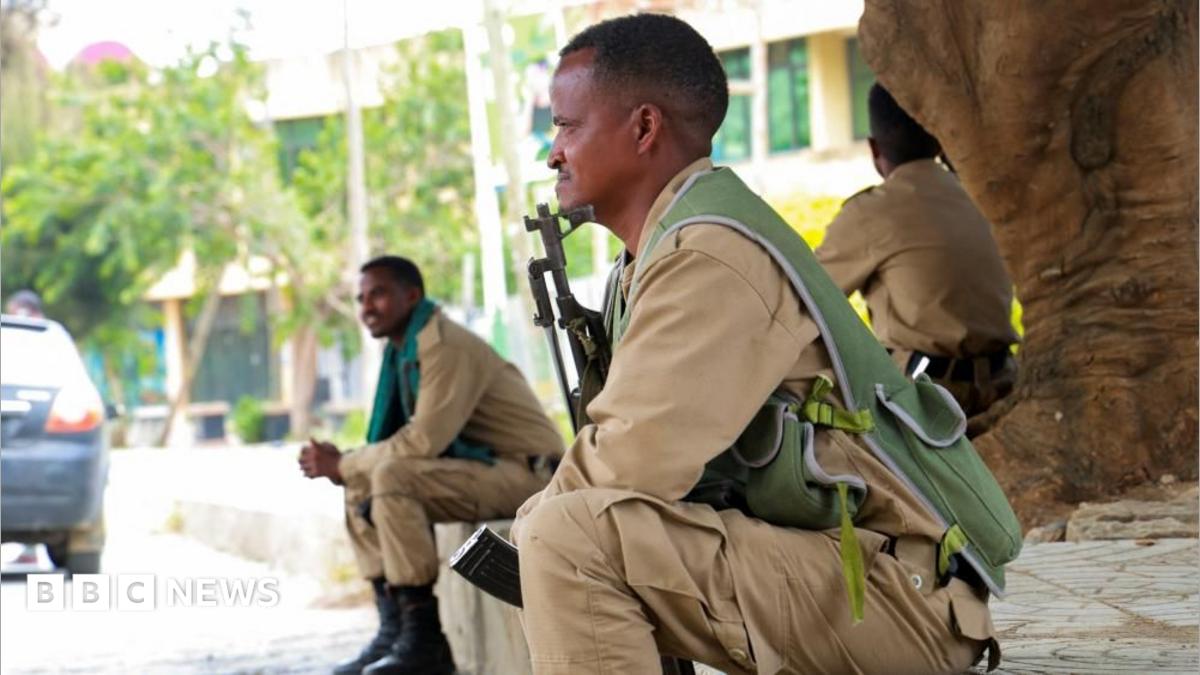
The military says its soldiers inflicted casualties as fears grow of a resumption of a full-blown civil war. #Ethiopia #TigrayConflict #CivilWar

The military says its soldiers inflicted casualties as fears grow of a resumption of a full-blown civil war. #Ethiopia #Tigray #CivilWar

At the Sheba Medical Center at Tel HaShomer, I met dozens of heavily injured IDF soldiers. They lost an arm, a leg, an eye, or much more because Israel tries to prevent civilian casualties in Gaza while fighting jihadist terror groups that do everything to cause civilian https://t.co/2Gs26IqChJ #IDFSoldiers #IsraelDefenseForces #GazaCrisis #IL #PS
I am deeply concerned by the escalation of Israeli military operations in southern Lebanon. I condemn the mounting civilian casualties, the distress & displacement caused by the evacuation orders, and the scenes of massive destruction & devastation. Civilians & civilian objects #Israel #Lebanon #CiviliansMatter #IL #LB
Russia is a threat far beyond its borders. The explosive drones over Leipzig show that Moscow is ready to carry out attacks on European soil, even at the risk of causing casualties. In my interview with @repubblica, I stressed that Europe must respond with more support for #RussiaThreat #EuropeanSecurity #SupportForEurope #RU #DE #EU
The current escalations in Ukraine make me quite pessimistic of what will unfold over the winter. Kyiv is under constant bombardment with civilian casualties at the highest level since the beginning of the way and Russia is now attacking supply chains for food. #UkraineWar #KyivUnderAttack #CivilianCasualties #UA #RU
According to research done by the CSIS, over 90% of Russian casualties are now caused by drone attacks. During the first half of 2026, the Russian-Ukrainian casualty ratio was nearly 8:1. Read the full report here: https://t.co/6UqA7bzpMi #UkraineWar #DroneWarfare #CSISReport #RU #UA
Rabaa: The Hour the World’s Conscience Stood Still On the anniversary of one of the largest single-day killings of protesters in modern history, one question remains unanswered: who will be held accountable? By Adham Hasanin Egyptian journalist and political writer, based in the Netherlands On 14 August, the anniversary returns of a day unlike any other in modern Egyptian history. Not simply because it was the bloodiest Egypt has known wars and massacres before and since ,but because it was the day a state chose to open fire on its own people in broad daylight, in front of the world’s cameras, and then let thirteen years pass without a single officer ever being held accountable. This article will not be a cold recitation of statistics, though the statistics exist, are documented, and are horrifying. It is an attempt to understand something deeper: how a square in the heart of Cairo, filled with tents, children, and worshippers, became the site of the largest mass killing the Arab world has witnessed in the past decade and why the echo of that day still reverberates in every Egyptian prison cell today. I. A Morning That Began Like Any Other For readers unfamiliar with the background: in July 2013, the Egyptian military, led by then-General Abdel Fattah el-Sisi, removed Mohamed Morsy Egypt’s first freely elected civilian president, a member of the Muslim Brotherhood who had taken office in 2012 following the 2011 uprising against Hosni Mubarak. In response, tens of thousands of Morsy’s supporters staged an open-ended sit-in demanding his reinstatement. By 14 August 2013, more than twenty thousand people had spent weeks camped out at two Cairo squares, Rab’a al-Adawiya and al-Nahda, in a peaceful sit-in. They were not an army, nor a uniform bloc; they were entire families men, women, and children, some affiliated with the Muslim Brotherhood, many simply ordinary citizens who saw the restoration of elected legitimacy as a cause worth the risk. There were tents for sleeping, communal kitchens feeding the demonstrators, speaking platforms, and a small field clinic that no one imagined would, within hours, become one of the most terrifying places in modern Egyptian history. In the early hours of that morning, Central Security Forces and army units, under the command of then-General Sisi, began what was officially described as a "dispersal" operation targeting both sit-ins simultaneously. It was not a dispersal in any ordinary sense of the word. According to a year-long investigation by Human Rights Watch, it was a pre-planned operation that anticipated, from the outset, thousands of deaths. II. The Numbers the Regime Refuses to Speak The Egyptian government, to this day, cites a death toll of "over 600" for that single day a figure that, even at its official lowest, is horrifying enough to warrant an independent international investigation. But the field investigation conducted by Human Rights Watch, drawing on field hospital records, survivor testimony, and analysis of video footage from dozens of angles, arrived at a far more disturbing figure: at least 817 people killed at Rab’a Square alone, with the true toll likely exceeding 1,000, plus another 87 killed at the nearby al-Nahda Square. When the deaths from the weeks surrounding 14 August are added from the dispersal of the Republican Guard sit-in on 8 July, through the Mansoura Street killings, to the dispersal of an October 6 march the combined total reaches at least 1,150 deaths in just six weeks, according to Human Rights Watch’s meticulous documentation. This figure led the organisation to use a term not deployed lightly in international law: crimes against humanity. Human Rights Watch described the Rab’a killings as "one of the world’s largest killings of demonstrators in a single day in recent history." Not in Egyptian history alone in modern history as a whole. What happened at Rab’a is cited in international reporting alongside China’s 1989 Tiananmen Square massacre. This is the true scale of what the Egyptian state has spent thirteen years trying to minimise, justify, and reduce to a mere "security incident" in a news bulletin. III. "All According to Plan" When Mass Killing Becomes Administration, Not Chaos The title Human Rights Watch chose for its detailed report on the massacre deserves lingering on: "All According to Plan." This is not an emotive headline; it is a precise legal conclusion built on field evidence. According to the investigation, what happened at Rab’a was not a dispersal operation that spiralled out of control amid chaos or panic, as the regime later tried to portray it. It was a carefully planned operation that assumed, in advance, massive casualties. Then-Interior Minister Mohamed Ibrahim admitted, in a televised interview broadcast on 31 August 2013 just weeks after the massacre that his ministry had anticipated losses of "10 percent of the people" present at the sit-in, acknowledging that the number of demonstrators exceeded twenty thousand. By simple arithmetic, this is an official admission that the state anticipated, in advance, the deaths of roughly two thousand people and proceeded with the operation regardless. This is the true horror at the heart of the Rab’a story: it was not a security operation that spun out of control, but a conscious administrative decision, made in an air-conditioned room, with advance calculations, by men who knew precisely how many human beings would die under their fire and who proceeded anyway, or perhaps because of it. According to Human Rights Watch’s analysis, the objective was to send an unambiguous message: whoever challenges the new state will pay an irreversible price. IV. Snipers, Women, and Children The Faces the Reports Do Not Tell Behind every number in the Human Rights Watch reports lies a full human story, deliberately omitted from the state’s official narrative. The investigation documented how security forces opened fire from multiple angles, and how snipers positioned themselves atop buildings surrounding the square, targeting according to survivor testimony and analysed video footage any movement in the square, regardless of whether it was an armed combatant or a nurse trying to reach a wounded person. According to documented testimony, entire families had their tents burn over their heads as fire swept through the sit-in. Doctors and paramedics were killed while trying to pull the wounded from the line of fire. Most damningly of all, the documentation shows deliberate targeting of ambulances and field medical points meaning that wounded people who survived the first bullet then faced death by bleeding out, because anyone attempting to save them was themselves a target. This detail the targeting of medics is what elevates the event from "excessive violent repression" to what human rights organisations have described as a systematic crime. When security forces target those trying to save the wounded, they are not merely dispersing a sit-in; they are preventing witnesses from surviving to tell what happened. V. Thirteen Years of Total Impunity The most painful part of the Rab’a story is not only what happened that day, but what has not happened in the years since. From 14 August 2013 to today, not a single officer, of any rank, has been held accountable for the deaths of hundreds, or thousands, of Egyptians. Quite the opposite: the state has moved to entrench impunity through the force of law itself. Egypt issued legislation granting senior military officers immunity from questioning over any violations that may have occurred following Morsy’s removal a law specifically designed to close the door on any future judicial accountability, regardless of how political circumstances might change. Even the fact-finding committee established by then-interim President Adly Mansour to investigate the June and July events concluded, in its report issued more than a year after the events, that the sit-in’s leaders bore responsibility for the deaths, on the grounds that they had allowed weapons into the square even as the same report admitted, in a glaring contradiction, that security forces had failed to target only armed individuals, meaning they had fired indiscriminately on everyone: armed and unarmed, man and woman, adult and child. This is the pattern that has repeated for over a decade: as each anniversary approaches, official statements re-narrate the events and shift blame onto the victims, while the actual perpetrators — those who planned the operation, gave the orders, and pulled the trigger — remain free. Some now occupy the highest offices of the state. VI. Why This Anniversary, Why Now? A reader might ask: why revisit this story after all these years? Has the world not moved on to newer crises? The answer lies in the very nature of impunity. When a state is never held accountable for the largest massacre of protesters in its modern history, it does not simply "forget" the crime it sets a precedent, telling every future ruler and every future security apparatus: mass killing is possible, politically profitable, and free of cost. This poisonous lesson does not remain confined within Egyptian borders; its echo reaches every Arab capital contemplating how to handle its own opposition. More dangerously, this system of impunity did not stop at Rab’a’s edges; it is the foundation on which Egypt’s entire subsequent decade of repression was built: thousands of political prisoners, grossly unfair mass trials that produced death sentences for dozens of defendants in cases linked directly to the Rab’a events themselves, laws criminalising peaceful protest, a muzzled press, and a civil society hollowed of substance. All of it traces back to the morning of 14 August 2013, when the state learned that overwhelming force succeeds, and that the world will condemn for a few days, then move on. VII. Delayed Justice Is Not Forgotten Justice Despite more than a decade of official silence and impunity, the Rab’a case remains alive in international legal memory. Human rights organisations, from Human Rights Watch to Amnesty International, continue to renew their annual calls for an independent international investigation, grounded in the legal principle that crimes against humanity are not subject to statutes of limitation: delayed justice is not forgotten justice. The victims who fell in that square were not numbers in a statistical report. They were fathers who left behind children too young, that day, to understand why their father would never return. They were mothers who, thirteen years later, are still searching for a clearly marked grave to which they can carry flowers, and young people who had decades of life ahead of them that they never got to live. Their memory does not fade with time; it grows with their children, who carry with them the same question their parents asked before they were killed: when will justice come? Conclusion: What Does This Anniversary Demand of Us? Every year, as the anniversary of 14 August returns, the same question resurfaces one the Egyptian state refuses to answer: who gave the order? Who planned the operation? Who decided that twenty thousand human beings deserved to be shot with live ammunition because they staged a peaceful sit-in? This anniversary is not a call for vengeance, nor an invocation of the past for its own sake. It is a reminder that justice, however delayed, remains a debt still owed. And that every instance of international silence over a massacre of this scale opens the door to the next one, elsewhere, under a different pretext, carrying the same lethal conviction: that the world will condemn for a week, then forget. We will not forget. And we will not stop asking the question that unsettles everyone who took part in that crime, regardless of the office they hold today: where is the accountability? Rab’a is no longer merely the name of a square in Cairo. In the conscience of everyone who believes in justice, it has become a test of the world’s conscience itself a test the world has not yet passed.
Renewed drone attacks in North Kordofan and North Darfur in #Sudan have yet again caused dozens of civilian casualties. The EU calls on the parties to deescalate, protect civilians and ensure humanitarian access in line with obligations under International Humanitarian Law. #Sudan #HumanRights #HumanitarianAid #SD
Venäjän puolustusministeriön mukaan Venäjä torjui yön aikana yli 600 ukrainalaisdroonia, jotka osallistuivat laajaan iskuyritykseen useilla eri hallintoalueilla, mikä resulted in two casualties in Saratovin alueella. #Ukraina #Venäjä #drooni-iskut