WRLD

Search

#Celebrate
David Lega 5h

The author said Frankfurt had awarded the first Georg Stefan Troller Prize for reporting on Jewish life the previous day and celebrated journalists covering these stories. They argued that Jewish life deserved attention for its creativity as well as its crises, and that more voices would bring greater visibility to Jewish life. The post tagged JuedischeOnline and n1ckism. #JüdischesLeben #Journalismus #Kultur #DE

1885
Luciano Magaldi Sardella (PhD) 6h

LETTERE MERIDIANE — “TEATRO-EDICOLA” OF SAN SEVERO CONQUERS THE WORLD SOURCE: https://www.letteremeridiane.org/2026/10/il-teatro-edicola-di-san-severo-conquista-il-mondo/?fbclid=IwY2xjawU4oqFleHRuA2FlbQIxMQBwZG9mAXNydGMGYXBwX2lkEDIyMjAzOTE3ODgyMDA4OTIAAR5rVEwYs6UUXg7v-P0SyIQ_DRb_F6ZiY58OcseYoV4J7atcTiERnhWaqKM2pw_aem_Njle1jq1XLzHr93KLBUcVA After “Broadway World”, the “Los Angeles Journal”, “The Psychologist (British Psychological Association)” and Hollywood Beat Magazine, its “academic consecration” has now arrived courtesy of Stanford University. As I have already emphasised in my article on the revival of the GIO Festival in Foggia, celebrated by BroadwayWorld for the world stage premiere of the Giordano’s opera Marina (1888), the province of Foggia has long ceased to be peripheral. It happens when it finds an idea that shifts the coordinates: well, in San Severo, 40 kilometres from Foggia, it has happened again. Only this time an orchestra was not needed; six chairs were enough. The celebrated Teatro-Edicola of San Severo artistic director Francesco Gravino of the theatre company Foyer ’97 has been featured in the academic journal “Stanford Social Innovation Review (SSIR)” as an academic case study. The news, relayed on 19 September 2026 by ANSA Nazionale, looked like a misprint. Then it became clear that it was not. SSIR, an award-winning publication covering multisectoral solutions to global problems, included the project in its Dispatches section with the reportage “The Six-Seat Revolution”. It is the inverse trajectory to that of the GIO Festival: not a forgotten opera returning to a grand historic Italian horseshoe theatre, but an entire theatre reborn inside a disused place, forgotten by man. There are moments when past and future intertwine to create something visionary, innovative, artistically “revolutionary”: San Severo experienced one of those moments on the morning of 27 March 2026, during World Theatre Day, when the shutter of a newsstand closed for six years in Via Matteo Tondi was reopened “not to sell newspapers, but to offer stirring stories”, to quote Gravino’s motto. The idea of the visionary Francesco Gravino, artistic director, stage director and actor of the San Severo company Foyer ’97, active for at least 30 years in Capitanata, centred on the kiosk, hexagonal in metal and glass, granted free of charge by its owner Pino Frau, by now an urban relic created by the publishing crisis of the early 2000s: today in Italy active newsstands have fallen from about 35,000 in 2005 to about 20,000 in 2024, a decline of 42.8%. Gravino and eleven other actors restructured it in two weeks of work, without institutional funding, and transformed it into what is now under examination by the London commission of Guinness World Records as the “world’s smallest theatre”. The formula is deliberately austere: six spectators at a time outside, actors inside at less than a metre’s distance, 15-minute performances, continuous rotation from 11:00 to 20:45, texts ranging from Goldoni to Chekhov, from Ibsen to Dacia Maraini. On the door a QR code with an original theatrical warning: “Warning! This QR code transforms passers-by into actors. Scan only if ready.” The numbers immediately showed that it was no boutade: more than 60 people in a single afternoon, three inaugural days that sold out. But above all a positive echo that went beyond the borders of San Severo. “Broadway World” (just as in the previous case of the GIO Festival), the world’s most influential theatre criticism outlet with over 5.5 million monthly views, devoted exclusive coverage to it on 27 April 2026: “An Abandoned Italian Newsstand Just Became the World’s Smallest Theatre”. Not a mere listing, but an analysis: “There is no foyer, there is no balcony, there is no grid. There is barely a wing. What there is is something almost unrecognisable as an evening at the theatre, and for that very reason it is all the more powerful.” “Broadway World” captured Gravino’s manifesto idea: “This is a theatre of proximity. In an era of digital distance, we are putting human contact back at the centre,” framing it as “More than a clever exercise in site-specific theatre. It is a reappropriation.” All of this, in a Mezzogiorno of Italy often narrated only in terms of organised crime and marginalisation. To that seal of approval was added another, even more disorienting for a newsstand in San Severo: the “Los Angeles Journal”, one of the most influential publications on the West Coast for the performing arts. On 12 May 2026, it headlined thus: “San Severo’s Teatro-Edicola as an Innovative Model for Los Angeles Theaters?” opening as follows: “In a city in southern Italy that Hollywood has never heard of, a theatre director has just built the smallest stage in the world: six seats, fifteen minutes, zero distance. Los Angeles should pay attention.” The “Los Angeles Journal” does not indulge in folklore, but places the kiosk in Via Matteo Tondi alongside the prestigious 1,600-seat Ahmanson Theatre in Los Angeles, the Pantages of Broadway in Hollywood, the 99-seat plan of Rogue Machine, the Odyssey, the Victory Theatre and the Hollywood Fringe. It even recalls Ethan Marks’s Electrical Box Theatre, a veritable electrical box lined with red velvet in downtown Los Angeles, to argue that Gravino has taken to the extreme the question Los Angeles has been asking itself for decades: How small can a stage become before it ceases to be a stage? And it recognizes the San Severo urban model: almost zero cost, two weeks of work and six chairs, in return for immediate provincial, regional and national media coverage, recognition by the San Severo’s Municipal Administration, and a format exportable anywhere. Then, the third American piece came from “Hollywood Beat Magazine” on 20 April 2026: Six seats. Fifteen minutes. One actor. No stage. The magazine recounts the kiosk in Via Tondi left disused for almost six years, the contemporary six-seat cultural outpost, placing Francesco Gravino in a distinguished genealogy: Richard Schechner and environmental theatre, Jerzy Grotowski and poor theatre, Nicolas Bourriaud and relational aesthetics. But it closes with pragmatism: it is not a thesis, it is fixing a street corner, that is, repairing an urban street corner by asking not how large a theatre can become, but how small it must become again to recover its original power. And finally, the celebrated London-based “The Psychologist”, the journal of the “British Psychological Society (BPS)”, the oldest psychological society in the world, transformed the Teatro-Edicola into a scientific case study: on 30 July 2026 it published “The world’s smallest theatre — and Psychologists’ next act”, starting from the same detail, the morning of 27 March when the metal shutter of the hexagonal kiosk in Via Tondi reopened after six years, six people inside, an actor at less than a metre’s distance beginning Chekhov. It describes the formula: six spectators, 15 minutes, 11 actors over 10 hours, from Goldoni to Euripides, inside a kiosk where the fourth wall does not break because architecturally it never existed. But the BPS goes a step further: it cites the 2025 studies by Damien Gabriel in IBRO Neuroscience Reports, that live performance generates measurably stronger emotional and physiological activation than video, and introduces Edward Hall’s proxemics: below one metre is intimate space, reserved for doctors, close friends, lovers. In that one-square-metre space, the actor’s breath is audible, micro-expressions legible, the self-other boundary becomes permeable. The Teatro-Edicola “does not make theatre better, it makes it inevitable”. And it is here that one understands why Stanford is studying it as an academic case study in social innovation, not as a case of artistic originality. In Italy, meanwhile, the national media circuit had already picked up the phenomenon: RaiNews — TG2 Storie brought it to RaiDue at midnight on 19 April. RTL 102.5 devoted space to the format conceived by Gravino and developed by Foyer ’97 in the heart of San Severo in Via Tondi, defining it as a permanent micro-stage capable of bringing theatre into public space. ANSA.it, Gazzetta del Mezzogiorno, La Repubblica, TG2000, Radio Capital, Swiss RSI, ANSA Brazil and many others followed. And for the record: Fiorello praised it in La Pennicanza as an artistic case inspired by his Edicola Fiore, and Biagio Antonacci, on his tour in the Augustan amphitheatre of Lucera, made a “fact-finding” stop at the Teatro-Edicola singing the celebrated and nostalgic Iris in front of an audience certainly larger than the “six seats”. Francesco Gravino’s theatre company Foyer ’97 was not born yesterday: behind it lie the Teatro-Cantina of 2016, the underground theatre, and in 2011 a performance on the bell tower of a church in the centre of San Severo at 45 metres high. The Teatro-Edicola completes, in Gravino’s words, “the entire vertical extension of theatre: underground, street level, rooftop”. And it is preparing for its thirtieth anniversary in 2027 aiming to purchase the kiosk to make it permanent, exporting the “San Severo Model” to Rome, Lucca, and to the festivals of Santarcangelo and Todi. As with the GIO Festival, someone might dare to claim that it is merely a stunt, but when BroadwayWorld places you alongside the Los Angeles Opera House, the “Los Angeles Journa”l proposes you as a model for Hollywood, “Hollywood Beat Magazine” reads you through Grotowski and the “British Psychological Society” uses you to explain mirror neurones, it is no longer a stunt but an excellent artistic and academic positioning. To those who still whisper that Foggia and Capitanata are provincial, the answer is now written on two opposite and complementary fronts: on 5 June in Foggia a 138-year-old opera found the stage again at the Giordano ending up on BroadwayWorld; on 27 March in San Severo a 4-square-metre kiosk invented a stage that did not exist, ending up at Stanford, in Los Angeles, in Hollywood and in London. The periphery, when it has a precise idea, becomes the centre. Even with six chairs. Luciano Magaldi Sardella

www.letteremeridiane.org
Il teatro-edicola di San Severo conquista il mondo
65
rsvp 3d

Cillian O'Connor has announced his retirement from inter-county football after a remarkable career with Mayo, during which he became a celebrated player and recently celebrated his wedding while encapsulating his journey with gratitude and pride. #CillianOConnor #MayoGAA #Retirement

www.rsvplive.ie
Cillian O'Connor announces his retirement after brilliant year with Mayo
2795
BBC 3d

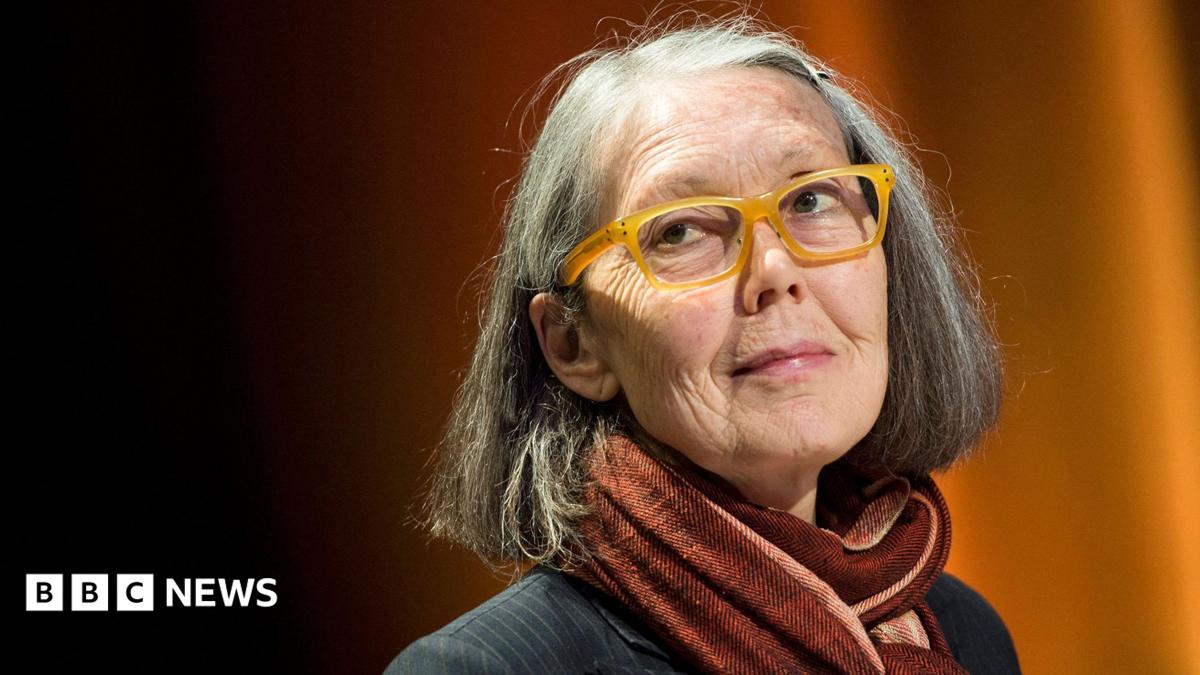
Carson, 76, is celebrated for works that often cross boundaries between poetry, fiction and scholarship. #AnneCarson #NobelPrize #ContemporaryLiterature

www.bbc.co.uk
'Bold and inventive' Canadian poet Anne Carson wins Nobel Literature Prize
3359
BBC 4d

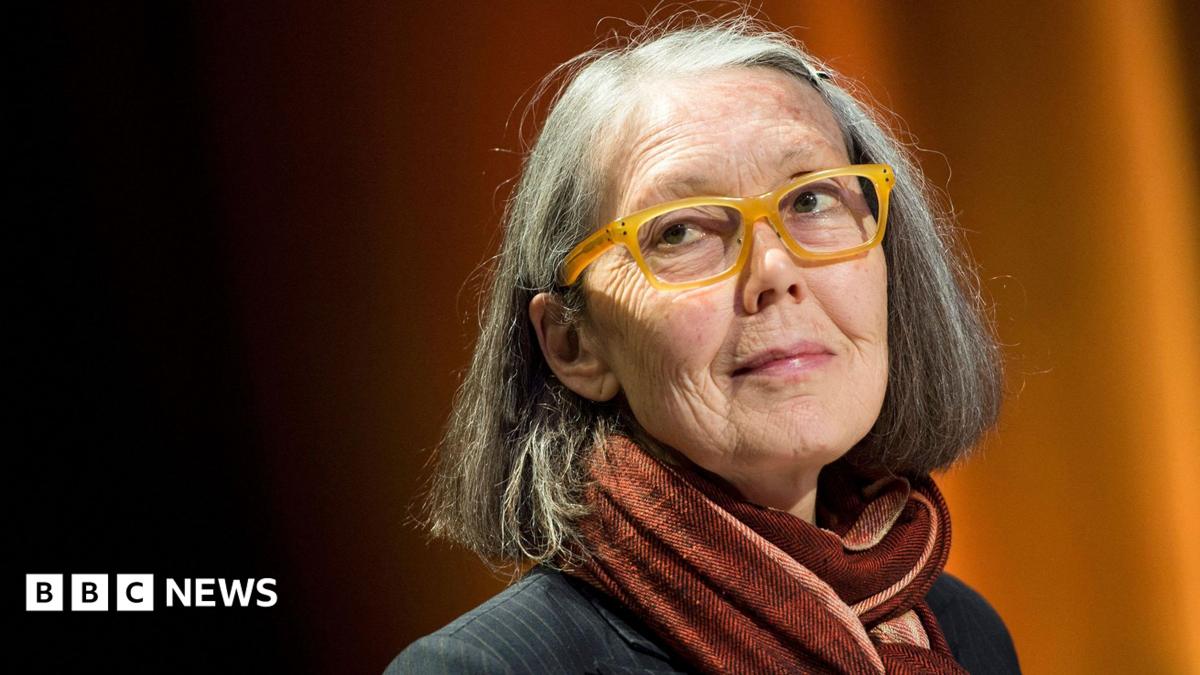
Carson, 76, is celebrated for works that often cross boundaries between poetry, fiction and scholarship. #NobelPrize #Literature #AnneCarson

www.bbc.co.uk
'Bold and inventive' Canadian poet Anne Carson wins Nobel Literature Prize
3365
Luciano Magaldi Sardella (PhD) 5d

MSN ITALIA - ANSA ITALIA: "THE TEATRO-EDICOLA FEATURED IN STANFORD UNIVERSITY'S REVIEW" SOURCE: https://www.msn.com/.../il-teatro-edicola-del.../ar-AA2cyMWR (ANSA) - FOGGIA, 19 SEPT - The idea of the newspaper-kiosk theatre in San Severo, in the province of Foggia, renamed the smallest theatre in the world, has become a case study for Stanford University. The article "The Six-Seat Revolution" by the Foggian researcher Luciano Magaldi, supervised by editor David V. Johnson, has been published in Ssir (an award-winning publication covering multi-sectoral solutions to global problems). The article is in the "Dispatches" section of the "Stanford Social Innovation Review". "It is a result that rewards our work - emphasises Francesco Gravino, artistic director of the theatre company Foyer 97 - . Requests to replicate the model have come from other areas of Italy, such as Lucca and Rome. We thought of creating a cultural activity from a place that was disused and in a state of abandonment. There ought to be a regional law that allows for the reconversion of these disused places in which numerous activities could be created. Veritable cultural outposts". Gravino and the actors of the company are preparing the new programme. "Next year our company will be 30 years old - he said - , an important milestone which we shall celebrate with some new developments". Six chairs, less than two square metres, performances every 15 minutes and a sold-out audience of young people and adults. An experiment that has aroused curiosity and interest in the world of entertainment as well. Between the end of July and the beginning of August, during the tour in Lucera (Foggia), Biagio Antonacci made a surprise stop at the newspaper-kiosk theatre and sang his Iris. "It was truly a wonderful encounter which captured the attention of passers-by," concludes Gravino. (ANSA). (translated)

1129
telex 5d

U.S. President Donald Trump also spoke on Tuesday about how no one knows who is leading Iran. #Messi #Argentína #foci (translated)

telex.hu
Góllal és teltházas showműsorral búcsúzott az argentin válogatottól Lionel Messi
2146
lcamtuf 5d

The author said they had complex views on AI and believed it could be used for good, but urged caution about which capabilities were celebrated and which distinctly human activities were set aside.

2938
lcamtuf 5d

The author said they had complex views on AI, which they believed could be used for good, but urged caution about what people celebrated and which distinctly human activities they set aside. #IA #Tecnología #Ética

2486
Gunther Fehlinger-Jahn 7d

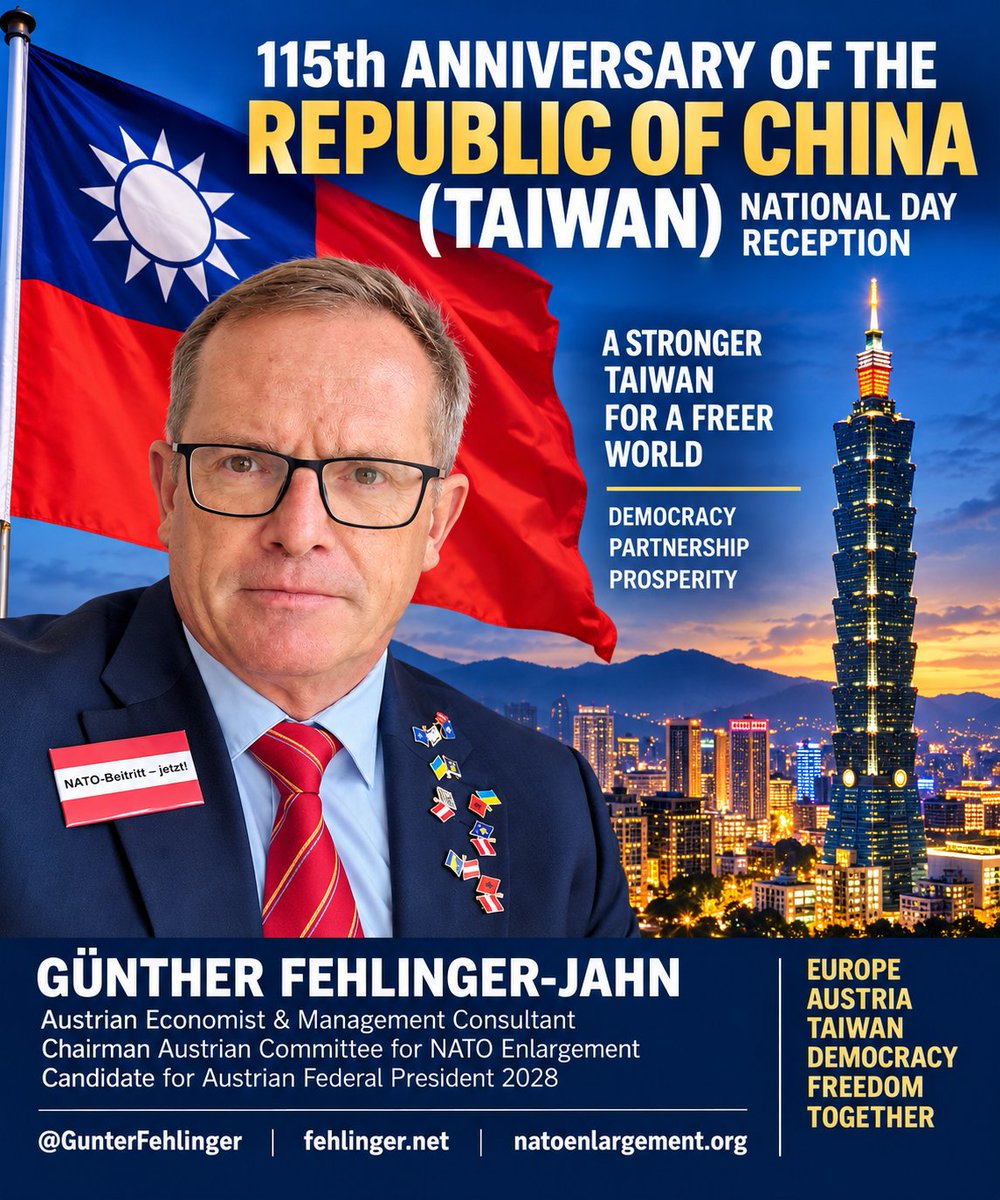
The author said they had celebrated the 115th year of the Republic of China (Taiwan) and expressed support for democratic Taiwan. They described Taiwan as a vibrant democracy, a technological powerhouse and a vital partner of the free world, and called on Europe to deepen its political, economic and security ties. https://t.co/iJ3i3ashDX #Taiwan #Democracy #RepublicOfChina #TW #AT #EU

3404
Fabrizio Romano 1w

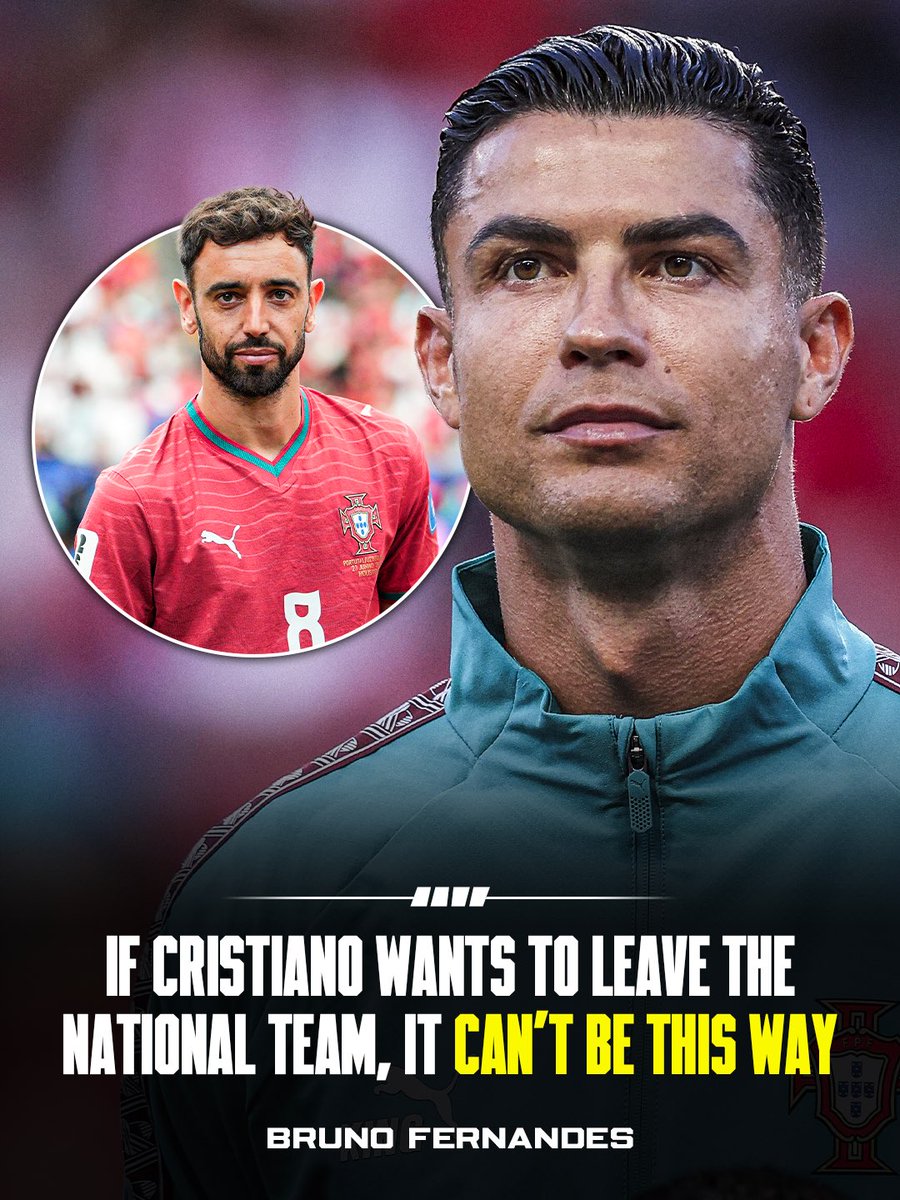
Bruno Fernandes told B24 that he hoped Cristiano would not leave the national team and said that if he chose to do so, it should happen on a celebratory day rather than “like this”. Fernandes said Cristiano deserved the best and was the biggest icon of their football and country. https://t.co/W31RP7tM3W #CristianoRonaldo #BrunoFernandes #Portugal #PT (translated)

337155
Gunther Fehlinger-Jahn 1w

The author wrote that Germany marked Unity Day on 3 October by celebrating unity, freedom, and the peaceful overcoming of division, while also remembering its history. They said around a million people had risen against the SED dictatorship in East Germany on 17 June 1953 and that the uprising was met with violence. https://t.co/iWsYUJCaSC #TagDerDeutschenEinheit #Einheit #Geschichte #DE (translated)

Gunther Fehlinger-Jahn 1w

The author described a scenario they called Putin’s “nightmare dream trio”: Crimea would be liberated, Ukraine and Austria would join NATO, and Russia would be dismantled, followed by a celebration in Yalta in summer 2027. https://t.co/xgUSNU0nhY #Ukraine #NATO #Russia #UA #AT #RU

114
Yanis Varoufakis 1w

The author wrote that October 3 marked Germany’s Reunification Day, but argued that the country had united East German resentment with West German arrogance. They also claimed Germany was becoming Europe’s arsenal, with defunct Volkswagen factories now producing Leopard tanks. #Einheit #Deutschland #Militär #DE

1141
Balázs Orbán 1w

The post’s author claimed that Hungarian Prime Minister Peter Magyar had campaigned as a moderate defender of families and national interests before shifting sharply left after taking office. The author also said Alex Soros, Hillary Clinton, Barack Obama and European Union leaders had celebrated Magyar’s victory, and urged Americans to pay attention. https://t.co/Y3igT7a563 #Hungary #Politics #Election #HU #US #EU

5254
Barry Malone 2w

The post said the latest edition of Proximities covered Israel’s killing of eight people in Gaza, which it described as a breach of the “ceasefire”; the possibility that a U.S. peace plan could lead to the de facto partitioning of Sudan; and Iraqis celebrating the withdrawal of U.S. anti-ISIS forces. It said the edition could be read in under two minutes. https://t.co/Ve3VrFBjUQ #Gaza #Sudan #Iraq #IL #US #SD #IQ

458
Vincze Loránt 2w

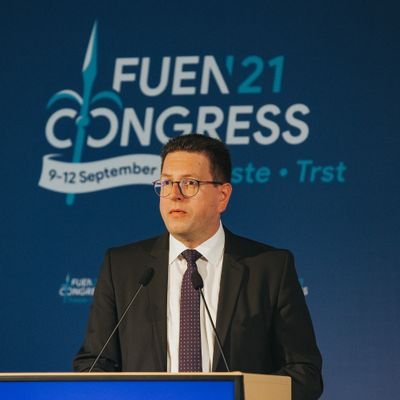
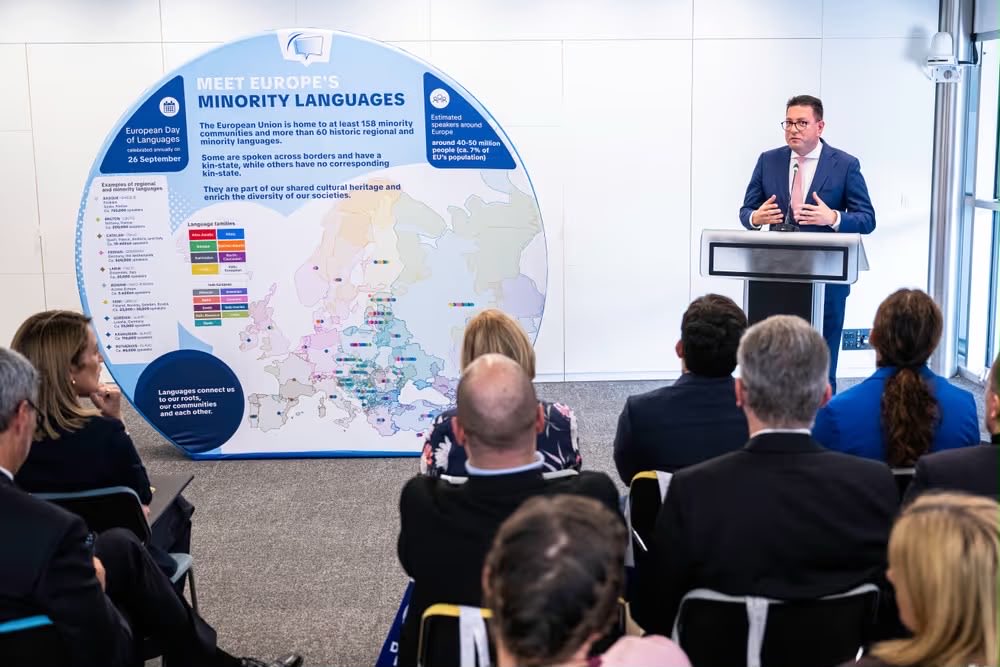
The author said minority languages were part of Europe’s future, not relics of the past. They wrote that they had marked the European Day of Languages at the European Parliament with an exhibition by the Federal Union of European Nationalities (FUEN), and argued that AI should learn to speak all of Europe’s languages. https://t.co/1FhmYeFYkJ #Languages #Europe #Diversity #EU

115
Fabrizio Romano 2w

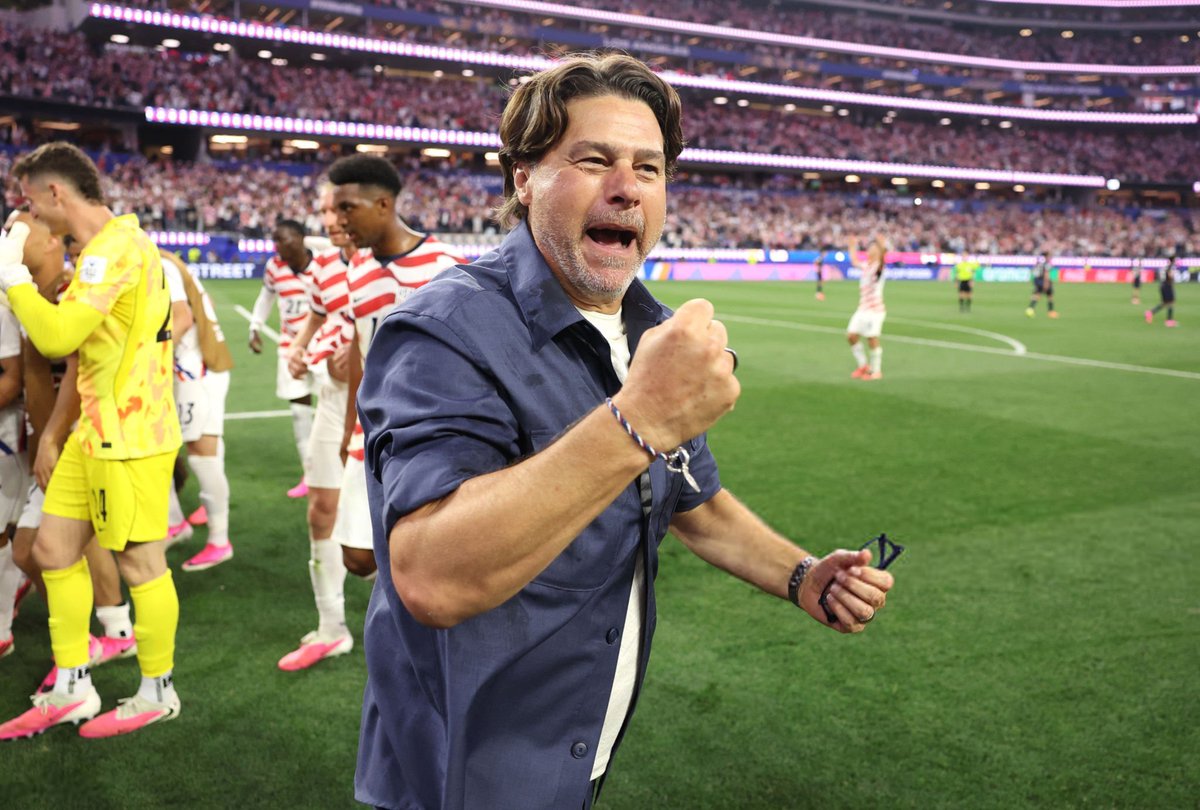
🚨 Mauricio Pochettino on Man City charges: “It's a very sad situation because what was already achieved and celebrated maybe was NOT REAL and what wasn't so good could have been better”. “We have lived through a period where sporting justice did NOT exist. If the charges are https://t.co/BYSvNdeUfB #Pochettino #ManCity #SportingJustice #Thetweetdoesnotmentionanyspecificcountries.Therefore #therearenocountrycodestoreturn.

99965
Euronews English 2w

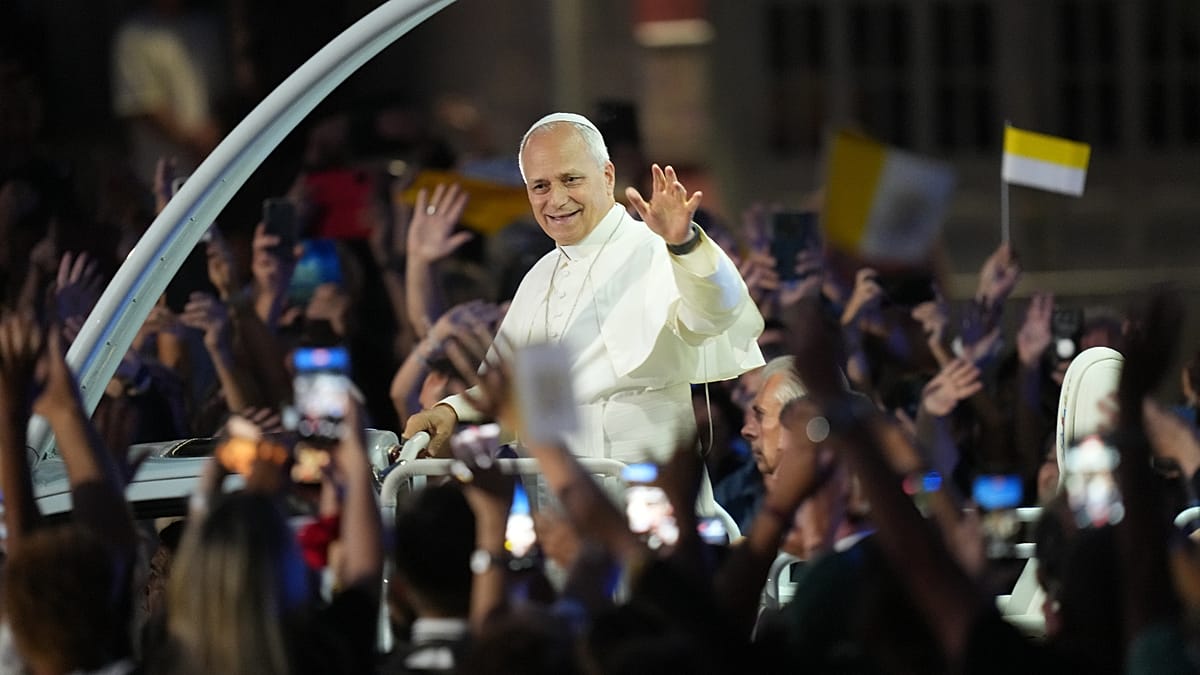
Pope Leo XIV celebrated a huge outdoor Mass in Paris, then travelled to Lourdes to pray at the grotto, greet pilgrims and continue his French pilgrimage. #PopeLeoXIV #ParisPilgrimage #CatholicFaith

www.euronews.com
Pope Leo XIV draws 800,000 faithful to Paris before emotional Lourdes pilgrimage
1727