WRLD

Search

#Literature
BBC 3d

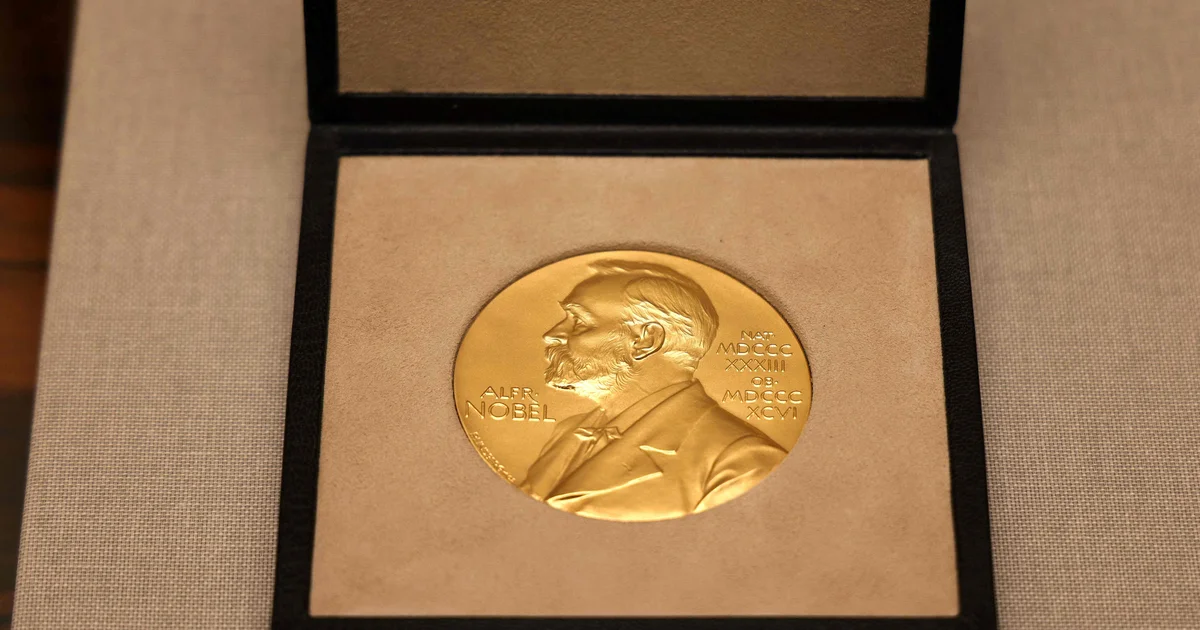
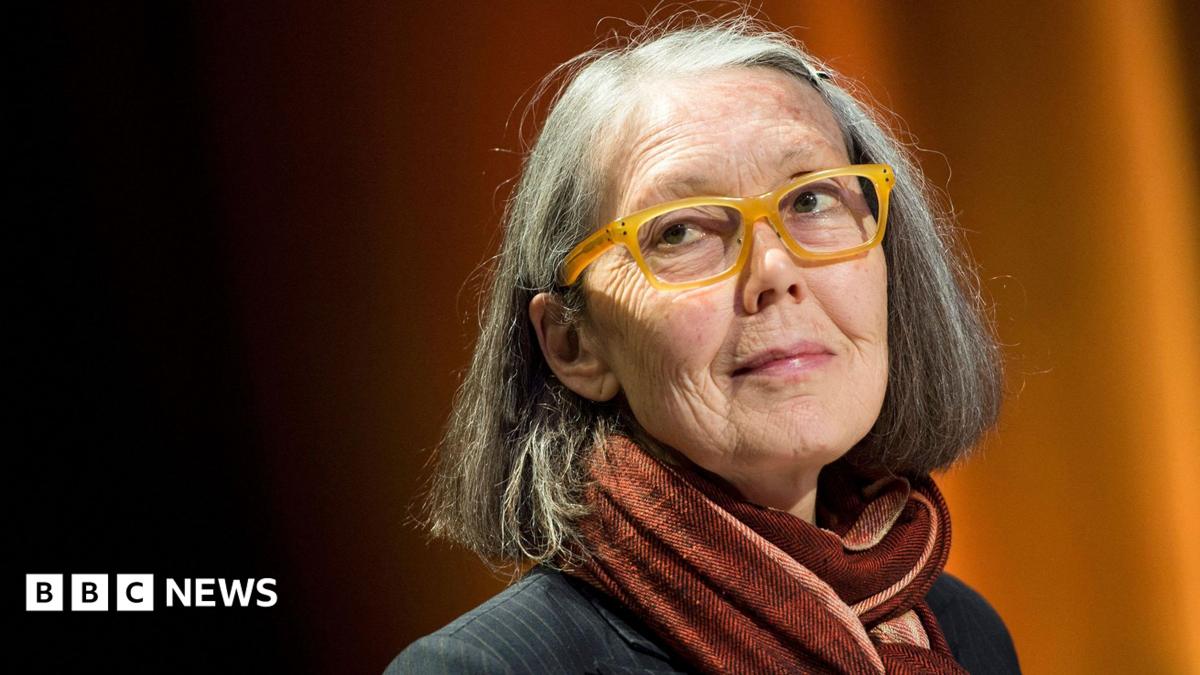
Carson, 76, is celebrated for works that often cross boundaries between poetry, fiction and scholarship. #NobelPrize #Literature #AnneCarson
www.bbc.co.uk
'Bold and inventive' Canadian poet Anne Carson wins Nobel Literature Prize
3357
Irish Independent 4d

Canadian poet and essayist Anne Carson has been awarded the Nobel Prize in Literature. #Cookies #Security #OnlinePrivacy

www.independent.ie
Canadian poet and essayist Anne Carson wins Nobel Prize in literature
2803
Matina Stevis-Gridneff 4d

The author wrote that Canadian poet and essayist Anne Carson had been awarded the Nobel Prize in Literature and linked to a New York Times article. #AnneCarson #NobelPrize #Literature #CA

3814
Daniel Mulhall 5d

The author said that year’s Nobel Prize in Literature was due to be announced the following day and that no Irish writer was rumoured to be in contention. They wrote that Ireland was already lagging behind the pace set by its writers in the previous century and referenced an article they had written in 2024 about Ireland’s Nobel prospects. https://t.co/IBiX14Fdxh #NobelPrize #Literature #Ireland #IE

2928
Oto Klempíř 5d

"Czech-German cultural cooperation has significance that far exceeds the realm of culture. It is a contribution to European cohesion and the defense of freedom of thought, to the ability to listen to others while preserving one's own voice," said Klempíř, who wished German and Czech literature to continue in dialogue. #literatura #kultura #FrankfurtskýVeletrh (translated)

Na ministra Klempíře v Německu pískali na největší literární akci světa
www.seznamzpravy.cz
1806
Otherland Bookshop Berlin 6d

Mythology of the British Isles by Geoffrey Ashe Beginning with the giant Albion, after whom the country was once named, Geoffrey Ashe explores the myths whose roots lie in the different British regions. Taking in fairy-folk, druids and King Lear, and the tales of Merlin and King Arthur that continue to hold sway in the nationâ€s imagination, he uncovers their sources and underlying ideas as well as their handling in tradition and literature. An unforgettable and illuminating exploration of the legends of the British Isles. From the misty centuries of British and Irish prehistory to the height of the dark age, comes tales of giants and fairy-folk, druids and saints. From King Lear and King Arthur, to Fingal, Beowulf, Gwendolen and Guinevere these are the legendary characters who shaped the nation. But who were they? In Mythology of the British Isles, Geoffrey Ashe explores these compelling and ancient stories, seeing how they have taken on fresh significance as historical and archaeological research has uncovered the truth behind each legend.

1133
Delo 7d

The Nobel Prize for Medicine will be awarded today in Stockholm, where the prize winners for pioneering contributions will be announced, while a total of six prizes will be awarded in various fields of science, literature, and peace by the end of the week. #NobelovaNagrada #Znanost #MedicinskaRaziskava (translated)

www.delo.si
In Nobelovo nagrado za medicino prejme ...
1815
Mr. Numberwise 2w

Satul care a inventat banii. The Village That Invented Money. Le village qui a inventé l’argent www.amazon.fr/dp/B0H558J9D1 www.amazon.com/dp/B0H558J9D1 www.amazon.co.uk/dp/B0H558J9D1 Children’s story in Romanian, English, and French about money, trade, trust, and cooperation Economics for Children by Mr. Numberwise Economics for Children is a story-based series that introduces young readers to simple economic ideas through friendly characters, everyday problems, and clear “AHA!” moments. Each book helps children understand concepts such as money, trade, prices, resources, trust, cooperation, and community decision-making in an accessible and imaginative way. #KindleBooks #Childrens_eBooks #Education_&_Reference #Study_Aids #General #Literature_&_Fiction #Technology_Inventions #EconomicsThroughStories #Aventures_D_été_Pour_Enfants_9_12_ans #MoneyForKid #PoveștiDeAventură #VaraPentruCopii_9_12_ani #FinancialLiteracyForKids #Romanian #Română #English #French #SummerAdventureStoriesForKids_9_12 #Kids #Copii #Enfants (20261006: 801(460)7 #HappyEdu #HappyKids #ÉducationHeureuse #EnfantsHeureux #0262

806
Bartosz Fiałek 3w

Prime Minister, it is great that we are discussing literature. But I would be far happier to talk about promises kept. About having reformed our healthcare system so that patients finally receive care when they need it. About decisions and appointments being based on knowledge, #PromisesKept #HealthcareReform #LiteratureDebate #Nospecificcountriesarementionedinthetweet.Therefore #Icannotreturnanycountrycodes.

Mr. Storywise 3w

Roedd Archimedes ar ei dabled pan gafodd ei ladd gan filwr Rhufeinig. Ydy hynny’n swnio’n naturiol? Ddim yn arbennig. Ac eto, os ydym yn “diweddaru” y gorffennol ddigon, dyna’n union lle gallwn ni gyrraedd. Mae gan bron bob diwylliant argraffiadau wedi’u moderneiddio o awduron hŷn, ynghyd â dadleuon am orgraff, geirfa, nodiadau golygyddol ac addasu testunau ar gyfer darllenwyr cyfoes. Dywedodd gwerthwr hen bethau wrthyf unwaith fod “patina amser yn rhoi gwerth” ac y gall wneud y gwahaniaeth rhwng gwreiddiolyn a chopi rhad. Rwy’n agor “Traethodau Dydd Sul” Constantin Noica, yn cyrraedd rhagair y cyhoeddwr yn argraffiad Humanitas 1992 ac yn darllen bod “yr orgraff wedi’i diweddaru”. Gallai darllen Noica fod wedi bod yn daith drwy’r 1930au a’r 1940au. Yn lle hynny, rydym yn teithio drwy’r cyfnod hwnnw gyda sbectol fodern, yn eistedd yn gyfforddus mewn Uber, heb ofni mynd ar goll — hynny yw, heb y perygl o beidio â deall geiriau’r cyfnod, geiriau y gellid eu “cyfieithu” mewn troednodiadau. Beth petai ni hefyd yn cymryd papurau newydd y cyfnod ac yn eu “diweddaru”? A beth am rebranding hysbysebion y cyfnod hefyd, fel na fyddai’n rhaid i’n niwronau weithio’n rhy galed, fel mewn escape room? Pam stopio yno? Gallem ddiweddaru llyfrau hanes hefyd a dweud bod Archimedes o Syracuse wedi cael ei ladd gan filwr Rhufeinig tra oedd yn gwneud mathemateg ar ei dabled. Mae’r syniad sylfaenol yn aros yr un fath, on’d yw? Dim ond y cyfnod sy’n diflannu. Ac un peth arall: pam nad yw mathemategwyr yn “diweddaru” Pythagoras? Gallant newid y nodiant. Gallant esbonio’r prawf mewn ffordd wahanol. Gallant hyd yn oed adeiladu’r diagram ar-lein drwy animeiddiad o flaen llygaid y disgyblion. Ond mae theorem Pythagoras yn parhau’n theorem Pythagoras. Felly, pan ddarllenwn awdur hŷn, pam na ddylem gadw iaith ei gyfnod hefyd — a rhoi’r esboniadau modern mewn nodiadau? Ac un cwestiwn olaf i Humanitas ac i’r rhai sy’n gweithio mewn adrannau llenyddiaeth ac ieitheg mewn prifysgolion: os bydd disgyblion heddiw yn eich “diweddaru” gyda # ac emoji ymhen ychydig ddegawdau, a fydd hynny’n plesio chi? #0201 #Humanitas #ConstantinNoica #Noica #TraethodauDyddSul #Archimedes #Pythagoras #Hashtag #Emoji #MrStorywise #OrgraffWediEiDiweddaru #HanesYrIaith #20260921 #Cymraeg #Welsh #Cymru #Wales #Literature #History

694
Mr. Storywise 3w

Archimedes a wrug bos gans y tablet pan veu ev lethys gans sodhek Romanek. A son natural? Na, nyns yw. Hag yn ta, mars “daskor” an tremenedh yn splann lowr, yth yw hemma yn tyller le may hyllyn dos. Nes pub gonisogeth a’n bys a’n jeves dyllansow nowedhys a skriforyon coth, gans dadhelow a-dro dhe orthography, gerlyver, notennow redaksyonel ha’n fordh dhe aswon an tekst dhe redyer an termyn a-lemmyn. Un gwerther hen dra a leveris dhymm unnweyth bos “patina an termyn a rei gwerth” hag y gall bos an dyffrans ynter gwreythyn ha kopïa marow. My a ygor “Essayow Sul” gans Constantin Noica, a dheu dhe raglavar an dyllador yn dyllans Humanitas 1992, hag a wel bos “an orthography wedi bos daskorys”. Redya Noica a allsa bos kelgh yn blydhenyow 1930–1940. Yn le henna, ni a wra an kelgh-ma gans gwederow modern, esedhys yn ystayl yn Uber, heb own dhe golli’n hens — hemma yw, heb an peryl na wrussyn ni konvedhes geryow an termyn-na, a allsa bos “treylyes” yn notennow yn-dann an folen. Ha mars ni a gemer an lyvrow nowodhow a’n termyn-na hag a “daskor” y’ga? Ha mars ni a wra rebranding dhe’n hysbysansow a’n termyn-na, rag na wra’gan neuronow oberi re hir, kepar hag yn escape room? Prag hedhi ama? Ni a all daskor ynwedh an lyvrow istori ha skrifa bos Archimedes a Syracuse lethys gans sodhek Romanek pan o ev ow kewri mathematek war y tablet. An tybyans gwredh a gerys an keth, nyns eus? Saw an termyn a goll. Hag un peth arta: prag na wra mathemategoryon “daskor” Pythagoras? Y hyllyn chanjya an notasyon. Y hyllyn displegya an provyans yn fordh aral. Y hyllyn ynwedh gwul an linen online gans animation hag ev ow tevi yn-dann lagasow an dyskyblon. Mes theorem Pythagoras a gerys theorem Pythagoras. Ytho, pan redyn ni skrifor coth, prag na wren ni gwitha ynwedh yeth y dermyn — ha gorra an displegyansow modern yn notennow? Hag unn govyn diwettha dhe Humanitas ha dhe’n re a wra ober yn departementow llen ha filologi yn universita: mars dyskyblon a-lemmyn a “daskor” hwi a-ji dhe dew dhesempas gans # hag emoji, a vynnsegh hwi henna? #Humanitas #ConstantinNoica #Noica #EssayowSul #Archimedes #Pythagoras #Hashtag #Emoji #MrStorywise #OrthographyDaskorys #IstoriAnYeth #20260920_1926 #Kernewek #Cornish #Kernow #Cornwall #UnitedKingdom #Literature #History

810
Mr. Storywise 3w

Almost every culture has modernised editions of older authors, along with debates about spelling, vocabulary, editorial notes, and adaptation for contemporary readers. An antiquarian once told me that “the patina of time adds value” and can make the difference between an original and a cheap copy. I open Constantin Noica’s “Sunday Essays”, turn to the publisher’s preface in the 1992 Humanitas edition, and discover that “the spelling has been updated”. Reading Noica could have been a walk through the 1930s and 1940s. Instead, we are taking that walk wearing modern glasses, comfortably seated in an Uber, with no fear of getting lost — that is, of not understanding the words of the period, which could simply have been “translated” in footnotes. What if we took newspapers from the same period and “updated” them too? And perhaps we should rebrand their advertisements as well, so that our neurons do not have to work too hard, as if we were trapped in an escape room. Why stop there? We could update history textbooks too, and describe Archimedes of Syracuse as having been killed by a Roman soldier while doing math on his tablet. The basic idea remains, doesn’t it? Only the period disappears. And one more thing: why don’t mathematicians “update” Pythagoras? They can change the notation. They can explain the proof differently. They can even build the diagram online, through an animation unfolding before the students’ eyes. But the Pythagorean theorem remains the Pythagorean theorem. So when we read an older author, why not preserve the language of their time — and place modern explanations in the notes? And one final question for Humanitas and the people in university literature departments: if today’s schoolchildren “update” you a few decades from now with # and emoji, would you be happy with that? #Humanitas #ConstantinNoica #Noica #SundayEssays #Archimedes #Pythagoras #Hashtag #Emoji #MrStorywise #UpdatedSpelling #HistoryOfLanguage #20260920_1926 #English #Literature #History

1157
The International Dublin Writers' Festival Sep 7

There were reports that American troops were massacring villages of people and that bombs were being dropped on innocents. Wasn't Naomi's husband a bombardier? New #bookbubble from Carol Ann Ross https://t.co/la2WDBz0b5 #fiction #literature #amreading #bookbubble #fiction #amreading #US

117
Luciano Magaldi Sardella (PhD) Sep 5

“BROADWAY WORLD” OF NEW YORK WELCOMES THE TEATRO MERCADANTE OF CERIGNOLA IN THE NAME OF THE MASCAGNI FESTIVAL SOURCE: https://www.linkedin.com/pulse/broadway-world-new-york-welcomes-teatro-mercadante-sardella-ph-d--i5mbe/ by Stephi Wild, New York City. SOURCE: https://www.broadwayworld.com/italy/article/Photos-Teatro-Mercadante-and-Teatro-Goldoni-Partner-on-SOUNDTRACK-MASCAGNI-20260827 The most influential theatrical portal in the world, with at least six million global visitors per month, consecrates the cultural twinning between Cerignola and Livorno and the historical restitution of a verismo born in Puglia, southern Italy: there exists a moment when a local history ceases to be peripheral and, by the mere fact of being recounted in the right place, becomes universal history. That moment, for the Teatro Mercadante di Cerignola, has arrived. Broadway World, the bible of international theatre read daily by producers, artistic directors and critics from New York to the West End, has welcomed into its pages the cultural pact between the Mercadante and the Fondazione Teatro Goldoni of Livorno, sealed in spring 2026 by Artistic Director Savino Zaba and the Municipal Administration in the person of the Deputy Mayor and Commissioner for Culture, Maria Dibisceglia. The piece is signed by New York editor Stephi Wild, under the title: “Photos: Teatro Mercadante and Teatro Goldoni Partner on SOUNDTRACK MASCAGNI”. It is no mere detail. Broadway World does not review provincial seasons. When it does, it is signalling to the American and global theatrical system that something, down there, deserves to be seen. The heart of this recognition is Soundtrack Mascagni: the music that inspired cinema, the cinema that celebrated Mascagni, the co-production chosen as the closing event of the VII edition of the Mascagni Festival. A hybrid work, a concert-reading for narrating voice, ensemble, images and sounds, with dramaturgy and text by Vittorio Giacci, performed by the Artists of the Mascagni Academy and the Orchestra of the Teatro Goldoni di Livorno “Massimo de Bernart” conducted by Maurizio Colasanti. On stage, in the guise of an imaginary Mascagni, as narrator and guide through his own musical universe, the actor-director Maurizio Nichetti. A production, as the Italian notes record, “born from the synergy between the Teatro Mercadante di Cerignola and the Teatro Goldoni di Livorno”, which will see on stage the great actor and director Maurizio Nichetti and the Orchestra of the Goldoni, conducted by Maestro Maurizio Colasanti, with direction entrusted to Marco Voleri and Savino Zaba. What Broadway World has intercepted, moreover, is not merely a production but also a historiographical thesis that at last forces the international literature to catch up. For decades, Anglophone biographies have dismissed Pietro Mascagni’s Apulian decade as “years of poverty and obscurity”: the documentary truth, preserved in the Polo Museale of Piano San Rocco, is of a different temper entirely. In December 1886, on tour with the Maresca company, Mascagni stopped in Cerignola, where the mayor then in office, Commendatore Cannone, invited him to remain to conduct the newly founded philharmonic. The composer would stay, save for brief absences, in the house in Via Assunta until 1895, composing no fewer than five operas: Cavalleria rusticana; L’amico Fritz; I Rantzau; Guglielmo Ratcliff; Silvano. A third of his entire operatic output, written in feverish poverty, in an agricultural town of the Ofantine plain. It was there, in July 1888, that the verses of Cavalleria reached him by postcard from Livorno, sent by his poet friends Giovanni Targioni-Tozzetti and Guido Menasci. There, on 27 May 1889, he completed the autograph. The envelope, that morning, bore the postmark of Cerignola. The world premiere at the Costanzi in Rome, on 17 May 1890 before Queen Margherita, was an earthquake. As Zaba has synthesised it, in a formula destined to endure: “Livorno gave Mascagni to the world. Cerignola inspired him and kept the deepest part of his soul.” In fact, the productive parabola sanctioned by BroadwayWorld is exemplary in the way it overturns the traditional North-South axis of cultural projects. It begins on 23 August at the Mascagni Festival in Livorno with Soundtrack Mascagni. Then its debut in Cerignola, in the course of the Mercadante’s forthcoming season. Indeed, with a date already fixed: “Soundtrack Mascagni” will be presented in Cerignola on 24 October as the opening production of the 2026/2027 theatrical season of the Teatro Mercadante. An idea as simple as it is revolutionary: cinema as a lens through which to re-read Mascagni. The composer plundered by Scorsese and Coppola, cited by Visconti as a tutelary deity, already possessed in his own writing — dense, symphonic, almost edited by cuts — a cinematic vocation. Soundtrack Mascagni does not merely celebrate that filiation; it interrogates it. That BroadwayWorld should have chosen to capture precisely this — a provincial theatre that does not seek hospitality but co-produces as an equal with a historic theatre such as the Goldoni — says much about the shifting of Italy’s cultural axis. No longer a South that imports, but a South that generates archives, that preserves autographs, caricatures, unpublished letters, and restores them to the international circuit. For Cerignola, accustomed to being narrated as a land of wheat and not of music, this arrival on Broadway World is more than a press clipping. It is the certification that its Mascagni story is no longer a local footnote, but a necessary chapter in the history of verismo. And that the Mercadante, from a provincial municipal theatre, has entered in full right the ranks of those Mascagni theatres upon which the whole world now looks, and with admiration.

www.linkedin.com
“BROADWAY WORLD” OF NEW YORK WELCOMES THE TEATRO MERCADANTE OF CERIGNOLA IN THE NAME OF THE MASCAGNI FESTIVAL
584
Luciano Magaldi Sardella (PhD) Sep 5

PORTAL-ANALITIKA.ME publishes the “Edicola Teatro” of Foyer ’97, Founded by Francesco Gravino of San Severo, Puglia, Italy SOURCE: https://www.linkedin.com/pulse/portal-analitikame-publishes-edicola-teatro-foyer-97-sardella-ph-d--6i2of/ The format devised by the Pulgian theatre company Foyer ’97 — already described as “the smallest theatre in the world” — has now reached the international stage through its feature on the global platform Europe Says. A story born from an abandoned news kiosk in the province of Foggia is now crossing every conceivable boundary. It is a genuine pleasure and an honour to share the brilliant idea of the artistic director of Teatro ’97, the distinguished actor and director from San Severo, Francesco Gravino, and his remarkable theatre company, as they gain international visibility with this marvellous and innovative creation: a true “Teatro Edicola”. Source: https://www.portalanalitika.me/clanak/na-drugoj-obali-jadrana-otvoreno-najmanje-pozoriste-na-planeti Only a few square metres, six chairs, and the passion of a theatre company are enough to make history. The Edicola Teatro, conceived by Francesco Gravino, Artistic Director of the historic San Severo-based company Foyer ’97, is receiving significant media recognition, “taking to the stage” of leading national and international outlets thanks to his talented intuition, inspired by Edicola Fiore, the celebrated format created by the Italian entertainment icon Rosario Fiorello. An abandoned kiosk, a record‑breaking theatre It has already been dubbed “the smallest theatre in the world” and, with merely six seats, may well aspire to a Guinness World Record. Since its launch a few days ago, the original venue has drawn hundreds of curious visitors who queued to attend the performances—scheduled every fifteen minutes—inside a former abandoned news kiosk in San Severo, in the province of Foggia. The initiative stems from the distinctive vision of the long‑established San Severo company Foyer ’97, led by Gravino, who sought to celebrate World Theatre Day with an unprecedented experiment that has already been widely reported by national‑level media. The idea, seemingly simple in its striking essentiality, in fact conceals a profound reflection on the nature of theatrical practice. “The idea of the smallest theatre in the world was born from a creative provocation: to return theatre to its most direct essence. Together with the company, we asked ourselves how far the space could be reduced without losing intensity, and the kiosk became the perfect symbol: a place that suddenly transforms into a stage. From a space of news to a space of emotions,” Gravino explained. Foyer ’97 has been active since 1997 and is based in San Severo. Next year it will celebrate its thirtieth anniversary—an occasion approaching at the moment of greatest visibility in its history. The format: sixteen giants of literature in fifteen minutes With only six seats available at a time and performances following one another every fifteen minutes, the audience is quite literally immersed in the work. From 11:00 to 20:45, eleven actors alternate in bringing to life the giants of literature: from Goldoni to Chekhov, via the wit of Gaber and the dramatic force of Euripides. Inside the small theatre carved out of the disused kiosk owned by Mr Pino Grau, there is no traditional separation between stage and auditorium; instead, an intimate encounter takes place in which spectators and actors become, in effect, a single entity. Admission is free, reflecting Gravino’s aim: to restore theatre’s accessibility, returning it to a place that welcomes everyone. At the kiosk’s threshold, a QR code and a cryptic notice encapsulate the spirit of the project: “Warning. This QR code turns passers‑by into actors. Scan only if you are ready.” From the crisis of print media to cultural rebirth The project also carries with it a reflection on urban transformation and the decline of traditional commerce. The kiosk had been unused for around six years and has now been transformed into an intimate and surprising performance space in which less than a metre separates actors from spectators. At a time when kiosks in town and city centres are increasingly converted into drink stands, flower stalls, or souvenir shops, the Edicola Teatro comes closer to the original spirit of knowledge with which such kiosks were conceived—as places for the sale of newspapers and books. It is a symbolic short circuit of remarkable eloquence: a bastion of written culture becoming a bastion of live culture. The idea draws inspiration from Edicola Fiore, Fiorello’s cult programme, which first brought performance into a Roman kiosk. Gravino and his collaborators have also embraced the invitation of Willem Dafoe, the renowned actor and current director of the Theatre Section of the Venice Biennale, regarding the importance of theatre as a force for cohesion among peoples. The Grokipedia entry: a leap to global scale The theatre company Foyer ’97, led by Francesco Gravino, has now been granted its own dedicated encyclopaedic entry, “Teatro Edicola”. This Grokipedia listing represents more than a mere media acknowledgement. Launched in October 2025, Grokipedia is an AI-generated encyclopaedia managed by xAI, the artificial-intelligence research company founded by Musk. The fact that Grok’s knowledge engine has deemed the micro‑theatre worthy of an autonomous encyclopaedic entry—on a par with established cultural institutions—confirms the international resonance of an idea born in a side street of a southern Italian town. The objective is now to export the format beyond the borders of Apulia; with Grokipedia’s recognition, that prospect appears more concrete than ever. The praise of local institutions “We extend our heartfelt congratulations to Franco Gravino and to all the actors and artists for this wonderful initiative,” declared Mayor Lidya Colangelo and Deputy Mayor for Culture Anna Paola Giuliani. The municipal administration has announced its intention to welcome the company to Palazzo Celestini to celebrate the achievement together. Perhaps the most striking aspect has been the audience’s reaction. Many emerged with glistening eyes or with a suspended smile, as though they had experienced something secret. This is the theatre that Francesco Gravino and Foyer ’97 have chosen to pursue: not the theatre that waits for its audience on velvet seats, but the theatre that goes out to find them in the street, surprises them, and transforms them.

www.linkedin.com
PORTAL-ANALITIKA.ME publishes the “Edicola Teatro” of Foyer ’97, Founded by Francesco Gravino of San Severo, Puglia, Italy
934
Luciano Magaldi Sardella (PhD) Sep 5

WP TURYSTYKA.PL publishes the “Edicola Teatro” of Foyer ’97, Founded by Francesco Gravino of San Severo, Puglia, Italy SOURCE: https://www.linkedin.com/pulse/wp-turystykapl-publishes-edicola-teatro-foyer-97-san-sardella-ph-d--hs5pf/ The format devised by the Pulgian theatre company Foyer ’97 — already described as “the smallest theatre in the world” — has now reached the international stage through its feature on the global platform Europe Says. A story born from an abandoned news kiosk in the province of Foggia is now crossing every conceivable boundary. It is a genuine pleasure and an honour to share the brilliant idea of the artistic director of Teatro ’97, the distinguished actor and director from San Severo, Francesco Gravino, and his remarkable theatre company, as they gain international visibility with this marvellous and innovative creation: a true “Teatro Edicola”. Source: https://turystyka.wp.pl/najmniejszy-teatr-swiata-ustawiaja-sie-kolejki-7273686077245632a Only a few square metres, six chairs, and the passion of a theatre company are enough to make history. The Edicola Teatro, conceived by Francesco Gravino, Artistic Director of the historic San Severo-based company Foyer ’97, is receiving significant media recognition, “taking to the stage” of leading national and international outlets thanks to his talented intuition, inspired by Edicola Fiore, the celebrated format created by the Italian entertainment icon Rosario Fiorello. An abandoned kiosk, a record‑breaking theatre It has already been dubbed “the smallest theatre in the world” and, with merely six seats, may well aspire to a Guinness World Record. Since its launch a few days ago, the original venue has drawn hundreds of curious visitors who queued to attend the performances—scheduled every fifteen minutes—inside a former abandoned news kiosk in San Severo, in the province of Foggia. The initiative stems from the distinctive vision of the long‑established San Severo company Foyer ’97, led by Gravino, who sought to celebrate World Theatre Day with an unprecedented experiment that has already been widely reported by national‑level media. The idea, seemingly simple in its striking essentiality, in fact conceals a profound reflection on the nature of theatrical practice. “The idea of the smallest theatre in the world was born from a creative provocation: to return theatre to its most direct essence. Together with the company, we asked ourselves how far the space could be reduced without losing intensity, and the kiosk became the perfect symbol: a place that suddenly transforms into a stage. From a space of news to a space of emotions,” Gravino explained. Foyer ’97 has been active since 1997 and is based in San Severo. Next year it will celebrate its thirtieth anniversary—an occasion approaching at the moment of greatest visibility in its history. The format: sixteen giants of literature in fifteen minutes With only six seats available at a time and performances following one another every fifteen minutes, the audience is quite literally immersed in the work. From 11:00 to 20:45, eleven actors alternate in bringing to life the giants of literature: from Goldoni to Chekhov, via the wit of Gaber and the dramatic force of Euripides. Inside the small theatre carved out of the disused kiosk owned by Mr Pino Grau, there is no traditional separation between stage and auditorium; instead, an intimate encounter takes place in which spectators and actors become, in effect, a single entity. Admission is free, reflecting Gravino’s aim: to restore theatre’s accessibility, returning it to a place that welcomes everyone. At the kiosk’s threshold, a QR code and a cryptic notice encapsulate the spirit of the project: “Warning. This QR code turns passers‑by into actors. Scan only if you are ready.” From the crisis of print media to cultural rebirth The project also carries with it a reflection on urban transformation and the decline of traditional commerce. The kiosk had been unused for around six years and has now been transformed into an intimate and surprising performance space in which less than a metre separates actors from spectators. At a time when kiosks in town and city centres are increasingly converted into drink stands, flower stalls, or souvenir shops, the Edicola Teatro comes closer to the original spirit of knowledge with which such kiosks were conceived—as places for the sale of newspapers and books. It is a symbolic short circuit of remarkable eloquence: a bastion of written culture becoming a bastion of live culture. The idea draws inspiration from Edicola Fiore, Fiorello’s cult programme, which first brought performance into a Roman kiosk. Gravino and his collaborators have also embraced the invitation of Willem Dafoe, the renowned actor and current director of the Theatre Section of the Venice Biennale, regarding the importance of theatre as a force for cohesion among peoples. The Grokipedia entry: a leap to global scale The theatre company Foyer ’97, led by Francesco Gravino, has now been granted its own dedicated encyclopaedic entry, “Teatro Edicola”. This Grokipedia listing represents more than a mere media acknowledgement. Launched in October 2025, Grokipedia is an AI-generated encyclopaedia managed by xAI, the artificial-intelligence research company founded by Musk. The fact that Grok’s knowledge engine has deemed the micro‑theatre worthy of an autonomous encyclopaedic entry—on a par with established cultural institutions—confirms the international resonance of an idea born in a side street of a southern Italian town. The objective is now to export the format beyond the borders of Apulia; with Grokipedia’s recognition, that prospect appears more concrete than ever. The praise of local institutions “We extend our heartfelt congratulations to Franco Gravino and to all the actors and artists for this wonderful initiative,” declared Mayor Lidya Colangelo and Deputy Mayor for Culture Anna Paola Giuliani. The municipal administration has announced its intention to welcome the company to Palazzo Celestini to celebrate the achievement together. Perhaps the most striking aspect has been the audience’s reaction. Many emerged with glistening eyes or with a suspended smile, as though they had experienced something secret. This is the theatre that Francesco Gravino and Foyer ’97 have chosen to pursue: not the theatre that waits for its audience on velvet seats, but the theatre that goes out to find them in the street, surprises them, and transforms them.

www.linkedin.com
WP TURYSTYKA.PL publishes the “Edicola Teatro” of Foyer ’97, Founded by Francesco Gravino of San Severo, Puglia, Italy
1051
Luciano Magaldi Sardella (PhD) Sep 5

E-TEATR.PL publishes the “Edicola Teatro” of Foyer ’97, founded by Francesco Gravino of San Severo, Puglia, Italy SOURCE: https://www.linkedin.com/pulse/e-teatrpl-publishes-edicola-teatro-foyer-97-founded-sardella-ph-d--bhrnf/ The format devised by the Apulian theatre company Foyer ’97 — already described as “the smallest theatre in the world” — has now reached the international stage through its feature on the global platform Europe Says. A story born from an abandoned news kiosk in the province of Foggia is now crossing every conceivable boundary. It is a genuine pleasure and an honour to share the brilliant idea of the artistic director of Teatro ’97, the distinguished actor and director from San Severo, Francesco Gravino, and his remarkable theatre company, as they gain international visibility with this marvellous and innovative creation: a true “Teatro Edicola”. Source: https://e-teatr.pl/wlochy-najmniejszy-teatr-swiata-w-dawnym-kiosku-z-gazetami-6789 Only a few square metres, six chairs, and the passion of a theatre company are enough to make history. The Edicola Teatro, conceived by Francesco Gravino, Artistic Director of the historic San Severo-based company Foyer ’97, is receiving significant media recognition, “taking to the stage” of leading national and international outlets thanks to his talented intuition, inspired by Edicola Fiore, the celebrated format created by the Italian entertainment icon Rosario Fiorello. An abandoned kiosk, a record‑breaking theatre It has already been dubbed “the smallest theatre in the world” and, with merely six seats, may well aspire to a Guinness World Record. Since its launch a few days ago, the original venue has drawn hundreds of curious visitors who queued to attend the performances—scheduled every fifteen minutes—inside a former abandoned news kiosk in San Severo, in the province of Foggia. The initiative stems from the distinctive vision of the long‑established San Severo company Foyer ’97, led by Gravino, who sought to celebrate World Theatre Day with an unprecedented experiment that has already been widely reported by national‑level media. The idea, seemingly simple in its striking essentiality, in fact conceals a profound reflection on the nature of theatrical practice. “The idea of the smallest theatre in the world was born from a creative provocation: to return theatre to its most direct essence. Together with the company, we asked ourselves how far the space could be reduced without losing intensity, and the kiosk became the perfect symbol: a place that suddenly transforms into a stage. From a space of news to a space of emotions,” Gravino explained. Foyer ’97 has been active since 1997 and is based in San Severo. Next year it will celebrate its thirtieth anniversary—an occasion approaching at the moment of greatest visibility in its history. The format: sixteen giants of literature in fifteen minutes With only six seats available at a time and performances following one another every fifteen minutes, the audience is quite literally immersed in the work. From 11:00 to 20:45, eleven actors alternate in bringing to life the giants of literature: from Goldoni to Chekhov, via the wit of Gaber and the dramatic force of Euripides. Inside the small theatre carved out of the disused kiosk owned by Mr Pino Grau, there is no traditional separation between stage and auditorium; instead, an intimate encounter takes place in which spectators and actors become, in effect, a single entity. Admission is free, reflecting Gravino’s aim: to restore theatre’s accessibility, returning it to a place that welcomes everyone. At the kiosk’s threshold, a QR code and a cryptic notice encapsulate the spirit of the project: “Warning. This QR code turns passers‑by into actors. Scan only if you are ready.” From the crisis of print media to cultural rebirth The project also carries with it a reflection on urban transformation and the decline of traditional commerce. The kiosk had been unused for around six years and has now been transformed into an intimate and surprising performance space in which less than a metre separates actors from spectators. At a time when kiosks in town and city centres are increasingly converted into drink stands, flower stalls, or souvenir shops, the Edicola Teatro comes closer to the original spirit of knowledge with which such kiosks were conceived—as places for the sale of newspapers and books. It is a symbolic short circuit of remarkable eloquence: a bastion of written culture becoming a bastion of live culture. The idea draws inspiration from Edicola Fiore, Fiorello’s cult programme, which first brought performance into a Roman kiosk. Gravino and his collaborators have also embraced the invitation of Willem Dafoe, the renowned actor and current director of the Theatre Section of the Venice Biennale, regarding the importance of theatre as a force for cohesion among peoples. The Grokipedia entry: a leap to global scale The theatre company Foyer ’97, led by Francesco Gravino, has now been granted its own dedicated encyclopaedic entry, “Teatro Edicola”. This Grokipedia listing represents more than a mere media acknowledgement. Launched in October 2025, Grokipedia is an AI-generated encyclopaedia managed by xAI, the artificial-intelligence research company founded by Musk. The fact that Grok’s knowledge engine has deemed the micro‑theatre worthy of an autonomous encyclopaedic entry—on a par with established cultural institutions—confirms the international resonance of an idea born in a side street of a southern Italian town. The objective is now to export the format beyond the borders of Apulia; with Grokipedia’s recognition, that prospect appears more concrete than ever. The praise of local institutions “We extend our heartfelt congratulations to Franco Gravino and to all the actors and artists for this wonderful initiative,” declared Mayor Lidya Colangelo and Deputy Mayor for Culture Anna Paola Giuliani. The municipal administration has announced its intention to welcome the company to Palazzo Celestini to celebrate the achievement together. Perhaps the most striking aspect has been the audience’s reaction. Many emerged with glistening eyes or with a suspended smile, as though they had experienced something secret. This is the theatre that Francesco Gravino and Foyer ’97 have chosen to pursue: not the theatre that waits for its audience on velvet seats, but the theatre that goes out to find them in the street, surprises them, and transforms them.

www.linkedin.com
E-TEATR.PL publishes the “Edicola Teatro” of Foyer ’97, founded by Francesco Gravino of San Severo, Puglia, Italy
934
Luciano Magaldi Sardella (PhD) Sep 5

Elon Musk cites the “Edicola Teatro” of Foyer '97 by Francesco Gravino of San Severo in his own encyclopaedia, Grokipedia SOURCE: https://www.linkedin.com/pulse/elon-musk-cites-edicola-teatro-foyer-97-francesco-san-sardella-ph-d--jvudf/ The format devised by the San Severo-based theatre company Foyer ’97 — already described as “the smallest theatre in the world” — is now capturing the international spotlight in the field of artificial intelligence. A story that began with an abandoned news kiosk in the province of Foggia is now crossing every border. It is both a pleasure and an honour to help disseminate the brilliant idea of the artistic director of Teatro ’97, the distinguished actor and director from San Severo, Francesco Gravino, together with his remarkable theatre company, as they gain international visibility for this marvellous and innovative creation: a true “Teatro Edicola”. Source: https://grokipedia.com/page/Teatro_Edicola It takes only a few square metres, six chairs, and the passion of a theatre company to make history. The “Edicola Teatro” created by Francesco Gravino, artistic director of the historic San Severo‑based company Foyer ’97, has achieved a distinction that few Italian cultural projects can claim: its own dedicated entry within Grokipedia, the AI‑driven digital encyclopaedia launched by Elon Musk in November 2025 through his company xAI. Grokipedia has been presented as a direct alternative to Wikipedia, powered by the Grok artificial intelligence system, with content generated and updated automatically by the language model developed by xAI. The platform currently hosts more than 885,000 articles in its 0.1 version, and Musk has already announced future updates, hinting at rapid expansion thanks to the system’s automatic generation capabilities. The fact that the “Edicola Teatro” of San Severo, in the province of Foggia, now appears among the indexed entries is, in every respect, a recognition of the cultural and media impact that the project conceived by Francesco Gravino and his theatre company Foyer ’97 has managed to generate in such a short time. An abandoned kiosk, a record‑breaking theatre It has already been dubbed “the smallest theatre in the world” and, with only six seats, may well be aiming for a Guinness World Record. Since its launch just a few days ago, the unusual venue has attracted hundreds of curious visitors who have queued to attend the performances, scheduled every fifteen minutes, inside a former abandoned news kiosk in San Severo, in the province of Foggia. The initiative stems from the distinctive vision of the long‑established San Severo company Foyer ’97, led by Francesco Gravino, who wished to celebrate World Theatre Day with an unprecedented experiment that has already been picked up by numerous media outlets, including national ones. The idea, seemingly simple in its striking essentiality, in fact conceals a profound reflection on the nature of theatre‑making. “The idea of the smallest theatre in the world was born from a creative provocation: to bring theatre back to its most direct essence. Together with the rest of the company, we asked ourselves how far the space could be reduced without losing intensity, and the kiosk became the perfect symbol: a place that suddenly transforms into a stage. From a space of news to a space of emotion,” Gravino explained. The theatre company Foyer ’97 has been active since 1997 and is based in San Severo. Next year it will celebrate its thirtieth anniversary—an occasion approaching at the moment of greatest visibility in its history. The format: sixteen giants of literature in fifteen minutes With only six seats available at a time and performances running every fifteen minutes, the audience is quite literally immersed in the work. From 11:00 to 20:45, eleven actors take turns bringing to life the giants of literature: from Goldoni to Chekhov, via the wit of Gaber and the power of Euripides. Inside the tiny theatre carved out of the disused kiosk owned by Mr Pino Grau, there is no traditional separation between stage and audience; instead, an intimate encounter takes place in which spectators and actors become one. Admission is free, reflecting Gravino’s aim: to champion accessibility in theatre, a place that must once again welcome everyone. On the kiosk’s threshold, a QR code and a cryptic notice encapsulate the spirit of the project: “Warning. This QR Code turns passers‑by into actors. Scan only if you are ready.” From the crisis of print media to cultural rebirth The project also carries a reflection on urban transformation and the decline of traditional retail. The kiosk had been abandoned for around six years and has now been transformed into an intimate and surprising performance space in which less than a metre separates actors and audience. At a time when kiosks in town centres are increasingly converted into drink stands, flower stalls, or souvenir shops, the Edicola Teatro comes closer to the original spirit of knowledge with which they were conceived—as places for the sale of newspapers and books. A symbolic short circuit of remarkable eloquence: a bastion of written culture becoming a bastion of live culture. The idea draws inspiration from Edicola Fiore, the cult programme by Fiorello, who was the first to bring performance into a Roman news kiosk. Gravino and his team have also embraced the call of Willem Dafoe, the renowned actor and current director of the Theatre section of the Venice Biennale, on the importance of theatre as a force for cohesion among peoples. The Grokipedia entry: a leap to global scale The project’s inclusion in Grokipedia represents more than a simple media acknowledgement. Grokipedia was launched in October 2025 as an AI‑generated encyclopaedia managed by xAI, the artificial intelligence research company founded by Musk himself. The fact that Grok’s knowledge engine deemed the “Edicola Teatro” worthy of an autonomous encyclopaedic entry—on a par with established cultural institutions—confirms the international resonance of an idea born in a side street of a southern Italian town. The aim is now to export the format beyond the borders of Apulia: with Grokipedia’s recognition, that prospect appears more tangible than ever. Praise from local institutions “We extend our warmest congratulations to Franco Gravino and to all the actors and artists for this wonderful initiative,” declared Mayor Lidya Colangelo and Deputy Mayor for Culture Anna Paola Giuliani. The municipal administration has announced its intention to welcome the company to Palazzo Celestini to celebrate the achievement together. The audience’s reaction has perhaps been the most beautiful aspect. Many emerged with glistening eyes or a suspended smile, as though they had experienced something secret. This is the kind of theatre that Francesco Gravino and Foyer ’97 have chosen to pursue: not the theatre that waits for its audience on velvet seats, but the theatre that goes out to find them in the street, surprises them, transforms them. And now, even an encyclopaedia powered by artificial intelligence has, at last, taken note.

www.linkedin.com
Elon Musk cites the “Edicola Teatro” of Foyer '97 by Francesco Gravino of San Severo in his own encyclopaedia, Grokipedia
1518
Luciano Magaldi Sardella (PhD) Sep 5

Elon Musk cites the “Edicola Teatro” of Foyer ’97 by Francesco Gravino of San Severo in his own encyclopaedia, Grokipedia SOURCE: https://www.lagazzettadisansevero.it/elon-musk-cita-ledicola-teatro-di-foyer97-francesco-gravino-di-san-severo-nella-sua-enciclopedia-grokipedia/ The format devised by the San Severo-based theatre company Foyer ’97 — already described as “the smallest theatre in the world” — is now capturing the international spotlight in the field of artificial intelligence. A story that began with an abandoned news kiosk in the province of Foggia is now crossing every border. It is both a pleasure and an honour to help disseminate the brilliant idea of the artistic director of Teatro ’97, the distinguished actor and director from San Severo, Francesco Gravino, together with his remarkable theatre company, as they gain international visibility for this marvellous and innovative creation: a true “Teatro Edicola”. Source: https://grokipedia.com/page/Teatro_Edicola It takes only a few square metres, six chairs, and the passion of a theatre company to make history. The “Edicola Teatro” created by Francesco Gravino, artistic director of the historic San Severo‑based company Foyer ’97, has achieved a distinction that few Italian cultural projects can claim: its own dedicated entry within Grokipedia, the AI‑driven digital encyclopaedia launched by Elon Musk in November 2025 through his company xAI. Grokipedia has been presented as a direct alternative to Wikipedia, powered by the Grok artificial intelligence system, with content generated and updated automatically by the language model developed by xAI. The platform currently hosts more than 885,000 articles in its 0.1 version, and Musk has already announced future updates, hinting at rapid expansion thanks to the system’s automatic generation capabilities. The fact that the “Edicola Teatro” of San Severo, in the province of Foggia, now appears among the indexed entries is, in every respect, a recognition of the cultural and media impact that the project conceived by Francesco Gravino and his theatre company Foyer ’97 has managed to generate in such a short time. An abandoned kiosk, a record‑breaking theatre It has already been dubbed “the smallest theatre in the world” and, with only six seats, may well be aiming for a Guinness World Record. Since its launch just a few days ago, the unusual venue has attracted hundreds of curious visitors who have queued to attend the performances, scheduled every fifteen minutes, inside a former abandoned news kiosk in San Severo, in the province of Foggia. The initiative stems from the distinctive vision of the long‑established San Severo company Foyer ’97, led by Francesco Gravino, who wished to celebrate World Theatre Day with an unprecedented experiment that has already been picked up by numerous media outlets, including national ones. The idea, seemingly simple in its striking essentiality, in fact conceals a profound reflection on the nature of theatre‑making. “The idea of the smallest theatre in the world was born from a creative provocation: to bring theatre back to its most direct essence. Together with the rest of the company, we asked ourselves how far the space could be reduced without losing intensity, and the kiosk became the perfect symbol: a place that suddenly transforms into a stage. From a space of news to a space of emotion,” Gravino explained. Become a Medium member The theatre company Foyer ’97 has been active since 1997 and is based in San Severo. Next year it will celebrate its thirtieth anniversary — an occasion approaching at the moment of greatest visibility in its history. The format: sixteen giants of literature in fifteen minutes With only six seats available at a time and performances running every fifteen minutes, the audience is quite literally immersed in the work. From 11:00 to 20:45, eleven actors take turns bringing to life the giants of literature: from Goldoni to Chekhov, via the wit of Gaber and the power of Euripides. Inside the tiny theatre carved out of the disused kiosk owned by Mr Pino Grau, there is no traditional separation between stage and audience; instead, an intimate encounter takes place in which spectators and actors become one. Admission is free, reflecting Gravino’s aim: to champion accessibility in theatre, a place that must once again welcome everyone. On the kiosk’s threshold, a QR code and a cryptic notice encapsulate the spirit of the project: “Warning. This QR Code turns passers‑by into actors. Scan only if you are ready.” From the crisis of print media to cultural rebirth The project also carries a reflection on urban transformation and the decline of traditional retail. The kiosk had been abandoned for around six years and has now been transformed into an intimate and surprising performance space in which less than a metre separates actors and audience. At a time when kiosks in town centres are increasingly converted into drink stands, flower stalls, or souvenir shops, the Edicola Teatro comes closer to the original spirit of knowledge with which they were conceived — as places for the sale of newspapers and books. A symbolic short circuit of remarkable eloquence: a bastion of written culture becoming a bastion of live culture. The idea draws inspiration from Edicola Fiore, the cult programme by Fiorello, who was the first to bring performance into a Roman news kiosk. Gravino and his team have also embraced the call of Willem Dafoe, the renowned actor and current director of the Theatre section of the Venice Biennale, on the importance of theatre as a force for cohesion among peoples. The Grokipedia entry: a leap to global scale The project’s inclusion in Grokipedia represents more than a simple media acknowledgement. Grokipedia was launched in October 2025 as an AI‑generated encyclopaedia managed by xAI, the artificial intelligence research company founded by Musk himself. The fact that Grok’s knowledge engine deemed the “Edicola Teatro” worthy of an autonomous encyclopaedic entry — on a par with established cultural institutions — confirms the international resonance of an idea born in a side street of a southern Italian town. The aim is now to export the format beyond the borders of Apulia: with Grokipedia’s recognition, that prospect appears more tangible than ever. Praise from local institutions “We extend our warmest congratulations to Franco Gravino and to all the actors and artists for this wonderful initiative,” declared Mayor Lidya Colangelo and Deputy Mayor for Culture Anna Paola Giuliani. The municipal administration has announced its intention to welcome the company to Palazzo Celestini to celebrate the achievement together. The audience’s reaction has perhaps been the most beautiful aspect. Many emerged with glistening eyes or a suspended smile, as though they had experienced something secret. This is the kind of theatre that Francesco Gravino and Foyer ’97 have chosen to pursue: not the theatre that waits for its audience on velvet seats, but the theatre that goes out to find them in the street, surprises them, and transforms them. And now, even an encyclopaedia powered by artificial intelligence has, at last, taken note.

www.lagazzettadisansevero.it
Elon Musk cita L’«Edicola Teatro» di Foyer’97 Francesco Gravino di San Severo nella sua Enciclopedia, Grokipedia - La Gazzetta di San Severo - News di Capitanata
467
Luciano Magaldi Sardella (PhD) Sep 5

The Psychologist – The British Psychological Society – Quando i Muri Diventano Benessere SOURCE: https://www.linkedin.com/pulse/psychologist-british-psychological-society-when-sardella-ph-d--jl9df/ Dr Luciano Magaldi Sardella e il Professor Matteo Mantuano parlano di come lo "Stramurales International Street Art Festival" e l'arte di strada partecipativa transforma la salute mentale urbana. Link: https://www.bps.org.uk/psychologist/when-walls-become-wellness The Psychologist, The British Psychological Society by esteemed Dr. Joe Sutton, Head of Science Communication at BPS. Contenuto dell’articolo In un torrido pomeriggio del giugno 2018, ci trovavamo nella piazza centrale di Stornara, una piccola città agricola della Puglia, nel Sud Italia, ad assistere a qualcosa di straordinario. L'artista locale Lino Lombardi stava facilitando un acceso dibattito tra i residenti su quali progetti murali avrebbero dovuto ornare i muri fatiscenti della loro città. Ciò che ci colpì non fu l'arte in sé, bensì la trasformazione che vedemmo negli occhi di persone che, solo pochi mesi prima, avevano descritto la loro città natale come un luogo da cui fuggire. Erano individui che reclamavano la propria narrazione, votavano sul proprio futuro, dipingendo letteralmente sopra decenni di declino. Siamo psicologi ambientali e di comunità che hanno trascorso oltre un decennio a studiare come gli ambienti costruiti plasmino i risultati in termini di salute mentale. La ricerca del Dottor Luciano Magaldi Sardella si concentra sugli interventi artistici partecipativi nelle comunità rurali in declino, mentre il Professor Matteo Mantuano è specializzato nei meccanismi psicologici dell'empowerment comunitario e dell'agentività collettiva. Quando venimmo a conoscenza del festival Stramurales all'inizio del 2018, riconoscemmo in esso una rara opportunità di osservare l'arte urbana partecipativa come potenziale strumento per affrontare la crisi della salute mentale che affligge le città in via di spopolamento del Sud Italia. Nel corso degli ultimi sette anni abbiamo condotto un'ampia ricerca sul campo a Stornara — intervistando i residenti, documentando l'evoluzione del festival e analizzando i suoi impatti psicologici e sociali. Ciò che abbiamo trovato a Stornara era qualcosa di ben più significativo di un'innovativa iniziativa artistica guidata dalla comunità. Era la psicologia ambientale in azione — che ridefiniva la nostra comprensione del rapporto tra ambienti costruiti, arti partecipative e salute mentale. La Crisi Nascosta alla Vista di Tutti Ricerche recenti rivelano un'allarmante convergenza di crisi ambientali e della salute mentale che rimane curiosamente poco esaminata nel discorso psicologico. La ricerca sulla salute mentale riceve appena il 2,3 per cento dei finanziamenti complessivi del National Institute of Health. Non possiamo sapere quanta parte di questi riguardi i nostri ambienti — sia naturali che costruiti — che plasmano in modo fondamentale il nostro benessere psicologico. Il campo di recente proposta denominato "EnvironMental Health" sottolinea che il deterioramento degli ambienti costruiti correla significativamente con stress elevato, isolamento sociale e peggioramento dei risultati in termini di salute mentale. Le comunità rurali del Sud Italia incarnano questa crisi. Tra il 2002 e il 2017, la regione del Sud Italia ha perso circa due milioni di residenti a causa della migrazione, prevalentemente giovani adulti tra i 15 e i 34 anni. Questo esodo ha creato ciò che Johan Galtung ha descritto come "violenza strutturale" — assetti sistematici che impediscono alle comunità di realizzare il proprio potenziale. Il tributo in termini di salute mentale si manifesta non solo in diagnosi individuali, ma nella disperazione collettiva, nell'erosione del capitale sociale e in comunità che guardano il proprio futuro emigrare letteralmente. Stornara esemplificava questa traiettoria. Nel 2017, questo comune di 6.000 abitanti affrontava la familiare spirale: la contrazione economica che precipitava l'emigrazione giovanile, accelerando il deterioramento delle infrastrutture e alimentando un ulteriore declino. I muri crollavano. Le attività commerciali chiudevano. La speranza evaporava. Poi qualcosa cambiò. La Rivoluzione Stramurales: Democrazia attraverso l'Arte Ciò che è emerso a Stornara trascende il convenzionale turismo culturale. Il Festival Internazionale di Street Art Stramurales opera attraverso tre meccanismi democratici fondamentali che lo distinguono dai superficiali progetti di abbellimento urbano. Organizzato attraverso Stornara Life APS — un'associazione a iscrizione aperta fondata dal Maestro Lino Lombardi — il festival previene la cattura elitaria attraverso la partecipazione volontaria dei proprietari degli immobili, garantendo l'assenza di coercizione; la selezione democratica dei contenuti attraverso la votazione annuale della comunità sui temi del festival e sulle proposte di murales; e una governance trasparente e inclusiva che dà a tutti i residenti voce in capitolo nella direzione del festival. Questa architettura partecipativa facilita ciò che l'Organizzazione Mondiale della Sanità descrive come "empowerment comunitario" — processi che consentono alle comunità di aumentare il controllo sui fattori determinanti che influenzano la loro salute. Recenti studi sul campo a Vienna dimostrano che gli interventi di arte urbana riducono stress e ansia migliorando al contempo gli stati d'umore, ma Stramurales va oltre, incorporando la creazione artistica all'interno di strutture decisionali democratiche. Quando i residenti offrono volontariamente i propri muri e votano sui contenuti, compiono atti di investimento materiale e psicologico. Questo ripristino dell'agentività collettiva — la convinzione che i residenti possano plasmare il futuro della propria città natale anziché limitarsi ad assistere al suo declino — affronta direttamente la violenza strutturale che erode la salute mentale. Tra il 2020 e il 2025, Stornara ha registrato un notevole incremento delle entrate turistiche nonostante le perturbazioni causate dalla pandemia. Nuove attività commerciali hanno aperto i battenti. Un emigrato originario di Stornara, tornato a malincuore nel 2017 per assistere i genitori anziani, lavora ora come guida turistica e descrive Stornara come "la città più bella d'Italia". Non si tratta semplicemente di indicatori economici. Sono risultati in termini di salute mentale. La Scienza alla Base della Trasformazione La ricerca contemporanea in molteplici discipline valida ciò che i residenti di Stornara sperimentano visceralmente. Una revisione sistematica del 2024, che ha esaminato 79 articoli sottoposti a revisione paritaria, ha identificato come i luoghi dell'arte — dai musei permanenti alle installazioni pubbliche temporanee — stimolino il coinvolgimento della comunità, rafforzino l'identità culturale e favoriscano la coesione sociale. I progetti murali guidati dalla comunità rafforzano specificamente l'identità e l'orgoglio locali, creando nuove routine che incoraggiano le persone a interagire e costruire relazioni. Una recente ricerca sperimentale condotta a Berlino ha rilevato che le mostre d'arte a livello del marciapiede hanno alterato significativamente il legame dei visitatori con il proprio quartiere e la loro soddisfazione nei suoi confronti, migliorando il benessere complessivo. Ciò si allinea con le teorie emergenti sull'impatto della fruizione artistica sulla salute mentale, che individua cinque meccanismi chiave: processi affettivi che regolano le emozioni e lo stress; processi cognitivi che forniscono stimolazione sensoriale e apprendimento; processi sociali che creano esperienze condivise; auto-trasformazione attraverso la riflessione; e costruzione della resilienza per affrontare le sfide. La ricerca in psicologia ambientale dimostra che gli ambienti costruiti operano come interventi terapeutici. Studi sulle strutture di degenza psichiatrica rivelano che gli elementi progettuali che influenzano privacy, controllo, accesso alla luce naturale e, in particolare, l'inclusione di opere d'arte hanno un impatto significativo sui risultati dei pazienti. Se i muri degli ospedali hanno importanza terapeutica, quanto più lo avranno i muri che incontriamo quotidianamente nelle nostre comunità? Il modello Stramurales sfrutta questi meccanismi attraverso il recente concetto di "visual health activism". Diversi murales affrontano esplicitamente temi legati alla salute e ai diritti umani: "Refuge for All Migrants" di Alaniz Niz rappresenta i lavoratori agricoli africani sfruttati; "Turning Our Backs on Migration" di Sabotaje al Montaje sfida le politiche escludenti; "African Child at Sunset" di Devil Art Design ritrae giovani migranti in cerca di un futuro dignitoso. Queste opere affrontano i determinanti sociali della salute attraverso la difesa dei diritti umani. Le politiche migratorie che negano i diritti fondamentali creano vulnerabilità sanitarie — tra cui accesso limitato all'assistenza sanitaria, condizioni di lavoro pericolose e trauma psicologico derivante dalla discriminazione. I murales svolgono una duplice funzione di salute pubblica: affrontano la salute mentale dei residenti, advocando al contempo per le popolazioni i cui diritti alla salute sono sistematicamente violati. Attaccamento alla Terra e Resilienza Comunitaria Il rapporto tra percezione ambientale, identità culturale e resilienza comunitaria ha ricevuto notevole attenzione accademica nel 2024-2025. Ricerche condotte nelle aree rurali della Cina dimostrano che la percezione ambientale degli spazi pubblici influenza la resilienza comunitaria attraverso gli effetti di mediazione concatenati dell'identità culturale e dell'attaccamento ai luoghi. Quando le comunità trasformano i propri ambienti fisici attraverso processi partecipativi, rafforzano simultaneamente i legami psicologici che costituiscono il fondamento della resilienza. Questo spiega perché Stramurales riesce laddove i tradizionali approcci allo sviluppo economico falliscono. Il festival non si limita a creare valore economico — sebbene oltre 150 murales di artisti internazionali attirino ormai migliaia di visitatori ogni anno. Ridefinisce fondamentalmente il rapporto dei residenti con il proprio ambiente, trasformando le narrative del declino in prove di vitalità. Ogni murale democraticamente selezionato diventa ciò che i ricercatori sulla resilienza chiamano un "ancora di speranza" — una prova tangibile che contraddice la disperazione. La teoria contemporanea della resilienza sottolinea che la forza risiede non soltanto nelle infrastrutture fisiche, ma nella coesione sociale. Una recente analisi del design urbano resiliente nei quartieri emarginati americani ha rilevato che il messaggio dei residenti — "Ci piacciono i nostri vicini, ci piace il carattere del luogo in cui viviamo" — rivelava che la resilienza riguarda fondamentalmente le persone e la comunità. Gli interventi progettuali hanno successo quando preservano e rafforzano questi legami sociali, anziché imporre visioni esterne. Stramurales incarna questo principio. I meccanismi di votazione democratica assicurano che l'arte rifletta i valori autentici della comunità, piuttosto che le preferenze degli artisti o dei curatori. Questo previene lo spostamento culturale che spesso accompagna la rigenerazione urbana, in cui i miglioramenti avvantaggiano i nuovi arrivati alienando al contempo i residenti preesistenti. Centrando l'agentività dei residenti, Stramurales costruisce quella che i ricercatori descrivono come "resilienza critica" — una capacità che affronta le disuguaglianze sottostanti anziché limitarsi ad adattarsi ad esse. Il Divario della Partecipazione e l'Accesso Universale Questi risultati risuonano profondamente con le preoccupazioni di lunga data riguardanti l'accessibilità alle arti. La Commissione Warwick del 2015 ha documentato che l'8 per cento più ricco e più istruito della popolazione britannica rappresentava il 44 per cento delle presenze ai concerti di musica dal vivo e il 28 per cento delle visite alle mostre di arte visiva. Questo divario nella partecipazione colpisce in modo particolare le comunità che trarrebbero il massimo beneficio dall'impegno artistico per la salute e il benessere. Ma Stramurales sfida questa narrativa. La street art come infrastruttura di salute pubblica non richiede biglietti d'ingresso, prenotazioni anticipate né capitale culturale per essere apprezzata. Esiste nei luoghi in cui le persone vivono, trasformando i tragitti quotidiani in incontri con la bellezza e il significato. Il processo di selezione democratica garantisce che l'accessibilità si estenda oltre la fruizione alla co-creazione — i residenti non si limitano a guardare l'arte, ma determinano ciò che appare sui propri muri. Ricerche recenti sulle arti partecipative e sulla coesione sociale sottolineano che gli interventi di successo condividono caratteristiche comuni: erogazione nelle comunità locali, approcci non stigmatizzanti, flessibilità, promozione del coinvolgimento sociale, coinvolgimento di mostre ed erogazione entro specifici archi temporali. Stramurales incorpora tutti questi elementi aggiungendo al contempo una genuine governance democratica. Questo è urgentemente rilevante. Le condizioni di salute mentale tra i giovani a livello mondiale sono in aumento, e i servizi tradizionali di salute mentale rimangono cronicamente sottofinanziati. Se non riusciamo a scalare gli interventi clinici per soddisfare la domanda, dobbiamo investire in approcci preventivi di salute pubblica che mirino ai determinanti sociali. Da Stornara al Mondo: Implicazioni per la Pratica Il modello Stramurales offre un modello replicabile che richiede un modesto investimento finanziario ma una sostanziale partecipazione comunitaria. Gli elementi essenziali includono: coinvolgimento volontario, processo decisionale democratico, uso strategico dei social media per il marketing e integrazione delle narrative locali con le pratiche artistiche globali. Diverse città hanno implementato varianti con risultati promettenti. La ricerca sugli interventi artistici negli spazi urbani in Europa e in Asia dimostra che i progetti d'arte partecipativa possono fungere da "social prescribing", migliorando la resilienza psicologica e potenziando il coinvolgimento pubblico. Gli approcci di "tactical urbanism" — interventi su piccola scala e a basso costo per migliorare gli spazi pubblici — incorporano sempre più l'arte come elemento centrale piuttosto che supplementare. Le implicazioni si estendono oltre le singole comunità. I quadri internazionali, tra cui il Patto Internazionale sui Diritti Economici, Sociali e Culturali, sanciscono i diritti alla salute e alla partecipazione culturale. Gli obblighi degli Stati di conservare, sviluppare e diffondere la cultura dovrebbero sostenere le iniziative culturali guidate dalla comunità che hanno un impatto dimostrabile sui risultati in termini di salute. Come sottolineano le analisi della governance pandemica, le future riforme della politica sanitaria devono affrontare non solo la preparazione biomedica, ma anche le vulnerabilità sottostanti nella resilienza comunitaria e nella coesione sociale. La street art che opera attraverso strutture partecipative rafforza direttamente queste dimensioni. Cosa gli Psicologi Possono Fare Abbiamo un ruolo da svolgere a molteplici livelli. In primo luogo, dobbiamo condurre ricerche che documentino gli impatti sulla salute mentale degli interventi artistici partecipativi. Sebbene esistano prove promettenti, studi metodologicamente rigorosi con campioni adeguati e follow-up a lungo termine rimangono scarsi. Abbiamo bisogno di disegni sperimentali, non solo di studi osservazionali, che esaminino i meccanismi attraverso i quali le trasformazioni ambientali influenzano i risultati psicologici. In secondo luogo, dovremmo sostenere politiche che riconoscano il coinvolgimento artistico come intervento sanitario. Ciò significa supportare il finanziamento della salute pubblica per le iniziative artistiche comunitarie, in particolare nelle aree economicamente depresse dove i tradizionali approcci allo sviluppo hanno fallito. Dovremmo collaborare con urbanisti, architetti e artisti per integrare le arti partecipative nella rigenerazione dei quartieri fin dall'inizio, non come ripensamenti successivi. In terzo luogo, dobbiamo garantire che gli interventi incarnino una partecipazione genuina piuttosto che una consultazione di facciata. Il modello Stramurales ha successo perché i residenti detengono un potere reale. Senza questo, gli interventi artistici rischiano di replicare le strutture di potere esistenti e di accelerare potenzialmente la gentrificazione che allontana le comunità che si propongono di servire. In quarto luogo, dovremmo adottare metodi di ricerca basati sulle arti che mettano al centro le voci della comunità. Approcci collaborativi come il teatro partecipativo, il photovoice e la poetica collaborativa permettono alle comunità di articolare le proprie esperienze e aspirazioni in modi che le tradizionali valutazioni psicologiche non riescono a cogliere. Questi metodi riconoscono che le comunità possiedono una competenza propria riguardo ai propri bisogni e alle potenziali soluzioni. Infine, dobbiamo collocare gli interventi artistici all'interno di quadri più ampi che affrontino la giustizia sociale. L'arte non dovrebbe funzionare come un "cerotto" che maschera le disuguaglianze sottostanti. Dovremmo invece sfruttare il potenziale dirompente delle arti per promuovere quella che i ricercatori definiscono "resilienza critica" — una capacità che sfida le ingiustizie sistemiche anziché limitarsi ad aiutare le persone ad adattarsi ad esse. Ciò significa affrontare non solo i sintomi (il disagio mentale) ma le cause (la violenza strutturale, l'abbandono economico, i fallimenti politici). Ripensare le Infrastrutture Sanitarie Pubbliche Il caso Stramurales impone una riconsiderazione fondamentale di cosa costituisca un'infrastruttura sanitaria. Immaginiamo tipicamente cliniche, ospedali, farmacie — istituzioni biomediche che erogano trattamenti per condizioni diagnosticate. Ma cosa succederebbe se l'intervento di salute mentale più efficace per una comunità in declino non fosse una nuova struttura psichiatrica, bensì processi democratici che consentano ai residenti di trasformare il proprio ambiente visivo? I muri ricoperti di arte selezionata democraticamente, creata attraverso una genuina partecipazione comunitaria, migliorano in modo dimostrabile la salute mentale della comunità operando al contempo i diritti culturali sanciti dal diritto internazionale. Il modesto investimento finanziario richiesto impallidisce di fronte ai costi dei servizi clinici che trattano il disagio prevenibile. Per le comunità che vivono il declino in cui i tradizionali approcci allo sviluppo economico hanno fallito, la street art partecipativa può offrire l'intervento di salute mentale più conveniente, accessibile e sostenibile disponibile. Non si tratta di romanticizzare l'arte o di sminuire le gravi malattie mentali che richiedono cure cliniche. Si tratta di riconoscere che la salute mentale della popolazione richiede di affrontare i determinanti sociali — e che le arti partecipative che prendono di mira gli ambienti costruiti, il capitale sociale e l'agentività collettiva affrontano direttamente questi determinanti. La domanda che la psicologia deve porsi non è se l'arte possa funzionare come intervento sanitario — Stramurales e le prove crescenti dimostrano che può farlo. Piuttosto, la domanda è se possediamo l'immaginazione per ripensare le infrastrutture sanitarie, riconoscendo che una promozione efficace della salute mentale può richiedere tanto il processo decisionale democratico e la partecipazione comunitaria quanto la competenza clinica. Mentre guardavamo i residenti di Stornara votare sui murales in quel pomeriggio di giugno, assistevamo a persone che esercitavano una capacità umana fondamentale troppo spesso negata nel nostro campo: il potere di plasmare il proprio ambiente e, attraverso quella creazione, di guarire. Forse questa è la lezione più vitale che Stramurales offre alla psicologia — che a volte l'intervento più terapeutico non è somministrato da professionisti, ma creato da comunità che reclamano la propria agentività… un muro selezionato democraticamente alla volta. Dr Luciano Magaldi Sardella holds a PhD in Cognitive Leadership at Aspire Institute, Harvard Business School. Professor Matteo Mantuano is Professor of Social Sciences and Psychoeducational Health, Unitré University of Milan, Italy. Photo: 'Kid trapped in a box' mural by Leticia Mandragora References: All-Party Parliamentary Group on Arts, Health and Wellbeing (2017). Creative Health: The Arts for Health and Wellbeing (2nd ed.). Belfiore, E. & Bennett, O. (2024). The social impact of the arts: An intellectual history. London: Palgrave Macmillan. Bone, J.K., Bu, F., Fluharty, M.E., Paul, E., Sonke, J.K. & Fancourt, D. (2024). Who engages in the arts in the United States? A comparison of several types of engagement using data from The General Social Survey. PLOS ONE, 19(1), e0296743. doi:10.1371/journal.pone.0296743 Chatterjee, H.J. & Noble, G. (2024). Museums, health and well-being: A preliminary report for Phase I. UCL Museums & Public Health Research Group. Cohen, G.D., Perlstein, S., Chapline, J., Kelly, J., Firth, K.M. & Simmens, S. (2006). The impact of professionally conducted cultural programs on the physical health, mental health, and social functioning of older adults. The Gerontologist, 46(6), 726–734. Daykin, N., Mansfield, L., Meads, C., Julier, G., Tomlinson, A., Payne, A., Grigsby Duffy, L., Lane, J., D'Innocenzo, G., Burnett, A., Kay, T., Dolan, P., Testoni, S. & Victor, C. (2024). What works for wellbeing? A systematic review of wellbeing outcomes for music and singing in adults. Perspectives in Public Health, 138(1), 39–46. doi:10.1177/1757913917740391 Fancourt, D. & Finn, S. (2019). What is the evidence on the role of the arts in improving health and well-being? A scoping review. World Health Organization, Health Evidence Network Synthesis Report 67. Flores González, L.M. & Rodríguez Sánchez, I. (2024). The transformative power of art in marginalized communities: Case studies from Latin America. International Journal of Community Well-Being, 7(2), 145–167. Galtung, J. (1969). Violence, peace, and peace research. Journal of Peace Research, 6(3), 167–191. Hart, A., Gagnon, E., Eryigit-Madzwamuse, S., Cameron, J., Aranda, K., Rathbone, A. & Heaver, B. (2016). Uniting resilience research and practice with an inequalities approach. Sage Open, 6(4), 1–13. Johnson, H., Carson-Apstein, E., Banderob, S. & Macualay-Rettino, X. (2017). 'You kind of have to listen to me': Researching discrimination through poetry. Forum Qualitative Sozialforschung/Forum Qualitative Social Research, 18(2). doi:10.17169/fqs-18.3.2864 Kaplan, S. (1995). The restorative benefits of nature: Toward an integrative framework. Journal of Environmental Psychology, 15(3), 169–182. Kim, J. (2017). Effects of community-based group music therapy for children exposed to ongoing child maltreatment and poverty in South Korea: A block randomized controlled trial. Arts Psychotherapy, 54, 69–77. doi:10.1016/j.aip.2017.01.001 Li, Y., Zhang, H. & Chen, T. (2024). Environmental perception, cultural identity and community resilience: Chain mediating effects of place attachment in rural China. Journal of Rural Studies, 98, 103– 115. Marmot, M., Atkinson, T., Bell, J., Black, C., Broadfoot, P., Cumberlege, J., Diamond, I., Gilmore, I., Ham, C., Meacher, M. & Mulgan, G. (2010). Fair society, healthy lives: The Marmot Review. Strategic Review of Health Inequalities in England Post-2010. Mulligan, M., Scanlon, C. & Welch, N. (2008). Renegotiating community life: Arts, agency, inclusion and wellbeing. Gateways: International Journal of Community Research and Engagement, 1, 99–115. doi:10.5130/ijcre.v1i0.591 Neelands, J., Belfiore, E., Firth, C., Hart, N., Perrin, L., Brock, S., Holdaway, D. & Woddis, J. (2015). Enriching Britain: Culture, creativity and growth. The 2015 Report by the Warwick Commission for the Future of Cultural Value. Packer, J. & Ballantyne, R. (2024). The role of museums and art galleries in promoting wellbeing: Insights from the United Kingdom and Australia. International Journal of Heritage Studies, 30(3), 234–251. Papies, E.K., Best, M., Gelibter, E. & Stroebe, W. (2024). The role of mental simulation in desire and motivation: A systematic review. Motivation Science, 10(1), 1–18. Pykett, A.A., Osborne, T., Resch, B., Nielek, R., Krukar, J. & Malleson, N. (2024). From smart to sustainable cities: The role of environmental psychology in urban transformation. Cities, 144, 104644. Roe, J. & Aspinall, P. (2024). The restorative benefits of walking in urban and rural settings in adults with good and poor mental health. Health & Place, 71, 102654. Stuckey, H.L. & Nobel, J. (2010). The connection between art, healing, and public health: A review of current literature. American Journal of Public Health, 100(2), 254–263. Theorell, T. (2024). Psychological health effects of musical experiences: Theories, studies and reflections in music health science. Stockholm: Springer Nature. Ulrich, R.S., Simons, R.F., Losito, B.D., Fiorito, E., Miles, M.A. & Zelson, M. (1991). Stress recovery during exposure to natural and urban environments. Journal of Environmental Psychology, 11(3), 201–230. Van den Berg, A.E., Wesselius, J.E., Maas, J. & Tanja-Dijkstra, K. (2024). Green space as a buffer between stressful life events and health: A longitudinal analysis. Social Science & Medicine, 310, 115270. WHO (2019). WHO housing and health guidelines. Geneva: World Health Organization. Zarobe, L. & Bungay, H. (2024). The role of arts activities in developing resilience and mental wellbeing in children and young people: A rapid review of the literature. Perspectives in Public Health, 137(6), 337–347. doi:10.1177/1757913917712283.

www.linkedin.com
The Psychologist – The British Psychological Society – Quando i Muri Diventano Benessere
1168