WRLD

Search

#Creators
CreatorSMP 2d

CreatorSMP announced that the finale of CreatorSMP Hardcore 4 was shown in theaters on October 25 and invited people to go watch it with friends or family. The creator warned that the tickets were limited and referred to the ticket page in the bio. https://t.co/caEikowCDg #CreatorSMP #film #bioscoop (translated)

2671
Krzysztof Graj 3d

Russia’s war propaganda gets a soundtrack – how AI-generated songs reached global streaming platforms Russian war propaganda is no longer confined to television broadcasts, Telegram channels or political videos. A study by the Ukrainian threat-intelligence organisation Terrecon has identified 981 songs combining signs of AI generation with pro-Russian military narratives, distributed through an ecosystem that reaches YouTube, Spotify, Apple Music, Deezer and SoundCloud. The songs range from sentimental ballads to rock and heavy metal. Their recurring themes are familiar from conventional Russian wartime propaganda: the heroisation of Russian soldiers, romanticisation of the war, mobilisation, the “Russian world”, commemoration of fallen troops and attacks on Ukraine and its armed forces. Some contain derogatory or dehumanising references to Ukrainians. What is new is not necessarily the message, but the production and distribution model: generative AI allows propagandistic music to be produced rapidly, cheaply and in quantities that would previously have required musicians, studios and producers. Nearly 1,000 tracks identified Terrecon examined 3,725 tracks collected from YouTube, YouTube Music, SoundCloud and the AI music platform Suno. After manual review, researchers classified 981 as showing both indications of AI generation and pro-Russian war propaganda. In 681 tracks they identified 728 propaganda-related keywords or phrases. The largest category was the glorification of the Russian military, followed by romanticised treatment of Moscow’s so-called “special military operation”, mobilisation appeals, narratives about the “Russian world”, and the cult of fallen soldiers and the state. The reach was not merely theoretical. Listening or viewing statistics were available for 608 of the identified tracks; together they had accumulated 86.8 million plays and views, according to Terrecon. A smaller group of 13 high-performing songs accounted for more than 53 million YouTube views and more than 67 million when YouTube Music was included. Among the better-known examples is “Power of Artillery”, a Russian-language rock song praising artillery weapons that passed two million views on YouTube. Most of the tracks for which publication dates could be established appeared after 2024, broadly coinciding with the rapid expansion of consumer AI music generators such as Suno and Udio. That correlation does not prove that AI alone caused the increase, but it illustrates how drastically the economics of production have changed. A propaganda song for as little as $11 Terrecon also tested how difficult it would be to commission such material. Researchers approached 25 creators producing AI-assisted militaristic music; 15 agreed to take commissions. Prices ranged from approximately $11 to $330, while delivery times ranged from two hours to three days. According to Terrecon, some were prepared to produce highly aggressive anti-Ukrainian material, including content intended for audiences involving children from occupied Ukrainian territories. Some creators used Russian intermediary services that provided access to Western AI tools such as Suno and Udio despite restrictions. The researchers then tested several AI generators themselves. Across 40 prompts submitted to Suno, Udio, Mureka, Google Flow Music and ElevenLabs, 25 resulted in successful generations, while safeguards were circumvented in 15 cases. Terrecon reported that four of the five services tested produced Russian-language material containing wartime narratives, although technical problems prevented comparable testing on some systems. In one Udio experiment, the researchers said the model itself introduced more explicit violent language than had appeared in the original promp These tests do not demonstrate that the commercial platforms knowingly support Russian propaganda. They show something narrower: existing safeguards can be inconsistent when political messaging is packaged as music. From generation to Spotify The distribution experiment may be the most revealing part of Terrecon’s research. The team deliberately uploaded test tracks containing explicit hostile language to YouTube, SoundCloud, Spotify and Deezer. Terrecon says none was blocked during the experiment. On SoundCloud, researchers used an account identifying its location as Moscow, disclosed the use of AI and added markers including references to the Russian military and the war. The platform accepted the upload and subsequently offered paid promotional and distribution tools. This does not prove that streaming recommendation systems systematically promote pro-war music. There is currently insufficient public evidence to make that claim. It does demonstrate that material can enter the same commercial distribution infrastructure as ordinary music and, once there, potentially benefit from playlists, searches, sharing and recommendation mechanisms available to other releases. That distinction is important. Propaganda no longer has to announce itself as political communication. On a streaming platform it can look like another song. Culture as a delivery mechanism Music has always been used in wartime propaganda. What generative AI changes is scale. Instead of investing heavily in a limited number of patriotic performers or officially commissioned productions, creators can generate variations across styles, audiences and emotional registers at very low cost. Terrecon found material ranging from war rock to sentimental songs and content styled for younger audiences. Some creators also experimented with cloned celebrity voices and stylistic imitation of established musicians. The format also offers a different relationship with the audience. A political video asks a viewer to consume an argument. Music can accompany commuting, exercise or entertainment and may be encountered outside explicitly political spaces. This does not automatically make it more persuasive, and Terrecon’s research does not establish measurable effects on political attitudes. It does, however, place wartime narratives inside a cultural environment where users may not initially perceive themselves as consuming political messaging. An ecosystem, not a proven Kremlin command structure The strongest evidence supports describing this as a growing AI-assisted pro-Russian propaganda-music ecosystem, not a single operation controlled from Moscow. Terrecon did not establish that the Russian government created, financed or coordinated all 981 tracks. Reporting on the study likewise notes that the extent of direct state involvement remains unclear. There is broader evidence that the Russian state finances cultural projects and digital content supporting the war, including through state-backed funding bodies. That context matters, but it does not allow individual songs in Terrecon’s dataset to be attributed to the Kremlin without additional evidence. The significance of the case lies elsewhere. AI has reduced the cost of producing ideological content, intermediaries can help creators access generation tools, and global platforms can provide distribution. The result is a pipeline in which wartime propaganda no longer has to resemble propaganda at all. It can simply appear in a playlist. Sources Terrecon / Ukrainska Pravda — Daria Verbytska on the research https://www.pravda.com.ua/columns/2026/10/05/8056229/ Suspilne Culture — detailed breakdown of Terrecon findings https://suspilne.media/culture/1417933-rosijsku-voennu-propagandu-maskuut-pid-anime-karaoke-ta-rok-doslidzenna-si-pisen-vid-terrecon/ The Insider — AI-generated Russian war propaganda music https://theins.ru/news/297839 Institute of Mass Information — summary of New York Times reporting https://imi.org.ua/en/news/doslidzhennya-rf-masovo-stvoryu%D1%94-propagandistski-pisni-za-dopomogoyu-shi The Bridge Media — AI-generated songs and Russian military propaganda https://thebridgemedia.com.ua/en/ai-generated-songs-russian-military-propaganda/ Center for Strategic Communication — cost and production of AI propaganda music https://spravdi.org/propaganda-za-11-yak-rosiya-shtampuye-shi-pisni-z-miljonamy-prosluhovuvan/ Times of India — AI-generated Russian war songs https://timesofindia.indiatimes.com/world/europe/ai-sings-russias-war-story-inside-the-rise-of-generative-songs-about-ukraine-conflict/articleshow/134650594.cms EU Council / EUR-Lex — Presidential Foundation for Cultural Initiatives https://eur-lex.europa.eu/legal-content/EN/TXT/?uri=CELEX:32026D1351 Human Rights Watch — Russian state funding of digital and patriotic content https://www.hrw.org/report/2025/07/30/disrupted-throttled-and-blocked/state-censorship-control-and-increasing-isolation #DISINFORMED #Episode16 #Russia #Ukraine #RussianPropaganda #WarPropaganda #MusicPropaganda #AIMusic #ArtificialIntelligence #AI #GenerativeAI #SyntheticMedia #AIPropaganda #Disinformation #InformationWarfare #InfluenceOperations #CulturalPropaganda #DigitalInfluence #NarrativeManipulation #PropagandaMusic #StreamingPlatforms #Spotify #AppleMusic #YouTube #YouTubeMusic #Deezer #SoundCloud #Suno #Udio #RussianWorld #RusskiyMir #MilitaryPropaganda #WarNarratives #Mobilisation #AlgorithmicDistribution #RecommendationAlgorithms #MusicStreaming #PlatformManipulation #Terrecon #OSINT #MediaManipulation #WRLD

112
Krzysztof Graj 6d

Brazil’s synthetic voters – when AI manufactures public opinion They look like ordinary street interviews. A reporter approaches a passer-by in a Brazilian square and asks a simple question: who will you vote for? A young voter explains why Luiz Inácio Lula da Silva deserves another term. An elderly woman says Brazil needs Flávio Bolsonaro because he represents political renewal and greater security. The locations look plausible, the microphones are visible and the answers sound much like the brief political opinions heard in television vox pops around the world. None of the people are real. Ahead of Brazil’s presidential election on 4 October, fact-checking organisation Aos Fatos identified at least 50 TikTok videos in which artificial intelligence was used to manufacture voters, reporters and apparently spontaneous political interviews. Together, the videos had accumulated around 7.4 million views by mid-August. Some promoted Lula, others Flávio Bolsonaro, while another group used synthetic characters to ridicule or stereotype supporters of one side. Aos Fatos found no apparent evidence linking the accounts producing the videos to either presidential campaign. The opinion poll that never took place The format is important. These were not conventional deepfakes in which a recognisable politician is made to say something he never said. Instead, the creators reproduced the visual language of the vox pop – the short street interview used by broadcasters and social-media creators to illustrate what ordinary people supposedly think. In pro-Lula videos, synthetic voters described themselves as beneficiaries of social programmes or credited the president with improving their lives. In videos supporting Flávio Bolsonaro, artificial interviewees associated him with political renewal, public security and fighting corruption. Other clips were openly hostile: AI-generated characters presented as poor or living in parts of Brazil’s north-east were shown in dirty clothes or run-down surroundings, declaring support for Lula because they supposedly preferred welfare payments to work. The deception is therefore subtler than fabricating a candidate’s statement. It manufactures something that political communication normally treats as evidence of public sentiment. A real vox pop may be unscientific, but the people interviewed at least exist. These videos created the appearance that identifiable social groups – young people, pensioners, welfare recipients or residents of particular regions – were spontaneously expressing political preferences when no such encounters had taken place. An electoral-law specialist interviewed by Aos Fatos described the technique as the fabrication of a “social fact that never occurred”. That captures the central innovation: AI is being used not merely to falsify political speech, but to manufacture the impression of grassroots opinion. Fifty videos, but not one proven network The available evidence does not support describing the 50 posts as a centrally controlled influence operation. Aos Fatos located them through TikTok searches and recommendations produced by the platform itself, then examined the accounts responsible for publication. Most had relatively small individual audiences, although their combined reach was substantial. The first examples identified by the investigation appeared as early as March 2026. Activity increased in June and was concentrated particularly in July and the first half of August as Brazil’s election calendar intensified. Some accounts specialised in AI-generated videos generally, including fabricated podcast-style material. Others were explicitly political or supportive of a candidate, but Aos Fatos found no apparent links between those profiles and the official Lula or Bolsonaro campaigns. That distinction is essential. The evidence demonstrates a common technique and a shared political environment, not a single command structure. Some creators may have been motivated by ideology, others by engagement or monetisation. Publicly available evidence does not establish who commissioned the individual videos or whether any coordination existed between the accounts. This decentralised model also creates a different enforcement problem from a traditional bot network. There may be no headquarters to expose and no infrastructure whose removal disables the entire operation. The format itself can be copied by anyone with access to inexpensive generative-video tools. When the algorithm mixes real and synthetic citizens Aos Fatos documented another important feature of the phenomenon: TikTok’s recommendation system placed AI-generated interviews alongside genuine street interviews. For a user scrolling quickly through the platform, the transition between an authentic citizen and an entirely fabricated one could therefore be almost invisible. In 18 per cent of the 50 videos analysed, there was no indication that the people shown had been generated using AI. After Aos Fatos provided TikTok with the videos, the company said it had removed all of them for violating its rules on edited and AI-generated media. TikTok said its policies require creators to identify synthetic content and prohibit manipulated media capable of misleading users about matters of public importance or impersonating genuine journalistic material. The issue extends beyond one platform. Factchequeado’s review of Brazil’s 2026 election campaign found that synthetic endorsements and other deepfakes had become one of the most visible forms of AI-assisted electoral misinformation, alongside fabricated candidate statements and invented scenes. Brazil already had rules for synthetic politics Brazil entered the campaign with unusually detailed electoral rules governing artificial intelligence. The Superior Electoral Court, the TSE, requires electoral propaganda using synthetic multimedia to disclose clearly that AI was used. More importantly for the fake-voter videos, its rules prohibit synthetic audio or video used to favour or harm a candidacy when it creates or alters the image or voice of a living, deceased or fictitious person. The difficulty is attribution and enforcement. When a synthetic video is published by an official campaign, responsibility can be relatively straightforward to investigate. When it comes from an apparently independent account with no demonstrated relationship to a candidate, lawyers interviewed by Aos Fatos said responsibility is more likely to fall on the individual creator, while imposing electoral sanctions on a campaign would require evidence of a connection. For the final 72 hours before the election and the 24 hours following it, the TSE has imposed additional restrictions on newly published or republished synthetic material involving candidates or public figures, reflecting the particular difficulty of correcting fabricated content immediately before voting. From deepfake politicians to synthetic electorates The Brazilian case illustrates a broader change in political manipulation. The first generation of electoral deepfakes concentrated on famous people: make a politician appear to say something damaging, or fabricate an endorsement from a celebrity. Synthetic vox pops reverse the perspective. The politician can remain completely authentic; it is the electorate around the politician that is fabricated. That changes the psychological proposition of the message. Instead of saying the candidate believes this, the video suggests people like you believe this. Age, clothing, accent, neighbourhood and social class can all be generated to construct an artificial constituency around almost any political claim. There is no evidence that the 50 Brazilian videos identified by Aos Fatos constitute a single centrally directed campaign, nor evidence that they changed voting intentions. What they demonstrate is a technique whose barrier to entry has become extremely low. AI no longer needs to forge the politician. #DISINFORMED #Episode14 #Brazil #BrazilElection2026 #Elections #ElectionDisinformation #ArtificialIntelligence #AI #GenerativeAI #SyntheticVoters #SyntheticMedia #AIAvatars #AIGeneratedVideo #VoxPop #FakeInterviews #Astroturfing #AIPropaganda #PoliticalDisinformation #InfluenceOperations #InformationWarfare #SocialMediaManipulation #TikTok #PublicOpinion #ManufacturedConsent #SyntheticPublicOpinion #DigitalInfluence #Deepfakes #ElectionIntegrity #TSE #AosFatos #FactChecking #OSINT #MediaManipulation #WRLD (translated)

www.aosfatos.org
Eleitores gerados por IA fazem campanha no TikTok e põem em xeque regra do TSE
565
Luciano Magaldi Sardella (PhD) 2w

IL TEATRO-EDICOLA (FRANCESCO GRAVINO) SU “LA STAMPA (SPECCHIO)”, “SIX CHAIRS AT THE TEATRO-EDICOLA” by FRANCESCA TAMBURRINO SOURCE: https://www.lastampa.it/specchio/rubriche/segue-buffet/2026/09/27/news/sei_sedie_al_teatro_-_edicola-15748967/ To the delight of lovers of the genre, the news is reassuring: theatres are back in fashion. Perhaps they had never gone out of fashion but were slightly tarnished by interest in other genres considered more contemporary. Wrong, theatre after millennia withstands wear and negativity reinvigorates it. Halls thought lost are reopening and new spaces are flourishing. Because theatre can be made anywhere, in houses, in streets, on the ashes of spaces born for other purposes. For example in newsstands: in many cities these kiosks sell everything except what they were conceived for, newspapers. The ingenious wheeze is to be found in the Foggia area with the Teatro-Edicola, the smallest theatre in the world, six chairs, less than two square metres, careful programming, performances every fifteen minutes and sold-out is easily guaranteed. A happy experiment that has intrigued even the noble journal of the American Stanford University. The wheeze from San Severo in the Foggia area pleased the students of Stanford so much that they made it a case study. The result was published in the “Stanford Social Innovation Review (SSIR)” quarterly journal and award-winning website given its specific specialisation in covering multisectoral solutions to global problems, considered one of the world reference points for social innovation. The article “The Six-Seat Revolution”, that is to say the Revolution of the Six Chairs, was curated by the Foggian (Orta Nova) researcher Luciano Magaldi Sardella, supervised by editor David V. Johnson and can be retrieved in the Dispatches section of the “Stanford Social Innovation Review”. Imagine the satisfaction of the theatre company Foyer 97 which sees itself projected into global fame and planetary interest, matured into a shower of requests for duplication. After all, who does not have a disused space in a state of abandonment to be recovered worthy of rising to a cultural garrison? Meanwhile the meritorious creators of the winning idea will return to the stage in October and are already preparing the thirtieth anniversary of the company which falls next year. On those six chairs, they assure us, young and old have sat in equal albeit meagre measure. An experiment which in the universe of entertainment is followed with attention. So much so that Biagio Antonacci made a surprise stop at the Teatro-Edicola where he sang his “Iris”. Passers-by in a huddle beyond the sold-out.

www.lastampa.it
Sei sedie al Teatro - Edicola
1034
Gerd Leonhard 3w

“There are two ways that an agentic AI can become dangerous. The first is when they are empowered to do something bad by a human being. The second is when they develop intentions that are “misaligned” with the aims of their human creators.” Why I Changed My Mind About AI Risk #AI #AIEthics #AIAlignment #Nospecificcountrycodesarementionedinthetweet.

Krzysztof Graj 3w

Mali – a war where some of the people fighting do not exist In Mali's war, an apparently simple question is becoming increasingly difficult to answer: who exactly is speaking to us? A real person? A rebel organisation? A Russian influence operation? A supporter of the military junta? Or somebody who has never existed at all? In September 2026, the Dakar-based Timbuktu Institute published Des algorithmes en guerre, a report examining the use of generative artificial intelligence by actors involved in the Malian conflict. Its researchers describe the country as a potential laboratory for AI-assisted information warfare. Separatist networks are deploying synthetic fighters on TikTok. Jihadist propagandists are experimenting with AI-generated imagery. Pro-government accounts are producing large quantities of content celebrating the Malian armed forces. Russia, meanwhile, operates the most developed influence infrastructure of all: pseudo-media outlets, inauthentic accounts, AI-generated text, images and video, and systems designed to artificially amplify their visibility. Artificial intelligence did not create Mali's conflict. The war has been under way since 2012, and its participants have always fought with propaganda as well as weapons. What AI has changed is the economics of that struggle. A new “witness”, commentator, fighter, poster or video can now be produced in minutes. For audiences watching from a phone, distinguishing between genuine documentation, propaganda and material created entirely by an algorithm is becoming progressively harder. Azzghim – the fighter who cannot be killed or interrogated The most striking case documented by the Timbuktu Institute involves accounts associated with supporters of the Azawad Liberation Front, or FLA, a Tuareg separatist movement fighting the authorities in Bamako. A figure called “Azzghim” appeared on TikTok. He looks like a Tuareg fighter and regularly features in videos attacking Mali's government and Russia's Africa Corps, commenting on the conflict and promoting the cause of Azawad. There is one problem: Azzghim does not exist. Analysis of the videos identified anomalies characteristic of generative AI, including unnatural body movements, visual inconsistencies, irregular colouring and problems with audio synchronisation. According to the Timbuktu Institute, Azzghim is a synthetic character being used as the digital face of a political narrative. The propaganda advantages are considerable. An organisation no longer needs to expose a real spokesman. A synthetic personality can be designed to look exactly as its creators require, speak the appropriate language and appeal to a particular audience. Different characters could potentially be created for younger viewers, traditional communities or different ethnic and social groups. There is another advantage: a synthetic spokesman cannot be arrested, identified or interrogated. Researchers also identified accounts amplifying the material. At the time of the study, TikTok account @tawri.n.azawad had around 207,000 followers and was almost entirely devoted to publishing or repackaging content involving Azzghim. Another account, @asnan831, used a similar synthetic teenage character. An important distinction is necessary. Researchers describe these profiles as belonging to supporters or individuals associated with the FLA. The available evidence does not establish that every account is part of an operation centrally directed by the Front's leadership. The information effect, however, remains significant: a digital community can be constructed around the Azawad cause in which some of the apparent participants may not be real people at all. The jihadists are learning too The picture is different for Jama'at Nusrat al-Islam wal-Muslimin, or JNIM, the al-Qaeda-affiliated coalition that has become one of the most powerful armed groups in the Sahel. Its confirmed use of generative AI remains considerably less sophisticated. In June 2026, JNIM's Az-Zallaqa media apparatus published AI-generated posters promoting material about previous attacks. The images showed fighters in combat but contained familiar generative artefacts: buildings and vegetation merging unnaturally, blurred details and unnaturally smooth surfaces. More important than JNIM's current capabilities is what AI could add to an already sophisticated propaganda apparatus. The organisation already tailors communications to different audiences. UN reporting has documented its use of media channels for broader propaganda while other outlets increasingly distribute material in local languages, including Bambara. Generative AI could dramatically reduce the cost of this strategy, translating material into Fulfulde, Hausa, Zarma or Tamasheq, generating synthetic dubbing and producing multiple versions of the same message. The Timbuktu Institute also considers the future possibility of AI chatbots being used to personalise recruitment. That should not be presented as a capability JNIM has already demonstrated. At present, it is a risk scenario rather than a confirmed operation. Russia has the most sophisticated machine At the other end of the spectrum lies Russia's influence ecosystem. Here, AI is not an isolated experiment but another component of an infrastructure previously developed by Wagner-linked networks, Russian media operations and influence organisations operating across Africa. After Wagner's withdrawal from Mali in 2025, its military role was taken over by the Russian state-controlled Africa Corps. The information infrastructure evolved alongside it. Of particular importance is African Initiative, which presents itself as a news agency but has been identified by France's VIGINUM, the UK's Foreign, Commonwealth & Development Office and the European External Action Service as an important component of Russia's newer influence architecture in Africa. One of the most interesting elements of this ecosystem is a network researchers call AI-Freak. The operation uses generative AI to produce text, images and videos, places them on fake or apparently independent news websites and distributes them through inauthentic accounts. This is supplemented by so-called Black Hat SEO – techniques intended to artificially increase the visibility of content in search engines. Elements of this infrastructure have previously been identified by Meta and OpenAI. In 2024, OpenAI disrupted Russian accounts using ChatGPT to generate articles and comments in English, French and Russian. Some of the French-language content targeted audiences in West Africa. In a later iteration of the operation, AI models were also used to draft scripts for short videos praising the Russian Africa Corps, translate them into French and generate descriptions optimised for social media. This illustrates an important difference between the Russian approach and Azzghim. The separatist ecosystem uses AI primarily to manufacture convincing digital personalities. The Russian model increasingly resembles an industrial production line: text, image, video, pseudo-news website, distribution account, search optimisation and additional channels amplifying the narrative. The objective is not merely to convince someone of a single claim. It is to occupy as much of the information environment as possible with narratives advantageous to Moscow: Russia as an effective security partner, the West as a neo-colonial aggressor, France as a source of instability and Russian forces as defenders of African sovereignty. Yet VIGINUM also warns against equating technological sophistication with actual impact. Some Russian influence channels still attract relatively small audiences. A sophisticated operation is not automatically a successful one. The junta is building its own digital reality Mali's military authorities operate within the same contested information environment. Since breaking with France and moving closer to Moscow, Bamako has increasingly restricted independent media space while promoting a narrative built around restored sovereignty, military success and the benefits of its Russian partnership. The Timbuktu Institute highlights the TikTok account @6tm_officiel. At the time of the study, it had more than 436,000 followers and published substantial amounts of AI-generated material presenting Mali's armed forces, the FAMa, and the Africa Corps in a favourable light. One video concerning the battle for Kidal accumulated around 4.7 million views. Again, attribution requires care. Researchers describe the account as being operated by an individual based in Bamako; they do not provide evidence that it is officially managed by the Malian government. It is better understood as part of a wider pro-government information ecosystem in which the boundaries between state communications, supporters and co-ordinated propaganda can be difficult to establish. The Africa Center for Strategic Studies has previously identified the military regimes in Mali and Burkina Faso as important sources of disinformation campaigns in West Africa. Recurring narratives target France, the United Nations, ECOWAS, human-rights organisations and independent media, while presenting criticism of the authorities as part of a foreign conspiracy. Generative AI allows such narratives to be produced faster, more cheaply and in far more variations. Everyone is fighting over a different version of the same war What makes Mali particularly revealing is that multiple actors are using similar technology for very different objectives. FLA-linked networks need digital faces capable of humanising the Azawad cause and attacking Russia's presence. JNIM needs propaganda material and increasingly localised communications. The pro-government ecosystem seeks to portray Mali's armed forces as victorious and reinforce the junta's legitimacy. Russia possesses the broadest infrastructure, in which AI is merely one component of a larger system involving media outlets, websites, local partners, social-media profiles and technical amplification. The result is a war taking place simultaneously in two realities. In the first, soldiers and civilians are killed, towns change hands and the army, separatists and jihadists fight for territory. In the second, every side is trying to determine what the first reality will look like on a smartphone screen. Generative AI does not need to create a perfect deepfake to be effective. It merely needs to increase the number of competing versions of events until an ordinary viewer can no longer easily determine which one deserves to be trusted. That is why Mali matters. It is not showing us the future of information warfare. It is showing us its present. One TikTok video may feature a real soldier. Another may feature a propagandist. A third may feature a fighter who has never existed. And all three can tell completely different stories about the same war. Sources Timbuktu Institute – Des algorithmes en guerre: Comment l'IA générative rebat les cartes du conflit malien https://timbuktu-institute.org/index.php/toutes-l-actualites/item/1731-rapport-des-algorithmes-en-guerre-comment-l-ia-generative-rebat-les-cartes-du-conflit-malien AfricaNews/AFP – “Mali's information war is increasingly being shaped by AI” https://www.africanews.com/2026/09/09/malis-information-war-is-increasingly-being-shaped-by-ai/ OpenAI – research on Russia-origin influence activity and Operation Stop News https://openai.com/index/disrupting-malicious-uses-of-ai-stop-news-2024/ VIGINUM / FCDO / EEAS – technical report on African Initiative and the AI-Freak network https://www.sgdsn.gouv.fr/files/files/Publications/20250612_TLP-CLEAR_VIGINUM_FCDO_EEAS_Technical_Report_African_Initiative_EN.pdf Africa Center for Strategic Studies – Mapping a Surge of Disinformation in Africa https://africacenter.org/spotlight/mapping-a-surge-of-disinformation-in-africa/ Timbuktu Institute – analysis of AI use by JNIM https://timbuktu-institute.org/index.php/toutes-l-actualites/item/1735-artificial-intelligence-a-new-propaganda-lever-for-jnim-in-mali?print=1&tmpl=component #Disinformation #Mali #Sahel #Africa #ArtificialIntelligence #AI #GenerativeAI #AIPropaganda #InformationWarfare #InfluenceOperations #Propaganda #Deepfakes #SyntheticMedia #Azawad #FLA #JNIM #AfricaCorps #Russia #RussianInfluence #TikTok #DigitalWarfare #MediaManipulation #WRLD

timbuktu-institute.org
Rapport - DES ALGORITHMES EN GUERRE : Comment l'IA générative rebat les cartes du conflit malien
1623
NOS Sep 9

De creators van South Park hebben de naam van hun serie tijdelijk veranderd in South America als een satirische reactie op de recente naamsveranderingen door Trump, waaronder de hernoeming van de Golf van Mexico naar de Golf van Amerika. #SouthPark #Trump #naamsverandering

nos.nl
South Park steekt de draak met Trump met 'naamsverandering': South America
15739
Dashword - Geometry Dash News Sep 9

🚨 UPDATE 🚨 The leak was fake, and I was actually in on it... I was asked to participate in an upcoming YouTube video (alongside several other creators) to test whether or not the Geometry Dash community could be fooled by fake Update 2.21 leaks. I can't reveal the creator #GeometryDash #Update221 #YouTubeCollab #Thetweetdoesnotmentionanyspecificcountries.Therefore #therearenocountrycodestoreturn.

97954
NRC Sep 7

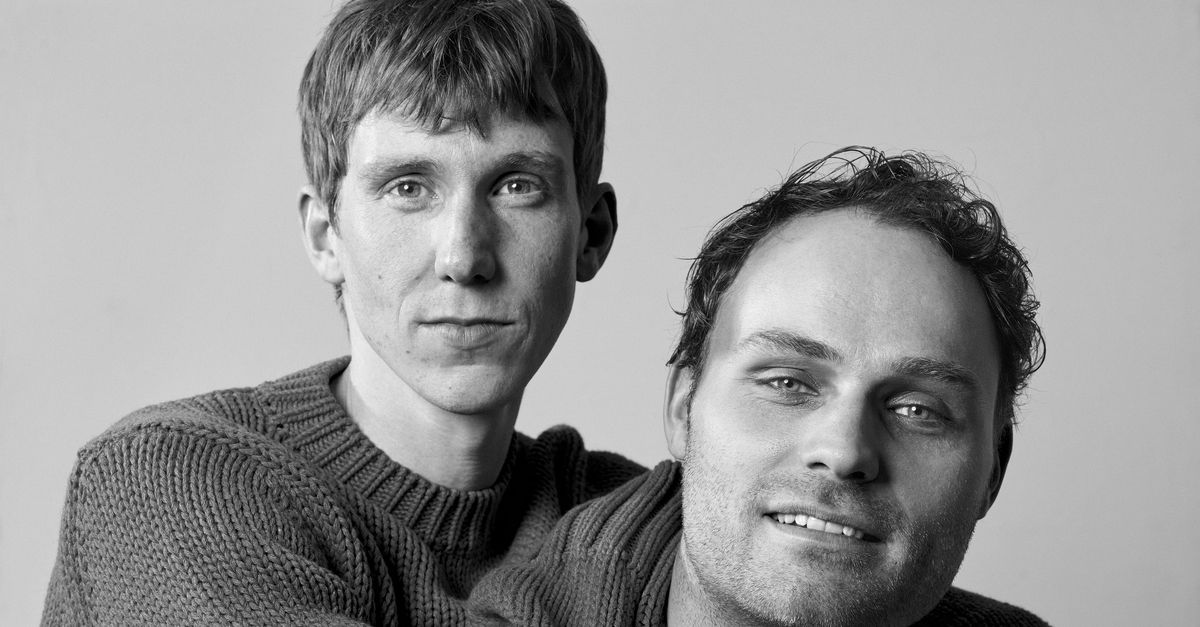
Modemerk Martan, opgericht door Douwe de Boer en Diek Pothoven, heeft zich gespecialiseerd in het maken van mode van afgekeurd hotellinnen en heeft recentelijk de Grand Prize van het Visa Young Creators-programma gewonnen, terwijl hun opvallende ontwerpen steeds vaker op Nederlandse rode lopers verschijnen. #DuurzameMode #Martan #ModeAvantgarde

www.nrc.nl
Modemerk Martan wordt ‘op iedere Nederlandse rode loper’ gedragen. ‘Ik ben delusional genoeg om te denken dat wij binnen een paar jaar heel rijk zijn‘
16919
Jan Rezab Aug 31

Congratulations to @josefslerka and Vendula on their Online Risk Labs report @onlinerizika. They got huge global coverage about TEMU creating fake creators and abusing the Meta platform! Hopefully something @EU_Commission will look at... Reminder to Euro-sceptics: This research #OnlineRisk #TEMU #MetaAbuse #EU

Mariya Gabriel Aug 31

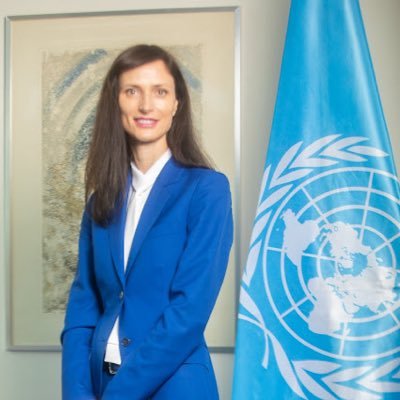
Digital creators are shaping 🇰🇪Kenya’s information ecosystem. New @UNESCO report: 58%+ of Kenyans pay more attention to creators than traditional news, yet 87.1% lack #MIL training. We are committed to closing this gap. 📖 Read the report: https://t.co/hk83XeZyxc @UnescoEast https://t.co/23XGwWRhhT #DigitalCreators #Kenya #MediaLiteracy #KE

117
S
Sandfeen Aug 28

The Deadly Seduction of Democratic Socialism Young people are being urged to support “democratic” socialism—ideas blamed for tens of millions of deaths in the last century—promising that consent will make it work this time. But consent cannot make an economic system wise. A ballot cannot set the right prices for wages, goods, or services, nor prevent shortages, repression, or famine. This isn’t fringe. New York elected Zohran Mamdani, who says there should be no billionaires and backs rent freezes, state-run grocery stores, free CUNY, and higher taxes. Polling shows strong support for socialism and communism among Americans under 30. The core error is believing resources can be taken from creators and transferred without losing the knowledge that made them productive. Mao’s China illustrates the outcome: land reform dispossessed and killed landowners, production collapsed as local expertise was treated as an enemy, and grain seizures during the Great Leap Forward worsened a catastrophic famine. The lesson: destroying incentives, property rights, and local knowledge destroys production itself. Envy is often disguised as justice. Communist regimes cultivated resentment and turned grievance into political energy, making societies less focused on creating wealth and more focused on making others lose it. Even when central planners tried to subordinate families to the state, people preserved knowledge through markets, private plots, and community practice. Civilization isn’t a machine bureaucrats can redesign. Take away property and you don’t automatically transfer knowledge—abundance can vanish with it. Redistribution may promise equality, but if it destroys the people, incentives, and knowledge that produce abundance, the result is a hungry one.

820
Giovanni_10 Aug 20

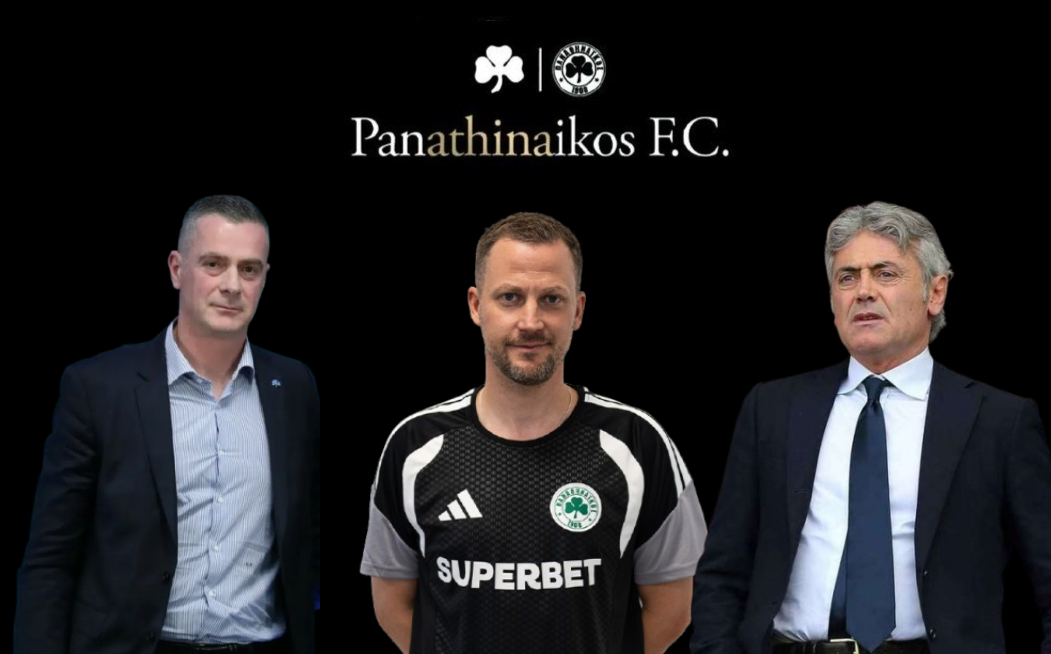
Σας παρακαλώ εκεί στην ΠΑΕ πάρτε τους content creators που έχετε βάλει σε κάποια project όπως στην επέτειο των αδερφών μας και δημιουργήστε κάτι διαφορετικό στην ανακοίνωση του Γκονζαλεζ. Έχει πάρει τρελό hype και θα το δουν άπειρα μάτια μην ξεφτιλιστούμε😭 #olympiacosfc #contentcreators #Gonzalez #football

12106
✨JOHNNY VIPER✨ROMA 24-28 AUGUST Aug 6

Too many people working in the porn industry and as content creators have serious mental health issues. Too many people... #MentalHealth #PornIndustry #ContentCreators #Thetweetdoesnotmentionanyspecificcountries.Therefore #therearenocountrycodestoreturn.

590
Dries Buytaert Jul 30

When AI causes harm, responsibility should follow meaningful control. Model creators control training and release, product builders control permissions and deployment, and users control deliberate misuse. https://t.co/7Ngw88GTVr #AIEthics #Accountability #ResponsibleAI #Nospecificcountrycodesarepresentinthetweet.

Robert Pszczel Jul 22

There is no shortage of scary news these days - wars, natural disasters, brutal authoritarian regimes etc. But AI system going rogue, with its creators not being able even to understand how it operates, must be high on the list of global threats. This needs to be addressed asap👇 #AI #GlobalThreats #TechEthics #Nospecificcountriesarementionedinthetweet.Therefore #therearenocountrycodestoreturn.

Mariya Gabriel Jul 3

Children & young people are not disconnected from news; they are getting it through social platforms, creators & algorithm-driven feeds. With the new guide “Growing Up in a Connected World," @UNESCO supports families in helping children navigate news. 🔗 https://t.co/K1XlvXcqOu https://t.co/TLfrlY1X4W #ConnectedWorld #DigitalLiteracy #YouthNews #Nospecificcountriesarementionedinthetweet.

119
Zastro Jun 29

Ο #paofc ναι μεν έχει προχωρήσει (σχεδόν) ιδανικά με τον προγραμματισμό για το 3 + 3 + 3 που είχε τεθεί ως στόχος, αλλά το τελευταίο "3" που απομένει εμπεριέχει το σημαντικότερο κομμάτι από το παζλ που θέλει ο Νίστρουπ. Ο αριστερός μπακ και (ειδικά) ο στόπερ είναι περιπτώσεις που μπορούν να καλυφθούν με εσωτερικές αλχημείες. Ο κεντρικός χαφ όμως, με τα χαρακτηριστικά και τις δυνατότητες που θέλει ο προπονητής για το αγωνιστικό του σχέδιο είναι κομβικής σημασίας. Ο Παναθηναϊκός αναζητά έναν "Γένσεν", έναν κεντρικό χαφ με προσωπικότητα, με δυνατότητες να ανταπεξέλθει και ως αριστερός εσωτερικός στο 4-3-3 και ως δεύτερος κεντρικός χαφ στο ασύμμετρο 4-2-3-1 του Νίστρουπ. Αυτή τη στιγμή τα κενά είναι δεδομένα και όντως θα απομένουν τα τελικά refinements εάν καλυφθούν μέχρι τέλος Ιουλίου. Την ίδια στιγμή, υπάρχουν και σοβαρά ζητήματα με την αποσυμφόρηση του ρόστερ. 8 ποδοσφαιριστές αναμένεται να αποχωρήσουν/αποδεσμευθούν/πωληθούν, με καμία από τις περιπτώσεις να μπορεί να φέρει πίσω λεφτά στα ταμεία της ομάδας. ➡️Γέντβαϊ (υπάρχει ενδιαφέρον από 2 ομάδες της πατρίδας του) ➡️ένας εκ των Τουμπά (που αρνήθηκε να πάει στη Ρωσία και αυτή τη στιγμή στο Άπελντοορν καλύπτει την ανάγκη και του αριστερού μπακ) - Πάλμερ Μπράουν (που έμεινε στην Αθήνα για να ολοκληρώσει το πρόγραμμα αποκατάστασης από τον τραυματισμό του και υπολογίζεται από τον Νίστρουπ) ➡️Σισοκό (χρειάζεται να πληρωθεί ρήτρα αποδέσμευσης - θα γίνει γιατί τα λεφτά είναι λίγα) ➡️ Μπακασέτας (ειδική περίπτωση για την οποία ο Παναθηναϊκός καλύπτει και μεγάλο μέρος του συμβολαίου) ➡️ Βιλένα (ένας θρύλος πια στο ρόστερ με συμβόλαιο επιπέδου Μπακασέτα) ➡️ Πάντοβιτς που είχε ενδιαφέρον από την πατρίδα του αλλά δεν πλησιάζουν ούτε κατά διάνοια τις απαιτήσεις του συμβολαίου και θα καταλήξει κάπου δανεικός σε ομάδα SL1. Δανεικός/οί θα φύγουν και οι Κυριόπουλος/Μπόκος που μετέχουν στην προετοιμασία. ➡️ Σιώπης (με ελάχιστες πια πιθανότητες και ο Τσιριβέγια) ο οποίος επίσης έχει συμβόλαιο που δεν μπορεί να βρει αλλού και είναι δύσκολο να βρεθεί άμεσα λύση ➡️Λημνιός, ο οποίος θα φύγει ελεύθερος αλλά με καταβολή κοντά στις μισές αποδοχές του συμβολαίου του. Κατά συντριπτικό ποσοστό, θα καταλήξει στον ΑΠΟΕΛ του Βρύζα, Τούτων τεθέντων, ο Παναθηναϊκός θα μπει στην τελική ευθεία σχηματοποίησης του ρόστερ 2026/27 αναλόγως τα "έκτακτα" που επί της ουσίας είναι οι ενδεχόμενες προτάσεις για τον Καλάμπρια και τον Πελίστρι. Ας αφήσουμε τα δυνητικά σενάρια στην άκρη και ας πάμε στα δεδομένα σενάρια. Η κεντρική απόφαση για επένδυση μέχρι νεοτέρας στον Ντέσερς και προσωρινή (?) μετατόπιση του Παντελίδη πιο μπροστά, προδιαγράφει κίνηση δεξιά. Προσωπικά το Τεττέη, Ράστοντερ, Ντέσερς και "κάλυψη" ο Παντελίδης (και ο μικρός Νεμπής), δεν είναι στο ύψος της δυναμικής που σχηματοποιείται στη γραμμή άμυνας. Τηρώ επιφυλάξεις όμως και θεωρώ ότι τον Αύγουστο αναλόγως με την εικόνα και την κατάσταση του Νιγηριανού, μπορεί να υπάρξει κίνηση. Υπάρχει ένα ζήτημα και στους κεντρικούς χαφ, ειδικά από τη στιγμή που ο Γένσεν είναι σχεδόν τελειωμένη ιστορία και αναζητείται άλλος παίκτης στη θέση του. Ο στόχος ήταν να δημιουργηθεί εξάδα δυνατών χαφ: Καμαρά - Τσέριν - Κοντούρης - "Γένσεν" - Τσιριβέγια + ένας ακόμα που όπως αντιλαμβάνεστε δεν μπορεί να είναι ο Σιώπης. Το γεγονός ότι ο Γιάγκουσιτς υπολογίζεται για δεξιός εσωτερικός στο 4-3-3 δεν καθιστά την ανάγκη λιγότερο μετρήσιμη, διότι στο 4-2-3-1 ο Κροάτης μετατοπίζεται στο "10" μαζί με τον Ταμπόρδα. Είναι γρίφοι και αγωνιστικά ζητήματα που ενέχουν ρίσκο και χρειάζονται αρκετή μελέτη - ειδικά στην περίπτωση που δεν ξέρουμε τι θα δείξουν οι μετρήσεις του Πελίστρι, ενός παίκτη που λύνει πολλά από τα προβλήματα του Νίστρουπ δεξιά, αλλά δεν καλύπτει 100% τα θέλω του οργανισμού. Που θέλω να καταλήξω. Οι κινήσεις ως τώρα είναι εξαιρετικές. Είναι διάχυτη η αισιοδοξία, ο νέος αέρας και οι φιλοδοξίες, αλλά χρειάζεται να επικαλυφθούν και τα κενά. Η ομάδα έχει ξοδέψει ήδη πάνω από 16 εκατομμύρια, έχει πάρει πίσω μόνο 1 από την πώληση του Σβιντέρσκι στην Πολωνία. Και εξακολουθεί να έχει το μεγάλο της κενό (και κατά συνέπεια τη μεγάλη δαπάνη) με ερωτηματικό. Για τους δυο πρώτους προκριματικούς γύρους, ο Παναθηναϊκός είναι υπέρ-εντάξει. Για τα play offs της League Phase και κυρίως για τη διεκδίκηση του πρωταθλήματος, ο κεντρικός χαφ είναι εκ των ων ουκ άνευ και οι υπόλοιπες κινήσεις επιβεβλημένες. Υ.Γ. ονόματα και εικασίες από εμένα μην περιμένετε - ούτε long shot επιθυμίες. Υπάρχουν ένα σωρό content creators για αυτού του είδους το περιεχόμενο. Προτείνονται και έχουν προταθεί πάρα πολλοί ποδοσφαιριστές, με άλλους έχει ασχοληθεί η ομάδα, με άλλους όχι. Τα χαρακτηριστικά να κοιτάτε και τον οικονομικό παράγοντα. Συγκεκριμένες είναι οι δυνατότητες στο ελληνικό ποδόσφαιρο και ακόμα πιο συγκεκριμένες οι περιπτώσεις που μπορούν να γίνουν υπερβάσεις. Στις μεταγραφές πρέπει να ξέρεις μέχρι που φτάνει το πάπλωμα και οι ελίτ ελληνικοί σύλλογοι (ακόμη κι όταν έχουν τα χρήματα) μπορούν να φτάσουν μέχρι συγκεκριμένα ράφια. Συνεπώς, ό,τι είναι θα το δούμε όταν πρέπει να το δούμε. Κατανοητό ότι αρέσει και πουλάει η καβλάντα -καλοκαιράκι είναι- μην το τεντώνουμε όμως και γινόμαστε γραφικοί. Τέλος, να ξέρετε ότι είναι πιο τίμιο το "δεν ξέρω" από οποιαδήποτε εικασία ή λογικό συμπέρασμα. Δεν εντάσσω τις κατηγορίες κατευθυνόμενου σότου που είναι της μόδας, γιατί εκεί χάνεται η μπάλα. #paofc #football #transfers

12367