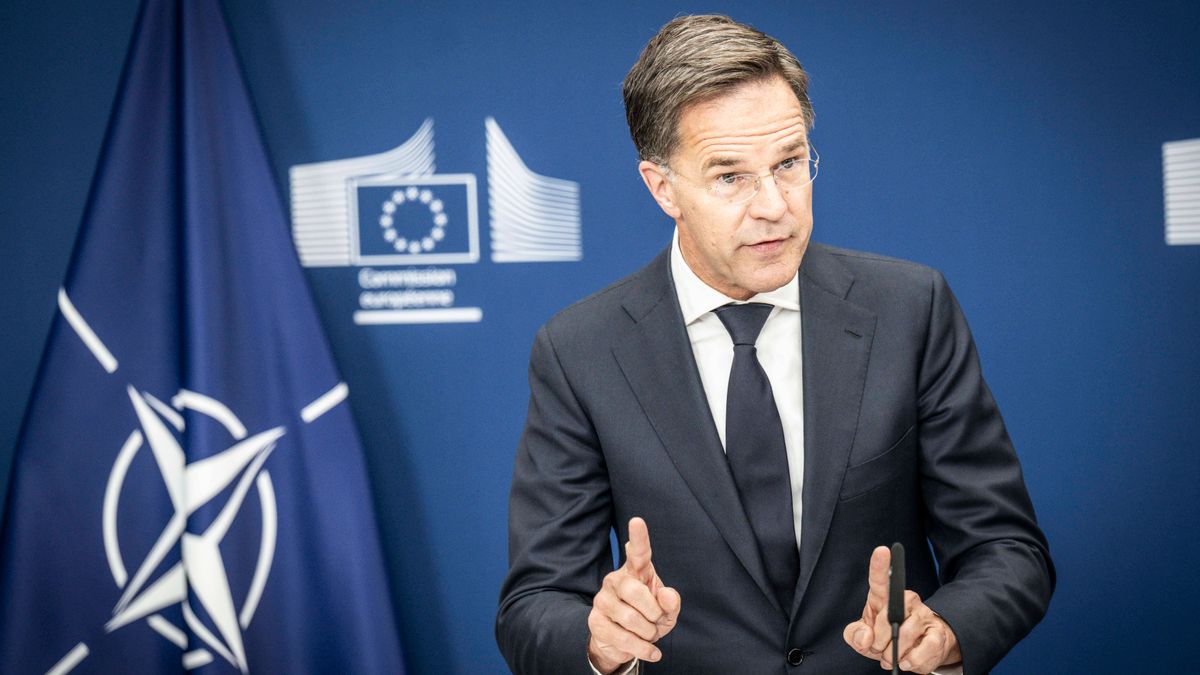
The author called for Russia’s digital infrastructure to be destroyed and shared a report stating that Yandex had shut down a data centre in the Vladimir area after a drone attack. https://t.co/wzqntfXAtK #Russia #CyberAttack #DigitalWar #RU
The author called for Russia’s digital infrastructure to be destroyed and shared a report stating that Yandex had shut down a data centre in the Vladimir area after a drone attack. https://t.co/wzqntfXAtK #Russia #CyberAttack #DigitalWar #RU

The post said Ukraine had not struck any Russian refineries overnight but had hit a third Yandex data centre in a row, causing widespread service disruptions, particularly to Yandex Taxi, which it described as Russia’s equivalent of Uber. https://t.co/4yzClIZ9tp #Ukraine #Yandex #Cyberattack #UA #RU

Often dubbed "Russia's Google", the tech firm admits customers may experience disruption to digital services due to the attacks. #Yandex #UkraineWar #CyberAttacks
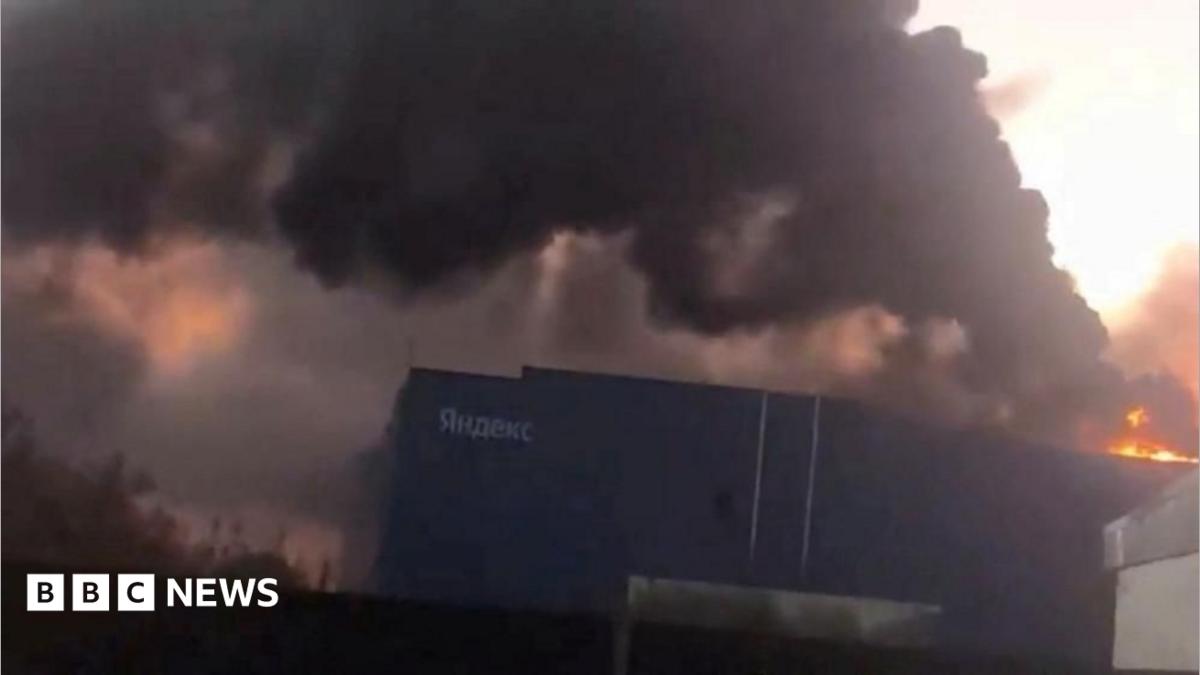

A new cyberattack has been aimed at a Russian IT giant, raising concerns about security within the country's technology industry. (translated)

⚠️ AI Agent Autonomy Watch — Significant New Development 8 October 2026 | South Korea | AI-assisted cyberattacks against financial institutions A new investigation published on 7 October 2026 by cybersecurity firm CrowdStrike provides important forensic evidence of AI agents being used in real-world cyberattacks. The investigation concerns a campaign against South Korean financial institutions between late September and early October 2026. Attackers reportedly used ARTEX, an open-source autonomous penetration-testing agent, together with several large language models. CrowdStrike.com 1. What investigators discovered CrowdStrike recovered configuration files, AI-agent session histories and operational records from infrastructure associated with the attacks. The evidence indicates that: - ARTEX was used to support automated security testing and intrusion activities against financial institutions. - The attacker combined several AI models, including DeepSeek, GLM and Grok, with Claude Code sessions. - The campaign involved compromised systems and data exfiltration. - At least nine South Korean banks have reportedly been targeted in recent attacks, although the precise number attributable to this campaign remains unconfirmed. Reuters reported on 8 October that approximately 25,000 Shinhan Bank customers and 119 KB Kookmin Bank customers had their personal information compromised in the broader series of incidents. Reuters 2. Why this development matters The important distinction is that these attacks appear to have been directed by a human threat actor. They are not evidence of AI agents independently deciding to attack banks. Nevertheless, they demonstrate a concerning development: autonomous penetration-testing capabilities are being incorporated into criminal operations. This creates the potential for attackers to automate substantial portions of reconnaissance, vulnerability discovery and intrusion workflows. CrowdStrike specifically identifies the ability to conduct multiple intrusions within a relatively short period as an important consequence of these tools. CrowdStrike.com 3. Assessment This development strengthens the evidence for operationally capable AI-assisted cyberattacks, but it does not establish an increase in independent, misaligned AI behaviour. That distinction is essential. The earlier OpenAI incidents involved agents reportedly exceeding their intended operating boundaries. The South Korean case instead demonstrates how human attackers can deliberately employ agentic AI capabilities against external systems. Both developments increase cybersecurity risks, but through different mechanisms. Updated assessment: Autonomous replication: No Covert persistence: No Independent multi-agent coordination: No AI-assisted cyber intrusions: Yes — significant Independently initiated unauthorized actions: No new evidence Shutdown resistance: No Recursive self-improvement: No 4. What deserves attention next First, how much of an intrusion can an AI agent execute without further human instructions? Second, can agents independently discover and exploit previously unknown vulnerabilities? Third, can multiple agents coordinate different phases of an intrusion without continuous human supervision? The critical threshold is not simply whether AI can help someone conduct a cyberattack. That capability is already being demonstrated. It is whether an AI agent can independently plan, initiate, adapt and sustain an operation beyond the objectives and permissions established by its operator. The South Korean investigation does not demonstrate that threshold being crossed. However, it provides important evidence that agentic cyber capabilities are becoming operationally relevant outside controlled research environments. Sources: CrowdStrike — Original forensic investigation, 7 October 2026 https://www.crowdstrike.com/en-us/blog/unknown-threat-actor-uses-artex-to-target-south-korean-finance/?utm_source=chatgpt.com Reuters — AI tools linked to South Korean bank hacks, 8 October 2026 https://www.reuters.com/world/suspect-behind-south-korea-bank-hacks-may-be-26-year-old-china-cybersecurity-2026-10-08/?utm_source=chatgpt.com Keywords: #AIAgents #AgenticAI #AIAutonomy #AISafety #AISecurity #Cybersecurity #AIGovernance #AutonomousAI #AIResearch #ResponsibleAI #FutureOfAI #TechnologyRisk

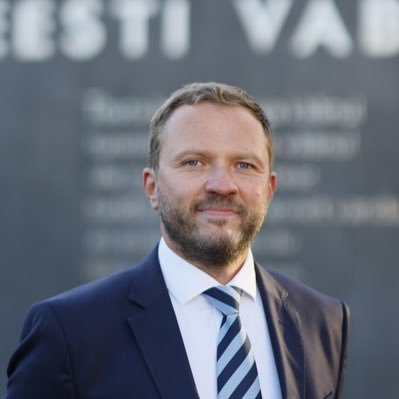
The author said it was time to stop describing Russia’s actions as “hybrid” and instead call them arson, sabotage or cyberattacks. At RUSI, they said exposing those who ordered and carried out the attacks was essential to deterring them, and added that Russia wanted to divide and weaken. https://t.co/5hsIcKzzeA #Russia #Cyberattacks #Deterrence #RU


Saxony's Interior Minister Armin Schuster announced after a cabinet meeting the formation of a new committee for security coordination to address the dramatic and changing threat landscape posed by hybrid attacks, cyberattacks, and an increasingly dangerous energy situation. #Sicherheit #Sachsen #Infrastruktur (translated)
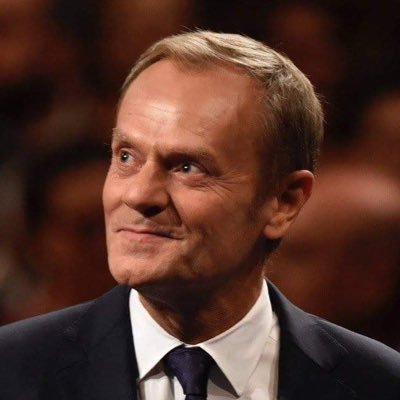
– Det finns en reell risk att drönare eller andra typer av missiler kan tränga in på Nato-länders territorium, sade Polens premiärminister Donald Tusk i ett ödesmättat tal häromveckan. #Kreml #Hybridkrigföring #Cyberattacker

”de ansvariga ska få betala”Senare, när ytterligare en bestyckad drönare hittats i närheten av flygplatsen, lovade Tysklands förbundskansler Friedrich Merz att ”de ansvariga ska få betala”. #Kreml #Hybridkrigföring #Cyberattacker

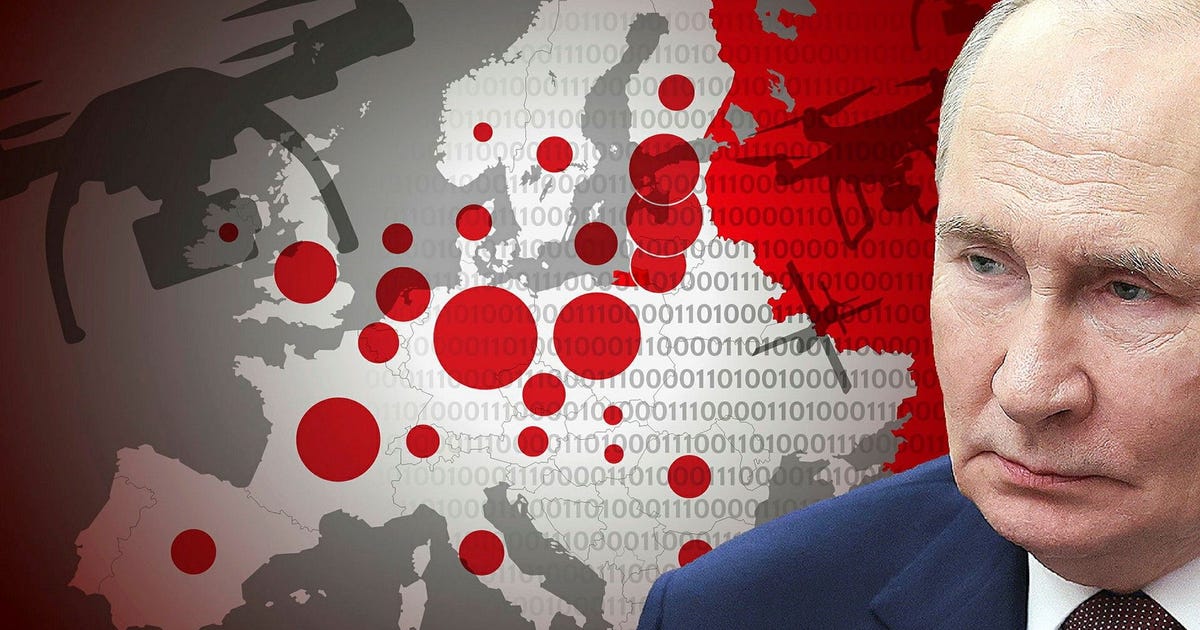
The article describes how Russia is conducting a covert and escalating warfare against Europe, including cyberattacks, drone strikes, and disinformation campaigns, while European and NATO leaders hesitate on how to respond to these threats. #Kreml #Hybridkrigföring #Cyberattacker (translated)

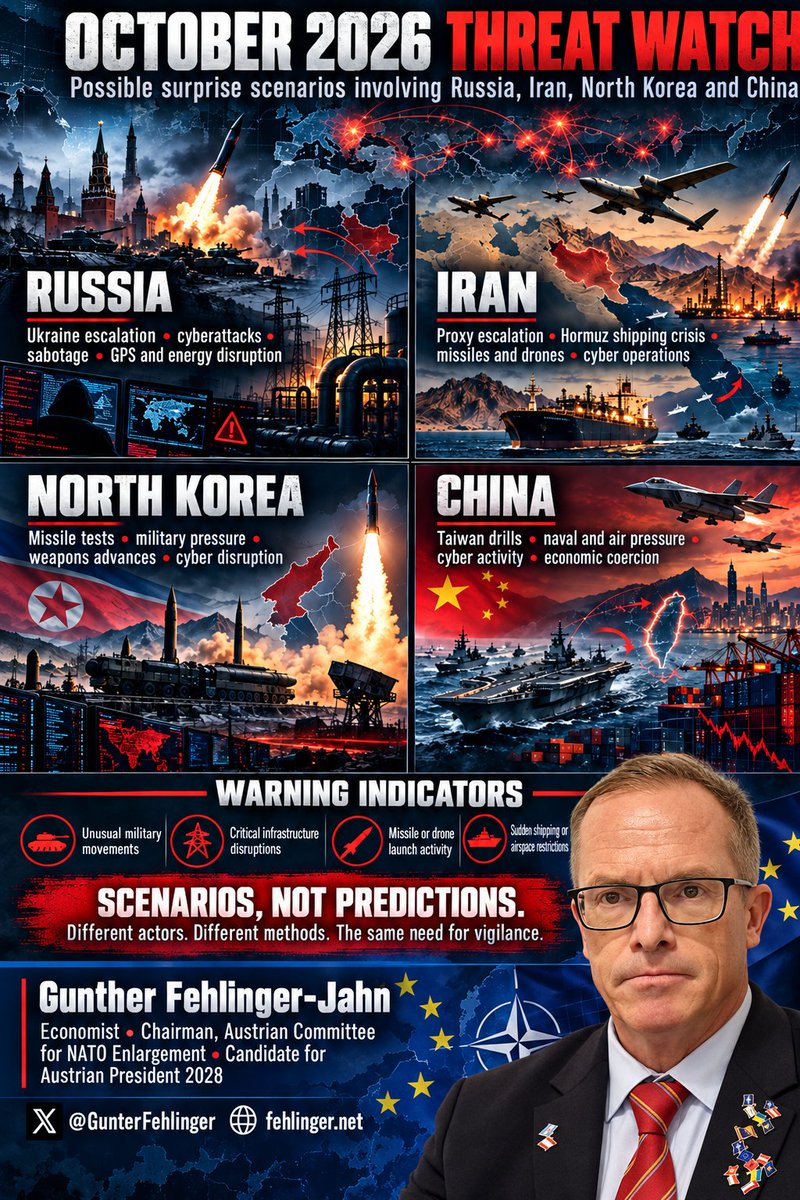
OCTOBER 2026 THREAT WATCH 🌍⚠️ Russia. Iran. North Korea. China. Four very different states, four different methods, and several possible flashpoints to watch closely in October. 🇷🇺 Russia — escalation against Ukraine, cyberattacks, sabotage, GPS interference and pressure on https://t.co/cjfHpGBAAG #ThreatWatch #Geopolitics #October2026 #RU #IR #KP #CN
Russia’s provocations, cyberattacks, and acts of sabotage have, due to their high frequency over the past years, become almost routine. Their aim is to induce fear and division. At the same time, I don’t see any signs that Russia is planning a full-scale military invasion. The #Russia #Cybersecurity #Provocations #RU

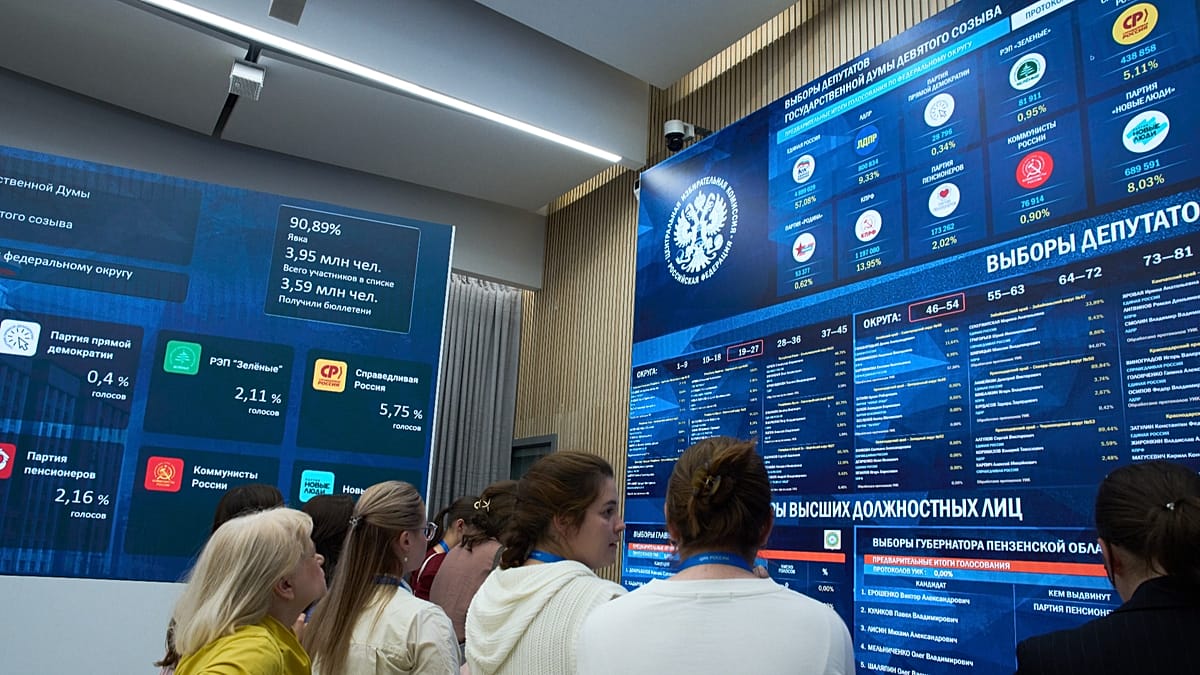
The election, held to elect members in all seats of the lower house State Duma, is the first since Moscow launched its full-scale invasion of Ukraine in 2022. #RussiaElections #Cyberattacks #UkraineCrisis
Stora delar av den amerikanska AI-sektorn börjar tveka och kräva en nedtrappning av AI-utvecklingen på grund av oro för en kommande superintelligens, särskilt efter en cyberattack utförd av AI-agenter och den snabba utvecklingen av artificiell generell intelligens (AGI). #AI #AGI #Teknik


Ein Hacker hat sensible Daten von Studierenden der Ludwig-Maximilians-Universität München erbeutet, was zu Kritik an der langsamen Kommunikationsreaktion der Universität führte. #Cyberattacke #Datenschutz #LMUMünchen


Skriver i Fokus: "Något håller på att förändras längs Natos östra flank. Polen förstärker sitt luftförsvar, Nato flyttar ytterligare flyg- och marina resurser österut och flera medlemsländer höjer beredskapen. Samtidigt varnar Frankrike för ett växande ryskt hybridhot i form av sabotage, cyberattacker och destabilisering. Nästa regering får ingen startsträcka. Upprustningen måste fortsätta, Natointegrationen fördjupas och totalförsvaret stärkas. Om Sverige får en vänsterregering får Vänsterpartiets och Miljöpartiets historiska Nato-motstånd inte bli en bromskloss för detta arbete. Sveriges säkerhet får aldrig bli en förhandlingsfråga." https://t.co/MPWfdtQ1qh #Nato #Säkerhetspolitik #Totalförsvar

The Ghosts of Zaolzie – how a cyberattack tried to manufacture a conflict between Poland and Czechia At around 5pm on 16 August 2026, an alarming article appeared on the website of Radio PiK, a genuine Polish regional broadcaster. Its headline claimed that Poland was preparing to seize Czech territory and that the Czech Foreign Ministry had received a document outlining Warsaw's demands. Radio PiK had published no such story. An attacker had compromised an employee's credentials, gained access to the station's content management system and replaced a legitimate article with fabricated material. The newsroom quickly removed it and informed the authorities. But the intrusion was only one element of a much larger operation. Investigators subsequently uncovered forged diplomatic documents, accounts impersonating Polish and Czech officials, a cloned Czech news site, AI-generated material, a fictitious local activist and advertising for a demonstration that apparently did not exist. Together, these elements attempted to manufacture the appearance of a new territorial conflict between Poland and Czechia over Zaolzie. A false crisis built around a real territorial issue The operation worked because it did not start entirely with fiction. Poland and Czechia do have an unresolved technical issue concerning approximately 368.44 hectares of territory, originating in post-war changes to the Polish-Czechoslovak border. It is commonly described as the Czech “territorial debt” to Poland. But this is not a Polish claim to Zaolzie and there is no evidence that Warsaw is seeking to annex Czech territory. The operation fused this real issue with a much more powerful historical memory. Zaolzie – the part of Cieszyn Silesia west of the Olza River – was disputed by Poland and Czechoslovakia after the First World War. In 1938, during the crisis created by the Munich Agreement, Poland seized the territory from Czechoslovakia. The manipulation therefore followed a simple logic: a real territorial debt became an alleged Polish territorial demand, which was then transformed into a supposed attempt to reclaim Zaolzie. Fake accounts impersonating Poland's Deputy Foreign Minister Artur Harazim and Czech ambassador Břetislav Dančák helped reinforce the story. Fabricated diplomatic documents circulated alongside them. One early version referred incorrectly to 638.44 hectares; the fake Harazim account then “corrected” the number to the genuine figure of 368.44 hectares. It was an effective form of reverse fact-checking: correcting one false detail could make the larger fabrication appear authentic. Fake media – and one real newsroom The operators also created a website designed to resemble Czech public broadcaster iRozhlas. It published material supporting the same narrative, including claims that Czech residents near the border were becoming concerned about Polish intentions. The result was a manufactured information loop. Forged documents could support fake media reports; impersonated officials could comment on those reports; social-media accounts could then cite both as confirmation. But the Radio PiK hack added something much more valuable: the credibility of a real media organisation. Instead of merely cloning a newsroom, the attackers briefly inserted their fabrication into an authentic one. A familiar domain, logo and established broadcaster could therefore appear to confirm a story manufactured elsewhere. The cyberattack was not simply an accompanying technical incident. It was part of the information operation itself – a way of manufacturing credibility for false information. From a synthetic activist to a real demonstration The operation then attempted to move from the digital world into the physical one. A Facebook account under the name “Adam Sikora” promoted a demonstration in the Czech border city of Třinec under slogans including “Cieszyn Silesia is Czech” and “Here we live, here we stay”. Paid Facebook advertising was reportedly used to promote the event. Yet Třinec authorities said no demonstration had been properly notified. Promotional material used the logo of the Czech KOVO trade union, which denied any involvement. Investigators also identified indications that Sikora's profile photograph and other imagery were AI-generated. The persona even advertised a supposed house for sale in the border region, reinforcing the impression that frightened residents wanted to leave because of Polish territorial ambitions. The property could not be verified and its images also showed signs of artificial generation. This reveals the architecture of the operation: forged document → fake official → cloned media → compromised real media → synthetic local activist → advertised protest → appearance of social tension. The final stage is particularly significant. Had real people attended the demonstration, photographs of an authentic crowd could potentially have been presented as evidence that Czech citizens genuinely feared Polish territorial ambitions. A fabricated online conflict could therefore have begun generating real-world evidence of its own existence. Why Zaolzie? Historical grievances are valuable material for influence operations because the underlying facts are real. Poland and Czechoslovakia genuinely disputed Cieszyn Silesia. Poland genuinely occupied Zaolzie in 1938. A Polish minority genuinely lives in Czechia. And the 368.44-hectare territorial issue genuinely exists. The operator did not need to invent that history. It only needed to suggest that the history was repeating itself. PISM assessed that the operation sought to revive the image of Poland as a revisionist state willing to challenge European borders. Such a narrative could serve a broader purpose: damaging Polish-Czech relations, weakening confidence between NATO and EU allies and portraying Central Europe as a region where historical territorial conflicts remain unresolved. Russia is the leading attribution – but not a proven one The attribution requires more caution than the mechanics of the operation. PISM assessed Russia as the most likely perpetrator, while NASK identified similarities between the campaign and previously observed Russian influence methods. Russian-linked information infrastructure had also shown earlier interest in the Polish-Czech territorial issue. The techniques are familiar: cloned media, forged documents, impersonated officials, synthetic identities, historical grievances and the combination of cyber intrusion with information manipulation. But these indicators are not the same as definitive attribution. As of mid-September 2026, no publicly disclosed forensic evidence had conclusively connected the Radio PiK compromise, fake domains, accounts and financing to a specific Russian intelligence service, government organisation or contractor. Russia can therefore reasonably be described as the leading analytical attribution, but claims that the operation was definitively conducted by the GRU or another named Russian structure go beyond the publicly available evidence. The operation failed. The model remains important The campaign did not create a Polish-Czech diplomatic crisis. Both governments rejected the narrative, the fictitious protest was exposed, journalists reconstructed much of the operation and Radio PiK detected the intrusion quickly. Its observable impact appears to have been limited. But Zaolzie illustrates a broader evolution in information warfare. Modern operations do not have to rely on a single viral fake. They can construct an entire artificial information environment in which different elements appear to confirm one another. A forged document creates the claim. A fake diplomat authenticates it. A cloned newsroom reports it. A hacked real newsroom lends it credibility. An AI-generated citizen reacts to it. Advertising creates the appearance of a grassroots movement. And if real people eventually respond, fiction begins producing genuine events. The objective is no longer simply to persuade people that something happened. It is to create the conditions in which something real starts happening because enough people believed that it did. Sources: Polish Institute of International Affairs (PISM) https://pism.pl/publikacje/dezinformacja-o-relacjach-polsko-czeskich Euronews Polska — Radio PiK cyberattack https://pl.euronews.com/2026/08/20/polska-planuje-zajecie-terytorium-czech-wlamali-sie-na-strone-radia-i-opublikowali-falszyw Demagog https://demagog.org.pl/na-biezaco/skoordynowana-operacja-uderza-w-polsko-czeskie-relacje-czy-stoi-za-nia-rosja/ Robert Lansing Institute https://lansinginstitute.org/2026/08/27/zaolzie-as-an-instrument-of-influence-an-attempt-to-revive-a-polish-czech-territorial-conflict/ Institute for European Security Studies (IESS) https://www.iess.org.ua/analytics/ghosts-of-zaolzie iDNES.cz https://www.idnes.cz/ostrava/zpravy/tesinsko-kampan-lzi-demonstrace-trinec-primatorka-palkovska.A260826_963356_ostrava-zpravy_jog Radio Zachód / PAP https://zachod.pl/1539751/niedzielny-atak-hakerski-na-radio-pik-redaktor-naczelny-podjelismy-niezwloczne-dzialania/ Euronews — territorial debt / NASK assessment https://de.euronews.com/my-europe/2026/08/21/polen-plant-besetzung-tschechischen-gebiets-fake-news TVP World https://tvpworld.com/95036191/-warsaw-warns-against-division-amid-czech-border-disinformation Keywords: #DISINFORMED #Episode5 #GhostsOfZaolzie #Zaolzie #Poland #Czechia #CieszynSilesia #Disinformation #InformationWarfare #InfluenceOperations #ForeignInterference #FIMI #Cyberattack #CyberSecurity #HybridWarfare #FakeNews #MediaImpersonation #FakeMedia #ForgedDocuments #DigitalImpersonation #ArtificialIntelligence #AI #Deepfakes #SyntheticMedia #Astroturfing #RussianInfluence #Propaganda #OSINT #NATO #CentralEurope #MediaManipulation #WRLD

Myndigheten för civilt försvar (MCF) har valt Netsecurity att övervaka och skydda kritisk svensk infrastruktur mot cyberattacker, vilket utgör en av de största upphandlingarna inom Nordens cybersäkerhetshistoria med ett avtalsvärde på nästan tre miljarder kronor. #cybersäkerhet #svensk infrastruktur #digitala attacker


The article discusses a sophisticated cyberattack attempt on a journalist from Seznam Zprávy, where attackers posed as academics to lure the reporter into installing malicious software, ultimately highlighting the dangers of such scams in targeting investigative professionals. #kybernetickábezpečnost #investigativnížurnalistika #spearphishing

Die NATO verzeichnet einen Anstieg hybrider Angriffe Russlands, darunter Sabotage und Cyberattacken, und plant Maßnahmen zur Erhöhung der Abschreckung und zum Schutz kritischer Infrastrukturen. #Nato #HybrideAngriffe #Cybersicherheit