The author argued that if Czechoslovakia had stood up to Germany, World War II and the Holocaust would not have happened, half the world would not have spent the rest of the century in what they described as a communist dystopia, and nuclear weapons would not have threatened the US mainland. They said events would instead have followed the Ukraine-Russia playbook. #Czechoslovakia #WW2 #History #CZ #DE #UA #RU #US

The author argued that Europe needed legal clarity rather than historical amnesia over the Beneš decrees, describing them as part of Czechoslovakia’s post-war history. They wrote that measures associated with the decrees included property confiscations and loss of citizenship affecting many ethnic Germans and Hungarians. https://t.co/QuCOv8va7M #BenešDecrees #EuropeanHistory #LegalClarity #CZ #DE #HU

The Ghosts of Zaolzie – how a cyberattack tried to manufacture a conflict between Poland and Czechia At around 5pm on 16 August 2026, an alarming article appeared on the website of Radio PiK, a genuine Polish regional broadcaster. Its headline claimed that Poland was preparing to seize Czech territory and that the Czech Foreign Ministry had received a document outlining Warsaw's demands. Radio PiK had published no such story. An attacker had compromised an employee's credentials, gained access to the station's content management system and replaced a legitimate article with fabricated material. The newsroom quickly removed it and informed the authorities. But the intrusion was only one element of a much larger operation. Investigators subsequently uncovered forged diplomatic documents, accounts impersonating Polish and Czech officials, a cloned Czech news site, AI-generated material, a fictitious local activist and advertising for a demonstration that apparently did not exist. Together, these elements attempted to manufacture the appearance of a new territorial conflict between Poland and Czechia over Zaolzie. A false crisis built around a real territorial issue The operation worked because it did not start entirely with fiction. Poland and Czechia do have an unresolved technical issue concerning approximately 368.44 hectares of territory, originating in post-war changes to the Polish-Czechoslovak border. It is commonly described as the Czech “territorial debt” to Poland. But this is not a Polish claim to Zaolzie and there is no evidence that Warsaw is seeking to annex Czech territory. The operation fused this real issue with a much more powerful historical memory. Zaolzie – the part of Cieszyn Silesia west of the Olza River – was disputed by Poland and Czechoslovakia after the First World War. In 1938, during the crisis created by the Munich Agreement, Poland seized the territory from Czechoslovakia. The manipulation therefore followed a simple logic: a real territorial debt became an alleged Polish territorial demand, which was then transformed into a supposed attempt to reclaim Zaolzie. Fake accounts impersonating Poland's Deputy Foreign Minister Artur Harazim and Czech ambassador Břetislav Dančák helped reinforce the story. Fabricated diplomatic documents circulated alongside them. One early version referred incorrectly to 638.44 hectares; the fake Harazim account then “corrected” the number to the genuine figure of 368.44 hectares. It was an effective form of reverse fact-checking: correcting one false detail could make the larger fabrication appear authentic. Fake media – and one real newsroom The operators also created a website designed to resemble Czech public broadcaster iRozhlas. It published material supporting the same narrative, including claims that Czech residents near the border were becoming concerned about Polish intentions. The result was a manufactured information loop. Forged documents could support fake media reports; impersonated officials could comment on those reports; social-media accounts could then cite both as confirmation. But the Radio PiK hack added something much more valuable: the credibility of a real media organisation. Instead of merely cloning a newsroom, the attackers briefly inserted their fabrication into an authentic one. A familiar domain, logo and established broadcaster could therefore appear to confirm a story manufactured elsewhere. The cyberattack was not simply an accompanying technical incident. It was part of the information operation itself – a way of manufacturing credibility for false information. From a synthetic activist to a real demonstration The operation then attempted to move from the digital world into the physical one. A Facebook account under the name “Adam Sikora” promoted a demonstration in the Czech border city of Třinec under slogans including “Cieszyn Silesia is Czech” and “Here we live, here we stay”. Paid Facebook advertising was reportedly used to promote the event. Yet Třinec authorities said no demonstration had been properly notified. Promotional material used the logo of the Czech KOVO trade union, which denied any involvement. Investigators also identified indications that Sikora's profile photograph and other imagery were AI-generated. The persona even advertised a supposed house for sale in the border region, reinforcing the impression that frightened residents wanted to leave because of Polish territorial ambitions. The property could not be verified and its images also showed signs of artificial generation. This reveals the architecture of the operation: forged document → fake official → cloned media → compromised real media → synthetic local activist → advertised protest → appearance of social tension. The final stage is particularly significant. Had real people attended the demonstration, photographs of an authentic crowd could potentially have been presented as evidence that Czech citizens genuinely feared Polish territorial ambitions. A fabricated online conflict could therefore have begun generating real-world evidence of its own existence. Why Zaolzie? Historical grievances are valuable material for influence operations because the underlying facts are real. Poland and Czechoslovakia genuinely disputed Cieszyn Silesia. Poland genuinely occupied Zaolzie in 1938. A Polish minority genuinely lives in Czechia. And the 368.44-hectare territorial issue genuinely exists. The operator did not need to invent that history. It only needed to suggest that the history was repeating itself. PISM assessed that the operation sought to revive the image of Poland as a revisionist state willing to challenge European borders. Such a narrative could serve a broader purpose: damaging Polish-Czech relations, weakening confidence between NATO and EU allies and portraying Central Europe as a region where historical territorial conflicts remain unresolved. Russia is the leading attribution – but not a proven one The attribution requires more caution than the mechanics of the operation. PISM assessed Russia as the most likely perpetrator, while NASK identified similarities between the campaign and previously observed Russian influence methods. Russian-linked information infrastructure had also shown earlier interest in the Polish-Czech territorial issue. The techniques are familiar: cloned media, forged documents, impersonated officials, synthetic identities, historical grievances and the combination of cyber intrusion with information manipulation. But these indicators are not the same as definitive attribution. As of mid-September 2026, no publicly disclosed forensic evidence had conclusively connected the Radio PiK compromise, fake domains, accounts and financing to a specific Russian intelligence service, government organisation or contractor. Russia can therefore reasonably be described as the leading analytical attribution, but claims that the operation was definitively conducted by the GRU or another named Russian structure go beyond the publicly available evidence. The operation failed. The model remains important The campaign did not create a Polish-Czech diplomatic crisis. Both governments rejected the narrative, the fictitious protest was exposed, journalists reconstructed much of the operation and Radio PiK detected the intrusion quickly. Its observable impact appears to have been limited. But Zaolzie illustrates a broader evolution in information warfare. Modern operations do not have to rely on a single viral fake. They can construct an entire artificial information environment in which different elements appear to confirm one another. A forged document creates the claim. A fake diplomat authenticates it. A cloned newsroom reports it. A hacked real newsroom lends it credibility. An AI-generated citizen reacts to it. Advertising creates the appearance of a grassroots movement. And if real people eventually respond, fiction begins producing genuine events. The objective is no longer simply to persuade people that something happened. It is to create the conditions in which something real starts happening because enough people believed that it did. Sources: Polish Institute of International Affairs (PISM) https://pism.pl/publikacje/dezinformacja-o-relacjach-polsko-czeskich Euronews Polska — Radio PiK cyberattack https://pl.euronews.com/2026/08/20/polska-planuje-zajecie-terytorium-czech-wlamali-sie-na-strone-radia-i-opublikowali-falszyw Demagog https://demagog.org.pl/na-biezaco/skoordynowana-operacja-uderza-w-polsko-czeskie-relacje-czy-stoi-za-nia-rosja/ Robert Lansing Institute https://lansinginstitute.org/2026/08/27/zaolzie-as-an-instrument-of-influence-an-attempt-to-revive-a-polish-czech-territorial-conflict/ Institute for European Security Studies (IESS) https://www.iess.org.ua/analytics/ghosts-of-zaolzie iDNES.cz https://www.idnes.cz/ostrava/zpravy/tesinsko-kampan-lzi-demonstrace-trinec-primatorka-palkovska.A260826_963356_ostrava-zpravy_jog Radio Zachód / PAP https://zachod.pl/1539751/niedzielny-atak-hakerski-na-radio-pik-redaktor-naczelny-podjelismy-niezwloczne-dzialania/ Euronews — territorial debt / NASK assessment https://de.euronews.com/my-europe/2026/08/21/polen-plant-besetzung-tschechischen-gebiets-fake-news TVP World https://tvpworld.com/95036191/-warsaw-warns-against-division-amid-czech-border-disinformation Keywords: #DISINFORMED #Episode5 #GhostsOfZaolzie #Zaolzie #Poland #Czechia #CieszynSilesia #Disinformation #InformationWarfare #InfluenceOperations #ForeignInterference #FIMI #Cyberattack #CyberSecurity #HybridWarfare #FakeNews #MediaImpersonation #FakeMedia #ForgedDocuments #DigitalImpersonation #ArtificialIntelligence #AI #Deepfakes #SyntheticMedia #Astroturfing #RussianInfluence #Propaganda #OSINT #NATO #CentralEurope #MediaManipulation #WRLD

“Every storm serves two purposes: to expose what isn't built to last and to strengthen what is” - Anonym 130 attempts to create a functional socialist state. There are 195 states in the world today. Afghanistan Albania Alsace Soviet Republic Alsace-Lorraine Soviet Republic Angola Anarchist Aragon Armenian SSR Asturian Socialist Republic Azerbaijan People’s Government Azerbaijani SSR Baku Commune Bavarian Soviet Republic Benin Bessarabian Soviet Socialist Republic Bremen Soviet Republic Bruree Soviet Bulgaria Byelorussian SSR Cambodia China Chinese Soviet Republic Coalition Government of Democratic Kampuchea Commune of the Working People of Estonia Congo-Brazzaville Cork Harbour Soviet Crimean People’s Republic Crimean Socialist Soviet Republic Cuba Czechoslovakia Democratic Republic of Georgia Democratic Republic of Yemen Donetsk–Krivoy Rog Soviet Republic East Germany Estonian SSR Ethiopia Finnish Democratic Republic Finnish Socialist Workers’ Republic Free Socialist Republic of Germany Free Territory Galician Soviet Socialist Republic Gambia National Revolutionary Council Georgia Grenada Guangzhou Commune Guinea People’s Revolutionary Republic Hunan Soviet Hungarian People’s Republic Hungarian Soviet Republic Inner Mongolian People’s Republic Jiangxi–Fujian Soviet Junta of National Reconstruction Kampuchea Kazakh SSR Karelo-Finnish SSR Kirghiz SSR Knocklong Soviet Korean People’s Association in Manchuria Kuwait Republic Laos Latvian Socialist Soviet Republic Latvian SSR Liberated Zone Limerick Soviet Lithuanian SSR Lithuanian–Byelorussian Soviet Socialist Republic Mainz Workers’ and Soldiers’ Council Mahabad Republic Marquetalia Republic Moldavian SSR Mongolia Monaghan Soviet Mozambique Mughan Soviet Republic Naissaar Soviet Republic Nghệ-Tĩnh Soviet North Korea North Vietnam North Greece Provisional Democratic Government Odessa Soviet Republic Paris Commune People’s Committee of North Korea People’s Provisional Government of Vanuatu People’s Republic of Kampuchea People’s Republic of Korea People’s Republic of Mongolia People’s Republic of Zanzibar and Pemba People’s Revolutionary Government of the Republic of China Persian Socialist Soviet Republic Poland Political Committee of National Liberation Provisional Democratic Government of North Greece Provisional Government of National Union and National Salvation of Cambodia Provisional People’s Committee for North Korea Regional Defence Council of Aragon Republic of Guria Republic of Kuwait Republic of South Vietnam Revolutionary Catalonia Romania Russian SFSR Saxon Soviet Republic Shaan-Gan-Ning Border Region Slovak Soviet Republic Socialist Republic of Bosnia and Herzegovina Socialist Republic of Croatia Socialist Republic of Macedonia Socialist Republic of Montenegro Socialist Republic of Serbia Socialist Republic of Slovenia Somalia South Yemen Soviet Civil Administration Soviet Union Soviet Zone Soldiers’ Council of Strasbourg Soldiers’ and Fortress-Builders’ Republic of Naissaar Strandzha Commune Tajik SSR Turkmen SSR Ukrainian People’s Republic Ukrainian SSR Uzbek SSR Vanuatu People’s Provisional Government Vietnam Waterford Soviet West Ukrainian People’s Republic Würzburg Soviet Republic Xinjiang Clique Yugoslavia Zanzibar and Pemba People’s Republic

Article discusses the experiences of Jana Šmídová, a young radio trainee in Czechoslovakia during the shock of the Soviet invasion in August 1968, reflecting on her immediate response to the events and the political climate of the time. #PražskéJaro #vojenskáokupace #Československýrozhlas
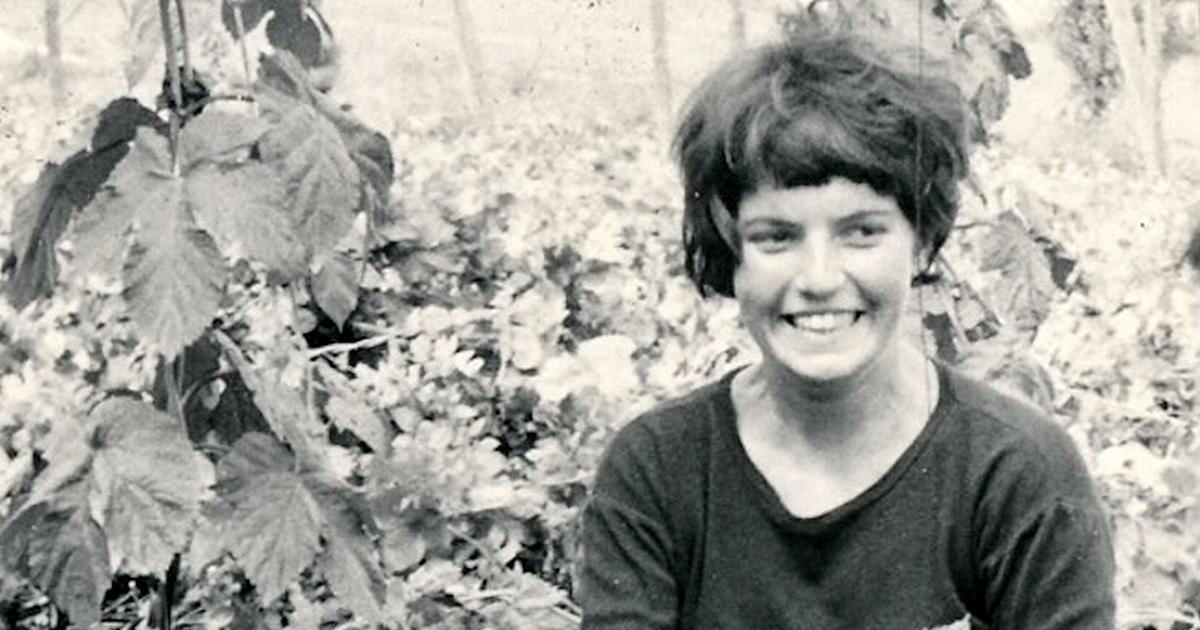
20 AUGUST — PRAGUE 1968: NEVER AGAIN APPEASEMENT On 20 August 1968, Soviet-led Warsaw Pact forces invaded Czechoslovakia and crushed the Prague Spring under tank tracks. This is what Soviet imperialism looked like: occupation, intimidation, censorship and the destruction of https://t.co/0gPJbiKzM9 #Prague1968 #NeverAgain #SovietImperialism #CZ #RU


Baron Prášil (The Fabulous Baron Munchausen) 1962 / Czechoslovakia / Karel Zeman 💨sound on💨 https://t.co/g6Olc3zfP5 #BaronPrasil #KarelZeman #CzechoslovakiaFilm

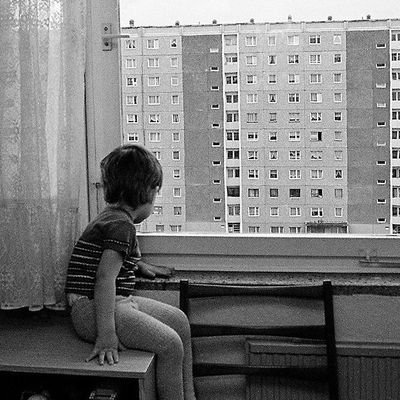
Kids playing at Jižní Město housing development in Prague, Czechoslovakia, 1970s. https://t.co/yoAfjGT9Xo #Prague #70s #Childhood


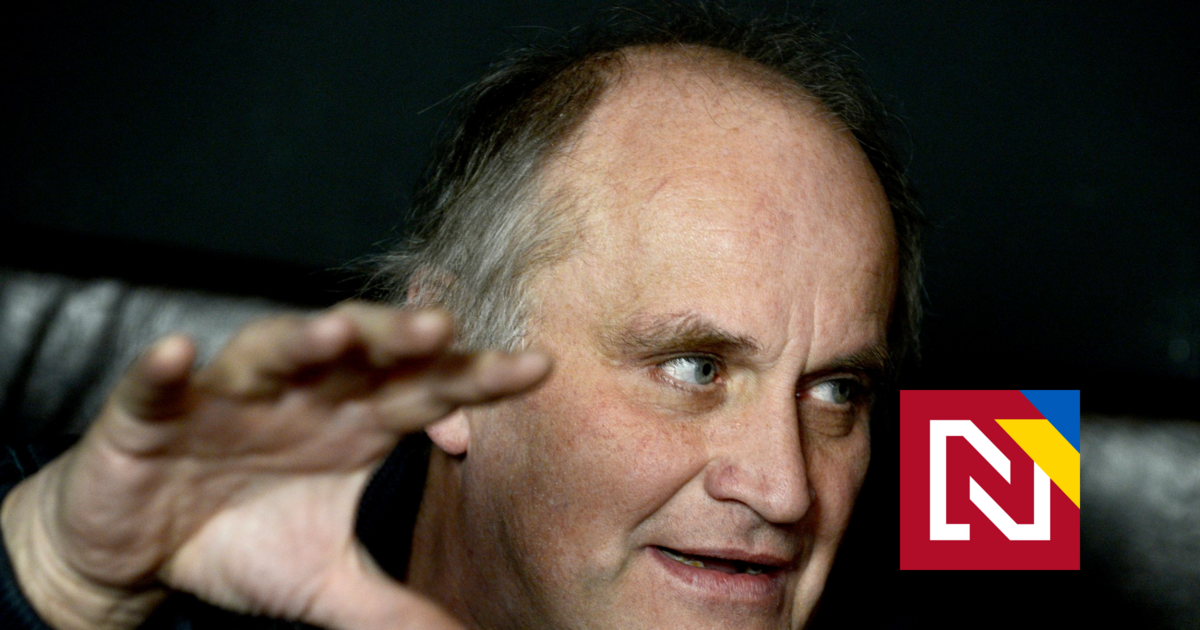
Hudobník a politik Michael Kocáb v rozhovore spomína na výzvy okolo odsunú sovietskych vojsk z Československa a upozorňuje na to, že Alexe Dubček, významná osobnosť, mal obavy postaviť sa za tento proces, čím prepásol príležitosť na životnú satisfakciu. #Dubček #Czechoslovakia #Kocáb

Dnes uplynulo 50 let od legendárního trestného kopu Antonína Panenky, kterým Czechoslovakia vyhrála mistrovství Evropy v roce 1976. Pamětníci si dodnes pamatují jeho originální styl. "Můj kop změnil můj život," vzpomíná Panenka s úsměvem. ⚽️🏆 #očesku

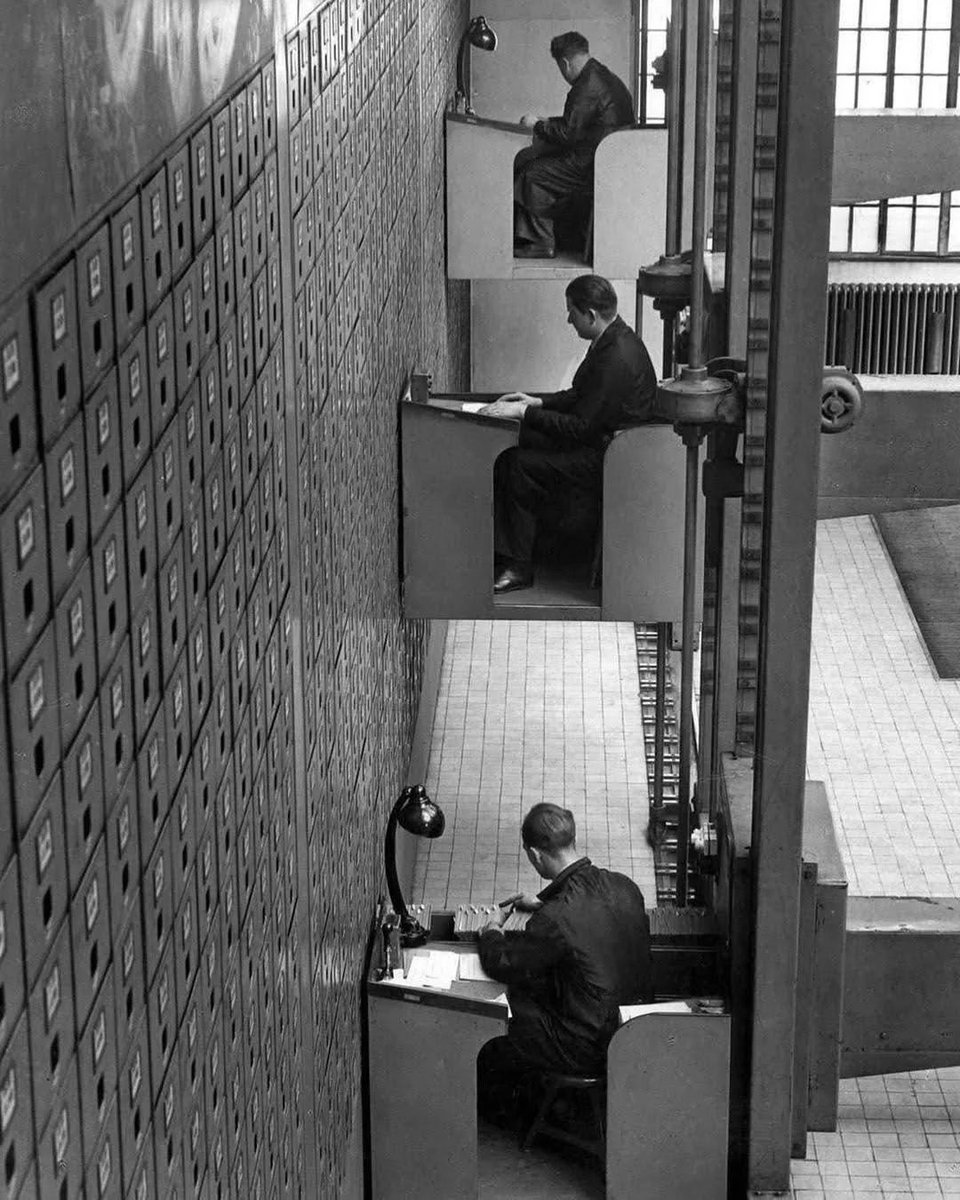
RT @SciFiArchives: File clerks working at their electric elevator desks in Prague, former Czechoslovakia, 1937. https://t.co/06AKibuL5X #History #Czechoslovakia #Architecture
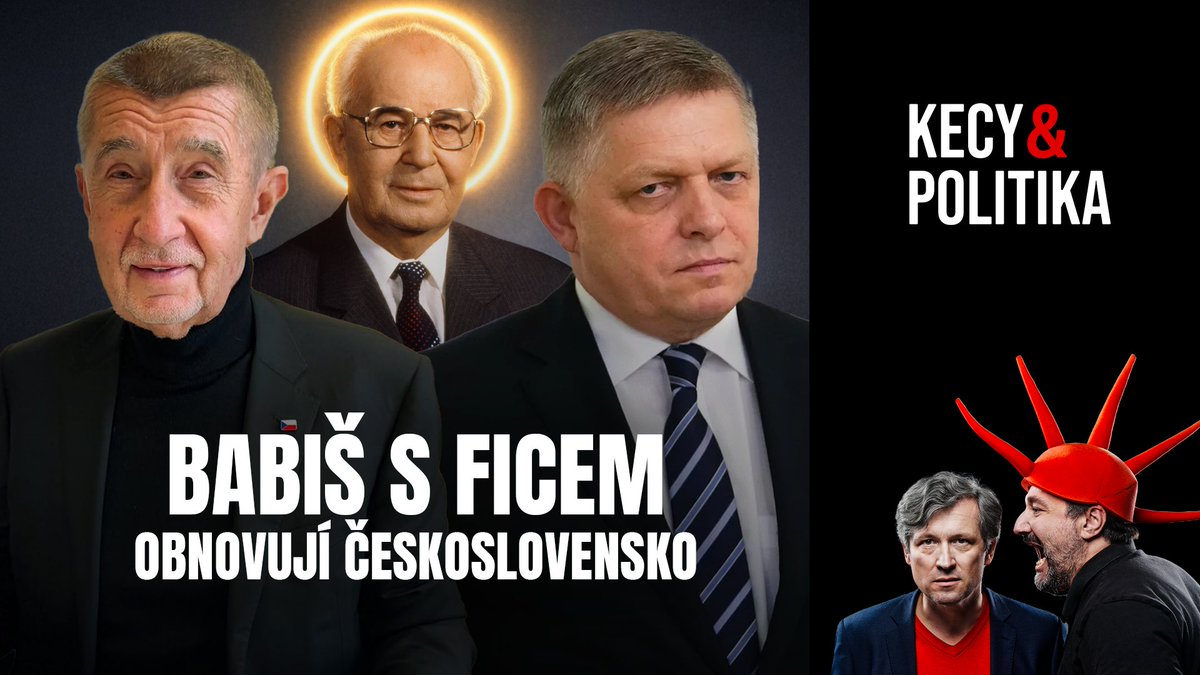
Po půlnoci nová epizoda o tom jak Andrej & Robert obnovují ČSSR a pomalu k nám probublává uherská politická mentalita😉. Vláda připravuje podivné memorandum se Slovenskem u kterého vůbec nevíme k čemu je a probereme varianty co tím Babiš sleduje. Dotkneme se prosakování Slováků do české vlády a propojovaní Česka a Slovenska na mnoha úrovních. Bude řeč taky o vzájemné výměně různých dotací pro své kámoše mezi Babišem a Ficem včetně zbrojních zakázek. A mnoho dalších výmyslů Made in Czechoslovakia. Husák v pekle se určitě výborně baví😉. -

1957 #Netík 600 prototype built in the former #Czechoslovakia by engineer František Netík https://t.co/E8SI0WiGDZ -