The article addresses the devastating impact of noise spikes on our mental health, comparing them to a fragmentation bomb. #Santé #Environnement #Bruit (translated)
The author wrote that reducing fragmentation was vital for the EU, which they said still had 27 markets in energy, connectivity and finance. They questioned how Europe could compete with China and the US without being able to scale, and described One Europe One Market as a crucial step for Europe’s future. The post referenced CSFPrishtina2026, the Delors Institute and IE University. https://t.co/7IQWw2MKwa #OneEurope #EUintegration #MarketUnity #EU #CN #US
WHO BREAKS FIRST — THE EU OR RUSSIA? 🇪🇺🇷🇺 This is the strategic question Europe must confront. Russia faces mounting economic pressure. The European Union faces a different danger: political fragmentation, vetoes, fatigue and disagreement over the long-term course toward Russia https://t.co/koxDPRB7me #EUBreaks #Russia #Politics #EU #RU
AFRICA DAILY REPORT — 23 SEPTEMBER 2026 Major developments reported during the previous 24 hours 1. SOUTH SUDAN — Kiir dissolves transitional government ahead of December election Importance: 10/10 — Critical President Salva Kiir dissolved South Sudan’s transitional government after signing amendments that remove requirements to complete a permanent constitution and census before the long-delayed national election. The opposition has challenged the changes, while the move fundamentally reshapes the political framework ahead of what is intended to be the country’s first national election since independence. Source: Reuters — https://www.reuters.com/world/africa/south-sudans-president-signs-election-law-changes-ahead-december-vote-2026-09-22/ Additional source: Africanews — https://www.africanews.com/2026/09/22/south-sudan-president-dissolves-govt-as-controversy-engulfs-december-poll/ 2. SUDAN — US links Burhan’s UN visa to proposed ceasefire Importance: 9.5/10 — Very High The United States is withholding a visa for Sudanese army chief Abdel Fattah al-Burhan ahead of the UN General Assembly, according to Reuters sources, in connection with a US-backed proposal for a 90-day ceasefire that Khartoum has resisted. Sudan has asked the UN to intervene, and its foreign minister is expected to address the General Assembly instead if the dispute is not resolved. Source: Reuters — https://www.reuters.com/world/africa/us-withholding-sudanese-leaders-visa-over-ceasefire-plan-sources-say-2026-09-22/ 3. SUDAN — Currency collapse deepens civilian economic crisis Importance: 9/10 — Very High Sudan’s pound has lost nearly half its value in army-controlled territory since May, trading at around 7,500 pounds to the dollar on the black market versus about 4,100 in May. Reuters links the collapse to the economic fragmentation created by the war, reduced state revenues and wartime spending. The depreciation is driving up the cost of basic goods and worsening hardship for civilians and returning refugees. Source: Reuters — https://www.reuters.com/world/africa/currency-collapse-heaps-more-pain-civilians-divided-sudan-2026-09-22/ 4. DR CONGO — Government orders investigation into violence at anti-government protest Importance: 8.5/10 — Very High DR Congo’s justice minister ordered a judicial investigation into violence during the September 15 opposition protest in Kinshasa, including reports of injuries, arrests, property destruction and a death. The demonstration opposed a proposed constitutional change that could allow President Félix Tshisekedi to seek another term. Police used tear gas, while clashes were also reported between opposition demonstrators and pro-government groups. Source: Africanews — https://www.africanews.com/2026/09/22/dr-congo-to-probe-violence-death-of-protestor-at-anti-govt-rally/ 5. RWANDA / BELGIUM — Diplomatic relations restored after 18-month rupture Importance: 8/10 — High Belgium and Rwanda have resumed diplomatic relations 18 months after breaking ties amid their dispute over the conflict in eastern DR Congo. The restoration is diplomatically significant because Belgium has been a prominent European actor in the Great Lakes region and relations deteriorated sharply over allegations concerning Rwanda’s role in the Congolese conflict. Source: Reuters — https://www.reuters.com/world/africa/belgium-rwanda-resume-diplomatic-relations-after-drc-conflict-dispute-2026-09-22/ 6. LIBYA — Armed group shuts pipeline valve, reducing Sharara oil production Importance: 8/10 — High An unidentified armed group closed a valve on the pipeline connecting Libya’s major Al-Sharara oil field with Zawiya, reducing production. The National Oil Corporation warned that a prolonged shutdown could force it to declare force majeure and could also affect the Zawiya refinery. The disruption again demonstrates the vulnerability of Libya’s oil-dependent economy to armed-group pressure and political fragmentation. Source: Africanews — https://www.africanews.com/2026/09/22/libya-oil-production-hit-after-armed-group-shuts-pipeline-valve/ 7. MOROCCO — Parliamentary election puts youth participation and social pressures in focus Importance: 7.5/10 — High Nearly 16 million registered voters are eligible to elect Morocco’s 395-member House of Representatives today. Youth disengagement is a major issue: Africanews/AFP reports that only around 4% of registered voters are aged 18–24. Employment, housing, public services and the legacy of the Gen Z-led protests are central themes surrounding the vote. Source: Africanews — https://www.africanews.com/2026/09/23/i-expect-nothing-morocco-elections-test-young-peoples-faith-in-politics/ 8. TUNISIA — 2026 confirmed as hottest summer on record Importance: 7.5/10 — High Tunisia’s National Meteorological Institute says summer 2026 was the country’s hottest since records began in 1950. Average temperatures were about 2.9°C above the previous record, with prolonged heatwaves, exceptionally warm nights, water shortages and electricity cuts. Kairouan reached 49.7°C in July. Source: AFP via FMT — https://www.freemalaysiatoday.com/category/world/2026/09/22/tunisia-says-2026-summer-hottest-on-record 9. GUINEA — Exiled opposition leader says authorities revoked his passport Importance: 7/10 — Significant Guinean opposition figure Cellou Dalein Diallo says his passport was revoked as he prepared to travel from Abidjan to New York for meetings on the sidelines of the UN General Assembly. Diallo has lived in exile since 2022. His UFDG party was dissolved in March along with other opposition parties, adding the passport case to wider concerns about political restrictions under President Mamady Doumbouya. Source: Africanews — https://www.africanews.com/2026/09/22/exiled-guinean-opposition-leader-says-his-passport-has-been-revoked/ 10. KENYA / AFRICA AT UNGA — Ruto presses for reform of global financial architecture Importance: 7/10 — Significant At the Partners for Multilateralism summit during UN General Assembly High-Level Week, Kenyan President William Ruto argued that international financial institutions should act more as catalysts for African capital rather than simply as lenders. The intervention forms part of a broader African push at UNGA for reforms to global financial governance and greater representation in multilateral institutions. Source: Africanews / AP — https://www.africanews.com/2026/09/22/ruto-pushes-for-global-finance-reforms-at-summit-for-multilateralism/ #Africa #AfricaNews #TopNewsOfAfrica #SouthSudan #SalvaKiir #SouthSudanElections #PoliticalTransition #TransitionalGovernment #ElectoralReform #AfricanPolitics #Tunisia #NorthAfrica #ClimateChange #ClimateCrisis #RecordHeat #ExtremeHeat #Heatwave #GlobalWarming #WaterScarcity #ClimateSecurity #Sudan #SudanConflict #AbdelFattahAlBurhan #UnitedStates #Ceasefire #PeaceNegotiations #Diplomacy #UnitedNations #UNGA2026 #AfricanSecurity #RegionalStability #Geopolitics #AfricaToday #wrldorg
« Le débat politique enferme les habitantes et les habitants dans des catégories qui s’ignorent, se méfient ou se craignent. On oppose les villes aux campagnes, les banlieues aux villages, les centres aux périphéries, la métropole aux outre-mer. Cette fragmentation, construite de #DébatPolitique #Fragmentation #CohésionSociale #FR #GP #RE
We are not naive either. We need a multilateral system with less fragmentation, fewer overlaps, and more impact. We need to work together on an effective multilateralism that can respond to today's global challenges. https://t.co/4HYvC2Hgqk #Multilateralism #GlobalChallenges #Collaboration #Thetweetdoesnotmentionanyspecificcountries.
€800 Billion of Central Planning Europe’s defence problem illustrates a lesson politicians repeatedly refuse to learn: You cannot spend your way out of a supply problem. Ursula von der Leyen’s Commission has announced an €800 billion rearmament programme with the confidence of a central planner who has discovered that shortages can be eliminated by increasing the budget. The European Court of Auditors appears considerably less impressed. Its warning is devastating: insufficient coordination, fragmented funding, bottlenecks in materials and critical components, shortages of skilled personnel and serious difficulties in achieving readiness by 2030. Notice what is missing from the solution: more bureaucracy. The fundamental error is confusing financial resources with real resources. Governments can create euros with a stroke of a pen. They cannot create factories, engineers, semiconductors, explosives, machine tools, rare materials or production capacity by decree. Worse, the EU is attempting to coordinate what politicians cannot possibly know well enough to coordinate from Brussels: which technologies should be developed, which weapons should be produced, where capacity should be expanded, and how scarce resources should be allocated. That is precisely the information problem identified by Friedrich Hayek. Knowledge is dispersed throughout millions of individual decisions. Prices communicate that knowledge. Central planners replace those signals with political priorities, committees and funding programmes. The result is predictable: fragmentation, duplication, lobbying, distorted incentives and expensive procurement. Europe does need to rearm. But that does not prove that Europe needs an €800 billion bureaucratic spending programme. In fact, the opposite may be true. If defence is genuinely urgent, Europe should remove the obstacles preventing private capital, competition and production from responding to demand. Let companies compete. Let governments buy what actually works. Let prices reveal scarcity. Let inefficient producers fail. The question is not whether Europe can spend €800 billion. Of course it can. The question is whether Brussels can transform €800 billion of political spending into €800 billion of actual military capability. The Court of Auditors has just reminded us that money is not knowledge, bureaucracy is not coordination, and spending is not production. And history has never been kind to economies that confuse the three.
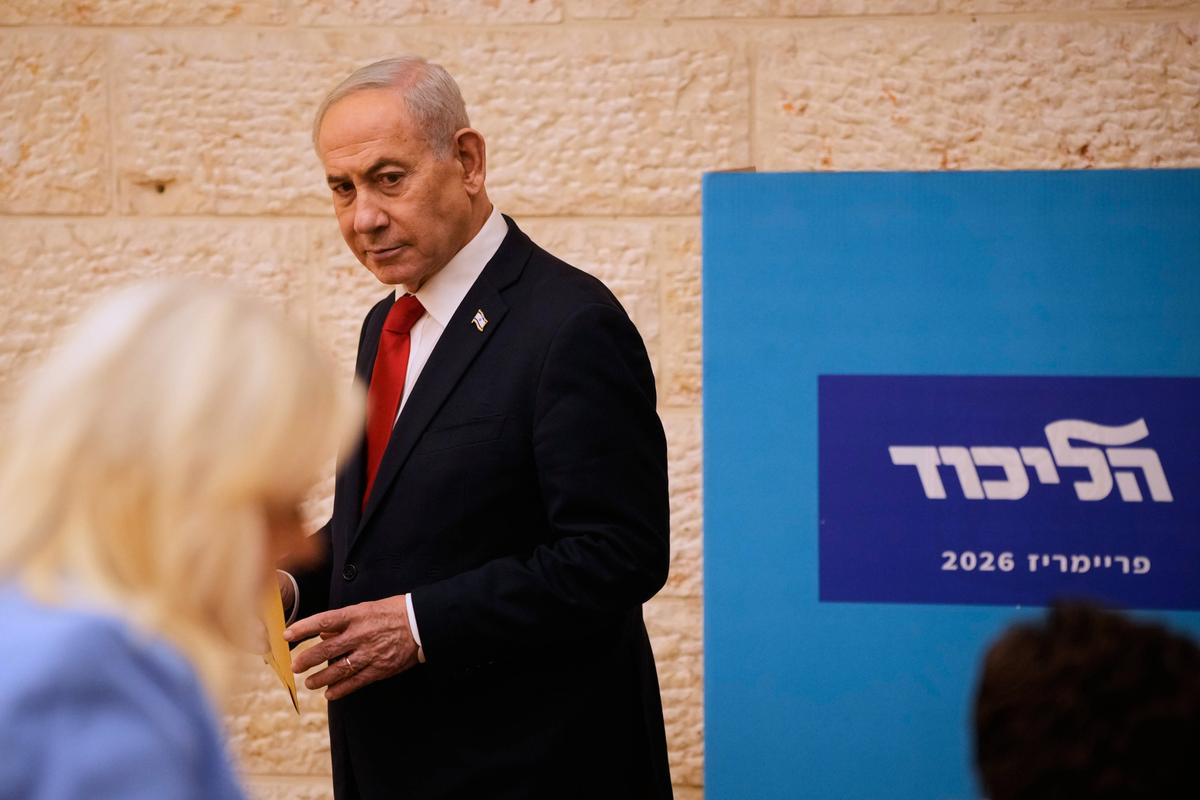
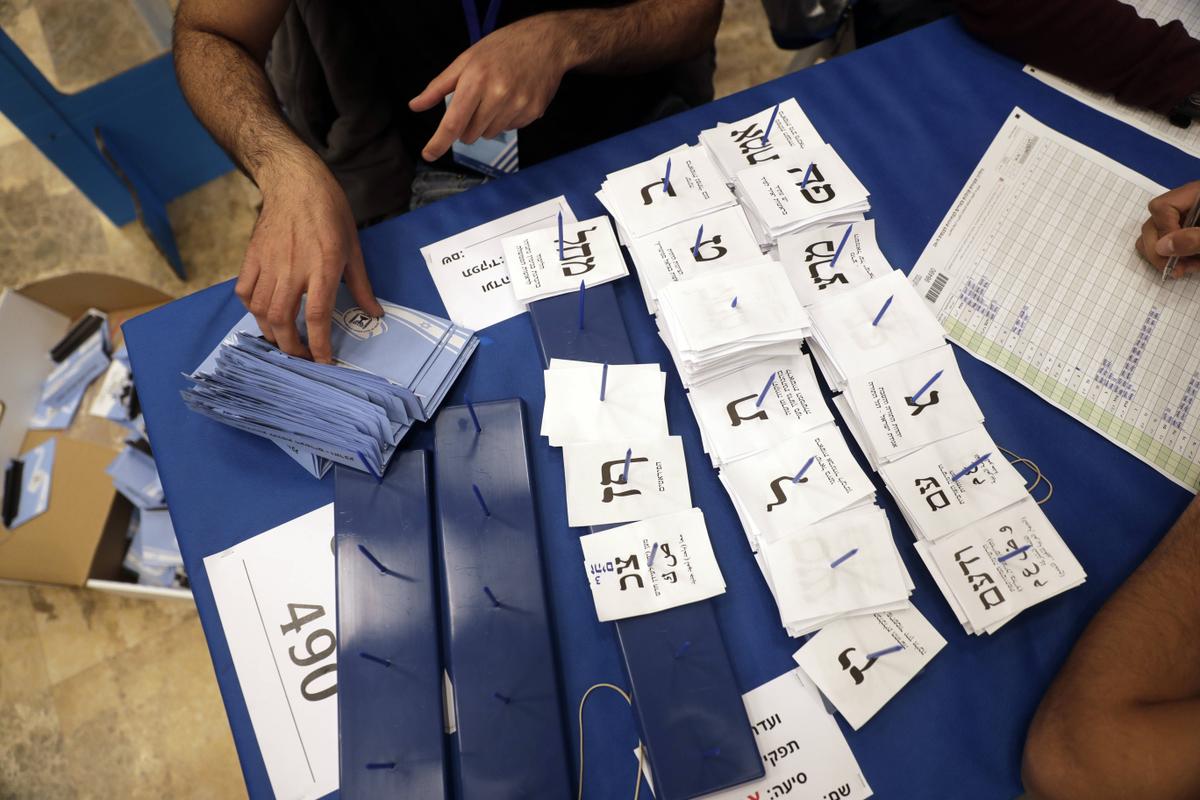
À deux mois des élections législatives en Israël, Benyamin Netanyahou fait face à une fragmentation de la droite et de l'extrême droite, où les partis cherchent à durcir leurs discours pour attirer les électeurs, mais risquent de disperser leur soutien. #Israël #élections2026 #Netanyahou

Euh… non. C’est exactement le contraire. Je vais, si vous le permettez, l’expliquer ici en termes non polémiques. Si j’étais en face de vous, en tant que journaliste, je vous l’opposerais d’ailleurs calmement, à la différence des faire-valoir qui boivent vos paroles. Allons-y. Affirmer que Vladimir Poutine est faible parce que la Russie paie le prix d’une guerre d’usure relève d’une confusion fondamentale entre le coût d’un affrontement et la nature du pouvoir : la faiblesse n’est pas de supporter des pertes et des contraintes, elle est de ne plus pouvoir imposer sa volonté ni de tenir dans la durée, or c’est précisément l’inverse qui se dessine depuis 2022. Loin de s’effondrer sous le poids des sanctions les plus massives jamais infligées à une économie de cette taille, Moscou a réorienté son appareil productif, contourné les interdits par le Sud global, maintenu des flux énergétiques et surtout accéléré une production d’obus, de drones et de missiles que l’Europe entière est incapable d’égaler -elle en est même très loin. Un État qui consacre près de 8 % de sa richesse à l’effort militaire, qui conserve l’arsenal nucléaire le plus important de la planète, qui dispose d’un territoire immense, de matières premières stratégiques et d’une capacité de mobilisation que les démocraties occidentales n’osent plus même envisager, n’est pas un État faible : c’est un État qui a choisi de payer cher pour ne pas céder. Pendant ce temps, l’Europe et la France exhibent les symptômes inverses : dette publique française au-delà de 117 % du PIB, déficit chronique, désindustrialisation, croissance en berne, retour de l’inflation et du chômage, record de faillites, stocks de munitions insuffisants, fragmentation politique et dépendance énergétique qui n’a jamais disparu. Quatre ans et demi après le début du conflit, le front n’a pas livré la victoire éclair promise par Kiev ni l’effondrement russe annoncé à Bruxelles. Il a livré une guerre d’attrition que la Russie a su industrialiser, tandis que l’Occident oscillait entre déclarations bellicistes surréalistes et production insuffisante. La véritable faiblesse n’est pas celle d’un dirigeant qui, après un quart de siècle au pouvoir, continue de dicter le tempo diplomatique et militaire d’un conflit majeur, elle est celle d’une Europe qui, faute d’unité stratégique et de puissance effective, transforme chaque difficulté passagère russe en preuve de victoire écrasante et imminente, tout en s’épuisant elle-même. Confondre l’usure d’une nation en guerre avec la débâcle d’un régime, c’est prendre son désir pour la réalité et offrir à l’adversaire désigné le plus précieux des cadeaux : la conviction que le temps joue encore contre lui alors qu’il a déjà démontré qu’il savait le faire jouer pour lui. Honnêtement, pour tous ceux qui connaissent la véritable situation, votre sortie est surréaliste. En même temps, avec madame Saint-Cricq et autres communicants de cet acabit, vous ne risquez certes pas d’être contredit. Surréaliste. #Géopolitique #VladimirPoutine #Ukraine
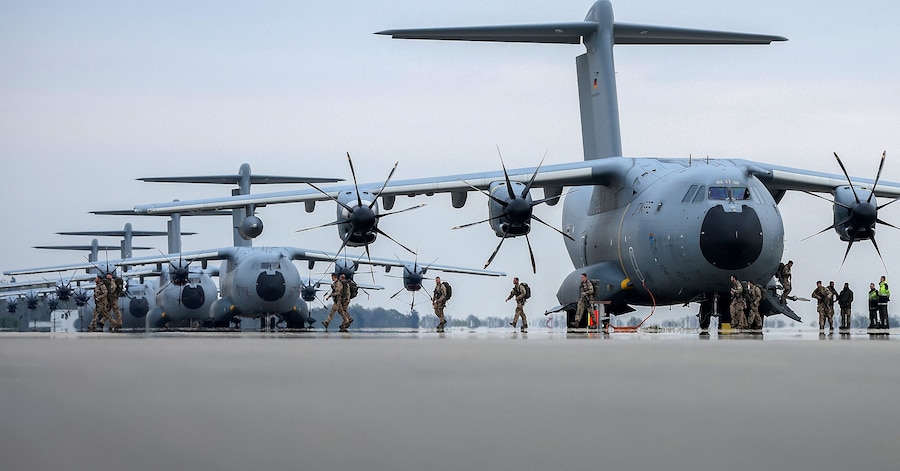
La Cour des comptes européenne prévoit que la défense européenne ne sera pas pleinement efficace d'ici 2030 en raison de lacunes dans la politique de défense de l'UE, aggravées par la fragmentation financière, industrielle et politique, et révèle une forte dépendance vis-à-vis des approvisionnements extérieurs, notamment des États-Unis. #DéfenseEuropéenne #GuerreEnUkraine #StratégieMilitaire

"une multiplication des niveaux hiérarchiques, une coordination accrue et une fragmentation des responsabilités"
The Politics of Pity For a decade, the West has argued whether empathy should be its highest value. Some praise it as a superpower; others call it harmful. Gad Saad’s “Suicidal Empathy” topped the New York Times list. Elon Musk called empathy a weakness; John C. Reilly called it a superpower. Ideas should be judged by consequences. Compassion-justified policies have coincided with worse addiction and homelessness, rising crime, mass migration, social fragmentation, higher living costs, and controversial medical interventions for gender-dysphoric minors. When these fail, advocates often claim it was not implemented “strongly enough.” ## An Inversion of Truth A quote often attributed to Hannah Arendt claims “the death of human empathy” precedes barbarism, but no source supports it, and her writings argued almost the opposite. Arendt contrasted the American Revolution’s institutions and law with the French revolutionaries’ “politics of pity.” Pity is not compassion: it ranks “fortunate” and “unfortunate,” grants the pitier moral authority, and overrides rights. Arendt argued this enabled Robespierre’s Terror. ## The Trojan Horse Empathy can become projection—imposing your values as if they were others’ needs. Adam Smith warned about the “man of system.” Nietzsche described societies so “soft and tender” they side with those who harm them. Orwell noted equality preaching alongside elite privilege. Rob Henderson calls these “luxury beliefs.” I call it suicidal narcissism: acquiring moral status by appearing compassionate while policies erode the foundations others rely on. The reward is immediate; the damage comes later.
The Fracture That Kills the Family The West’s deepest divide may not be left versus right, but whether young men and women still share a vision of the good life. The nuclear family is society’s foundation, yet households struggle to form when the sexes view each other as opponents. Many women see marriage as patriarchal; many men see women as manipulative or exploitative. Relationships shift from mutual union to zero-sum power struggles. Christianity framed marriage as union—two people becoming one. Nietzsche warned the death of God would remove a shared moral foundation, leaving society vulnerable to nihilism and fragmentation. We are living that fragmentation. Young men often retreat into pornography, gaming, and prolonged adolescence. Young women increasingly frame sexual liberation as empowerment. Both chase proximate pleasures while losing ultimate purposes: family, responsibility, continuity, and creating life. Dating data reflects the fracture: among unmarried Americans aged 22–35, only 26% of women and 36% of men are actively dating. Ideology filters matches too—Gen Z and young millennials cite political compatibility far more than Boomers. Research also finds a mismatch: only 0.6 single liberal men per single liberal woman, and only 0.5 single conservative women per conservative man. Cross-ideological pairing has risen from 6% in the 1970s to 22% today. The consequences extend beyond dating: fertility has fallen below replacement across much of the West, and 42% of American adults were unpartnered in 2023. Policy responses—tax incentives, parental leave, baby bonuses—miss the deeper cultural and spiritual problem: you can debate taxes, but it’s hard to build a family when you disagree on masculinity, whether marriage is oppressive, or whether family is worth sacrificing for. The values gap is the disease. The political divide is the symptom. The household is the casualty—and when it cracks, everything built above it loses stability. The question is whether a civilization can survive when the two people it most needs to unite can no longer agree why they should.
Christine Lagarde, présidente de la Banque centrale européenne, a appelé l'Europe à ne pas rater la révolution de l'intelligence artificielle, soulignant les défis de la fragmentation des marchés tout en reconnaissant le potentiel du continent, dont 15% des chercheurs mondiaux contribuent à l'innovation. #IntelligenceArtificielle #Europe #RévolutionNumérique
Christine Lagarde, présidente de la Banque centrale européenne, a averti que l'Europe ne peut pas se permettre de rater la deuxième révolution numérique autour de l'intelligence artificielle, soulignant que malgré ses atouts en recherche, elle doit surmonter des difficultés liées à la transformation des connaissances en succès commercial et la fragmentation de ses marchés pour mieux rivaliser avec les géants américains et chinois. #IntelligenceArtificielle #UnionEuropéenne #ChristineLagarde

The Pentagon 🇺🇸 has sent NATO allies a questionnaire that puts the entire Alliance through one of its toughest internal stress tests. Every unnecessary internal shock that pushes NATO towards fragmentation or division is a gift to China and Russia, both of which seek to reshape #NATO #Pentagon #Security #US #CN #RU
Les élections israéliennes du 27 octobre s'annoncent particulièrement imprévisibles en raison du système électoral proportionnel et de la fragmentation politique, laissant planer un grand doute sur les résultats jusqu'à la fin de la campagne. #Israël #élections #politique

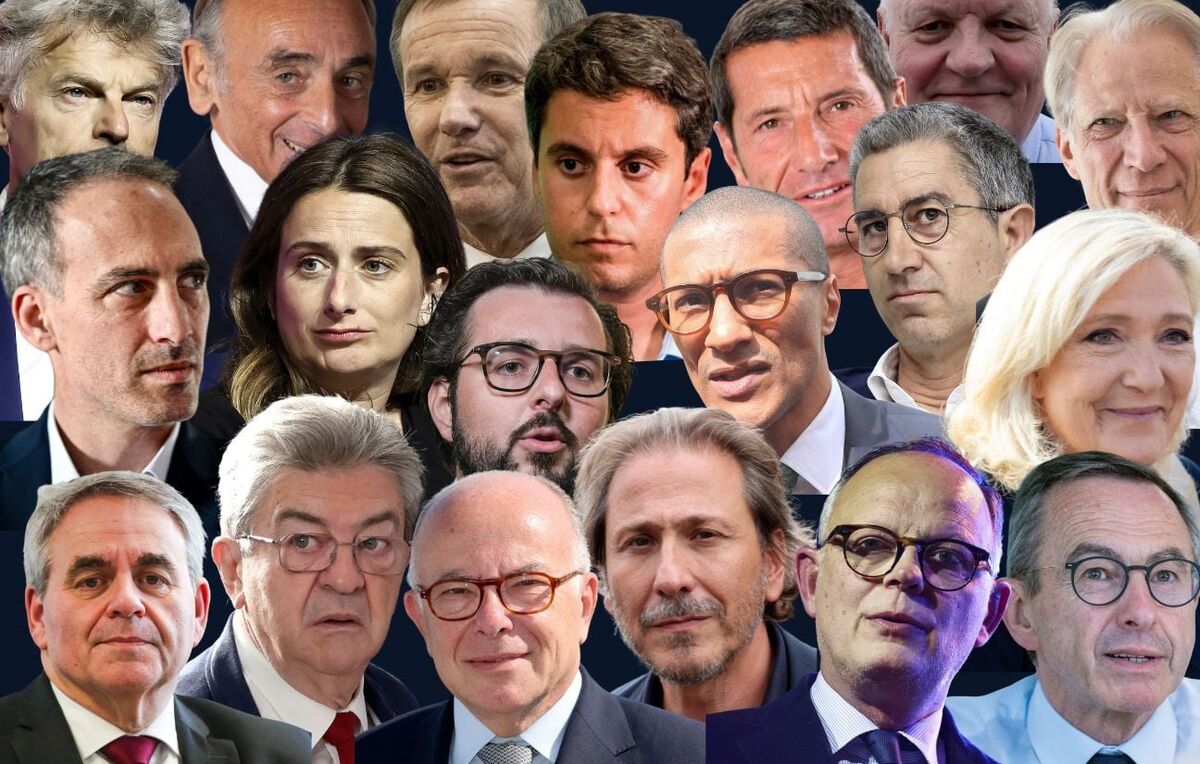
L'article de Thibaut Le Gal analyse la multiplication des candidatures à la présidentielle française de 2027, révélant qu'une trentaine de politiciens cherchent à succéder à Emmanuel Macron, principalement en raison de l'affaiblissement des partis politiques traditionnels et de la fragmentation de la classe politique. #Présidentielle2027 #Candidats #PolitiqueFrançaise

Dans une chronique, Frédéric Oudéa souligne que malgré l'existence de capitaux suffisants en Europe, la fragmentation du système bancaire, accentuée par un protectionnisme national post-2008, entrave la mobilisation de ces ressources nécessaires pour financer les transitions numérique et écologique, et appelle à la création de champions financiers européens pour surmonter ces défis. #BanqueEuropéenne #Financement #SouverainetéÉconomique

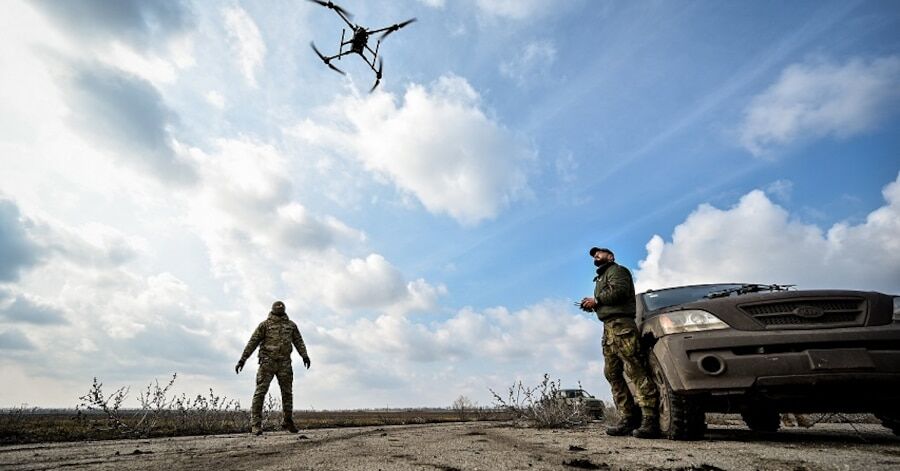
Le recours croissant aux drones par la Russie pour espionner et tester les défenses aériennes européennes, comme l'indique une étude de l'IISS, révèle non seulement des failles dans la sécurité de l'UE, mais également une stratégie hybride efficace qui exploite la fragmentation politique entre les gouvernements européens. #Drones #GuerreHybride #SécuritéAérienne