
I can't imagine anyone better suited to lead our media through the next technological shift, says Siv Juvik Tveitnes. #Schibsted #GardSteiro #Nyhetsmedia (translated)
The Baron of Øresund wrote that the left-wing should stop telling foreigners that they had the right to Danish citizenship. He also believed that state-funded media like DR should not involve foreigners in the debate about citizenship, which he described as a matter solely for the Danish people. https://t.co/Xrnyuuj6WI #Danmark #Statsborgerskab #Udlændinge (translated)

Lars Boje Mathiesen wrote that the Citizens' Party had proposed to revoke the citizenship of a person of African descent, whom he described as a serial criminal. He believed the proposal was relevant because Mette Frederiksen was soon to speak with the person's father. Mathiesen asked whether the media had covered the proposal or asked the other parties whether they would support it, and what the Prime Minister thought. He also wrote that a proposal from another party, in his estimation, would have received more media coverage, and questioned whether the media were neutral. #dkpol #dkmedier #dkpol #dækning #statsborgerskab (translated)

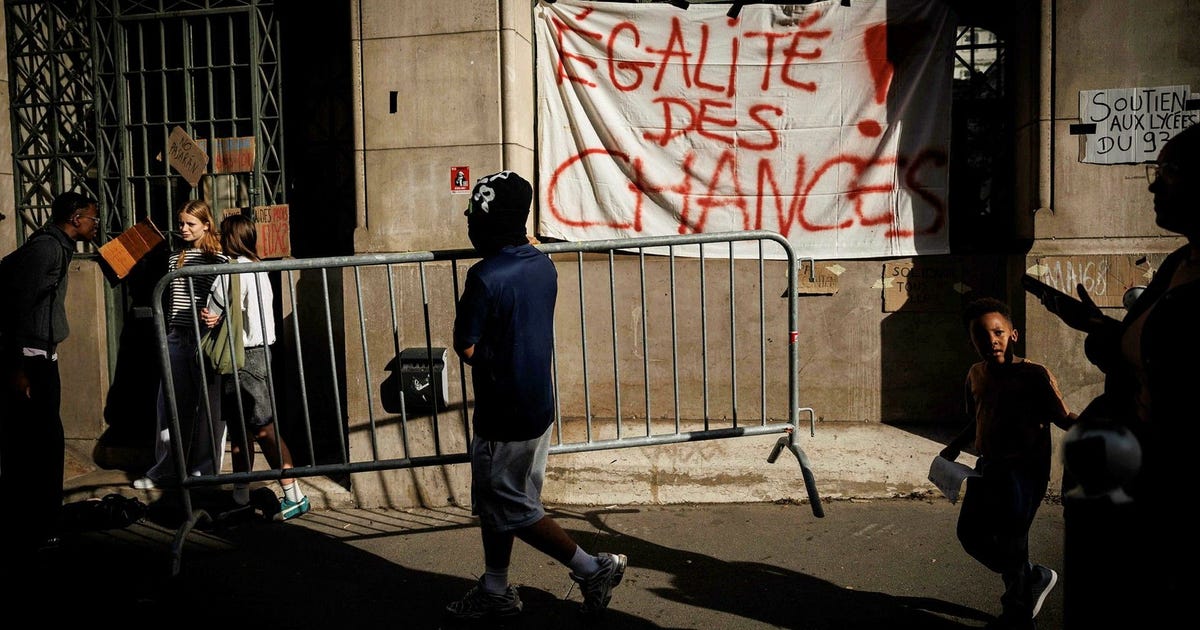
The sender claimed that the media portrayed the violence in France as legitimate demands for better schools. They simultaneously referred to French authorities' report that at least 24 schools had been vandalized and argued that this stripped the riots of all legitimacy. https://t.co/2pMzblDPLj https://t.co/kpXr6gjtAH #Frankrike #skolor #våld #FR (translated)

The U.S. Department of Justice is investigating several television companies for suspected violations of federal antitrust laws after they paused their joint coverage of President Trump, who has banned certain media from the White House due to fake news. #USA #DonaldTrump #Media (translated)
The review echoed a testimony from a woman who, according to her account, had been raped while another attacker cut off her breasts with a knife. The assaults continued before she was killed, the review stated. The author described the massacre on October 7 as a deep trauma for Israeli society and wrote that this year's memorial ceremony was particularly significant because all surviving hostages had returned from Gaza and the remains of the murdered had been brought home. The review believed the day should have focused on the victims, the survivors, and the relatives. The review criticized Sveriges Radio for instead directing attention towards employee Sami Abu Salem in Gaza. The author also questioned why SVT Rapport, after a segment from the memorial ceremony in Tel Aviv, had presented Gilda Hamidi-Nia's documentary "The World's Most Hated?", which according to the review had been published three days before the anniversary and dealt with how Israeli soldiers were mapped on social media and accused of suspected war crimes in Gaza. The review stated that SVT's live broadcast from the ceremony repeatedly shifted the focus from the victims and their relatives to Israel's warfare, genocide allegations against Israel and the IDF, as well as the war in Gaza. The author argued that the coverage showed a lack of judgment, proportion, and respect, and asked why the victims were not allowed to be at the center of the memorial day. https://t.co/unFDFBluFH #Hamas #Israel #minnesdag (translated)

The Baron of Øresund questioned whether there had been Russian drones over Denmark or if the country had been attacked by a "capable actor," as the government had claimed according to him. He also wrote that politicians and the media had suggested or speculated that Russia was behind the explosion of Nord Stream. He further wrote that there had not been a provocation or a test of NATO when Russia fired a flare at a Danish helicopter, which according to him was flying too close to a Russian warship. He asked when what he described as lies, deception, and misinformation would be regarded as war propaganda. #Misinformation #Krigspropaganda #Rusland (translated)
The Baron of Øresund wrote that a new video, in his opinion, showed a Danish helicopter flying close to a Russian warship, and that the helicopter may have itself been the provocateur in the episode. He referred to Defense Minister Jeppe Bruus calling the video a Russian misinformation campaign and saying that some of the material did not originate from the day in question. The Baron of Øresund asked which parts did, and whether it included the footage of the helicopter near the ship. If it did, he believed that the Russians were justified in reacting as they did, under international law. He wrote that the Folketing and the media should demand answers, but that he did not have high hopes that they would do so. #forsvarspolitik #russiskkrig #modinformation (translated)
Lars Boje Mathiesen asked whether the media had asked Mette Frederiksen if she felt a personal responsibility for the death of a Swedish man because she had granted citizenship to a man of African descent. He wrote that if TV 2 and DR were deliberately silent about the matter, it showed, in his opinion, that the press was in the pocket of the political power holders. #dkpol #dkmedier #dkpol #dkmedier #politik (translated)
In a letter to the editor, Staffan Eriksson criticizes Swedish media for romanticizing the protests of French students, instead of examining the responsibilities of adults and the consequences for the children who want a safe school experience. #skolprotester #frankrike #mediekritik (translated)
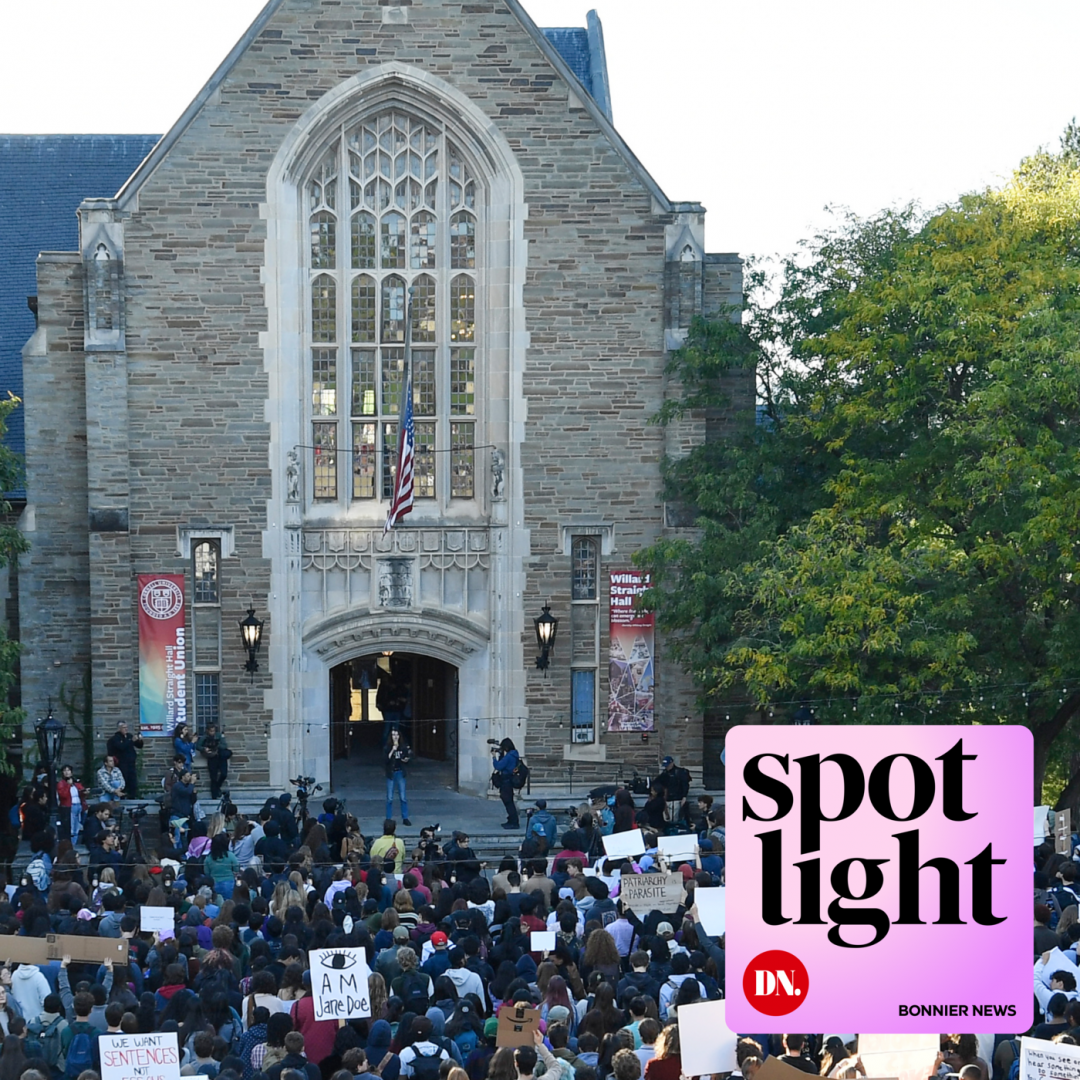
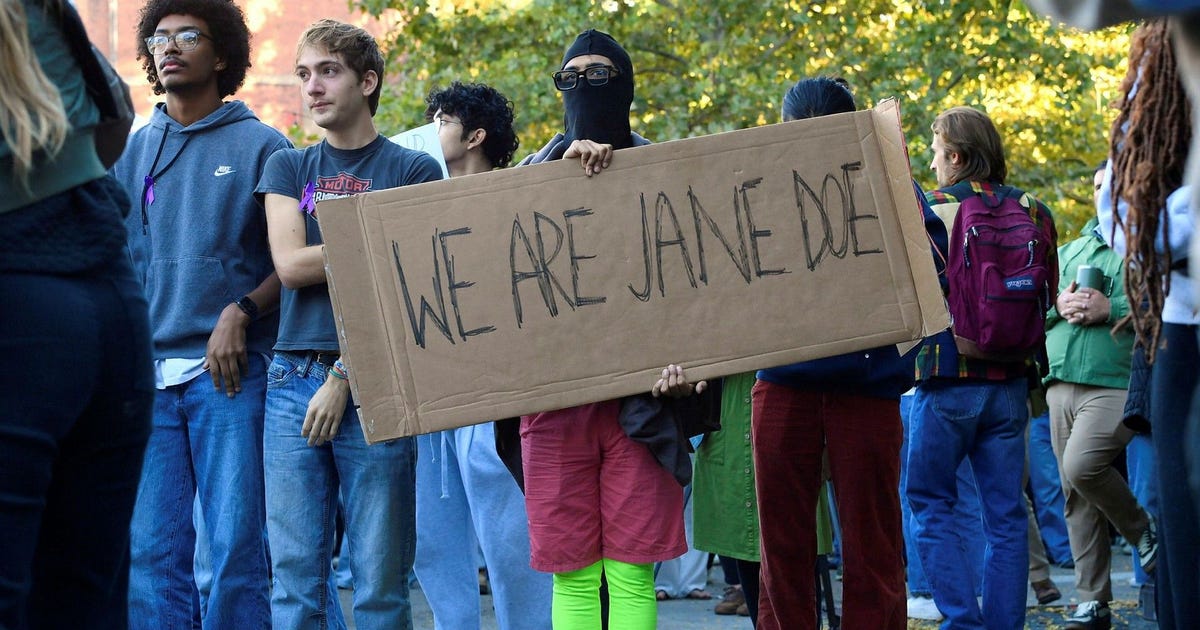
The article concerns a suspected gang rape at the elite university Cornell, where seven men are accused of assaulting a student during a drug-fueled night, leading to criticism of the police's and prosecutor's handling of the case as well as a new wave of attention on social media with the call I am the anonymous woman once again. #JagÄrJaneDoe #Metoo #Uppmärksamhet (translated)
Eva Selsing wrote that she did not see it as a problem that the left was critical of B.T.'s conservative profile. On the contrary, she believed that praise from left-leaning politicians and commentators would be a cause for concern, as it could indicate that the media had deviated from its conservative line. She argued that B.T.'s direct conservatism scared a left that had had a significant influence on media debate for decades. According to Selsing, the left only supported conservative viewpoints it could control, and the more subdued conservatism had followed the left's norms of shaming, censorship, and cancellation. She wrote that this type of conservatism had dominated the Danish media landscape until a few years ago, and that the situation still prevailed outside of B.T. Selsing believed that B.T.'s success was partly due to the media offering conservative perspectives and analyses that the readers and viewers, according to her, could not find elsewhere. She criticized other media for presenting uniform headlines and analyses and for expressing outrage over differing opinions. She wrote that actors with interests in conformity and censorship therefore reacted strongly to B.T., and that she would be more concerned if they did not. #Borgerlighed #MedieDebat #Ytringsfrihed (translated)
Emilie Jäger wrote that she was proud to work at B.T., which she described as a free and independent media outlet with a civic foundation. According to her, this was reflected both in the newspaper's debate section and in the choice of topics. She believed that Denmark needed different media and mentioned Information, Politiken, DR, and B.T. as examples. Jäger wrote that she often received calls from dissatisfied politicians and their advisers, and occasionally even ministers. However, she had not experienced internal pressure from bosses regarding her political beliefs or about covering anyone in a certain way. She believed that B.T. also adhered to fundamental journalistic principles of hearing all parties, faithfully representing their viewpoints, and describing facts. According to Jäger, sources she interviewed both within and outside Christiansborg were sometimes dissatisfied, but her impression was that sources on both the right and left generally felt professionally treated. She also wrote that her management and colleagues, along with her, had turned a large deficit into a million-dollar surplus, while the newspaper played an important role in Danish democracy. #journalistik #demokrati #BorgerligtMedie (translated)

Jotam Confino wrote that several B.T. employees had publicly criticized the development of the media. According to him, they believed that B.T. had been used for an ideological project, that journalistic independence had been compromised, and that employees had allegedly been called in for discussions about their opinions. Confino wrote that he was not aware of any of the critics resigning, and that he personally believed it was free for both employees and others to criticize the media. As one of B.T.'s public profiles, Confino described his own experiences. He wrote that he had never received instructions about journalistic angles or been pressured to follow an ideological line. He also had not been in a conversation about his opinions or been told to be more critical of the left than the right, he wrote. Confino described his bosses as skilled and professional and said that he felt he had full journalistic freedom. Confino highlighted B.T.'s bourgeois profile and wrote that an editorial line did not in itself mean that the media was politically controlled. He asked why there was no corresponding criticism of Information, Politiken, or TV 2. He also criticized colleagues from other media, ministers, and party leaders for, in his opinion, contributing to doubts about B.T.'s independence. He pointed to B.T.'s coverage of the mink scandal, Enhedslisten's support for a terrorist organization, which according to his post was involved in the murder of a 21-year-old student from Tanzania, and anti-Semitism, among other things, in Mellemfolkeligt Samvirke. Confino wrote that B.T. had made significant progress both in readership and economy, and that he was proud to be part of the media and supported the management. #BT #journalistik #medier (translated)

Filippa Kindblom writes about how a young female student at Cornell University, anonymously called Jane Doe, has accused several male students of gang rape, which has triggered a widespread movement at the university and on social media where many identify as Jane Doe in solidarity and criticism of how the schools handle sexual assault. #JaneDoe #metoo #CornellUniversity (translated)
Simone Svensson shared a post from Patric Källman on Facebook and described it as thought-provoking. Källman wrote that the picture of trust in the party leaders clearly showed that voters, according to him, discovered Magdalena Andersson's shortcomings as a leader only after the election. He criticized the media for not having scrutinized her sufficiently and claimed that for four years she had not prepared a government alternative. Källman wrote that the red-green coalition gathered to create a common situational picture, not for government negotiations. Despite four Almedalen events during the term, the Center Party, according to him, needed to arrange another Mini-Almedalen in Lidingö. He also argued that Andersson had not been held accountable for how she would form a government and that the blue-yellow team would have won the election if that question had been addressed. He assessed that the red-greens would likely still manage to form a government, but claimed that the cooperation thereafter would be dysfunctional. #politiksverige #Almedalen #MagdalenaAndersson (translated)

The article discusses the importance of media criticism for democracy, emphasizing that media should withstand scrutiny and that silencing criticism can harm democracy rather than protect it. #Mediekritik #Demokrati #Journalistik (translated)
Joachim B. Olsen asked why Pelle Dragsted had given incorrect information from the podium of the Folketing, in his opinion. Olsen wrote that Dragsted had said that journalists could gain access to the Danish People's Party annual meeting if they came from B.T. and wanted to give a speech. Olsen stated that he spoke at the part of the annual meeting that all journalists had access to, and that he did not participate in the other parts. He also wrote that he did not cover the annual meeting journalisticly, but was present as an editorial writer for B.T. #journalistik #politikk #medier (translated)
Joachim B. Olsen wrote to Magnus Barsøe that he could call BT whatever he wanted. Olsen said that the media had gained many more readers and listeners in recent years and that the line and style of Borgerlig Tabloid would remain unchanged. #BT #journalistik #medier (translated)





