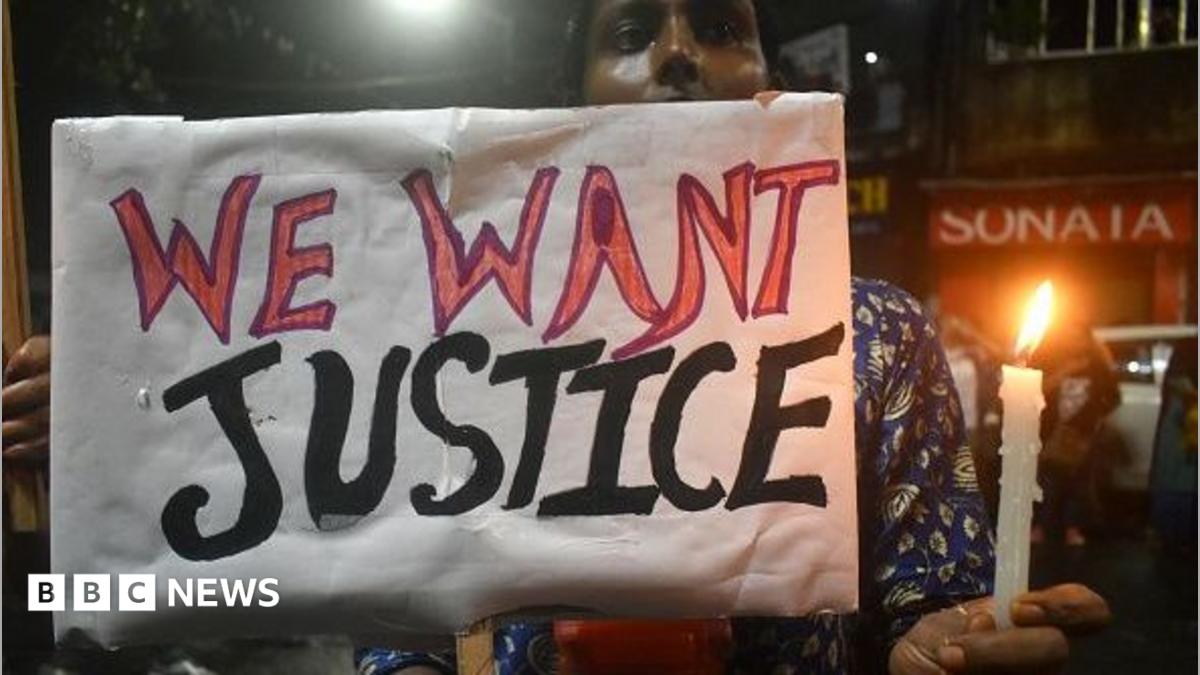
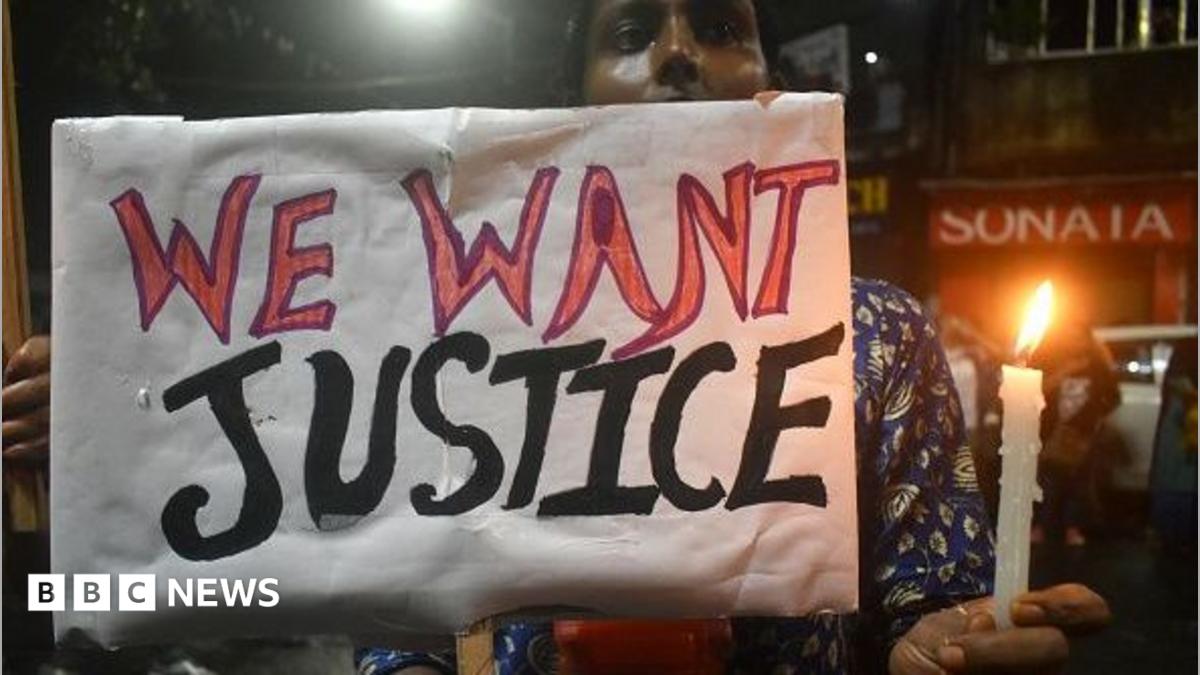
Nigeria – how pro-Russian influence networks sell military rule as the answer When Nigerians took to the streets in August 2024 to protest soaring living costs and frustration with government, some demonstrations acquired an unexpected symbol: the Russian flag. In Kano, Kaduna and other northern cities, protesters were filmed carrying Russian colours and calling for Moscow’s intervention. Some demanded a military takeover. What initially looked like an unusual expression of anger has since become part of a much larger picture. A September 2026 assessment by the Africa Center for Strategic Studies describes Nigeria as a major target of overlapping foreign information operations, with Russia the most active external actor in its information space. The report does not identify a single centrally controlled campaign. Instead, it maps an ecosystem in which genuine dissatisfaction over insecurity, corruption and living standards is repeatedly redirected towards a broader proposition: democratic government has failed, while the military-led regimes of the Sahel offer a more effective alternative. Turning a real protest into a pro-Russian message The clearest example emerged during the 2024 #EndBadGovernance protests. Nigerian investigative reporting found that a Kano-based TikTok influencer with more than 100,000 followers had been paid through a Telegram channel associated with African Initiative, a Moscow-based media operation linked by researchers to Russian influence activity in Africa. The influencer said the channel supplied photographs, videos and talking points for redistribution on TikTok and Instagram. Among the messages provided were phrases such as “Putin please come and save Nigeria” and “The army is the answer for Nigeria”. Influencers were encouraged to use Hausa-language hashtags including #Zangazanga – “protest” – alongside references to Putin and Russia. Investigators identified 38 accounts circulating similar pro-Russian and pro-military narratives during the demonstrations. Russian flags subsequently appeared among protesters in several northern cities. This does not mean the protests themselves were created by Russia. They were driven by genuine economic and political grievances, and Nigerian protesters gave different reasons for carrying Russian flags. The important feature of the influence activity was precisely that it did not need to manufacture the original anger. It could attach a geopolitical message to an existing domestic crisis. From frustration to the idea of military government The narrative fits a wider pattern seen across West Africa. Russia has developed close relations with the military governments of Mali, Burkina Faso and Niger, while pro-Russian media ecosystems routinely portray those states as examples of sovereignty, stability and resistance to Western influence. Nigeria, by contrast, has remained under constitutional civilian government since 1999. Africa Center researchers say information networks targeting Nigerians increasingly contrast these two models. Recurring messages depict elections as wasteful or predetermined, civilian institutions as incapable of protecting citizens and military governments as more decisive on security and development. Some content portrays the Sahelian juntas as delivering better roads, lower prices and stronger security even where available evidence points to continuing or worsening instability. Language is central to the strategy. Hausa is spoken across northern Nigeria and neighbouring Niger, allowing political narratives to travel across borders that are far less important online than they are on maps. HumAngle documented efforts involving Nigerien state-linked actors to cultivate Hausa-speaking journalists and distribute material favourable to Niger’s junta and hostile to France and Western influence. The Russian and Sahelian-junta information ecosystems are not identical, but their narratives frequently reinforce one another. Fake journalists inside real Nigerian media The campaign environment extends beyond social media. A 2026 investigation by Graphika and Code for Africa identified 44 ghost reporters and fake experts whose identities were used to place Russia-aligned narratives in African media. Thirty-eight were assessed with high confidence to be fabricated. Their articles or quotations appeared across 138 websites and were amplified by at least 113 Facebook accounts and Pages. Nigeria was one of the most heavily targeted countries. According to the Africa Center’s analysis of the research, Daily Post Nigeria carried 39 articles involving 14 identified ghost authors. Once published by a genuine Nigerian outlet, such material could then be cited by other websites, social-media accounts or even Russian official channels as though it had originated independently in Africa. This is information laundering rather than simple propaganda: the most valuable asset being borrowed is the credibility of the local newsroom. Generative AI added another layer. OpenAI and Meta separately disrupted a Russia-origin network that produced Africa-focused political content and operated Facebook Pages posing as local media organisations. One fabricated commentator, “Dr Manuel Godsin”, was presented as a European-trained geopolitical expert although investigators found no evidence supporting his academic biography. ChatGPT had been used to generate articles under the persona’s name, while Meta removed 37 Facebook accounts and 29 Pages connected to the broader network. Different networks, similar strategic direction It would be misleading to merge all these activities into a single Russian command structure. The African Initiative-linked influencer campaign, the ghost-reporter network and the AI-enabled operation disrupted by OpenAI and Meta were uncovered separately and used different infrastructure. Public evidence does not demonstrate that every actor reported to the same organisation. What connects them is a recurring set of themes and methods: portraying Western partnerships as exploitative, presenting Russia as an alternative security partner, amplifying failures of civilian government, and giving military-led rule greater legitimacy. Investigative reporting on leaked Russian documents has meanwhile described a much wider influence apparatus operating across Africa, involving political consultants, paid journalists, influencers and locally tailored campaigns intended to reduce Western influence and expand Moscow’s position. The underlying technique is less about inventing dissatisfaction than redirecting it. Nigeria faces real security threats, economic pressure and public frustration. Influence operators do not need to persuade Nigerians that those problems exist. They need only influence the explanation for why they exist – and which political model appears to offer the answer. That is what makes the Nigerian case significant. The most effective propaganda does not necessarily introduce a completely false reality. It takes a real crisis and changes where the audience is encouraged to look for the solution. Sources Africa Center for Strategic Studies — The Raging Information Battle in Nigeria https://africacenter.org/spotlight/the-raging-information-battle-in-nigeria/ Graphika — Umbrae Ex Machina https://www.graphika.com/reports/umbrae-ex-machina OpenAI — Operation “No Bell” https://openai.com/index/disrupting-malicious-uses-of-ai-no-bell/ TheCable — Ghost reporters in African media https://www.thecable.ng/ghost-reporters-how-fabricated-african-voices-carried-pro-russia-narratives/ HumAngle — Nigeria Is Facing an Information War in Its Own Language https://www.humanglemedia.com/nigeria-is-facing-an-information-war-in-its-own-language DAIDAC / CJID — Russian influence during #EndBadGovernance https://daidac.thecjid.org/how-telegram-tiktok-aided-russian-disinformation-that-led-to-incarceration-of-nigerian-minors/ FactCheckHub — How Nigeria’s hunger protest took a radical turn https://factcheckhub.com/from-economic-protests-to-coup-agitation-how-nigerias-hunger-march-took-a-radical-turn/ News24 — Fake Kremlin-linked analyst planted stories in African media https://www.news24.com/southafrica/news/ai-expert-exposed-fake-kremlin-linked-analyst-planted-stories-in-african-media-20260318-0560 Vanguard — AI ‘expert’ exposed https://www.vanguardngr.com/2026/03/ai-expert-exposed-fake-kremlin-linked-analyst-planted-stories-in-african-media/ Africa Confidential — How Moscow wages social media war https://www.africa-confidential.com/article/id/15961/how-moscow-wages-social-media-war Keywords #DISINFORMED #Episode15 #Nigeria #Russia #RussianInfluence #RussianDisinformation #Africa #WestAfrica #Disinformation #InformationWarfare #InfluenceOperations #ForeignInterference #FIMI #Propaganda #MilitaryRule #MilitaryGovernment #Democracy #PoliticalManipulation #NarrativeManipulation #AfricanInitiative #EndBadGovernance #Hausa #LocalInfluencers #GhostReporters #FakeExperts #ArtificialIntelligence #AI #AIPersonas #SyntheticMedia #AIPropaganda #Astroturfing #SocialMediaManipulation #Telegram #TikTok #DigitalInfluence #SourceLaundering #NarrativeLaundering #MediaManipulation #Sahel #Geopolitics #OSINT #WRLD