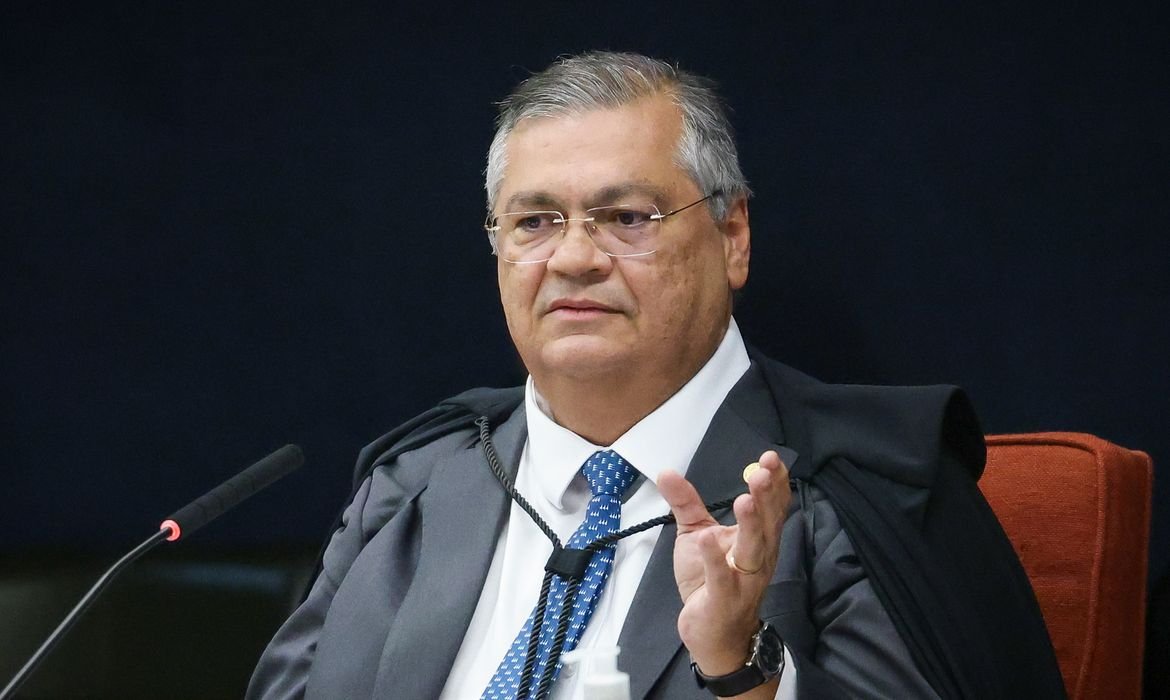
Kriska Carvalho praised Flávio Dino and stated that bringing Justice into play to resolve controversies was part of the separation of powers. As examples, she cited the 2000 presidential election in the United States: according to her, legal disputes lasted a month and ended with a 5-4 decision from the Supreme Court in the Bush vs. Gore case. Carvalho said that Al Gore won the popular vote but lost in the Electoral College after a difference of 0.009% of the votes in Florida and the judicial interruption of the recount. She added that the episode did not cause an institutional crisis, the end of the Supreme Court, or the impeachment of its judges. Carvalho also mentioned the 1989 Brazilian presidential election, whose outcome, according to her, was heavily influenced by a judicial decision regarding Silvio Santos's candidacy, made less than a week before the voting. She defended the legitimacy of the decisions made by Ministers Kassio and Gilmar and Minister Estela regarding debate rules, although she acknowledged that there was room to disagree with their content. She stated that Kassio determined Zema's participation on Globo, that Gilmar guaranteed Renan Santos's presence, and that Estela decided on the existence of an empty chair on the stage. She said that the country should not return to the period before 1930, when, in her description, there was no Electoral Justice and the law of the strongest prevailed. Finally, she questioned why, according to her, Estela's decision was more attacked than those of the two ministers. #Justiça #Eleições #Democracia (translated)