Wicknell Chivayo divided opinion in life and continues to do so in death. #Zimbabwe #WealthInequality #Philanthropy

www.bbc.co.uk
Why Zimbabwe tycoon 'Sir Wicknell' was loved and hated in Africa
Wicknell Chivayo divided opinion in life and continues to do so in death. #Zimbabwe #WealthInequality #Philanthropy

Mitico Magazine - The Teatro Edicola of San Severo: A Model of Cultural Revolution for Stanford University as Well Source: https://www.miticomagazine.com/territorio-e-sociale/teatro-edicola-di-san-severo-un-modello-di-rivoluzione-culturale-anche-per-la-stanford-university/ The Teatro Edicola in Via Tondi In San Severo, a singular metamorphosis has taken place: a newsstand abandoned for at least six years has found a new function and a new identity, transforming into one of the smallest and most unusual theatre stages in the world. An experiment born in the heart of the town which, in just a few months, has moved beyond local boundaries, attracting attention even overseas. It is called Teatro Edicola and it is a project conceived by the company Foyer '97, artistically directed by Francesco Gravino, which has brought the old newsstand in Via Tondi back to life through a formula that is both essential and surprising. Foyer '97 Foyer '97 APS was established as a formally constituted association active in the cultural sector in San Severo in 1997, born from the vocation of a group of actors, directors and theatre enthusiasts, with the aim of building a "living" and accessible theatre in the town. Over the years the company has developed a repertoire that includes texts from the classical tradition, contemporary dramaturgy, comedy and experimental projects, not limiting itself to the mere production of theatre shows, but also organising theatre courses and workshops and educational and cultural projects characterised by a strong inclusive ethos, particularly in schools. Foyer '97 does not always have a fixed artistic ensemble, but works with different performers and collaborators depending on the project; the only indispensable presence is that of Francesco Guido Gravino himself, actor, director and artistic director of the theatre company. The distinctive feature of Foyer '97 is certainly the value of social and cultural promotion attributed to theatre, the extremely close relationship with the audience and the search for a type of theatre outside conventional spaces, with cemeteries, trains, bell towers, and now a newsstand, as its backdrop. Six spectators, a few minutes and a minimal distance between stage and audience The project was launched on 27 March 2026, on the occasion of World Theatre Day, offering a theatrical experience built around a radical reduction of the conventional spaces and times of performance. The idea was born not only from the search for unconventional spaces, but also from "Edicola Fiore", the morning press review with a strongly ironic tone presented by Rosario Fiorello and Stefano Meloccaro, which was broadcast first only on Fiorello's social channels between 2011 and 2014, and then also on radio and television between 2016 and 2018. The review took its name from the diminutive of its founder, Fiore, and from the newsstand of a friend of Fiorello's in Via Flaminia Nuova in Rome, where the showman would meet early in the morning with a group of friends to read the newspapers. The San Severo newsstand was granted free of charge by its owner Pino Frau to the theatre group which, after obtaining temporary authorisation and institutional support from the Municipality of San Severo, refurbished it within two weeks at a cost of less than €3,000. Just six seats, a total surface area of 4 sq m, of which only 2 are for the stage area, less than a metre between actors and audience, a curtain, a lectern, two lights, performances lasting between 5 and 15 minutes, audience rotation every quarter of an hour: apparently minimal elements that end up subverting the usual relationship between stage and auditorium. Spectators, in fact, find themselves immersed in the stage action, in such proximity to the actors that every gesture, expression and word becomes immediately perceptible. In this way, theatre abandons its traditional spaces and insinuates itself into the everyday life of the street, becoming an intimate, concentrated and almost participatory experience. During the inaugural period admission was free with a subsequent voluntary donation from spectators; in the event of a more stable and longer-term concession, which could lead to seasonal theatre performances, the proposed ticket price would be €5. Audiences reward the experiment Foyer '97's gamble met with public interest right from the start: over 60 people attended the shows in a single afternoon, while the three days that inaugurated the season sold out. From a singular local experiment, the Teatro Edicola thus began to arouse curiosity even outside the province of Foggia, gradually transforming into a case of cultural and social interest, until it reached the American continent. From the province of Foggia to the "Stanford Social Innovation Review" The San Severo experience has now come under the international spotlight: in September 2026, the Stanford Social Innovation Review, an international journal and platform dedicated to social innovation published by the Stanford Center on Philanthropy and Civil Society at Stanford University in California, published on its website and in the Fall 2026 print edition the reportage "The Six-Seat Revolution", written by Dr Luciano Magaldi Sardella, independent journalist and researcher affiliated with the European Open University, and editorially supervised by deputy editor David V. Johnson. In the article, it is argued that the Teatro Edicola attracted attention overseas because the project concentrates cultural innovation, urban regeneration and proximity theatre into just a few square metres: starting from a real urban problem, it recovers an abandoned place with a modest investment, brings performance directly into public space and experiments with a much closer relationship between actors and spectators. From the point of view of theatrical representation, it also highlights how the format, based on micro-stories of five to twelve minutes, taken from great classics such as Goldoni, Chekhov, Ibsen, Euripides and Benni, and on audience rotation every fifteen minutes, transforms the physical limitations of the space into a precise dramaturgical choice, proving to be extremely innovative. All of this makes it possible to address some of the main critical issues in the sector: falling audience numbers, an exclusively elderly audience, reduced resources and distance from traditional cultural venues. The journal also highlights, however, the potential problems: economic sustainability, the need for stable institutional support and the difficulty of replicating the model, which is closely linked to the community and territory of San Severo. A model looking beyond San Severo Despite the difficulties, initial requests for information have already arrived from Lucca and Rome, where there is curiosity about the possibility of getting to know the model more closely and the steps needed to replicate it. The replicability formula, in fact, does not seem to require particularly costly infrastructure: an unused space, a targeted intervention, a cultural idea, in-depth knowledge of the surrounding area and a willingness to return that place to the community can be enough to trigger a new urban function. It is precisely in the disproportion between the modesty of the resources employed and the resonance generated by the initiative that perhaps the most original feature of the Teatro Edicola lies, certainly unique of its kind; there are, however, other examples in Italy of newsstands reused for other purposes: "Edicola 518", a twentieth-century kiosk abandoned in the centre of Perugia, now dedicated to independent publishing, art and cultural production; and in Rome itself, the abandoned newsstand in Piazza Testaccio used temporarily as a stage for a show by Fabio Morgan and the Erno newsstand in the Prati district, which almost every month offers a calendar of events, exhibitions, pop-ups and collaborations with artists and creative enterprises. Small revolutions, therefore, that tell stories of the reappropriation of urban spaces, of creativity and social innovation. And which, it is hoped, will take root in order to look ever further afield.


Mitico Magazine - The Teatro Edicola of San Severo: A Model of Cultural Revolution for Stanford University as Well Source: https://www.miticomagazine.com/territorio-e-sociale/teatro-edicola-di-san-severo-un-modello-di-rivoluzione-culturale-anche-per-la-stanford-university/ The Teatro Edicola in Via Tondi In San Severo, a singular metamorphosis has taken place: a newsstand abandoned for at least six years has found a new function and a new identity, transforming into one of the smallest and most unusual theatre stages in the world. An experiment born in the heart of the town which, in just a few months, has moved beyond local boundaries, attracting attention even overseas. It is called Teatro Edicola and it is a project conceived by the company Foyer '97, artistically directed by Francesco Gravino, which has brought the old newsstand in Via Tondi back to life through a formula that is both essential and surprising. Foyer '97 Foyer '97 APS was established as a formally constituted association active in the cultural sector in San Severo in 1997, born from the vocation of a group of actors, directors and theatre enthusiasts, with the aim of building a "living" and accessible theatre in the town. Over the years the company has developed a repertoire that includes texts from the classical tradition, contemporary dramaturgy, comedy and experimental projects, not limiting itself to the mere production of theatre shows, but also organising theatre courses and workshops and educational and cultural projects characterised by a strong inclusive ethos, particularly in schools. Foyer '97 does not always have a fixed artistic ensemble, but works with different performers and collaborators depending on the project; the only indispensable presence is that of Francesco Guido Gravino himself, actor, director and artistic director of the theatre company. The distinctive feature of Foyer '97 is certainly the value of social and cultural promotion attributed to theatre, the extremely close relationship with the audience and the search for a type of theatre outside conventional spaces, with cemeteries, trains, bell towers, and now a newsstand, as its backdrop. Six spectators, a few minutes and a minimal distance between stage and audience The project was launched on 27 March 2026, on the occasion of World Theatre Day, offering a theatrical experience built around a radical reduction of the conventional spaces and times of performance. The idea was born not only from the search for unconventional spaces, but also from "Edicola Fiore", the morning press review with a strongly ironic tone presented by Rosario Fiorello and Stefano Meloccaro, which was broadcast first only on Fiorello's social channels between 2011 and 2014, and then also on radio and television between 2016 and 2018. The review took its name from the diminutive of its founder, Fiore, and from the newsstand of a friend of Fiorello's in Via Flaminia Nuova in Rome, where the showman would meet early in the morning with a group of friends to read the newspapers. The San Severo newsstand was granted free of charge by its owner Pino Frau to the theatre group which, after obtaining temporary authorisation and institutional support from the Municipality of San Severo, refurbished it within two weeks at a cost of less than €3,000. Just six seats, a total surface area of 4 sq m, of which only 2 are for the stage area, less than a metre between actors and audience, a curtain, a lectern, two lights, performances lasting between 5 and 15 minutes, audience rotation every quarter of an hour: apparently minimal elements that end up subverting the usual relationship between stage and auditorium. Spectators, in fact, find themselves immersed in the stage action, in such proximity to the actors that every gesture, expression and word becomes immediately perceptible. In this way, theatre abandons its traditional spaces and insinuates itself into the everyday life of the street, becoming an intimate, concentrated and almost participatory experience. During the inaugural period admission was free with a subsequent voluntary donation from spectators; in the event of a more stable and longer-term concession, which could lead to seasonal theatre performances, the proposed ticket price would be €5. Audiences reward the experiment Foyer '97's gamble met with public interest right from the start: over 60 people attended the shows in a single afternoon, while the three days that inaugurated the season sold out. From a singular local experiment, the Teatro Edicola thus began to arouse curiosity even outside the province of Foggia, gradually transforming into a case of cultural and social interest, until it reached the American continent. From the province of Foggia to the "Stanford Social Innovation Review" The San Severo experience has now come under the international spotlight: in September 2026, the Stanford Social Innovation Review, an international journal and platform dedicated to social innovation published by the Stanford Center on Philanthropy and Civil Society at Stanford University in California, published on its website and in the Fall 2026 print edition the reportage "The Six-Seat Revolution", written by Dr Luciano Magaldi Sardella, independent journalist and researcher affiliated with the European Open University, and editorially supervised by deputy editor David V. Johnson. In the article, it is argued that the Teatro Edicola attracted attention overseas because the project concentrates cultural innovation, urban regeneration and proximity theatre into just a few square metres: starting from a real urban problem, it recovers an abandoned place with a modest investment, brings performance directly into public space and experiments with a much closer relationship between actors and spectators. From the point of view of theatrical representation, it also highlights how the format, based on micro-stories of five to twelve minutes, taken from great classics such as Goldoni, Chekhov, Ibsen, Euripides and Benni, and on audience rotation every fifteen minutes, transforms the physical limitations of the space into a precise dramaturgical choice, proving to be extremely innovative. All of this makes it possible to address some of the main critical issues in the sector: falling audience numbers, an exclusively elderly audience, reduced resources and distance from traditional cultural venues. The journal also highlights, however, the potential problems: economic sustainability, the need for stable institutional support and the difficulty of replicating the model, which is closely linked to the community and territory of San Severo. A model looking beyond San Severo Despite the difficulties, initial requests for information have already arrived from Lucca and Rome, where there is curiosity about the possibility of getting to know the model more closely and the steps needed to replicate it. The replicability formula, in fact, does not seem to require particularly costly infrastructure: an unused space, a targeted intervention, a cultural idea, in-depth knowledge of the surrounding area and a willingness to return that place to the community can be enough to trigger a new urban function. It is precisely in the disproportion between the modesty of the resources employed and the resonance generated by the initiative that perhaps the most original feature of the Teatro Edicola lies, certainly unique of its kind; there are, however, other examples in Italy of newsstands reused for other purposes: "Edicola 518", a twentieth-century kiosk abandoned in the centre of Perugia, now dedicated to independent publishing, art and cultural production; and in Rome itself, the abandoned newsstand in Piazza Testaccio used temporarily as a stage for a show by Fabio Morgan and the Erno newsstand in the Prati district, which almost every month offers a calendar of events, exhibitions, pop-ups and collaborations with artists and creative enterprises. Small revolutions, therefore, that tell stories of the reappropriation of urban spaces, of creativity and social innovation. And which, it is hoped, will take root in order to look ever further afield.
Mitico Magazine - Teatro Edicola di San Severo: un Modello di Rivoluzione Culturale anche per la Stanford University Source: https://www.miticomagazine.com/territorio-e-sociale/teatro-edicola-di-san-severo-un-modello-di-rivoluzione-culturale-anche-per-la-stanford-university/ Il Teatro Edicola di via Tondi A San Severo è avvenuta una singolare metamorfosi: un'edicola abbandonata da almeno sei anni ha ritrovato una funzione e una nuova identità, trasformandosi in uno dei palcoscenici teatrali più piccoli ed insoliti al mondo. Un esperimento nato nel cuore della città che, in pochi mesi, ha oltrepassato i confini locali, attirando l'attenzione anche oltreoceano. Si chiama Teatro Edicola ed è il progetto ideato dalla compagnia Foyer '97, diretta artisticamente da Francesco Gravino, che ha restituito vita alla vecchia edicola di via Tondi attraverso una formula essenziale e al tempo stesso sorprendente. Foyer '97 La Foyer '97 APS nasce come realtà associativa formalmente costituita e attiva nel settore culturale a San Severo nel 1997, dalla vocazione di un gruppo di attori, registi ed appassionati di teatro, con l'obiettivo di costruirne uno "vivo" e accessibile in città. Nel corso degli anni la compagnia ha sviluppato un repertorio che comprende testi della tradizione classica, drammaturgia contemporanea, commedia e progetti sperimentali, non limitandosi però alla semplice produzione di spettacoli teatrali, bensì anche all'organizzazione di corsi e laboratori teatrali e di progetti educativi e culturali caratterizzati da una forte impronta inclusiva, anche e soprattutto nelle scuole. La Foyer '97 non presenta sempre un organico artistico fisso, ma lavora con interpreti e collaboratori diversi a seconda dei progetti; unica presenza imprescindibile è quella, appunto, di Francesco Guido Gravino, attore, regista e direttore artistico della compagnia teatrale. La cifra distintiva di Foyer '97 è data sicuramente dalla valenza di promozione sociale e culturale attribuita al teatro, dal rapporto estremamente ravvicinato con il pubblico e dalla ricerca di un tipo di teatro fuori dagli spazi convenzionali, con cimiteri, treni, campanili, ed ora un'edicola, a fargli da sfondo. Sei spettatori, pochi minuti e una distanza minima tra palco e pubblico Il progetto ha preso il via il 27 marzo 2026, in occasione della Giornata Mondiale del Teatro, proponendo un'esperienza teatrale costruita attorno a una radicale riduzione degli spazi e dei tempi convenzionali dello spettacolo. L'idea nasce non soltanto dalla ricerca di spazi anticonvenzionali, bensì anche da "Edicola Fiore", la rassegna stampa mattutina dal taglio fortemente ironico condotta da Rosario Fiorello e Stefano Meloccaro, andata in onda prima solo sui canali social di Fiorello, tra il 2011 ed il 2014, e poi anche via radio e televisione tra il 2016 ed il 2018. Tale rassegna prendeva il nome dal diminutivo del suo fondatore, appunto Fiore, e dall'edicola di un amico di Fiorello in via Flaminia Nuova a Roma, dove lo showman si ritrovava la mattina presto con un gruppo di amici per leggere i giornali. L'edicola sanseverese è stata concessa gratuitamente dal proprietario Pino Frau al gruppo teatrale che, dopo aver ottenuto l'autorizzazione temporanea ed il supporto istituzionale da parte del Comune di San Severo, ha provveduto a ristrutturarla nell'arco di due settimane ad un costo inferiore ai 3000 euro. Soltanto sei posti a sedere, una superficie totale di 4 m2, di cui solo 2 destinati allo spazio scenico, meno di un metro di distanza tra attori e pubblico, un sipario, un leggio, due luci, rappresentazioni della durata compresa tra i 5 ed i 15 minuti, rotazione del pubblico ogni quarto d'ora: elementi apparentemente minimali che finiscono, però, per sovvertire il consueto rapporto fra palcoscenico e platea. Gli spettatori, infatti, si trovano immersi nell'azione scenica, in una prossimità con gli attori che rende ogni gesto, espressione e parola immediatamente percepibile. Il teatro, in questo modo, abbandona i suoi spazi tradizionali e si insinua nella quotidianità della strada, diventando un'esperienza intima, raccolta e quasi partecipativa. Durante il periodo inaugurale l'ingresso è stato gratuito con successiva offerta libera da parte degli spettatori; in caso di una concessione più stabile e lunga, che possa portare proprio a rappresentazioni teatrali stagionali, il costo del biglietto proposto sarebbe di 5 €. Il pubblico premia l'esperimento La scommessa di Foyer '97 ha incontrato sin dalle prime battute l'interesse del pubblico: oltre 60 persone hanno assistito agli spettacoli in un solo pomeriggio, mentre le tre giornate che hanno inaugurato la stagione hanno fatto registrare il tutto esaurito. Da singolare sperimentazione territoriale, il Teatro Edicola ha così cominciato a suscitare curiosità anche al di fuori della provincia di Foggia, trasformandosi progressivamente in un caso di interesse culturale e sociale, fino a raggiungere il continente americano. Dalla provincia di Foggia alla "Stanford Social Innovation Review" L'esperienza sanseverese, difatti, è arrivata ora sotto i riflettori internazionali: a settembre 2026, la Stanford Social Innovation Review, rivista e piattaforma internazionale dedicata all'innovazione sociale e pubblicata dallo Stanford Center on Philanthropy and Civil Society, all'interno della californiana Stanford University, ha pubblicato sul proprio sito e nell'edizione cartacea Fall 2026 il reportage "The Six-Seat Revolution", firmato dal dr. Luciano Magaldi Sardella, giornalista indipendente e ricercatore affiliato alla European Open University, e seguito editorialmente dal deputy editor David V. Johnson. Nell'articolo, si sostiene che il Teatro Edicola ha attirato l'attenzione oltreoceano perché il progetto concentra in pochi metri quadrati innovazione culturale, rigenerazione urbana e teatro di prossimità: partendo da un problema urbano reale, recupera un luogo abbandonato con un investimento contenuto, porta lo spettacolo direttamente nello spazio pubblico e sperimenta un rapporto molto più ravvicinato tra attori e spettatori. Dal punto di vista della rappresentazione teatrale, inoltre, si evidenzia come il format, fondato su microstorie di cinque-dodici minuti, estrapolate da grandi classici come Goldoni, Čechov, Ibsen, Euripide e Benni, e sulla rotazione degli spettatori ogni quarto d'ora, trasformi i limiti fisici dello spazio in una precisa scelta drammaturgica, rivelandosi estremamente innovativo. Tutto questo permette di far fronte ad alcune delle principali criticità del settore: calo degli spettatori, fasce di pubblico esclusivamente senili, riduzione delle risorse e distanza dai luoghi culturali tradizionali. La rivista ne evidenzia però anche le eventuali problematiche: la sostenibilità economica, la necessità di un sostegno istituzionale stabile e la difficoltà nel replicare il modello, strettamente legato alla comunità e al territorio di San Severo. Un modello che guarda oltre San Severo Nonostante le difficoltà, prime richieste di informazioni sono già arrivate da Lucca e Roma, dove si guarda con curiosità alla possibilità di conoscere più da vicino il modello e le modalità necessarie per riproporlo. La formula di replicabilità, infatti, non sembra richiedere infrastrutture particolarmente onerose: uno spazio inutilizzato, un intervento mirato, un'idea culturale, la conoscenza approfondita del territorio circostante e la disponibilità a restituire quel luogo alla collettività possono essere sufficienti per innescare una nuova funzione urbana. È proprio nella sproporzione fra la modestia delle risorse impiegate e l'eco generata dall'iniziativa che si trova forse la cifra più originale del Teatro Edicola, sicuramente unico nel suo genere; non mancano però, in Italia, esempi di altre edicole riutilizzate per altri fini: "Edicola 518", chiosco novecentesco abbandonato nel centro di Perugia, oggi dedicato all'editoria indipendente, all'arte e alla produzione culturale; e nella stessa Roma, l'edicola abbandonata di piazza Testaccio usata temporaneamente come palcoscenico per uno spettacolo di Fabio Morgan e l'edicola Erno del quartiere Prati, che quasi ogni mese propone un calendario di eventi, mostre, pop-up e collaborazioni con artisti e realtà creative. Piccole rivoluzioni, quindi, che raccontano storie di riappropriazione degli spazi urbani, di creatività e di innovazione sociale. E che, si spera, mettano radici per poter guardare sempre più lontano.


"Only 2% of all philanthropy goes to environmental causes & that's simply not enough to speed and scale the work that is necessary." 💸 Rhonda Bannard, on why she built EarthGives to help fund nonprofits tackling climate, water, air, and wildlife issues at once. https://t.co/ACsycXdUHH #Philanthropy #ClimateAction #EnvironmentalImpact #Nospecificcountriesarementionedinthetweet.
"FOGGIA SERA": DA SAN SEVERO ALLA STANFORD UNIVERSITY: LA "RIVOLUZIONE A SEI POSTI" DEL TEATRO EDICOLA SOURCE: https://foggiasera.it/2026/09/19/da-san-severo-alla-stanford-university-la-rivoluzione-a-sei-posti-del-teatro-edicola-by-luciano-magaldi-sardella/ SAN SEVERO (FG) - La Stanford Social Innovation Review (SSIR), la rivista accademica pubblicata dallo Stanford Center on Philanthropy and Civil Society della prestigiosa Stanford University, la seconda al mondo nello Shanghai Ranking of World Universities, è il punto di riferimento mondiale per ricercatori, policy maker e operatori dell'imprenditoria innovativa e della filantropia che ha pubblicato il reportage "The Six-Seat Revolution" sul Teatro Edicola di San Severo, il teatro più piccolo del mondo nato dall'intuizione di Francesco Gravino, direttore artistico della compagnia Foyer '97. A firmarlo è Luciano Magaldi Sardella, ricercatore indipendente e giornalista internazionale, originario di Orta Nova con radici materne sanseveresi, già autore di studi pubblicati su riviste accademiche internazionali. Il pezzo è apparso nell'edizione settembrina (Fall 2026) della review accademica, nell'ambito della sezione dedicata ad Arti e Cultura. Una presenza che proietta San Severo, e più in generale la Capitanata, nell'élite internazionale della ricerca sull'innovazione culturale e urbana. Il teatro nasce da una edicola dismessa Tutto comincia il 27 marzo 2026, Giornata Mondiale del Teatro, in Piazza Municipio a San Severo. Un'edicola inutilizzata da anni in via Matteo Tondi apre la sua saracinesca per rivelare, al posto di giornali e sigarette, un attore in scena. Dentro: sei sedie. Ogni quindici minuti, un nuovo pubblico prende posto. Prendendo ispirazione dal formato televisivo di Edicola Fiore del noto presentatore siciliano di di radio e tv, nasce il Teatro Edicola, una struttura ormai mediaticamente riconosciuta come il teatro più piccolo al mondo per dimensioni e capienza: quattro metri quadrati complessivi, con uno spazio scenico inferiore ai due metri. Gravino guida la Foyer '97 da quasi trent'anni, costruendo un percorso artistico esigente in un contesto, quello dell'Italia meridionale, storicamente penalizzato dal punto di vista dei finanziamenti pubblici alla cultura. Eppure, quando ha visto quella edicola vuota, ha scelto la strada della provocazione: trasformare il minimo indispensabile in un manifesto sul senso stesso del teatro. Il modello e i suoi effetti misurabili La stagione inaugurale è durata tre giorni. Tutti gli spettacoli sono andati esauriti. In un solo pomeriggio, oltre sessanta persone hanno assistito alle rappresentazioni. Il costo dell'intera operazione pilota è stato inferiore ai tremila dollari. La formula è radicale nei suoi elementi costitutivi: spettacoli della durata di cinque-dodici minuti, pensati appositamente per lo spazio rotazione del pubblico ogni quindici minuti contatto visivo diretto e inevitabile tra attore e spettatore nessuna distanza architettonica o psicologica tra scena e platea biglietto proposto a cinque euro a persona, con un modello economico ibrido che prevede supporto municipale, sponsor locali e ricavi da botteghino. Secondo l'analisi pubblicata sulla Stanford Social Innovation Review, il Teatro Edicola rappresenta un modello replicabile di rigenerazione urbana a basso costo e alto impatto, in grado di riattivare spazi commerciali abbandonati (edicole, tabaccherie, cabine telefoniche) senza necessità di grandi investimenti infrastrutturali. La voce di chi ha costruito tutto Francesco Gravino non ha dubbi sul senso dell'operazione: «Non servono grandi teatri per cambiare un pezzo di città. Serve una buona idea e il coraggio di restituire alla collettività uno spazio che ha perso la sua funzione». E sulla portata del riconoscimento internazionale: «Teatro Edicola nasce per dimostrare che un luogo di incontro e cultura può nascere dovunque, anche in due metri quadrati. Che oggi questo lavoro venga studiato a livello internazionale e che arrivino richieste di informazioni da città come Lucca e Roma è la conferma che la strada è quella giusta». Il regista ha anche spiegato la scelta simbolica del luogo: l'edicola era il punto in cui ogni mattina ci si fermava, ci si aggiornava, ci si riconosceva come comunità. La sua scomparsa ha lacerato una trama sociale precisa. Restituirle una funzione culturale significa ricucire quel tessuto da dove si era strappato. Le sfide: scalabilità, riconoscimento istituzionale, radicamento Il reportage della SSIR non si limita a celebrare il progetto ma analizza anche i nodi critici. Il primo è la sostenibilità nel tempo: un'attivazione di tre giorni, per quanto riuscita, non costituisce ancora un programma stabile, una vera e propria programmazione stagionale (weekend dalla primavera all'autunno) con un roster rotante di compagnie locali e regionali. Il secondo nodo riguarda la replicabilità senza perdita d'identità: il Teatro Edicola funziona anche grazie alle radici profonde della Foyer '97 nel territorio sanseverese. Trapiantare il modello altrove richiede non solo un kit fisico, ma un intero processo di costruzione comunitaria. Il terzo ostacolo è istituzionale: in un sistema di finanziamento pubblico che premia le organizzazioni con sedi consolidate e metriche di output prevedibili, un progetto deliberatamente sperimentale, iperlocalista e per sua natura impermanente fatica ad accedere ai canali ordinari del Fondo Nazionale per lo Spettacolo dal Vivo (FNSV) del Ministero della Cultura. Una lezione che viaggia oltre la Puglia Nella "Stanford Social Innovation Review" l'autore conclude che le intuizioni del Teatro Edicola trascendono il contesto sanseverese: in qualsiasi comunità in cui le istituzioni culturali faticano a raggiungere pubblici giovani, diversi o economicamente marginali, il principio della prossimità si rivela dirompente: incontrare le persone dove già si trovano, negli spazi che abitano quotidianamente. Dal popoloso centro della Daunia alle pagine della Stanford University: San Severo e la sua edicola dimostrano che sei sedie, quattro metri quadrati e una visione sono sufficienti per cambiare il modo in cui una città pensa sé stessa. E per offrire al mondo un modello che costa meno di quanto si creda ma vale molto di più di quanto si immagini.

"FOGGIA SERA": FROM SAN SEVERO TO STANFORD UNIVERSITY: THE "SIX-SEAT REVOLUTION" OF THE TEATRO EDICOLA SOURCE: https://foggiasera.it/2026/09/19/da-san-severo-alla-stanford-university-la-rivoluzione-a-sei-posti-del-teatro-edicola-by-luciano-magaldi-sardella/ SAN SEVERO (FG) - The Stanford Social Innovation Review (SSIR), the scholarly journal published by the Stanford Center on Philanthropy and Civil Society of the prestigious Stanford University - ranked second in the world in the Shanghai Ranking of World Universities - and recognised as the pre-eminent global reference for researchers, policy-makers, and practitioners of innovative entrepreneurship and philanthropy, hath published the reportage "The Six-Seat Revolution" upon the Teatro Edicola of San Severo, the smallest theatre in the world by dimension and capacity, born of the intuition of Francesco Gravino, Artistic Director of the Foyer '97 company. Its author is Luciano Magaldi Sardella, independent researcher and international journalist, native of Orta Nova and of maternal Sanseverese extraction, hitherto author of studies published in international academic journals. The piece appeared in the September (Fall 2026) edition of the academic review, within the section devoted to Arts & Culture. A presence that projects San Severo, and more broadly the Capitanata, into the international élite of research upon cultural and urban innovation. The Theatre Is Born of a Disused Newsstand It all commenced on 27 March 2026, World Theatre Day, in Piazza Municipio at San Severo. A news-kiosk, disused for years in Via Matteo Tondi, raised its shutter to reveal, in lieu of newspapers and cigarettes, an actor upon the stage. Within: six chairs. At intervals of fifteen minutes, a new audience took its place. Drawing inspiration from the televisual format of Edicola Fiore by the noted Sicilian presenter of radio and television, there was born the Teatro Edicola, a structure now recognised in the media as the smallest theatre in the world for dimensions and capacity: four square metres in aggregate, with a scenic space of less than two metres. Gravino hath led Foyer '97 for nigh on thirty years, forging a most exacting artistic trajectory in a context - that of southern Italy - historically penalised in respect of public financing for culture. And yet, upon beholding that vacant kiosk, he elected the path of provocation: to transfigure the bare minimum into a manifesto concerning the very meaning of theatre. The Model and its Measurable Effects The inaugural season endured for three days. All performances were sold out. In a single afternoon, upwards of sixty persons attended the representations. The cost of the entire pilot operation was less than three thousand dollars. The formula is radical in its constitutive elements: performances of five to twelve minutes' duration, conceived expressly for the space; rotation of the audience every fifteen minutes; direct and inescapable visual contact betwixt actor and spectator; no architectural or psychological distance betwixt stage and auditorium; ticket proposed at five euros per person, within a hybrid economic model comprising municipal support, local sponsorship, and box-office receipts. According to the analysis published in the Stanford Social Innovation Review, the Teatro Edicola represents a replicable model of low-cost, high-impact urban regeneration, capable of reactivating abandoned commercial spaces (newsstands, tobacconists, telephone kiosks) without recourse to large infrastructural investment. The Voice of Him who Built it All Francesco Gravino entertaineth no doubt as to the import of the enterprise: "Grand theatres are not requisite to transform a fragment of a city. What is requisite is a sound idea and the courage to restore to the collectivity a space that hath lost its function." And upon the import of international recognition: "Teatro Edicola was born to demonstrate that a place of encounter and culture may arise wheresoever, even within two square metres. That this work should today be studied at an international level and that enquiries should arrive from cities such as Lucca and Rome is confirmation that the path pursued is the right one." The director hath further explicated the symbolic choice of place: the newsstand was the locus wherein each morn one paused, informed oneself, and recognised oneself as a community. Its disappearance rent a precise social fabric. To restore unto it a cultural function is to re-stitch that tissue at the very point wherefrom it was torn. The Challenges: Scalability, Institutional Recognition, Entrenchment The SSIR reportage doth not confine itself to celebration of the project but analyseth also the critical junctures. The first is sustainability over time: an activation of three days, howsoever successful, doth not yet constitute a stable programme, a veritable seasonal repertory (weekends from spring to autumn) with a rotating roster of local and regional companies. The second juncture concerneth replicability without loss of identity: the Teatro Edicola functioneth also by virtue of the profound roots of Foyer '97 in the Sanseverese territory. To transplant the model elsewhere requireth not merely a physical kit, but an entire process of community-building. The third obstacle is institutional: in a system of public funding that rewardeth organisations with consolidated premises and predictable output metrics, a project deliberately experimental, hyperlocalist, and by its very nature impermanent strugglest to gain access to the ordinary channels of the Fondo Nazionale per lo Spettacolo dal Vivo (FNSV) of the Ministry of Culture. A Lesson that Travels beyond Puglia In the Stanford Social Innovation Review the author concludeth that the intuitions of the Teatro Edicola transcend the Sanseverese context: in any community wherein cultural institutions struggle to reach youthful, diverse, or economically marginal publics, the principle of proximity proveth disruptive: to encounter people where they already find themselves, in the spaces they inhabit quotidianly. From the populous centre of Daunia to the pages of Stanford University: San Severo and its kiosk demonstrate that six chairs, four square metres, and a vision suffice to alter the manner in which a city conceiveth of itself. And to offer unto the world a model that costeth less than one might credit, yet is worth far more than one might imagine.

"PUGLIA IN": FROM SAN SEVERO TO STANFORD UNIVERSITY: THE 'SIX-SEAT REVOLUTION' OF TEATRO EDICOLA SOURCE: https://www.pugliain.net/301723-san-severo-teatro-edicola/ SAN SEVERO (FG) - The "Stanford Social Innovation Review (SSIR)", the scholarly quarterly published by the "Stanford Center on Philanthropy and Civil Society" at the prestigious Stanford University — ranked second in the world in the Shanghai Ranking of World Universities — and universally regarded as the pre-eminent global point of reference for scholars, policy-makers and practitioners in the fields of innovative enterprise and philanthropy, hath published the reportage “The Six-Seat Revolution” concerning the Teatro Edicola of San Severo, the smallest theatre in the world, born of the intuition of Francesco Gravino, Artistic Director of the Foyer ’97 company. Its author is Luciano Magaldi Sardella, independent researcher and international journalist, a native of Orta Nova with maternal lineage rooted in San Severo, and erstwhile contributor of studies published in international academic journals. The piece appeared in the Septembertide (Fall 2026) edition of the academic review, within the section consecrated to Arts and Culture. A presence which projecteth San Severo, and more broadly the entirety of Capitanata, into the international élite of research on cultural and urban innovation. The theatre is born from a disused newsstand It all commenceth upon 27 March 2026, World Theatre Day, in the Piazza Municipio at San Severo. A newsstand long disused in Via Matteo Tondi raiseth its shutter to reveal, in lieu of newspapers and cigarettes, an actor upon the stage. Within: six chairs. At intervals of fifteen minutes, a new audience taketh its place. Drawing inspiration from the televisual format of "Edicola Fiore" of the celebrated Sicilian radio and television presenter, there was born Teatro Edicola, a structure now recognised in the media as the smallest theatre in the world by both dimension and capacity: four square metres in total, with a scenic space of less than two metres. Gravino hath led Foyer ’97 for nigh on thirty years, forging an exacting artistic trajectory in a context — that of Southern Italy — historically penalised with respect to public funding for culture. And yet, when he beheld that vacant kiosk, he chose the path of provocation: to transmute the bare minimum into a manifesto concerning the very signification of theatre. The model and its measurable effects The inaugural season endured for three days. All performances were sold out. In a single afternoon, upwards of sixty persons attended the representations. The cost of the entire pilot operation was less than three thousand dollars. The formula is radical in its constitutive elements: performances of five to twelve minutes' duration, conceived expressly for the space rotation of the audience every fifteen minutes direct and ineluctable visual contact betwixt actor and spectator no architectural or psychological distance betwixt stage and stalls ticket proffered at five euros per person, with a hybrid economic model envisaging municipal support, local sponsors and box-office receipts According to the analysis published in the "Stanford Social Innovation Review", Teatro Edicola representeth a replicable paradigm of low-cost, high-impact urban regeneration, capable of reactivating abandoned commercial spaces — newsstands, tobacconists, telephone kiosks — without the necessity of substantial infrastructural investment. The voice of him who built it all Francesco Gravino entertaineth no doubt as to the significance of the undertaking: “One doth not require grand theatres to transform a portion of a city. One requireth a sound idea and the courage to restore to the collectivity a space that hath lost its function.” And concerning the import of international recognition: “Teatro Edicola was born to demonstrate that a locus of encounter and culture may arise wheresoever, even within two square metres. That today this labour should be studied at an international level and that enquiries should arrive from cities such as Lucca and Rome is confirmation that the path is the right one.” The director hath also explicated the symbolic choice of place: the newsstand was the point at which, each morn, one paused, one apprised oneself, one recognised oneself as a community. Its disappearance lacerated a precise social fabric. To restore unto it a cultural function signifieth to re-stitch that fabric from the very point at which it was rent. Challenges: scalability, institutional recognition, rootedness The SSIR reportage doth not merely celebrate the project but analyseth also its critical nodes. The first is sustainability over time: an activation of three days, howsoever successful, doth not yet constitute a stable programme, a veritable seasonal programmation (weekends from springtide to autumn) with a rotating roster of local and regional companies. The second node concerneth replicability without loss of identity: Teatro Edicola functioneth also by virtue of the profound roots of Foyer ’97 within the San Severo territory. To transplant the model elsewhere requireth not merely a physical kit, but an entire process of community building. The third obstacle is institutional: in a system of public funding which rewardeth organisations possessed of consolidated premises and predictable output metrics, a project deliberately experimental, hyper-localist and by its very nature impermanent struggleth to gain access to the ordinary channels of the Fondo Nazionale per lo Spettacolo dal Vivo (FNSV) of the Ministry of Culture. A lesson which travelled beyond Puglia In the Stanford Social Innovation Review the author concludeth that the intuitions of Teatro Edicola transcend the San Severo context: in any community wherein cultural institutions struggle to reach youthful, diverse, or economically marginal publics, the principle of proximity proveth disruptive: to meet people where they already are, in the spaces they inhabit quotidianly. From the populous centre of Daunia to the pages of Stanford University: San Severo and its diminutive kiosk demonstrate that six chairs, four square metres, and a vision sufficeth to alter the manner in which a city conceiveth itself. And to proffer unto the world a model which costeth less than one might suppose yet is worth far more than one might imagine.
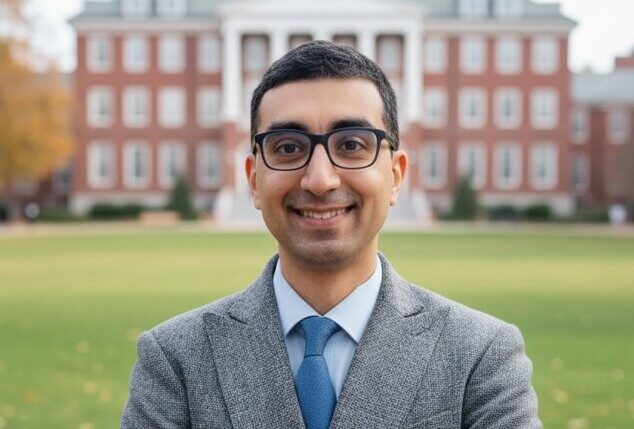
"PUGLIA IN": DA SAN SEVERO ALLA STANFORD UNIVERSITY: LA "RIVOLUZIONE A SEI POSTI" DEL TEATRO EDICOLA SOURCE: https://www.pugliain.net/301723-san-severo-teatro-edicola/ SAN SEVERO (FG) - La "Stanford Social Innovation Review (SSIR)", la rivista accademica pubblicata dallo "Stanford Center on Philanthropy and Civil Society" della prestigiosa Stanford University, la seconda al mondo nello Shanghai Ranking of World Universities, è il punto di riferimento mondiale per ricercatori, policy maker e operatori dell’imprenditoria innovativa e della filantropia che ha pubblicato il reportage “The Six-Seat Revolution” sul Teatro Edicola di San Severo, il teatro più piccolo del mondo nato dall’intuizione di Francesco Gravino, direttore artistico della compagnia Foyer ’97. A firmarlo è Luciano Magaldi Sardella (nella foto in alto), ricercatore indipendente e giornalista internazionale, originario di Orta Nova con radici materne sanseveresi, già autore di studi pubblicati su riviste accademiche internazionali. Il pezzo è apparso nell’edizione settembrina (Fall 2026) della review accademica, nell’ambito della sezione dedicata ad Arti e Cultura. Una presenza che proietta San Severo, e più in generale la Capitanata, nell’élite internazionale della ricerca sull’innovazione culturale e urbana. Il teatro nasce da una edicola dismessa Tutto comincia il 27 marzo 2026, Giornata Mondiale del Teatro, in Piazza Municipio a San Severo. Un’edicola inutilizzata da anni in via Matteo Tondi apre la sua saracinesca per rivelare, al posto di giornali e sigarette, un attore in scena. Dentro: sei sedie. Ogni quindici minuti, un nuovo pubblico prende posto. Prendendo ispirazione dal formato televisivo di Edicola Fiore del noto presentatore siciliano di di radio e tv, nasce il Teatro Edicola, una struttura ormai mediaticamente riconosciuta come il teatro più piccolo al mondo per dimensioni e capienza: quattro metri quadrati complessivi, con uno spazio scenico inferiore ai due metri. Gravino guida la Foyer ’97 da quasi trent’anni, costruendo un percorso artistico esigente in un contesto, quello dell’Italia meridionale, storicamente penalizzato dal punto di vista dei finanziamenti pubblici alla cultura. Eppure, quando ha visto quella edicola vuota, ha scelto la strada della provocazione: trasformare il minimo indispensabile in un manifesto sul senso stesso del teatro. Il modello e i suoi effetti misurabili La stagione inaugurale è durata tre giorni. Tutti gli spettacoli sono andati esauriti. In un solo pomeriggio, oltre sessanta persone hanno assistito alle rappresentazioni. Il costo dell’intera operazione pilota è stato inferiore ai tremila dollari. La formula è radicale nei suoi elementi costitutivi: spettacoli della durata di cinque-dodici minuti, pensati appositamente per lo spazio rotazione del pubblico ogni quindici minuti contatto visivo diretto e inevitabile tra attore e spettatore nessuna distanza architettonica o psicologica tra scena e platea biglietto proposto a cinque euro a persona, con un modello economico ibrido che prevede supporto municipale, sponsor locali e ricavi da botteghino Secondo l’analisi pubblicata sulla Stanford Social Innovation Review, il Teatro Edicola rappresenta un modello replicabile di rigenerazione urbana a basso costo e alto impatto, in grado di riattivare spazi commerciali abbandonati (edicole, tabaccherie, cabine telefoniche) senza necessità di grandi investimenti infrastrutturali. La voce di chi ha costruito tutto Francesco Gravino non ha dubbi sul senso dell’operazione: «Non servono grandi teatri per cambiare un pezzo di città. Serve una buona idea e il coraggio di restituire alla collettività uno spazio che ha perso la sua funzione». E sulla portata del riconoscimento internazionale: «Teatro Edicola nasce per dimostrare che un luogo di incontro e cultura può nascere dovunque, anche in due metri quadrati. Che oggi questo lavoro venga studiato a livello internazionale e che arrivino richieste di informazioni da città come Lucca e Roma è la conferma che la strada è quella giusta». Il regista ha anche spiegato la scelta simbolica del luogo: l’edicola era il punto in cui ogni mattina ci si fermava, ci si aggiornava, ci si riconosceva come comunità. La sua scomparsa ha lacerato una trama sociale precisa. Restituirle una funzione culturale significa ricucire quel tessuto da dove si era strappato. Le sfide: scalabilità, riconoscimento istituzionale, radicamento Il reportage della SSIR non si limita a celebrare il progetto ma analizza anche i nodi critici. Il primo è la sostenibilità nel tempo: un’attivazione di tre giorni, per quanto riuscita, non costituisce ancora un programma stabile, una vera e propria programmazione stagionale (weekend dalla primavera all’autunno) con un roster rotante di compagnie locali e regionali. Il secondo nodo riguarda la replicabilità senza perdita d’identità: il Teatro Edicola funziona anche grazie alle radici profonde della Foyer ’97 nel territorio sanseverese. Trapiantare il modello altrove richiede non solo un kit fisico, ma un intero processo di costruzione comunitaria. Il terzo ostacolo è istituzionale: in un sistema di finanziamento pubblico che premia le organizzazioni con sedi consolidate e metriche di output prevedibili, un progetto deliberatamente sperimentale, iperlocalista e per sua natura impermanente fatica ad accedere ai canali ordinari del Fondo Nazionale per lo Spettacolo dal Vivo (FNSV) del Ministero della Cultura. Una lezione che viaggia oltre la Puglia Nella "Stanford Social Innovation Review" l’autore conclude che le intuizioni del Teatro Edicola trascendono il contesto sanseverese: in qualsiasi comunità in cui le istituzioni culturali faticano a raggiungere pubblici giovani, diversi o economicamente marginali, il principio della prossimità si rivela dirompente: incontrare le persone dove già si trovano, negli spazi che abitano quotidianamente. Dal popoloso centro della Daunia alle pagine della Stanford University: San Severo e la sua edicola dimostrano che sei sedie, quattro metri quadrati e una visione sono sufficienti per cambiare il modo in cui una città pensa sé stessa. E per offrire al mondo un modello che costa meno di quanto si creda ma vale molto di più di quanto si immagini.

CIVICO 93": DA SAN SEVERO ALLA STANFORD UNIVERSITY: LA "RIVOLUZIONE A SEI POSTI" DEL TEATRO EDICOLA" SOURCE: https://www.civico93.it/da-san-severo-alla-stanford-university-la-rivoluzione-a-sei-posti-del-teatro-edicola/ SAN SEVERO (FG) - Il reportage accademico di Luciano Magaldi Sardella sul microteatro di Francesco Gravino approda sulla rivista più autorevole al mondo in materia di innovazione sociale: sei sedie e quattro metri quadrati che cambiano il modo di pensare il teatro e la città. La Stanford Social Innovation Review (SSIR), la rivista accademica pubblicata dallo Stanford Center on Philanthropy and Civil Society della prestigiosa Stanford University, la seconda al mondo nello "Shanghai Ranking of World Universities", è il punto di riferimento mondiale per ricercatori, policy maker e operatori dell'imprenditoria innovativa e della filantropia che ha pubblicato il reportage "The Six-Seat Revolution" sul Teatro Edicola di San Severo, il teatro più piccolo del mondo nato dall'intuizione di Francesco Gravino, direttore artistico della compagnia Foyer '97. A firmarlo è Luciano Magaldi Sardella, ricercatore indipendente e giornalista internazionale, originario di Orta Nova con radici materne sanseveresi, già autore di studi pubblicati su riviste accademiche internazionali. Il pezzo è apparso nell'edizione settembrina (Fall 2026) della review accademica, nell'ambito della sezione dedicata ad Arti e Cultura. Una presenza che proietta San Severo, e più in generale la Capitanata, nell'élite internazionale della ricerca sull'innovazione culturale e urbana. Il teatro nasce da una edicola dismessa Tutto comincia il 27 marzo 2026, Giornata Mondiale del Teatro, in Piazza Municipio a San Severo. Un'edicola inutilizzata da anni in via Matteo Tondi apre la sua saracinesca per rivelare, al posto di giornali e sigarette, un attore in scena. Dentro: sei sedie. Ogni quindici minuti, un nuovo pubblico prende posto. Prendendo ispirazione dal formato televisivo di Edicola Fiore del noto presentatore siciliano di di radio e tv, nasce il Teatro Edicola, una struttura ormai mediaticamente riconosciuta come il teatro più piccolo al mondo per dimensioni e capienza: quattro metri quadrati complessivi, con uno spazio scenico inferiore ai due metri. Gravino guida la Foyer '97 da quasi trent'anni, costruendo un percorso artistico esigente in un contesto, quello dell'Italia meridionale, storicamente penalizzato dal punto di vista dei finanziamenti pubblici alla cultura. Eppure, quando ha visto quella edicola vuota, ha scelto la strada della provocazione: trasformare il minimo indispensabile in un manifesto sul senso stesso del teatro. Gravino guida la Foyer '97 da quasi trent'anni, costruendo un percorso artistico esigente in un contesto, quello dell'Italia meridionale, storicamente penalizzato dal punto di vista dei finanziamenti pubblici alla cultura. Eppure, quando ha visto quella edicola vuota, ha scelto la strada della provocazione: trasformare il minimo indispensabile in un manifesto sul senso stesso del teatro. Il modello e i suoi effetti misurabili La stagione inaugurale è durata tre giorni. Tutti gli spettacoli sono andati esauriti. In un solo pomeriggio, oltre sessanta persone hanno assistito alle rappresentazioni. Il costo dell'intera operazione pilota è stato inferiore ai tremila dollari. La formula è radicale nei suoi elementi costitutivi: ● spettacoli della durata di cinque-dodici minuti, pensati appositamente per lo spazio ● rotazione del pubblico ogni quindici minuti ● contatto visivo diretto e inevitabile tra attore e spettatore ● nessuna distanza architettonica o psicologica tra scena e platea ● biglietto proposto a cinque euro a persona, con un modello economico ibrido che prevede supporto municipale, sponsor locali e ricavi da botteghino Secondo l'analisi pubblicata sulla Stanford Social Innovation Review, il Teatro Edicola rappresenta un modello replicabile di rigenerazione urbana a basso costo e alto impatto, in grado di riattivare spazi commerciali abbandonati (edicole, tabaccherie, cabine telefoniche) senza necessità di grandi investimenti infrastrutturali. La voce di chi ha costruito tutto Francesco Gravino non ha dubbi sul senso dell'operazione: «Non servono grandi teatri per cambiare un pezzo di città. Serve una buona idea e il coraggio di restituire alla collettività uno spazio che ha perso la sua funzione». E sulla portata del riconoscimento internazionale: «Teatro Edicola nasce per dimostrare che un luogo di incontro e cultura può nascere dovunque, anche in due metri quadrati. Che oggi questo lavoro venga studiato a livello internazionale e che arrivino richieste di informazioni da città come Lucca e Roma è la conferma che la strada è quella giusta». Il regista ha anche spiegato la scelta simbolica del luogo: l'edicola era il punto in cui ogni mattina ci si fermava, ci si aggiornava, ci si riconosceva come comunità. La sua scomparsa ha lacerato una trama sociale precisa. Restituirle una funzione culturale significa ricucire quel tessuto da dove si era strappato. Le sfide: scalabilità, riconoscimento istituzionale, radicamento Il reportage della SSIR non si limita a celebrare il progetto ma analizza anche i nodi critici. Il primo è la sostenibilità nel tempo: un'attivazione di tre giorni, per quanto riuscita, non costituisce ancora un programma stabile, una vera e propria programmazione stagionale (weekend dalla primavera all'autunno) con un roster rotante di compagnie locali e regionali. Il secondo nodo riguarda la replicabilità senza perdita d'identità: il Teatro Edicola funziona anche grazie alle radici profonde della Foyer '97 nel territorio sanseverese. Trapiantare il modello altrove richiede non solo un kit fisico, ma un intero processo di costruzione comunitaria. Il terzo ostacolo è istituzionale: in un sistema di finanziamento pubblico che premia le organizzazioni con sedi consolidate e metriche di output prevedibili, un progetto deliberatamente sperimentale, iperlocalista e per sua natura impermanente fatica ad accedere ai canali ordinari del Fondo Nazionale per lo Spettacolo dal Vivo (FNSV) del Ministero della Cultura. Una lezione che viaggia oltre la Puglia Nella Stanford Social Innovation Review l'autore conclude che le intuizioni del Teatro Edicola trascendono il contesto sanseverese: in qualsiasi comunità in cui le istituzioni culturali faticano a raggiungere pubblici giovani, diversi o economicamente marginali, il principio della prossimità si rivela dirompente: incontrare le persone dove già si trovano, negli spazi che abitano quotidianamente. Dal popoloso centro della Daunia alle pagine della Stanford University: San Severo e la sua edicola dimostrano che sei sedie, quattro metri quadrati e una visione sono sufficienti per cambiare il modo in cui una città pensa sé stessa. E per offrire al mondo un modello che costa meno di quanto si creda ma vale molto di più di quanto si immagini.


"CIVICO 93": FROM SAN SEVERO TO STANFORD UNIVERSITY: THE 'SIX-SEAT REVOLUTION' OF TEATRO EDICOLA" SOURCE: https://www.civico93.it/da-san-severo-alla-stanford-university-la-rivoluzione-a-sei-posti-del-teatro-edicola/ SAN SEVERO (FG) - The scholarly reportage by Luciano Magaldi Sardella on the micro-theatre of Francesco Gravino has appeared in the most authoritative journal in the world in the field of social innovation: six chairs and four square metres that are transforming the manner in which we conceive theatre and the city. The "Stanford Social Innovation Review (SSIR)", the academic review published by the Stanford Center on Philanthropy and Civil Society of the prestigious Stanford University, ranked second in the world in the Shanghai Ranking of World Universities, constitutes the global point of reference for researchers, policy-makers and practitioners of innovative enterprise and philanthropy. It has published the reportage "The Six-Seat Revolution" on the Teatro Edicola of San Severo, the smallest theatre in the world by dimension and capacity, born from the intuition of Francesco Gravino, artistic director of the company Foyer '97. Its author is Luciano Magaldi Sardella, an independent researcher and international journalist, a native of Orta Nova with maternal roots in San Severo, already the author of studies published in international academic journals. The piece appeared in the autumnal edition [Fall 2026] of the academic review, within the section dedicated to Arts and Culture. A presence that projects San Severo, and more generally the Capitanata, into the international élite of research on cultural and urban innovation. The theatre originates from a disused newsstand It all began on 27th March 2026, World Theatre Day, in the Piazza Municipio in San Severo. A newsstand disused for years in Via Matteo Tondi raised its shutter to reveal, in place of newspapers and cigarettes, an actor upon the stage. Within: six chairs. Every fifteen minutes, a new audience takes its place. Taking inspiration from the televisual format of Edicola Fiore by the well-known Sicilian radio and television presenter, there was born the Teatro Edicola, a structure now recognised in the media as the smallest theatre in the world by dimension and capacity: four square metres in total, with a stage area of less than two metres. Gravino has led Foyer '97 for almost thirty years, constructing a rigorous artistic trajectory within a context, that of southern Italy, historically penalised from the standpoint of public funding for culture. And yet, when he beheld that empty newsstand, he chose the path of provocation: to transform the bare minimum into a manifesto on the very meaning of theatre. Gravino has led Foyer '97 for almost thirty years, constructing a rigorous artistic trajectory within a context, that of southern Italy, historically penalised from the standpoint of public funding for culture. And yet, when he beheld that empty newsstand, he chose the path of provocation: to transform the bare minimum into a manifesto on the very meaning of theatre. The model and its measurable effects The inaugural season lasted three days. All performances were sold out. In a single afternoon, more than sixty persons attended the representations. The cost of the entire pilot operation was less than three thousand dollars. The formula is radical in its constitutive elements: ● performances of five to twelve minutes' duration, conceived expressly for the space ● rotation of the audience every fifteen minutes ● direct and ineluctable visual contact between actor and spectator ● no architectural or psychological distance between stage and auditorium ● ticket offered at five euros per person, with a hybrid economic model providing for municipal support, local sponsors, and box-office receipts. According to the analysis published in the "Stanford Social Innovation Review", the Teatro Edicola represents a replicable model of urban regeneration at low cost and high impact, capable of reactivating abandoned commercial spaces [newsstands, tobacconists, telephone boxes] without the necessity for major infrastructural investment. The voice of him who built it all Francesco Gravino has no doubt as to the meaning of the undertaking: "One does not need grand theatres to change a fragment of a city. What is needed is a good idea and the courage to restore to the community a space that has lost its function." And on the import of the international recognition: "Teatro Edicola was born to demonstrate that a place of encounter and culture may come into being anywhere, even in two square metres. That today this work should be studied at an international level and that requests for information should arrive from cities such as Lucca and Rome is confirmation that we are upon the right path." The director has also explicated the symbolic choice of the site: the newsstand was the point at which each morning one would pause, catch up on news, recognise oneself as a community. Its disappearance lacerated a precise social fabric. To restore to it a cultural function is to mend that tissue at the very point where it was torn. The challenges: scalability, institutional recognition, rootedness The SSIR reportage does not confine itself to celebrating the project but analyses also the critical nodes. The first is sustainability over time: an activation of three days, however successful, does not yet constitute a stable programme, a veritable seasonal programme (at weekends from spring to autumn) with a rotating roster of local and regional companies. The second node concerns replicability without loss of identity: the Teatro Edicola functions also by virtue of the profound roots of Foyer '97 in the territory of San Severo. To transplant the model elsewhere requires not merely a physical kit, but an entire process of community building. The third obstacle is institutional: in a system of public funding that rewards organisations with consolidated premises and predictable output metrics, a project deliberately experimental, hyper-localist and by its very nature impermanent struggles to gain access to the ordinary channels of the National Fund for Live Performance (Fondo Nazionale per lo Spettacolo dal Vivo - FNSV) of the Ministry of Culture. A lesson that travels beyond Puglia In the Stanford Social Innovation Review the author concludes that the intuitions of the Teatro Edicola transcend the context of San Severo: in any community wherein cultural institutions struggle to reach youthful, diverse, or economically marginal publics, the principle of proximity proves disruptive: to meet people where they already are, in the spaces they inhabit daily. From the populous centre of Daunia to the pages of Stanford University: San Severo and its newsstand demonstrate that six chairs, four square metres, and a vision are sufficient to alter the way in which a city conceives itself. And to offer the world a model that costs less than one might suppose but is worth a great deal more than one might imagine.


I don't think anyone in this country wasn't influenced by Dolly Parton. She was always kind. She was always giving. She always cared about others. Philanthropy was everything to her. I spent some time with Dolly twice in my life. Once, my husband and I met her at Trader Vic's in https://t.co/y4dpCLyLR6 #DollyParton #Philanthropy #Kindness #Thetweetdoesnotexplicitlymentionanyspecificcountries.Therefore #therearenocountrycodestoreturn.


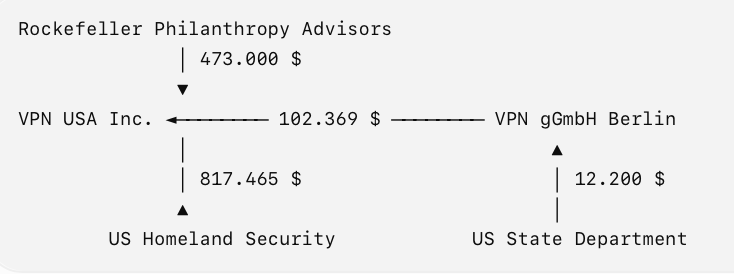
CSD Berlin Der Berliner „Stuhlkreis“ mit Abdul Ballout führt in ein erstaunlich internationales Fördernetzwerk: Das Violence Prevention Network betreibt eine eigene US-Organisation in Pittsburgh, Pennsylvania. Diese erhielt 2023 473.000 US-Dollar von Rockefeller Philanthropy Advisors und für 2024 817.465 US-Dollar vom US Department of Homeland Security. Die Berliner gGmbH erhielt zusätzlich einen Projektzuschuss des US State Department. Dazu kommen die Projektpartnerschaft mit Meta und eine aktive Rolle im Beratungsgremium des von Big Tech gegründeten GIFCT. Eine Beteiligung dieser US-Strukturen am konkreten Fall Ballout ist bislang nicht belegt. Aber die Frage ist berechtigt: Wer finanziert, entwickelt und kontrolliert eigentlich die Deradikalisierungsmaßnahmen, die deutsche Gerichte anordnen? #CSDBerlin #ViolencePrevention #Deradikalisierung
Australijki też sie chcą dzielić ? Jestem Gina Rinehart, australijska kobieta biznesowa, inwestor i przewodniczaca zarzadu Hancock Prospecting, prywatna firma poszukiwawcza i wydobywcza. Jestem jednym z wlascicieli Hancock Prospecting. Oddalem 25% mojego majatku na cele #Australia #Businesswomen #Philanthropy #AU

We're launching Intercept, a new philanthropic initiative to fight respiratory viruses like colds and flus. https://t.co/ETkOVI9Xgh #Intercept #Philanthropy #RespiratoryHealth #Thetweetdoesnotmentionanyspecificcountries.Therefore #therearenocountrycodestoprovide.

TODO o lucro líquido das vendas de ingressos do Daisy Chain Fields será destinado a várias instituições de caridade e organizações sem fins lucrativos, incluindo o Johns Hopkins Center for Indigenous Health, a Planned Parenthood e o National Women’s Law Cent https://t.co/JTWX1bBtbj #Charity #NonProfit #Philanthropy

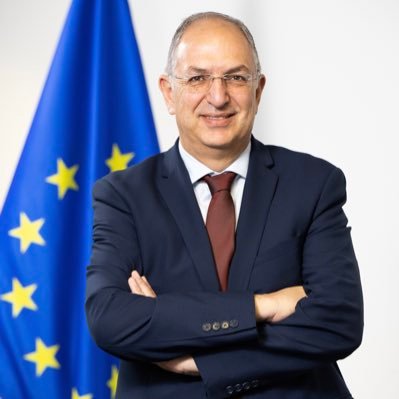
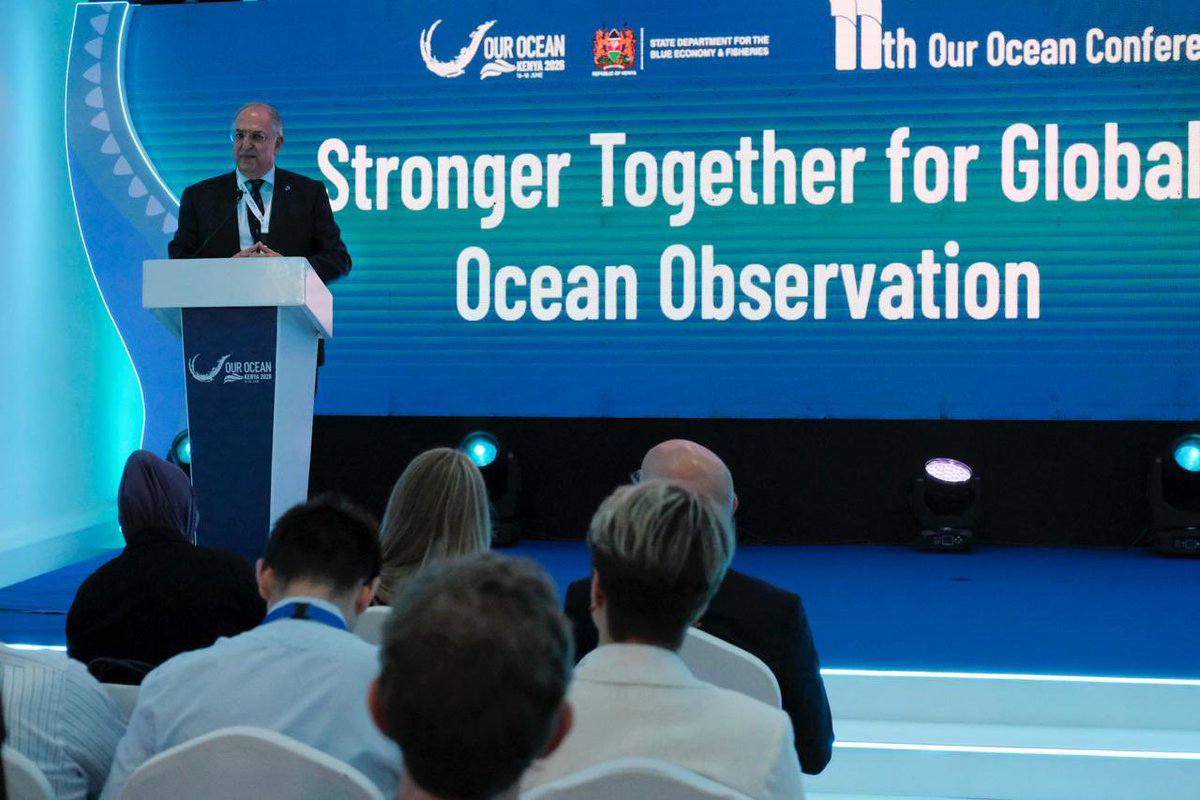
At @OurOceanOOC #OOC11, we launched a global call to action: #OceanEye is uniting nations, science, and philanthropy to fill critical gaps in ocean observation. 🌊 Weather forecasts, disaster preparedness, food security, and sustainable fisheries depend on real-time data. With https://t.co/rvjUF6c9uE #OceanEye #OOC11 #OceanObservation #Nospecificcountrycodesarementionedinthetweet.
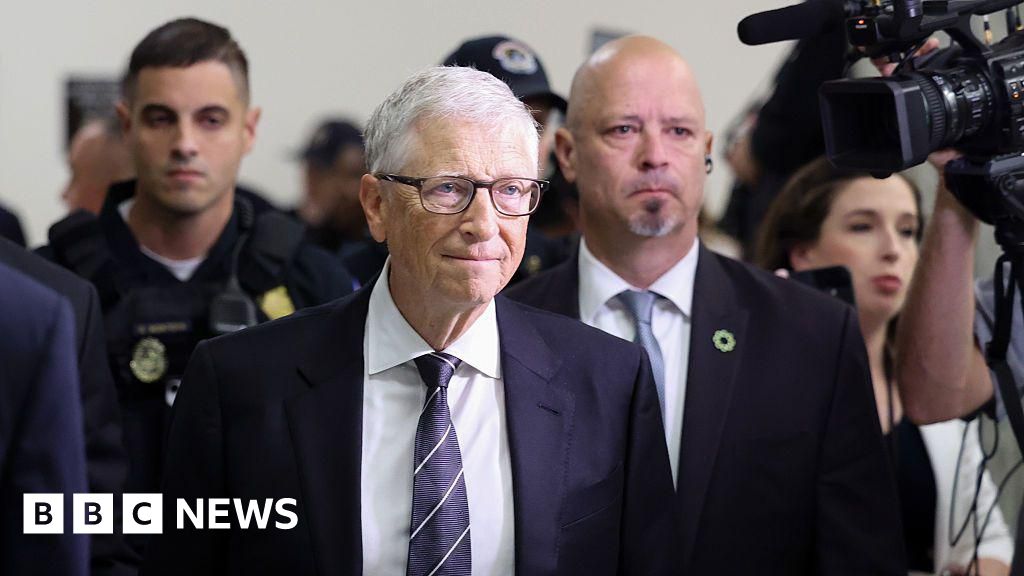
Bill Gates testified before a congressional committee that he never had a personal relationship with Jeffrey Epstein, cut ties when Epstein failed to deliver on fundraising promises, and expressed regret over his past associations with Epstein, while denying any wrongdoing or knowledge of Epstein's criminal activities. #BillGates #JeffreyEpstein #Philanthropy

Edycja TOP CHARITY ChangeMAKERS 2026 w Warszawie, pod hasłem „The Age of Reimagination. Art, Business and Philanthropy”, zgromadziła liderów z różnych dziedzin, koncentrując się na współpracy między Polską a Ghaną oraz roli Afryki w globalnym rozwoju, a także podkreślając potrzebę odpowiedzialności i innowacji w dzisiejszym przywództwie. #ChangeMAKERS2026 #Afryka #biznes

Edycja TOP CHARITY ChangeMAKERS 2026 w Warszawie, pod hasłem „The Age of Reimagination. Art, Business and Philanthropy”, zgromadziła liderów z różnych dziedzin, koncentrując się na współpracy między Polską a Ghaną oraz roli Afryki w globalnym rozwoju, a także podkreślając potrzebę odpowiedzialności i innowacji w dzisiejszym przywództwie. #ChangeMAKERS2026 #Afryka #biznes