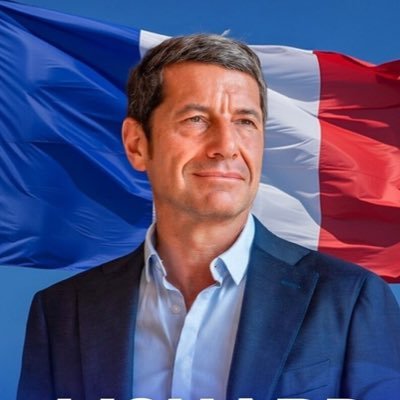
David Lisnard believes that the SCAF and MGCS programs, launched in 2017 by Emmanuel Macron and Angela Merkel to develop the future combat aircraft and tank, are strategic and industrial dead ends. He criticized French leaders for prioritizing Franco-German cooperation without first verifying the convergence of military interests, technological mastery, and the distribution of industrial responsibilities. According to him, a high-level Franco-German seminar held on October 7 would have revealed a different method: starting from the needs of the armed forces and industrial interests, then allowing companies to build viable cooperations before giving them, if necessary, a political translation. Lisnard stated that during the negotiations on the MGCS, Germany was preparing for the succession of the Leopard 2, notably with the Leopard 3 project, and that the delay created a military vulnerability. He called for a break with a conception of European defense that, according to him, confuses cooperation with the dilution of sovereignties. He advocated for a distribution of roles in which the political power sets ambitions and means, the armed forces define their needs, and the industries develop solutions and partnerships. Lisnard also urged for the immediate preparation of the renewal of French ground combat capabilities, beyond the simple replacement of the Leclerc, notably by integrating armored vehicles, drones, robotics, artificial intelligence, and data management. He estimated that this required investments in industry, a recovery of public finances, and a more efficient use of military credits. Finally, he accused the current government of having caused France to lose valuable years and argued that the issue concerned its ability to prepare for future conflicts, ensure the security of the French people, and defend the nation. #Défense #Souveraineté #Coopération (translated)