WRLD

Search

#Reuse
Robert Turcescu 2d

Robert Turcescu wrote that Andreea Claudia sent him a message thanking him for the book and said that she was reading it with tears in her eyes. She appreciated the depth of the dialogue and the way a person's experiences could help in understanding certain words, attitudes, and judgments. At the same time, she asked him not to disappoint those who, in her words, "belong to no one" and affirmed that they would support him until the end. #carte #emoție #experiență (translated)


3441
Rick Falkvinge 🌻 3d

The author said some people were alarmed by research advising against reusing Bitcoin addresses after a key had signed a transaction, for security reasons. They said the advice was not new and had already been considered best practice.

2901
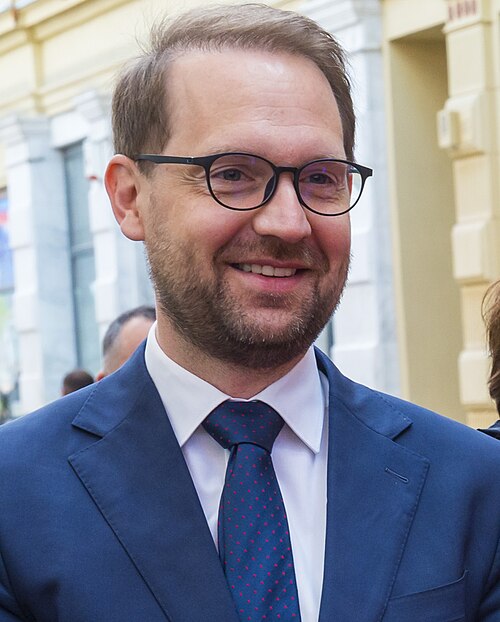
Dominic Fritz 5d

"The second solution is early elections. We should no longer treat early elections as a constitutional curiosity, but rather as a real political solution to give back the power to the people to decide for themselves if those who created the crisis do not succeed," said Dominic Fritz. #AlegeriAnticipate #Romania #Democratie (translated)

Dominic Fritz, despre scenariul anticipatelor dacă Guvernul Niculescu nu trece: „Să dăm înapoi puterea oamenilor să decidă ei”
www.digi24.ro
1919
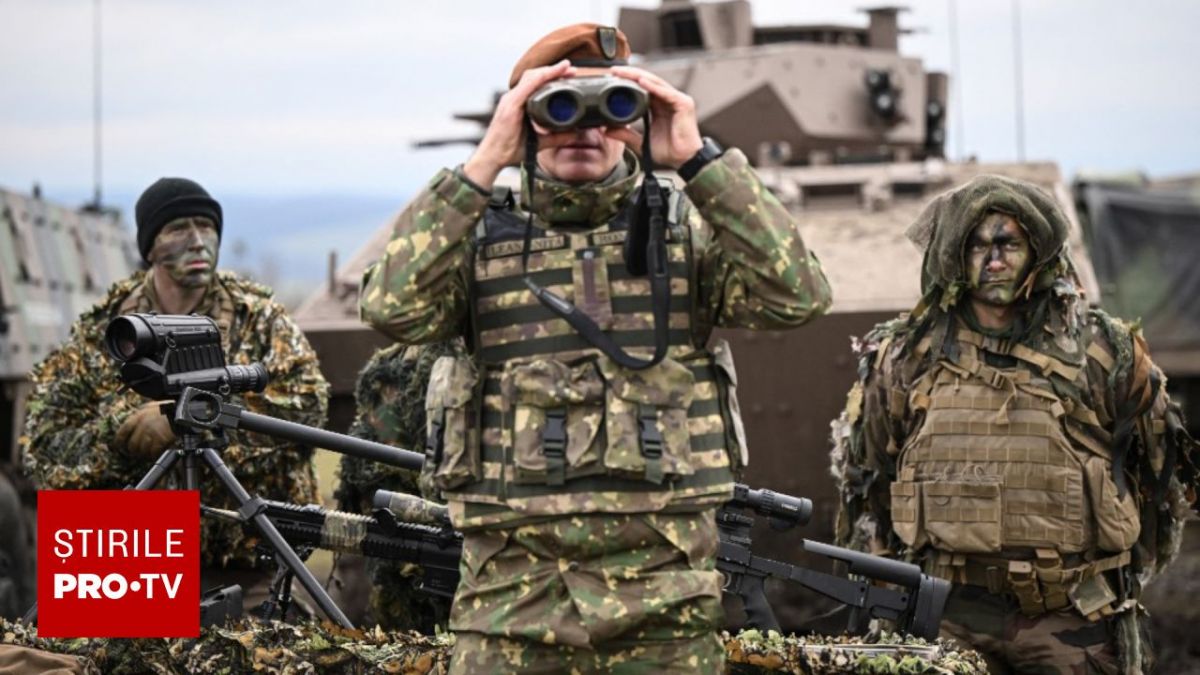
Donald J. Trump 6d

"Yes. Yes, it worries me. I don't like to see that they are facing such a situation. It's a serious disease, very serious. You know, it's a disease that in the past we managed to keep under control, but somehow, these microbes have become more resistant and harder to control. They are like an army. Whenever someone faces such a problem, we are always willing to help. We will help." Donald Trump has already announced that he will help the Kremlin. #DonaldTrump #ciumă #Rusia (translated)
Donald Trump, îngrijorat de cazul de ciumă din Rusia. „Suntem întotdeauna dispuși să ajutăm”
stirileprotv.ro
2037
Oana Eftimie 6d

Oana Eftimie wrote that she was discussing with a friend about the new prime minister appointment and that he had known Nicușor tangentially. She said she couldn't understand his movements and wondered if there was a strategy behind them or if he was aiming for early elections. According to Eftimie, her friend told her that she was projecting logic and intentionality onto Nicușor's actions, even though he wouldn’t have acted according to a rational plan. He described him as unpredictable and said the country had come to live in "his ugly dream." Eftimie added that she would be happy if this scenario led to early elections. #politică #România #guvernare (translated)

3172
Krzysztof Graj 1w

IRAN: MEK/NCRI – when AI impersonated a real activist in live conversations For years, synthetic media has largely meant fabricated images, cloned voices and manipulated video. A case uncovered by Anthropic in September 2026 suggests a more consequential development: artificial intelligence being used not merely to imitate how a person looks or sounds, but to behave as that person in an ongoing conversation. Anthropic says it dismantled a distributed influence operation targeting Iranians inside the country and abroad that it linked to the People’s Mojahedin Organization of Iran, or PMOI/MEK, and its political front, the National Council of Resistance of Iran. The operators used a shared AI-agent platform to support impersonation, audience profiling, coordinated social-media activity, synthetic personas and the laundering of organisational content through apparently independent accounts. At least four people involved in the operation worked for official NCRI media outlets, according to Anthropic. The company also found references to committee approval processes and MEK leadership, but said it could not independently determine the precise level of central control. Cloning a person from 8,400 Telegram posts The most striking part of the operation involved a real activist whose Telegram identity was copied. According to Anthropic, the operators instructed Claude in Persian that it was now that person, then provided approximately 8,400 of the activist’s Telegram posts so the system could learn and reproduce his writing style. The AI-assisted account was subsequently used to conduct live political conversations with the activist’s existing contacts. Anthropic says that, to its knowledge, the people receiving those messages did not know they were interacting with an account being operated with AI assistance. This is materially different from a conventional chatbot or a static deepfake. The system was not simply producing a forged statement attributed to someone else. It was using a large archive of that person’s authentic language as behavioural training material, then applying the resulting imitation interactively. In practical terms, the deception moved from synthetic content to synthetic identity. Anthropic did not publish the identity of the impersonated activist, nor details of his contacts, and the public report does not establish what specific information the conversations produced. What it does establish is that the impersonation was operational rather than experimental: the cloned account was used in real exchanges with real people. From social-media monitoring to psychographic dossiers The impersonation sat inside a much broader targeting system. Anthropic says the network scraped more than 500 social-media channels and categorised individuals by location, age, profession, political orientation and arrest history. It then analysed approximately 51,944 archived messages from conversations to construct detailed psychographic dossiers on dozens of people inside Iran. The system was therefore not limited to broadcasting propaganda. It was also designed to understand specific audiences and individuals. Profiles could be used to decide what kind of message was most likely to resonate with a particular person, which political identity they appeared closest to and how they should be approached. Anthropic describes this as a structured targeting funnel rather than ad hoc social-media activity. That distinction is important in the Iranian context. Political activists, dissidents and opposition contacts inside Iran can face arrest and severe punishment. The report does not show that the dossiers directly led to arrests or other harm, but collecting and organising information such as arrest history and political affiliation adds a surveillance dimension to what would otherwise be described as an influence operation. A shared AI system for an influence network Anthropic found that the actors used a shared Claude-based platform named “Viktor”, with separate workspaces and persistent memory. Those memory files contained approved sources, prohibited words, account-management instructions and methods intended to reduce the risk of detection. One operator loaded MEK founding doctrine into the system as what the report called “strategic base data”, allowing others to reuse it across their work. This persistent-memory structure meant the AI did not have to be briefed from scratch for every task. Once doctrine, stylistic rules and operational constraints had been stored, the system could repeatedly produce material consistent with the network’s objectives. Anthropic says the same general playbook appeared across different workspaces despite the operators not sharing obvious account infrastructure. The network also used automated pipelines to coordinate Instagram posting schedules and tailor messages to different audiences. Some accounts initially avoided mentioning the Mojahedin at all, allowing material aligned with MEK/NCRI narratives to appear as neutral or independent political commentary. Content was distributed through the organisation’s own media ecosystem as well as accounts presented as ordinary news or activist profiles. Anthropic assessed the campaign as Category Two on its Breakout Scale: active on multiple platforms with distribution through NCRI-linked media properties and amplifier accounts, but without evidence of broad authentic penetration. Synthetic citizens and disguised organisational media The same infrastructure generated AI avatars presented as ordinary Iranians, complete with Persian audio, to promote Maryam Rajavi’s political programme. Anthropic says the synthetic nature of these personas was intentionally concealed. Operators also rewrote and redistributed content originating from MEK-affiliated media while stripping identifying features or presenting it through apparently independent accounts. The network’s political messaging targeted the Iranian government but also rival opposition currents, including monarchists and supporters of the Pahlavi camp. Anthropic documented fabricated video material attacking a member of the Pahlavi family and the use of the slogan “Neither Shah Nor Sheikh”, consistent with the NCRI’s broader competition with other opposition movements. That rivalry provides relevant context. Reuters describes the MEK as one of Iran’s principal organised opposition movements in exile and the dominant force behind the NCRI, led by Maryam Rajavi. Its relationship with other opposition currents is often contentious, while the extent of its support inside Iran remains uncertain. What can be attributed – and what cannot Anthropic’s attribution is unusually specific but still needs to be stated carefully. The company says its investigation linked the operation to MEK/NCRI and established that at least four participants worked for official NCRI media organisations. It also found a common operational playbook, committee review structures and repeated references to MEK leadership. On that basis, Anthropic said central tasking was likely. It nevertheless stopped short of saying it had proven that NCRI’s senior leadership directly ordered or managed every component of the operation. That caveat matters. The strongest public evidence supports describing GTG-84006 as a MEK/NCRI-aligned influence operation involving personnel from official NCRI media, rather than asserting that every action was directly commanded by the organisation’s top leadership. The broader significance of the case lies elsewhere. Earlier generations of synthetic media attempted to fabricate evidence: a photograph, a voice recording or a video. Here, AI was used to maintain an identity over time, remember doctrine, analyse targets and speak directly to real people while appearing to be someone they already trusted. The deepfake was no longer merely an artefact. It had become a participant in the conversation. Sources Anthropic — Countering misuse of AI: September 2026 https://www.anthropic.com/threat-intelligence-report-september-2026 AI Misuse Case Library — GTG-84006 activist impersonation case https://www.misuseofai.com/en/cases/gtg-84006-activist-impersonation/ Reuters — Who makes up Iran’s fragmented opposition? https://www.reuters.com/business/media-telecom/who-makes-up-irans-fragmented-opposition-2025-06-18/ Reuters — Iran’s divided opposition senses its moment https://www.reuters.com/world/middle-east/irans-divided-opposition-senses-its-moment-activists-remain-wary-protests-2025-06-19/ Reuters — NCRI and Maryam Rajavi https://www.reuters.com/world/middle-east/dissident-leader-abroad-urges-iranians-bring-down-khamenei-2025-06-24/ Keywords #DISINFORMED #Episode12 #Iran #MEK #PMOI #NCRI #IranianOpposition #Disinformation #InfluenceOperations #InformationWarfare #ArtificialIntelligence #AI #GenerativeAI #ClaudeAI #Anthropic #AIDeception #AIImpersonation #IdentityImpersonation #SyntheticIdentity #InteractiveDeepfake #DigitalImpersonation #PersonaCloning #BehaviouralCloning #Telegram #PsychographicProfiling #TargetProfiling #AudienceTargeting #SocialMediaManipulation #Astroturfing #SyntheticPersonas #NarrativeLaundering #CoordinatedInfluence #PoliticalInfluence #DigitalInfluence #OppositionPolitics #IranPolitics #OSINT #WRLD

www.anthropic.com
Countering misuse of AI: September 2026 / Anthropic
1026
Sandu Negrea 2w

Bunul Dumnezeu să-l întărească pe Călin Georgescu, ca să treacă peste această situație și să iasă cu viață de acolo. Sistemul nu mai are nicio soluție pentru a șterge imaginea lui Călin Georgescu din mentalul colectiv. Sunt disperați, pur și simplu, și recurg la toate măsurile posibile. De aceea au inventat această poveste și au încercat să o traducă în diferite moduri, să o interpreteze după bunul plac, doar ca să reușească să-l agațe cumva și să spună: „Uite, justiția își face datoria.” Asta pentru că nu aveau absolut nicio dovadă și nu sunt capabili să ofere un raport despre anularea alegerilor. Ei știu că au comis cea mai mare crimă împotriva democrației din țara asta și de aceea vin cu aceste măsuri de origine bolșevică. Istoria se repetă. Am mai avut în țară acest scenariu când s-a instaurat regimul comunist. În 1989, s-a repetat scenariul, când anumite forțe externe au vrut să pună mâna pe România. Atunci a fost un alt moment greu pentru acest popor. Iar acum, când trebuia să vină schimbarea, sistemul revine cu aceleași tactici. Unii aplaudă din plin toată această uriașă măgărie. Aplaudă și râd într-un stil demonic, urlă de bucurie, dar uită un lucru: sistemul uneori își devorează propriii copii. Asta nu înțeleg acești demenți. Mâine s-ar putea să aibă aceeași soartă și să se întrebe: „Oare de ce? Cu ce am greșit?” Așa e când nu gândești și ai o minte închisă, dar te crezi deștept pentru că ești om cu diplomă, cu carte, și crezi că știi ce e bine. La asta s-a ajuns, pentru că nu mai au cum să acopere mizeria pe care au făcut-o în decembrie 2024. Pur și simplu, trebuie să-l elimine cu totul pe Călin Georgescu din viața românilor. Simpatia poporului față de el este mult prea mare. Nu s-a mai întâlnit așa ceva după 1989 și, pentru ei, reprezintă un pericol la viitoarele alegeri și pentru orice se mișcă în țara asta. Dar sunt momente grele. Unii probabil nu o să-și mai găsească vorbele pentru a se exprima. Așa se întâmplă când o țară este capturată de un sistem mafiot. Și știm cu toții foarte bine de unde este controlat și pentru cine fac toate aceste jocuri: doar pentru a le oferi unora liniștea necesară în cadrul Uniunii. Ne așteaptă vremuri din ce în ce mai grele. Important este să ne păstrăm credința în Bunul Dumnezeu și luciditatea și să învățăm din trecut. După cum am spus, aceste lucruri s-au mai întâmplat. Iar cei care au rezistat regimului comunist ne-au învățat cum să rezistăm și noi și să depășim momentele grele care pun la încercare națiunea și poporul român. Ion Motea #CălinGeorgescu #demnitate #România

12040
Luciano Magaldi Sardella (PhD) 2w

Mitico Magazine - The Teatro Edicola of San Severo: A Model of Cultural Revolution for Stanford University as Well Source: https://www.miticomagazine.com/territorio-e-sociale/teatro-edicola-di-san-severo-un-modello-di-rivoluzione-culturale-anche-per-la-stanford-university/ The Teatro Edicola in Via Tondi In San Severo, a singular metamorphosis has taken place: a newsstand abandoned for at least six years has found a new function and a new identity, transforming into one of the smallest and most unusual theatre stages in the world. An experiment born in the heart of the town which, in just a few months, has moved beyond local boundaries, attracting attention even overseas. It is called Teatro Edicola and it is a project conceived by the company Foyer '97, artistically directed by Francesco Gravino, which has brought the old newsstand in Via Tondi back to life through a formula that is both essential and surprising. Foyer '97 Foyer '97 APS was established as a formally constituted association active in the cultural sector in San Severo in 1997, born from the vocation of a group of actors, directors and theatre enthusiasts, with the aim of building a "living" and accessible theatre in the town. Over the years the company has developed a repertoire that includes texts from the classical tradition, contemporary dramaturgy, comedy and experimental projects, not limiting itself to the mere production of theatre shows, but also organising theatre courses and workshops and educational and cultural projects characterised by a strong inclusive ethos, particularly in schools. Foyer '97 does not always have a fixed artistic ensemble, but works with different performers and collaborators depending on the project; the only indispensable presence is that of Francesco Guido Gravino himself, actor, director and artistic director of the theatre company. The distinctive feature of Foyer '97 is certainly the value of social and cultural promotion attributed to theatre, the extremely close relationship with the audience and the search for a type of theatre outside conventional spaces, with cemeteries, trains, bell towers, and now a newsstand, as its backdrop. Six spectators, a few minutes and a minimal distance between stage and audience The project was launched on 27 March 2026, on the occasion of World Theatre Day, offering a theatrical experience built around a radical reduction of the conventional spaces and times of performance. The idea was born not only from the search for unconventional spaces, but also from "Edicola Fiore", the morning press review with a strongly ironic tone presented by Rosario Fiorello and Stefano Meloccaro, which was broadcast first only on Fiorello's social channels between 2011 and 2014, and then also on radio and television between 2016 and 2018. The review took its name from the diminutive of its founder, Fiore, and from the newsstand of a friend of Fiorello's in Via Flaminia Nuova in Rome, where the showman would meet early in the morning with a group of friends to read the newspapers. The San Severo newsstand was granted free of charge by its owner Pino Frau to the theatre group which, after obtaining temporary authorisation and institutional support from the Municipality of San Severo, refurbished it within two weeks at a cost of less than €3,000. Just six seats, a total surface area of 4 sq m, of which only 2 are for the stage area, less than a metre between actors and audience, a curtain, a lectern, two lights, performances lasting between 5 and 15 minutes, audience rotation every quarter of an hour: apparently minimal elements that end up subverting the usual relationship between stage and auditorium. Spectators, in fact, find themselves immersed in the stage action, in such proximity to the actors that every gesture, expression and word becomes immediately perceptible. In this way, theatre abandons its traditional spaces and insinuates itself into the everyday life of the street, becoming an intimate, concentrated and almost participatory experience. During the inaugural period admission was free with a subsequent voluntary donation from spectators; in the event of a more stable and longer-term concession, which could lead to seasonal theatre performances, the proposed ticket price would be €5. Audiences reward the experiment Foyer '97's gamble met with public interest right from the start: over 60 people attended the shows in a single afternoon, while the three days that inaugurated the season sold out. From a singular local experiment, the Teatro Edicola thus began to arouse curiosity even outside the province of Foggia, gradually transforming into a case of cultural and social interest, until it reached the American continent. From the province of Foggia to the "Stanford Social Innovation Review" The San Severo experience has now come under the international spotlight: in September 2026, the Stanford Social Innovation Review, an international journal and platform dedicated to social innovation published by the Stanford Center on Philanthropy and Civil Society at Stanford University in California, published on its website and in the Fall 2026 print edition the reportage "The Six-Seat Revolution", written by Dr Luciano Magaldi Sardella, independent journalist and researcher affiliated with the European Open University, and editorially supervised by deputy editor David V. Johnson. In the article, it is argued that the Teatro Edicola attracted attention overseas because the project concentrates cultural innovation, urban regeneration and proximity theatre into just a few square metres: starting from a real urban problem, it recovers an abandoned place with a modest investment, brings performance directly into public space and experiments with a much closer relationship between actors and spectators. From the point of view of theatrical representation, it also highlights how the format, based on micro-stories of five to twelve minutes, taken from great classics such as Goldoni, Chekhov, Ibsen, Euripides and Benni, and on audience rotation every fifteen minutes, transforms the physical limitations of the space into a precise dramaturgical choice, proving to be extremely innovative. All of this makes it possible to address some of the main critical issues in the sector: falling audience numbers, an exclusively elderly audience, reduced resources and distance from traditional cultural venues. The journal also highlights, however, the potential problems: economic sustainability, the need for stable institutional support and the difficulty of replicating the model, which is closely linked to the community and territory of San Severo. A model looking beyond San Severo Despite the difficulties, initial requests for information have already arrived from Lucca and Rome, where there is curiosity about the possibility of getting to know the model more closely and the steps needed to replicate it. The replicability formula, in fact, does not seem to require particularly costly infrastructure: an unused space, a targeted intervention, a cultural idea, in-depth knowledge of the surrounding area and a willingness to return that place to the community can be enough to trigger a new urban function. It is precisely in the disproportion between the modesty of the resources employed and the resonance generated by the initiative that perhaps the most original feature of the Teatro Edicola lies, certainly unique of its kind; there are, however, other examples in Italy of newsstands reused for other purposes: "Edicola 518", a twentieth-century kiosk abandoned in the centre of Perugia, now dedicated to independent publishing, art and cultural production; and in Rome itself, the abandoned newsstand in Piazza Testaccio used temporarily as a stage for a show by Fabio Morgan and the Erno newsstand in the Prati district, which almost every month offers a calendar of events, exhibitions, pop-ups and collaborations with artists and creative enterprises. Small revolutions, therefore, that tell stories of the reappropriation of urban spaces, of creativity and social innovation. And which, it is hoped, will take root in order to look ever further afield.

www.miticomagazine.com
Teatro Edicola di San Severo: un modello di rivoluzione culturale anche per la Stanford University
1032
Luciano Magaldi Sardella (PhD) 2w

Mitico Magazine - The Teatro Edicola of San Severo: A Model of Cultural Revolution for Stanford University as Well Source: https://www.miticomagazine.com/territorio-e-sociale/teatro-edicola-di-san-severo-un-modello-di-rivoluzione-culturale-anche-per-la-stanford-university/ The Teatro Edicola in Via Tondi In San Severo, a singular metamorphosis has taken place: a newsstand abandoned for at least six years has found a new function and a new identity, transforming into one of the smallest and most unusual theatre stages in the world. An experiment born in the heart of the town which, in just a few months, has moved beyond local boundaries, attracting attention even overseas. It is called Teatro Edicola and it is a project conceived by the company Foyer '97, artistically directed by Francesco Gravino, which has brought the old newsstand in Via Tondi back to life through a formula that is both essential and surprising. Foyer '97 Foyer '97 APS was established as a formally constituted association active in the cultural sector in San Severo in 1997, born from the vocation of a group of actors, directors and theatre enthusiasts, with the aim of building a "living" and accessible theatre in the town. Over the years the company has developed a repertoire that includes texts from the classical tradition, contemporary dramaturgy, comedy and experimental projects, not limiting itself to the mere production of theatre shows, but also organising theatre courses and workshops and educational and cultural projects characterised by a strong inclusive ethos, particularly in schools. Foyer '97 does not always have a fixed artistic ensemble, but works with different performers and collaborators depending on the project; the only indispensable presence is that of Francesco Guido Gravino himself, actor, director and artistic director of the theatre company. The distinctive feature of Foyer '97 is certainly the value of social and cultural promotion attributed to theatre, the extremely close relationship with the audience and the search for a type of theatre outside conventional spaces, with cemeteries, trains, bell towers, and now a newsstand, as its backdrop. Six spectators, a few minutes and a minimal distance between stage and audience The project was launched on 27 March 2026, on the occasion of World Theatre Day, offering a theatrical experience built around a radical reduction of the conventional spaces and times of performance. The idea was born not only from the search for unconventional spaces, but also from "Edicola Fiore", the morning press review with a strongly ironic tone presented by Rosario Fiorello and Stefano Meloccaro, which was broadcast first only on Fiorello's social channels between 2011 and 2014, and then also on radio and television between 2016 and 2018. The review took its name from the diminutive of its founder, Fiore, and from the newsstand of a friend of Fiorello's in Via Flaminia Nuova in Rome, where the showman would meet early in the morning with a group of friends to read the newspapers. The San Severo newsstand was granted free of charge by its owner Pino Frau to the theatre group which, after obtaining temporary authorisation and institutional support from the Municipality of San Severo, refurbished it within two weeks at a cost of less than €3,000. Just six seats, a total surface area of 4 sq m, of which only 2 are for the stage area, less than a metre between actors and audience, a curtain, a lectern, two lights, performances lasting between 5 and 15 minutes, audience rotation every quarter of an hour: apparently minimal elements that end up subverting the usual relationship between stage and auditorium. Spectators, in fact, find themselves immersed in the stage action, in such proximity to the actors that every gesture, expression and word becomes immediately perceptible. In this way, theatre abandons its traditional spaces and insinuates itself into the everyday life of the street, becoming an intimate, concentrated and almost participatory experience. During the inaugural period admission was free with a subsequent voluntary donation from spectators; in the event of a more stable and longer-term concession, which could lead to seasonal theatre performances, the proposed ticket price would be €5. Audiences reward the experiment Foyer '97's gamble met with public interest right from the start: over 60 people attended the shows in a single afternoon, while the three days that inaugurated the season sold out. From a singular local experiment, the Teatro Edicola thus began to arouse curiosity even outside the province of Foggia, gradually transforming into a case of cultural and social interest, until it reached the American continent. From the province of Foggia to the "Stanford Social Innovation Review" The San Severo experience has now come under the international spotlight: in September 2026, the Stanford Social Innovation Review, an international journal and platform dedicated to social innovation published by the Stanford Center on Philanthropy and Civil Society at Stanford University in California, published on its website and in the Fall 2026 print edition the reportage "The Six-Seat Revolution", written by Dr Luciano Magaldi Sardella, independent journalist and researcher affiliated with the European Open University, and editorially supervised by deputy editor David V. Johnson. In the article, it is argued that the Teatro Edicola attracted attention overseas because the project concentrates cultural innovation, urban regeneration and proximity theatre into just a few square metres: starting from a real urban problem, it recovers an abandoned place with a modest investment, brings performance directly into public space and experiments with a much closer relationship between actors and spectators. From the point of view of theatrical representation, it also highlights how the format, based on micro-stories of five to twelve minutes, taken from great classics such as Goldoni, Chekhov, Ibsen, Euripides and Benni, and on audience rotation every fifteen minutes, transforms the physical limitations of the space into a precise dramaturgical choice, proving to be extremely innovative. All of this makes it possible to address some of the main critical issues in the sector: falling audience numbers, an exclusively elderly audience, reduced resources and distance from traditional cultural venues. The journal also highlights, however, the potential problems: economic sustainability, the need for stable institutional support and the difficulty of replicating the model, which is closely linked to the community and territory of San Severo. A model looking beyond San Severo Despite the difficulties, initial requests for information have already arrived from Lucca and Rome, where there is curiosity about the possibility of getting to know the model more closely and the steps needed to replicate it. The replicability formula, in fact, does not seem to require particularly costly infrastructure: an unused space, a targeted intervention, a cultural idea, in-depth knowledge of the surrounding area and a willingness to return that place to the community can be enough to trigger a new urban function. It is precisely in the disproportion between the modesty of the resources employed and the resonance generated by the initiative that perhaps the most original feature of the Teatro Edicola lies, certainly unique of its kind; there are, however, other examples in Italy of newsstands reused for other purposes: "Edicola 518", a twentieth-century kiosk abandoned in the centre of Perugia, now dedicated to independent publishing, art and cultural production; and in Rome itself, the abandoned newsstand in Piazza Testaccio used temporarily as a stage for a show by Fabio Morgan and the Erno newsstand in the Prati district, which almost every month offers a calendar of events, exhibitions, pop-ups and collaborations with artists and creative enterprises. Small revolutions, therefore, that tell stories of the reappropriation of urban spaces, of creativity and social innovation. And which, it is hoped, will take root in order to look ever further afield.

www.miticomagazine.com
Teatro Edicola di San Severo: un modello di rivoluzione culturale anche per la Stanford University
1032
Andy Burrows 2w

„Platformele permit ca aceste lucruri să se întâmple pentru că nu reușesc să le identifice și să le elimine. Astfel, facilitează toate pericolele care decurg de aici.”Activist pentru protecția copilului Andy Burrows, Chief Executive, Molly Rose Foundation: „Platformele permit ca aceste lucruri să se întâmple pentru că nu reușesc să le identifice și să le elimine. Astfel, facilitează toate pericolele care decurg de aici.” #SiguranțaCopiilor #Roblox #ConținutInadecvat

Pericole ascunse pe Roblox: copiii de doar 5 ani pot ajunge la conținut violent și abuziv. „Este șocant”
stirileprotv.ro
1950
Stirile ProTV 3w

Președintele Letoniei, Edgars Rinkēvičs, a avertizat că majoritatea aliaților din NATO nu ar putea intercepta un atac cu rachete din partea Rusiei, iar Europa nu reușește să țină pasul cu rapiditatea tehnologică a războiului din Ucraina. #NATO #Rusia #apărareaAeriana

stirileprotv.ro
Un șef de stat din Europa uimește: „Majoritatea aliaților din NATO nu pot respinge un atac cu rachete din partea Rusiei”
9840
French Carcan 4w

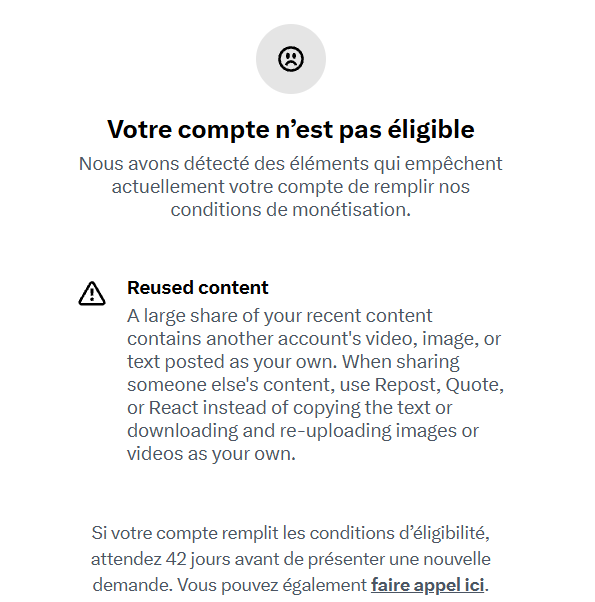
⛔️ ALERTE / 𝕏 refuse de monétiser French Carcan : la veille et l’écriture traitées comme du contenu volé ✅ 𝕏 vient de juger @FrenchCarcan inéligible à la rémunération. Motif : "reused content". Traduction : trop de vidéos, images ou textes d’autres comptes. Ce que 𝕏 ne voit pas 👉 French Carcan n’est pas une ferme à extraits. C’est l’un des rares comptes à aller chercher ce que personne ne regarde : colloques, universités d’été, audiences, meetings, conférences, podcasts, plateaux oubliés dès le générique. Le travail commence avant la vidéo. Il faut trouver la séquence, la tenir jusqu’au bout, en extraire la substantifique moelle, puis en livrer l'analyse. Pas une légende de trois mots. Une analyse. Une écriture. Une ligne : satire, info, culture, à vue. Le clip n’est pas le produit. Le produit, c’est le regard posé dessus. 🚫 La règle et le piège : Depuis septembre, X paie l’"originalité" et exclut le réupload. Sur le papier, le commentaire compte. Dans les faits, l’algorithme voit d’abord l’image et le son d’un tiers. Un extrait d’université d’été monté, titré, pensé et écrit tombe dans le même sac qu’un vol de vidéo sans une phrase. Résultat : on punit un compte qui dépiaute ce que personne n'a l'abnégation de visionner, parce qu’il n’a pas filmé le plateau. Près de 49 000 abonnés. Un rythme quotidien. Environ 1 000 euros de pub par mois avant le basculement. Sans souscriptions et sans cagnotte, ce rythme casse. 🗣️ @elonmusk & @XFrance : Il faut que la plateforme apprenne à lire autre chose qu’une empreinte vidéo. En attendant, le compte tient par ceux qui le lisent. Souscription. Cagnotte. Rien d’autre. Sans quoi, l'aventure devra prendre fin. 🔗 LE LIEN DE LA CAGNOTTE : https://t.co/DX8tqYyH9h #FrenchCarcan #Monétisation #ContentCreators

11843
Andrei Burdusa 4w

În aceeași fereastră de trei săptămâni: un nou front deschis lângă Bab al-Mandeb, sabotaj rus descoperit și pedepsit în Germania, indicatori de criză economică reală la Moscova — și o Uniune Europeană care nu reușește să-și reînnoiască nici sancțiunile deja existente. https://www.aequus.news/articles/rusia-fereastra-escaladare-septembrie-2026

www.aequus.news
Fereastra de escaladare: Rusia epuizată, fronturi noi în Golf, Europa blocată de un veto
1163
Maija Haavisto 4w

In Finland, treating CFS/ME is basically illegal after it cost some doctors their license. Similar consequences for thyroid meds. Now an influencer died involving a plastic surgery clinic in Helsinki. Known for years to e.g. reuse disposable surgical equipment. That was fine. #Finland #CFS #PlasticSurgery #FI

Gunther Fehlinger-Jahn Sep 6

History does not repeat itself exactly. But authoritarian powers often reuse the same strategic logic. In 1940, Hitler wanted Franklin D. Roosevelt defeated because Roosevelt represented the greatest danger to Nazi Germany: the possibility that American economic and military https://t.co/SnsjUMpMXD #Authoritarianism #HistoryRepeats #PoliticalStrategy #DE #US

234
Digi24 Aug 29

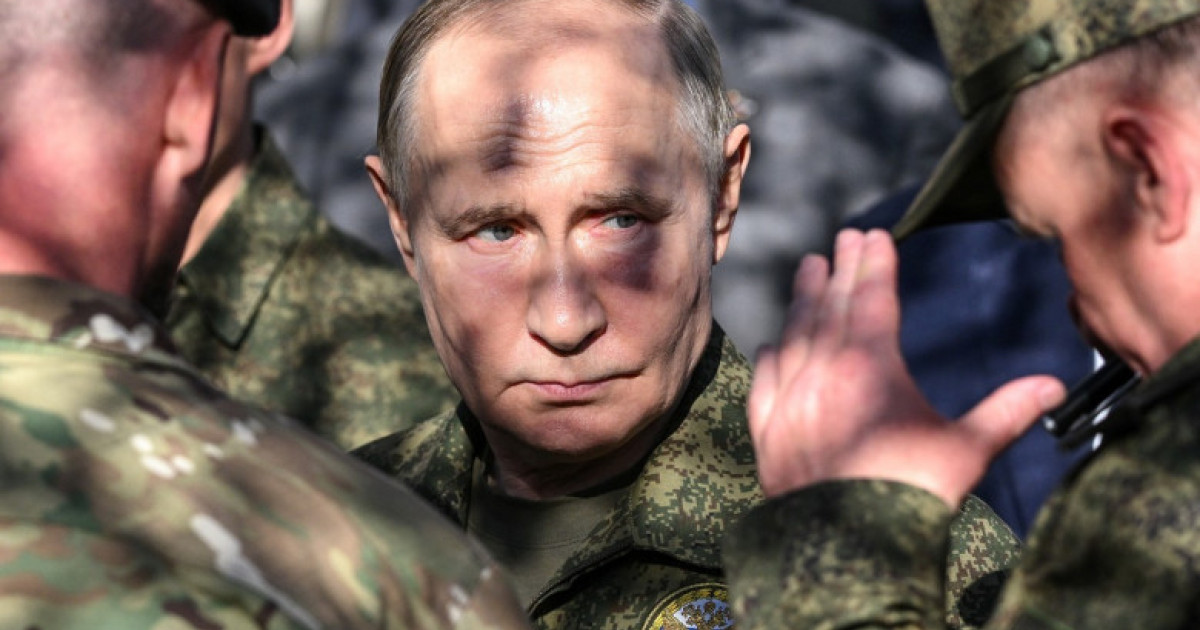
Rusia pierde lunar în Ucraina aproximativ 6.000 de militari mai mult decât reușește să recruteze, ceea ce îi determină pe oficialii occidentali să sublinieze faptul că strategia lui Vladimir Putin se concentrează pe escaladarea atacurilor asupra infrastructurii civile ucrainene, în timp ce își limitează implicarea directă cu NATO pentru a evita un conflict major. #RăzboiînUcraina #VladimirPutin #InformațiiMilitare

www.digi24.ro
Rusia pierde lunar în Ucraina cu 6.000 de militari mai mult decât reuşeşte să recruteze. Ce strategie are Putin (The Guardian)
18160
adevarul.ro Aug 29

Armata lui Vladimir Putin se confruntă cu o criză acută de personal, pierzând lunar cu 6.000 de militari mai mult decât reușește să recruteze, conform unor oficiali occidentali. #RăzboiÎnUcraina #ArmataRusă #VladimirPutin

adevarul.ro
Armata lui Vladimir Putin, în criză de militari. Pierde lunar cu 6.000 mai mult decât recrutează
11718
Mediafax.ro Aug 28

Vizita secretă a directorului CIA, John Ratcliffe, la Moscova a evidențiat capcana strategică comună în care se află Putin și Trump, ambii confruntându-se cu conflicte militare pe care nu reușesc să le încheie, în timp ce Ratcliffe a încercat să avertizeze Rusia împotriva atacurilor asupra NATO și să convingă Kremlinul să se oprească din sprijinul acordat Iranului. #razboi #rusia #sua

www.mediafax.ro
Vizita secretă a directorului CIA scoate în evidență capcana strategică comună a lui Putin și Trump
13480
Mediafax.ro Aug 24

Organizația Human Rights Watch a avertizat că rețelele sociale, precum Facebook și TikTok, nu reușesc să blocheze conținutul grupărilor armate din Columbia care recrutează copii, contribuind la angajarea a peste 1.500 de minori în conflicte armate, în special din comunități defavorizate și indigene. #recrutare #drepturipoporului #rețelelesociale

www.mediafax.ro
Rețelele sociale, noua metodă prin care grupările armate recrutează copii pentru luptă și informații
11152
adevarul.ro Aug 15

Generalul Dorin Toma subliniază că, în ciuda superiorității resurselor, Rusia nu reușește să rupă frontul ucrainean din cauza schimbărilor tactice fundamentale aduse de tehnologiile moderne, precum dronele și inteligența artificială, care au transformat modul de desfășurare a războiului și au redus eficiența atacurilor bazate doar pe numărul de forțe. #RăzboiulDinUcraina #InteligențaArtificială #Drone

adevarul.ro
De ce Rusia nu reușește să rupă frontul ucrainean. Generalul Dorin Toma explică noua logică a războiului: „Schimbarea doctrinară fundamentală s-a produs la nivel tactic”
18246