WRLD

Search

#Tobacco
Oliver Varhelyi 3w

over ultra-processed options, more physical activity, action on tobacco & nicotine and better education for informed choices. Cooking matters too - knowing how to prepare food helps us understand what we eat. Better nutrition knowledge in schools, can make a real difference. ⤵️ #NutritionEducation #HealthyChoices #PhysicalActivity #Nospecificcountriesarementionedinthetweet.Therefore #therearenocountrycodestoreturn.

Oliver Varhelyi 3w

Our focus: tackling shared risk factors, strengthening prevention capacity&supporting mental health. From tobacco&nutrition to physical activity&early detection, we need to act before people become patients. That is how we reduce the burden of NCDs & keep our systems sustainable. #MentalHealth #PreventiveCare #NCDs #Thetweetdoesnotmentionanyspecificcountries #sotherearenocountrycodestoreturn.

Luciano Magaldi Sardella (PhD) 3w

"FOGGIA SERA": FROM SAN SEVERO TO STANFORD UNIVERSITY: THE "SIX-SEAT REVOLUTION" OF THE TEATRO EDICOLA SOURCE: https://foggiasera.it/2026/09/19/da-san-severo-alla-stanford-university-la-rivoluzione-a-sei-posti-del-teatro-edicola-by-luciano-magaldi-sardella/ SAN SEVERO (FG) - The Stanford Social Innovation Review (SSIR), the scholarly journal published by the Stanford Center on Philanthropy and Civil Society of the prestigious Stanford University - ranked second in the world in the Shanghai Ranking of World Universities - and recognised as the pre-eminent global reference for researchers, policy-makers, and practitioners of innovative entrepreneurship and philanthropy, hath published the reportage "The Six-Seat Revolution" upon the Teatro Edicola of San Severo, the smallest theatre in the world by dimension and capacity, born of the intuition of Francesco Gravino, Artistic Director of the Foyer '97 company. Its author is Luciano Magaldi Sardella, independent researcher and international journalist, native of Orta Nova and of maternal Sanseverese extraction, hitherto author of studies published in international academic journals. The piece appeared in the September (Fall 2026) edition of the academic review, within the section devoted to Arts & Culture. A presence that projects San Severo, and more broadly the Capitanata, into the international élite of research upon cultural and urban innovation. The Theatre Is Born of a Disused Newsstand It all commenced on 27 March 2026, World Theatre Day, in Piazza Municipio at San Severo. A news-kiosk, disused for years in Via Matteo Tondi, raised its shutter to reveal, in lieu of newspapers and cigarettes, an actor upon the stage. Within: six chairs. At intervals of fifteen minutes, a new audience took its place. Drawing inspiration from the televisual format of Edicola Fiore by the noted Sicilian presenter of radio and television, there was born the Teatro Edicola, a structure now recognised in the media as the smallest theatre in the world for dimensions and capacity: four square metres in aggregate, with a scenic space of less than two metres. Gravino hath led Foyer '97 for nigh on thirty years, forging a most exacting artistic trajectory in a context - that of southern Italy - historically penalised in respect of public financing for culture. And yet, upon beholding that vacant kiosk, he elected the path of provocation: to transfigure the bare minimum into a manifesto concerning the very meaning of theatre. The Model and its Measurable Effects The inaugural season endured for three days. All performances were sold out. In a single afternoon, upwards of sixty persons attended the representations. The cost of the entire pilot operation was less than three thousand dollars. The formula is radical in its constitutive elements: performances of five to twelve minutes' duration, conceived expressly for the space; rotation of the audience every fifteen minutes; direct and inescapable visual contact betwixt actor and spectator; no architectural or psychological distance betwixt stage and auditorium; ticket proposed at five euros per person, within a hybrid economic model comprising municipal support, local sponsorship, and box-office receipts. According to the analysis published in the Stanford Social Innovation Review, the Teatro Edicola represents a replicable model of low-cost, high-impact urban regeneration, capable of reactivating abandoned commercial spaces (newsstands, tobacconists, telephone kiosks) without recourse to large infrastructural investment. The Voice of Him who Built it All Francesco Gravino entertaineth no doubt as to the import of the enterprise: "Grand theatres are not requisite to transform a fragment of a city. What is requisite is a sound idea and the courage to restore to the collectivity a space that hath lost its function." And upon the import of international recognition: "Teatro Edicola was born to demonstrate that a place of encounter and culture may arise wheresoever, even within two square metres. That this work should today be studied at an international level and that enquiries should arrive from cities such as Lucca and Rome is confirmation that the path pursued is the right one." The director hath further explicated the symbolic choice of place: the newsstand was the locus wherein each morn one paused, informed oneself, and recognised oneself as a community. Its disappearance rent a precise social fabric. To restore unto it a cultural function is to re-stitch that tissue at the very point wherefrom it was torn. The Challenges: Scalability, Institutional Recognition, Entrenchment The SSIR reportage doth not confine itself to celebration of the project but analyseth also the critical junctures. The first is sustainability over time: an activation of three days, howsoever successful, doth not yet constitute a stable programme, a veritable seasonal repertory (weekends from spring to autumn) with a rotating roster of local and regional companies. The second juncture concerneth replicability without loss of identity: the Teatro Edicola functioneth also by virtue of the profound roots of Foyer '97 in the Sanseverese territory. To transplant the model elsewhere requireth not merely a physical kit, but an entire process of community-building. The third obstacle is institutional: in a system of public funding that rewardeth organisations with consolidated premises and predictable output metrics, a project deliberately experimental, hyperlocalist, and by its very nature impermanent strugglest to gain access to the ordinary channels of the Fondo Nazionale per lo Spettacolo dal Vivo (FNSV) of the Ministry of Culture. A Lesson that Travels beyond Puglia In the Stanford Social Innovation Review the author concludeth that the intuitions of the Teatro Edicola transcend the Sanseverese context: in any community wherein cultural institutions struggle to reach youthful, diverse, or economically marginal publics, the principle of proximity proveth disruptive: to encounter people where they already find themselves, in the spaces they inhabit quotidianly. From the populous centre of Daunia to the pages of Stanford University: San Severo and its kiosk demonstrate that six chairs, four square metres, and a vision suffice to alter the manner in which a city conceiveth of itself. And to offer unto the world a model that costeth less than one might credit, yet is worth far more than one might imagine.

1159
Luciano Magaldi Sardella (PhD) 3w

"PUGLIA IN": FROM SAN SEVERO TO STANFORD UNIVERSITY: THE 'SIX-SEAT REVOLUTION' OF TEATRO EDICOLA SOURCE: https://www.pugliain.net/301723-san-severo-teatro-edicola/ SAN SEVERO (FG) - The "Stanford Social Innovation Review (SSIR)", the scholarly quarterly published by the "Stanford Center on Philanthropy and Civil Society" at the prestigious Stanford University — ranked second in the world in the Shanghai Ranking of World Universities — and universally regarded as the pre-eminent global point of reference for scholars, policy-makers and practitioners in the fields of innovative enterprise and philanthropy, hath published the reportage “The Six-Seat Revolution” concerning the Teatro Edicola of San Severo, the smallest theatre in the world, born of the intuition of Francesco Gravino, Artistic Director of the Foyer ’97 company. Its author is Luciano Magaldi Sardella, independent researcher and international journalist, a native of Orta Nova with maternal lineage rooted in San Severo, and erstwhile contributor of studies published in international academic journals. The piece appeared in the Septembertide (Fall 2026) edition of the academic review, within the section consecrated to Arts and Culture. A presence which projecteth San Severo, and more broadly the entirety of Capitanata, into the international élite of research on cultural and urban innovation. The theatre is born from a disused newsstand It all commenceth upon 27 March 2026, World Theatre Day, in the Piazza Municipio at San Severo. A newsstand long disused in Via Matteo Tondi raiseth its shutter to reveal, in lieu of newspapers and cigarettes, an actor upon the stage. Within: six chairs. At intervals of fifteen minutes, a new audience taketh its place. Drawing inspiration from the televisual format of "Edicola Fiore" of the celebrated Sicilian radio and television presenter, there was born Teatro Edicola, a structure now recognised in the media as the smallest theatre in the world by both dimension and capacity: four square metres in total, with a scenic space of less than two metres. Gravino hath led Foyer ’97 for nigh on thirty years, forging an exacting artistic trajectory in a context — that of Southern Italy — historically penalised with respect to public funding for culture. And yet, when he beheld that vacant kiosk, he chose the path of provocation: to transmute the bare minimum into a manifesto concerning the very signification of theatre. The model and its measurable effects The inaugural season endured for three days. All performances were sold out. In a single afternoon, upwards of sixty persons attended the representations. The cost of the entire pilot operation was less than three thousand dollars. The formula is radical in its constitutive elements: performances of five to twelve minutes' duration, conceived expressly for the space rotation of the audience every fifteen minutes direct and ineluctable visual contact betwixt actor and spectator no architectural or psychological distance betwixt stage and stalls ticket proffered at five euros per person, with a hybrid economic model envisaging municipal support, local sponsors and box-office receipts According to the analysis published in the "Stanford Social Innovation Review", Teatro Edicola representeth a replicable paradigm of low-cost, high-impact urban regeneration, capable of reactivating abandoned commercial spaces — newsstands, tobacconists, telephone kiosks — without the necessity of substantial infrastructural investment. The voice of him who built it all Francesco Gravino entertaineth no doubt as to the significance of the undertaking: “One doth not require grand theatres to transform a portion of a city. One requireth a sound idea and the courage to restore to the collectivity a space that hath lost its function.” And concerning the import of international recognition: “Teatro Edicola was born to demonstrate that a locus of encounter and culture may arise wheresoever, even within two square metres. That today this labour should be studied at an international level and that enquiries should arrive from cities such as Lucca and Rome is confirmation that the path is the right one.” The director hath also explicated the symbolic choice of place: the newsstand was the point at which, each morn, one paused, one apprised oneself, one recognised oneself as a community. Its disappearance lacerated a precise social fabric. To restore unto it a cultural function signifieth to re-stitch that fabric from the very point at which it was rent. Challenges: scalability, institutional recognition, rootedness The SSIR reportage doth not merely celebrate the project but analyseth also its critical nodes. The first is sustainability over time: an activation of three days, howsoever successful, doth not yet constitute a stable programme, a veritable seasonal programmation (weekends from springtide to autumn) with a rotating roster of local and regional companies. The second node concerneth replicability without loss of identity: Teatro Edicola functioneth also by virtue of the profound roots of Foyer ’97 within the San Severo territory. To transplant the model elsewhere requireth not merely a physical kit, but an entire process of community building. The third obstacle is institutional: in a system of public funding which rewardeth organisations possessed of consolidated premises and predictable output metrics, a project deliberately experimental, hyper-localist and by its very nature impermanent struggleth to gain access to the ordinary channels of the Fondo Nazionale per lo Spettacolo dal Vivo (FNSV) of the Ministry of Culture. A lesson which travelled beyond Puglia In the Stanford Social Innovation Review the author concludeth that the intuitions of Teatro Edicola transcend the San Severo context: in any community wherein cultural institutions struggle to reach youthful, diverse, or economically marginal publics, the principle of proximity proveth disruptive: to meet people where they already are, in the spaces they inhabit quotidianly. From the populous centre of Daunia to the pages of Stanford University: San Severo and its diminutive kiosk demonstrate that six chairs, four square metres, and a vision sufficeth to alter the manner in which a city conceiveth itself. And to proffer unto the world a model which costeth less than one might suppose yet is worth far more than one might imagine.

www.pugliain.net
Da San Severo alla Stanford University: la “Rivoluzione a Sei Posti” del Teatro Edicola
927
Luciano Magaldi Sardella (PhD) 3w

"CIVICO 93": FROM SAN SEVERO TO STANFORD UNIVERSITY: THE 'SIX-SEAT REVOLUTION' OF TEATRO EDICOLA" SOURCE: https://www.civico93.it/da-san-severo-alla-stanford-university-la-rivoluzione-a-sei-posti-del-teatro-edicola/ SAN SEVERO (FG) - The scholarly reportage by Luciano Magaldi Sardella on the micro-theatre of Francesco Gravino has appeared in the most authoritative journal in the world in the field of social innovation: six chairs and four square metres that are transforming the manner in which we conceive theatre and the city. The "Stanford Social Innovation Review (SSIR)", the academic review published by the Stanford Center on Philanthropy and Civil Society of the prestigious Stanford University, ranked second in the world in the Shanghai Ranking of World Universities, constitutes the global point of reference for researchers, policy-makers and practitioners of innovative enterprise and philanthropy. It has published the reportage "The Six-Seat Revolution" on the Teatro Edicola of San Severo, the smallest theatre in the world by dimension and capacity, born from the intuition of Francesco Gravino, artistic director of the company Foyer '97. Its author is Luciano Magaldi Sardella, an independent researcher and international journalist, a native of Orta Nova with maternal roots in San Severo, already the author of studies published in international academic journals. The piece appeared in the autumnal edition [Fall 2026] of the academic review, within the section dedicated to Arts and Culture. A presence that projects San Severo, and more generally the Capitanata, into the international élite of research on cultural and urban innovation. The theatre originates from a disused newsstand It all began on 27th March 2026, World Theatre Day, in the Piazza Municipio in San Severo. A newsstand disused for years in Via Matteo Tondi raised its shutter to reveal, in place of newspapers and cigarettes, an actor upon the stage. Within: six chairs. Every fifteen minutes, a new audience takes its place. Taking inspiration from the televisual format of Edicola Fiore by the well-known Sicilian radio and television presenter, there was born the Teatro Edicola, a structure now recognised in the media as the smallest theatre in the world by dimension and capacity: four square metres in total, with a stage area of less than two metres. Gravino has led Foyer '97 for almost thirty years, constructing a rigorous artistic trajectory within a context, that of southern Italy, historically penalised from the standpoint of public funding for culture. And yet, when he beheld that empty newsstand, he chose the path of provocation: to transform the bare minimum into a manifesto on the very meaning of theatre. Gravino has led Foyer '97 for almost thirty years, constructing a rigorous artistic trajectory within a context, that of southern Italy, historically penalised from the standpoint of public funding for culture. And yet, when he beheld that empty newsstand, he chose the path of provocation: to transform the bare minimum into a manifesto on the very meaning of theatre. The model and its measurable effects The inaugural season lasted three days. All performances were sold out. In a single afternoon, more than sixty persons attended the representations. The cost of the entire pilot operation was less than three thousand dollars. The formula is radical in its constitutive elements: ● performances of five to twelve minutes' duration, conceived expressly for the space ● rotation of the audience every fifteen minutes ● direct and ineluctable visual contact between actor and spectator ● no architectural or psychological distance between stage and auditorium ● ticket offered at five euros per person, with a hybrid economic model providing for municipal support, local sponsors, and box-office receipts. According to the analysis published in the "Stanford Social Innovation Review", the Teatro Edicola represents a replicable model of urban regeneration at low cost and high impact, capable of reactivating abandoned commercial spaces [newsstands, tobacconists, telephone boxes] without the necessity for major infrastructural investment. The voice of him who built it all Francesco Gravino has no doubt as to the meaning of the undertaking: "One does not need grand theatres to change a fragment of a city. What is needed is a good idea and the courage to restore to the community a space that has lost its function." And on the import of the international recognition: "Teatro Edicola was born to demonstrate that a place of encounter and culture may come into being anywhere, even in two square metres. That today this work should be studied at an international level and that requests for information should arrive from cities such as Lucca and Rome is confirmation that we are upon the right path." The director has also explicated the symbolic choice of the site: the newsstand was the point at which each morning one would pause, catch up on news, recognise oneself as a community. Its disappearance lacerated a precise social fabric. To restore to it a cultural function is to mend that tissue at the very point where it was torn. The challenges: scalability, institutional recognition, rootedness The SSIR reportage does not confine itself to celebrating the project but analyses also the critical nodes. The first is sustainability over time: an activation of three days, however successful, does not yet constitute a stable programme, a veritable seasonal programme (at weekends from spring to autumn) with a rotating roster of local and regional companies. The second node concerns replicability without loss of identity: the Teatro Edicola functions also by virtue of the profound roots of Foyer '97 in the territory of San Severo. To transplant the model elsewhere requires not merely a physical kit, but an entire process of community building. The third obstacle is institutional: in a system of public funding that rewards organisations with consolidated premises and predictable output metrics, a project deliberately experimental, hyper-localist and by its very nature impermanent struggles to gain access to the ordinary channels of the National Fund for Live Performance (Fondo Nazionale per lo Spettacolo dal Vivo - FNSV) of the Ministry of Culture. A lesson that travels beyond Puglia In the Stanford Social Innovation Review the author concludes that the intuitions of the Teatro Edicola transcend the context of San Severo: in any community wherein cultural institutions struggle to reach youthful, diverse, or economically marginal publics, the principle of proximity proves disruptive: to meet people where they already are, in the spaces they inhabit daily. From the populous centre of Daunia to the pages of Stanford University: San Severo and its newsstand demonstrate that six chairs, four square metres, and a vision are sufficient to alter the way in which a city conceives itself. And to offer the world a model that costs less than one might suppose but is worth a great deal more than one might imagine.

www.civico93.it
DA SAN SEVERO ALLA STANFORD UNIVERSITY: LA “RIVOLUZIONE A SEI POSTI” DEL TEATRO EDICOLA - Civico93 | Be original
1159
Oliver Varhelyi 4w

Good to see cardiovascular health getting deserved attention in the @Europarl_EN ahead of #WorldHeartDay @JerkovicRomana. Prevention is central to #SafeHeartsPlan, from tackling tobacco&nicotine to supporting healthier choices &helping Member States reduce cardiovascular diseases https://t.co/aqcRRkZR3Y #WorldHeartDay #CardiovascularHealth #SafeHeartsPlan #EU #HR

Luciano Magaldi Sardella (PhD) 4w

FROM THE STREETS OF SAN SEVERO TO THE "STANFORD SOCIAL INNOVATION REVIEW": "TEATRO EDICOLA" BECOMES AN INTERNATIONAL CASE STUDY SOURCE: https://www.sanseverocitta.it/dalle-strade-di-san-severo.../ SAN SEVERO (FG) - Six persons enter a newsstand. Before them there are no newspapers, periodicals, or tobacco, but rather a theatrical stage of less than two square metres. The actors stand but a few paces from the spectators, with scarcely any separation betwixt performer and beholder. It is thus that a place abandoned for years in San Severo hath been restored to life. And today that modest theatrical experiment hath come under the glare of international attention. This is the history of the Teatro Edicola, the project realised by the company Foyer '97, under the artistic direction of Francesco Gravino, which hath transformed a former newsstand in Via Tondi into one of the smallest stages hitherto conceived. The project commenced on 27th March last with a formula at once simple and singularly original: six seats, a most circumscribed scenic space, and performances of but a few minutes' duration. A minimal distance betwixt public and interpreters that doth wholly transfigure the traditional relation between spectator and theatre. The wager, however, was immediately rewarded by the public. More than sixty persons attended the performances in a single afternoon, and the three days of the inaugural season recorded a complete sold-out. From a local experiment, the Teatro Edicola hath thus become a case capable of attracting attention far beyond the confines of the Province of Foggia. In September 2026, the Stanford Social Innovation Review, the journal of Stanford University, shall publish upon its website and in its Fall 2026 print edition the reportage "The Six-Seat Revolution", authored by Dr Luciano Magaldi Sardella and overseen editorially by Deputy Editor David V. Johnson. The interest of the American review doth not concern merely the originality of the theatrical proposition. The Teatro Edicola is, indeed, observed as a potential exemplar of low-cost social innovation and urban regeneration. The notion is particularly compelling in a country such as Italy, wherein numerous newsstands have ceased their activity and risk becoming vacant interstices within the urban fabric. The question, at bottom, is simple: may a place born to vend newspapers become anew a locus of encounter? In San Severo the answer hath been entrusted to the theatre. The newsstand hath not been merely restored in corporeal terms. It hath changed its function, transmuting itself into a place wherein artists encounter the public directly and wherein the performance becometh part of the quotidian life of the street. "The theatre cometh into the street wherein thou walkest every day," explained Francesco Gravino, thereby synthesising the philosophy underpinning the project. And it is precisely this aspect which hath rendered the experiment compelling also upon the plane of its possible replicability. Initial requests for information have already arrived from other cities, amongst them Lucca and Rome, desirous of apprehending the model and the modalities for its realisation. The strength of the Teatro Edicola resideth also in its apparent disproportion: a minimal investment and space to produce a far greater cultural effect. There is no need for a grand theatre, an auditorium of hundreds of seats, or complex structures. An unused space, an idea, and the will to restore it to the community suffice. That former newsstand in Via Tondi, therefore, narrateth something that transcendeth theatre itself. It narrateth the possibility of reconceiving the spaces of our cities, restoring a social function to places that seemed to have lost it definitively.

www.sanseverocitta.it
DALLE STRADE DI SAN SEVERO ALLA STANFORD SOCIAL INNOVATION REVIEW: IL TEATRO EDICOLA DIVENTA UN CASO INTERNAZIONALE
1160
Luciano Magaldi Sardella (PhD) 4w

“TEATRO EDICOLA” OF SAN SEVERO BECOMES AN INTERNATIONAL CASE STUDY IN THE “STANFORD SOCIAL INNOVATION REVIEW (SSIR)” — STANFORD UNIVERSITY SOURCE: https://l1nq.com/rruntbb LA GAZZETTA DI SAN SEVERO SAN SEVERO (FG) — Six persons enter a news kiosk. Before them lie no newspapers, magazines, or tobacco, but a theatrical stage measuring less than two square metres. The actors stand but a few paces from the spectators, with scarce any separation betwixt those who perform and those who behold. It is in this manner that in San Severo a place abandoned for years hath begun to live anew. And today that diminutive theatrical experiment hath fallen beneath the glare of international attention. It is the story of the “Teatro Edicola”, the project realised by the company Foyer ’97, under the artistic direction of Francesco Gravino, which hath transformed an old news kiosk in Via Tondi into one of the smallest stages ever conceived. The project commenced on 27th March last, with a formula as simple as it is original: six seats, a stage of most exiguous dimensions, and performances lasting but a few minutes. A minimal distance betwixt public and performers that doth wholly alter the traditional relationship betwixt spectator and theatre. The wager, however, was forthwith rewarded by the public. More than 60 persons attended the performances in a single afternoon, and the three days of the inaugural season registered a complete sold-out. From a local experiment, the “Teatro Edicola” hath thus become a case capable of attracting attention far beyond the confines of the Province of Foggia. In September 2026, the Stanford Social Innovation Review (SSIR), the journal of Stanford University, shall publish upon its website and in its Fall 2026 print edition the reportage “The Six-Seat Revolution”, authored by Dr Luciano Magaldi Sardella and edited by Deputy Editor David V. Johnson. The interest of the American review concerneth not merely the originality of the theatrical proposition. The Teatro Edicola is, in fact, observed as a potential paradigm of social innovation and low-cost urban regeneration. Become a Medium member The idea is particularly compelling in a country such as Italy, wherein numerous news kiosks have ceased their activity and risk becoming vacant interstices within the urban fabric. The question, at bottom, is simple: can a place born to sell newspapers become once more a locus of encounter? In San Severo, the answer hath been entrusted to the theatre. The kiosk hath not been merely restored in a physical sense. It hath changed its function, transforming itself into a place where artists encounter the public directly and where the performance becometh part of the quotidian life of the street. “The theatre cometh into the street wherein thou walkest every day,” Francesco Gravino hath explained, thus synthesising the philosophy underpinning the project. And it is precisely this aspect that hath rendered the experience interesting also upon the plane of its potential replicability. Initial requests for information have already arrived from other cities, amongst them Lucca and Rome, interested in learning of the model and the modalities for its realisation. The strength of the Teatro Edicola resideth also in its apparent disproportion: a minimal investment and space to produce a cultural effect far greater. There is no need for a grand theatre, an auditorium of hundreds of seats, or complex structures. An unused space sufficeth, together with an idea and the will to restore it to the community. That old kiosk in Via Tondi, therefore, recounteth something that goeth beyond the theatre. It recounteth the possibility of rethinking the spaces of our cities, restoring a social function to places that seemed to have definitively lost it.

l1nq.com
Encurtador de Link
697
Marcin Dobski Sep 2

Nie pier*olą się w tańcu - jak niektórzy mawiają. 🙈 Rzeczniczką sztabu wyborczego @MJPiatkowska, kandydatki Tuska na prezydenta Krakowa, została lobbystka BAT (British American Tobacco), koncernu tytoniowego. Pani @mjpiatkowska: •⁠ ⁠Jaki jest jej wpływ na kampanię? • https://t.co/W4D0h3tsqm #Kraków #Wybory2023 #Polityka #PL #GB

468
Patryk Słowik Sep 2

Z branży tytoniowej (BAT) wprost do partii rządzącej. A potem zdziwienie, że lobbyści tytoniowi rozgrywają Polskę. W mediach jest milion wojenek między Philipem Morrisem a British American Tobacco. Tymczasem ich produkty trują tak samo. https://t.co/98sxuEuJF6 #LobbyTytoniowe #Polska #BAT #PL

3393
Oliver Varhelyi Aug 10

New tobacco and nicotine products bring new risks, especially for young people. EU rules must keep pace with today’s market and digital promotion. ⏳ 4 days left to have your say: https://t.co/FWsTzl7QQC https://t.co/756bNYOTCn #TobaccoControl #YouthHealth #EURegulations #EU

adevarul.ro Jul 21

Articolul analizează contribuția majoră a firmelor mari, precum OMV Petrom și British American Tobacco România, la bugetul public al României, evidențiind importanța acestora în finanțarea serviciilor publice și stabilitatea fiscală, subliniind necesitatea unei predictibilități economice pentru a preveni scăderea veniturilor statului. #contribuabili #buget #economieromânească

adevarul.ro
Marii contribuabili la buget: firmele care țin în picioare finanțele statului român
15990
Janusz Piechociński Jun 30

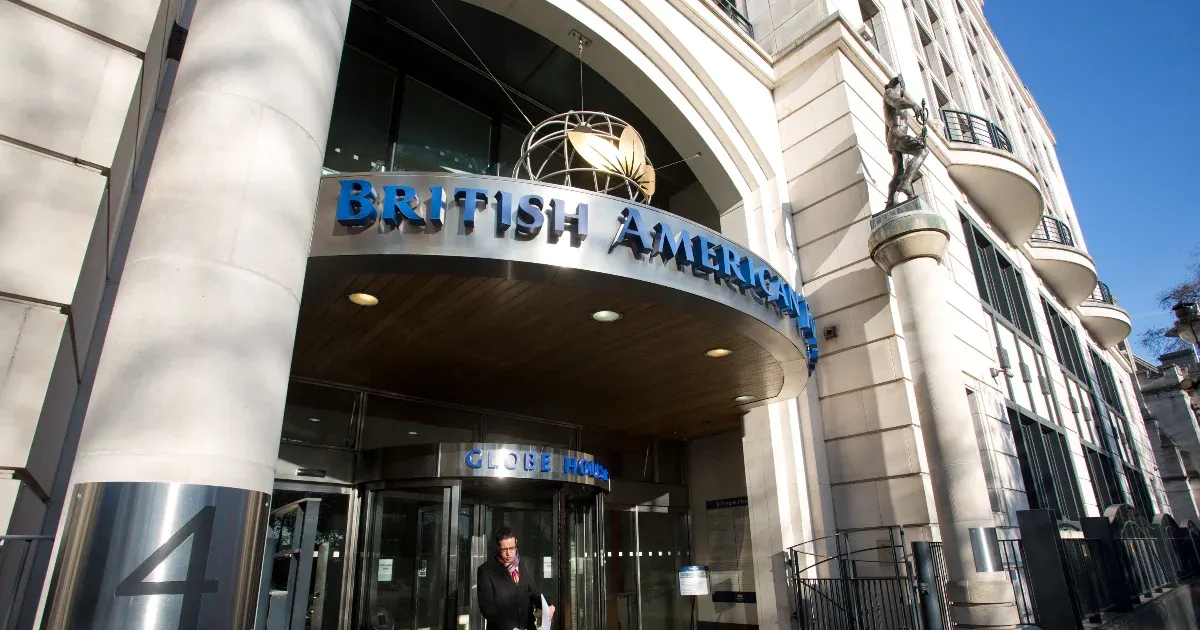
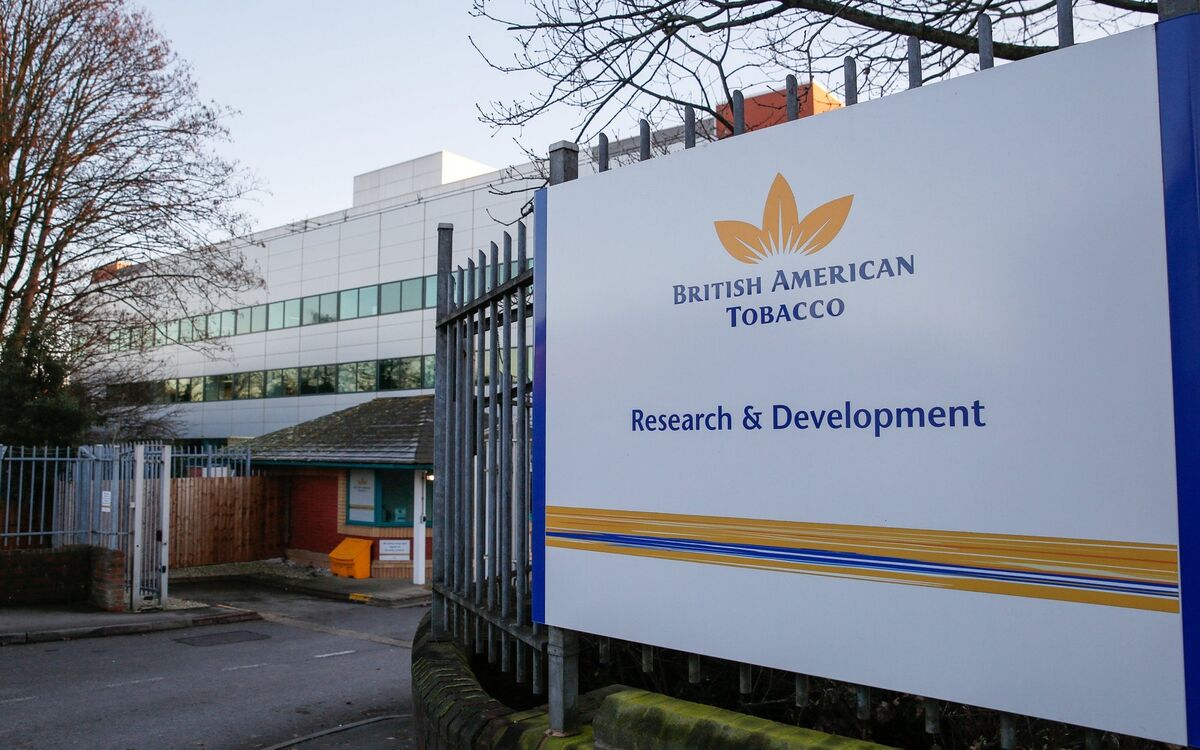
British American Tobacco (BAT) poinformował w poniedziałek, że zredukuje 5,5 tys. miejsc pracy na całym świecie w ramach „programu transformacji”, którego celem jest uzyskanie oszczędności w kwocie 600 mln funtów do 2028 roku. #BritishAmericanTobacco #redukcjaMiejscPracy #programTransformacji #GB

Informacje Giełdowe Jun 30

Wtorkowy skrót info ze świata 🌍 30.06 -🇱🇧 Liban chce odzyskać ziemie zajęte przez 🇮🇱 -🇮🇷 Iran zakazuje komukolwiek usuwania min⚓️ -🇺🇸 zabroniły Katarowi odmrażać aktywów Iranu -⚽️ Niemcy odpadają z Mundialu, Paragwaj wygrał -⚒️Mongolia: duży strajk górników węgla koksowego -🧠 Facebook z "Brain2Qwerty v2" sygnały mózgowe zamieniane na tekst w czasie rzeczywistym -🇵🇱 projekt zakazu pracy przy temp🌡️ >35°C -🍫kakao najdroższe pd stycznia ( gdy dieta zabrani czekolady trzymaj tabliczkę dla gości. A gdy masz ochotę mów "Rysiu, Ty to jesteś gość. I zjadasz🙃) -🌜zmierch o 21:49 -📦Francja wstrzyma od 1 lipca podatek od małych paczek spoza UE (Chiny). Lobbing Pekinu 🇨🇳 -🇫🇷 Francja i Oman mają pakt militarny -🚭British American Tobacco zwolni 20% załogi - Apple bada wyciek info o iPhone 18 -🇹🇼nalot na biura $SMCI -9%.Przemyt AI do Chin -⚽️Ronaldo zarobił już 300mln$ w tym roku. Rekord najbardziej opłacanego piłkarza w historii -💳15 letni rekord niespłacanych kart w USA -🛳️Jach Putina pod eskorta Niszczyciela w Danii -🇺🇸Trump: "Iran prosi o spotkanie w Doha" 🇮🇷 irański negocjator Marandi: "USA prosiły. Ale skoro tak mówią, nie jedziemy" - 🫰dług publiczny USA przekroczył PKB, pierwszy oraz od II Wojny Światowej -📈Strategy $MSTR +12%, skup akcji za 1mld$ -🇹🇭Tajlandzki bank centralny stablecoin bahta - 🫧98,5% domów w Polsce ma pralkę ( Jaka jest różnica między komputerem a praniem? Inaczej się zawiesza 🙃) -⚽️Holandia żegna Mundial. Maroko wygrało -🪙 Strategy z programem sprzedaży Bitcoinów do finansowych operacji. Chcą zarabiać na spadkach -Biedronka zamyka namioty wyprzedażowe w upały - 🐸Żabka rozwija "Kącik Słodkości" w sklepach -🤑JPMorgan: aktywa cyfrowe stają się podstawą gospodarki USA -🚓Ford przywraca 350 inżynierów. AI zawiodło -Dzień Asteroid 🪐( Zderzenie się dwóch komet ☄️☄️było powodem zamknięcia Drogi Mlecznej na kilka godzin świetlnych 🙃) #Świat #Aktualności #Polityka

12841
Stirile ProTV Jun 29

British American Tobacco (BAT) a anunțat concedieri masive, inclusiv 135 de angajați la fabrica sa din Ploiești, parte a unui plan global de reducere a costurilor care vizează 5.500 de posturi, în timp ce compania se concentrează pe tranziția către alternative la fumat. #concedieri #BAT #romania

stirileprotv.ro
Un colos mondial prezent și în România anunță concedieri masive. 135 de angajați au fost deja dați afară la Ploiești
10107
telex Jun 29

A British American Tobacco 5500 munkahely megszüntetését jelentette be világszerte a mesterséges intelligenciára épülő átalakító programja keretében, amely a vállalat rugalmasabbá és költségtudatosabbá tételét célozza meg. #BritishAmericanTobacco #mesterségesintelligencia #munkahelyek

telex.hu
Világszerte 5500 munkahelyet szüntet meg a British American Tobacco a mesterséges intelligencia miatt
11891
Spiegel Online Jun 29

British American Tobacco (BAT) oznámil plán na redukci pracovních míst, kdy zruší přibližně 5500 pracovních pozic a dalších 3500 pracovních míst přesune na externí poskytovatele, čímž se snaží snížit náklady a přizpůsobit se klesající poptávce po tradičních cigaretách. #BAT #Stellenabbau #Zigarettennachfrage

www.spiegel.de
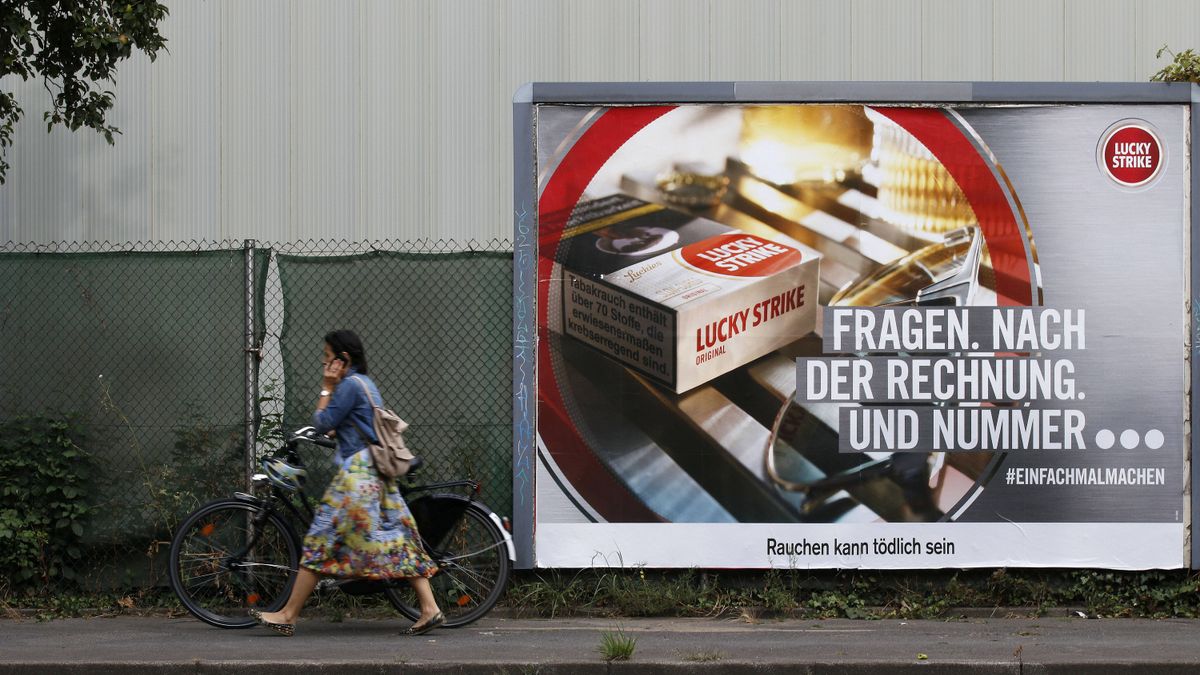
»Lucky Strike«-Konzern BAT streicht Tausende Stellen
8324
Rzeczpospolita Jun 29

British American Tobacco ogłosił plan zwolnienia 5,5 tys. pracowników na całym świecie, co w połączeniu z przekazaniem kolejnych 3,5 tys. stanowisk partnerom strategicznym, łącznie spowoduje zniknięcie 9 tys. miejsc pracy, w ramach przyspieszonego programu transformacji opartego na sztucznej inteligencji. #BritishAmericanTobacco #transformacjacyfrowa #zwolnienia

www.rp.pl
Dramatyczne cięcia w British American Tobacco. Z firmy zniknie 9 tys. stanowisk
10108
HotNews.ro Jun 29

Compania British American Tobacco (BAT) a anunțat intenția de a reduce forța de muncă globală cu 20%, ceea ce va duce la concedierea a 5.500 de angajați și mutarea a 3.500 de funcții către firme terțe, în cadrul unui program de transformare condus de AI menționat în comunicatul oficial, fără a afecta angajații din Statele Unite. #BAT #concedieri #transformare

hotnews.ro
O nouă mare companie, prezentă și în România, anunță că urmează să dea afară 20% din personal
9513
IndexHR Jun 29

British American Tobacco (BAT) najavio je ukidanje 5.500 radnih mjesta diljem svijeta, uz dodatnih 3.500 radnih mjesta koja će biti prebačena partnerima, kako bi se smanjili troškovi i unaprijedila učinkovitost kroz primjenu umjetne inteligencije, pri čemu će do 2028. godine ostvariti godišnje uštede od 600 milijuna funti. #BAT #umjetnainteligencija #Fit2Win

www.index.hr
BAT gasi 5500 radnih mjesta
10108