WRLD

Search

#Valorisation
ARENA 3d

ARENA wrote that Dana White and his associates purchased the UFC in 2001 for 2 million dollars. He noted that its value is now estimated at over 50 billion dollars, which he claims is an increase of 2,499,900%, close to 2.5 million percent. #UFC #MMA #Valorisation (translated)

2914
La Libre.be 5d

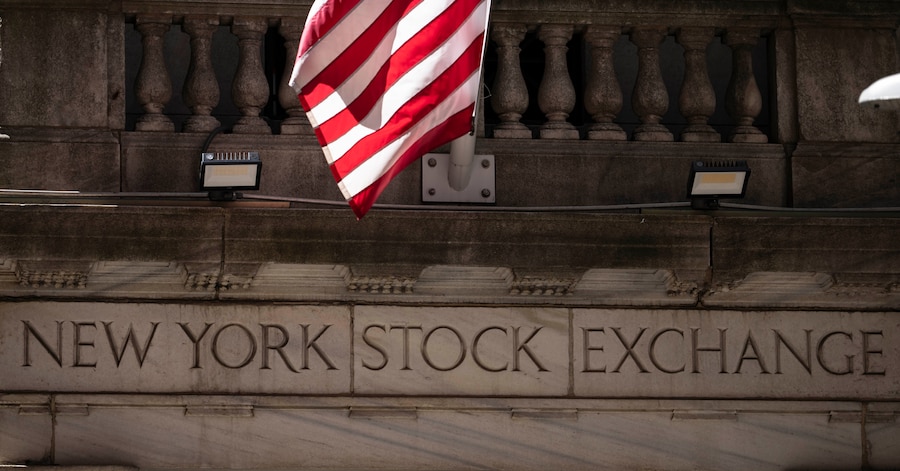
The New York Stock Exchange continues to rise, fueled by falling oil prices and interest rates, with Nvidia approaching a historic valuation of 6 trillion dollars. #Bourse #Marchés #IntelligenceArtificielle (translated)

www.lalibre.be
”Tous les éléments que le marché adore voir se mettent actuellement en place”
1693
Aymeric Caron 2w

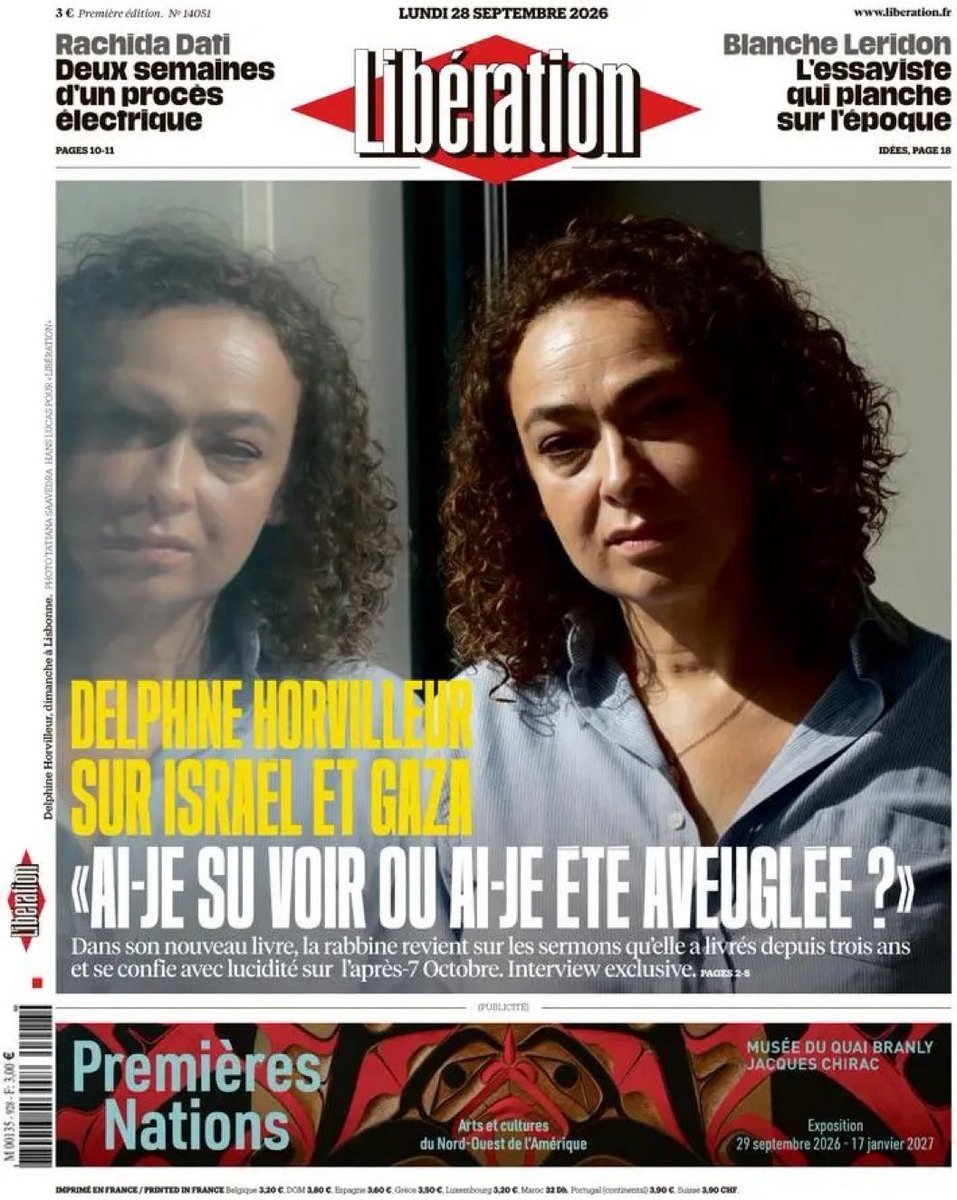
Tandis que l’ampleur des crimes israéliens à Gaza n’est plus dissimulable, les médias mainstream continuent leur opération de nettoyage des preuves: invisibilisation des voix qui ont dénoncé le génocide depuis le début, et valorisation des voix qui l’ont soutenu et qui font mine aujourd’hui d’être opposées à Netanyhaou. Cette une est indécente: Horvilleur est un soutien de la colonisation, de l’apartheid, du génocide. D’ailleurs elle accuse le film Naza de « mensonges ». Et @libe ose encore nous la présenter comme une voix de la sagesse et de la paix. Honteux. #Gaza #Israël #Genocide

16655
Massilia Zone 3w

❗️Amine Gouiri repasse la barre des 30 millions d'euros de valorisation. 📈 En mars 2022, sa valeur marchande avait atteint son apogée : 50M€. 🤑 [@Transfermarkt] https://t.co/o5x2W9zGAv #AmineGouiri #Football #Transferts

14534
Juan Branco ✊ 3w

90 millions d'euros de valorisation un ancien ministre avec 170 euros d'investissement initial, même les républiques bananières n'ont pas osé. Mobiliser tout l'appareil d'Etat d'un pays en prétendant proposer des modèles Frontier, mais n'avoir jamais proposé qu'une #Valorisation #Investissement #FrontierModels #FR

Luciano Magaldi Sardella (PhD) 3w

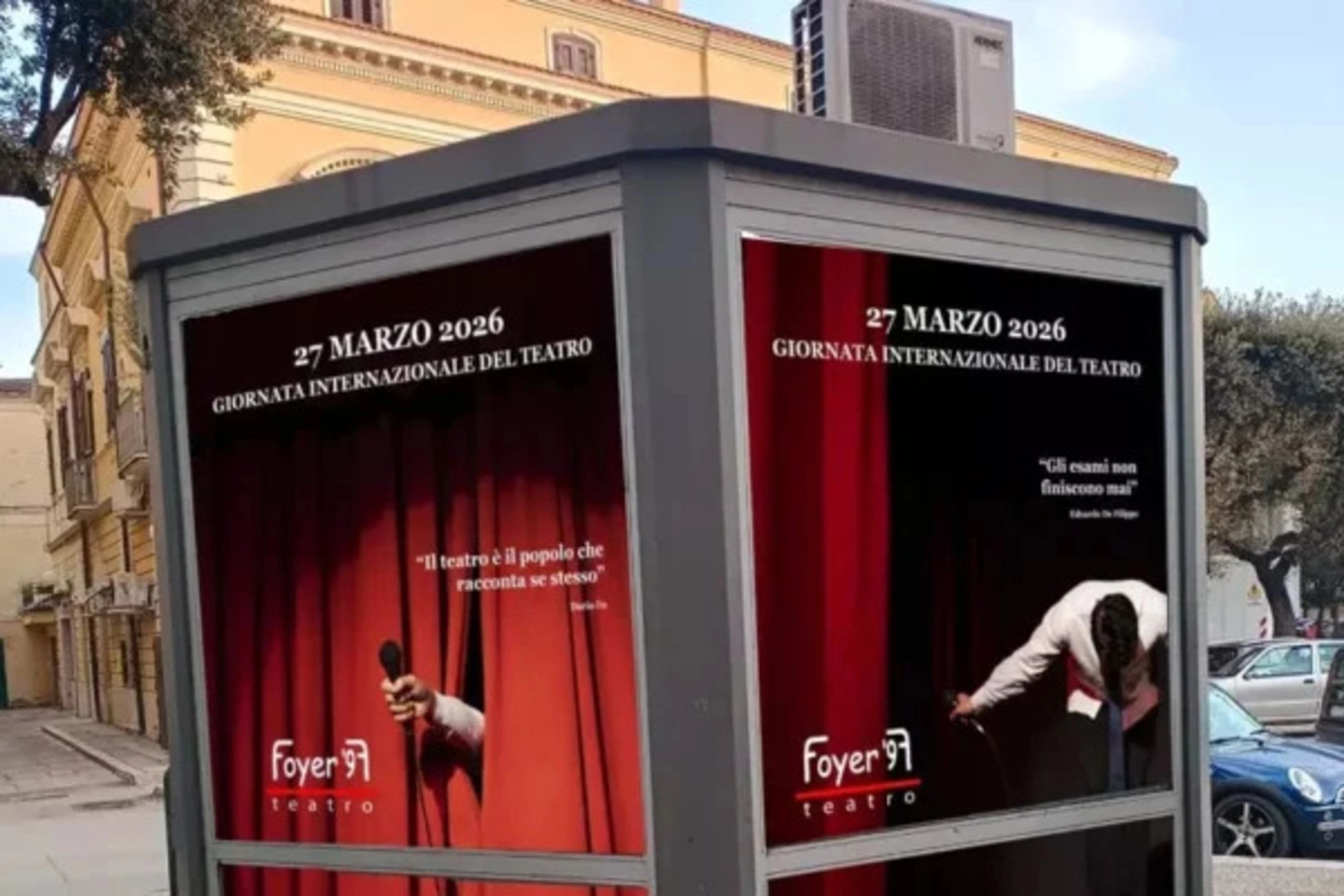
"NEWS GARGANO": A KIOSK FOR A THEATRE: IN SAN SEVERO IT CAN BE DONE, AND ITS ECHO EXTENDS BEYOND ITALY SOURCE: https://www.newsgargano.com/unedicola-per-teatro-a-san-severo-si-puo-e-sconfina-litalia/ SAN SEVERO (FG) - Theatre in San Severo is reborn from less than two square metres and six chairs, transmuting a symbol of urban blight into a small international cause célèbre. The virtuous enterprise has been revived by the company Foyer '97, under the artistic direction of Francesco Gravino, protagonist of a project of cultural regeneration that is now transcending the confines of the Province of Foggia. At the heart of the intervention lies the reclamation of an abandoned newsstand in Via Tondi, for years a disused space and now restored to the city in an unprecedented guise. Where once there was a lowered shutter, theatre is now made: but six spectators at a time, actors at but a few paces from their audience, and performances of brief duration, in a direct and radical commerce between stage and city. The experiment, inaugurated on 27th March, has yielded figures that bespeak a tangible cultural need. More than sixty persons attended the performances in a single afternoon, and the three days of the inaugural season were sold out, demonstrating that proximity and quality may yet generate community even in the most residual of spaces. Yet the story of San Severo has swiftly outgrown its local boundaries. In September 2026, the Stanford Social Innovation Review dedicates to the project the reportage "The Six-Seat Revolution", authored by Luciano Magaldi Sardella, researcher, academic and international journalist from Orta Nova of Sanseverese maternal lineage. The work is described by SSIR as: "A theater director transformed an abandoned newsstand into a radically new theatrical experience that is helping to revive the historic center of a Southern Italian town." The Apulian experience is observed not merely for its theatrical originality, but as a replicable paradigm of low-cost social innovation and urban regeneration, capable of activating cultural capital without recourse to grand structures or lavish investment. "One does not require grand theatres to transform a quarter of a city. What is required is a sound idea and the courage to restore to the collectivity a space that has lost its function," emphasised the artistic director Francesco Gravino. "Teatro Edicola was conceived to demonstrate that a locus of encounter and culture may arise anywhere, even within two square metres. That this endeavour should now be studied at an international level, and that enquiries should arrive from cities such as Lucca and Rome, is confirmation that we are upon the right path." The valorisation and preservation of the urban and cultural fabric must inevitably proceed through the creative reclamation of forsaken places. From a derelict newsstand with scarcely six seats to a project capable of commanding international attention: sometimes, to regenerate a city, one need not build, but re-inhabit.

www.newsgargano.com
Un'edicola per teatro. A San Severo si può e sconfina l'Italia
695
Luciano Magaldi Sardella (PhD) 4w

SAN SEVERO: "TEATRO EDICOLA" CONQUERS THE "STANFORD SOCIAL INNOVATION REVIEW" SOURCE: https://www.statoquotidiano.it/17/09/2026/il-teatro-edicola-conquista-la-stanford-social-innovation-review/1350500/ The initiative is promoted by the company Foyer '97, under the artistic direction of Francesco Gravino, protagonist of a project of urban and cultural regeneration. The theatre in San Severo is reborn from less than two square metres and a mere six chairs, transforming a disused newsstand in Via Tondi into a singular cultural space capable of attracting attention well beyond the confines of the Province of Foggia. The undertaking is promoted by the company Foyer '97, artistically directed by Francesco Gravino, protagonist of a project of urban and cultural regeneration that has restored a new purpose to a space left unutilised for years. Where once there stood a lowered shutter, today theatre itself is staged. Performances accommodate a maximum of six spectators, with actors in the closest proximity to the audience and productions of brief duration, thereby constructing a direct relationship between the stage and the urban space. The experiment, inaugurated on 27th March, yielded significant results from its earliest days. More than 60 persons attended the performances in a single afternoon, whilst the three days of the inaugural season were fully booked. Figures which attest to the interest aroused by a model founded upon proximity, upon the quality of the cultural offering, and upon the capacity to transform a residual space into a place of encounter. The San Severo experience has thus attained international attention. In September 2026, the Stanford Social Innovation Review devoted to the project the reportage “The Six-Seat Revolution”, authored by Luciano Magaldi Sardella, researcher, academic and international journalist, native of Orta Nova and of maternal San Severo origin. The project is analysed not merely for its distinctive theatrical formula, but also as a potential model of low-cost social innovation and urban regeneration, capable of mobilising resources and cultural capital without the necessity of erecting grand structures or sustaining substantial investment. Francesco Gravino, artistic director of the project, underscores the significance of the experience: “One does not require grand theatres in order to transform a fragment of a city. What is required is a sound idea and the courage to restore to the community a space that has lost its function.” And he adds: “Teatro Edicola was born to demonstrate that a place of encounter and culture may arise anywhere, even within two square metres. That this work should now be studied at an international level and that enquiries should arrive from cities such as Lucca and Rome is confirmation that we are pursuing the right course.” The story of the Teatro Edicola thus inscribes itself within the broader theme of the valorisation of the urban patrimony through the creative reclamation of abandoned spaces. A disused kiosk, six seats and a cultural proposition have sufficed to transform a forgotten corner of the city into a place capable of attracting both public and international attention. An example of regeneration commencing from the bare minimum: not to construct a new space, but to return to inhabiting that which already exists.

www.statoquotidiano.it
San Severo, il Teatro Edicola conquista la Stanford Social Innovation Review
928
Black Panthèr 4w

La chaîne américaine CNN annonce la sortie officielle de la version anglaise du livre de Miguel KASHAL KATEMB, intitulé « Africa’s Development through Local Content: The Case of the Democratic Republic of the Congo », publié depuis les États-Unis par la prestigieuse maison d’édition Bertelsmann. Il s’agit du tout premier ouvrage congolais consacré au développement de l’Afrique à travers le contenu local, considéré comme un véritable levier de développement économique, avec pour étude de cas la République démocratique du Congo (RDC). Dédié au combat du Président Félix-Antoine Tshisekedi Tshilombo en faveur de la souveraineté économique de la RDC, l’ouvrage est préfacé et postfacé respectivement par Son Excellence Olusegun Obasanjo, ancien Président de la République fédérale du Nigeria, et Son Excellence Nana Akufo-Addo, ancien Président de la République du Ghana. À travers cet ouvrage, Miguel KASHAL KATEMB met en lumière le rôle stratégique du contenu local dans la transformation économique de la RDC et, plus largement, dans la construction d’un modèle de développement africain fondé sur la valorisation des compétences, des entreprises et des ressources locales. @MiguelKashal @Presidence_RDC #DéveloppementAfricain #RDC #ContenuLocal

11848
Miguel Kashal Katemb 4w

Nous avons le grand plaisir d’annoncer, à travers la chaîne américaine CNN, la sortie officielle de la version anglaise de notre livre intitulé « Africa’s Development through Local Content: The Case of the Democratic Republic of the Congo », publié aux États-Unis par la maison d’édition Bertelsmann. Cet ouvrage aborde la problématique du développement de l’Afrique par le contenu local, utilisé comme levier économique, à travers le cas de la République démocratique du Congo. Il est dédié à l’engagement de Son Excellence Félix-Antoine Tshisekedi Tshilombo, Président de la République, en faveur de la souveraineté économique de la RDC. Le livre est préfacé et postfacé par Leurs Excellences Olusegun Obasanjo, ancien Président de la République fédérale du Nigeria, et Nana Addo Dankwa Akufo-Addo, ancien Président de la République du Ghana. Cette publication constitue une contribution à la réflexion sur les stratégies de développement de l’Afrique, fondées notamment sur la valorisation des ressources, des compétences et des entreprises locales. #DéveloppementAfricaine #RDC #ContenuLocal

22417
Dividend King 👑 4w

10 entreprises de grande qualité qui prévoient d’augmenter leurs bénéfices par action de plus de 15%/an entre 2026 et 2028💰 🤖 Nvidia : 78% 🛒 MercadoLibre : 41% 🔋 ASML : 33% 📦 Amazon : 26% 🏦 FICO : 24% 👾 ServiceNow : 22% 👤 Meta : 18% 🏨 Booking : 17% ☁️ Microsoft : 16% 💳 Mastercard : 16% Pour rappel, dans l’hypothèse où ces sociétés parviendraient effectivement à faire croître leurs bénéfices par action à ces niveaux-là, Et si leurs multiples de valorisation restaient stables, Alors cela signifierait que le prix de leurs actions progresserait du même pourcentage que leurs bénéfices par action. #Investissement #Bourse #Action

11852
O
Oberlé Daniel 4w

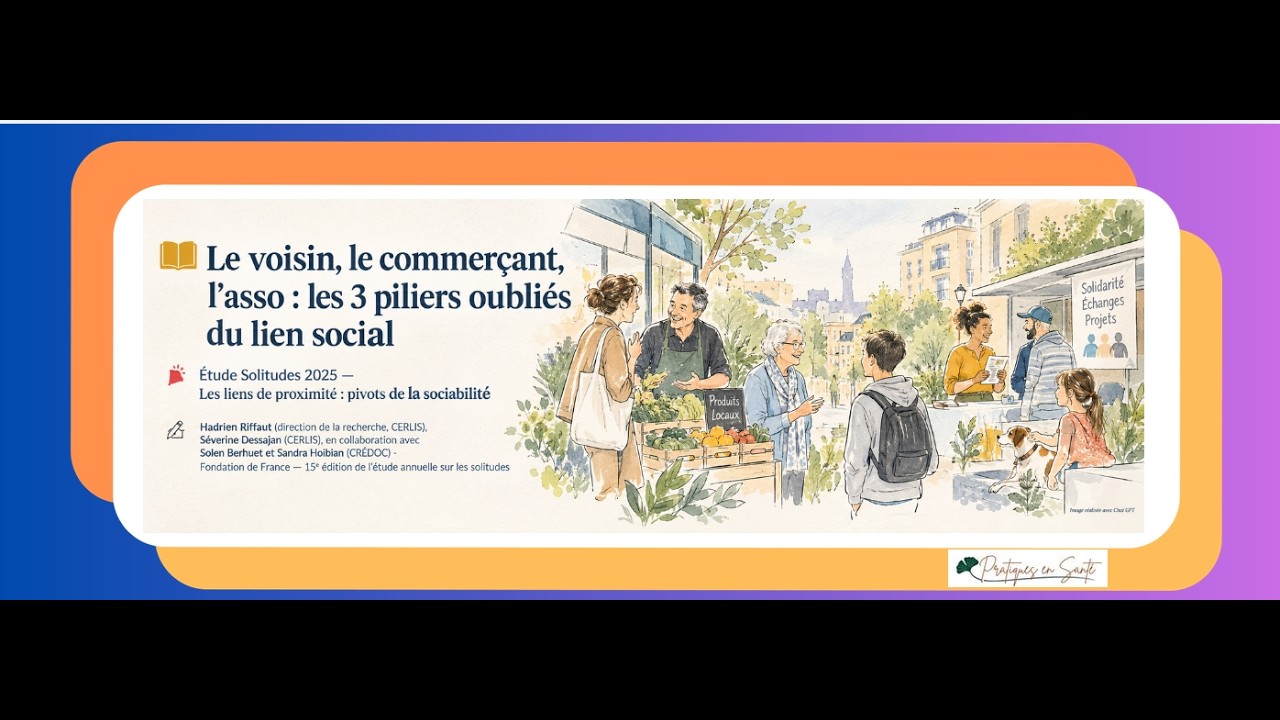
🚨 Le voisin, le commerçant, l'asso : les 3 piliers oubliés du lien social 📒 Étude Solitudes 2025 — Les liens de proximité : pivots de la sociabilité✍️ ✍️ Hadrien Riffaut (direction de la recherche, CERLIS), Séverine Dessajan (CERLIS), en collaboration avec Solen Berhuet et Sandra Hoibian (CRÉDOC) - Fondation de France — 15ᵉ édition de l'étude annuelle sur les solitudes Capsules Audio/Vidéo de Pratiques en Santé 🎙️🎥 https://www.youtube.com/watch?v=Kg8EFSitvS8 Analyse de Pratiques en Santé et lien vers la source ℹ️➕ https://www.pratiquesensante.com/blog/pratiques-15/etude-solitudes-2025-les-liens-de-proximite-pivots-de-la-sociabilite-6186 🔍💡 Lien social & territoires : quand la famille et les amis manquent, ce sont le voisinage, les commerces et les associations qui retiennent les personnes seules. L'étude Solitudes 2025 cartographie ces « liens de proximité » et pointe des leviers d'action concrets. 📌 Cette étude donne des repères concrets pour agir là où les grands réseaux (famille, amis, travail) se sont délités. Elle montre que le voisinage, les petits commerces et surtout les associations deviennent alors les vrais points d'appui du lien social — et que leur activation dépend fortement du territoire et de la mobilité. Elle outille une lecture fine des publics les plus exposés (précarité, ruralité enclavée, quartiers prioritaires, santé fragilisée) et propose des leviers directement transposables : repérage des fragilités, aller-vers, valorisation des voisins-relais, bascule de l'usager vers le bénévolat. 🇬🇧: Solitudes Study 2025 — Proximity Links: Pivots of Sociability - https://www.pratiquesensante.com/en/blog/practices-15/solitudes-study-2025-proximity-links-pivots-of-sociability-6186 #️⃣ #pratiquesensante #LienSocial #LutteContreIsolement #Solitude #SantéCommunautaire #AllerVers #Ruralité #Associations

www.youtube.com
Solitudes 2025 Le voisin, le commerçant, l'asso : les 3 piliers oubliés du lien social
466
O
Oberlé Daniel 4w

🚨 Le voisin, le commerçant, l'asso : les 3 piliers oubliés du lien social 📒 Étude Solitudes 2025 — Les liens de proximité : pivots de la sociabilité✍️ ✍️ Hadrien Riffaut (direction de la recherche, CERLIS), Séverine Dessajan (CERLIS), en collaboration avec Solen Berhuet et Sandra Hoibian (CRÉDOC) - Fondation de France — 15ᵉ édition de l'étude annuelle sur les solitudes Capsules Audio/Vidéo de Pratiques en Santé 🎙️🎥 https://www.youtube.com/watch?v=Kg8EFSitvS8 Analyse de Pratiques en Santé et lien vers la source ℹ️➕ https://www.pratiquesensante.com/blog/pratiques-15/etude-solitudes-2025-les-liens-de-proximite-pivots-de-la-sociabilite-6186 🔍💡 Lien social & territoires : quand la famille et les amis manquent, ce sont le voisinage, les commerces et les associations qui retiennent les personnes seules. L'étude Solitudes 2025 cartographie ces « liens de proximité » et pointe des leviers d'action concrets. 📌 Cette étude donne des repères concrets pour agir là où les grands réseaux (famille, amis, travail) se sont délités. Elle montre que le voisinage, les petits commerces et surtout les associations deviennent alors les vrais points d'appui du lien social — et que leur activation dépend fortement du territoire et de la mobilité. Elle outille une lecture fine des publics les plus exposés (précarité, ruralité enclavée, quartiers prioritaires, santé fragilisée) et propose des leviers directement transposables : repérage des fragilités, aller-vers, valorisation des voisins-relais, bascule de l'usager vers le bénévolat. 🇬🇧: Solitudes Study 2025 — Proximity Links: Pivots of Sociability - https://www.pratiquesensante.com/en/blog/practices-15/solitudes-study-2025-proximity-links-pivots-of-sociability-6186 #️⃣ #pratiquesensante #LienSocial #LutteContreIsolement #Solitude #SantéCommunautaire #AllerVers #Ruralité #Associations

www.youtube.com
Solitudes 2025 Le voisin, le commerçant, l'asso : les 3 piliers oubliés du lien social
582
L
Le Soir Sep 10

L'entreprise de tunnels d'Elon Musk, The Boring Company, a atteint une valorisation de 23 milliards de dollars après avoir levé 3 milliards de dollars lors d'un nouveau tour de financement mené par des investisseurs des Émirats arabes unis, destiné à développer plus de 150 km de tunnels à travers le pays. #TheBoringCompany #ElonMusk #tunnels

www.lesoir.be
Une levée de fonds valorise l'entreprise de tunnels de Musk à 23 milliards de dollars
15731
La Libre.be Sep 9

L'article explore le phénomène croissant d'europemaxxing, qui reflète l'intérêt des Américains pour le mode de vie européen, marqué par une valorisation des plaisirs quotidiens et d'un rythme de vie plus détendu, contrastant avec la culture de productivité américaine. #europemaxxing #modeDeVie #culture européenne

www.lalibre.be
Pourquoi notre mode de vie interpelle soudainement les Américains : "Une victoire"
17486
Franceinfo Sep 8

La start-up française Mistral a annoncé une levée de fonds de trois milliards d'euros, portant sa valorisation à 21,3 milliards d'euros, avec un investissement majeur de Samsung et des projets d'expansion dans de nouveaux marchés. #MistralAI #IntelligenceArtificielle #LevéeDeFonds

www.franceinfo.fr
La start-up française Mistral annonce une nouvelle levée de fonds de trois milliards d'euros, portant sa valorisation à plus de 21 milliards d'euros
18082
BFMTV Sep 8

Mistral, une entreprise française d'intelligence artificielle, a levé 3 milliards d'euros, notamment auprès de Samsung, ce qui porte sa valorisation à plus de 21 milliards d'euros, pour accélérer sa recherche et développer ses infrastructures. #IntelligenceArtificielle #Financement #Innovation

www.bfmtv.com
L'entreprise est désormais valorisée plus de 21 milliards d'euros: le français Mistral lève 3 milliards d'euros, notamment auprès de Samsung, pour "aller plus vite dans la recherche" et développer ses infrastructures
18665
La Libre.be Sep 7

Les entreprises européennes, soutenues par des valorisations attractives et des résultats prévus en forte croissance, se positionnent favorablement sur le marché malgré les incertitudes géopolitiques et la dépendance au pétrole. #EntreprisesEuropéennes #Croissance #MarchésFinanciers

www.lalibre.be
”Les entreprises européennes sont à nouveau très bien positionnées”
15172
Kultur Sep 6

🚨 TERRIBLE NIKE va être retiré du S&P 100 après 18 ans de PRÉSENCE !! L’entreprise a perdu près de 80 % de sa valorisation en 5 ans 🤯 https://t.co/xL15hoNYku #Nike #SP100 #bourse

50790
Luciano Magaldi Sardella (PhD) Sep 5

The Vindication of the “GIO Festival”: “BroadwayWorld” Celebrates Marina and the Umberto Giordano Theatre of Foggia SOURCE: https://www.linkedin.com/pulse/vindication-gio-festival-broadwayworld-celebrates-sardella-ph-d--8zzce/ SOURCE: https://www.letteremeridiane.org/2026/08/la-rivincita-del-gio-festival-broadwayworld-celebra-marina-e-foggia/ The GIO Festival has been, to put it mildly, overlooked by Rai3 Puglia and several regional outlets. Yet the festival dedicated to Umberto Giordano — promoted by the Chamber of Commerce of Foggia together with the Municipality and the Province, and supported by the Apulia Region and the Fondazione Monti Uniti — has achieved a remarkable vindication, landing on the homepage of BroadwayWorld thanks to the world première of the opera Marina, staged on 5 June at the Umberto Giordano Theatre in Foggia. This is no small feat, considering that BroadwayWorld is among the most influential American platforms devoted to theatre and the performing arts. The transatlantic debut of the opera by Foggia’s great composer did not escape the attention of Luciano Magaldi Sardella, who submitted to the editorial board of Lettere Meridiane an in‑depth and compelling contribution, reproduced below. In the article, the author masterfully reconstructs the extraordinary story of Giordano’s first opera, composed in 1888 and left without a staged production for 138 years, until its historic performance on 5 June at the Giordano Theatre. Above all, he recounts how the inaugural edition of the GIO Festival has restored Foggia to the centre of the international operatic stage, through the rediscovery and valorisation of Marina, the involvement of major musical institutions, and the attention of the American press. It is a stimulating reflection on the cultural and identity‑driven renaissance of a city that, for far too long, bore Giordano’s name on the façade of its theatre without managing to turn it into a lever of international visibility. (g.i.) + + + + + There are moments in the life of a city when past and future clasp hands upon the stage of the present. Foggia experienced one of these moments on the evening of 5 June 2026, when the curtain of the Umberto Giordano Theatre rose upon Marina, an opera composed in 1888 by a young man of twenty‑one — Umberto Giordano — then a student at the San Pietro a Majella Conservatoire in Naples. After one hundred and thirty‑eight years of silence, that score finally found its first scenic breath in the world. “It is not an ordinary event. It is a turning point. A void filled. A story rewritten.” Umberto Giordano, one of the most celebrated verismo composers of the fin‑de‑siècle — born in Foggia, author of masterpieces such as Andrea Chénier, Fedora, Siberia — had remained, until now, the only great Italian opera composer without a festival entirely dedicated to his oeuvre. A paradox that weighed like a historical injustice upon a city that bears his name engraved on the pediment of its most beautiful theatre. This is the extraordinary journey of Marina, Giordano’s first opera, which after 138 years of oblivion received its world première in scenic form on 5 June 2026 at the Umberto Giordano Theatre in Foggia, as the opening event of the GIO Festival — the inaugural edition of the Giordano International Opera Festival. The manuscript, preserved in the Frederick R. Koch Collection at Yale University’s Beinecke Rare Book and Manuscript Library, has travelled an astonishing path: from the elite libraries of America’s East Coast to the beating heart of the Daunia. On the night of 5 June 2026, at the Umberto Giordano Theatre, that silence was finally broken. The GIO Festival was conceived in Foggia as an ambitious cultural project promoted by the Chamber of Commerce, the Municipality, and the Province, with the support of the Apulia Region, aiming to transform the artistic legacy of the verismo composer into a driver of territorial development and cultural tourism. Under the artistic direction of conductor Gianna Fratta and violinist Dino De Palma, the event at last fills a historical void. Its model is explicit and ambitious: a project inspired by the great festivals dedicated to Italian composers — such as the Verdi Festival, the Puccini Festival, the Rossini Opera Festival — while maintaining a strong territorial and participatory dimension. In other words, Foggia formally claims its seat at the table of the greats. And it does so with the credentials required: an unrepeatable world scenic première (parallel to the concert première at Milan’s Teatro Dal Verme, recorded by the prestigious opera label Decca Classics), a high‑quality operatic production, and the support of leading cultural institutions (Teatro dell’Opera di Milano, Fondazione Teatro Petruzzelli of Bari). The festival benefitted from the collaboration of the Orchestra of the Conservatoire and the Chorus of the Fondazione Teatro Petruzzelli of Bari, the Umberto Giordano Conservatoire of Foggia, the Fondazione Monti Uniti, and the Fondazione Apulia Felix. A network of excellence that lent the event national resonance and stature. The Umberto Giordano Theatre is a nineteenth‑century jewel of rare beauty — the oldest functioning horseshoe‑shaped historic theatre in Apulia. Yet for decades it lived in a state of semi‑clandestine cultural marginality, relegated to the periphery of the operatic routes that matter, hindered by long interruptions in its use from 2007 to 2014, including recent fire‑safety compliance requirements. Some referred to it, with a mixture of condescension and provincial resignation, as a “provincial theatre”, destined merely to bear Giordano’s name. That label is now destined to fall. It is precisely in Foggia that this youthful gem received its first scenic staging, placing the city on the international map of opera. A positioning without precedent in the city’s recent history. The Giordano Theatre recorded a full house for the historic première of Marina, welcoming hundreds of spectators, while many more followed the performance from outside via a large screen installed for the occasion. The production met expectations with full artistic dignity: the staging transposed the narrative to the First World War, heightening the opera’s dramatic and realist character. On the podium, the Symphony Orchestra of the Umberto Giordano Conservatoire conducted by Matteo Dal Maso. Sets and costumes by Alfredo Troisi; lighting by Massimo Russo. An ensemble of talents worthy of the name the theatre proudly bears. The definitive seal of this moment’s historical significance arrived from across the Atlantic. BroadwayWorld, the world’s most influential outlet for live performance criticism and reporting — with over 5.5 million monthly views — dedicated exclusive coverage to the event, publishing a complete photographic gallery of the world scenic première curated by Chloe Rabinowitz and a substantial critical review by Rachel Stone. The American article emphasised the historical value of the undertaking and the bond between the composer and his native city, highlighting the musical quality of the score, deemed surprisingly mature for the composer’s age. For the first time, the Umberto Giordano Theatre appeared on the New York‑based site alongside institutions such as the Los Angeles Opera House, Houston Opera, and BBC Classical Music at the Royal Opera House. It is its natural place. It should have been there decades ago. Until now, the world knew Giordano through his Milanese triumphs, not through the youthful opera written between Foggia and the Naples Conservatoire — the lost (and later rediscovered) Marina of 1888. Let us be clear: this is no minor detail. BroadwayWorld does not grant exclusive galleries to provincial theatres. It does so for events that shift the coordinates of musical and theatrical history within the circuits that matter. This time, those coordinates shifted to Foggia thanks to the GIO Festival, in the name of Umberto Giordano. For the record — and for those who may not yet know — the GIO Festival is a new and ambitious biennial event conceived by the Chamber of Commerce of Foggia, with the aim of celebrating the genius of Umberto Giordano and transforming it into a powerful engine of development for the entire Capitanata. Biennial means continuity, planning, vision. It means that Foggia does not intend to be a meteor in the operatic firmament, but a stable and recognisable presence within the international festival circuit. Andrea Chénier, Siberia, and Fedora had already carried Giordano’s name to the Metropolitan Opera House in New York for more than a century, where his works are still performed to great acclaim. Now Foggia itself — not merely its scattered operatic legacy — claims its rightful “place in the sun”. The composer whom his city struggled to recognise in life, and whose name it preserves on its theatre, its square, and its conservatoire, may finally become the lever of an unprecedented cultural, economic, and identity‑driven renaissance. The GIO Festival 2026 is not, one hopes, a point of arrival. It should be the first chapter of a new story for Foggia, for the Capitanata, and for the cultural South of Italy. The Umberto Giordano Theatre is no longer merely an architectural jewel to be preserved: it has now become a place of creation and inspiration, capable of attracting international press attention and hosting events that enter the annals of world opera. To those who still whisper that Foggia is a provincial city, the answer is now written upon the world’s stages: on the evening of 5 June 2026, the periphery became the centre.

www.linkedin.com
The Vindication of the “GIO Festival”: “BroadwayWorld” Celebrates Marina and the Umberto Giordano Theatre of Foggia
818
Luciano Magaldi Sardella (PhD) Sep 5

“THE BATTLE OF CERIGNOLA (1503)” RETURNS TO THE CENTRE OF EUROPEAN HISTORY: FEATURED IN THE 'LONDON DAILY NEWS' SOURCE: https://www.linkedin.com/pulse/battle-cerignola-1503-returns-centre-european-history-sardella-ph-d--9urse/ SOURCE: https://www.londondaily.news/why-britons-should-recall-the-battle-of-cerignola-1503-the-battlefield-where-guns-killed-chivalry/ The prestigious London-based newspaper London Daily News—a publication exceeding 250,000 monthly readers and more than two million annual contacts—has released the first in-depth historical feature devoted to the Battle of Cerignola (1503), long regarded by scholars as Europe’s first modern battle: the moment when the arquebus and new tactical doctrines heralded the end of heavy cavalry and inaugurated a radically different way of waging war. A TRIBUTE TO PAST AND PRESENT MUNICIPAL ADMINISTRATIONS Due praise is owed to Cerignola’s current "Municipal Administration", including the Mayor and the Councillor for Culture, who in recent years—together with many other civic leaders—have steadfastly championed the valorisation of local history. Their commitment to initiatives, research programmes, and identity-building projects is now resonating well beyond Italy’s borders. A WELL-DESERVED RECOGNITION FOR PROF. MATTEO STUPPIELLO Heartfelt gratitude is extended to Professor Matteo Stuppiello, founder and president of Cerignola’s Centro Studi Torre Alemanna, who has devoted decades of archival, archaeological, cultural, and educational work to the Battle of Cerignola. His tireless scholarship has played a decisive role in restoring this event to the international historical debate. His contribution is now acknowledged not only within Foggia and Apulia, but across the national and European sphere. CERIGNOLA AT THE HEART OF EUROPEAN AND GLOBAL HISTORY The battlefield of 1503—where the Spanish forces of the “Great Captain”, Gonzalo Fernández de Córdoba, defeated the French army of Louis d’Armagnac, Duke of Nemours, through innovative strategy and the extensive deployment of arquebusiers—is today recognised by military historians worldwide, particularly in Spain, as a true turning point in global military history. Thanks to the synergy between institutions, scholars, and the local community, Cerignola is finally receiving the international visibility it has long deserved.

www.linkedin.com
“THE BATTLE OF CERIGNOLA (1503)” RETURNS TO THE CENTRE OF EUROPEAN HISTORY: FEATURED IN THE 'LONDON DAILY NEWS'
701