
WWF Portugal praised the recovery of the Iberian lynx, bluefin tuna, and sardine. #WWF #conservação #natureza #PT #ES (translated)
WWF Portugal praised the recovery of the Iberian lynx, bluefin tuna, and sardine. #WWF #conservação #natureza #PT #ES (translated)
According to the Living Planet Report 2026, wildlife populations have declined by an average of 73 percent worldwide since 1970, with freshwater habitats being the most affected, with a decrease of 85 percent, while the WWF identifies food production as the main driver of this decline. #Lebensraumverlust #Wildtierschutz #WWF (translated)
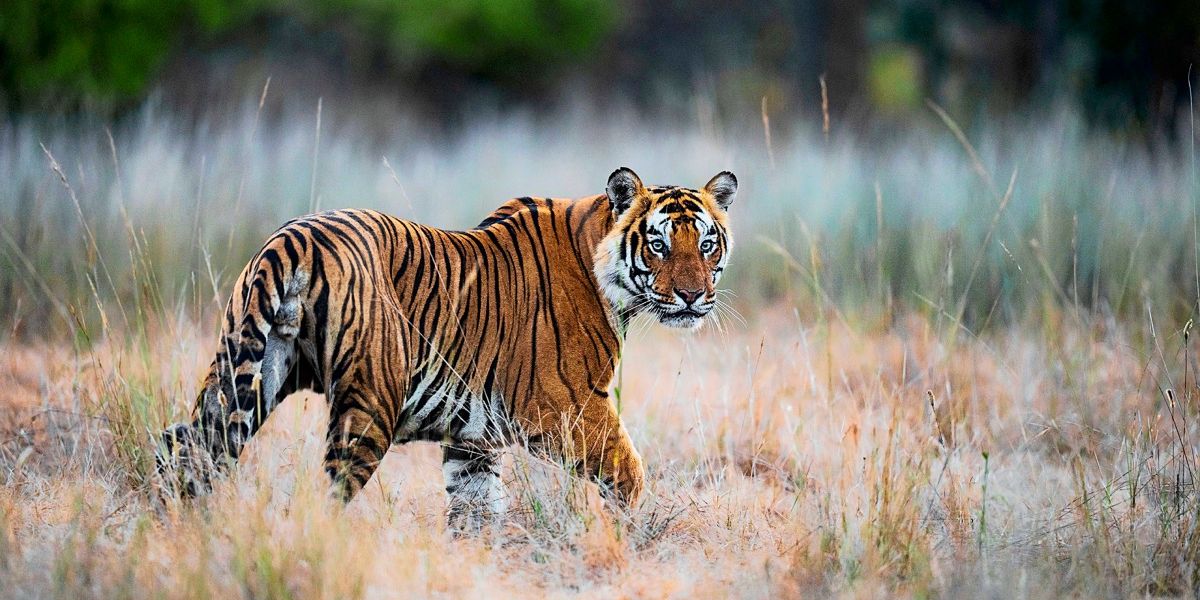

The Living Planet Report 2026 by WWF reveals that in the last 52 years, the average population of wild fauna has decreased by 73%, although it suggests that it is possible to reverse this trend through profound transformations in energy, food, and financial systems. #Biodiversidad #Conservación #CambioClimático (translated)
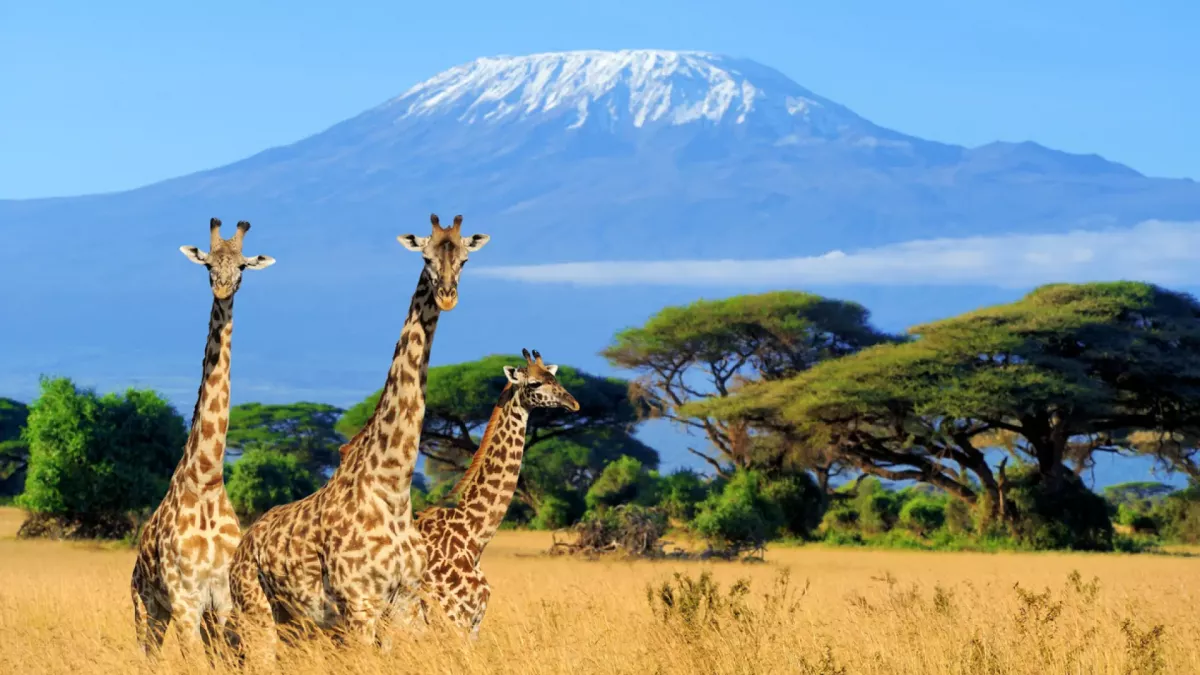

The Finnish government faces a decisive decision on nature restoration, and according to WWF, the situation requires ambitious actions to secure biodiversity. #Luontokato #WWF #Suomi (translated)

According to a WWF report, many wildlife populations worldwide continue to decline dramatically, while some have been stabilized or recovered through targeted conservation measures and catch quotas. #Artenschutz #Tierbestand #Umweltschutz (translated)
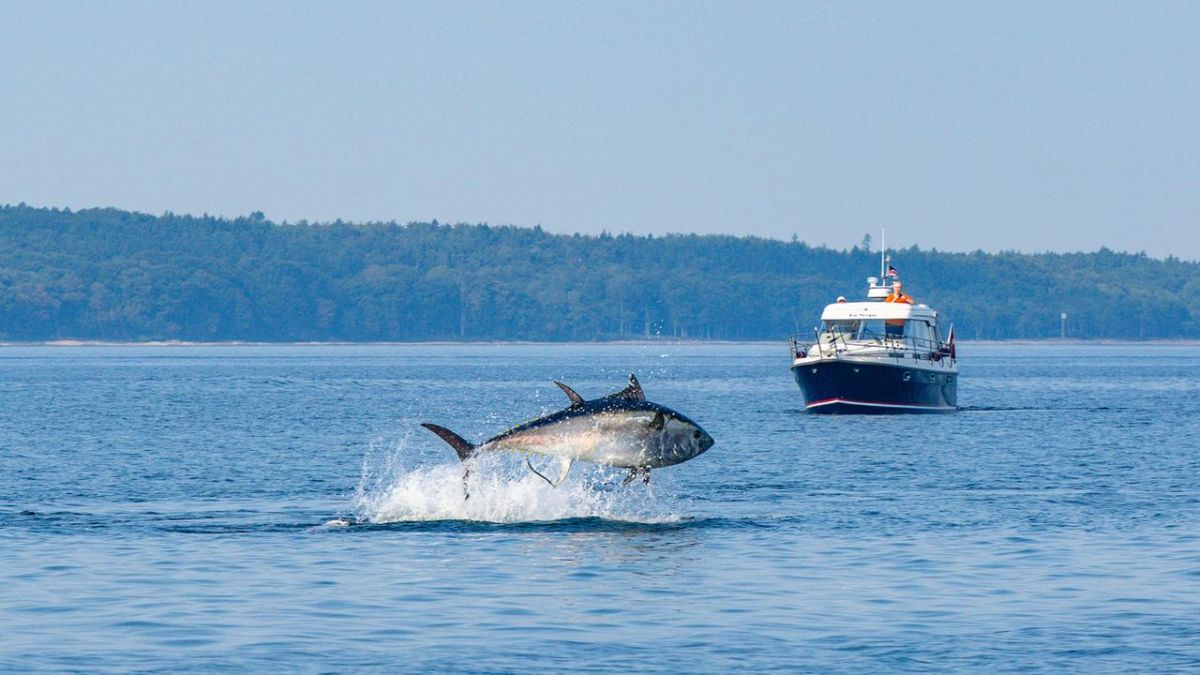

The populations of vertebrates have fallen by 73 percent in the last 52 years, mainly due to habitat loss, overexploitation of resources, climate change, and pollution, but nearly half of the populations show stability or growth, explains WWF in its latest report. #zaštitaprirode #bioraznolikost #WWF (translated)

Wild animal populations have declined by 73% since 1970, but WWF claims it is possible to reverse this trend through sustainable conservation efforts. #Biodiversité #WWF #Conservation (translated)
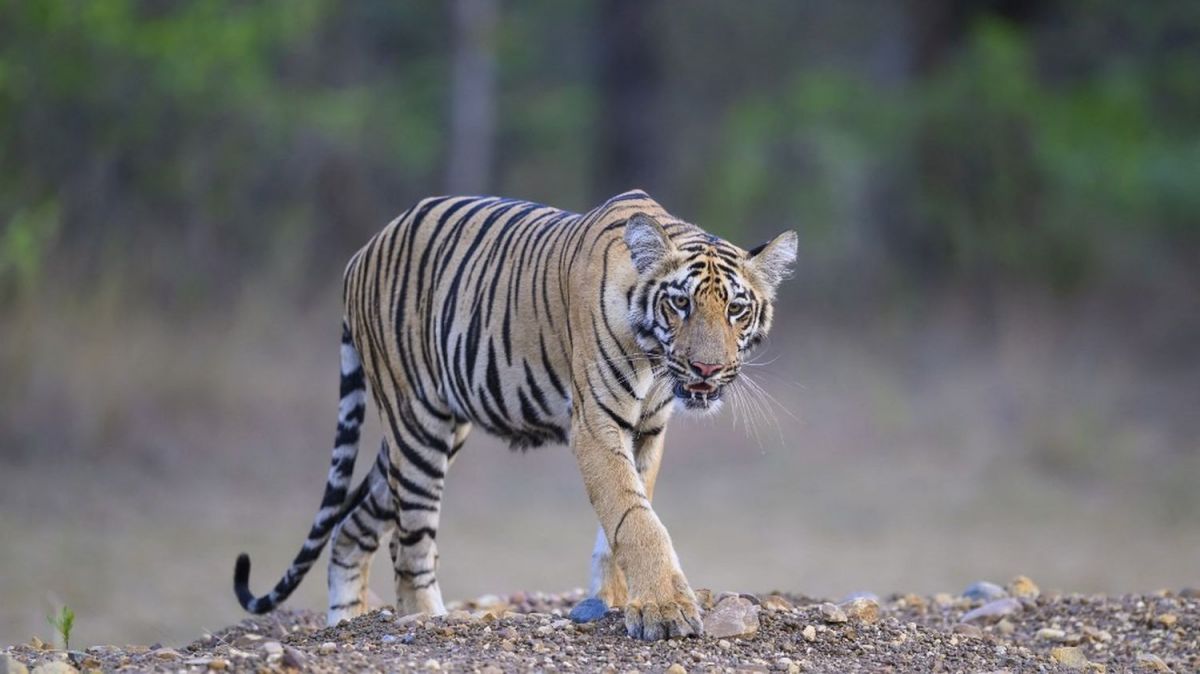

The WWF Living Planet Report 2026 reveals that wild vertebrate populations worldwide have decreased by 73% since 1970, with the worst declines in Latin America and the Caribbean. #bioróżnorodność #dzikiezwierzęta #ochronaśrodowiska (translated)
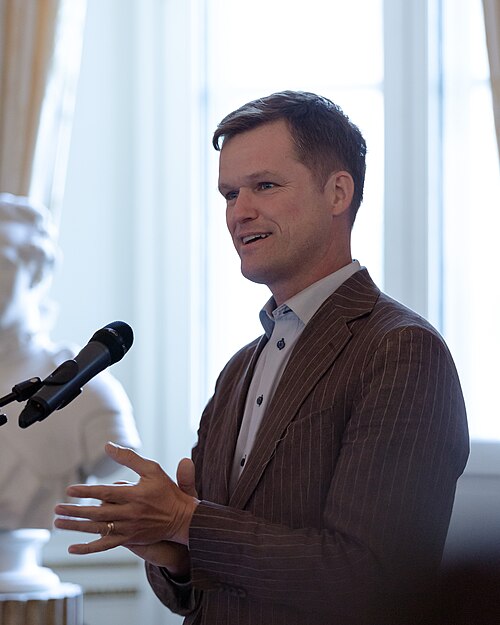
– Large parts of the ecosystems we depend on are being lost. Yet, or perhaps precisely because of this, we want to focus on hope as a force for change. As long as we have hope, we can find ways forward, says Gustaf Lind, Secretary General of the World Wildlife Fund WWF. #BiologiskMångfald #WWF #HållbarUtveckling (translated)

A new report from WWF shows that populations of wild vertebrates have decreased by 73 percent since 1970, creating an acute crisis for biodiversity, but there is hope through successes with species like tigers and elephants, while extensive changes in the energy, finance, and food sectors are required to reverse the trend. #BiologiskMångfald #WWF #HållbarUtveckling (translated)
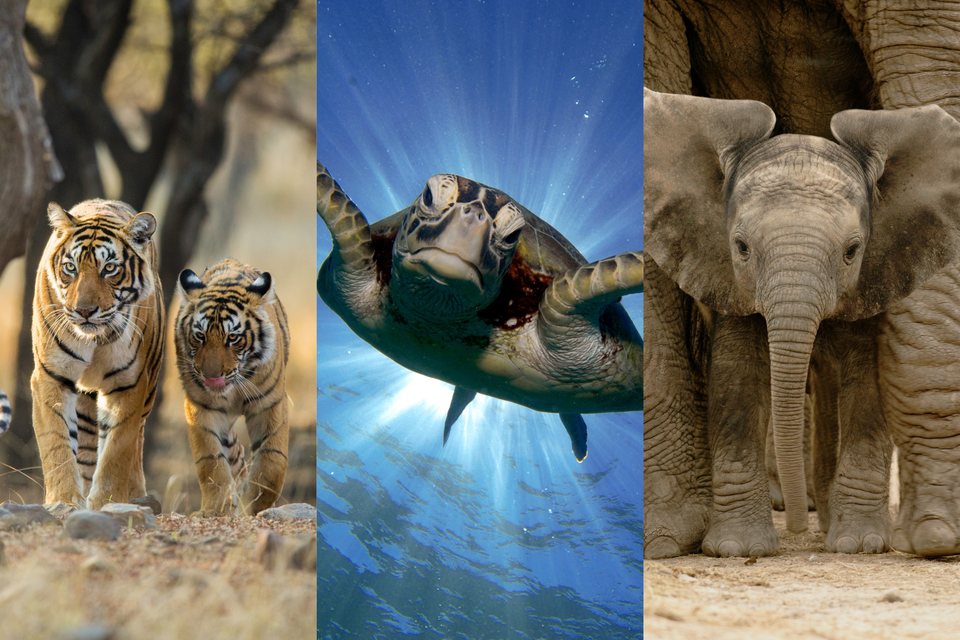
Despite the ongoing decline in vertebrate populations between 1970 and 2022, WWF highlights signs of hope through examples of recovery linked to conservation measures. #Biodiversité #WWF #Conservation (translated)

A report from WWF reveals that, although 73% of the planet's species are in decline, there are signs of recovery in some of them, such as the tiger and the bluefin tuna, indicating that conservation efforts may have positive results. #Biodiversidade #Conservação #Natureza (translated)
WWF praises the advances in nature recovery in Portugal, highlighting positive cases such as the Iberian lynx and the bluefin tuna, but warns about the dependence on fossil fuels and the challenges associated with climate change and energy poverty. #WWFPortugal #RecuperaçãoDaNatureza #MudançasClimáticas (translated)
The populations of wild animals are still in crisis, although tiger populations have recovered thanks to conservation efforts, according to a recent report by WWF. #Villieläimet #Tiikerit #WWF (translated)

According to the latest WWF Living Planet Report, animal populations worldwide continue to shrink dramatically, especially in freshwater habitats, while targeted conservation measures can show successes in some cases. #WWF #Biodiversität #Artenschutz (translated)
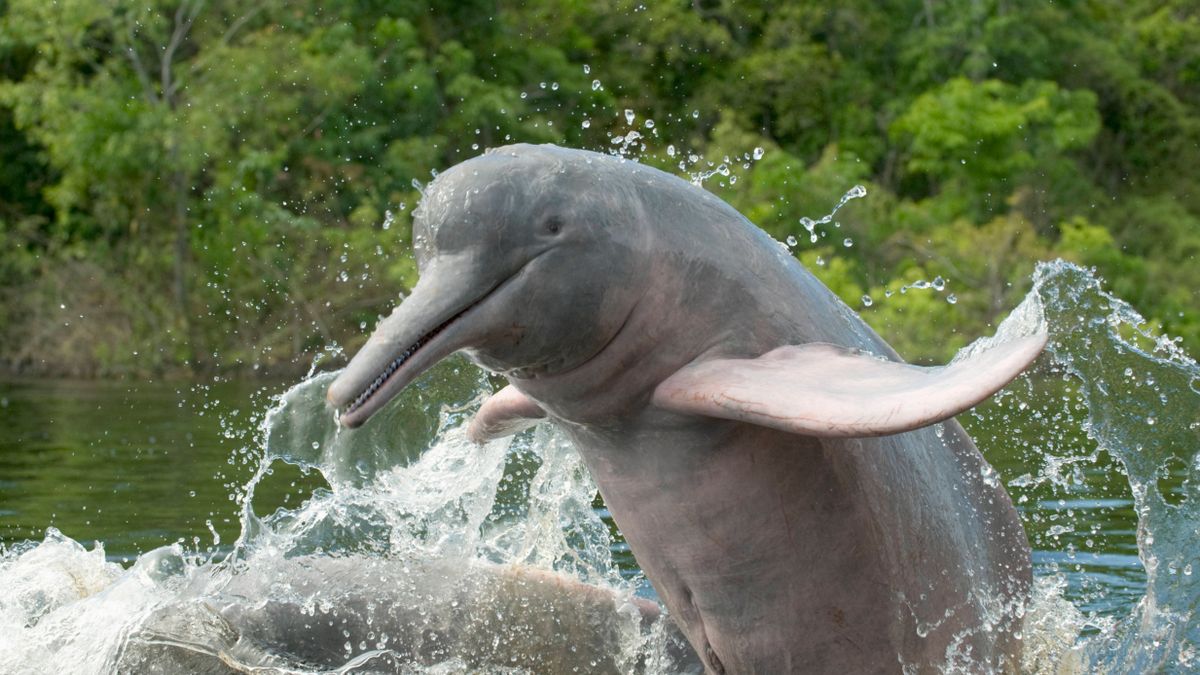

According to a WWF report, global wildlife populations continue to decline dramatically, with vertebrate populations shrinking by an average of 73 percent from 1970 to 2022, and the main causes of this decline are human-made factors such as food production and habitat destruction. #Biodiversität #Naturschutz #WWF (translated)


ClimateMarcene said forests were continuing to deteriorate and disappear, and argued that protecting nature was necessary to keep emissions down. The post identified WWF and We Don’t Have Time in connection with the discussion.
WWF warns that floods in Portugal are preventable and promotes the adoption of natural and preventive measures to reduce the risk of flooding, emphasizing the high costs of inaction and the need for an approach that works in harmony with nature. #Inundações #WWF #Prevenção (translated)

Låt oss ta vara på den, säger Elin Larsson. #hållbarhet #ekonomi #WWF
När ekosystem försvagas ökar riskerna i ekonomin, med konsekvenser för allt från livsmedelsförsörjning och affärsverksamheter till finansiell stabilitet och människors trygghet, säger Gustaf Lind, generalsekreterare på Världsnaturfonden WWF. #hållbarhet #ekonomi #WWF





