WRLD

Search

#Yale
20 minutos 1d

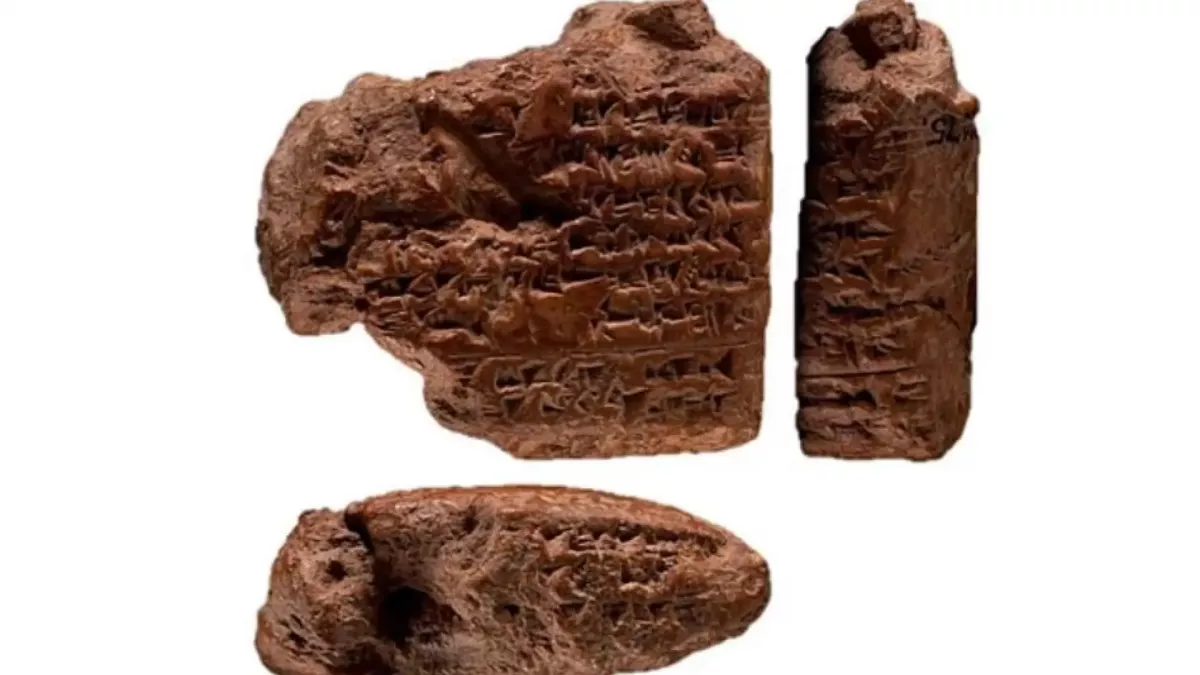
Researchers from Yale University discovered evidence of three unknown Assyrian kings who were deliberately omitted from the Assyrian King List, which suggests that the political intrigues in the ancient Assyrian empire were more complex than previously documented. #Asiria #arqueología #historia (translated)
www.20minutos.es
Arqueólogos encuentran pruebas de un 'Juego de Tronos' de hace 3.000 años que borró de la historia a tres reyes asirios
2546
Eugene R. Fidell 1d

Eugene R. Fidell, a visiting lecturer at Yale Law School and an expert in military law, warned that legal proceedings could take so long that they might outlast the current U.S. administration. #NidalMalikHasan #FortHood #Pogubljenje (translated)

Ušao među suborce, uzviknuo 'Allahu akbar' i otvorio vatru: Ubio 13 ljudi, pobjeglima pucao u leđa, a sad ga čeka streljački stroj
www.vecernji.hr
2257
Eugene R. Fidell 3d

Eugene R Fidell, a specialist in military law and a lecturer at Yale Law School, tells the BBC that it is an "unfortunate decision." #NidalHasan #Avrättning #MilitärRätt (translated)

USA vill livestreama avrättning av arméspsykiatriker
www.dn.se
2569
Eugene R. Fidell 3d

"Frankly, it could extend beyond the current administration, and who knows if the next one will have the same eagerness to execute sentences," says Eugene R. Fidell, a visiting professor at Yale Law School and an expert in military law. #EjecuciónPública #FortHood #NidalMalikHasan (translated)

EE.UU. retransmitirá en directo la ejecución por fusilamiento de Nidal Malik Hasan
www.lavanguardia.com
2682
Eugene R. Fidell 3d

"The live execution transfer belongs to the Middle Ages. As a society, we have outgrown that, or at least I thought so until today." Eugene R. Fidell, a visiting lecturer at Yale Law School, said to the BBC that it is "truly an unfortunate decision." #pogubljenje #smrtnaKazna #FortHood (translated)

Pentagon: Prvo vojno pogubljenje strijeljanjem u 100 godina prenosit ćemo uživo
www.index.hr
2682
Eugene R. Fidell 3d

"To be honest, the whole process could survive the current administration. And who knows if the next one will have the same penchant for executions," said AP Eugene R. Fidell, a visiting lecturer at Yale Law School and an expert on military law. #poprava #vojenskýzločin #trestsmrti (translated)

Vojenská poprava střelce z Fort Hoodu bude přenášena živě
www.novinky.cz
2571
EL PAÍS 3d

The Trump administration has targeted nine elite universities, including Yale and Harvard, accusing them of using J-1 visas to hire international students and thus reducing the salaries of Americans. #Trump #Universidades #VisadosJ1 (translated)

elpais.com
La Administración de Trump apunta a nueve universidades de élite por sus programas de estudiantes extranjeros
2800
Otherland Bookshop Berlin 6d

Ninth House Trilogy #3 - Dead Beat by Leigh Bardugo Trilogy: Ninth House / Hell Bent / Dead Beat Hell is empty and all the devils are here… Alex Stern made it to hell and back more than once, but this time she left the door open behind her. Demons are creeping through the streets of New Haven and the Yale campus, feeding on the souls of the living, terrifying the dead. Alex and her allies can hunt them, but it’s only a matter of time before the gates to the underworld open and they face a war they cannot win. To stop it, they’ll have to reach deep into the secrets of Yale and its societies, and discover the truth hidden in Alex’s own blood. While she struggles to hold onto the dream of a future Yale once offered, Alex must contend with the machinations of a corrupt Lethe Board and a deadly vampire with his own connection to the societies. But for the first time in her life, she won’t have to face the fight alone. Dawes, Turner, Mercy, and even Tripp will have a role to play, none more so than Alex’s mentor Darlington, the golden boy who lived so long in her head, now back in the flesh and cursed with dangerous powers of his own. Hell itself is stalking the delegates of Lethe House, and they’re all about to learn that demons don’t play by human rules.

680
Aktuálně.cz - Víte, co se právě děje 3w

Výzkum Yaleovy univerzity naznačuje, že téměř polovina lidí po šedesátce může zlepšit své fyzické i mentální schopnosti, a to v závislosti na pozitivním vnímání stárnutí, nikoli na nevyhnutelném poklesu. #stárnutí #výzkum #pozitivnímysl

magazin.aktualne.cz
Chátrání ve stáří není jistota. Téměř polovina lidí po šedesátce naopak posílí
8098
Postimees 4w

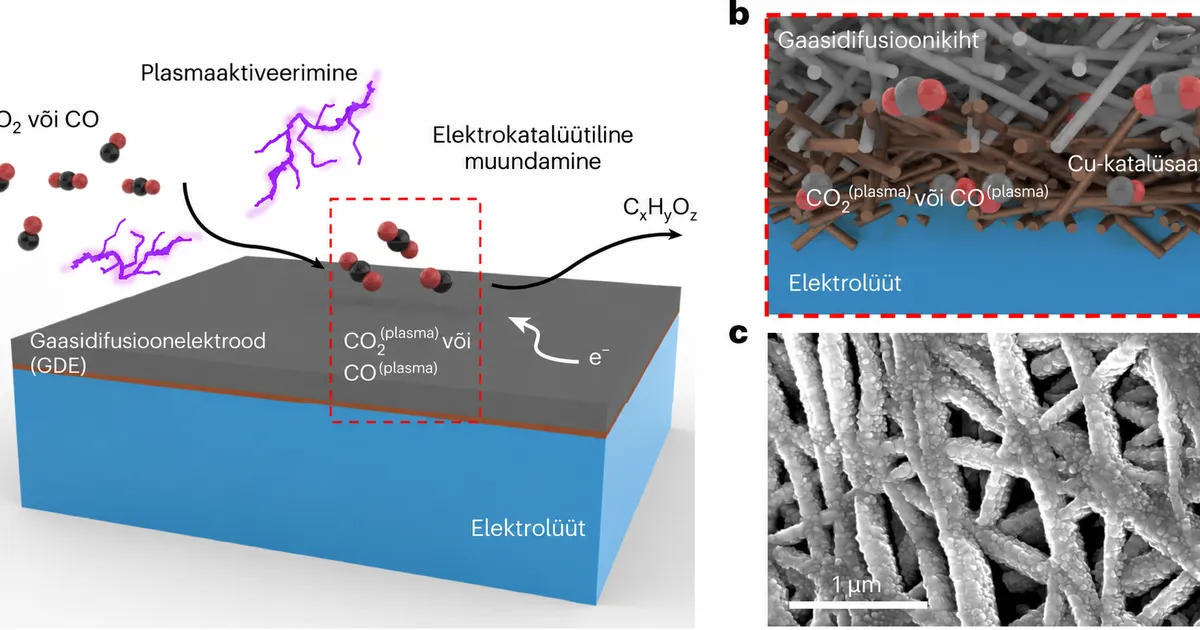
Yale'i teadlaste uus tehnoloogia, mis ühendab elektrokatalüüsi ja plasma, lubab muuta atmosfääris kogutud süsihappegaasi kasulikeks süsinikühenditeks, pakkudes võimalikke lahendusi kliimaprobleemidele ning toorainete tootmiseks. #süsihappegaas #elektrokatalüüs #taastuvenergia

pmo.ee
LÄBIMURRE ⟩ Teadlased leidsid võtte, millega kangekaelne süsihappegaas tagasi kütuseks muuta
16825
CIDI 4w

Uit een studie van de Amerikaanse universiteit @Yale blijkt dat de @nytimes gekleurd heeft bericht over de Gaza-oorlog. Verliezen aan Israelische kant werden systematisch weggelaten uit de artikelen, evenals geweld van Palestijnse zijde. https://t.co/VIrZLkDZbz #GazaOorlog #Journaille #Nieuws

11971
L
lastampa.it 4w

Nell'intervista al fondatore del Digital Ethics Center di Yale, Floridi mette in guardia contro la disinformazione sull'AI e sottolinea che il vero pericolo per il futuro della società è l'oligopolio di poche aziende private che controllano risorse strategiche. #AI #DigitalEthics #Oligopolio

www.lastampa.it
Floridi: “L’Ai ci ucciderà entro il 2030? Numeri tirati a caso. Il vero pericolo è l’oligopolio”
15717
Luciano Magaldi Sardella (PhD) Sep 5

"GIO FESTIVAL (FOGGIA)" CONQUERS HOLLYWOOD AND ENTERS THE RACE FOR THE “OPERA OSCARS” (BEST RECORDING OF MONTH FOR GRAMOPHONE UK) SOURCE: https://www.linkedin.com/pulse/gio-festival-foggia-conquers-hollywood-enters-race-uk-sardella-ph-d--tlaee/ SOURCE 1: https://hollywoodbeatmagazine.com/2026/09/03/giordanos-marina-journey-nominated-for-international-opera-awards/ SOURCE 2: https://www.instagram.com/p/DcWc0dfjBr4/ There comes a moment in the cultural life of a nation when tradition ceases to be mere memory and once again becomes an event. Such is what is now unfolding with Marina by Umberto Giordano: the long‑lost opera, newly reborn through the “GIO Festival” led by Dino De Palma and Gianna Fratta, and today officially nominated for the “International Opera Awards”, the so‑called “Opera Oscars” that each year celebrate the world’s finest achievements in musical theatre. The announcement — reported by the prestigious Californian magazine Hollywood Beat Magazine — marks a historic turning point: a work that remained in obscurity for more than a century now ascends to the international stage, projecting Italian creativity into the very heart of the global cultural industry. It is not merely a recognition; it is a signal. The Teatro Umberto Giordano, the entire organisational engine of the “GIO Festival”, together with all public and private institutions involved, demonstrates once again that when it chooses to honour its treasures, it still has the power to astonish the world. Marina is not simply a rediscovered opera: it is a journey that begins with the archival papers of the “Frederick R. Koch Collection” at Yale University’s “Beinecke Rare Book and Manuscript Library”, passes through the passion of musicologists such as Andreas Gies, ignites in the production of the “GIO Festival”, and — after attracting the attention of “Broadway World” with its six million monthly global readers — now reaches Hollywood, where the international press celebrates its dramatic potency, its luminous vocal writing, and its striking modernity. In an operatic landscape often dominated by the great repertory titles, the nomination of “Marina (1888)” shows that a work can still be rediscovered, reinvented, relaunched. It can speak to the present — and it can do so with the voice of Foggia and of the people of Foggia across the world. For those who cherish culture, music, and history, this is a moment to remember. For those who believe in the value of research and dissemination, it is a victory to celebrate. For those who live opera as a mission, it is an epoch‑making triumph. And now, with its nomination for the International Opera Awards — the global “Opera Oscars” — the journey of Marina and of Umberto Giordano continues. Towards the world. Towards the future. Towards a new chapter in the great Giordanian tradition. At long last, we may say: Welcome back, Umberto!

www.linkedin.com
"GIO FESTIVAL (FOGGIA)" CONQUERS HOLLYWOOD AND ENTERS THE RACE FOR THE “OPERA OSCARS” (BEST RECORDING OF MONTH FOR GRAMOPHONE UK)
701
Luciano Magaldi Sardella (PhD) Sep 5

“MARINA” DAL “GIO FESTIVAL (FOGGIA)" CONQUISTA HOLLYWOOD, SI CANDIDA AGLI OSCAR DELLA LIRICA (MIGLIOR REGISTRAZIONE PER GRAMOPHONE UK) SOURCE: https://www.linkedin.com/pulse/marina-dal-gio-festival-foggia-conquista-hollywood-si-sardella-ph-d--4fjve/ SOURCE 1: https://hollywoodbeatmagazine.com/.../giordanos-marina.../ SOURCE 2: https://www.instagram.com/p/DcWc0dfjBr4/ C’è un momento, nella vita culturale di un Paese, in cui la tradizione smette di essere memoria e torna ad essere avvenimento. È ciò che sta accadendo con “Marina” di Umberto Giordano, l’opera perduta e finalmente rinata grazie al GIO Festival di Dino De Palma ,e Gianna Fratta, oggi ufficialmente candidata agli “International Opera Awards”, gli “Oscar della lirica” che ogni anno celebrano le eccellenze mondiali del teatro musicale. La notizia, rilanciata dalla prestigiosa rivista californiana “Hollywood Beat Magazine”, segna un passaggio storico: un titolo rimasto nell’ombra per oltre un secolo conquista la ribalta internazionale, proiettando la creatività italiana nel cuore dell’industria culturale globale. Non è solo un riconoscimento ma un segnale: il Teatro Umberto Giordano, tutta la macchina organizzativa del GIO Festival assieme a tutti gli altri enti pubblici e privati coinvolti, quando decide di valorizzare i suoi tesori, sa ancora stupire il mondo. “Marina” non è soltanto un’opera ritrovata ma un viaggio che parte dalle carte d’archivio della collezione “Frederick R. Koch” della “Beinecke Rare Book and Manuscript Library” della Yale University, attraversa la passione dei musicologi come Andreas Gies, si accende nella produzione del GIO Festival e, dopo aver attirato l’attenzione di “Broadway World” con i suoi 6 milioni divisite mondiali mensili, approda ora ad Hollywood, dove la critica internazionale ne celebra la forza drammatica, la scrittura vocale luminosa, la modernità sorprendente. In un panorama lirico spesso dominato dai grandi titoli di repertorio, la candidatura di “Marina” può ancora essere scoperta, reinventata, rilanciata. Può parlare al presente, e può farlo con voce di Foggia e dei foggianoi nel mondo. Per chi ama la cultura, la musica, la storia, questo è un momento da ricordare! Per chi crede nel valore della ricerca e della divulgazione, è una vittoria da celebrare! Per chi vive la lirica come missione, è un trionfo epocale! E ora, con la candidatura agli International Opera Awards, gli “Oscar mondiali della lirica”, il viaggio di “Marina” e di Umberto Giordano continua. Verso il mondo. Verso il futuro. Verso un nuovo capitolo della grande tradizione giordaniana. Finalmente possiamo dire: Bentornato, Umberto !!!

www.linkedin.com
“MARINA” DAL “GIO FESTIVAL (FOGGIA)" CONQUISTA HOLLYWOOD, SI CANDIDA AGLI OSCAR DELLA LIRICA (MIGLIOR REGISTRAZIONE PER GRAMOPHONE UK)
1518
Luciano Magaldi Sardella (PhD) Sep 5

After “Broadway World”, Marina (1888) from the Teatro Umberto Giordano’s “GIO Festival” in Foggia now reaches the Belgian “Opera Gazet” SOURCE: https://medium.com/@ingnucllms/after-broadway-world-marina-1888-from-the-teatro-umberto-giordanos-gio-festival-in-foggia-73ba01e5f50a SOURCE: https://www.operagazet.com/marina-by-giordano-its-world-stage-premiere-in-foggia/ SOURCE: https://www.operagazet.com/marina-by-giordano-its-world-stage-premiere-in-foggia/ From the homepage of “Broadway World” to the pages of an authoritative international magazine: the world stage première of Umberto Giordano’s youthful melodrama now consecrates Foggia as the capital of a “rediscovered verismo”. There is a destiny that waits, patiently, to be fulfilled. It is the destiny of Marina, a one‑act melodrama with music by Umberto Giordano and a libretto by Enrico Golisciani, composed in 1888 for the celebrated Sonzogno competition and subsequently withdrawn by the composer himself, falling into an oblivion that lasted 138 years. That destiny was fulfilled on 5 June 2026 at the Teatro Umberto Giordano in Foggia, with the World Staging Première of the opera, the inaugural event of the first edition of the “GIO Festival” — “Giordano International Opera Festival”, the new international showcase which, from 5 to 20 June, transformed the Capitanata into a widespread stage devoted to the Maestro from Foggia. A cultural enterprise of European breadth, promoted by the Chamber of Commerce of Foggia together with the Municipality and the Province, supported by the Region of Puglia and the Fondazione Monti Uniti, and capable of restoring to history a fundamental fragment of nascent verismo. The Foggia production — directed by Giandomenico Vaccari, conducted and coordinated by Matteo Dal Maso, with sets and costumes by Alfredo Troisi, lighting by Massimo Russo, and soprano Valeria Sepe in the eponymous role — represented not a mere performance, but the scenic resurrection of an opera long believed lost. Its autograph score was rediscovered only recently at Yale University’s “Beinecke Rare Book and Manuscript Library”, within the “Frederick R. Koch” Collection, thanks to the philological work of the conductor and musicologist of Venetian and German heritage, Andreas Gies, who prepared its critical edition. After the transatlantic resonance that saw the “GIO Festival” reach the homepage of “Broadway World” thanks to the world première of Marina, complete with exclusive photographs of the historic debut, a new and prestigious international recognition now arrives. The authoritative Belgian opera magazine “Opera Gazet” dedicates an extensive musicological review to the Foggia event with the article: “ “MARINA” (by Giordano) — ITS WORLD STAGE PREMIÈRE IN FOGGIA”. An arrival far from secondary. If “Broadway World” marked the opera’s transatlantic debut, “Opera Gazet” now seals its critical consecration among the most discerning and specialised audiences: the melomaniacs, scholars, and professionals of the operatic world. From Foggia to New York, from New York to the circuit of the international opera press. The trajectory of Marina confirms what the “GIO Festival” has sought to demonstrate since its inception: Giordano’s legacy is not a local memory, but a living repertoire, capable of conversing with major stages and with the world’s most prestigious cultural outlets. The rediscovery born in Foggia is now a heritage shared by all.

818
Luciano Magaldi Sardella (PhD) Sep 5

Dopo “Broadway World”, la Marina (1888) del Teatro Umberto Giordano (GIO Festival) di Foggia approda sul belga “Opera Gazet” SOURCE: https://medium.com/@ingnucllms/dopo-broadway-world-la-marina-1888-del-teatro-umberto-giordano-gio-festival-di-foggia-d8a501107038 SOURCE: https://www.operagazet.com/marina-by-giordano-its-world-stage-premiere-in-foggia/ Dalla homepage di “Broadway World” alle pagine dell’autorevole magazine internazionale: la prima scenica mondiale del melodramma giovanile di Umberto Giordano consacra Foggia capitale del verismo ritrovato. FOGGIA, 29 agosto 2026 — Vi è un destino che attende, paziente, di compiersi. È il destino di Marina, melodramma in un atto su musica di Umberto Giordano e libretto di Enrico Golisciani, composta nel 1888 per il celebre concorso Sonzogno e poi ritirata dallo stesso compositore, caduta in un oblio lungo 138 anni. Quel destino si è compiuto il 5 giugno 2026 al Teatro Umberto Giordano di Foggia, con la World Staging Premiere dell’opera, evento inaugurale della prima edizione del GIO Festival — Giordano International Opera Festival, la nuova manifestazione internazionale che dal 5 al 20 giugno ha trasformato la Capitanata in un palcoscenico diffuso dedicato al Maestro foggiano. Un’impresa culturale di respiro europeo, promossa dalla Camera di Commercio di Foggia insieme al Comune e alla Provincia, con il sostegno della Regione Puglia e della Fondazione Monti Uniti, che ha saputo restituire alla storia un tassello fondamentale del verismo nascente. L’allestimento foggiano — regia di Giandomenico Vaccari, direzione e concertazione di Matteo Dal Maso, scene e costumi di Alfredo Troisi, luci di Massimo Russo, nel ruolo eponimo il soprano Valeria Sepe — ha rappresentato non una semplice esecuzione, ma la resurrezione scenica di un’opera creduta perduta, la cui partitura autografa è stata riscoperta solo recentemente presso la Beinecke Rare Book and Manuscript Library della Yale University, nella Frederick R. Koch Collection, grazie al lavoro filologico del direttore d’orchestra e musicologo veneto di origini tedesche, Andreas Gies, che ne ha curato l’edizione critica. Dopo l’eco transatlantica che ha visto il GIO Festival conquistare la homepage di BroadwayWorld grazie alla prima mondiale di Marina, con foto esclusive dello storico debutto, giunge oggi un nuovo, prestigioso riconoscimento internazionale. L’autorevole magazine operistico belga Opera Gazet dedica infatti un’ampia recensione musicologica all’evento foggiano con l’articolo: “ “MARINA” (by Giordano) — ITS WORLD STAGE PREMIÈRE IN FOGGIA”. Un approdo tutt’altro che secondario. Se “Broadway World” ha segnato il debutto transatlantico dell’opera del grande compositore foggiano, Opera Gazet ne suggella la consacrazione critica presso il pubblico più esigente e specializzato: quello dei melomani, degli studiosi e degli addetti ai lavori di tutto il mondo. Da Foggia a New York, da New York al circuito della stampa lirica internazionale. Il percorso di Marina conferma ciò che il GIO Festival ha inteso dimostrare sin dalla sua fondazione: il patrimonio giordaniano non è memoria locale, ma repertorio vivo, capace di dialogare con i grandi palcoscenici e con le più prestigiose testate del mondo. La riscoperta di Foggia è ormai patrimonio di tutti.

934
Luciano Magaldi Sardella (PhD) Sep 5

La Rivincita del “GIO Festival”: “Broadway World” Celebra “Marina” e il Teatro Umberto Giordano di Foggia (Lettere Meridiane.org by Geppe Inserra) SOURCE: https://www.linkedin.com/pulse/la-rivincita-del-gio-festival-broadway-world-celebra-e-asgue/ SOURCE: https://www.letteremeridiane.org/2026/08/la-rivincita-del-gio-festival-broadwayworld-celebra-marina-e-foggia/ Il GIO Festival è stato a dir poco snobbato da Rai3 Puglia e da altre testate regionali. Ma il festival dedicato a Umberto Giordano, promosso dalla Camera di Commercio di Foggia insieme al Comune e alla Provincia, con il sostegno della Regione Puglia e della Fondazione Monti Uniti, si è preso una bella rivincita, finendo nella home page di BroadwayWorld grazie alla prima mondiale dell’opera Marina, andata in scena il 5 giugno scorso al Teatro Umberto Giordano di Foggia. Non è poco, visto che BroadwayWorld è tra i più importanti siti statunitensi dedicati al teatro e allo spettacolo. Lo sbarco oltreoceano dell’opera del grande compositore foggiano non è sfuggito a Luciano Magaldi Sardella, che ha inviato alla redazione di Lettere Meridiane un approfondito e interessante contributo che potete leggere di seguito. Nell’articolo, l’autore ricostruisce con maestria la straordinaria vicenda della prima opera di Giordano, composta nel 1888 e rimasta per 138 anni senza un allestimento scenico, fino alla storica rappresentazione del 5 giugno scorso al Teatro Giordano. Ma soprattutto racconta come la prima edizione del GIO Festival abbia riportato Foggia al centro della scena lirica internazionale, attraverso il ritrovamento e la valorizzazione di Marina, il coinvolgimento di importanti istituzioni musicali e l’attenzione della stampa americana. Una stimolante riflessione sul riscatto culturale e identitario di una città che troppo a lungo ha portato il nome di Giordano sul frontone del proprio teatro senza riuscire a farne leva di visibilità internazionale. (g.i.) + + + + + Ci sono momenti nella storia di una città in cui il passato e il futuro si stringono la mano sul palcoscenico del presente. Foggia ha vissuto uno di questi momenti la sera del 5 giugno 2026, quando il sipario del Teatro Umberto Giordano si è alzato su Marina, un’opera composta nel lontano 1888 da un pressappoco ventunenne di nome Umberto Giordano, ancora studente al Conservatorio di Musica San Pietro a Majella di Napoli. E quella partitura ha finalmente trovato, dopo centotrentotto anni di silenzio, il suo primo respiro scenico nel mondo. “Non è un evento ordinario. È una svolta. Un vuoto colmato. Una storia riscritta.” Umberto Giordano, uno dei più celebri compositori veristi della fin-de-siècle, nato a Foggia, autore di capolavori come Andrea Chénier, Fedora, Siberia, era rimasto fino ad oggi l’unico grande operista italiano senza un festival interamente dedicato alla sua opera. Un paradosso che pesava come un’ingiustizia storica su una città che porta il suo nome inciso sul frontone del proprio teatro più bello. È il viaggio incredibile di Marina, la prima opera di Umberto Giordano, che dopo 138 anni di oblio ha avuto la sua prima mondiale in forma scenica il 5 giugno 2026 al Teatro Umberto Giordano di Foggia, come evento di apertura del GIO Festival, durante la prima edizione del Giordano International Opera Festival. Il manoscritto, custodito nella Frederick R. Koch Collection della Beinecke Rare Book and Manuscript Library dell’Università di Yale, ha compiuto un viaggio straordinario: dalle biblioteche d’élite della costa est americana al cuore pulsante della Daunia. Nella notte del 5 giugno 2026, al Teatro Umberto Giordano di Foggia, quel silenzio si è finalmente spezzato. Il GIO Festival è nato a Foggia come un grande nuovo progetto culturale promosso dalla Camera di Commercio di Foggia insieme al Comune e alla Provincia, con il sostegno della Regione Puglia, con l’obiettivo di trasformare l’eredità artistica del compositore verista in un motore di valorizzazione territoriale e turismo culturale. Sotto la direzione artistica della direttrice d’orchestra Gianna Fratta e del violinista Dino De Palma, l’evento colma finalmente un vuoto storico. Il modello di riferimento è esplicito e ambizioso: un progetto ispirato ai grandi festival dedicati ai compositori italiani come il Verdi Festival, il Puccini Festival, il Rossini Opera Festival (e così via…) , pur mantenendo una forte dimensione territoriale e partecipativa. Foggia, in altri termini, si candida ufficialmente al tavolo dei grandi. E lo fa con le credenziali che servono: una prima mondiale scenica irripetibile (parallela a quella concertistica del teatro milanese Dal Verme registrata dalla prestigiosa casa discografica lirica Decca Classics), una produzione operistica di qualità (tutta la macchina organizzativa), istituzioni culturali di primo piano al suo fianco (Teatro dell’Opera di Milano, Fondazione Teatro Petruzzelli di Bari). Il festival si è avvalso della collaborazione dell’Orchestra del Conservatorio e del Coro della Fondazione Teatro Petruzzelli di Bari, del Conservatorio Umberto Giordano di Foggia, della Fondazione dei Monti Uniti e della Fondazione Apulia Felix. Una rete di eccellenze che ha conferito alla manifestazione spessore e risonanza nazionale. Il Teatro Umberto Giordano è uno scrigno ottocentesco di rara bellezza, il più antico teatro funzionante storico a ferro di cavallo in Puglia. Eppure per decenni ha vissuto in una sorta di semiclandestinità culturale, relegato ai margini delle rotte liriche che contano, condannato anche da ritari di lavorazioni che ne hanno bloccato l’utilizzo dal 2007 al 2014, inclusa la recente richiesta di adeguamento antincendio. Inoltre, Qualcuno lo chiamava, con quel misto di condiscendenza e rassegnazione tutta provinciale, “teatro di provincia”, destinato solo a raccogliere la denominazione storica di Umberto Giordano. Quell’etichetta è ora destinata a cadere. È proprio a Foggia che questo piccolo capolavoro giovanile ha visto il suo primo allestimento scenico, inserendo la città nella toponomastica internazionale dell’opera lirica. Un posizionamento che non ha precedenti nella storia recente della città. Il Teatro Giordano ha registrato il tutto esaurito nella storica prima in formato scenico della Marina giordaniana, accogliendo centinaia di spettatori, mentre altrettanti hanno seguito lo spettacolo dall’esterno grazie a un maxi schermo allestito per l’occasione. La produzione ha risposto con piena dignità artistica alle aspettative: l’allestimento ha trasportato la vicenda nel periodo della Prima Guerra Mondiale, accentuando il carattere drammatico e realistico dell’opera. Sul podio, l’Orchestra Sinfonica del Conservatorio Umberto Giordano di Foggia diretta da Matteo Dal Maso. Scene e costumi affidati ad Alfredo Troisi, luci curate da Massimo Russo. Un ensemble di talenti che ha reso onore al nome che il teatro porta con orgoglio. Il sigillo definitivo dell’importanza storica di questo momento è arrivato dall’altra parte dell’Atlantico. Broadway World, la più influente testata mondiale di critica e informazione sullo spettacolo dal vivo, arricchito dalle sue oltre 5,5 visualizzazioni mensili nel mondo, ha dedicato all’evento una copertura esclusiva, pubblicando una galleria fotografica integrale della première mondiale scenica a cura di Chloe Rabinowitz e un approfondimento critico di notevole spessore a cura di Rachel Stone. L’articolo della testata americana ha sottolineato il valore storico dell’operazione e il legame tra il compositore e la sua città natale, evidenziando la qualità musicale della partitura, definita sorprendentemente matura rispetto all’età del compositore. Il Teatro Umberto Giordano è così approdato per la prima volta sul sito newyorchese affiancandosi a leggendo comer Los Angeles Opera House, Houston Opera, BBC Classical Music at Royal Opera House, e via dicendo. È lì il suo posto naturale. Doveva esserci già da almeno diversi decenni. Ma finora il mondo conosceva Umberto Giordano, ricordandosi i suoi successi milanesi e non l’opera giovanile scritta tra Foggia e il conservatorio di Napoli, la perduta (e poi ritrovata) Marina (1888). Ma sottolineiamolo: non è un dettaglio secondario. Broadway World non dedica gallerie esclusive ai teatri di provincia. Lo fa per gli eventi che spostano le coordinate della storia della musica, dell’opera, del teatro nei circuiti che contano. E questa volta, quelle coordinate si sono spostate su Foggia grazie al GIO Festival, in nome di Umberto Giordano. Ricordiamo per onor di cronaca, o per chi ancora non lo sapesse, che Il GIO Festival è un nuovo e ambizioso evento a cadenza biennale ideato dalla Camera di Commercio di Foggia, con l’obiettivo di celebrare il genio del compositore foggiano Umberto Giordano e trasformarlo in un potente volano di sviluppo per l’intera Capitanata. Biennale significa continuità, progettualità, visione. Significa che Foggia non vuole essere una meteora nel firmamento operistico, ma una presenza stabile e riconoscibile nel panorama dei festival lirici del circuito internazionale. Andrea Chénier, Siberia e Fedora avevano già portato da almeno un secolo il nome di Giordano al Metropolitan Opera House di New York, dove l’opera viene eseguita ancora oggi con grande partecipazione di pubblico. Ora è Foggia stessa, non solo le sue opere sparse per il mondo, a reclamare il proprio “posto al sole”. Il compositore che la sua città aveva faticato a riconoscere in vita, e di cui conserva il nome sul teatro, sulla piazza e sul conservatorio, può diventare finalmente leva di un riscatto culturale, economico e identitario senza precedenti. Il GIO Festival 2026 non è un punto d’arrivo, spero. Dovrebbe essere il primo capitolo di una storia nuova per Foggia, per la Capitanata, per il Mezzogiorno culturale italiano. Il Teatro Umberto Giordano non è più soltanto un gioiello architettonico da preservare: è diventato ora un luogo di creazione e di ispirazione, capace di attrarre l’attenzione della stampa internazionale e di ospitare eventi che entrano nei libri della lirica mondiale. A chi ancora sussurra che Foggia è una città di provincia, la risposta ora è scritta sui palchi del mondo: la sera del 5 giugno 2026, la periferia è diventata centro.

www.linkedin.com
La Rivincita del “GIO Festival”: “Broadway World” Celebra “Marina” e il Teatro Umberto Giordano di Foggia (Lettere Meridiane.org by Geppe Inserra)
1168
Luciano Magaldi Sardella (PhD) Sep 5

The Vindication of the “GIO Festival”: “BroadwayWorld” Celebrates Marina and the Umberto Giordano Theatre of Foggia SOURCE: https://www.linkedin.com/pulse/vindication-gio-festival-broadwayworld-celebrates-sardella-ph-d--8zzce/ SOURCE: https://www.letteremeridiane.org/2026/08/la-rivincita-del-gio-festival-broadwayworld-celebra-marina-e-foggia/ The GIO Festival has been, to put it mildly, overlooked by Rai3 Puglia and several regional outlets. Yet the festival dedicated to Umberto Giordano — promoted by the Chamber of Commerce of Foggia together with the Municipality and the Province, and supported by the Apulia Region and the Fondazione Monti Uniti — has achieved a remarkable vindication, landing on the homepage of BroadwayWorld thanks to the world première of the opera Marina, staged on 5 June at the Umberto Giordano Theatre in Foggia. This is no small feat, considering that BroadwayWorld is among the most influential American platforms devoted to theatre and the performing arts. The transatlantic debut of the opera by Foggia’s great composer did not escape the attention of Luciano Magaldi Sardella, who submitted to the editorial board of Lettere Meridiane an in‑depth and compelling contribution, reproduced below. In the article, the author masterfully reconstructs the extraordinary story of Giordano’s first opera, composed in 1888 and left without a staged production for 138 years, until its historic performance on 5 June at the Giordano Theatre. Above all, he recounts how the inaugural edition of the GIO Festival has restored Foggia to the centre of the international operatic stage, through the rediscovery and valorisation of Marina, the involvement of major musical institutions, and the attention of the American press. It is a stimulating reflection on the cultural and identity‑driven renaissance of a city that, for far too long, bore Giordano’s name on the façade of its theatre without managing to turn it into a lever of international visibility. (g.i.) + + + + + There are moments in the life of a city when past and future clasp hands upon the stage of the present. Foggia experienced one of these moments on the evening of 5 June 2026, when the curtain of the Umberto Giordano Theatre rose upon Marina, an opera composed in 1888 by a young man of twenty‑one — Umberto Giordano — then a student at the San Pietro a Majella Conservatoire in Naples. After one hundred and thirty‑eight years of silence, that score finally found its first scenic breath in the world. “It is not an ordinary event. It is a turning point. A void filled. A story rewritten.” Umberto Giordano, one of the most celebrated verismo composers of the fin‑de‑siècle — born in Foggia, author of masterpieces such as Andrea Chénier, Fedora, Siberia — had remained, until now, the only great Italian opera composer without a festival entirely dedicated to his oeuvre. A paradox that weighed like a historical injustice upon a city that bears his name engraved on the pediment of its most beautiful theatre. This is the extraordinary journey of Marina, Giordano’s first opera, which after 138 years of oblivion received its world première in scenic form on 5 June 2026 at the Umberto Giordano Theatre in Foggia, as the opening event of the GIO Festival — the inaugural edition of the Giordano International Opera Festival. The manuscript, preserved in the Frederick R. Koch Collection at Yale University’s Beinecke Rare Book and Manuscript Library, has travelled an astonishing path: from the elite libraries of America’s East Coast to the beating heart of the Daunia. On the night of 5 June 2026, at the Umberto Giordano Theatre, that silence was finally broken. The GIO Festival was conceived in Foggia as an ambitious cultural project promoted by the Chamber of Commerce, the Municipality, and the Province, with the support of the Apulia Region, aiming to transform the artistic legacy of the verismo composer into a driver of territorial development and cultural tourism. Under the artistic direction of conductor Gianna Fratta and violinist Dino De Palma, the event at last fills a historical void. Its model is explicit and ambitious: a project inspired by the great festivals dedicated to Italian composers — such as the Verdi Festival, the Puccini Festival, the Rossini Opera Festival — while maintaining a strong territorial and participatory dimension. In other words, Foggia formally claims its seat at the table of the greats. And it does so with the credentials required: an unrepeatable world scenic première (parallel to the concert première at Milan’s Teatro Dal Verme, recorded by the prestigious opera label Decca Classics), a high‑quality operatic production, and the support of leading cultural institutions (Teatro dell’Opera di Milano, Fondazione Teatro Petruzzelli of Bari). The festival benefitted from the collaboration of the Orchestra of the Conservatoire and the Chorus of the Fondazione Teatro Petruzzelli of Bari, the Umberto Giordano Conservatoire of Foggia, the Fondazione Monti Uniti, and the Fondazione Apulia Felix. A network of excellence that lent the event national resonance and stature. The Umberto Giordano Theatre is a nineteenth‑century jewel of rare beauty — the oldest functioning horseshoe‑shaped historic theatre in Apulia. Yet for decades it lived in a state of semi‑clandestine cultural marginality, relegated to the periphery of the operatic routes that matter, hindered by long interruptions in its use from 2007 to 2014, including recent fire‑safety compliance requirements. Some referred to it, with a mixture of condescension and provincial resignation, as a “provincial theatre”, destined merely to bear Giordano’s name. That label is now destined to fall. It is precisely in Foggia that this youthful gem received its first scenic staging, placing the city on the international map of opera. A positioning without precedent in the city’s recent history. The Giordano Theatre recorded a full house for the historic première of Marina, welcoming hundreds of spectators, while many more followed the performance from outside via a large screen installed for the occasion. The production met expectations with full artistic dignity: the staging transposed the narrative to the First World War, heightening the opera’s dramatic and realist character. On the podium, the Symphony Orchestra of the Umberto Giordano Conservatoire conducted by Matteo Dal Maso. Sets and costumes by Alfredo Troisi; lighting by Massimo Russo. An ensemble of talents worthy of the name the theatre proudly bears. The definitive seal of this moment’s historical significance arrived from across the Atlantic. BroadwayWorld, the world’s most influential outlet for live performance criticism and reporting — with over 5.5 million monthly views — dedicated exclusive coverage to the event, publishing a complete photographic gallery of the world scenic première curated by Chloe Rabinowitz and a substantial critical review by Rachel Stone. The American article emphasised the historical value of the undertaking and the bond between the composer and his native city, highlighting the musical quality of the score, deemed surprisingly mature for the composer’s age. For the first time, the Umberto Giordano Theatre appeared on the New York‑based site alongside institutions such as the Los Angeles Opera House, Houston Opera, and BBC Classical Music at the Royal Opera House. It is its natural place. It should have been there decades ago. Until now, the world knew Giordano through his Milanese triumphs, not through the youthful opera written between Foggia and the Naples Conservatoire — the lost (and later rediscovered) Marina of 1888. Let us be clear: this is no minor detail. BroadwayWorld does not grant exclusive galleries to provincial theatres. It does so for events that shift the coordinates of musical and theatrical history within the circuits that matter. This time, those coordinates shifted to Foggia thanks to the GIO Festival, in the name of Umberto Giordano. For the record — and for those who may not yet know — the GIO Festival is a new and ambitious biennial event conceived by the Chamber of Commerce of Foggia, with the aim of celebrating the genius of Umberto Giordano and transforming it into a powerful engine of development for the entire Capitanata. Biennial means continuity, planning, vision. It means that Foggia does not intend to be a meteor in the operatic firmament, but a stable and recognisable presence within the international festival circuit. Andrea Chénier, Siberia, and Fedora had already carried Giordano’s name to the Metropolitan Opera House in New York for more than a century, where his works are still performed to great acclaim. Now Foggia itself — not merely its scattered operatic legacy — claims its rightful “place in the sun”. The composer whom his city struggled to recognise in life, and whose name it preserves on its theatre, its square, and its conservatoire, may finally become the lever of an unprecedented cultural, economic, and identity‑driven renaissance. The GIO Festival 2026 is not, one hopes, a point of arrival. It should be the first chapter of a new story for Foggia, for the Capitanata, and for the cultural South of Italy. The Umberto Giordano Theatre is no longer merely an architectural jewel to be preserved: it has now become a place of creation and inspiration, capable of attracting international press attention and hosting events that enter the annals of world opera. To those who still whisper that Foggia is a provincial city, the answer is now written upon the world’s stages: on the evening of 5 June 2026, the periphery became the centre.

www.linkedin.com
The Vindication of the “GIO Festival”: “BroadwayWorld” Celebrates Marina and the Umberto Giordano Theatre of Foggia
818
Luciano Magaldi Sardella (PhD) Sep 5

From Yale University to Foggia: World Staging Premiere of Umberto Giordano's “Marina” at Foggia's Teatro Umberto Giordano SOURCE: https://www.linkedin.com/pulse/from-yale-university-foggia-world-premi%C3%A8re-scenic-sardella-ph-d--id9de/ SOURCE: https://www.foggiareporter.it/dalla-yale-university-a-foggia-la-prima-mondiale-in-forma-scenica-di-marina-al-teatro-giordano.html (With heartfelt thanks to the distinguished journalist, Dr Christiana Lenoci…) From the Frederick R. Koch Collection of the Beinecke Rare Book and Manuscript Library at Yale University to Foggia. Such is the extraordinary journey of Marina, Umberto Giordano’s first opera, which—after 138 years of oblivion—received its World Première in scenic form on 5 June 2026 at the Umberto Giordano Theatre in Foggia, inaugurating the GIO Festival – Giordano International Opera Festival. This remarkable rediscovery is recalled by Luciano Magaldi Sardella, Contributing Review of Books Critic at the London School of Economics (LSE). The project, conceived by Gianna Fratta and the artistic direction of the GIO Festival, seeks to transform Foggia, the Tavoliere plain, the Monti Dauni and the Gargano into a widespread stage dedicated to the city’s native composer, following the model of the great festivals devoted to Verdi, Rossini and Bellini. The vanished score At the age of twenty‑one, Umberto Giordano entered the Sonzogno Competition in Milan with Marina, a one‑act melodrama. Among seventy‑two competitors, he ranked within the top twelve. The prize was awarded to Pietro Mascagni’s Cavalleria rusticana. Giordano received an honourable mention, withdrew the score, and recycled part of its music in his later Mala Vita (1892). After his death in 1948, the manuscript disappeared and—entirely legally—ended up catalogued and forgotten within Yale’s collection. It was brought back to light by the musicologist and conductor Andreas Gies who, while studying the works of Leoncavallo, identified the autograph score in Yale’s online catalogue. Together with his colleague from San Severo, Emanuele d’Angelo, Gies prepared a rigorous critical edition that restored the work’s readability. Following its absolute première in concert form at the Teatro Dal Verme in Milan in February 2026—the very theatre that witnessed the early steps of Puccini and Leoncavallo—recorded live by Decca Classics with Eleonora Buratto in the title role and Freddie De Tommaso as Giorgio, praised by Gramophone and The Times of London, Marina finally returned home. Foggia reclaims it On 5 June 2026, the Umberto Giordano Theatre hosted the World Première in scenic form. The production was directed by Giandomenico Vaccari, who transposed the action to the era of the First World War; conducted by Matteo Dal Maso, winner of the Donatella Flick LSO Conducting Competition; and featured Valeria Sepe as Marina. A historic event for a city that lends its name to both its Theatre and its Conservatoire, yet until now had been the only among the cities of Italy’s great opera composers without a festival entirely dedicated to its own. The GIO Festival, from 5 to 20 June, unfolded across sixteen days and more than twenty events in seven municipalities of the Capitanata—Foggia, Manfredonia, Peschici, Vieste, Biccari, Roseto Valfortore and Torremaggiore—uniting opera, jazz, cinema and dance. The finale: opera as urban intervention On the evening of 20 June 2026, thirteen lorries arrived in Piazza Cavour in Foggia from Milan. They carried the entire production apparatus of Teatro alla Scala. The square was transformed into an open‑air theatre for Giordano’s Andrea Chénier, conducted by Gianna Fratta and featuring Maria Agresta and Jorge de León, before thousands of citizens. The opera of a revolutionary, erupting into the summer air of the city where Giordano was born. A gesture of proximity theatre demonstrating what a manuscript can achieve: turning a forgotten archive into a driver of economic and touristic development for the region, with Confcommercio’s puzzle‑based itineraries, Giordano‑themed menus, and QR codes featuring a digital avatar of the composer. Marina was lost for 138 years. To bring it back, six months, a library card, and a festival were enough.

www.linkedin.com
From Yale University to Foggia: World Staging Premiere of Umberto Giordano's “Marina” at Foggia's Teatro Umberto Giordano
584