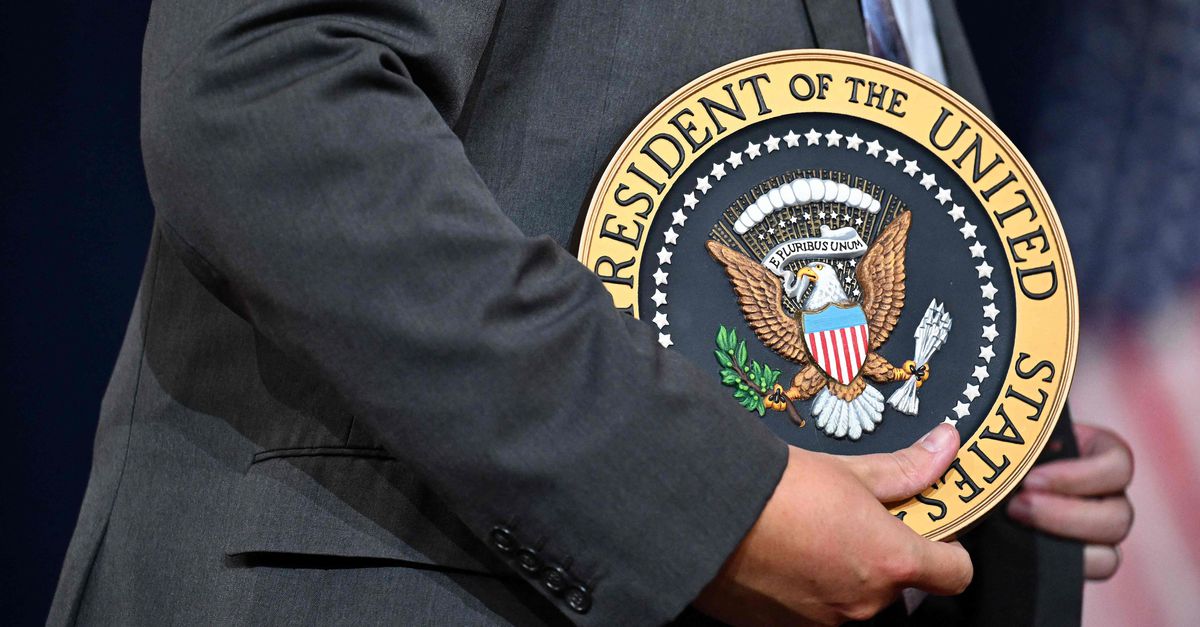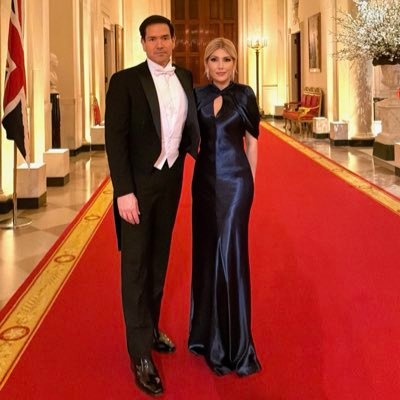
United States sanctions International Criminal Court, Foreign Minister Marco Rubio speaks of 'paralyzing' the court. #Trump #reclamecampagne #belastinggeld (translated)
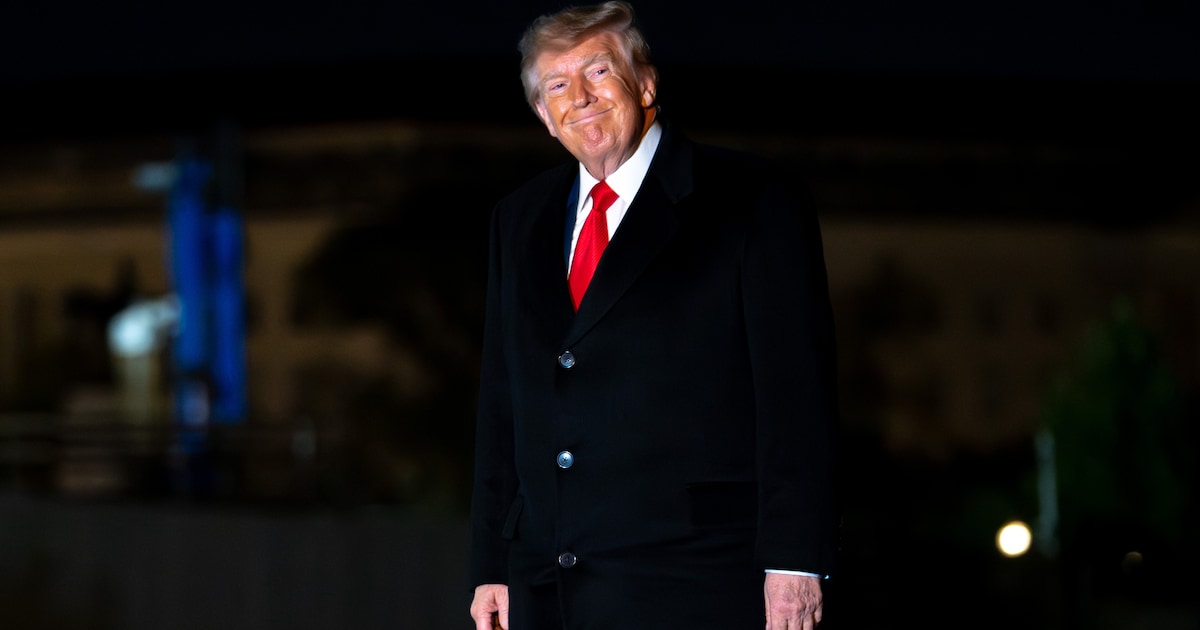
A federal judge has ordered the Trump administration to stop airing taxpayer-funded advertising campaigns, which NGOs argue amount to propaganda intended to portray Trump and his policies in a positive light. #Trump #reclamecampagne #belastinggeld (translated)

An American judge has prohibited the airing of controversial TV commercials paid for with tax money from President Donald Trump following criticism from the civil rights group Common Cause. #Trump #midterms #politiek (translated)

According to Sander Schimmelpenninck, the VVD is no longer focused on people who want to earn, but only on the already wealthy, and this undermines both economic dynamism and the interests of investors and knowledge workers. #VVD #Belastingbeleid #Economie (translated)
The financial consequences of voting down the Tax Plan will remain limited in 2027, with an expected tax shortfall of 1.8 billion euros for the cabinet, which is relatively small compared to the total budget. #Belastingplan #Financiën #TweedeKamer (translated)
Bert Slagter wrote that he saw the 36% rate as the biggest problem of box 3. According to him, that levy was not comparable to income tax, because the return partly compensated for the loss of purchasing power due to inflation. With a return of 8% and inflation of 3%, the tax effectively resulted in 58% of the real return, which he found much too high. https://t.co/h4yfrUgWQa #belasting #inflatie #financiën (translated)
Geert Noels wrote that more people needed to work in the private sector and that there was a need for more control over taxes and unjust benefits. According to him, new taxes were not necessary, but more courage was needed to tackle issues. #Werkgelegenheid #Belastingen #Uitkeringen (translated)
Maurits Vande Reyde wrote that the Minister of Budget had openly stated that he had wasted people's money for years without any consequences. He claimed that the deficits in the past five years had been greater than during the pandemic and that the deficit for the coming year would still amount to 1 billion euros. He also pointed to a subordinated loan, the interest costs of which he claimed alone amounted to 1 billion euros. Vande Reyde further wrote that there were no concrete plans to downsize the state apparatus. According to him, politicians who opposed a new tax increase were labeled as the wrongdoers and as "irresponsible." #begroting #tekort #politiek (translated)
Madelon Vos wrote that entrepreneurs, according to the CEO of DSM, needed a reliable government, but did not get one. She stated that Dutch politics trivialized the effects of the income tax in box 2 and the high rates in box 3, and that this policy severely affected entire sectors, including the Dutch crypto and precious metals sector with more than two million investors. Vos wrote that investors had to keep track of their real returns themselves, while some banks and brokers could not provide that data and the Tax Authority had not yet verified the calculations. According to her, investors would want to deduct inflation, transaction costs, currency costs, and subscription costs from that calculation. She also reported that the man who had been at the basis of the law had since advocated for the withdrawal of the amendment and the law and for a new piece of legislation. Furthermore, Vos pointed to the rising interest rates in France and the possible consequences of that for the Netherlands. She wondered if war was looming and wrote that the Netherlands was increasing pressure on Russia. https://t.co/X4T4ze43tV #ondernemen #beleggen #politiek (translated)
Michael van der Galien wrote that a pension couple with 80,000 euros in savings currently pays no box 3 tax. If the cabinet's plan goes ahead, the couple would, according to him, exceed the exemption threshold by 18,308 euros starting in 2027. He stated that the tax-free allowance decreases from 59,357 to 30,846 euros per person and that 1.2 million people will thus pay extra box 3 tax. Van der Galien said that even people who have saved their whole lives for the future are affected by this and argued that saving is being punished again. https://t.co/wpItZ2jle0 #Sparen #Belasting #AOW (translated)
Lex Hoogduin wrote that he believed change was possible, but not in the way that the cabinet and the left envisioned. He advocated for a peaceful classical-liberal revolution with a smaller government, fewer rules, bureaucracy, and civil servants. According to him, the government should free citizens and protect their property, while reducing the tax burden and maintaining a limited safety net for people who faced real setbacks. He also argued for space for a revival of an independent civil society outside of the state, with communities in various fields. #liberalisme #overheid #belasting (translated)
Mirjam152 challenged the reasoning that a lower VAT rate cost the government a lot of money. She compared it to the income a landlord misses out on by asking for a lower rent and sarcastically suggested that the VAT should then be raised to 30 percent and inheritance and gift taxes to 100 percent. According to her, people were already paying more than enough tax. The researchers defended a higher VAT rate for, among others, hairdressers, bicycle mechanics, and plasterers with the argument that a tight labor market could make services more expensive due to insufficient staff availability. Mirjam152 called that reasoning flawed and accused the researchers of having a political agenda and pandering to the government and the cabinet. #BTW #Belastingen #Overheid (translated)
Maarten van den Berg wrote that the share of households unable to heat their homes properly had increased, according to him, from 3% in 2020 to almost one in ten in 2024. He stated that the gas price had risen again and referred to a warm home as a basic right. According to him, cold and damp could cause mold, lung complaints, and heart problems, leading to healthcare costs. Van den Berg also noted that the tax component of the gas price was nowhere in the EU as high as in the Netherlands, where it accounted for more than half, according to him. From January 1, 2028, the EU levy ETS-2 would be added, he wrote. He wondered if people in the Netherlands would also take to the streets, like in France. #energietarieven #klimaat #sociaalrecht (translated)
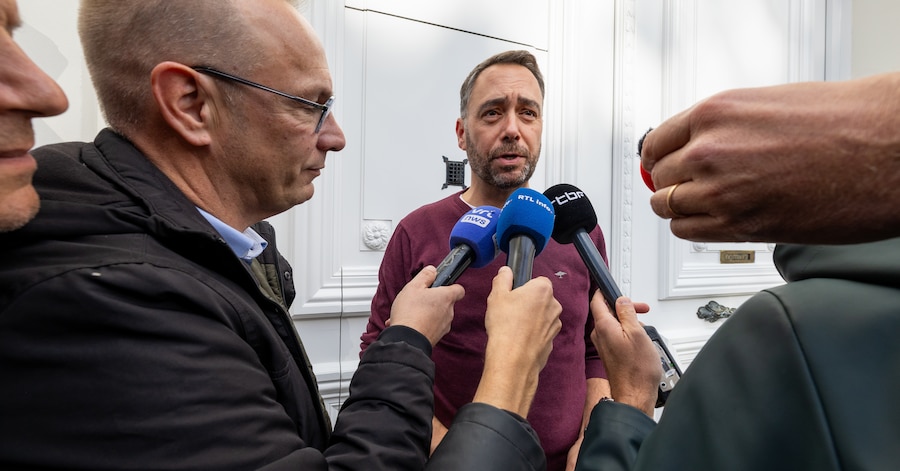
The Belgian federal government is under pressure during the resumed budget negotiations, with accusations against the MR for refusing to consider tax increases, while Maxime Prévot is calling for collective responsibility. #Belgique #Politique #Budget (translated)

Wouter Duyck wrote that he was a civil servant and author and had a company. According to him, the net tax on income from writing or performing was until recently 7.5 percent. Although the cost allowances had since been adjusted, he stated that writers and performers still only paid about 15 percent tax on income up to 77,000 euros. Duyck argued that many people who advocated higher taxes in newspapers fell under that scheme and wrote that he had never heard the system in the media being questioned. #belasting #fiscaliteit #auteurschap (translated)
Martin van Rooijen wrote that PRO was against almost everything according to him, but supported higher taxes. He mentioned a Box 3 rate of 49% instead of 36% and inheritance tax of 30% instead of 10%, and 40% instead of 20%. According to Van Rooijen, PRO was chasing people to Spain and Box 2. He also stated that PRO was for penalty payments and referred to a debate in the Senate on October 13, in which he mentioned De Telegraaf, NOS, NU.nl, and AD. https://t.co/Eei4G0rEac #Belastingen #Politiek #NL (translated)
Rik Torfs wrote that a tax on the wealthy could lead them to no longer live in Belgium or Europe. According to him, this would threaten to make people powerless serfs of very rich individuals in other continents. He asked readers to share their opinions on an article. https://t.co/5k5SaycPbh #België #belasting #ongelijkheid (translated)
Geert Noels stated that the richest 20% of the Belgian population paid 65% of wage taxes, compared to 7% by the lower half. According to him, those taxes financed social benefits and transfers that went back to the lower incomes. He wrote that the tax burden on the highest incomes could not rise further and noted that they had little time and organization to take to the streets. #belasting #socialeongelijkheid #economischbeleid (translated)
Mona Keijzer wrote that the Jetten cabinet repeatedly closed budget deficits with new tax increases, in her opinion. She said that the VAT on flowers and plants would rise from 9 to 21 percent and that this would put 2,440 jobs at risk, but according to her, this was not taken into account. Keijzer announced that she had submitted an amendment to keep the VAT at 9 percent in 2028. https://t.co/h0IP43M1Qo #belastingverhoging #werkgelegenheid #btw (translated)
A balanced wealth tax is economically better, regardless of whether one desires a higher or lower tax burden, according to Marike Stellinga, who advocates for a tax system that encourages working and entrepreneurship instead of clever tax structures. #belastingstelsel #economischeongelijkheid #vermogenbelasting (translated)