WRLD

Search

#caregiver
rsvp 13h

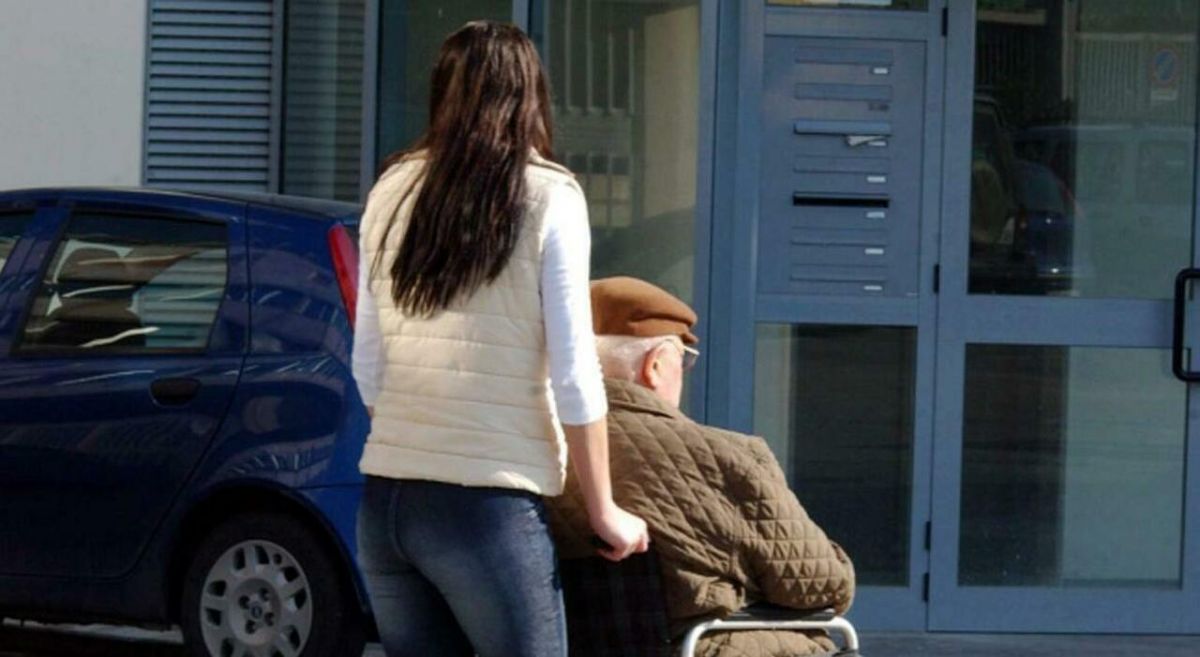
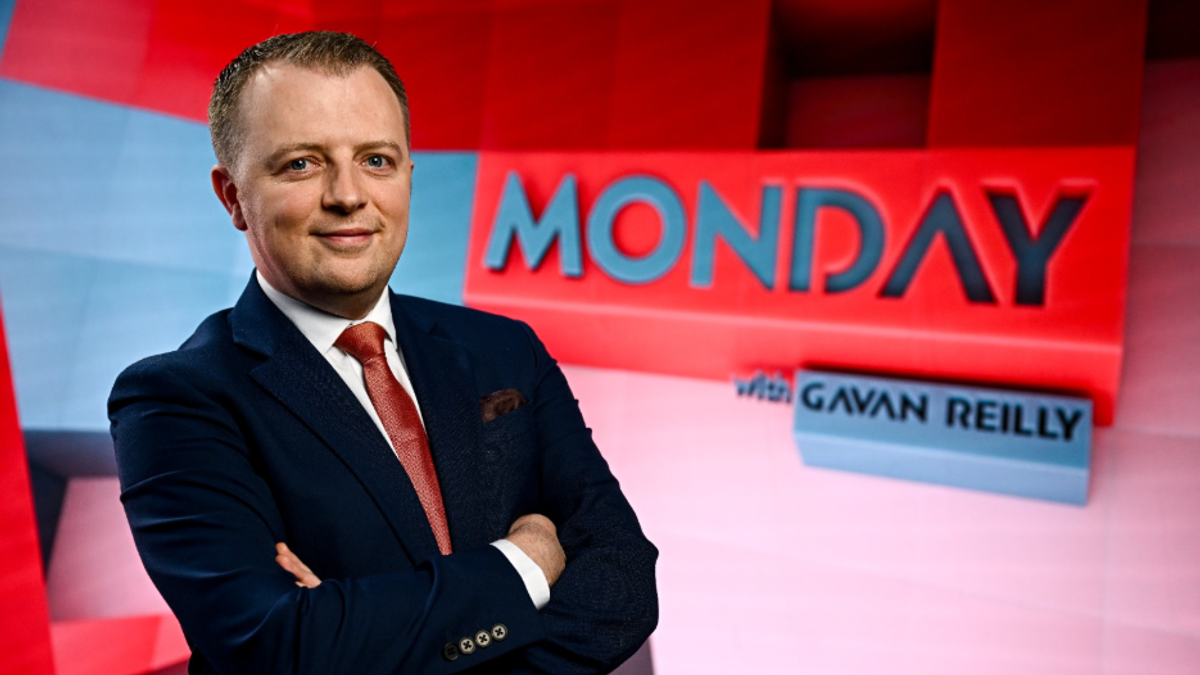
Gavan Reilly emphasizes the need to prioritize his and his wife's health in order to care for their daughter Doireann, who has autism and significant intellectual disabilities, while expressing frustration with the lack of support from the public system. #AutismAwareness #ParentingChallenges #CaregiverSupport
www.rsvplive.ie
Gavan Reilly needs to 'keep going for as long as possible' to care for daughter with autism

1858
Ultimora.net 5d

Ultimora.net highlighted the main contents of the Stabilicum and reported that the following day the Chamber would vote definitively on the law, by secret ballot. In the case of rejection, Giorgia Meloni intended to call early elections, according to the site. The proposal envisaged a proportional system with a majority premium of 70 seats in the Chamber and 35 in the Senate, up to a maximum of 220 deputies and 113 senators. The premium would kick in with at least 42% of the votes in both Chambers; below that threshold, seats would be allocated proportionally. Uninominal constituencies would be eliminated, except for those in South Tyrol and Aosta Valley. Each list would have a blocked leader and six other candidates, with the possibility of expressing up to three preferences while respecting gender alternation. Ultimora.net indicated barriers of 3% for lists and 10% for coalitions, with the retrieval of the list with the most votes among those below 3%. Parties and coalitions would also have to indicate a candidate for prime minister, whose name would not appear on the ballot. The proposal would reduce the geographical divisions for voting by Italians abroad in the Chamber from four to two — Europe and the rest of the world — and to one in the Senate. For those living away from home, the site wrote, voting at the place of temporary residence would be possible after at least nine months, or three for those undergoing treatment, provided they registered with a list within 30 days of meeting the requirements and at least 45 days before the elections. This option would be extended to caregivers of family members hospitalized outside their region of residence. Finally, for parties without parliamentary representation, the minimum number of signatures required would rise from 1,500 to 6,000 per constituency; for Italians abroad, between 500 and 1,000 would be needed. Electronic collection of signatures would not be permitted, according to Ultimora.net. #LeggeElettorale #Elezioni #Italia (translated)

3155
L
lastampa.it 6d

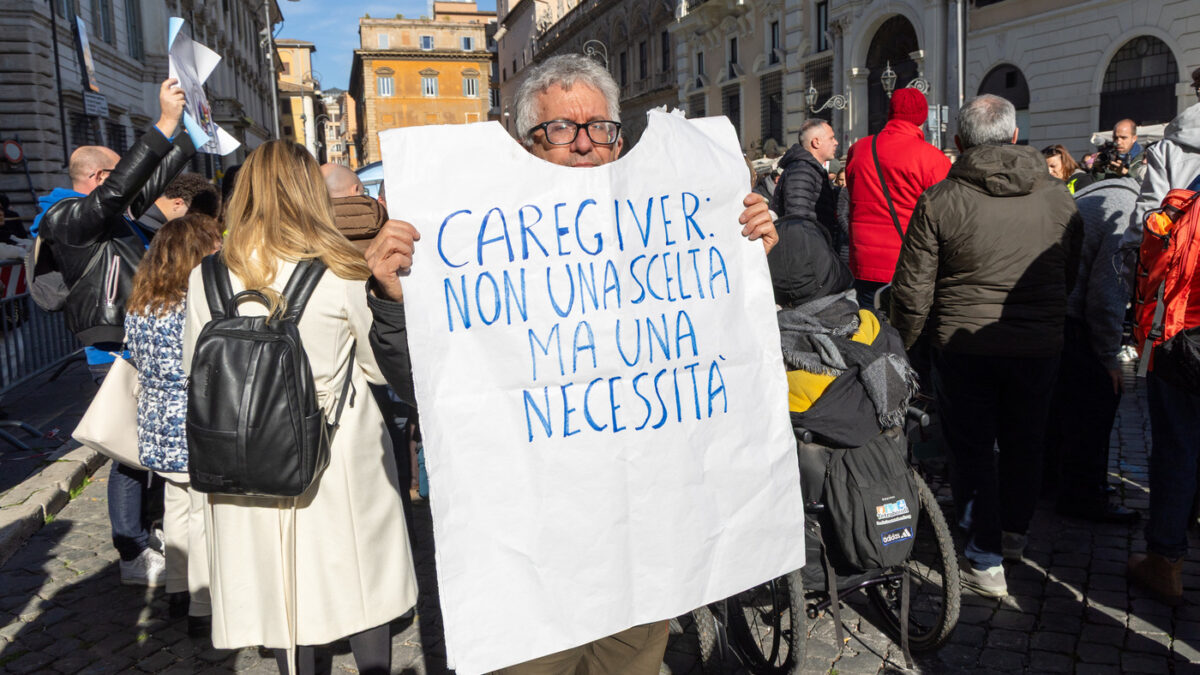
Today is the European Caregiver Day, highlighting the importance of a new law being discussed in Parliament that recognizes and protects the more than 12 million caregivers in Italy, providing support and resources to improve their living and working conditions. #Caregiver #Assistenza #LeggeCaregiver (translated)

www.lastampa.it
Oggi è la Giornata europea del caregiver: ecco come possono cambiare le regole in Italia
1809
ANSA.it 6d

In Italy, over 12 million family caregivers provide free assistance to relatives and friends, with a particular focus on European Caregiver Day and the importance of regulatory and practical support to cope with the emotional and physical burden related to cancer therapies. #Caregiver #AssistenzaOncologica #SupportoFamiglie (translated)

www.ansa.it
In Italia oltre 12 milioni di caregiver familiari, è la Giornata europea
1585
Il Fatto Quotidiano 1w

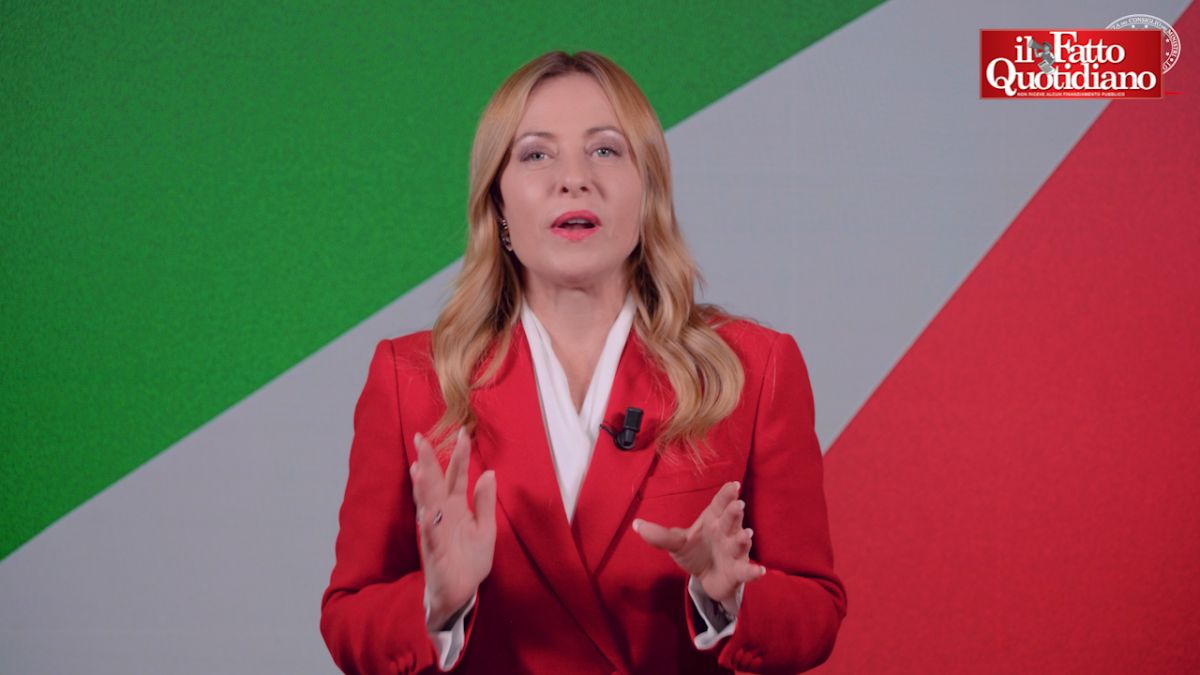
Giorgia Meloni, in the video message for the Grandparents' Day, announces the approval of the national plan for the most vulnerable elderly by the government, aimed at simplifying assistance for non-self-sufficient people over 70, with an investment of over 1.5 billion euros. #GovernoMeloni #Caregiver #CuraAnziani (translated)

www.ilfattoquotidiano.it
Videomessaggio di Meloni per la festa dei nonni. E presenta il “Piano nazionale per gli anziani più fragili”
1484
O
Oberlé Daniel 1w

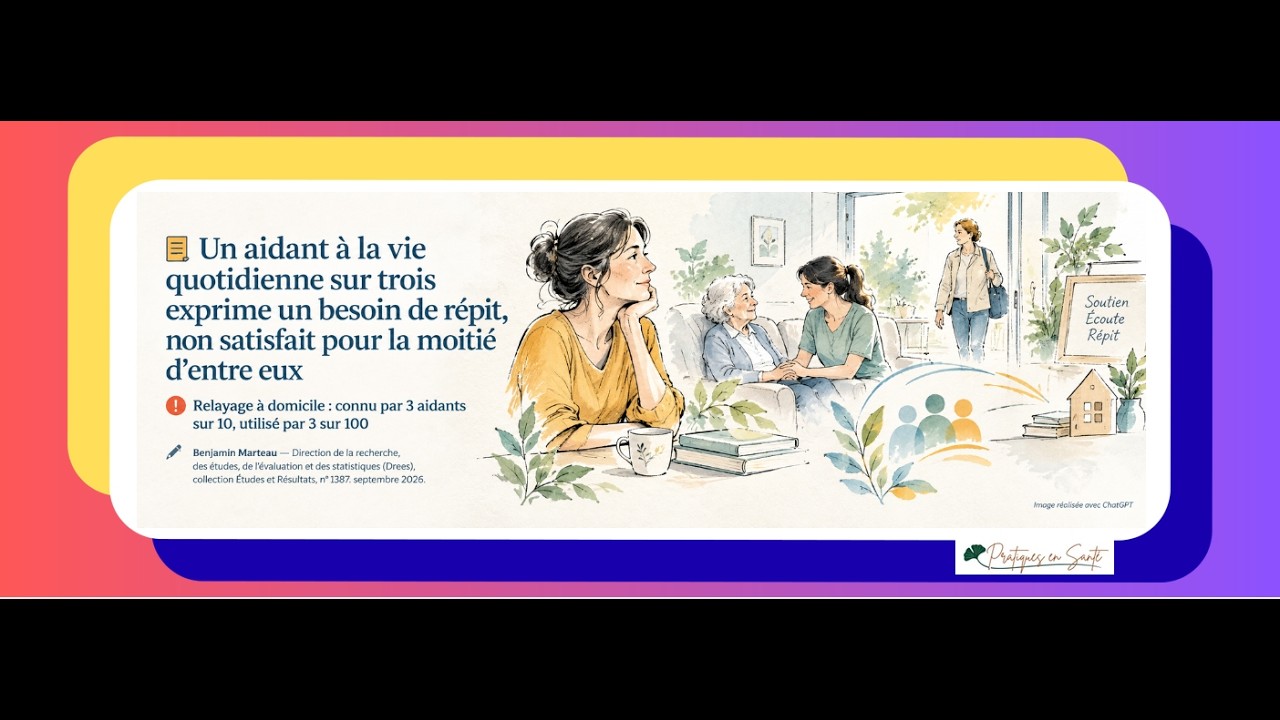
🚨Relayage à domicile : connu par 3 aidants sur 10, utilisé par 3 sur 100 📒 Un aidant à la vie quotidienne sur trois exprime un besoin de répit, non satisfait pour la moitié d’entre eux ✍️ Benjamin Marteau — Direction de la recherche, des études, de l’évaluation et des statistiques (Drees), collection Études et Résultats, n° 1387. septembre 2026. Capsules Audio de Pratiques en Santé 🎙️🎥 https://www.youtube.com/watch?v=pCdQfBWItKQ 🔍💡 Répit des aidants : 36 % en expriment le besoin, et près de la moitié d’entre eux n’en obtiennent pas assez, selon la Drees. 🧭 Le répit repose surtout sur l’entourage et les moments où le proche peut rester seul ; relayage et accueil temporaire restent marginaux. Un appui pour repenser l’information et le repérage sur le terrain. Analyse de Pratiques en Santé et lien vers la source ℹ️➕ https://www.pratiquesensante.com/blog/pratiques-15/un-aidant-a-la-vie-quotidienne-sur-trois-exprime-un-besoin-de-repit-non-satisfait-pour-la-moitie-d-entre-eux-6226 📌 Ce document met des chiffres récents sur un constat souvent posé à l’intuition : le répit manque surtout à ceux qui aident le plus (soins personnels, mobilité, 5 h par jour et plus), aux femmes et aux parents d’enfants en situation de handicap. Il montre aussi que les dispositifs formels (relayage, accueil temporaire) restent très peu utilisés, y compris quand ils sont connus. Il peut servir à argumenter un projet d’action auprès d’un financeur, à cibler le repérage des aidants les plus exposés, et à revoir la manière dont l’offre de répit est présentée aux familles. 🇬🇧: One in three daily caregivers expresses a need for respite, unmet for half of them - https://www.pratiquesensante.com/en/blog/practices-15/un-aidant-a-la-vie-quotidienne-sur-trois-exprime-un-besoin-de-repit-non-satisfait-pour-la-moitie-d-entre-eux-6226 #️⃣ #pratiquesensante #ProchesAidants #RépitDesAidants #Prévention #PerteDAutonomie #Handicap #NonRecours #SantéPublique

www.youtube.com
Crise cachée des aidants : Relayage à domicile : connu par 3 aidants sur 10, utilisé par 3 sur 100
685
António Guterres 2w

The author wrote that too many people faced insecurity and the risk of being left behind as they grew older, and described older people as leaders and caregivers who played a vital role in families, communities and economies. On the International Day of Older Persons, the author called for ensuring longer lives were lived with—but left the thought unfinished.

1717
Luciano Ciocchetti 2w

“l’impossibilità di aumentare la disponibilità finanziaria. Confido che se ne occuperà la prossima Legge di Bilancio”Si conferma essere però una legge, come spesso è stato evidenziato in maniera fortemente critica da organizzazioni degli stessi genitori caregiver conviventi, che non stanzia risorse adeguate rispetto al fabbisogno reale e anche le recenti modifiche non prevedono nessun incremento, come ha confermato lo stesso relatore della legge in Commissione Luciano Ciocchetti, deputato di Fratelli d’Italia, che ha dichiarato “l’impossibilità di aumentare la disponibilità finanziaria. Confido che se ne occuperà la prossima Legge di Bilancio”. #Caregiver #Disabilità #DirittiSociali

Ddl Caregiver, aumenta la platea di chi può ricevere aiuti ma i fondi restano gli stessi. Le associazioni: “Siamo oltre la beffa”
www.ilfattoquotidiano.it
1499
N
Nicoletti 2w

"Si arriva a un contributo di 40 euro al mese, una presa in giro"Nicoletti di "Nessuno è escluso": "Si arriva a un contributo di 40 euro al mese, una presa in giro" #Caregiver #Disabilità #DirittiSociali

Ddl Caregiver, aumenta la platea di chi può ricevere aiuti ma i fondi restano gli stessi. Le associazioni: “Siamo oltre la beffa”
www.ilfattoquotidiano.it
1499
Il Fatto Quotidiano 2w

Il disegno di legge sui caregiver aumenta il numero di beneficiari, ma le risorse finanziarie restano invariate e le associazioni esprimono forti critiche per il contributo ritenuto insufficiente. #Caregiver #Disabilità #DirittiSociali

www.ilfattoquotidiano.it
Ddl Caregiver, aumenta la platea di chi può ricevere aiuti ma i fondi restano gli stessi. Le associazioni: “Siamo oltre la beffa”
1499
Ultimora.net - POLITICS 3w

Il M5S ha presentato i 20 punti di NOVA da portare al tavolo della coalizione progressista: 1. 🏥 SANITÀ: più fondi e personale per il SSN, stipendi più alti, tempi massimi per visite ed esami e maggiore coordinamento nazionale della sanità. 2. 💼 LAVORO: salario minimo legale, meno precarietà, riduzione dell’orario a parità di salario, diritto alla disconnessione, parità salariale e maggiori tutele per autonomi e famiglie. 3. 👵 PENSIONI: maggiore flessibilità per i lavori gravosi, contributi pensionistici per il lavoro di cura, ritorno di Opzione Donna e rafforzamento dell’APE sociale. 4. ♿ DISABILITÀ E CAREGIVER: sostegni alla vita indipendente, assistenti personali, reddito di cura e tutele previdenziali per chi assiste familiari. 5. 💶 FISCO ED ECONOMIA: meno tasse su lavoro e redditi medio-bassi, maggiore progressività dell’IRPEF, contributo sugli extraprofitti, contrasto alla speculazione e lotta all’evasione. 6. 🚜 AGRICOLTURA: contrasto ai prezzi sottocosto, caporalato e agromafie, sostegno alle filiere corte e alle nuove tecnologie e conversione degli allevamenti intensivi. 7. 🏭 IMPRESE E PMI: ritorno di Transizione 4.0, crediti d’imposta, meno burocrazia, più accesso al credito e sportello digitale unico per le imprese. 8. ⚖️ PUBBLICA AMMINISTRAZIONE E LEGALITÀ: rafforzamento di Corte dei conti e ANAC e reintroduzione dell’abuso d’ufficio con una formulazione più circoscritta. 9. ⚡ ENERGIA E BOLLETTE: IVA sui carburanti dal 22% al 10%, più rinnovabili, decoupling tra elettricità e gas, comunità energetiche e ricerca sulla fusione nucleare. 10. 🏠 CASA: piano nazionale per l’abitare, recupero degli immobili pubblici vuoti, più edilizia residenziale pubblica e sociale e sostegni contro sfratti e morosità incolpevole. 11. 🎓 SCUOLA, UNIVERSITÀ E RICERCA: asili nido gratuiti, scuole aperte, più investimenti negli edifici, più sostegno, educazione digitale e affettiva, più fondi per università e ricerca, borse di studio e alloggi per studenti. 12. 🌊 AMBIENTE E TERRITORIO: piano trentennale contro dissesto idrogeologico, rischio sismico ed erosione costiera, riduzione delle perdite idriche e interventi contro l’inquinamento. 13. 🌳 CONSUMO DI SUOLO E CITTÀ VERDI: stop al nuovo consumo di suolo, città spugna, rifugi climatici e 58,9 milioni di nuovi alberi. 14. 📱 INFORMAZIONE E DIGITALE: maggiore indipendenza della RAI, più poteri di vigilanza all’AGCOM, protezione dei minori sui social, contrasto ai deepfake sessuali e sviluppo di un’IA pubblica. 15. ⚖️ MAFIE, APPALTI E TRASPARENZA: più strumenti antimafia, tracciabilità negli appalti, tutela dei whistleblower, legge sul conflitto d’interessi, regolamentazione delle lobby e depenalizzazione della coltivazione domestica di cannabis per uso personale. 16. 👮 SICUREZZA: più organici e presìdi nei quartieri, videosorveglianza e illuminazione, insieme a investimenti in scuola, sport, servizi ed educatori di strada. 17. 🕊️ POLITICA ESTERA E DIFESA: sulla guerra in Ucraina, «continuare a inviare armi significa allontanare la pace» e «è necessaria una svolta negoziale che tuteli le ragioni del paese aggredito»; no a Rearm EU e all’aumento della spesa per la difesa al 5% del PIL in sede NATO; difesa comune europea; riconoscimento dello stato di palestina. 18. 🌍 IMMIGRAZIONE E INTEGRAZIONE: superamento della Bossi-Fini, del click day e del modello Albania, ingressi legati alla domanda di lavoro, Ius scholae, redistribuzione europea e corridoi umanitari. 19. 🗳️ DEMOCRAZIA E PARTECIPAZIONE: proposte di iniziativa popolare da discutere entro tempi certi, piattaforma pubblica di partecipazione, voto ai 16enni e ai fuori sede, voto elettronico e quorum referendario ridotto a un terzo. 20. 🏳️‍🌈 DIRITTI E PARI DIGNITÀ: matrimonio egualitario, legge contro l’omolesbobitransfobia, adozioni omogenitoriali, diritti digitali e legge sul fine vita. ⚠️ Nota: questo post è una sintesi realizzata con l’aiuto dell’IA a partire dal documento ufficiale. Alcuni punti sono stati necessariamente abbreviati e semplificati. Per conoscere le proposte nella loro formulazione completa e nel relativo contesto, si invita a consultare direttamente il documento originale. 📄 Documento completo: https://t.co/dmIbhlHYsB #M5S #Politica #Diritti

15421
A
AD 4w

Nicolaas Veul deelt in zijn nieuwe documentaireserie '100 dagen in de gehandicaptenzorg' zijn indringende ervaringen en uitdagingen tijdens zijn drie maanden durende opname in een zorgpark, waar hij de onzichtbare wereld van mensen met ernstige beperkingen en hun caregivers blootlegt. #gehandicaptenzorg #documentaire #maatschappelijkevraag

www.ad.nl
Nicolaas Veul (42) over slopende dagen in gehandicaptenzorg: ‘Ik moest steeds huilen, ik wist niet waarom’
15092
S
Sandfeen 4w

The Daycare Governance Model Something sinister is lurking behind the curtain of compassion. We have told ourselves that caring for others is the highest good, but there is a pathological side to it that we refuse to acknowledge. There is a phenomenon known as Munchausen syndrome by proxy. It is a form of child abuse in which a caregiver—typically the mother—fabricates or induces illness in someone under her care in order to gain attention or sympathy. The mother is not indifferent to the child’s well-being, and that is the most disturbing part. She is devoted to the child. Around the clock, she visibly tends to the infant’s needs. This is depicted in *The Sixth Sense*. A young boy who can see and speak to the dead is brought to the wake of a girl named Kyra. She leads him to a box containing a videotape. The tape shows Kyra’s mother quietly lacing her daughter’s food with poison, only to play the role of a saint at her bedside for the gathered relatives—absorbing their pity and praise for how selflessly she cared for her dying daughter. The town saw a devoted mother, but the reality was manufactured sickness. We have scaled this pathology up to the level of civilization. The will to care is one of the most powerful drives in women. Properly channeled, it is deeply necessary and virtuous. But as social institutions—therapy, academia, law, NGOs, and bureaucracies—are increasingly comprised of women, this instinct is redirected from individual children, where it can be extremely beneficial, toward society at large, where it becomes disastrous. I call this the daycare governance model. It has only three roles: infants to be protected, or the oppressed; caregivers to administer care, or the dissenters. The caretaking class, or its allies, gains power and influence by managing human suffering. They are rewarded with prestige, funding, and greater authority—all of which increase in proportion to the number of victims under their care. Those incentives resemble the logic of Munchausen syndrome by proxy: increasing the number of sick people under their supervision will, in the end, produce more sick people.

233
Il Messaggero 4w

La Corte d'Appello di Bologna ha stabilito che un lavoratore può utilizzare i permessi della Legge 104 per assistere un familiare disabile anche se non è presente fisicamente per tutta la durata del permesso, dichiarando illegittimo il licenziamento di una donna vista al mare mentre era assente dal lavoro per assistenza. #Legge104 #Caregiver #PermessiRetribuiti

www.ilmessaggero.it
Legge 104, permesso per assistere la madre disabile ma va al mare. Incastrata dall'investigatore dell'azienda, per la Cassazione ha ragione lei
15838
The International Dublin Writers' Festival Sep 7

From my husband’s dementia journey comes a guide for caregivers—tools, resources, and lessons learned. 💜 #DementiaCare #CaregiverSupport https://t.co/36fAXyyax5 #DementiaCare #CaregiverSupport #DementiaAwareness #Nospecificcountriesarementionedinthetweet.Therefore #therearenocountrycodestoreturn.

Repubblica Sep 2

“Ricordo il nome di tutte le donne che si sono ammazzate insieme al figlio disabile, sono stata tutte loro. È inevitabile, è capitato di pensarlo a tutte noi madri caregiver”. Fondatrice e portavoce di Tetrabondi Ets, che da anni promuove progetti e iniziative per costruire un approccio diverso alla disabilità, Valentina Perniciaro è diventata caregiver con la nascita del suo secondo figlio Sirio: “Sono uscita dal buio quando ho imparato a vedere un bambino dietro l’immagine che diagnosi, parole e sguardi avevano costruito. Ma fondamentale è stata anche l’energia di tutte quelle donne che come me erano da mesi nel reparto di terapia intensiva neonatale”. E pensando alla tragedia accaduta a Roma, dove Luca Abbasciano e Valentina Pambianco hanno ucciso la figlia Bianca e poi si sono tolti la vita, Valentina Perniciaro dice: “Bianca anche nella sua complessità avrebbe avuto diritto di frequentare la materna. Avrebbe fatto bene a tutti: agli altri bambini, a lei, ai suoi genitori. Avrebbe voluto dire concedere alla madre non solo magari di lavorare, ma anche il contatto con se stessa e con il mondo. Oggi lei e i suoi genitori sono al cimitero. Ed è una responsabilità collettiva”. Su Repubblica l’intervista di Alessia Candito #rep #disabilità #caregiver #maternità

12400
Beppe Grillo Sep 1

In Italia 7 milioni di caregiver tengono in piedi gratuitamente una parte enorme del #welfare. Lo Stato risparmia, le famiglie pagano con il lavoro, la salute e la propria vita. Serve un vero Reddito di Cura, ora. https://t.co/lj6xX29Zp9 https://t.co/91A7duidAI #caregiver #RedditoDiCura #welfare #IT

468
Chiara Degli Esposti 🚐🍔🦊 Sep 1

La solitudine di chi si debba occupare di un figlio piccolo disabile in Italia è reale. Non parliamo della totale indifferenza del sistema per i cosiddetti caregiver dei genitori. In entrambi i casi: o hai soldi o sei condannato. Di *questo* dovremmo discutere ogni secondo, qui. #caregiver #disabilità #solidarietà

12290
S
Sandfeen Aug 28

The Pathology Behind Compassion Something sinister can lurk behind compassion. Caring for others is noble, but when institutions are rewarded not for reducing suffering—only for managing it—care can become pathological. Munchausen syndrome by proxy shows the logic: a caregiver fabricates or induces illness in someone dependent on them to gain sympathy and attention. The caregiver looks devoted; the “sickness” is manufactured. In that sense, devotion can hide control. I call this the Daycare Governance model: society splits into infants to be protected (oppressed), caregivers who provide protection (allies), and predators to be removed (dissenters). Caretakers gain prestige, funding, and moral authority by managing suffering. Many may believe sincerely, yet incentives can overpower intentions—if status and resources grow with the number of “vulnerable” people, the system has reason to expand the victim class. It does so via concept creep (“trauma” broadens until ordinary difficulty counts), and by creating the perpetual patient, where normal sadness becomes pathology and struggle is rebranded as dysfunction. Care institutions and “victims” then reinforce each other. Dependency costs competence. True care prepares people to stand alone; pathological care keeps them dependent. Endless expansion of victimhood risks producing more dependency. We call it compassion—but compassion without boundaries can become control.

352
S
Sandfeen Aug 28

The Great Feminization, Measured Seventy-two percent of men under thirty hold a positive view of women; among women under thirty, 50% (a 22-point gap). Among women under twenty-five, the share is 35% (a 37-point gap). Where the manosphere and “toxic masculinity” dominate headlines, the data points elsewhere: young women increasingly sort men into the enemy column. The class divide is sharp. Among working-class young women, 61% view men positively; among professional-class women, 36%—a 25-point gap tied to exposure to universities, HR departments, media organizations, and NGOs. The pattern runs through institutional conditioning. Helen Andrews argued this in 2020: between 2015 and 2020 many Western institutions became majority-female, including the New York Times newsroom (2018), law schools (2016), medical schools and the college-educated workforce (2019). Affirmative-action mandates, discrimination settlements, and diversity requirements helped drive the shift. As institutions changed, so did missions: justice increasingly focused on protecting “oppressed” minorities; newsrooms shifted from reporting toward narrative enforcement; universities moved from arguing to “safe spaces.” The result is a “daycare governance model”: infants to be protected (the oppressed), caregivers to provide protection (the allies), and predators to be removed (the dissenters). Research shows the same frame in speech: FIRE’s 2026 college speech rankings found women less tolerant than men across ideologies, including less tolerance for their allies. A woman entering kindergarten in 2005 has spent twenty years inside this system—she didn’t invent it, she inherited it. The 35% figure suggests sorting into victim, ally, and predator, with no grey zones. Working-class women, less conditioned by these pipelines, still view men positively (61–36). None of this is entirely new; Gustave Le Bon described the mechanism in 1895.

703