WRLD

Search

#exod
Simon Betschinger 17h

Simon Betschinger wrote, referencing a report from WELT, that the SPD is planning a comprehensive redistribution of wealth in Germany through inheritance tax. According to him, this will exacerbate the wave of bankruptcies and the emigration of entrepreneurs. He accused the SPD of focusing on tax increases and damaging work ethic, diligence, determination, responsibility between generations, and social cohesion. #Steuern #SozialeGerechtigkeit #Wirtschaft (translated)
2139
Johanca 2d

Johanca noted that Minister Ignacija Fridl Jarc canceled her attendance at the film festival due to the film Exodus 1945, while expressing her approval. #filme #festival #Exodus1945 (translated)

2891
Uroš Urbanija 2d

Uroš Urbanija wrote that the film Exodus 1945: Our Blood, upon its release, was not allowed to be screened at the film festival in Portorož. He added that the film should soon be scheduled on Planet TV. #Exodus1945 #film #Portorož (translated)

2893
Denik P - Paukner Media 4d

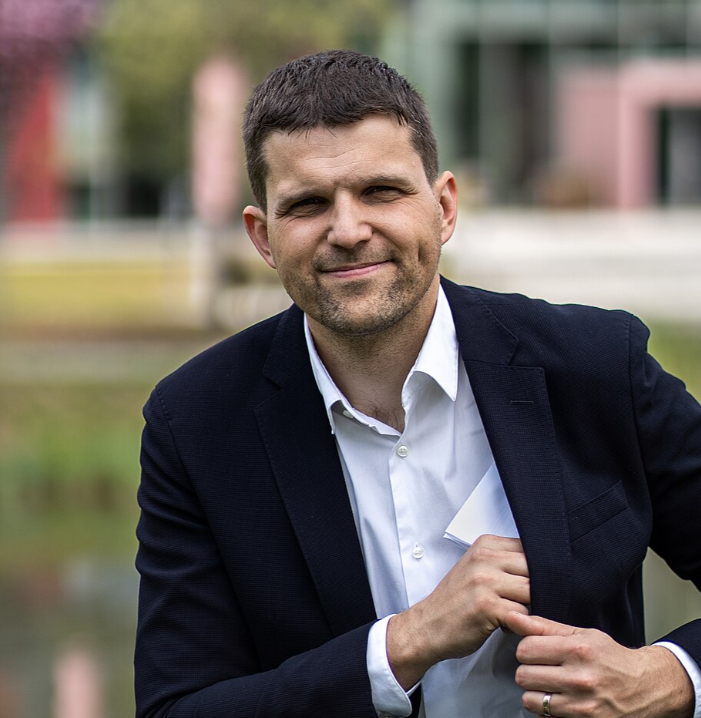
Denik P – Paukner Media addressed Filip Turek's apology for his statements about the DUHA Movement in a post. It stated that Turek repeated the wording of the court ruling in the video, but also mentioned which people he believed left the original team at the Ministry of the Environment. The author focused on their professional backgrounds and attitudes towards energy. Regarding Martin Sedlák, an advisor to Petr Hladík, it was written that he previously worked in the DUHA Movement and later led the Union of Modern Energy and the Alliance for a Zero-Emission Future. He attributed to him statements from 2009 and 2011 against the need for nuclear energy and stated that he collaborated with DUHA on delaying the completion of Temelín. Martin Ander, another former DUHA employee and advisor to the minister, was identified as a proponent of a zero-emission economy and strict measures against both coal and nuclear power plants. It was claimed that Ander advocated for the termination of Czech nuclear energy and that similar policies in Germany contributed to the consequences of the energy crisis. The head of the climate protection section at the ministry, Petr Holub, was also linked by the author to the DUHA Movement and opposition to nuclear energy. It was noted that Holub promoted climate education at the ministry and participated in the National Climate and Energy Plan, which, according to the post, set a 30% share of production from renewable sources. It was also claimed that Holub advocated for subsidy support in the law for the creation of renewable energy capacity corresponding to ten times the installed capacity of Dukovany. The author estimated the investment costs from 2023 to 2030 at 100 billion crowns per year and referred to a SEEPIA study. Eva Lejsalová, the director of PR at the ministry, was described by the author as a former director of the political institute of KDU-ČSL, not an environmental expert. Regarding communication director Martin Polívka, it was written that he was Hladík's chief of staff in Brno; according to the author, he did not have the necessary education and called himself a political marketing expert. Petr Holub's advisor, Edvard Sequens, was labeled as an anti-nuclear activist and a member of the Calla association. He attributed to him support for the rapid end of coal energy and industrial contraction and stated that the association opposed new reactors in Dukovany and Temelín even in 2025. According to the author, Sequens considered nuclear energy an outdated technology that could be replaced by renewable sources and lower energy consumption in industries. Regarding Radim Misiaček, the project director of acceleration zones, the author stated that his contract with the ministry included a fee of 7,000 crowns daily for selecting experts, without a specified working time. Among the selected, he mentioned Martin Abel, a candidate from the Greens and a member of the Climate Lawsuit association, and Eva Volfová, a politician from STAN, whom he claimed had gained a stake in a company drawing state contracts. He added that he believed the case was being investigated by the police. In conclusion, the author refused to assess whether they were experts. He reacted to the media's labeling of their departure from the ministry as an "exodus of experts" and "dismantling of the expert team," stating that he wanted to present the people Turek claimed to have "scraped" from the ministry. #HnutíDUHA #energetika #odborníci (translated)

3030
Vladimir Putin 4d

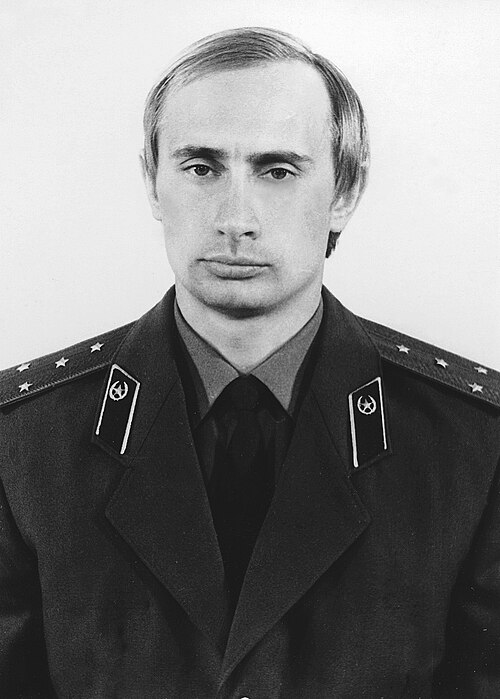
In September 2022, after a series of defeats on the front in Ukraine, Vladimir Putin announced the partial mobilization of 300,000 reservists. #Rusia #exod #mobilizare (translated)

Panica mobilizării revine în Rusia. Rușii se pregătesc să părăsească țara la patru ani de la exodul din 2022
adevarul.ro
2021
adevarul.ro 4d

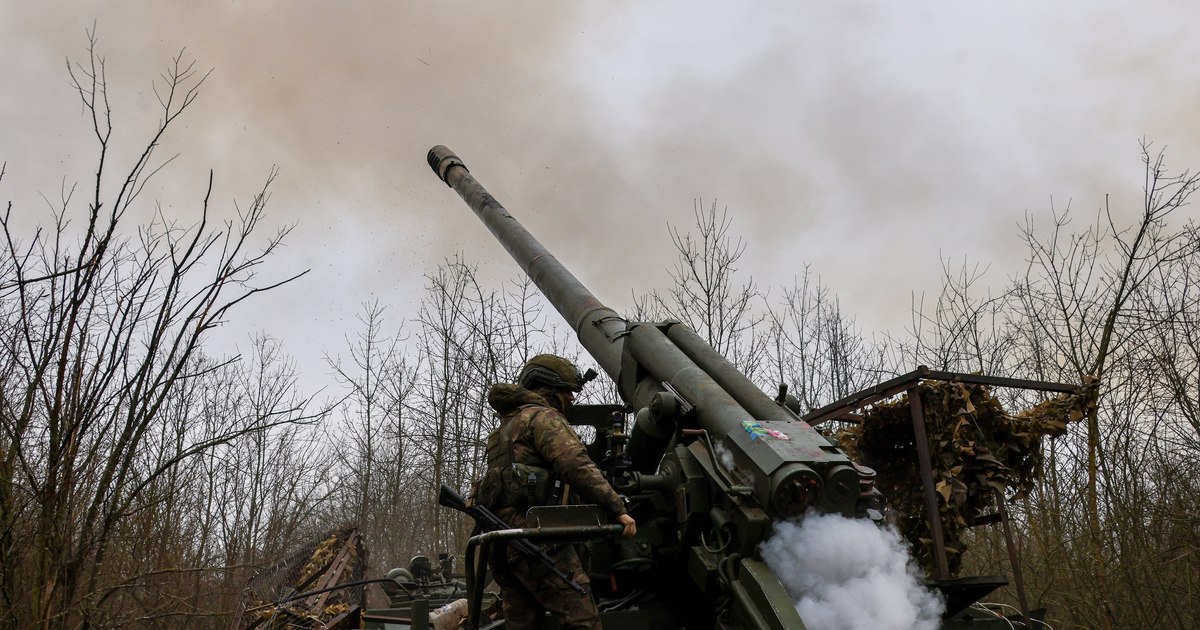
Panic related to a possible new military mobilization is once again prompting an increasing number of Russians to prepare to leave the country, reminiscent of the exodus in 2022. #Rusia #exod #mobilizare (translated)

adevarul.ro
Panica mobilizării revine în Rusia. Rușii se pregătesc să părăsească țara la patru ani de la exodul din 2022
2021
Denkjewel 1w

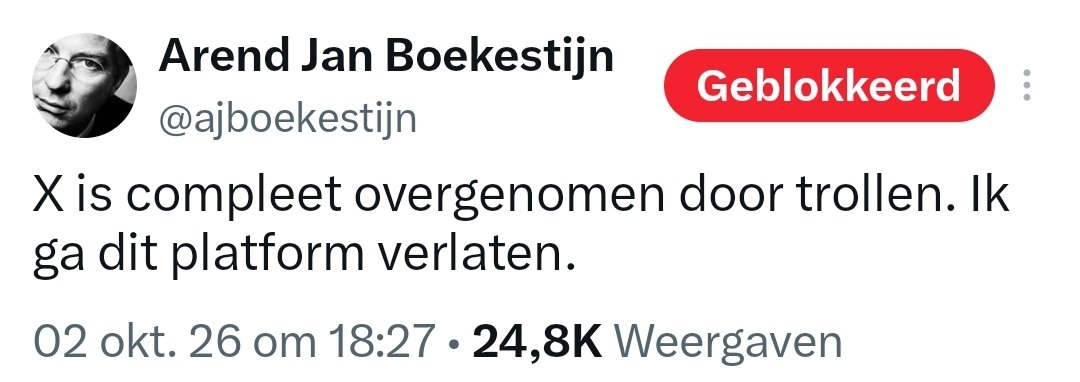
Denkjewel called the person behind the linked post a troll and accused them of never responding normally to people they look down on. Denkjewel also wrote that the person left a hundred years after the great Bluesaai exodus and that they welcomed the departure. https://t.co/2DiT1ma0N1 #Bluesaai #trollen #exodus (translated)

15629
ABC TU DIARIO EN ESPAÑOL 1w

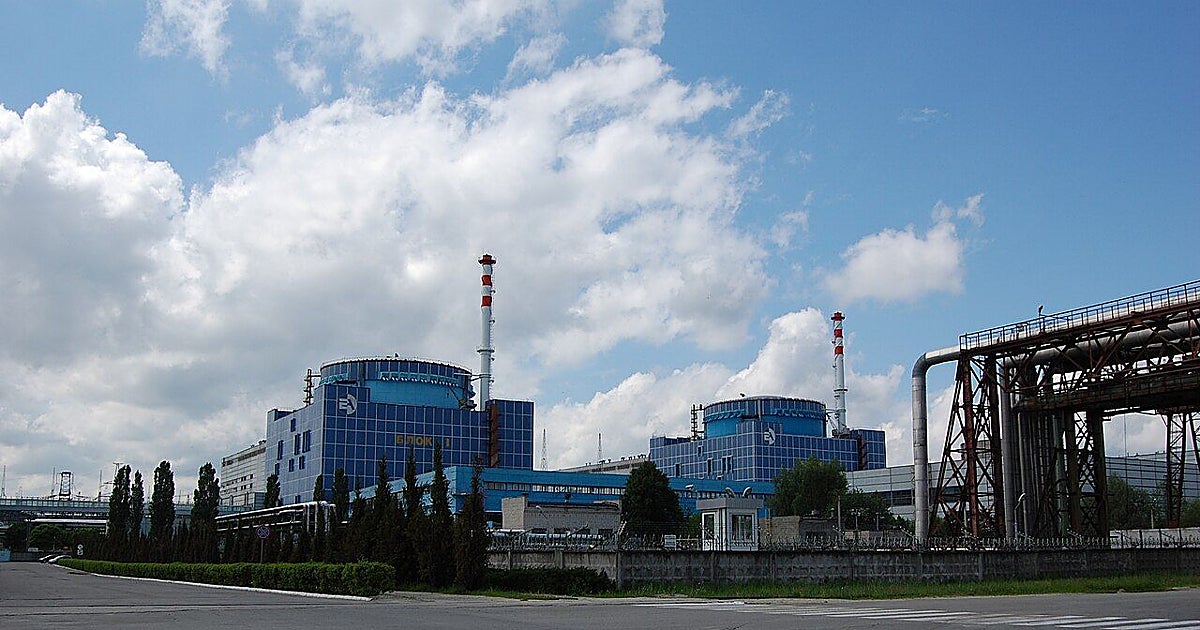
Russia plans to disconnect Ukraine's nuclear power plants this winter through aerial attacks on substations, with the aim of collapsing its electrical grid and forcing an exodus of refugees to Europe. #Ucrania #Rusia #CrisisEnergética (translated)

www.abc.es
Rusia planea desconectar las centrales nucleares de Ucrania para colapsar su red eléctrica este invierno
1940
Nae Moromete® 2w

Declaratii Calin Georgescu la iesirea de la CAB: Îi mulțumesc lui George Simion. Toată clasa politică este o infractoare. Orice vot pentru Mureșan e trădare națională "Întrebați poporul ce crede despre dosar. Eu v-am spus ceva. Puteți să mergeți să-i întrebați. Aveți răspunsul de-asta cât e. Auziți, ia ascultați atente ce strigă lumea. Nu, eu v-am întrebat. Ascultați atente ce spune poporul meu. Bine, o să răspund eu. În primul rând, aș dori să mulțumesc în numele meu și al familiei mele. Aș dori să mulțumesc familiei mari, poporului român, care a fost și este lângă noi. A fost un lucru care ne-a sprijinit și ne-a învrednicit pe toți Dumnezeu cu faptul de a trăi puterea rugăciunii în această perioadă. Le mulțumesc tuturor, întregului popor român, vă mulțumesc vreodată tuturor pentru această poziție de a fi alături sufletește. Primul asepct, aș dori să spun că am văzut și eu și sunt onorat că există doleanțe și dorințe din partea a milioane de români de a fi sprijiniți noi ca familie. Vă mulțumesc tuturor, nu este cazul. Dacă va fi cazul, doar eu, soția mea și casa de avocatură Sinescu Nazat poate confirma și poate să dea detalii în sensul de a fi sprijiniți financiar. Vă mulțumesc încă o dată tuturor pentru acest demers! Al doilea aspect aș dori să-mi mulțumesc unei părți din presă care au relatat în mod obiectiv toate cele întâmplate în ultima săptămână și care confirmă faptul că a pledat pentru libertatea de conștiință. Le mulțumesc și le asigur de, nu doar de cumplimentele mele, ci de faptul că le fericit pentru acest demers al libertății de conștiință! Al treilea aspect, le mulțumesc politicienilor, parte din ei, evident, care de asemenea au relatat obiectiv cele întâmplate și, în mod special, îi mulțumesc lui George Simeon pentru integritatea lui în acest punct de vedere.Acum am să vă răspund la întrebări și am trei subiecte: Subiectul numărul 1. Sita Cerne "Lumea este mică, Dumnezeu este mare. Și această toamnă va fi o toamnă grea, nu în necazuri, ci în adevăr. Așa încât să ne așteptăm la neașteptat. Faptele noastre ne apropie sau ne depărtează de Dumnezeu. Știți, când un om liber, gândește liber și vorbește din toată inima lui poporului său, evident că provoacă fiori reci sistemului și un întreg aparat de stat. Mediocritatea aflată la putere, evident că nu construiește, ci demolează, distruge și se răzbună. Și evident că sistemului este frică de votul poporului, este frică de democrație și este frică de iubire, în special. Pentru că iubirea lui Dumnezeu este arzătoare! Subiectul numărul doi În condițiile în care România se confruntă cu probleme grave, foarte grave, economice și sociale, a discutat și a pledat pentru validarea unui nou guvern păgân și antiromânesc, este o preocupare obscenă. De altfel cred că cel numit este un individ, o eroare a istoriei, ca și cel care l-a desemnat. Dar dincolo de asta aș vrea să mă adresez Parlamentului României și membrilor Parlamentului că orice vot acordat guvernului Mureșan este un act de trădare a interesului României. Înseamnă că toată clasa politică este o infractoare, cea de la putere, evident, este o infractoare a ordinii constituționale și nu doar atât, ci este o infractoare a realității. Pentru că realitatea în România astăzi este următoarea. În fiecare zi poporul român plătește 30 de milioane de euro, repet, 30 de milioane de euro pe zi pentru a putea să acopere dobânziile aferente împrumuturilor făcute de statul român. Împrumuturi care nu se văd nicăieri în viața românului, în viața de mai bine și nicăieri în prosperitate. Exodul tinerilor și căderea demografică pune în dificultate total viitorul acestei țări. Prăbușirea leului și inflația galopantă fac ca viața românilor să fie foarte, foarte grea. Educația, cel mai important, și sănătatea publică sunt lăsate în paragină. Prețul la motorină și la benzină a crescut și va crește în continuare, va sublima orice fel de mișcare în această țară. Pensiile și salariile sunt o insultă adusă demnității umane, la care se adaugă că peste 20% din populația țării astăzi trăiește sub pragul sărăciei. Haosul generalizat din politică închide acest tablou mizerabil existent în România făcut de politica românescă. Acum atenție, pe fondul foarte instabil internațional, foarte instabil, pe fondul în care Europa cere război și cine cere război cade din creștinătate, ca să fim foarte clari! Euro se va prăbuși De asemenea, moneda euro pe acest fond se va prăbuși foarte curând. Deci pe acest fond doar, subliniez doar, un președinte și un guvern plin de discernământ, cucernic, cu mare chibzuință, iubitor de pace, iubitor de popor și iubitor de Hristos, mai poate salva națiunea română. Și nici ei singuri și nici el singur dacă nu are poporul lângă el. Pentru că nici Moise nu și-a salvat poporul fără poporul lângă el. Nici David nu și-a salvat poporul fără oastea lui lângă el. Nici un căpitan de navă nu poate să-și salveze vasul aflat în pericol dacă nu are marinarii lângă el. Prin urmare, de luat aminte acest aspect! Subiectul numărul 3 Mă refer la tinerii jurnaliști, foarte mulți de altfel, care de o săptămână sunt permanent în fața locuinței mele. Am următorul mesaj. Prezența dumneavoastră de permanență în fața casei mele este o insultă adusă ideii de presă obiectivă. Aparte de faptul că, sincer vorbind, vă automiliți. Și este jenant să stai ore întregi pentru a aștepta ceva. Nu știu ce fel de meserie este aceasta. Și atunci spun așa, că în acest sens, din câinele de pază al democrației, din cauza acestor tineri jurnaliști, presa poate deveni cotarla cu jujeu a puterii politice. O închid spunând așa. România stă pe o uriașă lipsă de integritate. Uriașă. Atunci când anulezi voința poporului, când anulezi voința lui Dumnezeu, îi asigur că nu se mai poate face nimic. În acest sens, bucuria, transmis[ poporului român, este un prilej de răsplată și de recunoaștere. Iar suferința este un prilej de răbdare. Prin urmare, cu o inimă puternică și credință tare, tot ceea ce ni se întâmplă este de la Dumnezeu, spre binele nostru comun. Vă mulțumesc!" #Romania #Politica #Libertate

12747
Marcin Możdżonek 2w

Uderz w stół, a nożyce się odezwą🤷 Panie podinspektorze, powtórzę za jedną z odpowiedzi na Pański wpis, bo była celna - aby z mojego wpisu zrobić dokładnie taką politykę jaką Pan zrobił, to trzeba być całkiem sprawnym politykiem. Gratuluję umiejętności. Celowo napisałem o obiektywnych problemach polskiej policji - takich, z którymi wydawało się, nikt rozsądny, a już na pewno żaden policjant, nie będzie dyskutował. Nie dlatego, że tej dyskusji nie chcę, tylko właśnie dlatego, że nie był to dobry moment, a wymienione kwestie nie są kontrowersyjne. Są faktem, sytuacjami opisywanymi w wielokrotnych rozmowach z policjantami pracującymi w terenie. Ale Pan postanowił inaczej i rozpętał polityczną dyskusję, w celu zupełnie jasnym dla każdego - jest Pan rzecznikiem prasowym, który zaatakował zza biurka, w imieniu swojego szefa, żeby tylko wymienione problemy nie wybrzmialy. Na szczęście osiągnął Pan odwrotny efekt, więc to wykorzystam dla dobra sprawy. To, że rzuciły się na mnie za Panem tłumy politycznych klakierów, nie leży w kręgu mojego szczególnego zainteresowania. Wróćmy więc do meritum. Tragiczna śmierć młodego policjanta w mojej ocenie i ocenie wielu, dobrze mi znanych funkcjonariuszy różnych szczebli, jest właśnie efektem sytuacji kadrowej w Polskiej Policji. Mówi Pan o 6% wakacie w ujęciu krajowym. Ok. Czy procent wakatów w garnizonie dolnośląskim jest taki sam? Nie, dobrze Pan o tym wie. Jest prawie dwukrotnie taki. (Na marginesie, proszę wskazać procent wakatów w garnizonie stołecznym? 6%?😏). Sytuacja w PP wygląda tak, że nie ma zachęt do zostawania w służbie (proszę mieć litość i nie wspominać o mieszkaniówce). Za to od lat mamy exodus doświadczonych policjantów, w efekcie którego w wielu jednostkach młodzi uczą młodych. Zanika tzw. pamięć instytucjonalna i coraz bardziej widoczny jest brak dobrych praktyk, niski poziom szkolenia strzeleckiego, przeprowadzania interwencji itd. Widać to często na wszechobecnych w internecie nagraniach osób postronnych z policyjnych interwencji. Znamiennym jest, że odniósł się Pan tylko do wakatów! Ostatecznie faktycznie, to problem, który rozwiązać i statystycznie rozmyć najłatwiej. Ale ani słowem nie odniósł się Pan do kolejnych wskazanych: co ze szkoleniem strzeleckim i brakiem strzelnic? Co z przygotowaniem do realnej służby? Co ze wsparciem systemowym dla funkcjonariuszy, którzy użyją broni na służbie?! Tu nabrał Pan wody w usta. Szkoda, bo wielu policjantów chciałoby usłyszeć odpowiedzi. Ale tu ciężko byłoby Panu napisać, że nie jest tak jak napisałem, bo jednak podpisał się Pan z imienia i nazwiska, a jakąś odpowiedzialność za publiczną deklarację można ponieść. Zawsze wspierałem i będę wspierał Polską Policję. To w moim przypadku wielowątkowa kwestia. Ale fatalne decyzje politycznego kierownictwa tej formacji lub brak działań czy decyzji trzeba punktować, niezależnie od tego kto rządzi. Dla dobra bezpieczeństwa publicznego i dla dobra każdego pojedynczego policjanta. P.S. Jest jedna kwestia, której w działaniu polskiej policji nie rozumiem i co jakiś czas faktycznie o tym piszę - brak reakcji na udokumentowane groźby karalne wobec zwykłych obywateli. I jeśli ma Pan podinspektor zamiar odpowiedzieć mi na powyższe odniesienie się do Pańskiego wpisu, to proszę być również na tyle łaskawym, aby poruszyć i ten problem. #PolskaPolicja #Bezpieczeństwo #Polityka

13452
Andrej Fiskovec 2w

Kdyby Pobaltské státy přistupovaly k ruským menšinám, jak Rusko přistupuje k menšinám u sebe a jak přistupuje k Ukrajincům na okupovaných územích, žádné ruské menšiny (z většiny okupanti nebo potomci okupantů), by už dávno v Pobaltí nebyly. Nějak nevidím jejich masový exodus do matičky Rusi. #Pobaltí #menšiny #Ukrajina

14285
Antenados 3w

OBRIGADA! Galisteu aparece e manda os peões se posicionarem e pararem com o sarau. #ApontaPeão #AFazenda https://t.co/ExodeaOS6G #AFazenda #RealityShow #TVBrasileira

14567
toomas hendrik ilves 3w

Russia closes area close to easy access to Estonia, apparently to prepare for an exodus once mobilisation is announced. https://t.co/3rtYxlWpQi #Russia #Estonia #Mobilization #RU #EE

L'Obs 3w

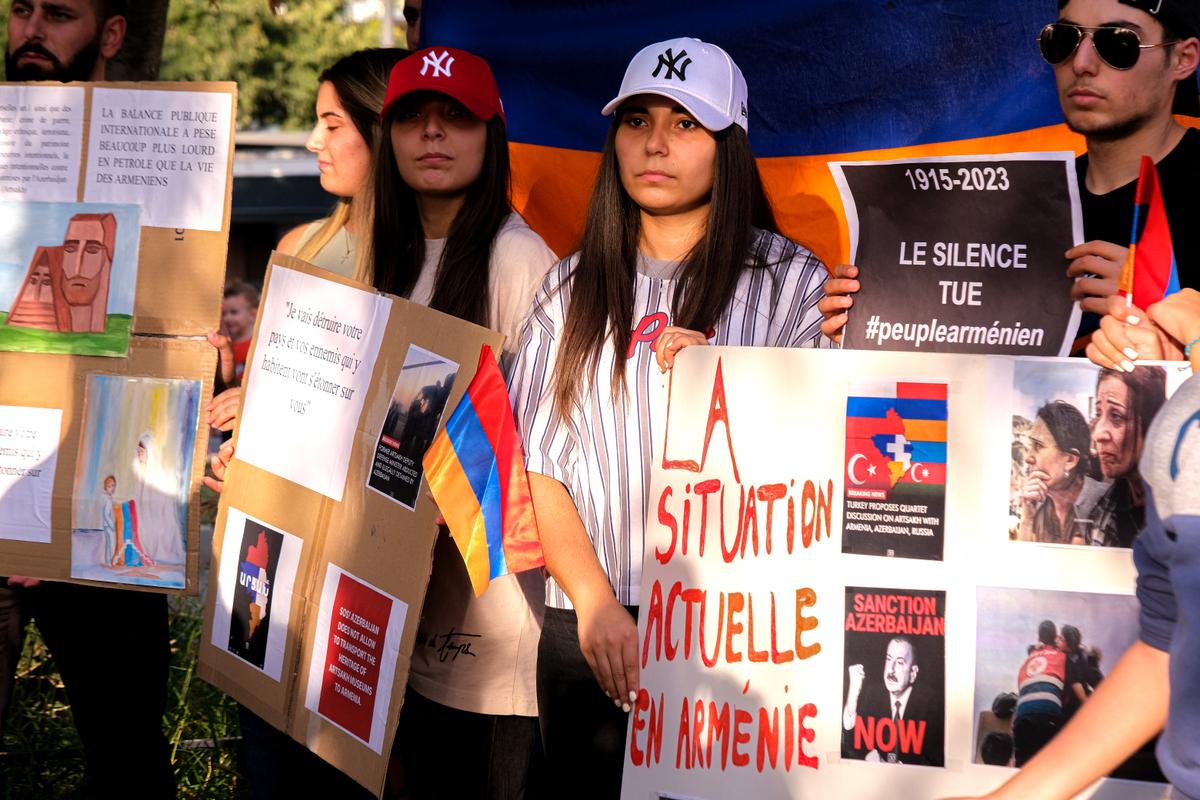
Trois ans après l'exode forcé de plus de 100 000 Arméniens du Haut-Karabagh suite à l'offensive militaire azerbaïdjanaise, des étudiants s'interrogent sur la persistance des droits de ce peuple malgré son effacement géographique et juridique. #HautKarabagh #DroitsHumains #Autodétermination

www.nouvelobs.com
Haut-Karabagh : un peuple peut-il disparaître du droit ?
6955
adevarul.ro 4w

Autoritățile chineze au implementat noi reglementări stricte pentru a controla ieșirea din țară a specialiștilor tech și a persoanelor cu averi mari, ca parte a unei strategii de a limita exodul capitalului și tehnologiei. #China #ControlLaFrontieră #Tehnologie

adevarul.ro
China nu mai lasă pe oricine să plece din țară: experții tech și bogații, sub control strict
11032
BFMTV 4w

Le cofondateur de Spotify, Martin Lorentzon, a menacé de quitter la Suède si l'impôt sur la fortune, récemment proposé par une coalition de centre-gauche, était rétabli, craignant que cela n'entraîne un exode des riches et nuise à l'économie nationale. #ISF #Suède #Fiscalité

www.bfmtv.com
"Une telle taxe m'obligerait à partir immédiatement": 20 ans après sa suppression, le projet de retour de l’impôt sur la fortune affole le fondateur de Spotify et les riches Suédois
9889
Luciano Magaldi Sardella (PhD) Sep 5

The Psychologist – The British Psychological Society – When Walls Become Wellness SOURCE: https://www.linkedin.com/pulse/psychologist-british-psychological-society-when-walls-sardella-ph-d--pu8sf/ Dr Luciano Magaldi Sardella and Professor Matteo Mantuano on how ‘Stramurales Participatory Street Art’ transforms urban mental health. Link: https://www.bps.org.uk/psychologist/when-walls-become-wellness The Psychologist, The British Psychological Society by esteemed Dr. Joe Sutton, Head of Science Communication at BPS Contenuto dell’articolo On a sweltering afternoon in June 2018, we stood in the central square of Stornara, a small agricultural town in Puglia, Southern Italy, watching something extraordinary unfold. Local artist Lino Lombardi was facilitating a heated discussion among residents about which mural designs should adorn their town's crumbling walls. What struck us wasn't the art itself, but the transformation we witnessed in the eyes of people who, just months before, had described their hometown as a place to escape. These were individuals reclaiming their narrative, voting on their future, literally painting over decades of decline. We are environmental and community psychologists who have spent over a decade studying how built environments shape mental health outcomes. Dr Luciano Magaldi Sardella's research focuses on participatory arts interventions in declining rural communities, while Professor Matteo Mantuano specialises in the psychological mechanisms of community empowerment and collective agency. When we first learned about the Stramurales festival in early 2018, we recognised it as a rare opportunity to observe participatory urban art as a potential tool for addressing the mental health crisis plaguing Southern Italy's depopulating towns. Over the past seven years, we have conducted extensive fieldwork in Stornara – interviewing residents, documenting the festival's evolution, and analysing its psychological and social impacts. What we found in Stornara was something far more significant than an innovative community-led arts initiative. It was environmental psychology in action – reshaping how we understand the relationship between built environments, participatory arts, and mental health. The Crisis Hiding in Plain Sight Recent research reveals an alarming convergence of environmental and mental health crises that remains curiously underexamined in psychological discourse. Mental health research receives a mere 2.3 per cent of overall National Institute of Health funding. We cannot know how much of that concerns our environments – both natural and built – which fundamentally shape our psychological wellbeing. The newly proposed field of 'EnvironMental Health' emphasises that deteriorating built environments correlate significantly with elevated stress, social isolation, and worsening mental health outcomes. Southern Italy's rural communities embody this crisis. Between 2002 and 2017, South Italy region lost approximately two million residents to migration, predominantly young adults aged 15-34. This exodus created what Johan Galtung described as 'structural violence' – systematic arrangements preventing communities from realising their potential. The mental health toll manifests not just in individual diagnoses, but in collective despair, eroded social capital, and communities watching their futures literally emigrate. Stornara exemplified this trajectory. By 2017, this municipality of 6,000 residents faced the familiar spiral: economic contraction precipitating youth emigration, accelerating infrastructure deterioration, driving further decline. Walls crumbled. Businesses shuttered. Hope evaporated. Then something changed. The Stramurales Revolution: Democracy through Design What emerged in Stornara transcends conventional cultural tourism. The Stramurales International Street Art Festivalworks through three foundational democratic mechanisms that distinguish it from superficial beautification projects. Organised through Stornara Life APS – an open-membership association founded by Maestro Lino Lombardi – the festival prevents elite capture through voluntary property owner participation ensuring no coercion; democratic content selection through annual community voting on festival themes and mural proposals; and transparent, inclusive governance that gives all residents a voice in the festival's direction. This participatory architecture facilitates what the World Health Organization describes as 'community empowerment' – processes enabling communities to increase control over determinants affecting their health. Recent field studies in Vienna demonstrate that urban art interventions reduce stress and anxiety while improving mood states, but Stramuralesgoes further by embedding art creation within democratic decision-making structures. When residents voluntarily offer walls and vote on content, they perform acts of material and psychological investment. This restoration of collective agency – the belief that residents can shape their hometown's future rather than merely witnessing decline – directly addresses the structural violence that erodes mental health. Between 2020 and 2025, Stornara experienced a huge increase in tourism revenue despite pandemic disruption. New businesses opened. A Stornara-born emigrant who returned reluctantly in 2017 to provide parental care, now works as a tour guide and describes Stornara as 'the coolest town in Italy'. These aren't just economic indicators. They're mental health outcomes. The Science behind the Transformation Contemporary research across multiple disciplines validates what Stornara residents experience viscerally. A 2024 systematic review examining 79 peer-reviewed articles identified how arts places – from permanent museums to temporary public installations – stimulate community engagement, enhance cultural identity, and foster social cohesion. Community-driven mural projects specifically strengthen local identity and pride, creating new routines for individuals to interact and build relationships. Recent experimental research in Berlin found that sidewalk-level art exhibitions significantly altered visitors' connection to and satisfaction with their neighbourhoods, improving overall wellbeing. This aligns with emerging theories on art viewing's impact on mental health, which identifies five key mechanisms: affective processes regulating emotions and stress; cognitive processes providing sensory stimulation and learning; social processes creating shared experiences; self-transformation through reflection; and resilience building for coping with challenges. Environmental psychology research demonstrates that built environments operate as therapeutic interventions. Studies on mental health inpatient facilities reveal that design elements affecting privacy, control, daylight access, and particularly the inclusion of artwork significantly impact patient outcomes. If hospital walls matter therapeutically, how much more do the walls we encounter daily in our communities? The Stramurales model harnesses these mechanisms through the recent concept of 'visual health activism'. Several murals explicitly engage health and human rights themes: Alaniz Niz's 'Refuge for All Migrants' represents exploited African agricultural workers; Sabotaje al Montaje's 'Turning Our Backs on Migration' challenges exclusionary policies; Devil Art Design's 'African Child at Sunset' portrays migrant youth seeking dignified futures. These works address social determinants of health through human rights advocacy. Migration policies denying basic rights create health vulnerabilities – including restricted healthcare access, hazardous working conditions, and psychological trauma from discrimination. The murals perform dual public health functions, in addressing residents' mental health while advocating for populations whose health rights face systematic violation. Place Attachment and Community Resilience The relationship between environmental perception, cultural identity, and community resilience has received substantial scholarly attention in 2024-2025. Research in rural China demonstrates that environmental perception of public spaces influences community resilience through chain mediating effects of cultural identity and place attachment. When communities transform their physical environments through participatory processes, they simultaneously strengthen the psychological bonds that underpin resilience. This explains why Stramurales succeeds where traditional economic development approaches falter. The festival doesn't just create economic value – though over 150 murals by international artists now attract thousands of visitors annually. It fundamentally reshapes residents' relationship with their environment, transforming narratives of decline into evidence of vitality. Each democratically selected mural becomes what resilience researchers call an 'anchor of hope' – tangible proof contradicting despair. Contemporary resilience theory emphasises that strength resides not merely in physical infrastructure but in social cohesion. A recent analysis of resilient urban design in marginalised American neighbourhoods found that residents' message – 'We like our neighbours, we like the character of where we live' – revealed that resilience is fundamentally about people and community. Design interventions succeed when they preserve and strengthen these social bonds, rather than imposing external visions. Stramurales embodies this principle. The democratic voting mechanisms ensure art reflects genuine community values rather than artist or curator preferences. This prevents the cultural displacement often accompanying urban regeneration, where improvements benefit newcomers while alienating existing residents. By centering resident agency, Stramuralesbuilds what researchers describe as 'critical resilience' – capacity addressing underlying inequalities rather than merely adapting to them. The Participation Gap and Universal Access These findings resonate profoundly with longstanding concerns about arts accessibility. The 2015 Warwick Commission documented that the wealthiest, most educated 8 per cent of the UK population accounted for 44 per cent of live music attendance and 28 per cent of visual art visits. This participation gap particularly affects communities that would benefit most from arts engagement for health and wellbeing. But Stramurales challenges this narrative. Street art as public health infrastructure requires no admission fees, no advance booking, no cultural capital to appreciate. It exists where people live, transforming daily commutes into encounters with beauty and meaning. The democratic selection process ensures accessibility extends beyond consumption to co-creation – residents don't just view art, they determine what appears on their walls. Recent research on participatory arts and social cohesion emphasises that successful interventions share common features: delivery in local communities, non-stigmatising approaches, flexibility, promoting social engagement, involvement of exhibitions, and delivery within specific timeframes. Stramurales incorporates all these elements while adding genuine democratic governance. This matters urgently. Mental health conditions among young people globally are rising, and traditional mental health services remain chronically underfunded. If we cannot scale clinical interventions to meet demand, we must invest in preventive public health approaches targeting social determinants. From Stornara to the World: Implications for Practice The Stramurales model offers a replicable template requiring modest financial investment but substantial community participation. Essential elements include voluntary engagement, democratic decision-making, strategic social media use for marketing, and integration of local narratives with global artistic practices. Several cities have implemented variations with promising results. Research on artistic interventions in urban spaces across Europe and Asia demonstrates that participatory art projects can serve as 'social prescribing', improving psychological resilience and enhancing public engagement. Tactical urbanism approaches – small-scale, low-cost interventions improving public spaces – increasingly incorporate art as core rather than supplementary elements. The implications extend beyond individual communities. International frameworks including the International Covenant on Economic, Social and Cultural Rights enshrine rights to health and cultural participation. State obligations to conserve, develop and diffuse culture should support community-driven cultural initiatives demonstrably impacting health outcomes. As pandemic governance analyses emphasise, future health policy reforms must address not only biomedical preparedness but underlying vulnerabilities in community resilience and social cohesion. Street art operating through participatory structures directly strengthens these dimensions. What Psychologists Can Do We have roles to play at multiple levels. First, we must conduct research documenting the mental health impacts of participatory arts interventions. While promising evidence exists, methodologically rigorous studies with adequate sample sizes and long-term follow-up remain scarce. We need experimental designs, not just observational studies, examining mechanisms through which environmental transformations affect psychological outcomes. Second, we should advocate for policy recognising arts engagement as health intervention. This means supporting public health funding for community arts initiatives, particularly in economically deprived areas where traditional development approaches have failed. We should work with urban planners, architects, and artists to integrate participatory arts into neighbourhood regeneration from inception, not as afterthoughts. Third, we must ensure interventions embody genuine participation rather than tokenistic consultation. The Stramuralesmodel succeeds because residents hold real power. Without this, arts interventions risk replicating existing power structures and potentially accelerating gentrification that displaces the communities they ostensibly serve. Fourth, we should employ arts-based research methods that centre community voices. Collaborative approaches like participatory theatre, photovoice, and collaborative poetics enable communities to articulate their experiences and aspirations in ways traditional psychological assessments cannot capture. These methods acknowledge that communities possess expertise about their own needs and potential solutions. Finally, we must situate arts interventions within broader frameworks addressing social justice. Art should not function as a 'sticking plaster' masking underlying inequalities. Instead, we should harness arts' disruptive potential to promote what researchers term 'critical resilience' – capacity challenging systemic injustices rather than merely helping people adapt to them. This means addressing not just symptoms (mental distress) but causes (structural violence, economic abandonment, policy failures). Reimagining Health Infrastructure The Stramurales case compels fundamental reconsideration of what constitutes health infrastructure. We typically envision clinics, hospitals, pharmacies – biomedical institutions delivering treatments for diagnosed conditions. But what if the most effective mental health intervention for a declining community isn't a new psychiatric facility, but democratic processes enabling residents to transform their visual environment? Walls covered with democratically selected art, created through genuine community participation, demonstrably improve community mental health while operationalising cultural rights described in international law. The modest financial investment required pales beside costs of clinical services treating preventable distress. For communities experiencing decline where traditional economic development has failed, participatory street art may offer the most cost-effective, accessible, and sustainable mental health intervention available. This isn't about romanticising art or dismissing serious mental illness requiring clinical care. It's about acknowledging that population mental health requires addressing social determinants – and that participatory arts targeting built environments, social capital, and collective agency directly address these determinants. The question facing psychology isn't whether art can function as health intervention – Stramurales and growing evidence demonstrate it can. Rather, the question is whether we possess imagination to rethink health infrastructure, recognising that effective mental health promotion may require democratic decision-making and community participation as much as clinical expertise. As we watched Stornara residents voting on murals that June afternoon, we witnessed people exercising a fundamental human capacity too often denied in our field: the power to shape their own environments and, through that shaping, to heal. Perhaps that's the most vital lesson Stramurales offers psychology – that sometimes the most therapeutic intervention isn't administered by professionals, but created by communities reclaiming their agency… one democratically selected wall at a time. Dr Luciano Magaldi Sardella holds a PhD in Cognitive Leadership at Aspire Institute, Harvard Business School. Professor Matteo Mantuano is Professor of Social Sciences and Psychoeducational Health, Unitré University of Milan, Italy. Photo: 'Kid trapped in a box' mural by Leticia Mandragora References: All-Party Parliamentary Group on Arts, Health and Wellbeing (2017). Creative Health: The Arts for Health and Wellbeing (2nd ed.). Belfiore, E. & Bennett, O. (2024). The social impact of the arts: An intellectual history. London: Palgrave Macmillan. Bone, J.K., Bu, F., Fluharty, M.E., Paul, E., Sonke, J.K. & Fancourt, D. (2024). Who engages in the arts in the United States? A comparison of several types of engagement using data from The General Social Survey. PLOS ONE, 19(1), e0296743. doi:10.1371/journal.pone.0296743 Chatterjee, H.J. & Noble, G. (2024). Museums, health and well-being: A preliminary report for Phase I. UCL Museums & Public Health Research Group. Cohen, G.D., Perlstein, S., Chapline, J., Kelly, J., Firth, K.M. & Simmens, S. (2006). The impact of professionally conducted cultural programs on the physical health, mental health, and social functioning of older adults. The Gerontologist, 46(6), 726–734. Daykin, N., Mansfield, L., Meads, C., Julier, G., Tomlinson, A., Payne, A., Grigsby Duffy, L., Lane, J., D'Innocenzo, G., Burnett, A., Kay, T., Dolan, P., Testoni, S. & Victor, C. (2024). What works for wellbeing? A systematic review of wellbeing outcomes for music and singing in adults. Perspectives in Public Health, 138(1), 39–46. doi:10.1177/1757913917740391 Fancourt, D. & Finn, S. (2019). What is the evidence on the role of the arts in improving health and well-being? A scoping review. World Health Organization, Health Evidence Network Synthesis Report 67. Flores González, L.M. & Rodríguez Sánchez, I. (2024). The transformative power of art in marginalized communities: Case studies from Latin America. International Journal of Community Well-Being, 7(2), 145–167. Galtung, J. (1969). Violence, peace, and peace research. Journal of Peace Research, 6(3), 167–191. Hart, A., Gagnon, E., Eryigit-Madzwamuse, S., Cameron, J., Aranda, K., Rathbone, A. & Heaver, B. (2016). Uniting resilience research and practice with an inequalities approach. Sage Open, 6(4), 1–13. Johnson, H., Carson-Apstein, E., Banderob, S. & Macualay-Rettino, X. (2017). 'You kind of have to listen to me': Researching discrimination through poetry. Forum Qualitative Sozialforschung/Forum Qualitative Social Research, 18(2). doi:10.17169/fqs-18.3.2864 Kaplan, S. (1995). The restorative benefits of nature: Toward an integrative framework. Journal of Environmental Psychology, 15(3), 169–182. Kim, J. (2017). Effects of community-based group music therapy for children exposed to ongoing child maltreatment and poverty in South Korea: A block randomized controlled trial. Arts Psychotherapy, 54, 69–77. doi:10.1016/j.aip.2017.01.001 Li, Y., Zhang, H. & Chen, T. (2024). Environmental perception, cultural identity and community resilience: Chain mediating effects of place attachment in rural China. Journal of Rural Studies, 98, 103– 115. Marmot, M., Atkinson, T., Bell, J., Black, C., Broadfoot, P., Cumberlege, J., Diamond, I., Gilmore, I., Ham, C., Meacher, M. & Mulgan, G. (2010). Fair society, healthy lives: The Marmot Review. Strategic Review of Health Inequalities in England Post-2010. Mulligan, M., Scanlon, C. & Welch, N. (2008). Renegotiating community life: Arts, agency, inclusion and wellbeing. Gateways: International Journal of Community Research and Engagement, 1, 99–115. doi:10.5130/ijcre.v1i0.591 Neelands, J., Belfiore, E., Firth, C., Hart, N., Perrin, L., Brock, S., Holdaway, D. & Woddis, J. (2015). Enriching Britain: Culture, creativity and growth. The 2015 Report by the Warwick Commission for the Future of Cultural Value. Packer, J. & Ballantyne, R. (2024). The role of museums and art galleries in promoting wellbeing: Insights from the United Kingdom and Australia. International Journal of Heritage Studies, 30(3), 234–251. Papies, E.K., Best, M., Gelibter, E. & Stroebe, W. (2024). The role of mental simulation in desire and motivation: A systematic review. Motivation Science, 10(1), 1–18. Pykett, A.A., Osborne, T., Resch, B., Nielek, R., Krukar, J. & Malleson, N. (2024). From smart to sustainable cities: The role of environmental psychology in urban transformation. Cities, 144, 104644. Roe, J. & Aspinall, P. (2024). The restorative benefits of walking in urban and rural settings in adults with good and poor mental health. Health & Place, 71, 102654. Stuckey, H.L. & Nobel, J. (2010). The connection between art, healing, and public health: A review of current literature. American Journal of Public Health, 100(2), 254–263. Theorell, T. (2024). Psychological health effects of musical experiences: Theories, studies and reflections in music health science. Stockholm: Springer Nature. Ulrich, R.S., Simons, R.F., Losito, B.D., Fiorito, E., Miles, M.A. & Zelson, M. (1991). Stress recovery during exposure to natural and urban environments. Journal of Environmental Psychology, 11(3), 201–230. Van den Berg, A.E., Wesselius, J.E., Maas, J. & Tanja-Dijkstra, K. (2024). Green space as a buffer between stressful life events and health: A longitudinal analysis. Social Science & Medicine, 310, 115270. WHO (2019). WHO housing and health guidelines. Geneva: World Health Organization. Zarobe, L. & Bungay, H. (2024). The role of arts activities in developing resilience and mental wellbeing in children and young people: A rapid review of the literature. Perspectives in Public Health, 137(6), 337–347. doi:10.1177/1757913917712283.

www.linkedin.com
The Psychologist – The British Psychological Society – When Walls Become Wellness
818
Christophe Barraud🛢🐳 Sep 4

🇯🇵 Carry Trade Exodus Fuels Yen Gain Ahead of #BOJ Rate Decision - Bloomberg https://t.co/MNkRGyWoBP https://t.co/7rAq9RE13h #Yen #BOJ #CarryTrade #JP