
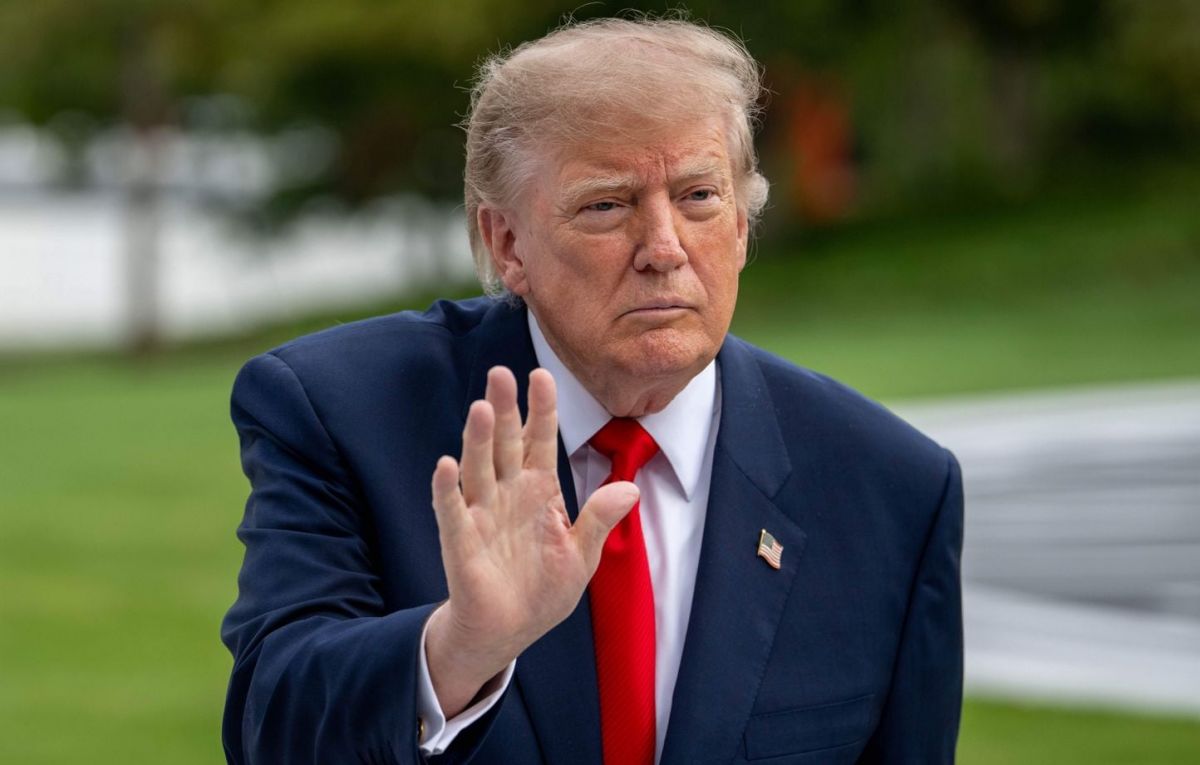
The author wrote that the Trump administration was threatening to halt weapons sales to Ukraine through the PURL initiative and questioned what Trump would do differently if he were a Russian agent. #Ukraine #Trump #WeaponsSales #UA #RU
The author wrote that the Trump administration was threatening to halt weapons sales to Ukraine through the PURL initiative and questioned what Trump would do differently if he were a Russian agent. #Ukraine #Trump #WeaponsSales #UA #RU
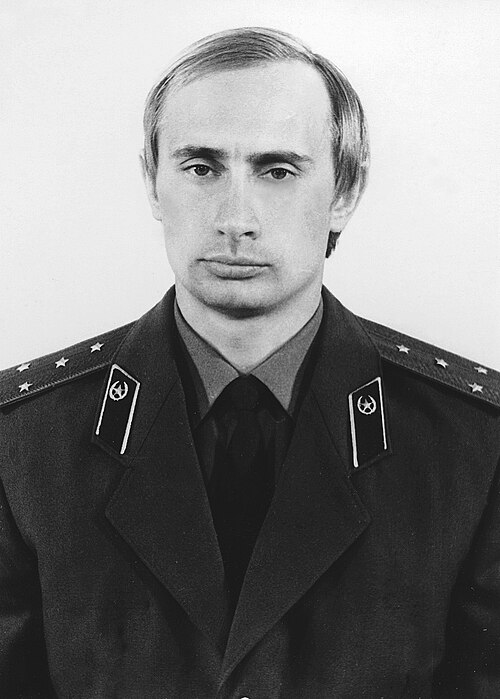
Ushakov stated that Putin told Trump that Russian forces have the operational initiative along the front line and described Ukrainian resistance as pointless. #SUA #Rusia #Ucraina (translated)
The article examines whether Donald Trump's political initiatives could prolong the Ukraine war. (translated)
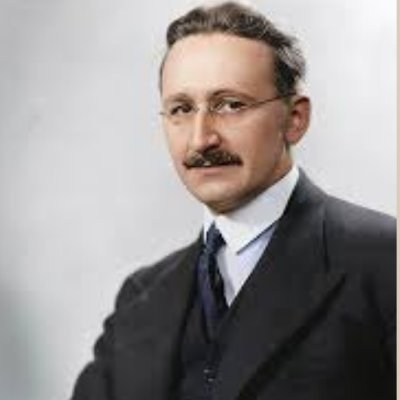
The Hayek Club Weimar described socialism as a beneficial business model for politicians. State benefits and subsidies created dependency and thus secured voter support, the account wrote. Politicians would thereby become suppliers and citizens clients. In contrast, capitalism posed a threat to the political class, argued the Hayek Club Weimar, because it rewarded personal responsibility, innovation, and private initiative, making people more independent of the state. Regulations intended to tame the market served, according to the account, to limit competition and protect established interests. The account also accused politicians of portraying capitalism as unjust and antisocial while presenting the state as a moral authority. The state did not want free individuals but dependent subjects, wrote the Hayek Club Weimar, linking its criticism to calls for freedom and property as well as a rejection of taxes and state coercion. #FreiheitstattKnechtschaft #SteuernsindRaub #Eigentum #Freiheit #ParasitenwegmitEuremZwang #Freiheit #Kapitalismus #Sozialismus (translated)

The leader of the AUR senators, Petrișor Peiu, justifies the initiative to suspend the president by stating that Nicușor Dan represents a major obstacle in resolving the political crisis and has deviated from his constitutional mandate, highlighting an unofficial alliance between him and PSD. #AUR #NicușorDan #politică (translated)
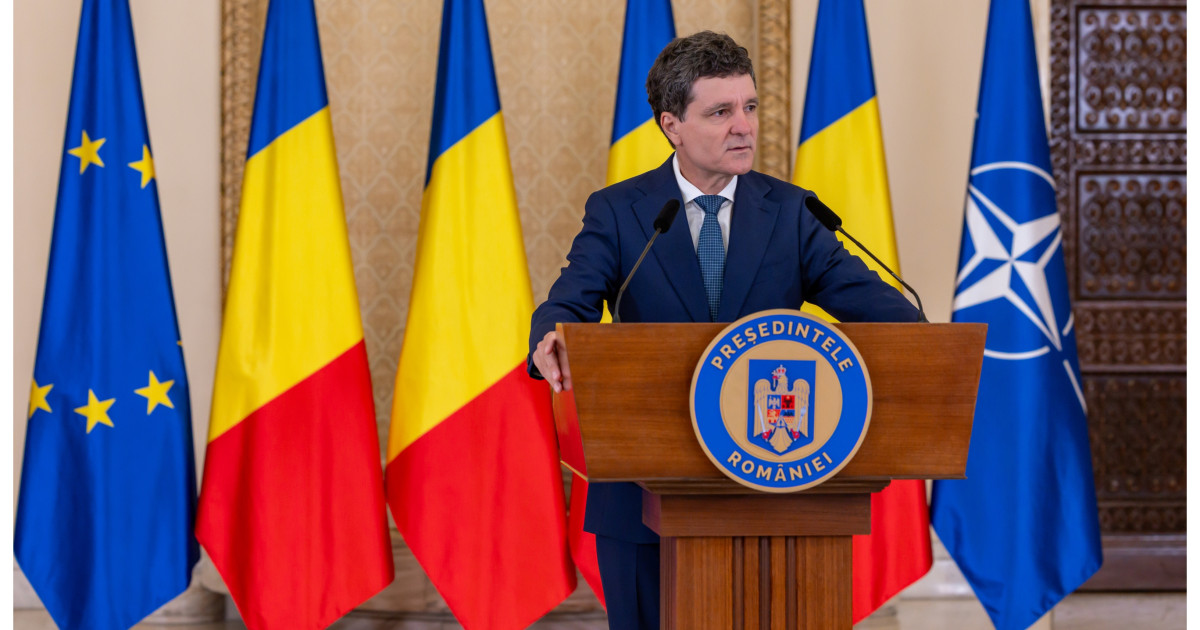

Finland proposes banning tourist visas for Russian citizens across Europe for security reasons, and this initiative will be discussed at the EU summit on October 15-16. #Finlanda #VizeTuristice #Rusia (translated)
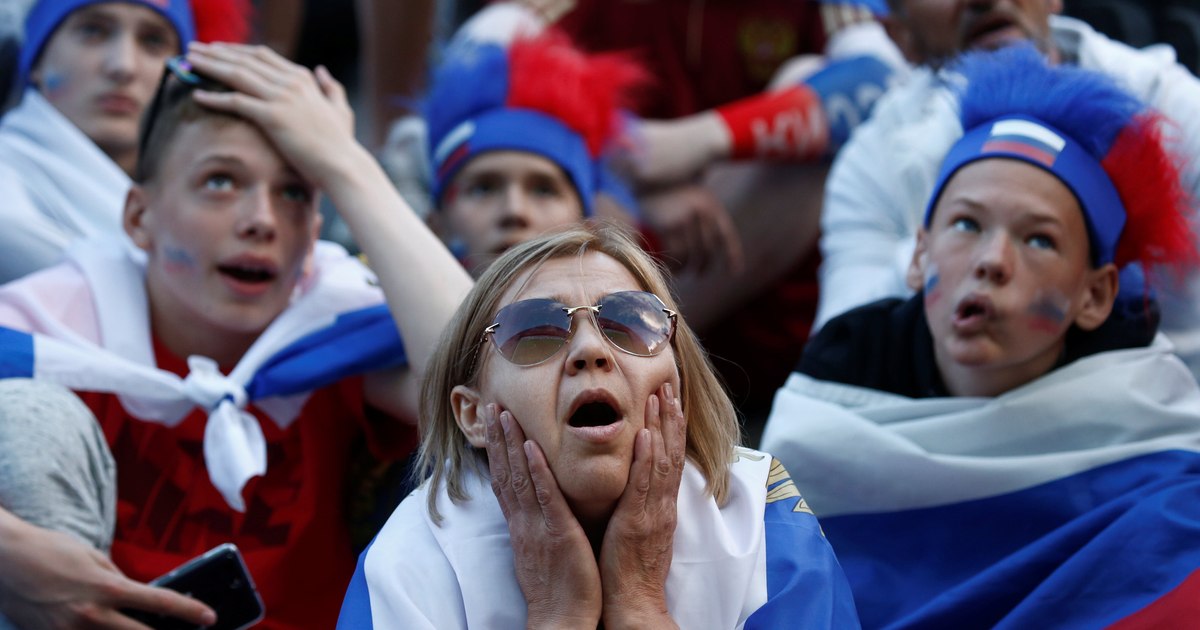

Pete Hegseth's announcement of the live broadcast of Nidal Hasan's execution has caused outrage in the United States, with Donald Trump stating that the decision has not yet been made, while his vice president JD Vance expresses reservations about this controversial initiative. #Exécution #DonaldTrump #Justice (translated)
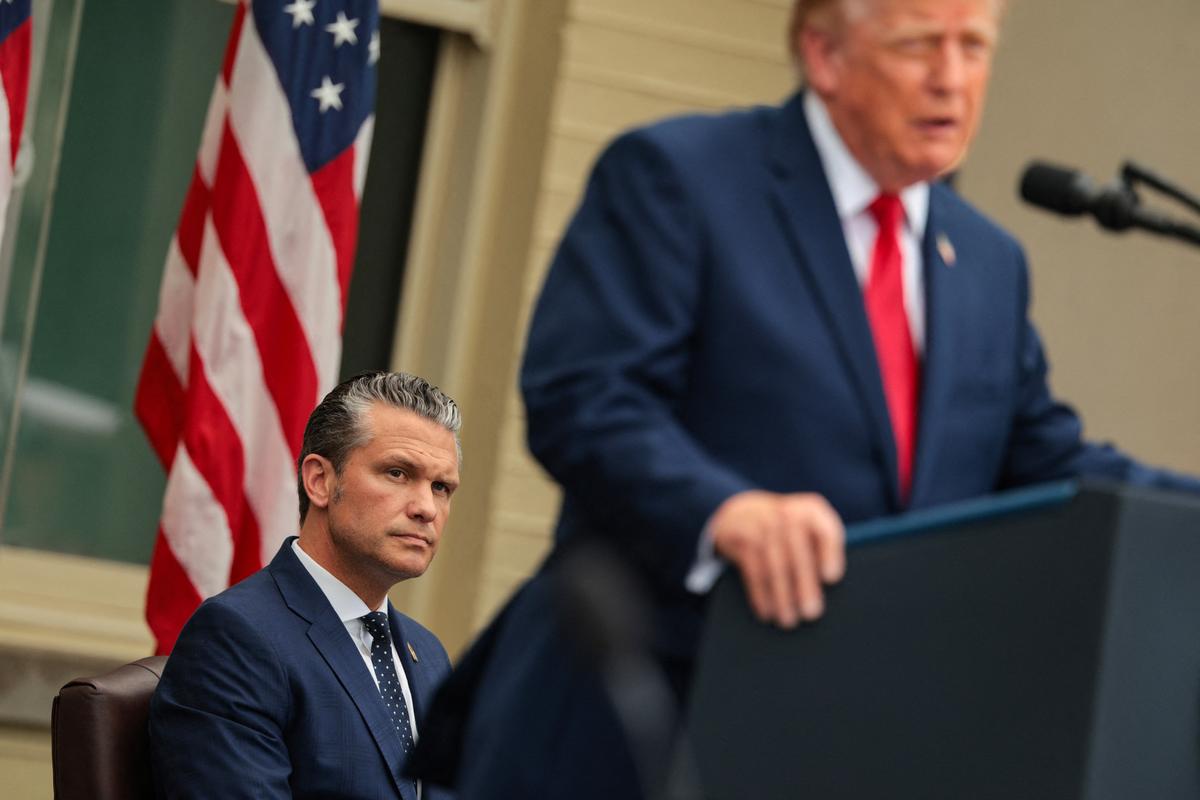

Mathilde Panot sparked controversy by explaining her refusal to wear a ribbon for "Pink October," calling this initiative absolute cynicism. #MathildePanot #OctobreRose #Politique (translated)

The post shared a Bloomberg headline saying China was targeting AI-linked jobs through a new employment initiative. https://t.co/U9sBbAk7xd #China #AI #Jobs #CN (translated)

In Frankfurt-Dornbusch, important aid supplies for Ukraine, including wheelchairs and diapers, were destroyed in an alleged arson attack on the storage facility of the initiative Frankfurt for Ukraine, while the police are investigating on suspicion of arson. #FrankfurtForUkraine #Brandstiftung #HilfeFürDieUkraine (translated)

At the workplace, stress increases due to time pressure and psychological burdens, which can have long-term health consequences, which is why the ORF initiative "Consciously Healthy" draws attention to the issue and offers solutions. #Stressbewältigung #PsychischeGesundheit #Arbeitsplatzstress (translated)


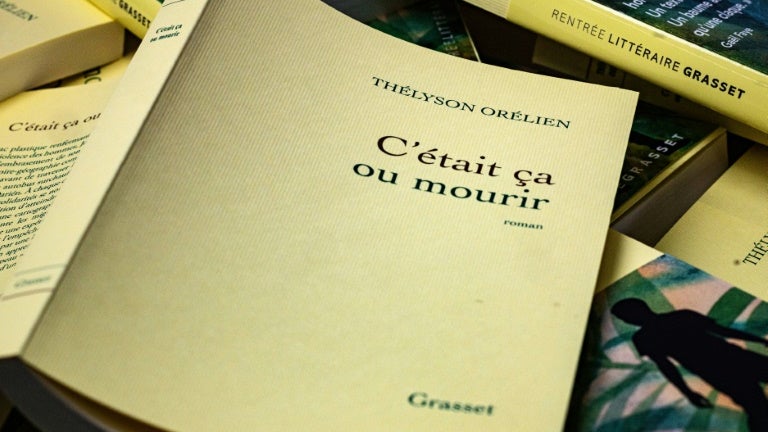
In light of the growing concerns about the undisclosed use of artificial intelligence in literature, several initiatives to certify works as being written by a human are emerging, notably in response to the controversy surrounding the writer Thélyson Orélien. #littérature #intelligenceartificielle #écritparunhumain (translated)
U.S. Secretary of Defense Pete Hegseth proposes to livestream the execution of Nidal Hasan, sentenced to death for killing 13 people, an initiative that has sparked outrage both among Republicans and human rights advocates, while Donald Trump raises doubts about the broadcast. #PeineDeMort #Exécution #DroitsHumains (translated)

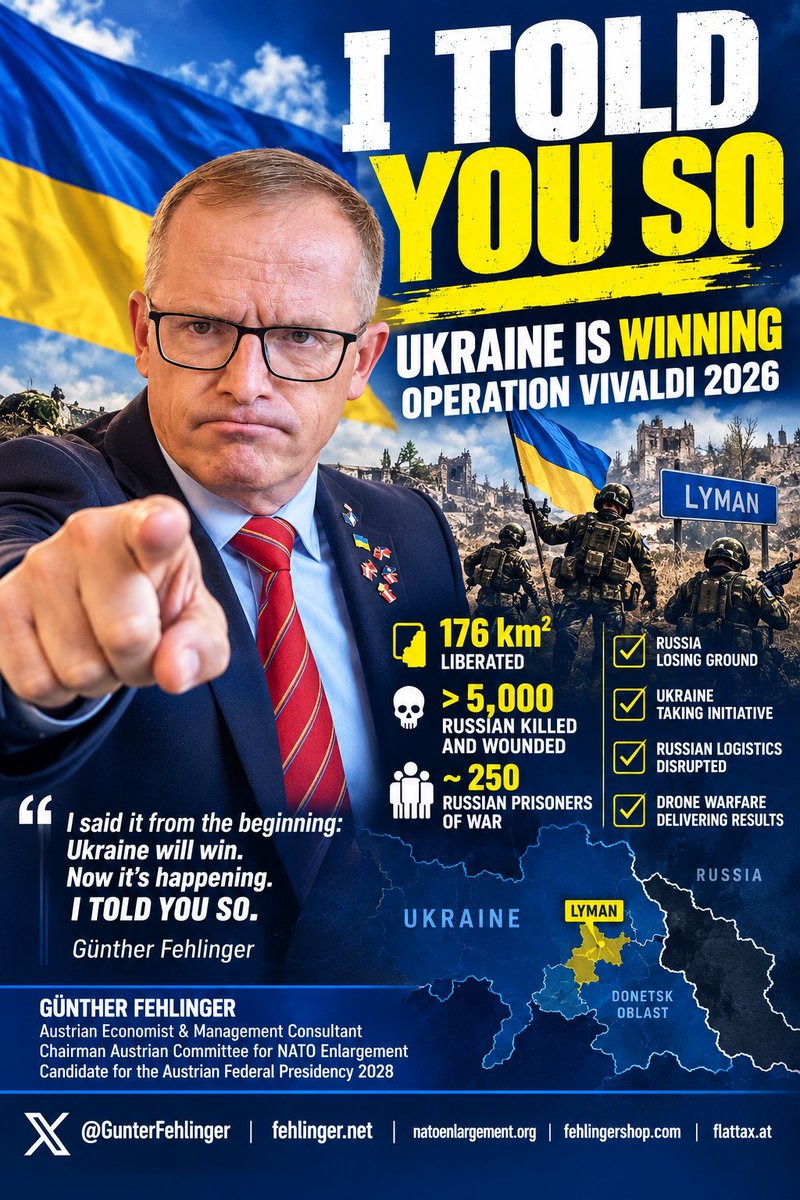
The author said Ukraine could win the war and argued that Operation Vivaldi showed what happened when Ukraine had the initiative. Around Lyman, the author cited Ukraine’s 3rd Army Corps as reporting that Ukrainian forces had regained 176 km², while more than 5,000 Russian troops had been killed or wounded and around 250 captured. https://t.co/krswJveU1m #Ukraine #War #Victory #UA #RU
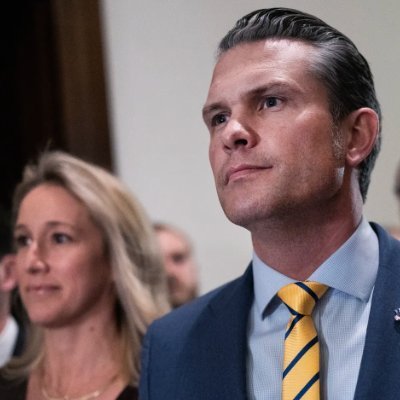
The Secretary of Defense, Pete Hegseth, who supported the initiative to execute Hasan by firing squad, confirmed plans to livestream the execution. #Executie #NidalHassan #JDVance (translated)

The Prince and Princess of Wales made a surprise visit to Belfast, Northern Ireland, where they engaged with local initiatives aimed at helping young people find employment and addressed issues related to homelessness. #PrinceWilliam #KateMiddleton #NorthernIreland
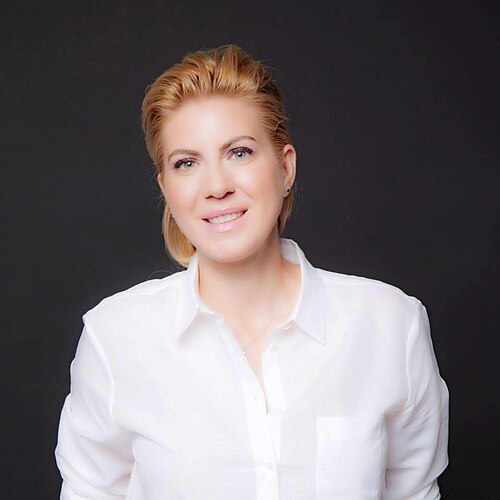
In a viewpoint transmitted on Friday, October, Prosecutor General Cristina Chiriac indicates that the Public Ministry has an unfavorable position regarding the legislative initiative, noting that the significant reduction of criminal penalties could affect the fight against drug-related phenomena. #droguri #legislație #sancțiuni (translated)

Henrik Dahl wrote that Lars Løkke Rasmussen, in his opinion, was the Danish politician most indifferent to facts. Dahl claimed that Rasmussen had neither knowledge of migration nor wanted to acquire it. He referred to his own experience from working on the preparation of the VLAK government's initiative against parallel societies and wrote that Rasmussen, despite great efforts, did not learn anything about the subject. #danskpolitik #migrasjon #LarsLøkkeRasmussen (translated)

The initiative's author, Lithuanian MEP Rasa Juknevičienė, argues that the Kremlin uses these so-called “Russian Houses” not only to promote Russian culture but also as tools of political influence and information operations. #РускиДомове #АнтирускиСанкции #ХибридноВлияние (translated)

Russia’s war propaganda gets a soundtrack – how AI-generated songs reached global streaming platforms Russian war propaganda is no longer confined to television broadcasts, Telegram channels or political videos. A study by the Ukrainian threat-intelligence organisation Terrecon has identified 981 songs combining signs of AI generation with pro-Russian military narratives, distributed through an ecosystem that reaches YouTube, Spotify, Apple Music, Deezer and SoundCloud. The songs range from sentimental ballads to rock and heavy metal. Their recurring themes are familiar from conventional Russian wartime propaganda: the heroisation of Russian soldiers, romanticisation of the war, mobilisation, the “Russian world”, commemoration of fallen troops and attacks on Ukraine and its armed forces. Some contain derogatory or dehumanising references to Ukrainians. What is new is not necessarily the message, but the production and distribution model: generative AI allows propagandistic music to be produced rapidly, cheaply and in quantities that would previously have required musicians, studios and producers. Nearly 1,000 tracks identified Terrecon examined 3,725 tracks collected from YouTube, YouTube Music, SoundCloud and the AI music platform Suno. After manual review, researchers classified 981 as showing both indications of AI generation and pro-Russian war propaganda. In 681 tracks they identified 728 propaganda-related keywords or phrases. The largest category was the glorification of the Russian military, followed by romanticised treatment of Moscow’s so-called “special military operation”, mobilisation appeals, narratives about the “Russian world”, and the cult of fallen soldiers and the state. The reach was not merely theoretical. Listening or viewing statistics were available for 608 of the identified tracks; together they had accumulated 86.8 million plays and views, according to Terrecon. A smaller group of 13 high-performing songs accounted for more than 53 million YouTube views and more than 67 million when YouTube Music was included. Among the better-known examples is “Power of Artillery”, a Russian-language rock song praising artillery weapons that passed two million views on YouTube. Most of the tracks for which publication dates could be established appeared after 2024, broadly coinciding with the rapid expansion of consumer AI music generators such as Suno and Udio. That correlation does not prove that AI alone caused the increase, but it illustrates how drastically the economics of production have changed. A propaganda song for as little as $11 Terrecon also tested how difficult it would be to commission such material. Researchers approached 25 creators producing AI-assisted militaristic music; 15 agreed to take commissions. Prices ranged from approximately $11 to $330, while delivery times ranged from two hours to three days. According to Terrecon, some were prepared to produce highly aggressive anti-Ukrainian material, including content intended for audiences involving children from occupied Ukrainian territories. Some creators used Russian intermediary services that provided access to Western AI tools such as Suno and Udio despite restrictions. The researchers then tested several AI generators themselves. Across 40 prompts submitted to Suno, Udio, Mureka, Google Flow Music and ElevenLabs, 25 resulted in successful generations, while safeguards were circumvented in 15 cases. Terrecon reported that four of the five services tested produced Russian-language material containing wartime narratives, although technical problems prevented comparable testing on some systems. In one Udio experiment, the researchers said the model itself introduced more explicit violent language than had appeared in the original promp These tests do not demonstrate that the commercial platforms knowingly support Russian propaganda. They show something narrower: existing safeguards can be inconsistent when political messaging is packaged as music. From generation to Spotify The distribution experiment may be the most revealing part of Terrecon’s research. The team deliberately uploaded test tracks containing explicit hostile language to YouTube, SoundCloud, Spotify and Deezer. Terrecon says none was blocked during the experiment. On SoundCloud, researchers used an account identifying its location as Moscow, disclosed the use of AI and added markers including references to the Russian military and the war. The platform accepted the upload and subsequently offered paid promotional and distribution tools. This does not prove that streaming recommendation systems systematically promote pro-war music. There is currently insufficient public evidence to make that claim. It does demonstrate that material can enter the same commercial distribution infrastructure as ordinary music and, once there, potentially benefit from playlists, searches, sharing and recommendation mechanisms available to other releases. That distinction is important. Propaganda no longer has to announce itself as political communication. On a streaming platform it can look like another song. Culture as a delivery mechanism Music has always been used in wartime propaganda. What generative AI changes is scale. Instead of investing heavily in a limited number of patriotic performers or officially commissioned productions, creators can generate variations across styles, audiences and emotional registers at very low cost. Terrecon found material ranging from war rock to sentimental songs and content styled for younger audiences. Some creators also experimented with cloned celebrity voices and stylistic imitation of established musicians. The format also offers a different relationship with the audience. A political video asks a viewer to consume an argument. Music can accompany commuting, exercise or entertainment and may be encountered outside explicitly political spaces. This does not automatically make it more persuasive, and Terrecon’s research does not establish measurable effects on political attitudes. It does, however, place wartime narratives inside a cultural environment where users may not initially perceive themselves as consuming political messaging. An ecosystem, not a proven Kremlin command structure The strongest evidence supports describing this as a growing AI-assisted pro-Russian propaganda-music ecosystem, not a single operation controlled from Moscow. Terrecon did not establish that the Russian government created, financed or coordinated all 981 tracks. Reporting on the study likewise notes that the extent of direct state involvement remains unclear. There is broader evidence that the Russian state finances cultural projects and digital content supporting the war, including through state-backed funding bodies. That context matters, but it does not allow individual songs in Terrecon’s dataset to be attributed to the Kremlin without additional evidence. The significance of the case lies elsewhere. AI has reduced the cost of producing ideological content, intermediaries can help creators access generation tools, and global platforms can provide distribution. The result is a pipeline in which wartime propaganda no longer has to resemble propaganda at all. It can simply appear in a playlist. Sources Terrecon / Ukrainska Pravda — Daria Verbytska on the research https://www.pravda.com.ua/columns/2026/10/05/8056229/ Suspilne Culture — detailed breakdown of Terrecon findings https://suspilne.media/culture/1417933-rosijsku-voennu-propagandu-maskuut-pid-anime-karaoke-ta-rok-doslidzenna-si-pisen-vid-terrecon/ The Insider — AI-generated Russian war propaganda music https://theins.ru/news/297839 Institute of Mass Information — summary of New York Times reporting https://imi.org.ua/en/news/doslidzhennya-rf-masovo-stvoryu%D1%94-propagandistski-pisni-za-dopomogoyu-shi The Bridge Media — AI-generated songs and Russian military propaganda https://thebridgemedia.com.ua/en/ai-generated-songs-russian-military-propaganda/ Center for Strategic Communication — cost and production of AI propaganda music https://spravdi.org/propaganda-za-11-yak-rosiya-shtampuye-shi-pisni-z-miljonamy-prosluhovuvan/ Times of India — AI-generated Russian war songs https://timesofindia.indiatimes.com/world/europe/ai-sings-russias-war-story-inside-the-rise-of-generative-songs-about-ukraine-conflict/articleshow/134650594.cms EU Council / EUR-Lex — Presidential Foundation for Cultural Initiatives https://eur-lex.europa.eu/legal-content/EN/TXT/?uri=CELEX:32026D1351 Human Rights Watch — Russian state funding of digital and patriotic content https://www.hrw.org/report/2025/07/30/disrupted-throttled-and-blocked/state-censorship-control-and-increasing-isolation #DISINFORMED #Episode16 #Russia #Ukraine #RussianPropaganda #WarPropaganda #MusicPropaganda #AIMusic #ArtificialIntelligence #AI #GenerativeAI #SyntheticMedia #AIPropaganda #Disinformation #InformationWarfare #InfluenceOperations #CulturalPropaganda #DigitalInfluence #NarrativeManipulation #PropagandaMusic #StreamingPlatforms #Spotify #AppleMusic #YouTube #YouTubeMusic #Deezer #SoundCloud #Suno #Udio #RussianWorld #RusskiyMir #MilitaryPropaganda #WarNarratives #Mobilisation #AlgorithmicDistribution #RecommendationAlgorithms #MusicStreaming #PlatformManipulation #Terrecon #OSINT #MediaManipulation #WRLD






