WRLD

Search

#prehistory
Otherland Bookshop Berlin 7d

Mythology of the British Isles by Geoffrey Ashe Beginning with the giant Albion, after whom the country was once named, Geoffrey Ashe explores the myths whose roots lie in the different British regions. Taking in fairy-folk, druids and King Lear, and the tales of Merlin and King Arthur that continue to hold sway in the nationâ€s imagination, he uncovers their sources and underlying ideas as well as their handling in tradition and literature. An unforgettable and illuminating exploration of the legends of the British Isles. From the misty centuries of British and Irish prehistory to the height of the dark age, comes tales of giants and fairy-folk, druids and saints. From King Lear and King Arthur, to Fingal, Beowulf, Gwendolen and Guinevere these are the legendary characters who shaped the nation. But who were they? In Mythology of the British Isles, Geoffrey Ashe explores these compelling and ancient stories, seeing how they have taken on fresh significance as historical and archaeological research has uncovered the truth behind each legend.


1362
rmf24.pl 1w

Melting glaciers in Norway are revealing prehistoric artifacts, including arrows from 6,000 years ago, which is changing our understanding of the history of this region and presenting archaeologists with an urgent challenge to preserve these findings before further melting of the ice. #norweskielodowce #archeologia #zmianyklimatyczne (translated)

www.rmf24.pl
Topniejący lód w norweskich górach odsłania prehistoryczne skarby
1594
wiadomosci.wp.pl 2w

Melting ice in the Norwegian mountains is revealing prehistoric artifacts, which changes the existing knowledge about the presence of humans in this region and requires a revision of the current textbooks on prehistory. #archeologia #topnienie #Norwegia (translated)

wiadomosci.wp.pl
Topniejący lód odsłania prawdę. "Podręczniki trzeba będzie pisać na nowo"
1719
wiadomosci.wp.pl Sep 9

Badacze odnaleźli DNA wirusa ospy owczej w starożytnych pergaminach, co pozwoliło na przesunięcie historycznych dat jego występowania o ponad 3,5 tys. lat wstecz, wskazując na jego obecność w populacjach owiec już w czasach prehistorycznych. #wirusy #genom #historianauki

wiadomosci.wp.pl
Krążył w populacjach owiec ponad 3500 lat temu. Wirus przetrwał
15742
Luciano Magaldi Sardella (PhD) Sep 5

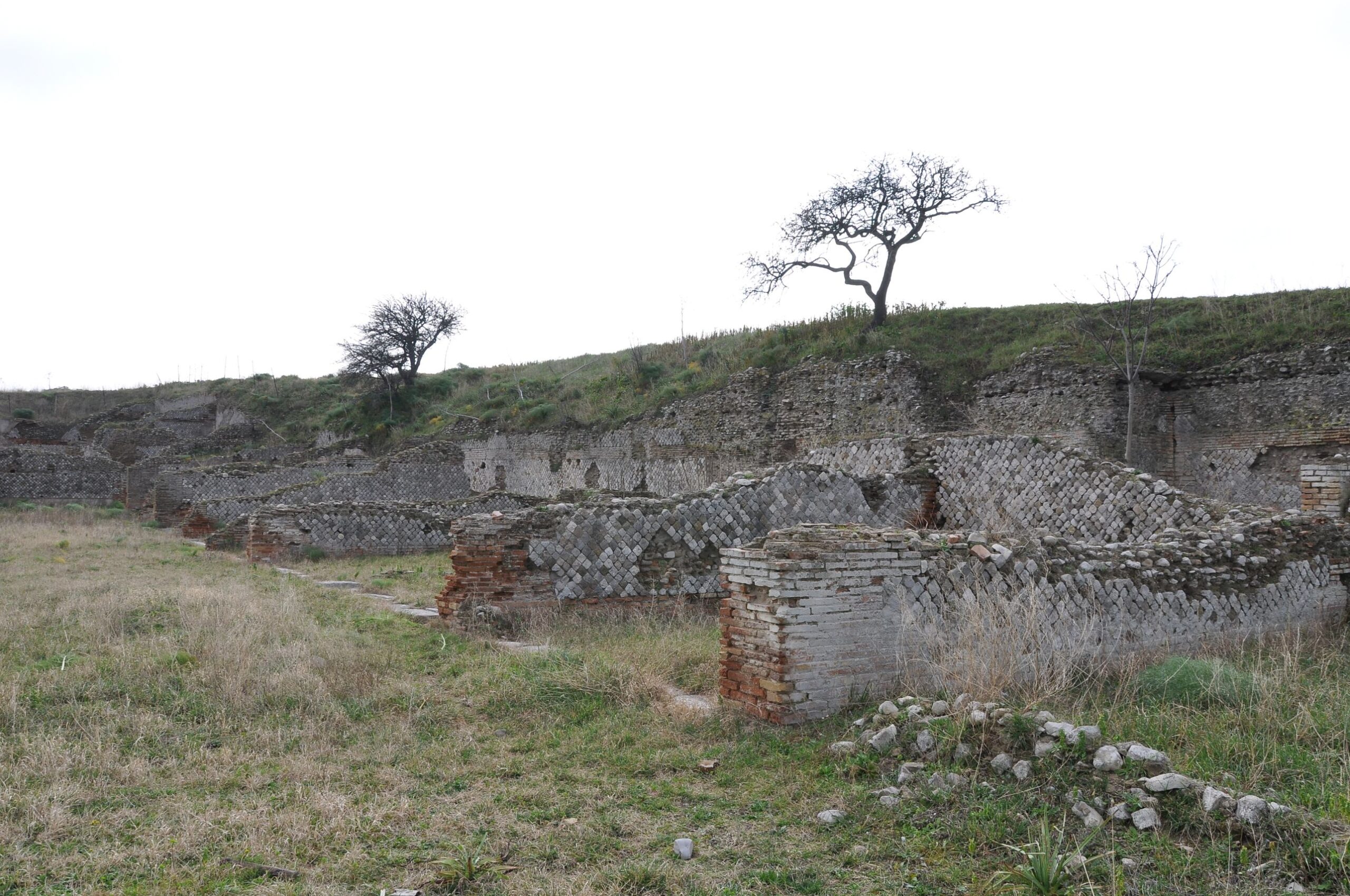
IlSipontino.net: Herdonia, the “Pompeii of Apulia”, featured on Popular Archaeology (USA) SOURCE: https://www.ilsipontino.net/herdonia-la-pompei-di-puglia-in-un-articolo-pubblicato-oggi-su-popular-archaeology-usa/ In the golden heart of the Tavoliere delle Puglie, where the wheat still ripples beneath the very sky that once witnessed the passage of Hannibal’s armies and Trajan’s legions, Herdonia at last emerges onto the international stage: the ancient city that scholars, with equal admiration and regret, have long described as “the Pompeii of Puglia". Published in Popular Archaeology, the article by Dr Luciano Magaldi Sardella retraces, with both passion and scholarly rigour, the entire epic of this extraordinary site: from its Daunian origins in the Iron Age, marked by its celebrated anthropomorphic stelae and the earliest textile embroideries known in Italy, through the tragedy of the Punic Wars – two battles of Herdonia in the aftermath of Cannae – the Roman refoundation along the Via Traiana, and finally the hunting retreat of Frederick II of Swabia of the Hohenstaufen dynasty. Only 20 per cent of its 20–24 hectares has been brought to light over sixty years of Belgian (Joseph Mertens, 1962–1992) and Italo‑Belgian excavations (University of Bari, Giuliano Volpe, 1993–2000). The remaining 80 per cent, preserved intact beneath the thin Puglian mantle, constitutes a living archive of history that could occupy archaeologists for the next century. After twenty‑two years of enforced silence due to a protracted legal dispute, the year 2022 marked a decisive turning point: the State acquired the entire area, allocating more than €2.7 million for restoration, enhancement, and the creation of the Archaeological Park of Herdonia. The HerMA Museum, inaugurated in 2017 just a short distance from the site, already welcomes thousands of visitors with its Daunian and Roman masterpieces, while the Polytechnic University of Bari has produced the first complete 3D model of the ruins. “Herdonia is not merely a site of the past; it is a place capable of narrating the whole of Italy, from prehistory to the Middle Ages, without being overlaid by a modern city,” writes Magaldi Sardella. “It now finally possesses the conditions to become one of the great archaeological parks of our country.” The field lies open. Puglia has rediscovered its Pompeii. It is now for the world to uncover it.

www.ilsipontino.net
Herdonia, la Pompei di Puglia, in un articolo pubblicato oggi su Popular Archaeology Usa
1519
Luciano Magaldi Sardella (PhD) Sep 5

SanGiovanniRotondoFree.it — Herdonia, the “Pompeii of Apulia”, Captivates America: Popular Archaeology Shines a Spotlight on the Tavoliere’s Hidden Treasure SOURCE: https://sangiovannirotondofree.it/2026/02/28/herdonia-la-pompei-di-puglia-conquista-lamerica-riflettori-di-popular-archaeology-sul-tesoro-nascosto-del-tavoliere/ In the golden heart of the Tavoliere delle Puglie, where the wheat still ripples beneath the very sky that once witnessed the passage of Hannibal’s armies and Trajan’s legions, Herdonia at last emerges onto the international stage: the ancient city that scholars, with equal admiration and regret, have long described as “the Pompeii of Puglia”. Published in Popular Archaeology, the article by Dr Luciano Magaldi Sardella retraces, with both passion and scholarly rigour, the entire epic of this extraordinary site: from its Daunian origins in the Iron Age, marked by its celebrated anthropomorphic stelae and the earliest textile embroideries known in Italy, through the tragedy of the Punic Wars – two battles of Herdonia in the aftermath of Cannae – the Roman refoundation along the Via Traiana, and finally the hunting retreat of Frederick II of Swabia of the Hohenstaufen dynasty. Only 20 per cent of its 20–24 hectares has been brought to light over sixty years of Belgian (Joseph Mertens, 1962–1992) and Italo‑Belgian excavations (University of Bari, Giuliano Volpe, 1993–2000). The remaining 80 per cent, preserved intact beneath the thin Puglian mantle, constitutes a living archive of history that could occupy archaeologists for the next century. After twenty‑two years of enforced silence due to a protracted legal dispute, the year 2022 marked a decisive turning point: the State acquired the entire area, allocating more than €2.7 million for restoration, enhancement, and the creation of the Archaeological Park of Herdonia. The HerMA Museum, inaugurated in 2017 just a short distance from the site, already welcomes thousands of visitors with its Daunian and Roman masterpieces, while the Polytechnic University of Bari has produced the first complete 3D model of the ruins. “Herdonia is not merely a site of the past; it is a place capable of narrating the whole of Italy, from prehistory to the Middle Ages, without being overlaid by a modern city,” writes Magaldi Sardella. “It now finally possesses the conditions to become one of the great archaeological parks of our country.” The field lies open. Puglia has rediscovered its Pompeii. It is now for the world to uncover it.

sangiovannirotondofree.it
Herdonia, la Pompei di Puglia conquista l’America: riflettori di Popular Archaeology sul tesoro nascosto del Tavoliere - San Giovanni Rotondo Free
584
Luciano Magaldi Sardella (PhD) Sep 5

StatoQuotidiano.it — Herdonia, the “Pompeii of Apulia”, Captivates America SOURCE: https://www.statoquotidiano.it/28/02/2026/herdonia-la-pompei-di-puglia-conquista-lamerica/1289894/ The site, renowned for its millennia‑old history and its extraordinary archaeological heritage, takes centre stage in an in‑depth feature published today in Popular Archaeology by Dr Luciano Magaldi Sardella. In the golden heart of the Tavoliere delle Puglie, where the wheat still ripples beneath the very sky that once witnessed the passage of Hannibal’s armies and Trajan’s legions, Herdonia at last emerges onto the international stage: the ancient city that scholars, with equal admiration and regret, have long described as “the Pompeii of Puglia”. Published in Popular Archaeology, the article by Dr Luciano Magaldi Sardella retraces, with both passion and scholarly rigour, the entire epic of this extraordinary site: from its Daunian origins in the Iron Age, marked by its celebrated anthropomorphic stelae and the earliest textile embroideries known in Italy, through the tragedy of the Punic Wars – two battles of Herdonia in the aftermath of Cannae – the Roman refoundation along the Via Traiana, and finally the hunting retreat of Frederick II of Swabia of the Hohenstaufen dynasty. Only 20 per cent of its 20–24 hectares has been brought to light over sixty years of Belgian (Joseph Mertens, 1962–1992) and Italo‑Belgian excavations (University of Bari, Giuliano Volpe, 1993–2000). The remaining 80 per cent, preserved intact beneath the thin Puglian mantle, constitutes a living archive of history that could occupy archaeologists for the next century. After twenty‑two years of enforced silence due to a protracted legal dispute, the year 2022 marked a decisive turning point: the State acquired the entire area, allocating more than €2.7 million for restoration, enhancement, and the creation of the Archaeological Park of Herdonia. The HerMA Museum, inaugurated in 2017 just a short distance from the site, already welcomes thousands of visitors with its Daunian and Roman masterpieces, while the Polytechnic University of Bari has produced the first complete 3D model of the ruins. “Herdonia is not merely a site of the past; it is a place capable of narrating the whole of Italy, from prehistory to the Middle Ages, without being overlaid by a modern city,” writes Magaldi Sardella. “It now finally possesses the conditions to become one of the great archaeological parks of our country.” The field lies open. Puglia has rediscovered its Pompeii. It is now for the world to uncover it.

www.statoquotidiano.it
Herdonia, la 'Pompei di Puglia' conquista l’America
935
Luciano Magaldi Sardella (PhD) Sep 5

FoggiaReporter.it: Ordona, the “Pompeii of Apulia”: Dr Luciano Magaldi Sardella’s contribution on Popular Archaeology USA SOURCE: https://www.foggiareporter.it/ordona-la-pompei-di-puglia-su-popular-archaeology-lintervento-del-dr-luciano-magaldi-sardella.html Destined to become one of the largest archaeological parks in Italy. In the golden heart of the Tavoliere delle Puglie, where the wheat still ripples beneath the very sky that once witnessed the passage of Hannibal’s armies and Trajan’s legions, Herdonia at last emerges onto the international stage: the ancient city that scholars, with equal admiration and regret, have long described as “the Pompeii of Puglia”. Published in Popular Archaeology, the article by Dr Luciano Magaldi Sardella retraces, with both passion and scholarly rigour, the entire epic of this extraordinary site: from its Daunian origins in the Iron Age, marked by its celebrated anthropomorphic stelae and the earliest textile embroideries known in Italy, through the tragedy of the Punic Wars — two battles of Herdonia in the aftermath of Cannae — the Roman refoundation along the Via Traiana, and finally the hunting retreat of Frederick II of Swabia of the Hohenstaufen dynasty. Only 20 per cent of its 20–24 hectares has been brought to light over sixty years of Belgian (Joseph Mertens, 1962–1992) and Italo‑Belgian excavations (University of Bari, Giuliano Volpe, 1993–2000). The remaining 80 per cent, preserved intact beneath the thin Puglian mantle, constitutes a living archive of history that could occupy archaeologists for the next century. After twenty‑two years of enforced silence due to a protracted legal dispute, the year 2022 marked a decisive turning point: the State acquired the entire area, allocating more than €2.7 million for restoration, enhancement, and the creation of the Archaeological Park of Herdonia. The HerMA Museum, inaugurated in 2017 just a short distance from the site, already welcomes thousands of visitors with its Daunian and Roman masterpieces, while the Polytechnic University of Bari has produced the first complete 3D model of the ruins. “Herdonia is not merely a site of the past; it is a place capable of narrating the whole of Italy, from prehistory to the Middle Ages, without being overlaid by a modern city,” writes Magaldi Sardella. “It now finally possesses the conditions to become one of the great archaeological parks of our country.” The field lies open. Puglia has rediscovered its Pompeii. It is now for the world to uncover it.

www.foggiareporter.it
Ordona, la Pompei di Puglia: su “Popular Archaeology” l’intervento del Dr. Luciano Magaldi Sardella - Foggia Reporter
701
Luciano Magaldi Sardella (PhD) Sep 5

FOGGIASERA.it, HERDONIA SU POPULAR ARCHAEOLOGY USA SOURCE: https://foggiasera.it/2026/02/27/the-archaeological-site-of-herdonia-the-pompeii-of-puglia-su-popular-archaeology-usa/ In the golden heart of the Tavoliere delle Puglie, where the wheat still sways beneath the very sky that once witnessed the passage of Hannibal’s armies and Trajan’s legions, Herdonia at last steps onto the international stage: the ancient city that scholars, with equal admiration and regret, have long described as “the Pompeii of Puglia". Published in Popular Archaeology, the article by Dr Luciano Magaldi Sardella retraces with both passion and scholarly rigour the full epic of this extraordinary site: from its Daunian origins in the Iron Age, with its celebrated anthropomorphic stelae and the earliest textile embroideries known in Italy, through the tragedy of the Punic Wars (two battles of Herdonia following Cannae), the Roman refoundation along the Via Traiana, and finally the hunting retreat of Frederick II of Swabia. Only 15-20 per cent of its twenty-twenty-five hectares has been brought to light across sixty years of Belgian (Joseph Mertens, 1962–1992) and Italo‑Belgian excavations (University of Bari, Giuliano Volpe, 1993–2000). The remaining 80 per cent, preserved intact beneath the thin Apulian mantle, constitutes an archive of living history that could occupy archaeologists for the next century. After twenty‑two years of enforced silence due to a protracted legal dispute, the year 2022 marked a decisive turning point: the State acquired the entire area, allocating more than €2.7 million for restoration, enhancement, and the creation of the Archaeological Park of Herdonia. The HerMA Museum, inaugurated in 2017 a short distance from the site, already welcomes thousands of visitors with its Daunian and Roman masterpieces, while the Polytechnic University of Bari has produced the first complete 3D model of the ruins. “Herdonia is not merely a site of the past: it is a place capable of narrating the whole of Italy, from prehistory to the Middle Ages, without being overlaid by a modern city,” writes Magaldi Sardella. “It now finally possesses the conditions to become one of the great archaeological parks of our country.” The field lies open. Puglia has rediscovered its Pompeii. It is now for the world to uncover it.

1168
Rzeczpospolita Aug 27

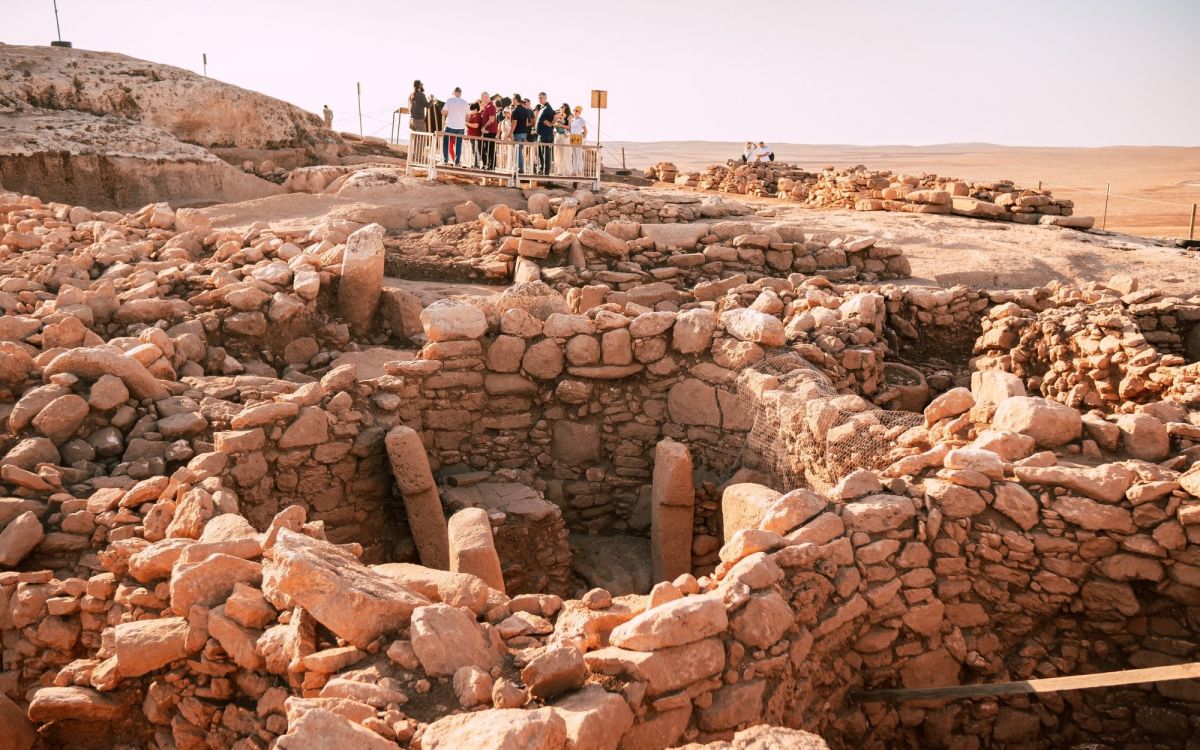
Odkrycie 11 000-letniej rzeźby przedstawiającej człowieka na lamparcie w Karahan Tepe, prehistorycznym stanowisku w Turcji, zmienia postrzeganie wczesnych społeczności neolitycznych. #KarahanTepe #Archeologia #Neolit

www.rp.pl
Kamienny jeździec sprzed 11 000 lat. Nowe odkrycie w Karahan Tepe zaskakuje naukowców
17003
Onet.pl Jun 30

Polak Szymon Babynko został oskarżony o morderstwo 26-letniego Isaaca Clare-Wattsa, którego ciało znaleziono po obchodach letniego przesilenia w kompleksie prehistorycznych głazów Nine Ladies Stone Circle w Derbyshire. #morderstwo #Derbyshire #policja

www.onet.pl
Polak oskarżony o zabójstwo po obchodach letniego przesilenia
9513