WRLD

Search

#vengeance
Dr Nina Kojima 2d

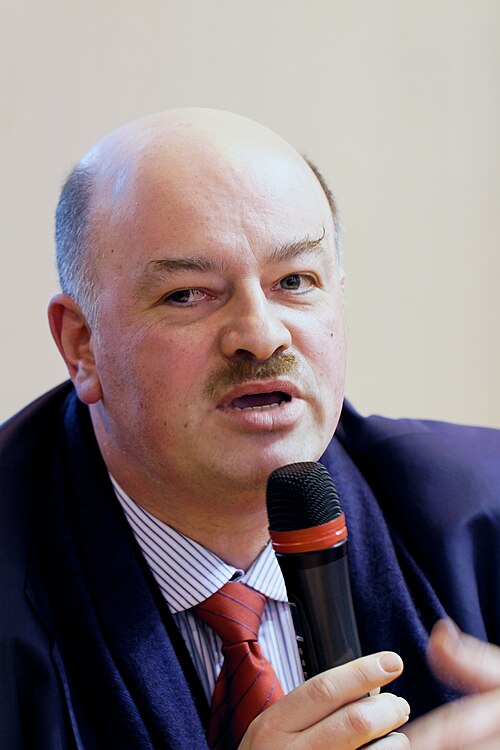
Dr. Nina Kojima wrote that it was justified to express dissatisfaction and distrust towards the political direction of RTV Slovenia and to call for a fundamental reform of the public service. She expected the government to implement the reform differently than former Prime Minister Golob, who had announced a "cleaning of RTV Janšism." She added that she was the first on the list herself. Kojima accused former Minister of Culture Asta Vrečko of not protecting her, even though, according to her, RTV Slovenia fell under the jurisdiction of the ministry. She wrote that Vrečko, based on the information she had, was looking forward to the list of those who were laid off. She claimed that they were politically removed, sidelined, and harmed, also describing the insulting attitude towards them. She emphasized that the abolition of the RTV fee would not in itself mean the reform for which, in her view, strategy, effort, and determination were needed. According to her, Slovenia needs a national media that serves the public, reports according to fundamental journalistic principles, and prioritizes facts over comments from ideological speakers. Kojima also wrote that she had lived and grown up with RTV for at least four decades and that the employees were mostly creative, hardworking, and decent intellectuals. Before the referendum, she urged people to consider the consequences of past layoffs for individuals, children, and families. She expressed a wish that she and her family would be among the few affected, and that her former colleagues and their families would not have to endure similar experiences. In conclusion, she called for a public service and government that would act virtuous and not vindictively. #Slovenija #RTV #javniservis (translated)

3453
Alain Bauer 3d

In front of all these different youth, there is at least one common subject: rejection for some, vengeance for others [...] but I do not know anyone who is happy. High school movement: “In front of all these different youth, there is at least one common subject: rejection for some, vengeance for others [...] but I do not know anyone who is happy,” assures Alain Bauer, emeritus professor of criminology. #ColèreLycéenne #ViolencesUrbaines #MobilisationÉtudiante (translated)

Colère des lycéens: le ministère de l'Intérieur pointe une forte augmentation des violences urbaines ce jeudi
www.bfmtv.com
2795
BFMTV 3d

The high school movement is now manifested by a massive mobilization for increased resources in schools, while Alain Bauer emphasizes a shared feeling of rejection and vengeance among young people, with no signs of happiness. #MouvementLycéen #Mobilisation #Éducation (translated)

www.bfmtv.com
Mouvement lycéen: “Devant toutes ces différentes jeunesses, il y a au moins un sujet commun : le rejet pour les uns, la vengeance pour les autres [...] mais je n’en connais pas qui soient heureux.”, assure Alain Bauer, professeur émérite de criminologie
2801
Le Parisien 4d

A resident of Draveil presents a worrying profile with war weapons, an explosives laboratory in his house, and a revenge list. #Draveil #FaitsDivers #Securite (translated)

www.leparisien.fr
Armes de guerre, labo d’explosifs dans son pavillon et liste de vengeance : l’inquiétant profil d’un habitant de Draveil
1463
Destination Télé 7d

Destination Télé has qualified the political decision and accused Emmanuel Macron of having doubled Canal+'s VAT out of revenge against Vincent Bolloré, claiming that this measure has put thousands of people out of work in the sectors of Canal+, cinema, and French sports. https://t.co/k1DsozvPqq #politique #TVA #CanalPlus (translated)

12141
Masian 7d

Masian wrote that he hoped they would inflict a symbolic 10-0 to motivate the men as well, and estimated that it would be the best way to take revenge on Perez. #Football #Vengeance #Motivation (translated)
32380
Franceinfo 2w

Three hundred seventy victims of physical, sexual, and psychological violence in Lasallian schools are suing the congregation, stating that their action is not motivated by revenge but by the pursuit of justice. #JusticePourLesVictimes #ViolencesScolaires #FrèresDesÉcolesChrétiennes (translated)

www.franceinfo.fr
"Ce n'est pas de la vengeance, c'est de la justice" : 370 victimes de violences dans des écoles lasalliennes poursuivent la congrégation
1944
Atanas Georgiev 2w

През август Anduril достави своя YFQ-44A Fury на звеното за експериментални операции на базата, а миналата седмица General Atomics последва своя YFQ-42A, който ВВС нарекоха Vengeance. Операторите на ВВС вече летят с Fury самостоятелно, каза Anduril . https://www.letene.com/%d0%b0%d0%bc%d0%b5%d1%80%d0%b8%d0%ba%d0%b0%d0%bd%d1%81%d0%ba%d0%b8%d1%82%d0%b5-%d0%b2%d0%be%d0%b5%d0%bd%d0%bd%d0%be%d0%b2%d1%8a%d0%b7%d0%b4%d1%83%d1%88%d0%bd%d0%b8-%d1%81%d0%b8%d0%bb%d0%b8-%d0%bf/

www.letene.com
Американските военновъздушни сили получават първия си безпилотен „изтребител“
921
La Libre.be 2w

En Saône-et-Loire, une cycliste de 33 ans a été tuée par un automobiliste en excès de vitesse, entraînant son mari à attaquer le conducteur avec un cutter par vengeance. #SécuritéRoutière #VitesseExcessive #AccidentDeCirculation

www.lalibre.be
Une cycliste de 33 ans meurt fauchée par une voiture, son mari se venge en attaquant le conducteur au cutter
1728
Florian Philippot 3w

Le communiqué ultra belliciste, pro OTAN, pro Zelensky, signé par Bardella et MLP et publié samedi dernier par le RN, est un coup de force interne des eurobardellistes, qui ont imposé leur ligne guerrière anti-russe dans un acte d’une brutalité inouïe. Une vengeance contre la #OTAN #Zelensky #antiRussie #FR #RU #UA

116
BeFootball 4w

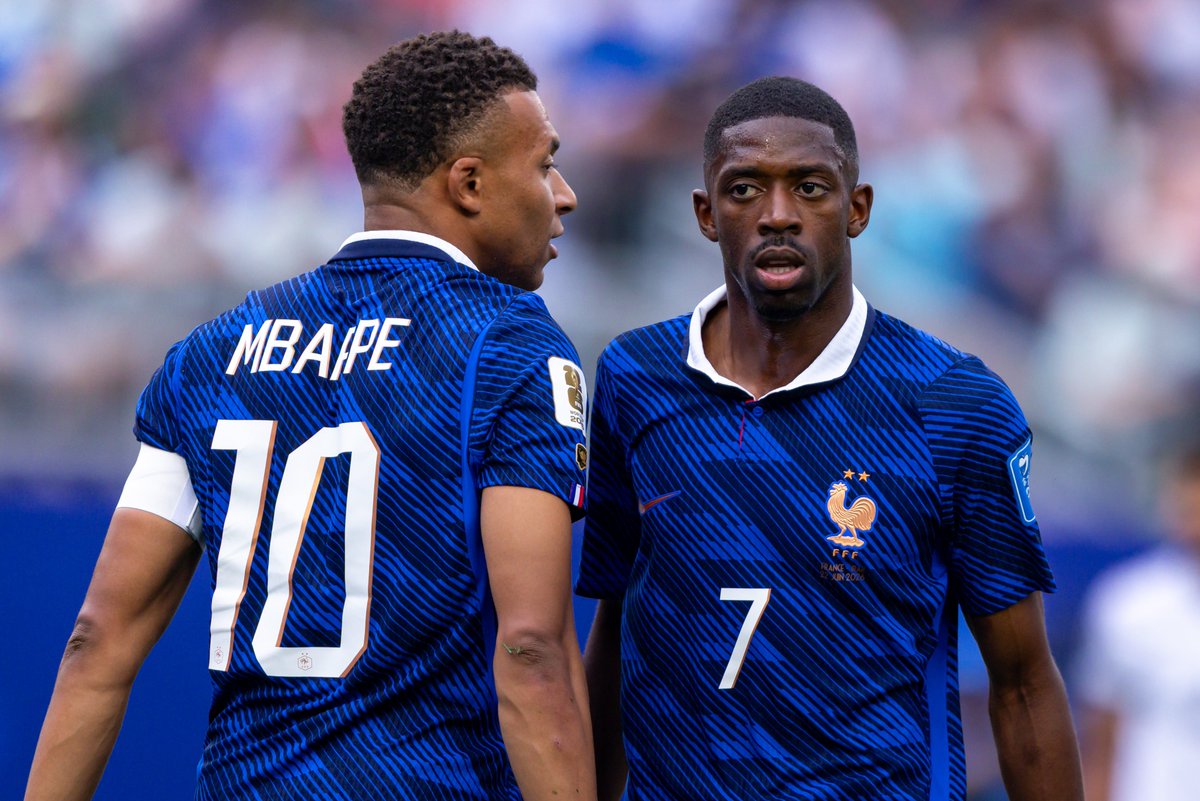
🚨🚨💣 MÊME SON DE CLOCHE EN ESPAGNE, par le journaliste @Juanjesuscsap : « LA RELATION DEMBÉLÉ / MBAPPÉ EST OFFICIELLEMENT MORTE ! 😱❌ Le détonateur final a été L'ÉGO DE MBAPPÉ !!! Le clan Dembélé a été profondément INDIGNÉ d’entendre Kylian SE PROCLAMER PUBLIQUEMENT "L'ÉLU" 😳 Mais ce qui a allumé la mèche, ce sont ces propos sur le Ballon d'Or : lâcher que certains Ballons d’Or récents ne sont pas vraiment les meilleurs du monde, contrairement à l’ère Messi 🇦🇷 - 🇵🇹 Cristiano. Dans l’entourage d’Ousmane Dembélé 🇫🇷, il n’y a aucun doute : C'ÉTAIT UNE ATTAQUE FRONTALE, HUMILIANTE ET TÉLÉGUIDÉE CONTRE LUI ! 😰 Sa dernière sortie médiatique n’était pas un hasard, c’était une vengeance calculée. Zéro spéculation : C'EST UNE GUERRE D'ÉGOS DÉCLARÉE ! » #Mbappé #Dembélé #Football

33244
avi issacharoff Sep 8

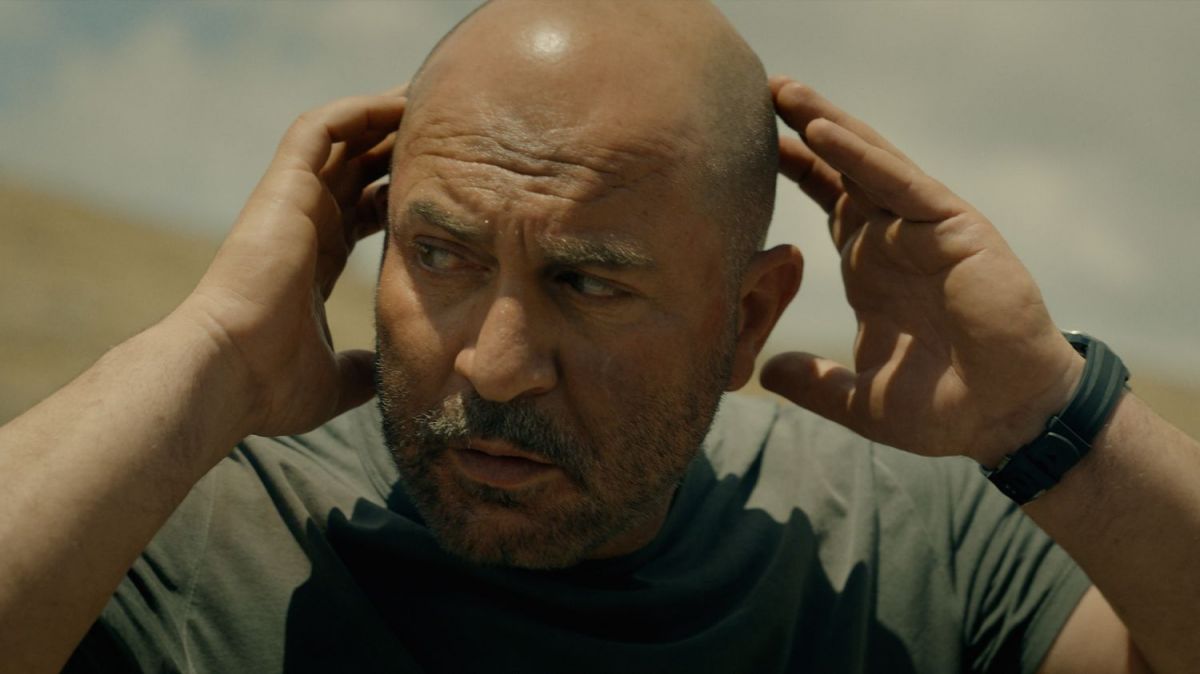
"car c'est plus qu'une simple vengeance, c'est une sorte de vengeance du sang qui vous mettait sous l'obligation d'aller vous venger, si l'un de vos proches avait été tué par une tribu rivale, ou par un pays rival, ou quoi que ce soit... Je pense que ce qui s'est passé, surtout après le 7 octobre, est que la vengeance est devenue très courante. Les gens veulent se venger. Mais alors vous vous posez la question, 'OK, maintenant que vous vous êtes vengé, est-ce que cela change votre réalité ? Est-ce que cela fait de vous une meilleure personne ?' Cette vengeance, c'est comme un cycle. Ça ne vous mène nulle part"

"Fauda" : le dernier chapitre déchirant d'une série devenue un phénomène mondial, rattrapée par le réel
www.franceinfo.fr
15865
Franceinfo Sep 8

Dans le dernier chapitre de la série Fauda, qui fait écho aux tragiques événements du 7 octobre, les personnages luttent avec leur traumatisme tout en naviguant dans une réalité complexe, abordant des thèmes de vengeance et de rédemption dans un contexte de guerre en cours. #Fauda #SérieIsraélienne #Vengeance

www.franceinfo.fr
"Fauda" : le dernier chapitre déchirant d'une série devenue un phénomène mondial, rattrapée par le réel
15749
Docteur Laurent Alexandre Sep 7

En France on n’a pas demandé l’avis du peuple pour faire rentrer 550 000 immigrés l’année dernière… Évidemment que les élites s’en foutent car dans les beaux quartiers ça n’a aucune conséquence. Aujourd’hui on a une vengeance du peuple https://t.co/9fdRCEnUzH #immigration #France #politique

21592
Destination Télé Sep 7

J-M Aphatie en PLS 😄 Victoire de l’AFD : "En France on n’a pas demandé l’avis du peuple pour faire rentrer 550 000 immigrés l’année dernière… Évidemment que les élites s’en foutent car dans les beaux quartiers ça n’a aucune conséquence. Aujourd’hui on a une vengeance du peuple" https://t.co/jIPyAgz66s #politique #immigration #France

17274
L'Obs Sep 4

Une frappe américaine sur un mariage à Kuhestak en Iran a fait quatre morts et 70 blessés, déclenchant des promesses de vengeance du régime iranien et suscitant une enquête officielle des États-Unis. #Iran #Conflit #Mariage

www.nouvelobs.com
Frappe meurtrière contre un mariage à Kuhestak en Iran : ce que l’on sait
10519
Adham Hasanin Aug 18

Rabaa: The Hour the World’s Conscience Stood Still On the anniversary of one of the largest single-day killings of protesters in modern history, one question remains unanswered: who will be held accountable? By Adham Hasanin Egyptian journalist and political writer, based in the Netherlands On 14 August, the anniversary returns of a day unlike any other in modern Egyptian history. Not simply because it was the bloodiest Egypt has known wars and massacres before and since ,but because it was the day a state chose to open fire on its own people in broad daylight, in front of the world’s cameras, and then let thirteen years pass without a single officer ever being held accountable. This article will not be a cold recitation of statistics, though the statistics exist, are documented, and are horrifying. It is an attempt to understand something deeper: how a square in the heart of Cairo, filled with tents, children, and worshippers, became the site of the largest mass killing the Arab world has witnessed in the past decade and why the echo of that day still reverberates in every Egyptian prison cell today. I. A Morning That Began Like Any Other For readers unfamiliar with the background: in July 2013, the Egyptian military, led by then-General Abdel Fattah el-Sisi, removed Mohamed Morsy Egypt’s first freely elected civilian president, a member of the Muslim Brotherhood who had taken office in 2012 following the 2011 uprising against Hosni Mubarak. In response, tens of thousands of Morsy’s supporters staged an open-ended sit-in demanding his reinstatement. By 14 August 2013, more than twenty thousand people had spent weeks camped out at two Cairo squares, Rab’a al-Adawiya and al-Nahda, in a peaceful sit-in. They were not an army, nor a uniform bloc; they were entire families men, women, and children, some affiliated with the Muslim Brotherhood, many simply ordinary citizens who saw the restoration of elected legitimacy as a cause worth the risk. There were tents for sleeping, communal kitchens feeding the demonstrators, speaking platforms, and a small field clinic that no one imagined would, within hours, become one of the most terrifying places in modern Egyptian history. In the early hours of that morning, Central Security Forces and army units, under the command of then-General Sisi, began what was officially described as a "dispersal" operation targeting both sit-ins simultaneously. It was not a dispersal in any ordinary sense of the word. According to a year-long investigation by Human Rights Watch, it was a pre-planned operation that anticipated, from the outset, thousands of deaths. II. The Numbers the Regime Refuses to Speak The Egyptian government, to this day, cites a death toll of "over 600" for that single day a figure that, even at its official lowest, is horrifying enough to warrant an independent international investigation. But the field investigation conducted by Human Rights Watch, drawing on field hospital records, survivor testimony, and analysis of video footage from dozens of angles, arrived at a far more disturbing figure: at least 817 people killed at Rab’a Square alone, with the true toll likely exceeding 1,000, plus another 87 killed at the nearby al-Nahda Square. When the deaths from the weeks surrounding 14 August are added from the dispersal of the Republican Guard sit-in on 8 July, through the Mansoura Street killings, to the dispersal of an October 6 march the combined total reaches at least 1,150 deaths in just six weeks, according to Human Rights Watch’s meticulous documentation. This figure led the organisation to use a term not deployed lightly in international law: crimes against humanity. Human Rights Watch described the Rab’a killings as "one of the world’s largest killings of demonstrators in a single day in recent history." Not in Egyptian history alone in modern history as a whole. What happened at Rab’a is cited in international reporting alongside China’s 1989 Tiananmen Square massacre. This is the true scale of what the Egyptian state has spent thirteen years trying to minimise, justify, and reduce to a mere "security incident" in a news bulletin. III. "All According to Plan" When Mass Killing Becomes Administration, Not Chaos The title Human Rights Watch chose for its detailed report on the massacre deserves lingering on: "All According to Plan." This is not an emotive headline; it is a precise legal conclusion built on field evidence. According to the investigation, what happened at Rab’a was not a dispersal operation that spiralled out of control amid chaos or panic, as the regime later tried to portray it. It was a carefully planned operation that assumed, in advance, massive casualties. Then-Interior Minister Mohamed Ibrahim admitted, in a televised interview broadcast on 31 August 2013 just weeks after the massacre that his ministry had anticipated losses of "10 percent of the people" present at the sit-in, acknowledging that the number of demonstrators exceeded twenty thousand. By simple arithmetic, this is an official admission that the state anticipated, in advance, the deaths of roughly two thousand people and proceeded with the operation regardless. This is the true horror at the heart of the Rab’a story: it was not a security operation that spun out of control, but a conscious administrative decision, made in an air-conditioned room, with advance calculations, by men who knew precisely how many human beings would die under their fire and who proceeded anyway, or perhaps because of it. According to Human Rights Watch’s analysis, the objective was to send an unambiguous message: whoever challenges the new state will pay an irreversible price. IV. Snipers, Women, and Children The Faces the Reports Do Not Tell Behind every number in the Human Rights Watch reports lies a full human story, deliberately omitted from the state’s official narrative. The investigation documented how security forces opened fire from multiple angles, and how snipers positioned themselves atop buildings surrounding the square, targeting according to survivor testimony and analysed video footage any movement in the square, regardless of whether it was an armed combatant or a nurse trying to reach a wounded person. According to documented testimony, entire families had their tents burn over their heads as fire swept through the sit-in. Doctors and paramedics were killed while trying to pull the wounded from the line of fire. Most damningly of all, the documentation shows deliberate targeting of ambulances and field medical points meaning that wounded people who survived the first bullet then faced death by bleeding out, because anyone attempting to save them was themselves a target. This detail the targeting of medics is what elevates the event from "excessive violent repression" to what human rights organisations have described as a systematic crime. When security forces target those trying to save the wounded, they are not merely dispersing a sit-in; they are preventing witnesses from surviving to tell what happened. V. Thirteen Years of Total Impunity The most painful part of the Rab’a story is not only what happened that day, but what has not happened in the years since. From 14 August 2013 to today, not a single officer, of any rank, has been held accountable for the deaths of hundreds, or thousands, of Egyptians. Quite the opposite: the state has moved to entrench impunity through the force of law itself. Egypt issued legislation granting senior military officers immunity from questioning over any violations that may have occurred following Morsy’s removal a law specifically designed to close the door on any future judicial accountability, regardless of how political circumstances might change. Even the fact-finding committee established by then-interim President Adly Mansour to investigate the June and July events concluded, in its report issued more than a year after the events, that the sit-in’s leaders bore responsibility for the deaths, on the grounds that they had allowed weapons into the square even as the same report admitted, in a glaring contradiction, that security forces had failed to target only armed individuals, meaning they had fired indiscriminately on everyone: armed and unarmed, man and woman, adult and child. This is the pattern that has repeated for over a decade: as each anniversary approaches, official statements re-narrate the events and shift blame onto the victims, while the actual perpetrators — those who planned the operation, gave the orders, and pulled the trigger — remain free. Some now occupy the highest offices of the state. VI. Why This Anniversary, Why Now? A reader might ask: why revisit this story after all these years? Has the world not moved on to newer crises? The answer lies in the very nature of impunity. When a state is never held accountable for the largest massacre of protesters in its modern history, it does not simply "forget" the crime it sets a precedent, telling every future ruler and every future security apparatus: mass killing is possible, politically profitable, and free of cost. This poisonous lesson does not remain confined within Egyptian borders; its echo reaches every Arab capital contemplating how to handle its own opposition. More dangerously, this system of impunity did not stop at Rab’a’s edges; it is the foundation on which Egypt’s entire subsequent decade of repression was built: thousands of political prisoners, grossly unfair mass trials that produced death sentences for dozens of defendants in cases linked directly to the Rab’a events themselves, laws criminalising peaceful protest, a muzzled press, and a civil society hollowed of substance. All of it traces back to the morning of 14 August 2013, when the state learned that overwhelming force succeeds, and that the world will condemn for a few days, then move on. VII. Delayed Justice Is Not Forgotten Justice Despite more than a decade of official silence and impunity, the Rab’a case remains alive in international legal memory. Human rights organisations, from Human Rights Watch to Amnesty International, continue to renew their annual calls for an independent international investigation, grounded in the legal principle that crimes against humanity are not subject to statutes of limitation: delayed justice is not forgotten justice. The victims who fell in that square were not numbers in a statistical report. They were fathers who left behind children too young, that day, to understand why their father would never return. They were mothers who, thirteen years later, are still searching for a clearly marked grave to which they can carry flowers, and young people who had decades of life ahead of them that they never got to live. Their memory does not fade with time; it grows with their children, who carry with them the same question their parents asked before they were killed: when will justice come? Conclusion: What Does This Anniversary Demand of Us? Every year, as the anniversary of 14 August returns, the same question resurfaces one the Egyptian state refuses to answer: who gave the order? Who planned the operation? Who decided that twenty thousand human beings deserved to be shot with live ammunition because they staged a peaceful sit-in? This anniversary is not a call for vengeance, nor an invocation of the past for its own sake. It is a reminder that justice, however delayed, remains a debt still owed. And that every instance of international silence over a massacre of this scale opens the door to the next one, elsewhere, under a different pretext, carrying the same lethal conviction: that the world will condemn for a week, then forget. We will not forget. And we will not stop asking the question that unsettles everyone who took part in that crime, regardless of the office they hold today: where is the accountability? Rab’a is no longer merely the name of a square in Cairo. In the conscience of everyone who believes in justice, it has become a test of the world’s conscience itself a test the world has not yet passed.

470
Gentle Mates Aug 18

On va se venger de la dernière finale ! Rendez-vous à 17H sur la chaîne de Mel ! #M8WIN https://t.co/Mrh7413BQR #Finale #Vengeance #M8WIN

37048
BFMTV Aug 17

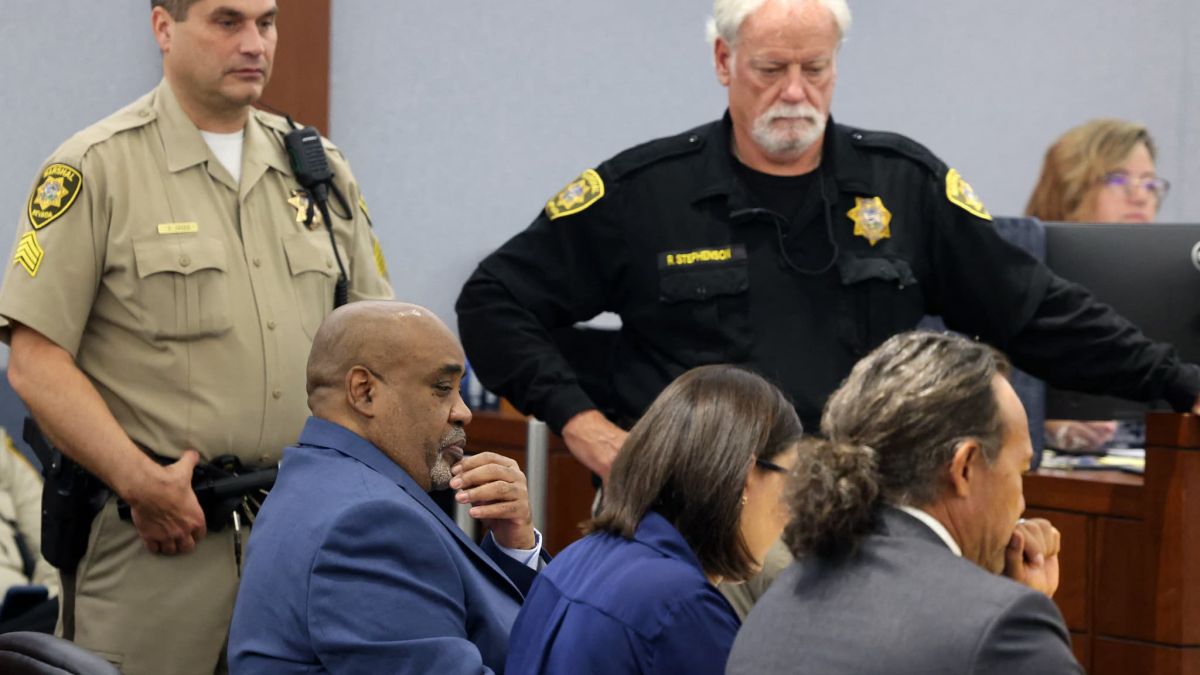
Au procès de Duane Keffe D Davis, accusé d'avoir orchestré le meurtre de Tupac Shakur par vengeance pour avoir humilié son neveu, l'accusation évoque une colère viscérale et souligne la complexité d'un crime toujours non résolu trois décennies après. #TupacShakur #procès #vengeance

www.bfmtv.com
"Une colère viscérale": au procès du meurtre de Tupac Shakur, l'accusation assure que Duane Davis a tué le rappeur "par vengeance"
14117
L
Le Soir Aug 17

Duane « Keffe D » Davis, ancien membre de gang, est jugé à Las Vegas pour avoir planifié le meurtre de Tupac Shakur en 1996, un acte que l'accusation qualifie de « vengeance » après que le rappeur ait humilié son neveu, tandis que Davis plaide non coupable et conteste la solidité des preuves présentées contre lui. #TupacShakur #KeffeD #Meurtre

www.lesoir.be
Procès du meurtre de 2Pac : l’accusation dénonce un acte de « vengeance »
17058