"Freedom of political expression is particularly protected in France by law," specifies Sebastian Roché, research director at the CNRS, a specialist in comparative policing. #LibertéDExpression #Manifestations #Pancartes (translated)
"We have never seen this in France," confirms Sebastian Roché, research director at CNRS specializing in police issues, to Actu. #MobilisationLycéenne #Interpellations #RépressionPolice (translated)
"The over-equipment of the police foreshadows the violence that will be employed." For Fabien Jobard, research director at CNRS and co-author of "Politics of Disorder: The Police of Protests in France" (Points), there is a "police overreaction" to this student movement that can be partly explained by a "militarization of the police" that has occurred gradually over the past twenty years. #RépressionPolicière #Lycéens #Mobilisation (translated)
Gustavo Tutinha wrote that the information presented in the follow-up of the Judicial Recovery detailed the financial situation of Vasco and the SAF in 2026. According to him, the updated balance of loans was R$ 287.9 million: R$ 282.4 million in principal and R$ 5.5 million in interest and adjustment. Of this total, R$ 84 million corresponded to Crefisa and R$ 203.9 million to Almirante. Tutinha reported that the loan from Crefisa had a yield of CDI + 7% per year and quarterly amortizations until September 2028. Of the contracts with Almirante, R$ 156.5 million were updated by the CDI, maturing in December 2027, and R$ 47.4 million by the INPC, with maturities in July and August 2027. In July and August, according to him, two loans were contracted with Almirante Participações, of R$ 40 million and R$ 5.6 million, both with a single payment due in 2027. The operation of R$ 40 million also provided for a fiduciary assignment of part of the LFU receivables linked to the commercial appeal criterion. The consolidated tax debt of the recovering companies was approximately R$ 271 million and reached R$ 334 million with adjustments, fines, and interest, wrote Tutinha. During negotiations with the PGFN, Vasco and the Prosecutor's Office supposedly agreed to temporarily reduce the installments of the installments to R$ 580 thousand monthly until the consolidation of a new transaction. The cash balance reported on August 31 was R$ 5.6 million. Between January and August, the cash flow recorded R$ 201.4 million in receipts related to economic rights of athletes, according to Tutinha. Rayan accounted for R$ 171.9 million; Leandrinho was also mentioned with R$ 9.3 million; João Victor, with R$ 5.6 million; Luiz Gustavo, with R$ 5.3 million; Loide, with R$ 2.1 million; and Galarza, with R$ 2 million. Tutinha attributed the increase in marketing revenues in June to the receipt, in a single installment, of R$ 25 million from the master sponsorship contract with SportingBet. The SAF reported, according to Tutinha's account, that cash outflows in August were lower because R$ 46.6 million in payments were deferred to September: R$ 32.6 million in transfer fees, R$ 5.5 million in commissions, R$ 4.5 million in signing bonuses, R$ 3.4 million in taxes, and R$ 630 thousand in TEF. The cash flow recorded R$ 56.8 million in restructuring disbursements between January and August. The breakdown presented by the SAF, however, totaled R$ 59.1 million: R$ 21.9 million for the CNRD, R$ 19.5 million for tax installment plans, R$ 6.8 million related to Judicial Recovery, R$ 5.3 million for the Judicial Administrator and legal and financial advisors, R$ 4.3 million in transfers to the CRVG and R$ 1.3 million for BACEN. Tutinha observed that the itemized amounts did not match the total recorded in the cash flow. According to the numbers disclosed by him, the SAF had 46,347 active clients in the supporter program in January and 35,790 in August, a reduction of approximately 10.5 thousand. Of the clients registered in August, 35,214 were up to date with their payments. Tutinha also wrote that Vasco claimed to be meeting its obligations under the Judicial Recovery Plan on time and settling debts incurred after the recovery request and extrajudicial credits. In the CNRD, the club was to allocate R$ 15 million per year for the payment of three plans; the credits were adjusted by the IPCA and were not subject to discounts. Regarding the agreement concluded in September, Tutinha reported that 777 declared it did not oppose the establishment of the New SAF, the creation of the UPI Equity, the judicial sale of 90% of the shares, nor the transfer of the shares to the winner of the competitive process. The former controller also reportedly stated that it would withdraw from incidents and appeals related to Judicial Recovery and relinquish respective claims. Tutinha affirmed that the numbers outlined the financial operation of Vasco as the club moved towards a new phase of restructuring and the completion of the sale of the New SAF. #Vasco #Futebol #Finanças (translated)
"We are developing the idea that good policing is policing that makes a lot of arrests," regrets Sébastian Roché, a research director at the CNRS and an observer of police violence, on Franceinfo. "The Minister of the Interior doesn't come on television saying: 'we have eased 90 blockages of high schools.' He arrives and says: 'we have made 5,000 arrests.' The more you want to make massive and numerous arrests, in order to present them to journalists and the French public, the more damage you are going to have, the more police officers will be injured, and the more young people will be injured. It is the weapons and the arrests that are at the root of this." #MouvementLycéen #Interpellations #ViolencesPolicières (translated)
"What is being implemented to manage high school protests is a standard framework compared to what we know," notes Sebastian Roché, research director at CNRS, author of "The Police Against the Street." #ViolencesPolicières #MouvementLycéen #DroitsDesMineurs (translated)
Arkunir replied to BenBen79171264 that the published photos were posted by himself. He insulted him, then clarified that one of them showed him with a woman from CNRS who congratulated him for his participation in organizing the European blood donation record. He described this memory as a moment he was proud of and thanked his interlocutor for reminding him of it. (translated)
🚨 ATTENTION, WOMEN! We are the ones who will decide these elections. That’s why they are even attacking our right to vote. This Sunday, don’t let them decide for you! Vote for your rights! Vote Lula 1️⃣3️⃣✅, Erika Hilton 5️⃣0️⃣7️⃣0️⃣✅ and @SofiaFavero_ 5️⃣0️⃣7️⃣0️⃣0️⃣✅ https://t.co/cnrS0xutAE #Eleições2023 #DireitosDasMulheres #VoteLula (translated)
A Napoleon code that has been undeciphered for over 200 years decoded by ChatGPT... If it were a historian from CNRS and a cryptanalyst from INRIA, it would be on the front page. For GPT-6, it’s just a Thursday. #Napoléon #Histoire #Cryptographie #FR (translated)
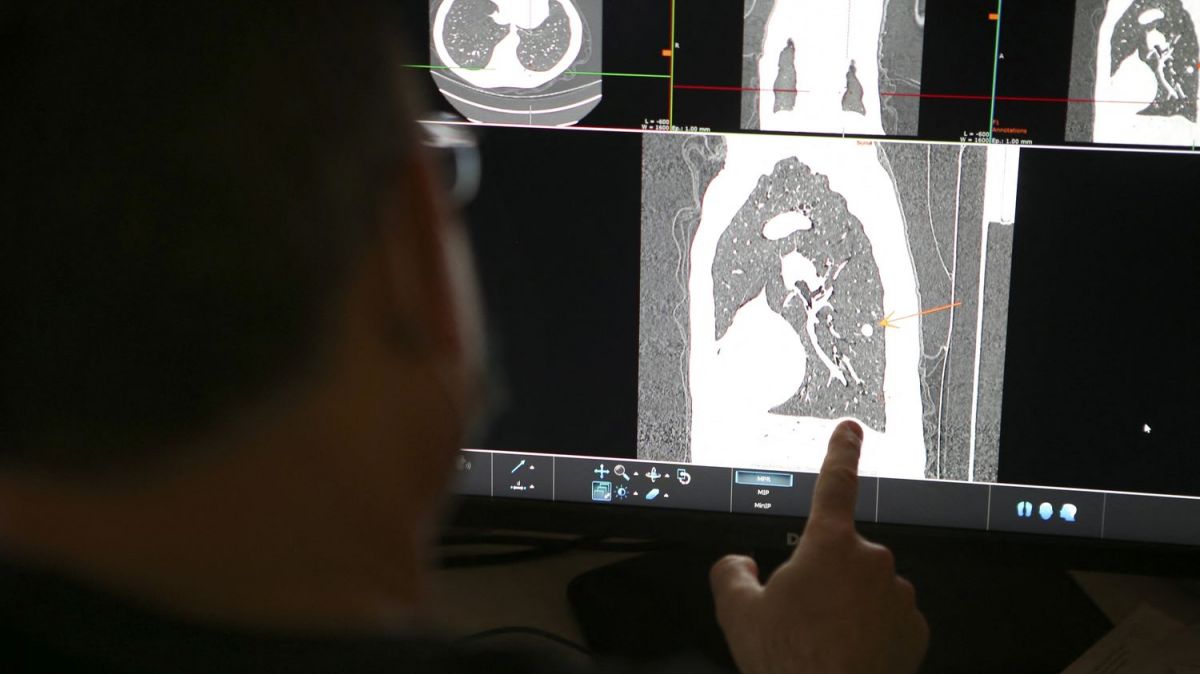
Researchers from the CNRS emphasize that the working environment is a major underestimated factor in the increase of cancer cases, with a survey revealing that 90% of affected workers have been exposed to carcinogenic substances. #CancersProfessionnels #SantéAuTravail #PréventionCancer (translated)

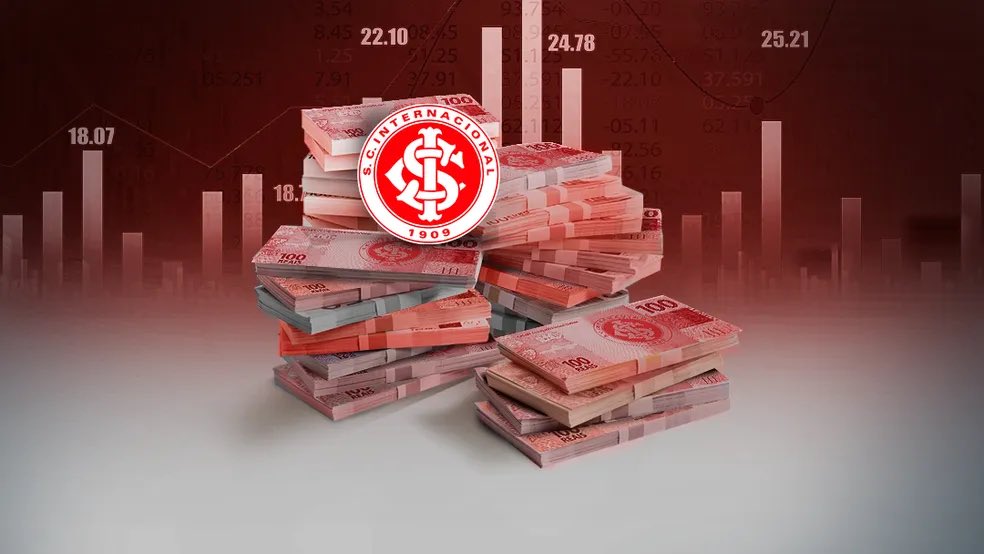
🚨 Internacional tem R$ 117 milhões em dívidas por transferências e pode sofrer mais 5 transfer bans. O Colorado tem R$ 56 milhões em dívidas vencidas por jogadores desde 2021 e outros R$ 61 milhões a vencer. Os valores incluem casos na CNRD e na FIFA, além de disputas cíveis e trabalhistas. O clube também prevê R$ 202 milhões em outros compromissos financeiros nos próximos 2 anos. Além de 2 processos já registrados, pelas negociações de Juninho, com o Midtjylland, e Ramon, com o Olympiacos, o Inter responde a outros 5. Juntos, eles somam cerca de R$ 38 milhões e podem resultar em novos transfer bans. O clube estima que precisa arrecadar entre R$ 60 milhões e 70 milhões até dezembro para manter os pagamentos em dia. 🗞️ @geglobo 📸 Infoesporte/ge #Internacional #Futebol #Dívidas
«Il problema relativo al cobalto è senza dubbio reale, ma riguarda tutta la filiera mineraria»«Il problema relativo al cobalto è senza dubbio reale, ma riguarda tutta la filiera mineraria», spiega il chimico Nicola Armaroli, dirigente di ricerca del Cnr esperto di transizione energetica. #uranio #cobalto #energiarinnovabile
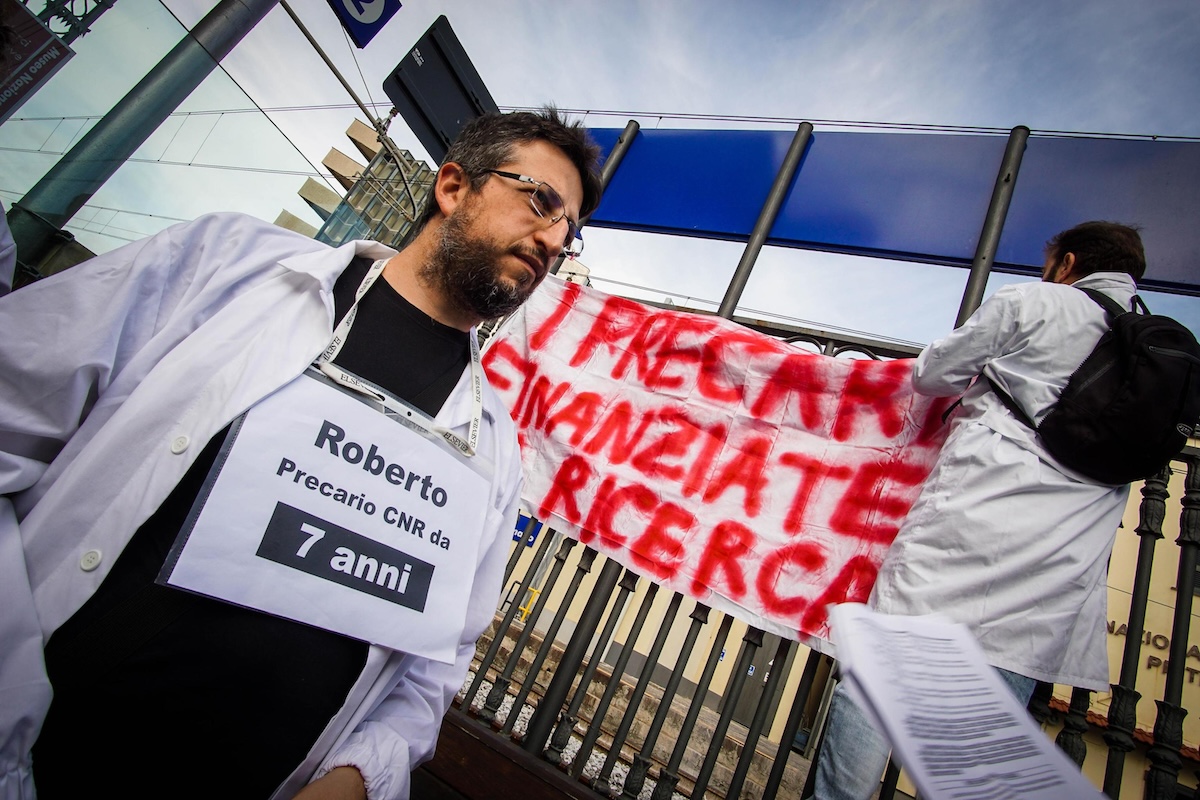
I ricercatori del CNR, il più grande ente pubblico di ricerca in Italia, si sentono sempre più spinti a cercare finanziamenti esterni piuttosto che a dedicarsi esclusivamente alla ricerca, a causa di un grave sottofinanziamento che limita le loro opportunità e progetti. #CNR #ricerca #finanziamenti

À Nova ou aux Inrocks, dont elle est directrice des marques, on s’étonne qu’elle n’ait pas de compte LinkedIn. Et pour cause : il y a trois ans Wassila Meddas était encore serveuse au Marigny, où elle a fait la rencontre d’un certain Pigasse, Matthieu… https://t.co/CNRfww6tkW #Média #Carrière #Réussite
Santos é condenado a pagar quase R$ 20 milhões ao Cuiabá. O Peixe foi condenado pela CNRD da CBF a pagar R$ 18,6 milhões ao Cuiabá por uma dívida pelo zagueiro Joaquim. Os clubes haviam acertado o pagamento em 5 parcelas, mas o Santos só pagou. O Cuiabá agora espera o valor total, embora o Santos ainda possa recorrer ao Centro Brasileiro de Mediação e Arbitragem (CBMA). Em nota, o Cuiabá afirmou que não aceitará recursos usados apenas para adiar uma dívida de quase 2 anos. O Dourado ainda citou casos nos quais o Santos só pagou após sofrer transfer ban da FIFA. 🗞️ @ESPNBrasil #SantosFC #Cuiabá #FutebolBrasileiro
⚠️ CBF propõe usar cota extra da Copa do Brasil para ajudar clubes a pagar dívidas. A entidade propôs que parte do aumento da receita da Copa do Brasil seja distribuída como uma cota fixa aos clubes das Séries A e B, independentemente de até qual fase avancem no torneio. A medida deve movimentar pouco menos de R$ 1 bilhão entre 2027 e 2030. A competição terá aumento de 80% nas receitas com os novos contratos de TV, que renderão mais de R$ 1 bilhão por ano. Hoje, os direitos de transmissão geram cerca de R$ 600 milhões para a CBF, e aproximadamente 80% desse valor é destinado à premiação por fase. A ideia é manter esse modelo de premiação, que atualmente paga R$ 78 milhões ao campeão e concentra 24% do total entre campeão e vice, e acrescentar a nova cota fixa. O uso desse dinheiro extra, porém, terá regras. Clubes com salários atrasados ou dívidas elevadas deverão usar a verba para pagar salários, débitos na CNRD ou pendências tributárias. Já os clubes que estiverem com as contas em dia poderão investir em infraestrutura, como construção de centros de treinamento e reformas de estádios. O uso da verba seria fiscalizado pela agência de Fair Play Financeiro da CBF. O formato definitivo e o valor de cada cota ainda serão definidos. A proposta busca evitar que a receita extra seja usada para aumentar novamente os salários no mercado sem resolver os problemas financeiros dos clubes. 🗞️ @UOL | @_rodrigomattos_ | @igorsiqueira 📸 Nelson Termé/CBF #CopaDoBrasil #CBF #FutebolBrasileiro
MÉDIAS PUBLICS : QUAND L’ÉCOSYSTÈME LFI AVANCE MASQUÉ - En septembre 2025, Caroline Roux recevait Matthieu Pigasse dans L’Événement sur France 2. Il était présenté aux téléspectateurs sous la seule étiquette de « chef d’entreprise ». Pourtant, le dirigeant du groupe "Combat" était déjà publiquement engagé à gauche : quelques mois auparavant, il avait appelé à voter pour le Nouveau Front populaire et défendu plusieurs de ses orientations économiques. Depuis, son positionnement s’est encore affirmé : il revendique désormais une gauche « radicale et unie » et affiche des convergences avec de nombreuses propositions portées par LFI. Rien de ce positionnement politique n’avait alors été indiqué aux téléspectateurs. Pas davantage que sa qualité de cofondateur et actionnaire de Mediawan, groupe qui produit plusieurs programmes de France Télévisions, dont C dans l’air, présenté par la même Caroline Roux. Cette présentation avait d’ailleurs conduit l’Arcom à intervenir auprès de France Télévisions, estimant qu’elle ne satisfaisait pas pleinement aux exigences d’honnêteté et de rigueur de l’information. Ce cas, d’une particulière gravité, est loin d’être isolé. Il est symptomatique d’une dérive récurrente que Médias Citoyens documente depuis trois ans au sein de l’audiovisuel public : présenter des personnalités politiquement engagées sous leur seule qualité d’« expert », de « chercheur » ou d’« universitaire », en passant sous silence des convictions ou proximités politiques pourtant publiques et documentées. Et les exemples récents sont particulièrement nombreux autour de La France insoumise et de son think tank, l’Institut La Boétie. DES « EXPERTS » TOUT SAUF NEUTRES Dimanche 13 septembre, C politique recevait Johann Chapoutot, présenté comme « un grand historien spécialiste du nazisme, professeur à la Sorbonne ». Exact. Mais incomplet : invité des Amfis de LFI, contributeur aux travaux de l’Institut La Boétie et préfacier de son premier ouvrage collectif, il a également déclaré son « admiration folle » pour Jean-Luc Mélenchon. Rien de tout cela n’est mentionné. Le 9 septembre, C ce soir recevait Benjamin Lemoine pour analyser la proposition de Mélenchon sur la dette. Présenté comme sociologue et directeur de recherche au CNRS, il est aussi membre du conseil scientifique de l’Institut La Boétie, coprésidé par Jean-Luc Mélenchon et Clémence Guetté. Là encore : pas un mot ! Toujours dans C ce soir, mais cette fois le 14 septembre, Karim Rissouli accueille Julien Talpin, présenté comme sociologue et directeur de recherche au CNRS. Présentation une nouvelle fois incomplète : Julien Talpin a notamment coordonné Nouveau peuple, nouvelle gauche, publié par l’Institut La Boétie. Et la liste continue : Marlène Benquet, reçue près d’une heure sur France Culture, est co-responsable du département de sociologie de La Boétie. Ugo Palheta, également invité sur France Culture, a quant à lui coordonné le premier ouvrage collectif de l’Institut La Boétie. Sylvie Laurent, régulièrement invitée sur Radio France, participe elle aussi aux événements du think tank de LFI. LA PARTIE ÉMERGÉE DE L’ICEBERG ? Un oubli peut arriver. Mais lorsque le même mécanisme se répète, souvent dans les mêmes émissions (La Terre au carré et Le Téléphone sonne sur France Inter, Le 12.30 de France Culture, C ce soir et C politique sur France 5...), la question du choix éditorial se pose. Pourquoi détailler les titres universitaires d’un invité tout en passant sous silence ses engagements idéologiques, ses prises de position publiques et sa proximité avec un mouvement politique ? Ces quelques exemples ne sont que la partie émergée d’un phénomène beaucoup plus vaste. Depuis plusieurs années, Médias Citoyens en documente la répétition : mêmes omissions, mêmes profils présentés sous la seule autorité de leur expertise, mêmes engagements politiques laissés hors champ. LE PLURALISME CONCERNE AUSSI LES « EXPERTS » En 2024, le Conseil d’État a rappelé que le pluralisme devait s’apprécier à travers l’ensemble des participants aux programmes, y compris chroniqueurs, animateurs et invités - et pas seulement les responsables politiques. Ces « oublis » sont donc loin d’être anodins. Ils privent le public d’éléments de contexte permettant d’apprécier la parole de ceux qui lui sont présentés comme des experts. Et leur répétition rend plus difficile l’appréciation du pluralisme par l’Arcom, précisément chargée d’en garantir le respect. À force de rendre invisibles les engagements politiques de certains intervenants - le plus souvent situés dans la mouvance des gauches radicales dans les cas que nous documentons -, c’est le public que l’on prive d’une information essentielle et le pluralisme que l’on rend plus difficile à apprécier. Pour des médias financés par les citoyens, l’enjeu démocratique et déontologique est majeur. @Arcom_fr @DelphineErnotte @SibyleVeil #Médias #Pluralisme #Transparence
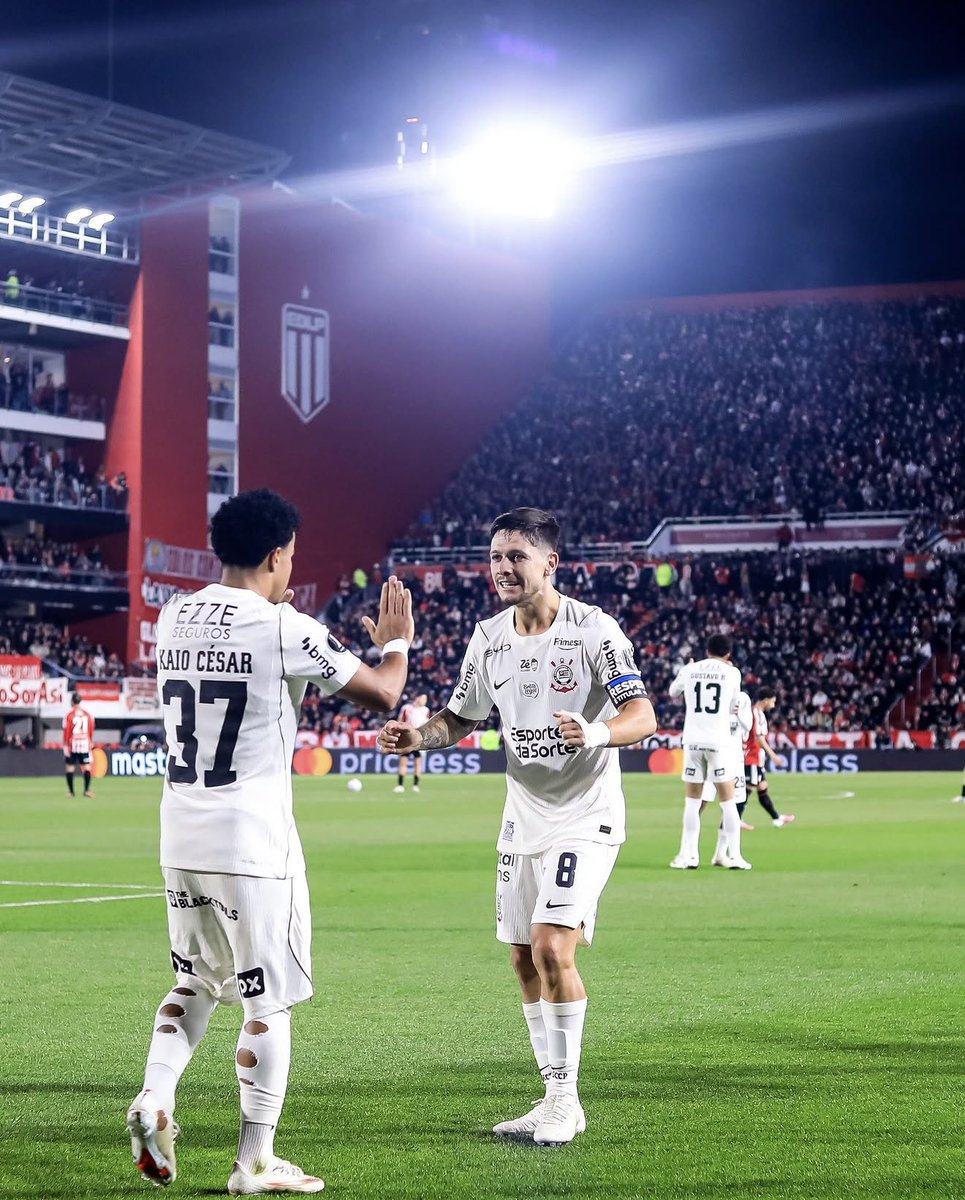
Corinthians precisa do título da Libertadores para evitar rombo de R$ 150 milhões no orçamento de 2026. Além do objetivo esportivo, o título virou essencial para as finanças do Timão. O clube já soma R$ 25,8 milhões em premiações nesta Libertadores. Se eliminar o Estudiantes hoje, voltará à semifinal após 14 anos e receberá mais R$ 11,85 milhões. O Corinthians fechou o 1º semestre com déficit de R$ 246 milhões, acima dos R$ 138 milhões projetados. Um dos principais problemas foi não atingir a meta de € 25 milhões (R$ 149 milhões) em vendas de jogadores. Um dos motivos para manter atletas foi o transfer ban da FIFA e da CNRD, que impede inscrições de novos reforços. Nesse cenário, a diretoria preservou o elenco e até voltou atrás na decisão de não renovar com Memphis Depay. A falta de vendas afetou o caixa. O Corinthians atrasa pagamentos desde abril e deve o salário de agosto ao elenco, além de bônus e direitos de imagem de jogadores e comissão técnica. A dívida total do clube é de R$ 2,8 BILHÕES. 🗞️ @Estadao 📸 Rodrigo Coca/SCCP #Corinthians #Libertadores #Futebol
O Vasco recebeu nesta segunda-feira (14) cerca de 40% do empréstimo DIP liberado pela Justiça. Foram R$ 65 milhões destinados à SAF, que utilizará o montante para manter os pagamentos em fluxo normal, incluindo credores da Recuperação Judicial, CNRD, folha de pagamento e demais despesas do futebol. O financiamento foi contratado por meio da Almirante Participações e Empreendimentos S.A., de Marcos Lamacchia. 📰 @brunomurito e @sergiostn_ 📷 Vinicius Silva/AGIF #Vasco #Futebol #DIP
O Vasco recebeu R$ 65 milhões do empréstimo DIP junto à Almirante Participações e programou uma série de pagamentos nesta segunda-feira. O Cruzmaltino tem entre as principais obrigações correntes o pagamento dos credores da Recuperação Judicial (havia parcelas em aberto) e dos planos coletivos na CNRD, além do acerto de contratações, folha salarial e demais vencimentos do futebol. Há previsão de contrair mais um empréstimo de pelo menos R$ 50 milhões até o fim de 2026 para saldar as contas. 🗞️: @ge_vasco 📸: Matheus Lima | Thiago Porthix #Vasco #Futebol #RecuperaçãoJudicial