WRLD

Search

#Creator
CreatorSMP 3d

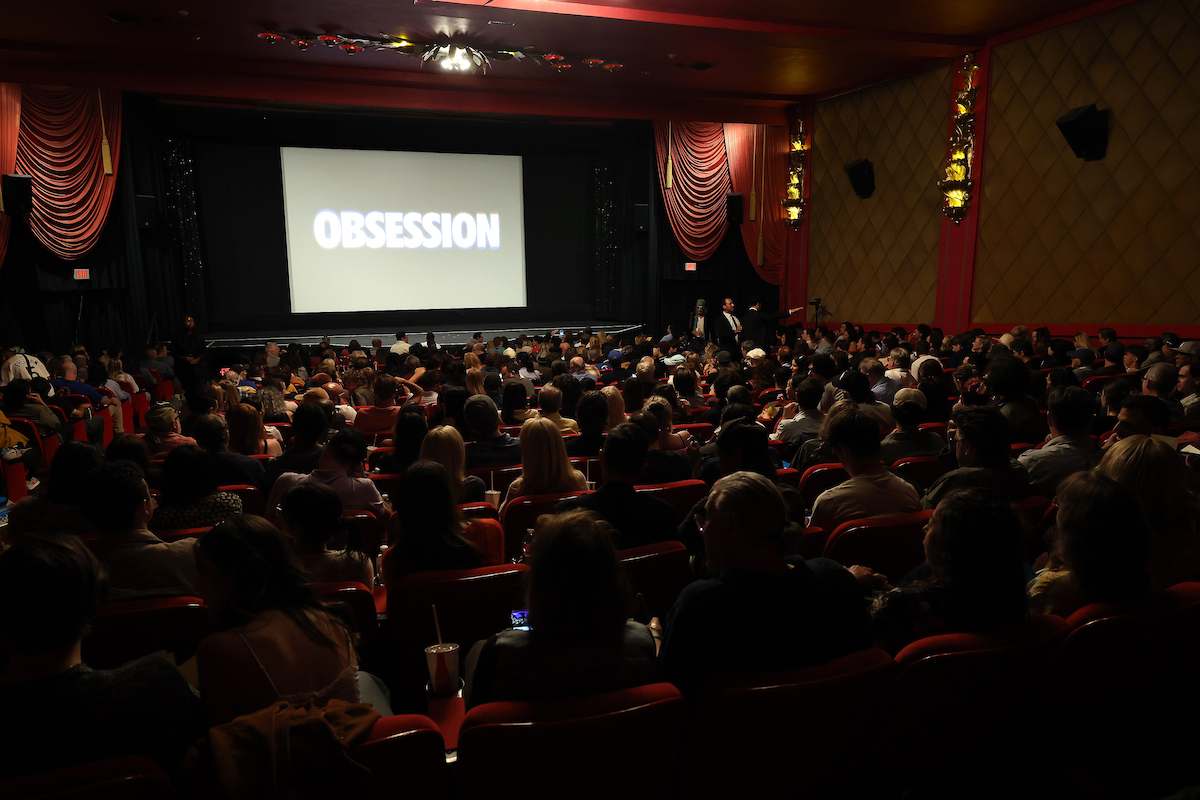
CreatorSMP announced that the finale of CreatorSMP Hardcore 4 was shown in theaters on October 25 and invited people to go watch it with friends or family. The creator warned that the tickets were limited and referred to the ticket page in the bio. https://t.co/caEikowCDg #CreatorSMP #film #bioscoop (translated)

2677
Krzysztof Graj 3d

Russia’s war propaganda gets a soundtrack – how AI-generated songs reached global streaming platforms Russian war propaganda is no longer confined to television broadcasts, Telegram channels or political videos. A study by the Ukrainian threat-intelligence organisation Terrecon has identified 981 songs combining signs of AI generation with pro-Russian military narratives, distributed through an ecosystem that reaches YouTube, Spotify, Apple Music, Deezer and SoundCloud. The songs range from sentimental ballads to rock and heavy metal. Their recurring themes are familiar from conventional Russian wartime propaganda: the heroisation of Russian soldiers, romanticisation of the war, mobilisation, the “Russian world”, commemoration of fallen troops and attacks on Ukraine and its armed forces. Some contain derogatory or dehumanising references to Ukrainians. What is new is not necessarily the message, but the production and distribution model: generative AI allows propagandistic music to be produced rapidly, cheaply and in quantities that would previously have required musicians, studios and producers. Nearly 1,000 tracks identified Terrecon examined 3,725 tracks collected from YouTube, YouTube Music, SoundCloud and the AI music platform Suno. After manual review, researchers classified 981 as showing both indications of AI generation and pro-Russian war propaganda. In 681 tracks they identified 728 propaganda-related keywords or phrases. The largest category was the glorification of the Russian military, followed by romanticised treatment of Moscow’s so-called “special military operation”, mobilisation appeals, narratives about the “Russian world”, and the cult of fallen soldiers and the state. The reach was not merely theoretical. Listening or viewing statistics were available for 608 of the identified tracks; together they had accumulated 86.8 million plays and views, according to Terrecon. A smaller group of 13 high-performing songs accounted for more than 53 million YouTube views and more than 67 million when YouTube Music was included. Among the better-known examples is “Power of Artillery”, a Russian-language rock song praising artillery weapons that passed two million views on YouTube. Most of the tracks for which publication dates could be established appeared after 2024, broadly coinciding with the rapid expansion of consumer AI music generators such as Suno and Udio. That correlation does not prove that AI alone caused the increase, but it illustrates how drastically the economics of production have changed. A propaganda song for as little as $11 Terrecon also tested how difficult it would be to commission such material. Researchers approached 25 creators producing AI-assisted militaristic music; 15 agreed to take commissions. Prices ranged from approximately $11 to $330, while delivery times ranged from two hours to three days. According to Terrecon, some were prepared to produce highly aggressive anti-Ukrainian material, including content intended for audiences involving children from occupied Ukrainian territories. Some creators used Russian intermediary services that provided access to Western AI tools such as Suno and Udio despite restrictions. The researchers then tested several AI generators themselves. Across 40 prompts submitted to Suno, Udio, Mureka, Google Flow Music and ElevenLabs, 25 resulted in successful generations, while safeguards were circumvented in 15 cases. Terrecon reported that four of the five services tested produced Russian-language material containing wartime narratives, although technical problems prevented comparable testing on some systems. In one Udio experiment, the researchers said the model itself introduced more explicit violent language than had appeared in the original promp These tests do not demonstrate that the commercial platforms knowingly support Russian propaganda. They show something narrower: existing safeguards can be inconsistent when political messaging is packaged as music. From generation to Spotify The distribution experiment may be the most revealing part of Terrecon’s research. The team deliberately uploaded test tracks containing explicit hostile language to YouTube, SoundCloud, Spotify and Deezer. Terrecon says none was blocked during the experiment. On SoundCloud, researchers used an account identifying its location as Moscow, disclosed the use of AI and added markers including references to the Russian military and the war. The platform accepted the upload and subsequently offered paid promotional and distribution tools. This does not prove that streaming recommendation systems systematically promote pro-war music. There is currently insufficient public evidence to make that claim. It does demonstrate that material can enter the same commercial distribution infrastructure as ordinary music and, once there, potentially benefit from playlists, searches, sharing and recommendation mechanisms available to other releases. That distinction is important. Propaganda no longer has to announce itself as political communication. On a streaming platform it can look like another song. Culture as a delivery mechanism Music has always been used in wartime propaganda. What generative AI changes is scale. Instead of investing heavily in a limited number of patriotic performers or officially commissioned productions, creators can generate variations across styles, audiences and emotional registers at very low cost. Terrecon found material ranging from war rock to sentimental songs and content styled for younger audiences. Some creators also experimented with cloned celebrity voices and stylistic imitation of established musicians. The format also offers a different relationship with the audience. A political video asks a viewer to consume an argument. Music can accompany commuting, exercise or entertainment and may be encountered outside explicitly political spaces. This does not automatically make it more persuasive, and Terrecon’s research does not establish measurable effects on political attitudes. It does, however, place wartime narratives inside a cultural environment where users may not initially perceive themselves as consuming political messaging. An ecosystem, not a proven Kremlin command structure The strongest evidence supports describing this as a growing AI-assisted pro-Russian propaganda-music ecosystem, not a single operation controlled from Moscow. Terrecon did not establish that the Russian government created, financed or coordinated all 981 tracks. Reporting on the study likewise notes that the extent of direct state involvement remains unclear. There is broader evidence that the Russian state finances cultural projects and digital content supporting the war, including through state-backed funding bodies. That context matters, but it does not allow individual songs in Terrecon’s dataset to be attributed to the Kremlin without additional evidence. The significance of the case lies elsewhere. AI has reduced the cost of producing ideological content, intermediaries can help creators access generation tools, and global platforms can provide distribution. The result is a pipeline in which wartime propaganda no longer has to resemble propaganda at all. It can simply appear in a playlist. Sources Terrecon / Ukrainska Pravda — Daria Verbytska on the research https://www.pravda.com.ua/columns/2026/10/05/8056229/ Suspilne Culture — detailed breakdown of Terrecon findings https://suspilne.media/culture/1417933-rosijsku-voennu-propagandu-maskuut-pid-anime-karaoke-ta-rok-doslidzenna-si-pisen-vid-terrecon/ The Insider — AI-generated Russian war propaganda music https://theins.ru/news/297839 Institute of Mass Information — summary of New York Times reporting https://imi.org.ua/en/news/doslidzhennya-rf-masovo-stvoryu%D1%94-propagandistski-pisni-za-dopomogoyu-shi The Bridge Media — AI-generated songs and Russian military propaganda https://thebridgemedia.com.ua/en/ai-generated-songs-russian-military-propaganda/ Center for Strategic Communication — cost and production of AI propaganda music https://spravdi.org/propaganda-za-11-yak-rosiya-shtampuye-shi-pisni-z-miljonamy-prosluhovuvan/ Times of India — AI-generated Russian war songs https://timesofindia.indiatimes.com/world/europe/ai-sings-russias-war-story-inside-the-rise-of-generative-songs-about-ukraine-conflict/articleshow/134650594.cms EU Council / EUR-Lex — Presidential Foundation for Cultural Initiatives https://eur-lex.europa.eu/legal-content/EN/TXT/?uri=CELEX:32026D1351 Human Rights Watch — Russian state funding of digital and patriotic content https://www.hrw.org/report/2025/07/30/disrupted-throttled-and-blocked/state-censorship-control-and-increasing-isolation #DISINFORMED #Episode16 #Russia #Ukraine #RussianPropaganda #WarPropaganda #MusicPropaganda #AIMusic #ArtificialIntelligence #AI #GenerativeAI #SyntheticMedia #AIPropaganda #Disinformation #InformationWarfare #InfluenceOperations #CulturalPropaganda #DigitalInfluence #NarrativeManipulation #PropagandaMusic #StreamingPlatforms #Spotify #AppleMusic #YouTube #YouTubeMusic #Deezer #SoundCloud #Suno #Udio #RussianWorld #RusskiyMir #MilitaryPropaganda #WarNarratives #Mobilisation #AlgorithmicDistribution #RecommendationAlgorithms #MusicStreaming #PlatformManipulation #Terrecon #OSINT #MediaManipulation #WRLD

224
L
lastampa.it 5d

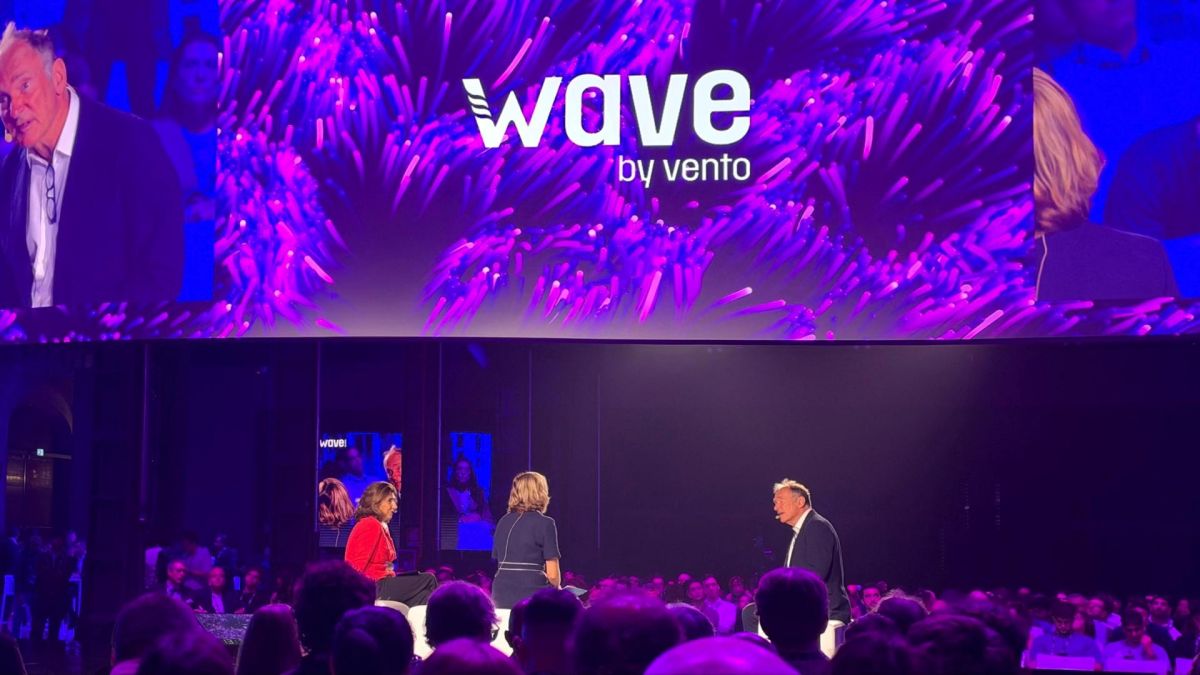
Tim Berners-Lee, the creator of the Web, expresses concern about artificial intelligence, stating that it must serve users and not companies, and proposes the creation of common standards and clear responsibilities to avoid repeating the mistakes of the past with the Internet and social networks. #IntelligenzaArtificiale #WebAperto #TimBernersLee (translated)
www.lastampa.it
Tim Berners-Lee, il padre del Web sfida l’AI: “Deve lavorare per noi, non per le aziende”
1691
𝓂𝒶𝓇𝒾𝒶❄️ 6d

Maria❄️ commented on a scene from #gfvip where someone was telling a professor that it was about Madonna's story and accused a counterpart of pretending to be someone else. She added, with an ironic tone, that the scene was sending her "to the creator," as punishment behind the blackboard. #gfvip https://t.co/6ycmtm4qXv #gfvip #madonna #scena (translated)

2601
Krzysztof Graj 6d

Brazil’s synthetic voters – when AI manufactures public opinion They look like ordinary street interviews. A reporter approaches a passer-by in a Brazilian square and asks a simple question: who will you vote for? A young voter explains why Luiz Inácio Lula da Silva deserves another term. An elderly woman says Brazil needs Flávio Bolsonaro because he represents political renewal and greater security. The locations look plausible, the microphones are visible and the answers sound much like the brief political opinions heard in television vox pops around the world. None of the people are real. Ahead of Brazil’s presidential election on 4 October, fact-checking organisation Aos Fatos identified at least 50 TikTok videos in which artificial intelligence was used to manufacture voters, reporters and apparently spontaneous political interviews. Together, the videos had accumulated around 7.4 million views by mid-August. Some promoted Lula, others Flávio Bolsonaro, while another group used synthetic characters to ridicule or stereotype supporters of one side. Aos Fatos found no apparent evidence linking the accounts producing the videos to either presidential campaign. The opinion poll that never took place The format is important. These were not conventional deepfakes in which a recognisable politician is made to say something he never said. Instead, the creators reproduced the visual language of the vox pop – the short street interview used by broadcasters and social-media creators to illustrate what ordinary people supposedly think. In pro-Lula videos, synthetic voters described themselves as beneficiaries of social programmes or credited the president with improving their lives. In videos supporting Flávio Bolsonaro, artificial interviewees associated him with political renewal, public security and fighting corruption. Other clips were openly hostile: AI-generated characters presented as poor or living in parts of Brazil’s north-east were shown in dirty clothes or run-down surroundings, declaring support for Lula because they supposedly preferred welfare payments to work. The deception is therefore subtler than fabricating a candidate’s statement. It manufactures something that political communication normally treats as evidence of public sentiment. A real vox pop may be unscientific, but the people interviewed at least exist. These videos created the appearance that identifiable social groups – young people, pensioners, welfare recipients or residents of particular regions – were spontaneously expressing political preferences when no such encounters had taken place. An electoral-law specialist interviewed by Aos Fatos described the technique as the fabrication of a “social fact that never occurred”. That captures the central innovation: AI is being used not merely to falsify political speech, but to manufacture the impression of grassroots opinion. Fifty videos, but not one proven network The available evidence does not support describing the 50 posts as a centrally controlled influence operation. Aos Fatos located them through TikTok searches and recommendations produced by the platform itself, then examined the accounts responsible for publication. Most had relatively small individual audiences, although their combined reach was substantial. The first examples identified by the investigation appeared as early as March 2026. Activity increased in June and was concentrated particularly in July and the first half of August as Brazil’s election calendar intensified. Some accounts specialised in AI-generated videos generally, including fabricated podcast-style material. Others were explicitly political or supportive of a candidate, but Aos Fatos found no apparent links between those profiles and the official Lula or Bolsonaro campaigns. That distinction is essential. The evidence demonstrates a common technique and a shared political environment, not a single command structure. Some creators may have been motivated by ideology, others by engagement or monetisation. Publicly available evidence does not establish who commissioned the individual videos or whether any coordination existed between the accounts. This decentralised model also creates a different enforcement problem from a traditional bot network. There may be no headquarters to expose and no infrastructure whose removal disables the entire operation. The format itself can be copied by anyone with access to inexpensive generative-video tools. When the algorithm mixes real and synthetic citizens Aos Fatos documented another important feature of the phenomenon: TikTok’s recommendation system placed AI-generated interviews alongside genuine street interviews. For a user scrolling quickly through the platform, the transition between an authentic citizen and an entirely fabricated one could therefore be almost invisible. In 18 per cent of the 50 videos analysed, there was no indication that the people shown had been generated using AI. After Aos Fatos provided TikTok with the videos, the company said it had removed all of them for violating its rules on edited and AI-generated media. TikTok said its policies require creators to identify synthetic content and prohibit manipulated media capable of misleading users about matters of public importance or impersonating genuine journalistic material. The issue extends beyond one platform. Factchequeado’s review of Brazil’s 2026 election campaign found that synthetic endorsements and other deepfakes had become one of the most visible forms of AI-assisted electoral misinformation, alongside fabricated candidate statements and invented scenes. Brazil already had rules for synthetic politics Brazil entered the campaign with unusually detailed electoral rules governing artificial intelligence. The Superior Electoral Court, the TSE, requires electoral propaganda using synthetic multimedia to disclose clearly that AI was used. More importantly for the fake-voter videos, its rules prohibit synthetic audio or video used to favour or harm a candidacy when it creates or alters the image or voice of a living, deceased or fictitious person. The difficulty is attribution and enforcement. When a synthetic video is published by an official campaign, responsibility can be relatively straightforward to investigate. When it comes from an apparently independent account with no demonstrated relationship to a candidate, lawyers interviewed by Aos Fatos said responsibility is more likely to fall on the individual creator, while imposing electoral sanctions on a campaign would require evidence of a connection. For the final 72 hours before the election and the 24 hours following it, the TSE has imposed additional restrictions on newly published or republished synthetic material involving candidates or public figures, reflecting the particular difficulty of correcting fabricated content immediately before voting. From deepfake politicians to synthetic electorates The Brazilian case illustrates a broader change in political manipulation. The first generation of electoral deepfakes concentrated on famous people: make a politician appear to say something damaging, or fabricate an endorsement from a celebrity. Synthetic vox pops reverse the perspective. The politician can remain completely authentic; it is the electorate around the politician that is fabricated. That changes the psychological proposition of the message. Instead of saying the candidate believes this, the video suggests people like you believe this. Age, clothing, accent, neighbourhood and social class can all be generated to construct an artificial constituency around almost any political claim. There is no evidence that the 50 Brazilian videos identified by Aos Fatos constitute a single centrally directed campaign, nor evidence that they changed voting intentions. What they demonstrate is a technique whose barrier to entry has become extremely low. AI no longer needs to forge the politician. #DISINFORMED #Episode14 #Brazil #BrazilElection2026 #Elections #ElectionDisinformation #ArtificialIntelligence #AI #GenerativeAI #SyntheticVoters #SyntheticMedia #AIAvatars #AIGeneratedVideo #VoxPop #FakeInterviews #Astroturfing #AIPropaganda #PoliticalDisinformation #InfluenceOperations #InformationWarfare #SocialMediaManipulation #TikTok #PublicOpinion #ManufacturedConsent #SyntheticPublicOpinion #DigitalInfluence #Deepfakes #ElectionIntegrity #TSE #AosFatos #FactChecking #OSINT #MediaManipulation #WRLD (translated)

www.aosfatos.org
Eleitores gerados por IA fazem campanha no TikTok e põem em xeque regra do TSE
679
D
der Standard 6d

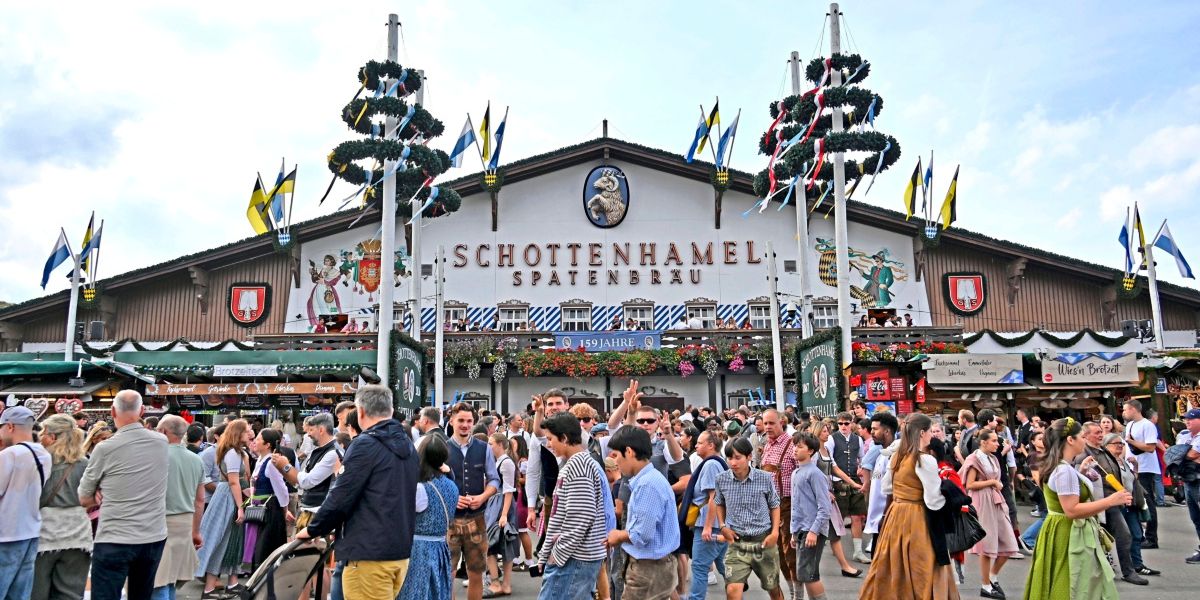
A Tiroler ÖVP politician has resigned from the party with immediate effect after making a racist comment at the Oktoberfest, where he told a Black creator, "You are not at home here." #Rassismus #Oktoberfest #ÖVP (translated)

www.derstandard.at
Tiroler ÖVP-Politiker tritt nach rassistischem Sager auf Oktoberfest zurück
1700
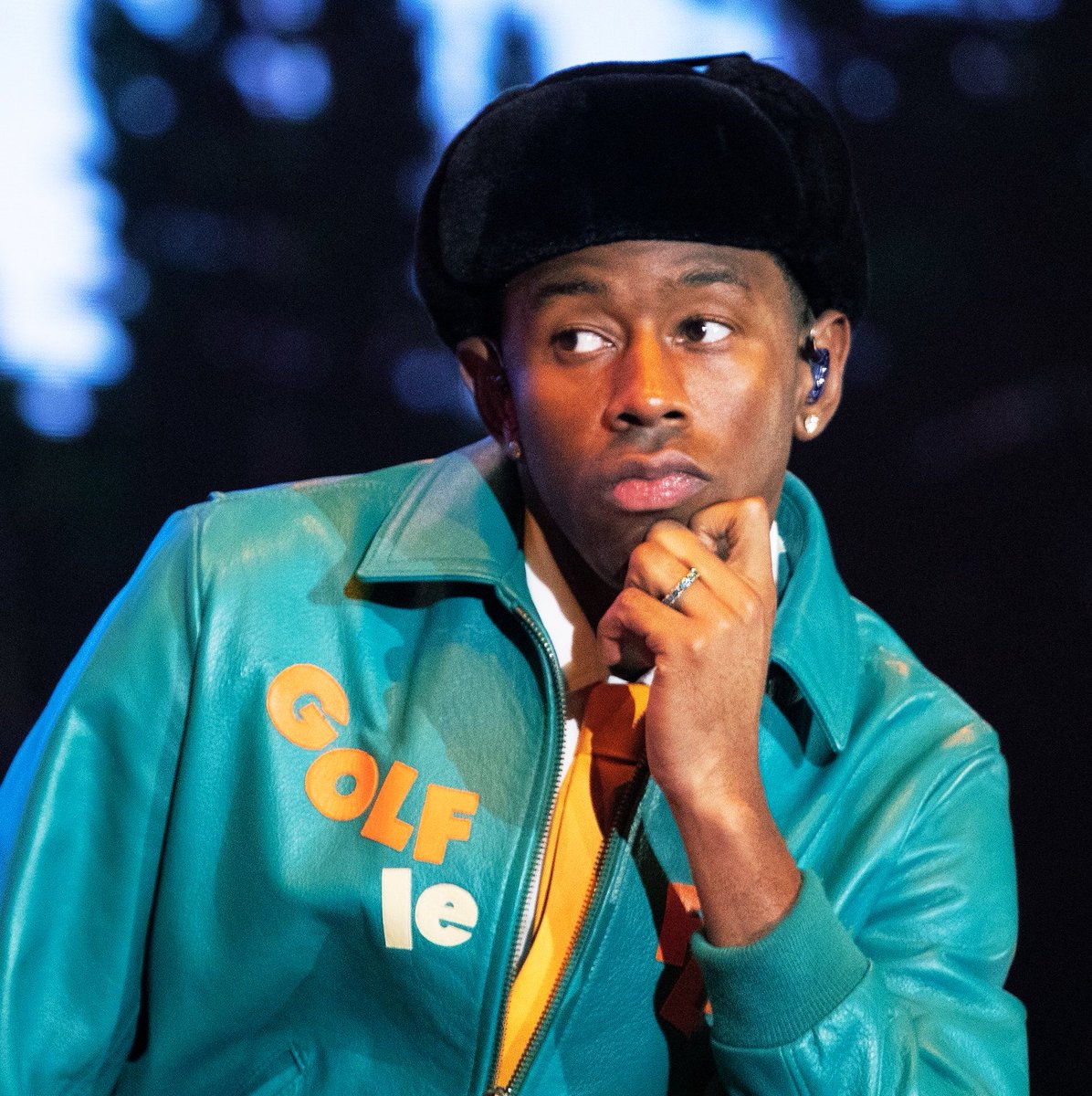
Tyler, The Creator Brasil 7d

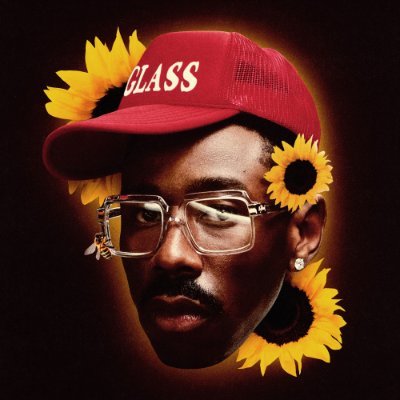
The profile Tyler, The Creator Brasil stated that Lula's team had already made contact and said that they also took a political stance, like Tyler, The Creator. The profile expressed support for the campaign for President Lula's re-election in this election. https://t.co/6Ih6CVAIae #Lula2024 #Eleições #Política (translated)
2948
Bartolomeo Mitraglia 1w

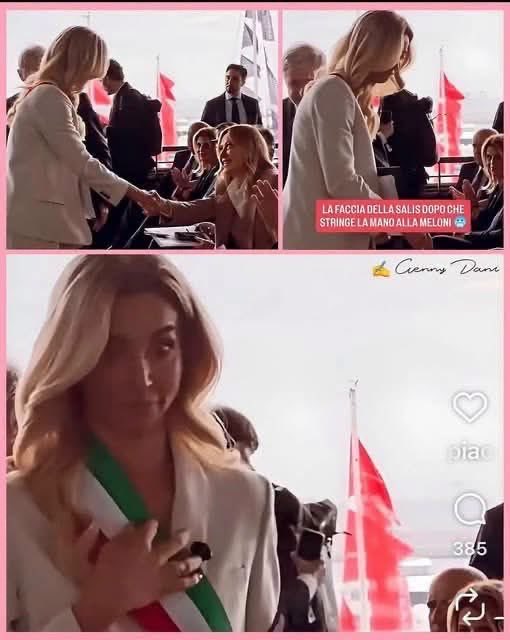
Bartolomeo Mitraglia has relaunched a text signed by Fabio Armano, according to which a communist could have arrived an hour late to the Nautical Salon ceremony, hoping that communicators close to the PD, communist creators, and leftist influencers would spread a version, which he termed a party-validated lie, according to which Giorgia Meloni would have excluded him from the stage. #comunismo #politica #satira (translated)

12200
Bild 1w

YouTube introduced a range of new features at the "Made on YouTube" event in New York, focusing on shopping revolution, AI-powered tools for creators, and the promotion of micro-dramas to enhance user experience and monetization opportunities. #YouTubeShopping #MadeOnYouTube #KünstlicheIntelligenz (translated)

www.bild.de
Große Update-Vorstellung in New York - YouTube startet Shopping-Revolution
1713
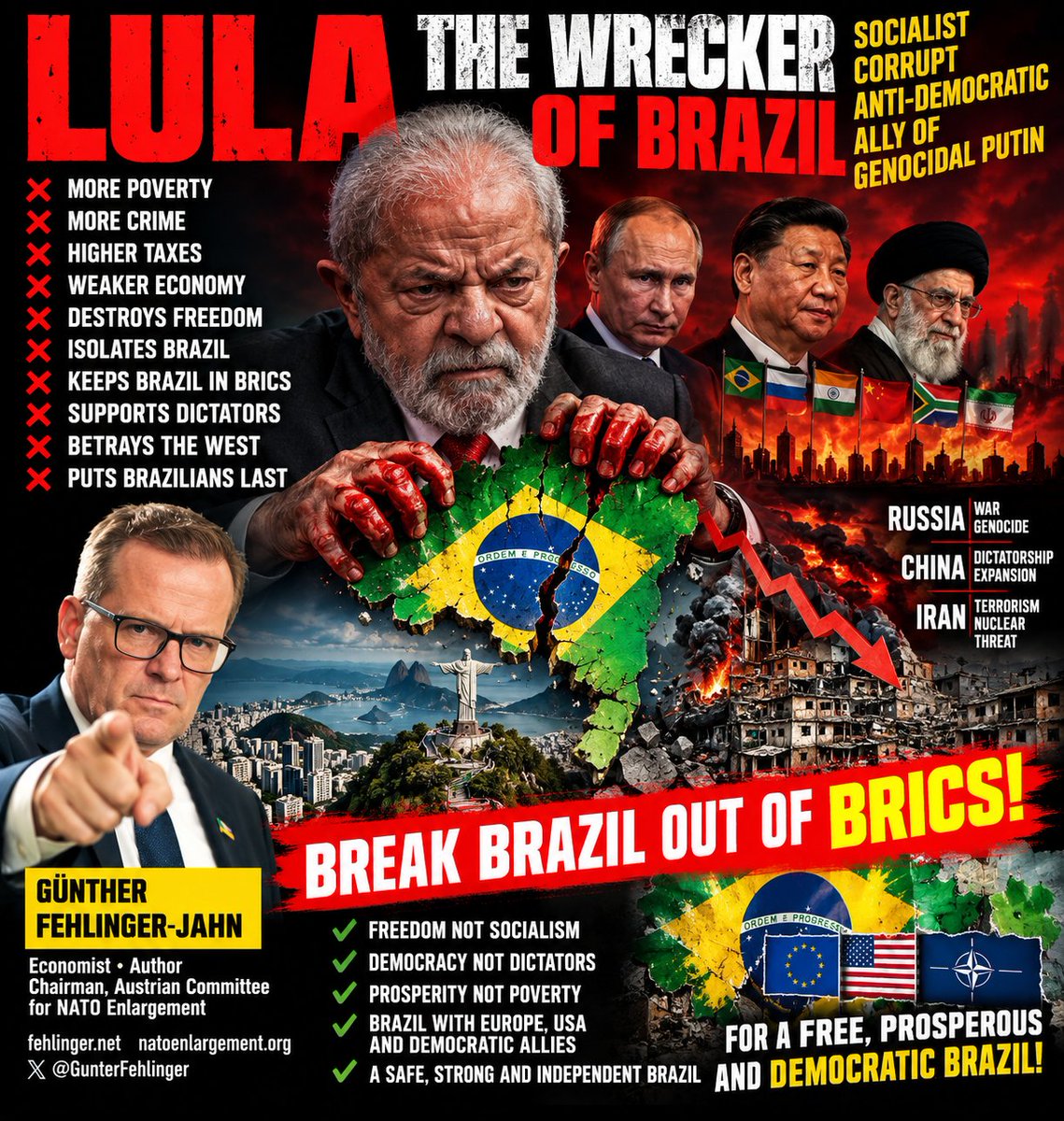
Gunther Fehlinger-Jahn 1w

The author wrote that Lula openly supported BRICS and a multipolar world order, while his government described BRICS’ consolidation as a major advance. The author also said Lula had called Vladimir Putin a founding creator of an entity linked in the post, which was not identified in the text. https://t.co/sA3920SC2m #Brasil #BRICS #Geopolítica #BR #RU

Gunther Fehlinger-Jahn 1w

The author wrote that Lula openly supported BRICS and a multipolar world order, and said his government had described BRICS’ consolidation as a major advance. The post also said Lula had personally called Vladimir Putin a founding figure of BRICS. https://t.co/R61W3136Sw #Brasil #BRICS #Geopolítica #BR #RU

228
Mercato Blaugrana 1w

Més Blaugrana stated that Tyler, the Creator would appear on the Barça jersey during the Clàssico on October 25, citing Memorabilia1899 and RAC1. https://t.co/gNKyaDwTpv #TylerTheCreator #Clasico #FCBarcelona (translated)

19643
BarcaInfo 1w

Confirmed: Tyler, the Creator will be the artist whose image will appear on FC Barcelona t-shirts during El Clásico on October 25. [@FCBRAC1] (2️⃣) 🎶 #TylerTheCreator #ElClásico #FCBarcelona (translated)

14508
Ƒяαηcу🤍 1w

IT'S BEEN TWO DAYS THAT GIULIA AND GUENDA ARE SENDING ME TO THE CREATOR I AM LOVING THEM #gfvip https://t.co/mBMiex8rqS #gfvip #amore #realityshow (translated)

12686
Open 2w

È morta "La Connie", addio alla content creator Costanza Cappelli: la malattia scoperta pochi mesi prima e la sfida «un giorno alla volta» https://t.co/wuccjNzxoW https://t.co/ofsxNad3Fd #CostanzaCappelli #ContentCreator #Addio

12044
Luciano Magaldi Sardella (PhD) 2w

IL TEATRO-EDICOLA (FRANCESCO GRAVINO) SU “LA STAMPA (SPECCHIO)”, “SIX CHAIRS AT THE TEATRO-EDICOLA” by FRANCESCA TAMBURRINO SOURCE: https://www.lastampa.it/specchio/rubriche/segue-buffet/2026/09/27/news/sei_sedie_al_teatro_-_edicola-15748967/ To the delight of lovers of the genre, the news is reassuring: theatres are back in fashion. Perhaps they had never gone out of fashion but were slightly tarnished by interest in other genres considered more contemporary. Wrong, theatre after millennia withstands wear and negativity reinvigorates it. Halls thought lost are reopening and new spaces are flourishing. Because theatre can be made anywhere, in houses, in streets, on the ashes of spaces born for other purposes. For example in newsstands: in many cities these kiosks sell everything except what they were conceived for, newspapers. The ingenious wheeze is to be found in the Foggia area with the Teatro-Edicola, the smallest theatre in the world, six chairs, less than two square metres, careful programming, performances every fifteen minutes and sold-out is easily guaranteed. A happy experiment that has intrigued even the noble journal of the American Stanford University. The wheeze from San Severo in the Foggia area pleased the students of Stanford so much that they made it a case study. The result was published in the “Stanford Social Innovation Review (SSIR)” quarterly journal and award-winning website given its specific specialisation in covering multisectoral solutions to global problems, considered one of the world reference points for social innovation. The article “The Six-Seat Revolution”, that is to say the Revolution of the Six Chairs, was curated by the Foggian (Orta Nova) researcher Luciano Magaldi Sardella, supervised by editor David V. Johnson and can be retrieved in the Dispatches section of the “Stanford Social Innovation Review”. Imagine the satisfaction of the theatre company Foyer 97 which sees itself projected into global fame and planetary interest, matured into a shower of requests for duplication. After all, who does not have a disused space in a state of abandonment to be recovered worthy of rising to a cultural garrison? Meanwhile the meritorious creators of the winning idea will return to the stage in October and are already preparing the thirtieth anniversary of the company which falls next year. On those six chairs, they assure us, young and old have sat in equal albeit meagre measure. An experiment which in the universe of entertainment is followed with attention. So much so that Biagio Antonacci made a surprise stop at the Teatro-Edicola where he sang his “Iris”. Passers-by in a huddle beyond the sold-out.

www.lastampa.it
Sei sedie al Teatro - Edicola
1035
Il Post 3w

Le grandi società di Hollywood stanno sempre più cercando storie, idee e talenti originati su internet, ispirate dai successi recenti di film realizzati da creatori online. #Cinema #YouTube #Hollywood

www.ilpost.it
Al cinema arriveranno sempre più storie prese da internet
7512
Gerd Leonhard 3w

“There are two ways that an agentic AI can become dangerous. The first is when they are empowered to do something bad by a human being. The second is when they develop intentions that are “misaligned” with the aims of their human creators.” Why I Changed My Mind About AI Risk #AI #AIEthics #AIAlignment #Nospecificcountrycodesarementionedinthetweet.

MIHAI VINTILA 3w

Artiștii Ruxanda Ciupercă (Ruxy) și Dumitru Ștefănescu (Ștef) reprezintă municipiul Brăila la Salonul Internațional de Artă Naivă „Gheorghe Sturza”, eveniment de referință desfășurat în perioada 18 septembrie – 18 octombrie 2026 la Botoșani. Ajuns la cea de-a XIII-a ediție, salonul reunește 57 de creatori din opt țări și este găzduit în foaierul Casei de Cultură a Sindicatelor „Nicolae Iorga”. https://www.infoest.ro/stiri/cultura-brailei/articsti-braileni-la-botosani-sept-2026.htm

www.infoest.ro
Artiști brăileni participă la cea de-a XIII-a ediție a Salonului Internațional de Artă Naivă de la Botoșani
810
Giulio Terzi 3w

The era of AI warfare has arrived https://t.co/8KBvV2Uflg "L’era della guerra tramite IA è iniziata. I sistemi autonomi vengono rapidamente integrati sul campo di battaglia, mentre i modelli evolvono in modi che persino i loro creatori non riescono a prevedere appieno" è quanto https://t.co/eyy2Hy3r6W #AIWarfare #AutonomousSystems #FutureOfWar #Nospecificcountriesarementionedinthetweet.