WRLD

Search

#Desinformación
Rosa María Artal 18h

The author praised infoLibre's study on the distribution of institutional advertising by Ayuso and pointed out that, according to his approach, money was allocated to disinformers and not to progressive media. https://t.co/8vmhBi8C5c #Periodismo #Desinformación #PublicidadInstitucional #ES (translated)


2156
Pablo Echenique 2d

Pablo Echenique stated that Alberto Núñez Feijóo and Santiago Abascal had quickly agreed to be interviewed by Jordi Wild because, according to him, they expected predictable questions and not a verification of their claims. He added that for that reason they did not accept interviews with Silvia Intxaurrondo. #Política #Entrevista #Desinformación (translated)

2827
Julián Macías Tovar 2d

Julián Macías Tovar stated that both the information attributing millions of euros in subsidies to the Tenants' Union —according to him, it did not receive any— and a claim spread by The Objective that it managed numerous properties were false. He maintained that the union did not manage any properties. https://t.co/VqCtiZGhAD #sindicatos #inquilinos #desinformación (translated)

2751
20 minutos 2d

The misinformation surrounding the elections in Spain, especially after the early elections announced by Pedro Sánchez, poses significant challenges for democracy by fostering distrust in the electoral process and spreading theories of fraud. #Desinformación #Elecciones2026 #Democracia (translated)

www.20minutos.es
Bulos sobre la elecciones (y lo mal que sientan a la democracia)
2981
camotito ⊙⊝⊜ 🇵🇪 3d

Camotito requested that they stop sharing screenshots with information that he deemed fraudulent, because, as he wrote, they created anxiety and misinformed about the situation. He also urged not to believe everything that was seen and pointed out that those who disseminated that content did not know if it was true. #Desinformación #Fraude #Ansiedad (translated)

2903
Alfons López Tena 🦇 4d

The post claimed that the US had pressured several countries to withdraw their sponsorship of #Disinfo2026, described as a leading European conference on disinformation, and said Canada, Lithuania and the EU’s diplomatic service were the only ones that subsequently agreed to do so. https://t.co/PStc15aMCC #Desinformación #Conferencia #PolíticaExterior #US #CA #LT #EU

3365
mmadrigal 4d

mmadrigal stated that, in his opinion, much of the hatred and misinformation was financed with public money, which ended up in the hands of media he described as pseudomedia and elected officials. He added that, as he wrote, the only known merit of the latter was to close bars and spread hatred while sheltering under flags. #Desinformación #Odio #MediosDeComunicación (translated)

3029
Davizz66 🔻 5d

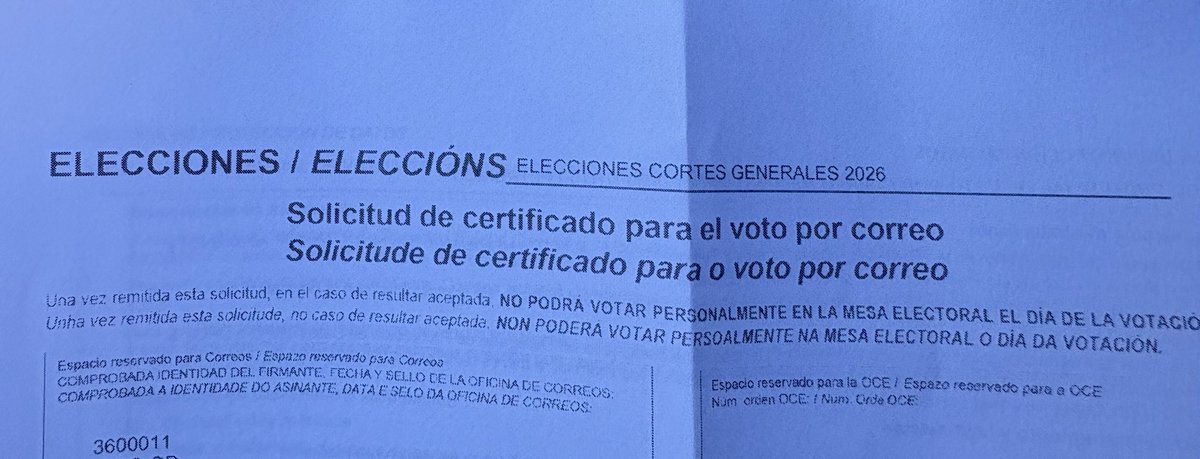
Davizz66 stated that he had been hearing people from the right for several days saying that they did not request the ID to ask for a mail-in vote. After making the request, he said, they did ask him for it. He described those statements as lies, referred disparagingly to the right, and questioned whether they were not confident in their chances. https://t.co/yUxEbNAx3e #Política #Desinformación #VotoPorCorreo (translated)

3042
eldiario.es 5d

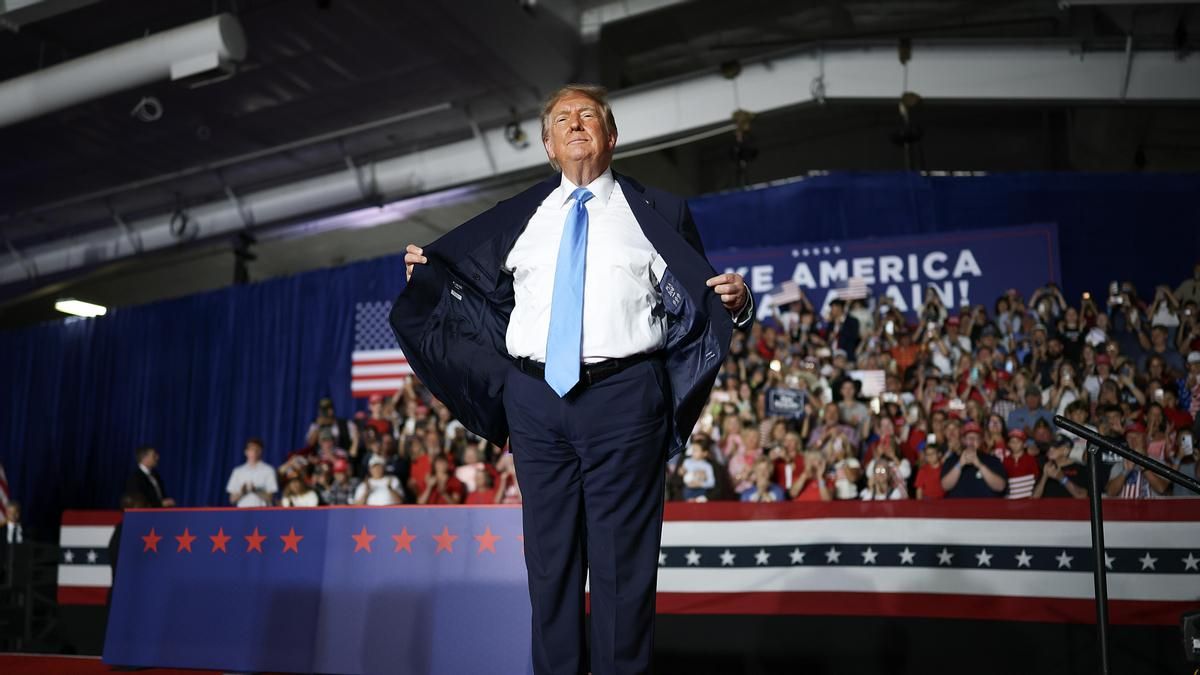
Trumpism is proliferating globally, spreading conspiracies and misinformation about electoral fraud while challenging democratic norms and highlighting a national priority, extending its impact beyond the United States. #Trumpismo #FraudeElectoral #PolíticaGlobal (translated)

www.eldiario.es
El trumpismo cruza fronteras: conspiraciones, mentiras sobre el fraude electoral y "prioridad nacional"
1915
UN ABOGADO CONTRA LA DEMAGOGIA 5d

A LAWYER AGAINST DEMAGOGY stated that the Supreme Court had communicated that Carles Puigdemont had not been granted amnesty. According to the author, the order only temporarily lifted the arrest warrant, without prematurely executing a ruling from the Constitutional Court or automatically extending its decision to those who did not appeal. He added that the decision was "strictly temporary" and that it did not apply amnesty nor extinguish criminal responsibility. He also labeled the information about an amnesty as a hoax and attributed to that situation Puigdemont's failure to return to Spain. https://t.co/UY4VT0aOIP #Puigdemont #Amnistía #Justicia (translated)

3493
Krzysztof Graj 6d

Brazil’s synthetic voters – when AI manufactures public opinion They look like ordinary street interviews. A reporter approaches a passer-by in a Brazilian square and asks a simple question: who will you vote for? A young voter explains why Luiz Inácio Lula da Silva deserves another term. An elderly woman says Brazil needs Flávio Bolsonaro because he represents political renewal and greater security. The locations look plausible, the microphones are visible and the answers sound much like the brief political opinions heard in television vox pops around the world. None of the people are real. Ahead of Brazil’s presidential election on 4 October, fact-checking organisation Aos Fatos identified at least 50 TikTok videos in which artificial intelligence was used to manufacture voters, reporters and apparently spontaneous political interviews. Together, the videos had accumulated around 7.4 million views by mid-August. Some promoted Lula, others Flávio Bolsonaro, while another group used synthetic characters to ridicule or stereotype supporters of one side. Aos Fatos found no apparent evidence linking the accounts producing the videos to either presidential campaign. The opinion poll that never took place The format is important. These were not conventional deepfakes in which a recognisable politician is made to say something he never said. Instead, the creators reproduced the visual language of the vox pop – the short street interview used by broadcasters and social-media creators to illustrate what ordinary people supposedly think. In pro-Lula videos, synthetic voters described themselves as beneficiaries of social programmes or credited the president with improving their lives. In videos supporting Flávio Bolsonaro, artificial interviewees associated him with political renewal, public security and fighting corruption. Other clips were openly hostile: AI-generated characters presented as poor or living in parts of Brazil’s north-east were shown in dirty clothes or run-down surroundings, declaring support for Lula because they supposedly preferred welfare payments to work. The deception is therefore subtler than fabricating a candidate’s statement. It manufactures something that political communication normally treats as evidence of public sentiment. A real vox pop may be unscientific, but the people interviewed at least exist. These videos created the appearance that identifiable social groups – young people, pensioners, welfare recipients or residents of particular regions – were spontaneously expressing political preferences when no such encounters had taken place. An electoral-law specialist interviewed by Aos Fatos described the technique as the fabrication of a “social fact that never occurred”. That captures the central innovation: AI is being used not merely to falsify political speech, but to manufacture the impression of grassroots opinion. Fifty videos, but not one proven network The available evidence does not support describing the 50 posts as a centrally controlled influence operation. Aos Fatos located them through TikTok searches and recommendations produced by the platform itself, then examined the accounts responsible for publication. Most had relatively small individual audiences, although their combined reach was substantial. The first examples identified by the investigation appeared as early as March 2026. Activity increased in June and was concentrated particularly in July and the first half of August as Brazil’s election calendar intensified. Some accounts specialised in AI-generated videos generally, including fabricated podcast-style material. Others were explicitly political or supportive of a candidate, but Aos Fatos found no apparent links between those profiles and the official Lula or Bolsonaro campaigns. That distinction is essential. The evidence demonstrates a common technique and a shared political environment, not a single command structure. Some creators may have been motivated by ideology, others by engagement or monetisation. Publicly available evidence does not establish who commissioned the individual videos or whether any coordination existed between the accounts. This decentralised model also creates a different enforcement problem from a traditional bot network. There may be no headquarters to expose and no infrastructure whose removal disables the entire operation. The format itself can be copied by anyone with access to inexpensive generative-video tools. When the algorithm mixes real and synthetic citizens Aos Fatos documented another important feature of the phenomenon: TikTok’s recommendation system placed AI-generated interviews alongside genuine street interviews. For a user scrolling quickly through the platform, the transition between an authentic citizen and an entirely fabricated one could therefore be almost invisible. In 18 per cent of the 50 videos analysed, there was no indication that the people shown had been generated using AI. After Aos Fatos provided TikTok with the videos, the company said it had removed all of them for violating its rules on edited and AI-generated media. TikTok said its policies require creators to identify synthetic content and prohibit manipulated media capable of misleading users about matters of public importance or impersonating genuine journalistic material. The issue extends beyond one platform. Factchequeado’s review of Brazil’s 2026 election campaign found that synthetic endorsements and other deepfakes had become one of the most visible forms of AI-assisted electoral misinformation, alongside fabricated candidate statements and invented scenes. Brazil already had rules for synthetic politics Brazil entered the campaign with unusually detailed electoral rules governing artificial intelligence. The Superior Electoral Court, the TSE, requires electoral propaganda using synthetic multimedia to disclose clearly that AI was used. More importantly for the fake-voter videos, its rules prohibit synthetic audio or video used to favour or harm a candidacy when it creates or alters the image or voice of a living, deceased or fictitious person. The difficulty is attribution and enforcement. When a synthetic video is published by an official campaign, responsibility can be relatively straightforward to investigate. When it comes from an apparently independent account with no demonstrated relationship to a candidate, lawyers interviewed by Aos Fatos said responsibility is more likely to fall on the individual creator, while imposing electoral sanctions on a campaign would require evidence of a connection. For the final 72 hours before the election and the 24 hours following it, the TSE has imposed additional restrictions on newly published or republished synthetic material involving candidates or public figures, reflecting the particular difficulty of correcting fabricated content immediately before voting. From deepfake politicians to synthetic electorates The Brazilian case illustrates a broader change in political manipulation. The first generation of electoral deepfakes concentrated on famous people: make a politician appear to say something damaging, or fabricate an endorsement from a celebrity. Synthetic vox pops reverse the perspective. The politician can remain completely authentic; it is the electorate around the politician that is fabricated. That changes the psychological proposition of the message. Instead of saying the candidate believes this, the video suggests people like you believe this. Age, clothing, accent, neighbourhood and social class can all be generated to construct an artificial constituency around almost any political claim. There is no evidence that the 50 Brazilian videos identified by Aos Fatos constitute a single centrally directed campaign, nor evidence that they changed voting intentions. What they demonstrate is a technique whose barrier to entry has become extremely low. AI no longer needs to forge the politician. #DISINFORMED #Episode14 #Brazil #BrazilElection2026 #Elections #ElectionDisinformation #ArtificialIntelligence #AI #GenerativeAI #SyntheticVoters #SyntheticMedia #AIAvatars #AIGeneratedVideo #VoxPop #FakeInterviews #Astroturfing #AIPropaganda #PoliticalDisinformation #InfluenceOperations #InformationWarfare #SocialMediaManipulation #TikTok #PublicOpinion #ManufacturedConsent #SyntheticPublicOpinion #DigitalInfluence #Deepfakes #ElectionIntegrity #TSE #AosFatos #FactChecking #OSINT #MediaManipulation #WRLD (translated)

www.aosfatos.org
Eleitores gerados por IA fazem campanha no TikTok e põem em xeque regra do TSE
565
Miquel Ramos 🥘 6d

The author pointed out that similar videos were periodically circulated accompanied by texts that he labeled as falsehoods. He added that seeing police take off their helmets and walk along the sides of a protest did not mean they had joined the demonstrations. (translated)

2946
mmadrigal 7d

mmadrigal stated that the right's concern about mail-in voting foreshadowed how the campaign would be. According to what he wrote, it would be characterized by the use of artificial intelligence to spread falsehoods, the intervention of social media in favor of the right and the far-right, and the lack of debate on public services. #Política #Elecciones #Desinformación (translated)

12245
ABC TU DIARIO EN ESPAÑOL 7d

The journalist Miguel Ángel Ruiz highlights in his work 'Misses and Jellyfish' how the Mar Menor was historically underestimated until the ecological collapse known as 'green soup', and argues that the lack of awareness about its natural value and misinformation contributed to its decline. #MarMenor #Eutrofización #MedioAmbiente (translated)

www.abc.es
Miguel Ángel Ruiz, periodista: «Al Mar Menor no se le consideraba un espacio natural valioso hasta la 'sopa verde'»
1476
Timothy Garton Ash 1w

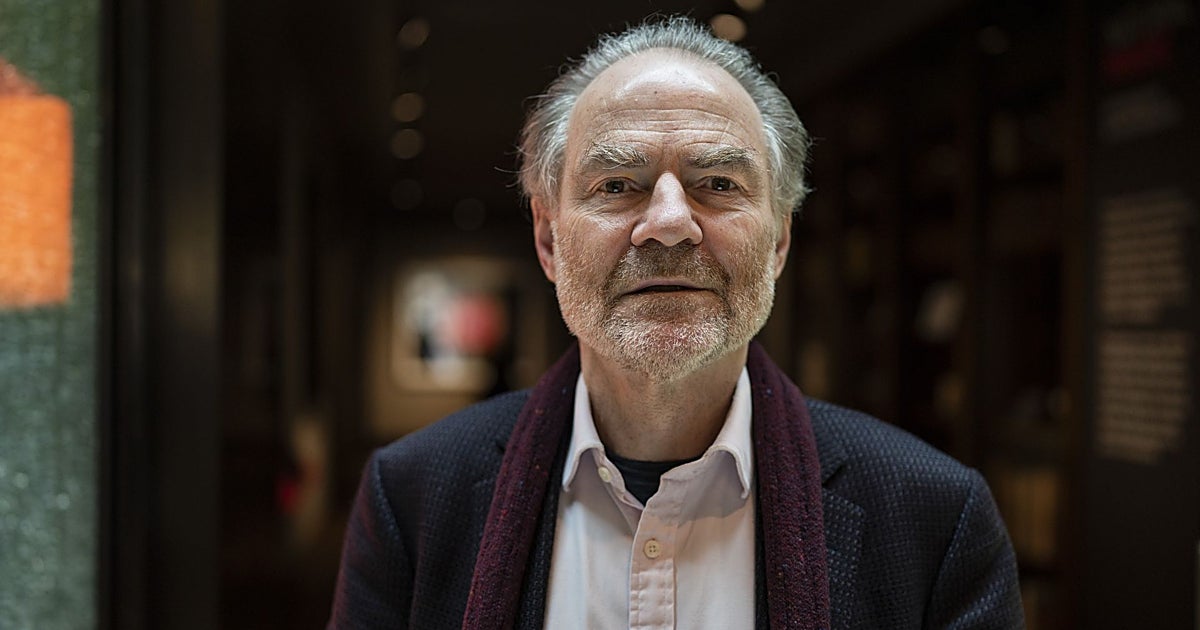
It is necessary to do everything possible to control irregular immigration. Timothy Garton Ash: "It is necessary to do everything possible to control irregular immigration." #Inmigración #Europa #Desinformación (translated)

Timothy Garton Ash: «Hay que hacer todo lo posible para controlar la inmigración irregular»
www.abc.es
1934
ABC TU DIARIO EN ESPAÑOL 1w

Timothy Garton Ash warns in his new book that Europe faces unprecedented crises and that it is crucial to control irregular immigration to secure its future. #Inmigración #Europa #Desinformación (translated)

www.abc.es
Timothy Garton Ash: «Hay que hacer todo lo posible para controlar la inmigración irregular»
1934
Agustín Laje 1w

Agustín Laje criticized Carlos Pagni for describing Córdoba as "a European city." He argued that this comparison aimed to deceive those who had not been able to know Europe and labeled the media where Pagni made the comment as misinforming. He also stated that the government of Córdoba allocated large sums for advertising in that media in exchange for praises, and that, without those funds, it would have gone bankrupt because no one consumed it. Laje accused journalism of submitting to political power while presenting itself as independent and republican. https://t.co/RXg3EA1l5p #Argentina #Periodismo #Córdoba (translated)

12410
VíctorSánchezdelReal 1w

The author compared bot farms and pundits serving certain interests with the linked video. He said they were equally detectable and coordinated, although much less entertaining, and noted that their managers had a similar appearance and final gesture. (translated)

569
20 minutos 1w

Europe is still not ready to face total war that combines drones, cyberattacks, and disinformation, despite efforts to strengthen its defense against threats from countries like Russia, China, and Israel. #GuerraHíbrida #Ciberseguridad #UE (translated)

www.20minutos.es
Drones, ciberataques o desinformación: Europa no está preparada para la "guerra total", aunque haga creer que sí
1937
Rafa Navarro 1w

"The media still has a great product that is the closest to the truth, and in a world full of fakes, that product must be valued with AI as the protagonist." The inauguration was led by Rafa Navarro, founder and CEO of Innsomnia Group, who emphasized the role of the media in a context marked by the proliferation of misinformation. #InteligenciaArtificial #Periodismo #ÉticaPeriodística (translated)

La IA gana protagonismo en las redacciones con la supervisión humana y la ética como principales retos
www.20minutos.es
1370