WRLD

Search

#Digi
CLIP STUDIO PAINT 4m

CLIP STUDIO PAINT announced that it would draw one person daily to win a graphics tablet with a screen. To participate, it was necessary to follow the account and repost the publication. The promotion would end on October 15, at 5 a.m., Brasília time.   https://t.co/6HfLRzf7lB https://t.co/eInRii69UK #Sorteio #MesaDigitalizadora #ArteDigital (translated)

1189
Spiegel Online 11m

The Federal Network Agency has approved Deutsche Post to increase postage costs by up to 20.35 percent for letters and 10.72 percent for packages at the beginning of 2027 to offset the decline in letter volumes and the rising costs due to digitalization. #Briefporto #DeutschePost #Bundesnetzagentur (translated)

www.spiegel.de
Post: Porto für Briefe und Pakete könnte deutlich teurer werden
1153
Krzysztof Graj 15m

AFRICA DAILY REPORT — 12 OCTOBER 2026 Key developments of past 24 hours 1. DJIBOUTI — Migrant boat disaster: at least 139 dead IMPORTANCE: 10/10 — CRITICAL The IOM reported 139 deaths, 84 people missing and 82 survivors after a boat carrying 305 migrants capsized near Obock while travelling toward Yemen. Search operations and survivor assistance continue. SOURCE (Reuters, 11 October): https://www.reuters.com/world/africa/109-migrants-including-15-children-dead-after-boat-djibouti-yemen-capsizes-un-2026-10-11/ 2. SUDAN–EGYPT BORDER — Airstrike kills at least 13 miners IMPORTANCE: 9/10 — VERY HIGH The Sudan Doctors Network said an airstrike on an artisanal gold mine in the border triangle killed at least 13 miners and wounded 28. The aircraft's operator has not been identified. SOURCE (Associated Press, 11 October): https://apnews.com/article/445367c8aa73005c2ade4b8999b68259 3. ETHIOPIA — Flights resume to Mekelle after federal-allied forces enter city Commercial flights resumed after weeks of interruption. Getachew Reda, an adviser to Prime Minister Abiy Ahmed, pledged changes in Tigray; the region's political and security future remains uncertain. SOURCE (Associated Press, 11 October): https://apnews.com/article/2c6ebeb250cbf98852ab32bf2f36a04a 4. ERITREA–ETHIOPIA — Eritrea seeks UN intervention Eritrea appealed for UN action amid accusations from Ethiopia that Eritrean troops had crossed into Tigray. Eritrea denied the incursion. The conflicting claims have not been independently verified in full. SOURCE (Africanews, 11 October): https://www.africanews.com/2026/10/11/eritrea-uges-united-nations-to-intervene-in-standoff-with-ethiopia/ 5. KENYA — No new Ebola cases after 293 tests IMPORTANCE: 9/10 — VERY HIGH Kenya's health ministry reported no additional infections after 293 tests following a fatal imported Ebola case. Contact tracing and monitoring continue. SOURCE (Reuters, 11 October): https://www.reuters.com/business/healthcare-pharmaceuticals/kenya-finds-no-new-ebola-cases-after-293-tests-2026-10-11/ 6. NAMIBIA — Veterinary fence construction starts to contain foot-and-mouth disease IMPORTANCE: 8/10 — HIGH Namibia began construction of a cordon fence along the Orange River. Officials reported 17 affected farms in the ||Kharas region and expect fence completion within four months. SOURCE (The Namibian, 11 October): https://www.namibian.com.na/fmd-fence-construction-begins-in-kharas/ 7. NIGERIA — Lagos targets 3,000 MW electricity supply by March 2027 IMPORTANCE: 8/10 — HIGH Governor Babajide Sanwo-Olu announced plans to raise Lagos electricity supply from below 1,000 MW to more than 3,000 MW using grid power, independent projects and embedded generation. This is a target, not delivered capacity. SOURCE (Premium Times, 11 October): https://www.premiumtimesng.com/regional/ssouth-west/916178-sanwo-olu-targets-3000mw-electricity-supply-for-lagos-by-march-2027.html 8. UGANDA — Digital-finance fraud losses highlighted IMPORTANCE: 8/10 — HIGH The EastAfrican reported 6,533 financial-fraud cases in January–August 2026, with approximately 23.5 billion Ugandan shillings lost. The findings underline risks to banks and mobile-money users. SOURCE (The EastAfrican, 11 October): https://www.theeastafrican.co.ke/tea/business-tech/how-scammers-are-stealing-from-ugandans-5627280 9. EGYPT–MALAYSIA — Leaders discuss regional security and economic cooperation President Abdel Fattah el-Sisi and Prime Minister Anwar Ibrahim discussed regional conflicts and signed four cooperation memoranda concerning women's empowerment, higher education, tourism and investment. SOURCE (Africanews/AP, 11 October): https://www.africanews.com/2026/10/11/egypt-and-malaysia-discuss-political-settlement-to-middle-east-conflict/ 10. CEUTA / MOROCCO–SPAIN — Police clear migrant beach camp Spanish police cleared the remaining major beach encampment in Ceuta before a royal visit. Migrants were transported to reception centres for processing, while some fled the operation. SOURCE (Africanews/AFP, 11 October): https://www.africanews.com/2026/10/11/spainish-police-clear-last-ceuta-migrant-beach-camp-ahead-of-kings-visit/ #AfricaNews #AfricaDailyNews #AfricaDailyReport #TopNewsOfAfrica #AfricaNews2026 #AfricaOctober2026 #AfricanPolitics #AfricanEconomy #AfricanSecurity #Djibouti #DjiboutiBoatDisaster #DjiboutiMigrantTragedy #139MigrantsDead #Obock #DjiboutiYemenMigration #IOM #MigrationCrisis #HornOfAfrica #Kenya #KenyaEbola #EbolaOutbreak #EbolaTesting #EbolaContactTracing #DRCongo #AfricanPublicHealth #Sudan #SudanEgyptBorder #SudanAirstrike #SudanGoldMineAttack #SudanConflict #Ethiopia #TigrayConflict #Mekelle #EthiopiaEritrea #Eritrea #UNSecurityCouncil #AbiyAhmed #Namibia #FootAndMouthDisease #NamibiaLivestock #OrangeRiver #Nigeria #Lagos #NigeriaElectricity #Lagos3000MW #EnergyInfrastructure #Uganda #DigitalFinanceFraud #MobileMoneyFraud #AfricanCybersecurity #Egypt #Malaysia #EgyptMalaysiaRelations #AbdelFattahElSisi #AnwarIbrahim #InternationalCooperation #Morocco #Spain #Ceuta #MoroccoSpainMigration #MigrantCrisis #HumanitarianCrisis #AfricanGeopolitics #AfricanDevelopment #RegionalSecurity #AfricaToday #AfricaTomorrow #WRLD #WRLDorg

45
Postimees 43m

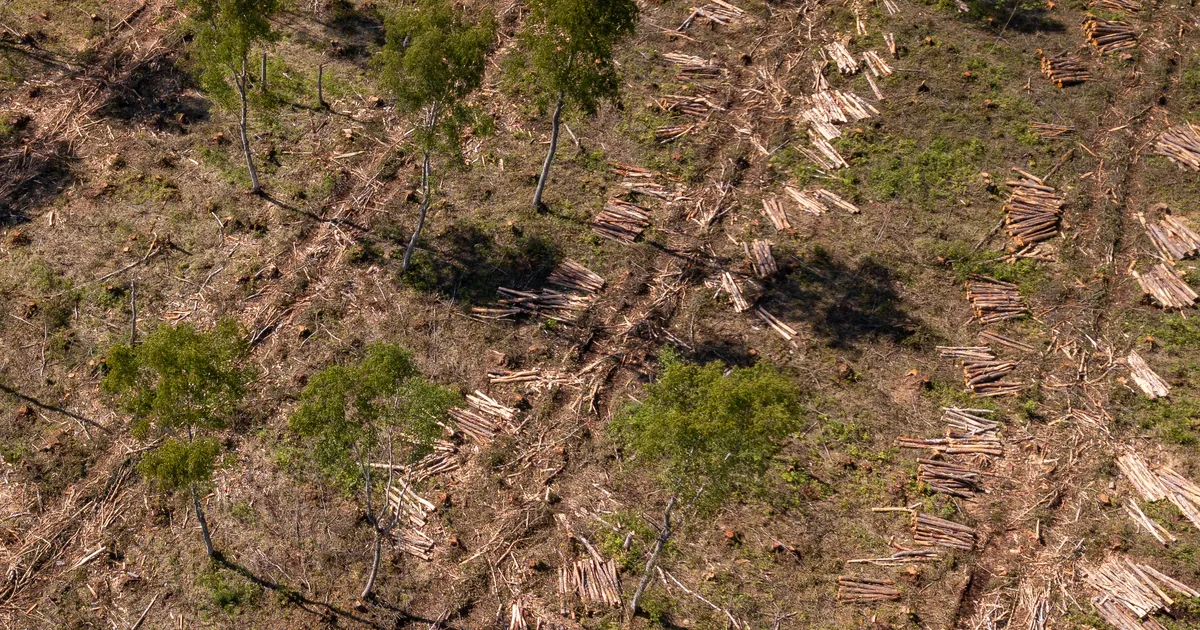
Researchers from the University of Tartu have created a digital twin of the Estonian forest, which simulates the decisions of virtual owners regarding logging and provides a new perspective on shaping the future of the forest. #EestiMets #Metsandus #TartuÜlikool (translated)

pmo.ee
Teadlased «ehitasid» Eesti metsast digitaalse kaksiku ja lasid virtuaalsetel omanikel seal raiuda – loe, mida üllatavat teada saadi
1363
via.tt.se 3h

According to PwC's report from Global Digital Trust Insights, half of the companies report that they are unprepared for attacks on AI systems, while 84 percent plan to increase their cybersecurity investments with AI as the top priority, highlighting the clear need for increased security and preparedness in the area. #AI #cybersäkerhet #riskhantering (translated)

via.tt.se
AI växer fram som företagens största cyberhot
1321
Luciano Magaldi Sardella (PhD) 3h

LETTERE MERIDIANE — “TEATRO-EDICOLA” OF SAN SEVERO CONQUERS THE WORLD SOURCE: https://www.letteremeridiane.org/2026/10/il-teatro-edicola-di-san-severo-conquista-il-mondo/?fbclid=IwY2xjawU4oqFleHRuA2FlbQIxMQBwZG9mAXNydGMGYXBwX2lkEDIyMjAzOTE3ODgyMDA4OTIAAR5rVEwYs6UUXg7v-P0SyIQ_DRb_F6ZiY58OcseYoV4J7atcTiERnhWaqKM2pw_aem_Njle1jq1XLzHr93KLBUcVA After “Broadway World”, the “Los Angeles Journal”, “The Psychologist (British Psychological Association)” and Hollywood Beat Magazine, its “academic consecration” has now arrived courtesy of Stanford University. As I have already emphasised in my article on the revival of the GIO Festival in Foggia, celebrated by BroadwayWorld for the world stage premiere of the Giordano’s opera Marina (1888), the province of Foggia has long ceased to be peripheral. It happens when it finds an idea that shifts the coordinates: well, in San Severo, 40 kilometres from Foggia, it has happened again. Only this time an orchestra was not needed; six chairs were enough. The celebrated Teatro-Edicola of San Severo artistic director Francesco Gravino of the theatre company Foyer ’97 has been featured in the academic journal “Stanford Social Innovation Review (SSIR)” as an academic case study. The news, relayed on 19 September 2026 by ANSA Nazionale, looked like a misprint. Then it became clear that it was not. SSIR, an award-winning publication covering multisectoral solutions to global problems, included the project in its Dispatches section with the reportage “The Six-Seat Revolution”. It is the inverse trajectory to that of the GIO Festival: not a forgotten opera returning to a grand historic Italian horseshoe theatre, but an entire theatre reborn inside a disused place, forgotten by man. There are moments when past and future intertwine to create something visionary, innovative, artistically “revolutionary”: San Severo experienced one of those moments on the morning of 27 March 2026, during World Theatre Day, when the shutter of a newsstand closed for six years in Via Matteo Tondi was reopened “not to sell newspapers, but to offer stirring stories”, to quote Gravino’s motto. The idea of the visionary Francesco Gravino, artistic director, stage director and actor of the San Severo company Foyer ’97, active for at least 30 years in Capitanata, centred on the kiosk, hexagonal in metal and glass, granted free of charge by its owner Pino Frau, by now an urban relic created by the publishing crisis of the early 2000s: today in Italy active newsstands have fallen from about 35,000 in 2005 to about 20,000 in 2024, a decline of 42.8%. Gravino and eleven other actors restructured it in two weeks of work, without institutional funding, and transformed it into what is now under examination by the London commission of Guinness World Records as the “world’s smallest theatre”. The formula is deliberately austere: six spectators at a time outside, actors inside at less than a metre’s distance, 15-minute performances, continuous rotation from 11:00 to 20:45, texts ranging from Goldoni to Chekhov, from Ibsen to Dacia Maraini. On the door a QR code with an original theatrical warning: “Warning! This QR code transforms passers-by into actors. Scan only if ready.” The numbers immediately showed that it was no boutade: more than 60 people in a single afternoon, three inaugural days that sold out. But above all a positive echo that went beyond the borders of San Severo. “Broadway World” (just as in the previous case of the GIO Festival), the world’s most influential theatre criticism outlet with over 5.5 million monthly views, devoted exclusive coverage to it on 27 April 2026: “An Abandoned Italian Newsstand Just Became the World’s Smallest Theatre”. Not a mere listing, but an analysis: “There is no foyer, there is no balcony, there is no grid. There is barely a wing. What there is is something almost unrecognisable as an evening at the theatre, and for that very reason it is all the more powerful.” “Broadway World” captured Gravino’s manifesto idea: “This is a theatre of proximity. In an era of digital distance, we are putting human contact back at the centre,” framing it as “More than a clever exercise in site-specific theatre. It is a reappropriation.” All of this, in a Mezzogiorno of Italy often narrated only in terms of organised crime and marginalisation. To that seal of approval was added another, even more disorienting for a newsstand in San Severo: the “Los Angeles Journal”, one of the most influential publications on the West Coast for the performing arts. On 12 May 2026, it headlined thus: “San Severo’s Teatro-Edicola as an Innovative Model for Los Angeles Theaters?” opening as follows: “In a city in southern Italy that Hollywood has never heard of, a theatre director has just built the smallest stage in the world: six seats, fifteen minutes, zero distance. Los Angeles should pay attention.” The “Los Angeles Journal” does not indulge in folklore, but places the kiosk in Via Matteo Tondi alongside the prestigious 1,600-seat Ahmanson Theatre in Los Angeles, the Pantages of Broadway in Hollywood, the 99-seat plan of Rogue Machine, the Odyssey, the Victory Theatre and the Hollywood Fringe. It even recalls Ethan Marks’s Electrical Box Theatre, a veritable electrical box lined with red velvet in downtown Los Angeles, to argue that Gravino has taken to the extreme the question Los Angeles has been asking itself for decades: How small can a stage become before it ceases to be a stage? And it recognizes the San Severo urban model: almost zero cost, two weeks of work and six chairs, in return for immediate provincial, regional and national media coverage, recognition by the San Severo’s Municipal Administration, and a format exportable anywhere. Then, the third American piece came from “Hollywood Beat Magazine” on 20 April 2026: Six seats. Fifteen minutes. One actor. No stage. The magazine recounts the kiosk in Via Tondi left disused for almost six years, the contemporary six-seat cultural outpost, placing Francesco Gravino in a distinguished genealogy: Richard Schechner and environmental theatre, Jerzy Grotowski and poor theatre, Nicolas Bourriaud and relational aesthetics. But it closes with pragmatism: it is not a thesis, it is fixing a street corner, that is, repairing an urban street corner by asking not how large a theatre can become, but how small it must become again to recover its original power. And finally, the celebrated London-based “The Psychologist”, the journal of the “British Psychological Society (BPS)”, the oldest psychological society in the world, transformed the Teatro-Edicola into a scientific case study: on 30 July 2026 it published “The world’s smallest theatre — and Psychologists’ next act”, starting from the same detail, the morning of 27 March when the metal shutter of the hexagonal kiosk in Via Tondi reopened after six years, six people inside, an actor at less than a metre’s distance beginning Chekhov. It describes the formula: six spectators, 15 minutes, 11 actors over 10 hours, from Goldoni to Euripides, inside a kiosk where the fourth wall does not break because architecturally it never existed. But the BPS goes a step further: it cites the 2025 studies by Damien Gabriel in IBRO Neuroscience Reports, that live performance generates measurably stronger emotional and physiological activation than video, and introduces Edward Hall’s proxemics: below one metre is intimate space, reserved for doctors, close friends, lovers. In that one-square-metre space, the actor’s breath is audible, micro-expressions legible, the self-other boundary becomes permeable. The Teatro-Edicola “does not make theatre better, it makes it inevitable”. And it is here that one understands why Stanford is studying it as an academic case study in social innovation, not as a case of artistic originality. In Italy, meanwhile, the national media circuit had already picked up the phenomenon: RaiNews — TG2 Storie brought it to RaiDue at midnight on 19 April. RTL 102.5 devoted space to the format conceived by Gravino and developed by Foyer ’97 in the heart of San Severo in Via Tondi, defining it as a permanent micro-stage capable of bringing theatre into public space. ANSA.it, Gazzetta del Mezzogiorno, La Repubblica, TG2000, Radio Capital, Swiss RSI, ANSA Brazil and many others followed. And for the record: Fiorello praised it in La Pennicanza as an artistic case inspired by his Edicola Fiore, and Biagio Antonacci, on his tour in the Augustan amphitheatre of Lucera, made a “fact-finding” stop at the Teatro-Edicola singing the celebrated and nostalgic Iris in front of an audience certainly larger than the “six seats”. Francesco Gravino’s theatre company Foyer ’97 was not born yesterday: behind it lie the Teatro-Cantina of 2016, the underground theatre, and in 2011 a performance on the bell tower of a church in the centre of San Severo at 45 metres high. The Teatro-Edicola completes, in Gravino’s words, “the entire vertical extension of theatre: underground, street level, rooftop”. And it is preparing for its thirtieth anniversary in 2027 aiming to purchase the kiosk to make it permanent, exporting the “San Severo Model” to Rome, Lucca, and to the festivals of Santarcangelo and Todi. As with the GIO Festival, someone might dare to claim that it is merely a stunt, but when BroadwayWorld places you alongside the Los Angeles Opera House, the “Los Angeles Journa”l proposes you as a model for Hollywood, “Hollywood Beat Magazine” reads you through Grotowski and the “British Psychological Society” uses you to explain mirror neurones, it is no longer a stunt but an excellent artistic and academic positioning. To those who still whisper that Foggia and Capitanata are provincial, the answer is now written on two opposite and complementary fronts: on 5 June in Foggia a 138-year-old opera found the stage again at the Giordano ending up on BroadwayWorld; on 27 March in San Severo a 4-square-metre kiosk invented a stage that did not exist, ending up at Stanford, in Los Angeles, in Hollywood and in London. The periphery, when it has a precise idea, becomes the centre. Even with six chairs. Luciano Magaldi Sardella

www.letteremeridiane.org
Il teatro-edicola di San Severo conquista il mondo
58
Luciano Magaldi Sardella (PhD) 3h

LETTERE MERIDIANE — IL TEATRO-EDICOLA DI SAN SEVERO CONQUISTA IL MONDO SOURCE: SOURCE: https://www.letteremeridiane.org/2026/10/il-teatro-edicola-di-san-severo-conquista-il-mondo/?fbclid=IwY2xjawU4oqFleHRuA2FlbQIxMQBwZG9mAXNydGMGYXBwX2lkEDIyMjAzOTE3ODgyMDA4OTIAAR5rVEwYs6UUXg7v-P0SyIQ_DRb_F6ZiY58OcseYoV4J7atcTiERnhWaqKM2pw_aem_Njle1jq1XLzHr93KLBUcVA Dopo Broadway World, Los Angeles Journal, The Psychologist (British Psychological Association) ed Hollywood Beat Magazine, ora è arrivata la sua “consacrazione accademica” a cura della Stanford University. Come ho già sottolineato nel mio articolo sulla rivincita del GIO Festival a Foggia, celebrata dal BroadwayWorld per la prima mondiale scenica della giordaniana Marina (1888), la provincia di Foggia ha smesso ormai di essere periferia. Accade quando trova un’idea che sposta le coordinate: ebbene, a San Severo, a 40 chilometri da Foggia, è successo di nuovo. Solo che questa volta non serviva un’orchestra, ma sono bastate sei sedie. Il celebre Teatro-Edicola del sanseverese direttore artistico Francesco Gravino della Compagnia Teatrale Foyer’97 è finito sulla rivista accademica Stanford Social Innovation Review (SSIR) in qualità di caso di studio accademico. La notizia, rilanciata il 19 settembre 2026 da ANSA Nazionale, sembrava un refuso. Poi si è capito che non lo era. La SSIR, pubblicazione pluripremiata che copre soluzioni multisettoriali ai problemi globali, ha inserito il progetto nella sezione Dispatches con il reportage The Six-Seat Revolution. È il percorso inverso rispetto a quello del GIO Festival: non un’opera dimenticata che torna in un grande teatro storico italiano a ferro di cavallo, ma un teatro intero che rinasce dentro un luogo dismesso, dimenticato dall’uomo. Ci sono momenti in cui il passato e il futuro si intrecciano per creare qualcosa di visionario, innovativo, artisticamente “rivoluzionario”: San Severo ha vissuto uno di questi momenti la mattina del 27 marzo 2026, durante la Giornata Mondiale del Teatro, quando la saracinesca di un’edicola chiusa da sei anni in Via Matteo Tondi è stata riaperta “non per vendere giornali, ma per offrire emozionanti storie”, citando il motto graviniano. L’idea del visionario Francesco Gravino (nella foto sopra), direttore artistico, regista e attore della compagnia sanseverese Foyer ’97, attiva da almeno 30 anni in Capitanata si è basata sull’edicola, esagonale in metallo e vetro, concessa a titolo gratuito dal proprietario Pino Frau, ormai un relitto urbano creato dalla crisi dell’editoria degli inizi anni 2000: oggi in Italia le edicole attive sono scese da circa 35.000 nel 2005 a circa 20.000 nel 2024, con un calo del 42,8%. Gravino e altri undici attori l’hanno ristrutturata in due settimane di lavoro, senza fondi istituzionali, e l’hanno trasformata in quello che oggi è sotto esame della commissione londinese del Guinness World Record come “teatro più piccolo del mondo”. La formula è volutamente austera: sei spettatori alla volta fuori, attori dentro a meno di un metro, spettacoli di 15 minuti, rotazione continua dalle 11 alle 20.45, testi da Goldoni a Čechov, da Ibsen a Dacia Maraini. Sulla porta un QR code con un originale avvertimento teatrale: “Attenzione! Questo codice QR trasforma i passanti in attori. Scansionate solo se pronti.” I numeri hanno sùbito detto che non era una boutade: più di 60 persone in un solo pomeriggio, tre giornate inaugurali che hanno registrato il tutto esaurito. Ma soprattutto un’eco positiva che è andata oltre i confini sanseveresi. BroadwayWorld (proprio come il previo caso del GIO Festival) la più influente testata mondiale di critica teatrale con oltre 5,5 milioni di visualizzazioni mensili, il 27 aprile 2026 gli ha dedicato una copertura esclusiva: An Abandoned Italian Newsstand Just Became the World’s Smallest Theatre. Non una segnalazione, ma un’analisi: “Non c’è foyer, non c’è balconata, non c’è graticcia. C’è a malapena una quinta. Quello che c’è è qualcosa di quasi irriconoscibile come serata a teatro, e proprio per questo è ancora più potente.” BroadwayWorld ha colto l’idea manifesto di Gravino: “Questo è un teatro di prossimità. In un’epoca di distanza digitale, stiamo rimettendo il contatto umano al centro,” incorniciandolo come “Più che un abile esercizio di teatro site-specific. È una riappropriazione.”. Il tutto, in un Mezzogiorno d’Italia spesso raccontato solo per criminalità organizzata e marginalizzazione. A quel sigillo se ne è aggiunto un altro, ancora più spiazzante per un’edicola di San Severo: il Los Angeles Journal, una delle testate più influenti della West Coast per le arti performative. Il 12 maggio 2026, titola in questo modo: San Severo’s Teatro Edicola as an Innovative Model for Los Angeles Theaters? aprendo così: “In una città del Sud Italia di cui Hollywood non ha mai sentito parlare, un regista teatrale ha appena costruito il palcoscenico più piccolo del mondo: sei posti, quindici minuti, zero distanza. Los Angeles dovrebbe prestare attenzione.” Il Los Angeles Journal non fa folklore, ma mette il chiosco di via Matteo Tondi accanto al presigioso teatro losangelino Ahmanson da 1600 posti, al Pantages di Broadway in Hollywood, ai 99-seat plan di Rogue Machine, all’ Odyssey, al Victory Theatre e all’ Hollywood Fringe. Rievoca persino l’Electrical Box Theatre di Ethan Marks, una vera e propria scatola elettrica foderata di velluto rosso in downtown Los Angeles, per dire che Gravino ha portato all’estremo la domanda che Los Angeles si fa da decenni: Quanto piccolo può diventare un palco prima di smettere di essere un palco? E riconosce il modello urbano sanseverese: costo quasi zero, due settimane di lavoro e una sestina di sedie, a fronte di una immediata copertura mediatica provinciale, regionale e nazionale, riconoscimento dell’ Amministrazione Comunale sanseverese, e un format esportabile (quasi) ovunque. Dopodiché, il terzo tassello americano è arrivato dall’ Hollywood Beat Magazine il 20 aprile 2026: Six seats. Fifteen minutes. One actor. No stage. Il magazine racconta il chiosco di Via Tondi rimasto dismesso per quasi sei anni, il presidio culturale contemporaneo da sei posti, inserendo Francesco Gravino nella genealogia alta: Richard Schechner e l’environmental theatre, Jerzy Grotowski e il teatro povero, Nicolas Bourriaud e l’estetica relazionale. Ma chiude con concretezza: non è una tesi, è fixing a street corner, ovvero aggiustare un angolo di strada urbana chiedendosi non quanto grande può diventare un teatro, ma quanto piccolo deve tornare per recuperare il suo potere originario. E infine, il celebre londinese The Psychologist, la rivista della British Psychological Society (BPS), la più antica società di psicologia al mondo, ha trasformato il Teatro-Edicola in caso di studio scientifico: il 30 luglio 2026 pubblica The world’s smallest theatre — and Psychologists’ next act, partendo dallo stesso dettaglio, la mattina del 27 marzo in cui la saracinesca metallica del chiosco esagonale di Via Tondi si riapre dopo sei anni, sei persone dentro, un attore a meno di un metro che inizia Chekhov. Descrive la formula: sei spettatori, 15 minuti, 11 attori su 10 ore, da Goldoni a Euripide, dentro un chiosco dove la quarta parete non si rompe perché architettonicamente non è mai esistita. Ma la BPS fa un passo oltre: cita gli studi del 2025 di Damien Gabriel su IBRO Neuroscience Reports, la performance live genera attivazione emotiva e fisiologica misurabilmente più forte del video e introduce la prossemica di Edward Hall: sotto il metro è spazio intimo, riservato a medici, amici stretti, amanti. In quello spazio da un metro quadrato, il respiro dell’attore è udibile, le microespressioni leggibili, il confine sé-altro diventa permeabile. Il Teatro-Edicola “non rende il teatro migliore, lo rende inevitabile”. Ed è qui che si capisce perché Stanford lo studia come caso di studio accademico di innovazione sociale, non come caso di originalità artistica. In Italia, nel frattempo, il circuito mediatico nazionale aveva già intercettato il fenomeno: RaiNews — TG2 Storie lo porta su RaiDue alla mezzanotte del 19 aprile. RTL 102.5 dedica spazio al format ideato da Gravino e sviluppato da Foyer’97 nel cuore di San Severo in Via Tondi, definendolo micro-palcoscenico permanente capace di portare teatro nello spazio pubblico. ANSA.it, Gazzetta del Mezzogiorno, La Repubblica, TG2000, Radio Capital, RSI svizzera, ANSA Brasile e tanti altri seguono. E per diritto di cronaca: Fiorello lo ha elogiato in La Pennicanzacome caso artistico ispirato al suo Edicola Fiore, nonché Biagio Antonacci, nel suo tour nell’anfiteatro augusteo di Lucera, ha fatto tappa “conoscitiva” nel Teatro-Edicola cantando la celebre e nostalgica Iris davanti ad un pubblico sicuramente maggiore dei “sei posti”. La Compagnia Teatrale Foyer ’97 di Francesco Gravino non è nata ieri: ha alle spalle il Teatro-Cantina del 2016, il teatro sottoterra, e nel 2011 una performance sulla torre campanaria di una chiesa del centro di San Severo a 45 metri d’altezza. Il Teatro Edicola completa, nelle parole di Gravino, “l’intera estensione verticale del teatro: sottoterra, piano strada, tetto”. E si prepara al trentennale del 2027 puntando ad acquistare l’edicola per renderla permanente esportando il “Modello San Severo” a Roma, Lucca, nei festival di Santarcangelo e Todi. Come per il GIO Festival, qualcuno potrebbe osare di affermare che si tratta solo di un exploit ma, quando BroadwayWorld ti mette accanto alla Los Angeles Opera House, il Los Angeles Journal ti propone come modello per Hollywood, Hollywood Beat Magazine ti legge con Grotowski e la British Psychological Society ti usa per spiegare i neuroni specchio, non è più un exploit ma un eccellente posizionamento artistico ed accademico. A chi ancora sussurra che Foggia e la Capitanata siano provincia, la risposta ora è scritta su due fronti opposti e complementari: il 5 giugno a Foggia un’opera di 138 anni ha ritrovato la scena al Giordano finendo su BroadwayWorld; il 27 marzo a San Severo un’edicola di 4 metri quadrati ha inventato una scena che non esisteva, finendo a Stanford, a Los Angeles, a Hollywood e a Londra. La periferia, quando ha un’idea precisa, diventa centro. Anche con sei sedie. Luciano Magaldi Sardella

www.letteremeridiane.org
Il teatro-edicola di San Severo conquista il mondo
58
eldiario.es 5h

Artificial intelligence agents promise to simplify tedious digital tasks such as claiming invoices and canceling subscriptions, but their use entails privacy risks and errors, highlighting a growing reliance on personal data and the need to trust these technologies. #InteligenciaArtificial #Automatización #DatosPersonales (translated)

www.eldiario.es
Reclamar facturas, buscar vuelos y anular suscripciones: la IA que todo el mundo quería tiene cara B
1545
Dagens Nyheter 5h

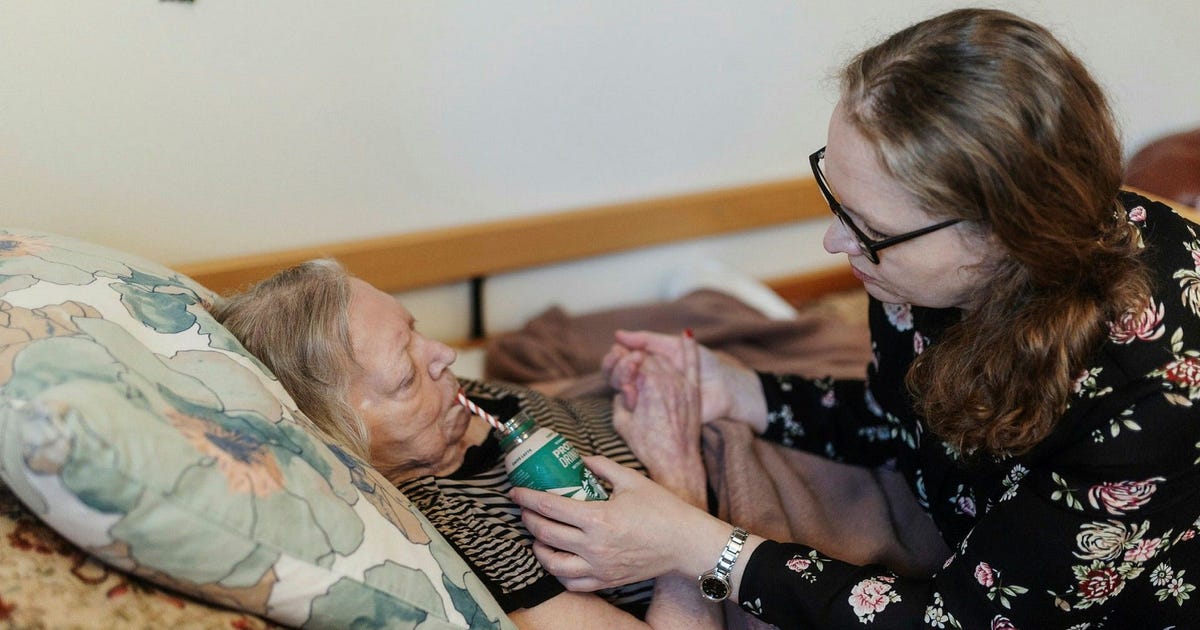
Sjöbo Municipality is criticized by the Parliamentary Ombudsman for having installed a surveillance camera in Ilona Nielsen's apartment at a nursing home without her daughter's consent, raising questions about privacy and care for the elderly with dementia. #äldreomsorg #integritet #digitalövervakning (translated)

www.dn.se
Äldreboende satte upp kamera utan att fråga
1492
El Español 6h

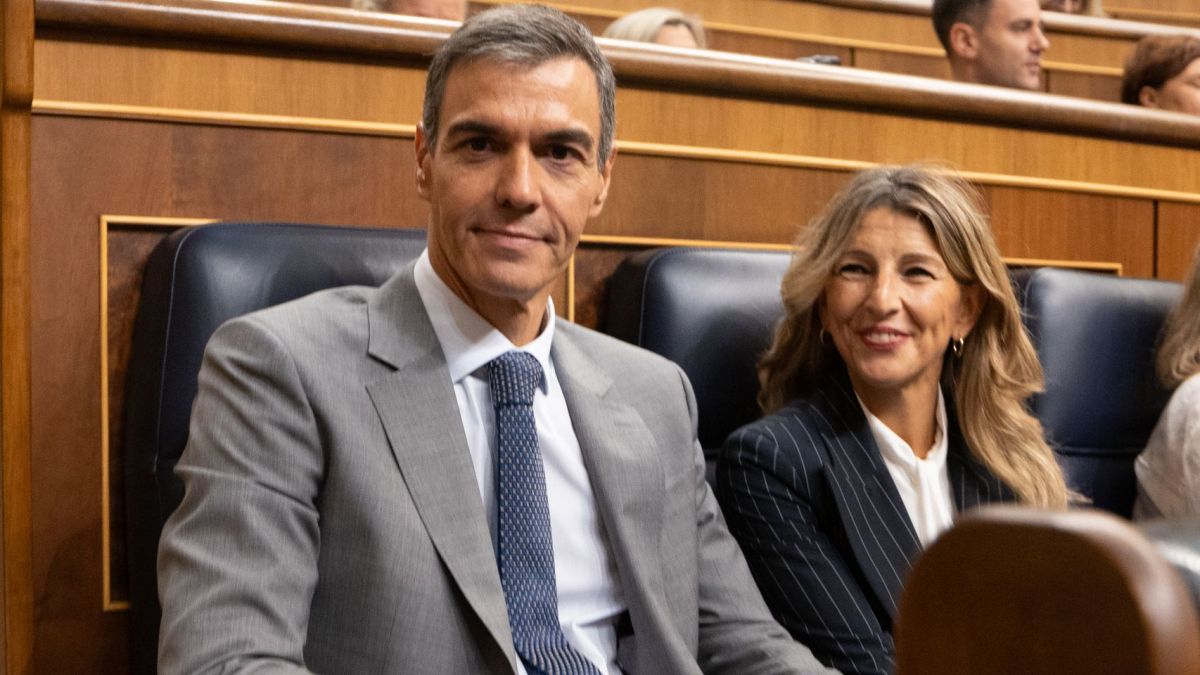
Yolanda Díaz promotes Pedro Sánchez's electoral campaign with the approval of the Minimum Interprofessional Wage (SMI) and the digital time registration before the elections on November 29, while she runs for the ILO. #SMI #YolandaDíaz #Elecciones29N (translated)

www.elespanol.com
Díaz apuntala la campaña electoral de Sánchez con el SMI y el registro horario mientras continúa su carrera por la OIT
1863
André Janones 6h

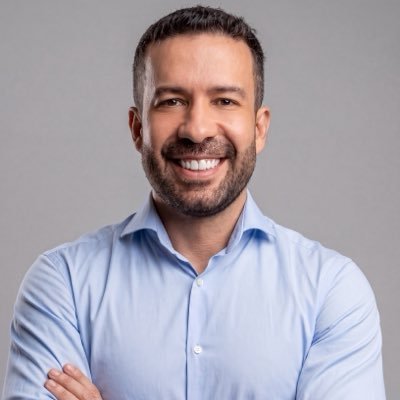
André Janones stated that upon seeing the hashtag "terrorist left" trending on X, he called on supporters he referred to as "Lula's army" and launched the hashtag #TERRORISTRIGHT, using a mirroring strategy. According to him, within three minutes the new hashtag reached first place, while the other lost prominence. Janones also said that the left had gained digital space and that their opponents would not be able to reclaim it. #Esquerda #Direita #Tendências (translated)

1744
Conservador Raiz Banido 6h

Root Conservative Banido claimed that his group had reached first place and surpassed Flamengo, Corinthians, the media coverage on Paulista day, and above all, Janones. He congratulated the supporters and asked Flávio Bolsonaro to hand over the digital strategy to him, stating that the left would no longer set the agenda during the second round of voting. https://t.co/oMcvB2Geoy #política #Brasil #esquerda (translated)

1837
E
EL MUNDO 8h

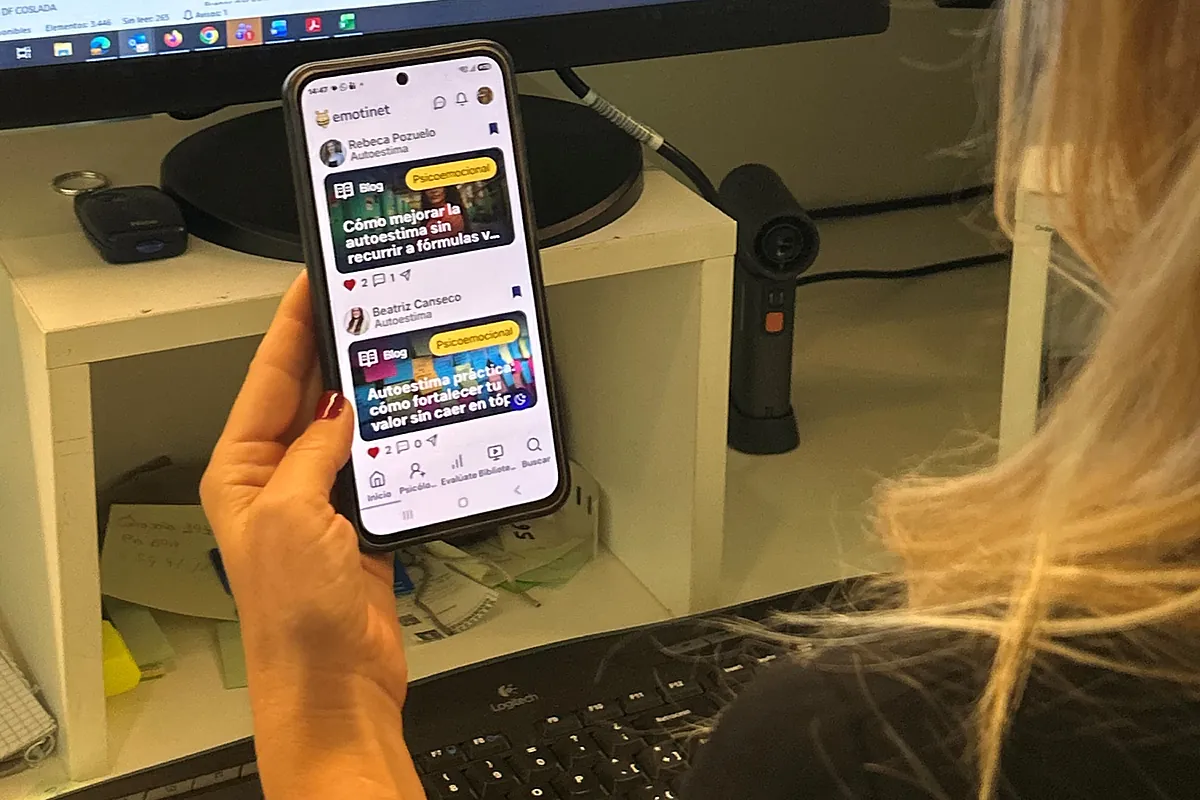
Emotinet, an innovative app developed by the Madrid-based startup Psiconnea, acts like a psychologist in your pocket by providing personalized emotional support and recognizing 27 emotions in real time, which has allowed its users to significantly reduce their levels of stress and anxiety. #IAEmocional #SaludMental #Digitalización (translated)

www.elmundo.es
La IA madrileña pionera que funciona como "un psicólogo en el bolsillo" y reconoce emociones en tiempo real
1883
ABC TU DIARIO EN ESPAÑOL 9h

The article describes how excessive screen use has become a form of addiction among young people, surpassing cannabis consumption, through testimonies from young people struggling to regain control of their lives in the face of this digital dependency. #Adicciones #DependenciaDigital #SaludMental (translated)

www.abc.es
Las pantallas, la nueva droga de los jóvenes: «No me creía adicto, pero me pasaba 18 horas enganchado»
1766
Gunther Fehlinger-Jahn 13h

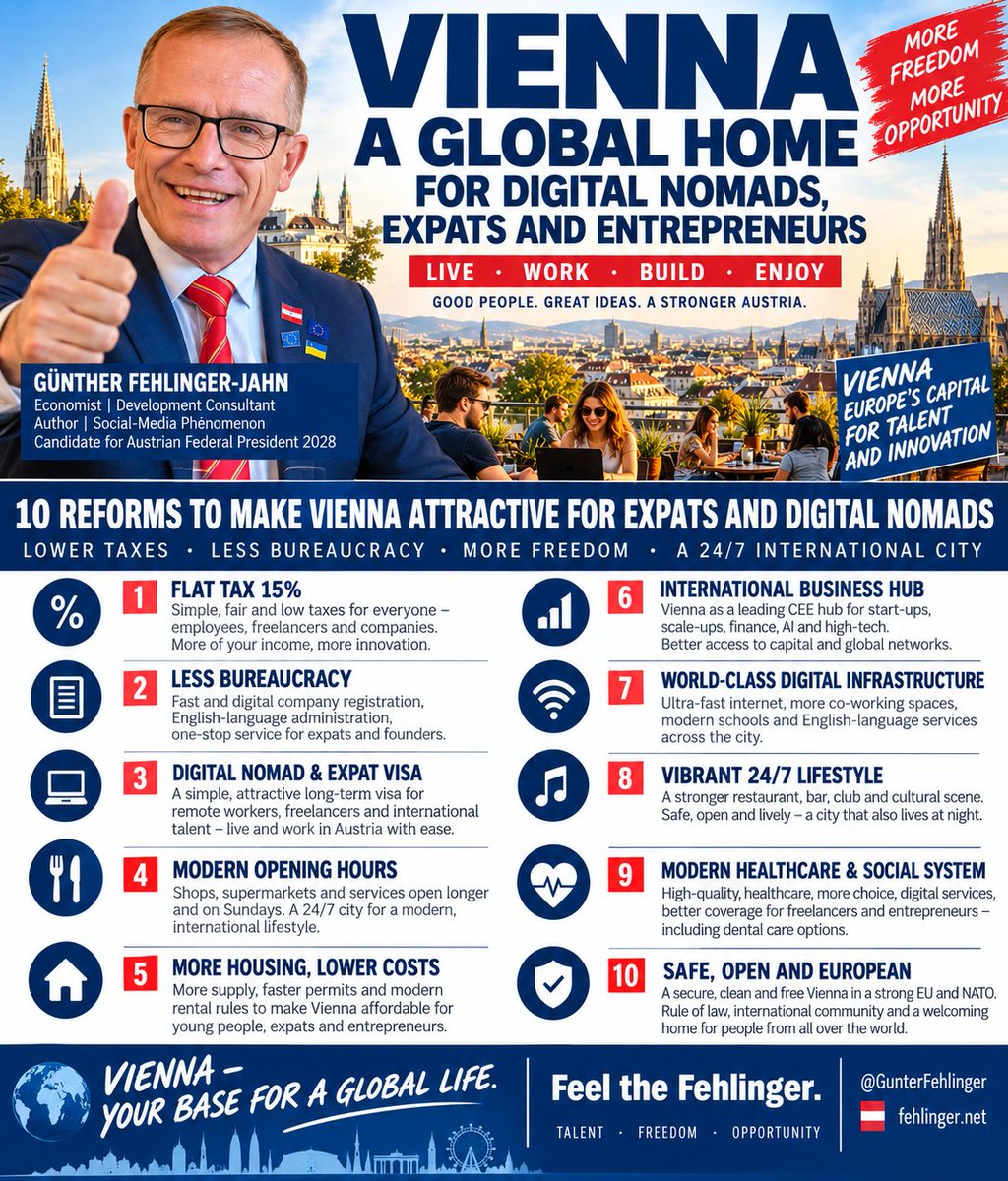
The author, who identified themself as a candidate for Austrian federal president in 2028, said they wanted Austria to become one of Europe’s most attractive places to live, work, build companies and enjoy life. They described Vienna as a global home for digital nomads, expats and entrepreneurs, and began to say it was already among the world’s most prominent destinations, but the post ended before completing the thought. https://t.co/TzbexBHw1k #Wien #DigitalNomads #Entrepreneurship #AT

2017
Dawisson Belém Lopes 15h

Dawisson Belém Lopes said he had seen the content of the channel "Exército do Lula," managed by Janones, and evaluated that it was mainly an introduction to digital literacy, which, according to him, was lacking on the left. He considered the content legitimate and predicted that censorship would have no effect, as the seed had already been planted. #Lula #LetramentoDigital #LiberdadeDeExpressão (translated)

2080
Observador 17h

The GNR recorded 193 frauds committed by fake police officers and ASAE inspectors between 2024 and 2026, highlighting the simulation of authority and the use of digital disguise technologies to coerce victims, primarily the elderly, into paying fictitious compensations. #Burla #Segurança #GNR (translated)

observador.pt
193 burlas com falsos polícias e inspetores da ASAE
1980
Jones Manoel 18h

Jones Manoel stated that re-elected deputies already had teams that could produce digital communication in support of Lula while they rested, even without going out to the streets. He said that this was not restricted to Eduardo Paes and mentioned the social networks of Tabata Amaral and the elected or re-elected progressive deputies in Pernambuco. He also said that, throughout the first round, he criticized those who attacked UP, PSTU, and PCB, and claimed that in the second round, the activists were the ones campaigning, while members of the "broad front" would be drinking expensive wine on a beach. #Política #Eleições2023 #ComunicaçãoDigital (translated)

1991
L
Le Soir 19h

The article discusses the decline of consumer rights in a digital world, where buying films, music, books, and video games often means nothing more than obtaining an empty code, as illustrated by the upcoming physical release of Grand Theft Auto, which will only contain a download code. #DroitsDesConsommateurs #JeuxVidéo #Numérique (translated)
www.lesoir.be
Si le disque disparaît, les droits des consommateurs s’envolent
1947
D
de Volkskrant 19h

The European Union must strengthen its position and protect the International Criminal Court against the threat of American sanctions and technological influence in order to safeguard the international legal order. #InternationaalStrafhof #DigitaleSoevereiniteit #Rechtsstaat (translated)

www.volkskrant.nl
EU moet rug rechthouden en Strafhof beschermen tegen techplutocratie
2372