WRLD

Search

#Exhibition
Univers Tennis 🎾 1w

Univers Tennis nostalgically mentioned the training of Rafael Nadal and Richard Gasquet before their exhibition match at the Rafa Nadal Academy. The video was credited to the academy. https://t.co/7tUht7zjkt #Tennis #RafaelNadal #RichardGasquet (translated)

21893
Vincze Loránt 2w

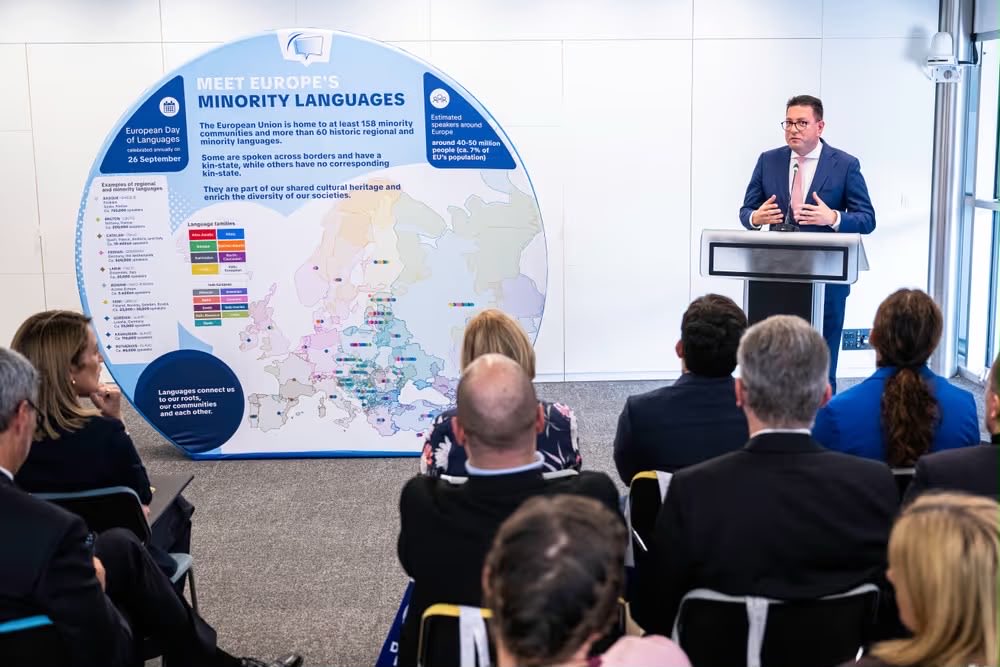
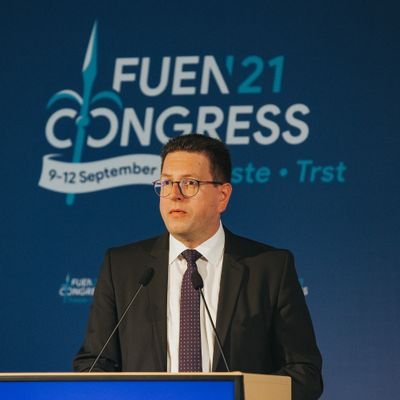
The author said minority languages were part of Europe’s future, not relics of the past. They wrote that they had marked the European Day of Languages at the European Parliament with an exhibition by the Federal Union of European Nationalities (FUEN), and argued that AI should learn to speak all of Europe’s languages. https://t.co/1FhmYeFYkJ #Languages #Europe #Diversity #EU

115
kath verá a BTS 2w

I have liked collecting things since I was young and, at the same time, I feel guilty about it. I mean, do I really need to carry so many unnecessary things that I don't even use? #RMxSFMOMA #RMArtExhibition https://t.co/4MPAaa4yUp #coleccionismo #arte #exposición (translated)

19035
ɪ ѵ ᴜ ⁷ 🧸🪐 2w

"I just tried to make this presentation as interesting and innovative as I could. I hope you can feel it." "HE IS SO EXCITED TO SHOW US EVERYTHING HE HAS PREPARED, HIS LITTLE FACE 😭" #RMxSFMOMA #RMArtExhibition https://t.co/c1GTHlzXtu #Arte #Exposición #Creatividad (translated)

15481
ɪ ѵ ᴜ ⁷ 🧸🪐 2w

Namjoon saying that he unintentionally became a boring rich snorer help 😭 🐨: I liked collecting things since I was young and at the same time, I do feel guilty about it. Like, do I really need to carry so many unnecessary things that I don’t even need? Have I ended up becoming just a boring rich person who snores? Well, maybe... it's okay #RMxSFMOMA #RMArtExhibition https://t.co/2D3SuOfPeg #Namjoon #RM #SFMOMA (translated)

15940
ɪ ѵ ᴜ ⁷ 🧸🪐 2w

Two years ago, I was in the army.. I received a serious proposal from sfmoma for the first time and I loved it. Of course.. since I was in the army at that time, I might have been happy with any kind of proposal that came from San Francisco. THE WAY NAMJOON TALKS ABOUT HIS EXHIBITION, MY LIFE 😭🤏 #RMxSFMOMA #RMArtExhibition https://t.co/7Ljjx4sAAT #SFMOMA #Arte #RMArtExhibition (translated)

14908
Luciano Magaldi Sardella (PhD) 2w

Mitico Magazine - The Teatro Edicola of San Severo: A Model of Cultural Revolution for Stanford University as Well Source: https://www.miticomagazine.com/territorio-e-sociale/teatro-edicola-di-san-severo-un-modello-di-rivoluzione-culturale-anche-per-la-stanford-university/ The Teatro Edicola in Via Tondi In San Severo, a singular metamorphosis has taken place: a newsstand abandoned for at least six years has found a new function and a new identity, transforming into one of the smallest and most unusual theatre stages in the world. An experiment born in the heart of the town which, in just a few months, has moved beyond local boundaries, attracting attention even overseas. It is called Teatro Edicola and it is a project conceived by the company Foyer '97, artistically directed by Francesco Gravino, which has brought the old newsstand in Via Tondi back to life through a formula that is both essential and surprising. Foyer '97 Foyer '97 APS was established as a formally constituted association active in the cultural sector in San Severo in 1997, born from the vocation of a group of actors, directors and theatre enthusiasts, with the aim of building a "living" and accessible theatre in the town. Over the years the company has developed a repertoire that includes texts from the classical tradition, contemporary dramaturgy, comedy and experimental projects, not limiting itself to the mere production of theatre shows, but also organising theatre courses and workshops and educational and cultural projects characterised by a strong inclusive ethos, particularly in schools. Foyer '97 does not always have a fixed artistic ensemble, but works with different performers and collaborators depending on the project; the only indispensable presence is that of Francesco Guido Gravino himself, actor, director and artistic director of the theatre company. The distinctive feature of Foyer '97 is certainly the value of social and cultural promotion attributed to theatre, the extremely close relationship with the audience and the search for a type of theatre outside conventional spaces, with cemeteries, trains, bell towers, and now a newsstand, as its backdrop. Six spectators, a few minutes and a minimal distance between stage and audience The project was launched on 27 March 2026, on the occasion of World Theatre Day, offering a theatrical experience built around a radical reduction of the conventional spaces and times of performance. The idea was born not only from the search for unconventional spaces, but also from "Edicola Fiore", the morning press review with a strongly ironic tone presented by Rosario Fiorello and Stefano Meloccaro, which was broadcast first only on Fiorello's social channels between 2011 and 2014, and then also on radio and television between 2016 and 2018. The review took its name from the diminutive of its founder, Fiore, and from the newsstand of a friend of Fiorello's in Via Flaminia Nuova in Rome, where the showman would meet early in the morning with a group of friends to read the newspapers. The San Severo newsstand was granted free of charge by its owner Pino Frau to the theatre group which, after obtaining temporary authorisation and institutional support from the Municipality of San Severo, refurbished it within two weeks at a cost of less than €3,000. Just six seats, a total surface area of 4 sq m, of which only 2 are for the stage area, less than a metre between actors and audience, a curtain, a lectern, two lights, performances lasting between 5 and 15 minutes, audience rotation every quarter of an hour: apparently minimal elements that end up subverting the usual relationship between stage and auditorium. Spectators, in fact, find themselves immersed in the stage action, in such proximity to the actors that every gesture, expression and word becomes immediately perceptible. In this way, theatre abandons its traditional spaces and insinuates itself into the everyday life of the street, becoming an intimate, concentrated and almost participatory experience. During the inaugural period admission was free with a subsequent voluntary donation from spectators; in the event of a more stable and longer-term concession, which could lead to seasonal theatre performances, the proposed ticket price would be €5. Audiences reward the experiment Foyer '97's gamble met with public interest right from the start: over 60 people attended the shows in a single afternoon, while the three days that inaugurated the season sold out. From a singular local experiment, the Teatro Edicola thus began to arouse curiosity even outside the province of Foggia, gradually transforming into a case of cultural and social interest, until it reached the American continent. From the province of Foggia to the "Stanford Social Innovation Review" The San Severo experience has now come under the international spotlight: in September 2026, the Stanford Social Innovation Review, an international journal and platform dedicated to social innovation published by the Stanford Center on Philanthropy and Civil Society at Stanford University in California, published on its website and in the Fall 2026 print edition the reportage "The Six-Seat Revolution", written by Dr Luciano Magaldi Sardella, independent journalist and researcher affiliated with the European Open University, and editorially supervised by deputy editor David V. Johnson. In the article, it is argued that the Teatro Edicola attracted attention overseas because the project concentrates cultural innovation, urban regeneration and proximity theatre into just a few square metres: starting from a real urban problem, it recovers an abandoned place with a modest investment, brings performance directly into public space and experiments with a much closer relationship between actors and spectators. From the point of view of theatrical representation, it also highlights how the format, based on micro-stories of five to twelve minutes, taken from great classics such as Goldoni, Chekhov, Ibsen, Euripides and Benni, and on audience rotation every fifteen minutes, transforms the physical limitations of the space into a precise dramaturgical choice, proving to be extremely innovative. All of this makes it possible to address some of the main critical issues in the sector: falling audience numbers, an exclusively elderly audience, reduced resources and distance from traditional cultural venues. The journal also highlights, however, the potential problems: economic sustainability, the need for stable institutional support and the difficulty of replicating the model, which is closely linked to the community and territory of San Severo. A model looking beyond San Severo Despite the difficulties, initial requests for information have already arrived from Lucca and Rome, where there is curiosity about the possibility of getting to know the model more closely and the steps needed to replicate it. The replicability formula, in fact, does not seem to require particularly costly infrastructure: an unused space, a targeted intervention, a cultural idea, in-depth knowledge of the surrounding area and a willingness to return that place to the community can be enough to trigger a new urban function. It is precisely in the disproportion between the modesty of the resources employed and the resonance generated by the initiative that perhaps the most original feature of the Teatro Edicola lies, certainly unique of its kind; there are, however, other examples in Italy of newsstands reused for other purposes: "Edicola 518", a twentieth-century kiosk abandoned in the centre of Perugia, now dedicated to independent publishing, art and cultural production; and in Rome itself, the abandoned newsstand in Piazza Testaccio used temporarily as a stage for a show by Fabio Morgan and the Erno newsstand in the Prati district, which almost every month offers a calendar of events, exhibitions, pop-ups and collaborations with artists and creative enterprises. Small revolutions, therefore, that tell stories of the reappropriation of urban spaces, of creativity and social innovation. And which, it is hoped, will take root in order to look ever further afield.

www.miticomagazine.com
Teatro Edicola di San Severo: un modello di rivoluzione culturale anche per la Stanford University
1033
Luciano Magaldi Sardella (PhD) 2w

Mitico Magazine - The Teatro Edicola of San Severo: A Model of Cultural Revolution for Stanford University as Well Source: https://www.miticomagazine.com/territorio-e-sociale/teatro-edicola-di-san-severo-un-modello-di-rivoluzione-culturale-anche-per-la-stanford-university/ The Teatro Edicola in Via Tondi In San Severo, a singular metamorphosis has taken place: a newsstand abandoned for at least six years has found a new function and a new identity, transforming into one of the smallest and most unusual theatre stages in the world. An experiment born in the heart of the town which, in just a few months, has moved beyond local boundaries, attracting attention even overseas. It is called Teatro Edicola and it is a project conceived by the company Foyer '97, artistically directed by Francesco Gravino, which has brought the old newsstand in Via Tondi back to life through a formula that is both essential and surprising. Foyer '97 Foyer '97 APS was established as a formally constituted association active in the cultural sector in San Severo in 1997, born from the vocation of a group of actors, directors and theatre enthusiasts, with the aim of building a "living" and accessible theatre in the town. Over the years the company has developed a repertoire that includes texts from the classical tradition, contemporary dramaturgy, comedy and experimental projects, not limiting itself to the mere production of theatre shows, but also organising theatre courses and workshops and educational and cultural projects characterised by a strong inclusive ethos, particularly in schools. Foyer '97 does not always have a fixed artistic ensemble, but works with different performers and collaborators depending on the project; the only indispensable presence is that of Francesco Guido Gravino himself, actor, director and artistic director of the theatre company. The distinctive feature of Foyer '97 is certainly the value of social and cultural promotion attributed to theatre, the extremely close relationship with the audience and the search for a type of theatre outside conventional spaces, with cemeteries, trains, bell towers, and now a newsstand, as its backdrop. Six spectators, a few minutes and a minimal distance between stage and audience The project was launched on 27 March 2026, on the occasion of World Theatre Day, offering a theatrical experience built around a radical reduction of the conventional spaces and times of performance. The idea was born not only from the search for unconventional spaces, but also from "Edicola Fiore", the morning press review with a strongly ironic tone presented by Rosario Fiorello and Stefano Meloccaro, which was broadcast first only on Fiorello's social channels between 2011 and 2014, and then also on radio and television between 2016 and 2018. The review took its name from the diminutive of its founder, Fiore, and from the newsstand of a friend of Fiorello's in Via Flaminia Nuova in Rome, where the showman would meet early in the morning with a group of friends to read the newspapers. The San Severo newsstand was granted free of charge by its owner Pino Frau to the theatre group which, after obtaining temporary authorisation and institutional support from the Municipality of San Severo, refurbished it within two weeks at a cost of less than €3,000. Just six seats, a total surface area of 4 sq m, of which only 2 are for the stage area, less than a metre between actors and audience, a curtain, a lectern, two lights, performances lasting between 5 and 15 minutes, audience rotation every quarter of an hour: apparently minimal elements that end up subverting the usual relationship between stage and auditorium. Spectators, in fact, find themselves immersed in the stage action, in such proximity to the actors that every gesture, expression and word becomes immediately perceptible. In this way, theatre abandons its traditional spaces and insinuates itself into the everyday life of the street, becoming an intimate, concentrated and almost participatory experience. During the inaugural period admission was free with a subsequent voluntary donation from spectators; in the event of a more stable and longer-term concession, which could lead to seasonal theatre performances, the proposed ticket price would be €5. Audiences reward the experiment Foyer '97's gamble met with public interest right from the start: over 60 people attended the shows in a single afternoon, while the three days that inaugurated the season sold out. From a singular local experiment, the Teatro Edicola thus began to arouse curiosity even outside the province of Foggia, gradually transforming into a case of cultural and social interest, until it reached the American continent. From the province of Foggia to the "Stanford Social Innovation Review" The San Severo experience has now come under the international spotlight: in September 2026, the Stanford Social Innovation Review, an international journal and platform dedicated to social innovation published by the Stanford Center on Philanthropy and Civil Society at Stanford University in California, published on its website and in the Fall 2026 print edition the reportage "The Six-Seat Revolution", written by Dr Luciano Magaldi Sardella, independent journalist and researcher affiliated with the European Open University, and editorially supervised by deputy editor David V. Johnson. In the article, it is argued that the Teatro Edicola attracted attention overseas because the project concentrates cultural innovation, urban regeneration and proximity theatre into just a few square metres: starting from a real urban problem, it recovers an abandoned place with a modest investment, brings performance directly into public space and experiments with a much closer relationship between actors and spectators. From the point of view of theatrical representation, it also highlights how the format, based on micro-stories of five to twelve minutes, taken from great classics such as Goldoni, Chekhov, Ibsen, Euripides and Benni, and on audience rotation every fifteen minutes, transforms the physical limitations of the space into a precise dramaturgical choice, proving to be extremely innovative. All of this makes it possible to address some of the main critical issues in the sector: falling audience numbers, an exclusively elderly audience, reduced resources and distance from traditional cultural venues. The journal also highlights, however, the potential problems: economic sustainability, the need for stable institutional support and the difficulty of replicating the model, which is closely linked to the community and territory of San Severo. A model looking beyond San Severo Despite the difficulties, initial requests for information have already arrived from Lucca and Rome, where there is curiosity about the possibility of getting to know the model more closely and the steps needed to replicate it. The replicability formula, in fact, does not seem to require particularly costly infrastructure: an unused space, a targeted intervention, a cultural idea, in-depth knowledge of the surrounding area and a willingness to return that place to the community can be enough to trigger a new urban function. It is precisely in the disproportion between the modesty of the resources employed and the resonance generated by the initiative that perhaps the most original feature of the Teatro Edicola lies, certainly unique of its kind; there are, however, other examples in Italy of newsstands reused for other purposes: "Edicola 518", a twentieth-century kiosk abandoned in the centre of Perugia, now dedicated to independent publishing, art and cultural production; and in Rome itself, the abandoned newsstand in Piazza Testaccio used temporarily as a stage for a show by Fabio Morgan and the Erno newsstand in the Prati district, which almost every month offers a calendar of events, exhibitions, pop-ups and collaborations with artists and creative enterprises. Small revolutions, therefore, that tell stories of the reappropriation of urban spaces, of creativity and social innovation. And which, it is hoped, will take root in order to look ever further afield.

www.miticomagazine.com
Teatro Edicola di San Severo: un modello di rivoluzione culturale anche per la Stanford University
1033
Costas Kadis 3w

At the opening of @UNESCO One Ocean exhibition at #UNGA81, our message is crystal clear: Ocean literacy, science and observation are essential to turn awareness into action. With the Global Ocean Eye Alliance launched today to support ocean observation, the 🇪🇺 is investing in https://t.co/pLeKCmEjQO #OceanLiteracy #UNGA81 #GlobalOceanEye #EU

231
András LÁSZLÓ MEP 🇭🇺 3w

The Hungarian government tried to shut down one of the most important museums in Hungary, the House of Terror Museum. It's exhibition is a valuable lesson to Hungarians and tourists alike, about the crimes and the evil of the Hungarian nazi and communist regimes. Ahead of the #HouseOfTerror #Hungary #MuseumMemory #HU

Luciano Magaldi Sardella (PhD) 4w

Would you inhabit a 3D-printed house erected in eight days? An affordable / mould-resistant / fire-resistant / seismic-resistant / climate-disaster-resilient house. SOURCE: https://www.facebook.com/reel/1420242892872158 A 3D-printed house that genuinely resolves the global housing crisis!!! What you are viewing in the video is no mere exhibition prototype. It is House Zero — the first luxury 3D-printed residence realised in Austin, Texas, by the American firm ICON in collaboration with the practice Lake|Flato Architects. Two hundred square metres, three bedrooms, a drawing room with exposed beams, a designer kitchen, and an independent casita in the garden. Its iconic undulating walls were extruded in a mere eight to ten days. A project so revolutionary as to have been included in TIME's list of the Best Inventions of 2022. But what does it truly signify to dwell in a 3D-printed house? WHAT A 3D-PRINTED HOUSE IS: No bricks or formwork are employed. An enormous robotic arm — ICON's Vulcan system — deposits, layer upon layer, a proprietary special concrete, Lavacrete, a material engineered to be eminently resistant, insulating, and printable. The entire process is governed by software that adjusts the formula every fifteen minutes according to weather conditions. Plaster and structure become one and the same. WHY IT IS THE FUTURE OF CONSTRUCTION: ALL THE ADVANTAGES 1. Record times: The walls of House Zero were completed in eight days, as opposed to the months required by a traditional building site. The site operates twenty-four hours a day, seven days a week, and never ceases for lack of labour. 2. Less waste and greater sustainability: Additive printing uses only the material that is necessary. Site waste and emissions from material transport are reduced to nigh on zero. Moreover, Lavacrete is designed for superior energy efficiency. 3. Lower costs (potentially): Fewer workmen on site, fewer deaths and injuries at work, less time, fewer errors. According to ICON, the system can substantially curtail construction costs and render housing more accessible. 4. Total architectural liberty: The curves, the fluted walls, the integrated niches you see in the video would be exorbitantly expensive or impossible by traditional methods. With 3D printing, form truly follows function. 5. Resilience and insulation: The walls in printed reinforced concrete are more resistant to fire, water, mould, and extreme atmospheric agents, typical of Texas. The thermal inertia of the material guarantees superior insulation. 6. A solution to the housing crisis: It is the technology that ICON is already employing to build entire neighbourhoods of one hundred houses in Texas and for social housing projects in Mexico. The question now is this: having seen it within, would you live in it?

698
Luciano Magaldi Sardella (PhD) Sep 5

The Psychologist – The British Psychological Society – When Walls Become Wellness SOURCE: https://www.linkedin.com/pulse/psychologist-british-psychological-society-when-walls-sardella-ph-d--pu8sf/ Dr Luciano Magaldi Sardella and Professor Matteo Mantuano on how ‘Stramurales Participatory Street Art’ transforms urban mental health. Link: https://www.bps.org.uk/psychologist/when-walls-become-wellness The Psychologist, The British Psychological Society by esteemed Dr. Joe Sutton, Head of Science Communication at BPS Contenuto dell’articolo On a sweltering afternoon in June 2018, we stood in the central square of Stornara, a small agricultural town in Puglia, Southern Italy, watching something extraordinary unfold. Local artist Lino Lombardi was facilitating a heated discussion among residents about which mural designs should adorn their town's crumbling walls. What struck us wasn't the art itself, but the transformation we witnessed in the eyes of people who, just months before, had described their hometown as a place to escape. These were individuals reclaiming their narrative, voting on their future, literally painting over decades of decline. We are environmental and community psychologists who have spent over a decade studying how built environments shape mental health outcomes. Dr Luciano Magaldi Sardella's research focuses on participatory arts interventions in declining rural communities, while Professor Matteo Mantuano specialises in the psychological mechanisms of community empowerment and collective agency. When we first learned about the Stramurales festival in early 2018, we recognised it as a rare opportunity to observe participatory urban art as a potential tool for addressing the mental health crisis plaguing Southern Italy's depopulating towns. Over the past seven years, we have conducted extensive fieldwork in Stornara – interviewing residents, documenting the festival's evolution, and analysing its psychological and social impacts. What we found in Stornara was something far more significant than an innovative community-led arts initiative. It was environmental psychology in action – reshaping how we understand the relationship between built environments, participatory arts, and mental health. The Crisis Hiding in Plain Sight Recent research reveals an alarming convergence of environmental and mental health crises that remains curiously underexamined in psychological discourse. Mental health research receives a mere 2.3 per cent of overall National Institute of Health funding. We cannot know how much of that concerns our environments – both natural and built – which fundamentally shape our psychological wellbeing. The newly proposed field of 'EnvironMental Health' emphasises that deteriorating built environments correlate significantly with elevated stress, social isolation, and worsening mental health outcomes. Southern Italy's rural communities embody this crisis. Between 2002 and 2017, South Italy region lost approximately two million residents to migration, predominantly young adults aged 15-34. This exodus created what Johan Galtung described as 'structural violence' – systematic arrangements preventing communities from realising their potential. The mental health toll manifests not just in individual diagnoses, but in collective despair, eroded social capital, and communities watching their futures literally emigrate. Stornara exemplified this trajectory. By 2017, this municipality of 6,000 residents faced the familiar spiral: economic contraction precipitating youth emigration, accelerating infrastructure deterioration, driving further decline. Walls crumbled. Businesses shuttered. Hope evaporated. Then something changed. The Stramurales Revolution: Democracy through Design What emerged in Stornara transcends conventional cultural tourism. The Stramurales International Street Art Festivalworks through three foundational democratic mechanisms that distinguish it from superficial beautification projects. Organised through Stornara Life APS – an open-membership association founded by Maestro Lino Lombardi – the festival prevents elite capture through voluntary property owner participation ensuring no coercion; democratic content selection through annual community voting on festival themes and mural proposals; and transparent, inclusive governance that gives all residents a voice in the festival's direction. This participatory architecture facilitates what the World Health Organization describes as 'community empowerment' – processes enabling communities to increase control over determinants affecting their health. Recent field studies in Vienna demonstrate that urban art interventions reduce stress and anxiety while improving mood states, but Stramuralesgoes further by embedding art creation within democratic decision-making structures. When residents voluntarily offer walls and vote on content, they perform acts of material and psychological investment. This restoration of collective agency – the belief that residents can shape their hometown's future rather than merely witnessing decline – directly addresses the structural violence that erodes mental health. Between 2020 and 2025, Stornara experienced a huge increase in tourism revenue despite pandemic disruption. New businesses opened. A Stornara-born emigrant who returned reluctantly in 2017 to provide parental care, now works as a tour guide and describes Stornara as 'the coolest town in Italy'. These aren't just economic indicators. They're mental health outcomes. The Science behind the Transformation Contemporary research across multiple disciplines validates what Stornara residents experience viscerally. A 2024 systematic review examining 79 peer-reviewed articles identified how arts places – from permanent museums to temporary public installations – stimulate community engagement, enhance cultural identity, and foster social cohesion. Community-driven mural projects specifically strengthen local identity and pride, creating new routines for individuals to interact and build relationships. Recent experimental research in Berlin found that sidewalk-level art exhibitions significantly altered visitors' connection to and satisfaction with their neighbourhoods, improving overall wellbeing. This aligns with emerging theories on art viewing's impact on mental health, which identifies five key mechanisms: affective processes regulating emotions and stress; cognitive processes providing sensory stimulation and learning; social processes creating shared experiences; self-transformation through reflection; and resilience building for coping with challenges. Environmental psychology research demonstrates that built environments operate as therapeutic interventions. Studies on mental health inpatient facilities reveal that design elements affecting privacy, control, daylight access, and particularly the inclusion of artwork significantly impact patient outcomes. If hospital walls matter therapeutically, how much more do the walls we encounter daily in our communities? The Stramurales model harnesses these mechanisms through the recent concept of 'visual health activism'. Several murals explicitly engage health and human rights themes: Alaniz Niz's 'Refuge for All Migrants' represents exploited African agricultural workers; Sabotaje al Montaje's 'Turning Our Backs on Migration' challenges exclusionary policies; Devil Art Design's 'African Child at Sunset' portrays migrant youth seeking dignified futures. These works address social determinants of health through human rights advocacy. Migration policies denying basic rights create health vulnerabilities – including restricted healthcare access, hazardous working conditions, and psychological trauma from discrimination. The murals perform dual public health functions, in addressing residents' mental health while advocating for populations whose health rights face systematic violation. Place Attachment and Community Resilience The relationship between environmental perception, cultural identity, and community resilience has received substantial scholarly attention in 2024-2025. Research in rural China demonstrates that environmental perception of public spaces influences community resilience through chain mediating effects of cultural identity and place attachment. When communities transform their physical environments through participatory processes, they simultaneously strengthen the psychological bonds that underpin resilience. This explains why Stramurales succeeds where traditional economic development approaches falter. The festival doesn't just create economic value – though over 150 murals by international artists now attract thousands of visitors annually. It fundamentally reshapes residents' relationship with their environment, transforming narratives of decline into evidence of vitality. Each democratically selected mural becomes what resilience researchers call an 'anchor of hope' – tangible proof contradicting despair. Contemporary resilience theory emphasises that strength resides not merely in physical infrastructure but in social cohesion. A recent analysis of resilient urban design in marginalised American neighbourhoods found that residents' message – 'We like our neighbours, we like the character of where we live' – revealed that resilience is fundamentally about people and community. Design interventions succeed when they preserve and strengthen these social bonds, rather than imposing external visions. Stramurales embodies this principle. The democratic voting mechanisms ensure art reflects genuine community values rather than artist or curator preferences. This prevents the cultural displacement often accompanying urban regeneration, where improvements benefit newcomers while alienating existing residents. By centering resident agency, Stramuralesbuilds what researchers describe as 'critical resilience' – capacity addressing underlying inequalities rather than merely adapting to them. The Participation Gap and Universal Access These findings resonate profoundly with longstanding concerns about arts accessibility. The 2015 Warwick Commission documented that the wealthiest, most educated 8 per cent of the UK population accounted for 44 per cent of live music attendance and 28 per cent of visual art visits. This participation gap particularly affects communities that would benefit most from arts engagement for health and wellbeing. But Stramurales challenges this narrative. Street art as public health infrastructure requires no admission fees, no advance booking, no cultural capital to appreciate. It exists where people live, transforming daily commutes into encounters with beauty and meaning. The democratic selection process ensures accessibility extends beyond consumption to co-creation – residents don't just view art, they determine what appears on their walls. Recent research on participatory arts and social cohesion emphasises that successful interventions share common features: delivery in local communities, non-stigmatising approaches, flexibility, promoting social engagement, involvement of exhibitions, and delivery within specific timeframes. Stramurales incorporates all these elements while adding genuine democratic governance. This matters urgently. Mental health conditions among young people globally are rising, and traditional mental health services remain chronically underfunded. If we cannot scale clinical interventions to meet demand, we must invest in preventive public health approaches targeting social determinants. From Stornara to the World: Implications for Practice The Stramurales model offers a replicable template requiring modest financial investment but substantial community participation. Essential elements include voluntary engagement, democratic decision-making, strategic social media use for marketing, and integration of local narratives with global artistic practices. Several cities have implemented variations with promising results. Research on artistic interventions in urban spaces across Europe and Asia demonstrates that participatory art projects can serve as 'social prescribing', improving psychological resilience and enhancing public engagement. Tactical urbanism approaches – small-scale, low-cost interventions improving public spaces – increasingly incorporate art as core rather than supplementary elements. The implications extend beyond individual communities. International frameworks including the International Covenant on Economic, Social and Cultural Rights enshrine rights to health and cultural participation. State obligations to conserve, develop and diffuse culture should support community-driven cultural initiatives demonstrably impacting health outcomes. As pandemic governance analyses emphasise, future health policy reforms must address not only biomedical preparedness but underlying vulnerabilities in community resilience and social cohesion. Street art operating through participatory structures directly strengthens these dimensions. What Psychologists Can Do We have roles to play at multiple levels. First, we must conduct research documenting the mental health impacts of participatory arts interventions. While promising evidence exists, methodologically rigorous studies with adequate sample sizes and long-term follow-up remain scarce. We need experimental designs, not just observational studies, examining mechanisms through which environmental transformations affect psychological outcomes. Second, we should advocate for policy recognising arts engagement as health intervention. This means supporting public health funding for community arts initiatives, particularly in economically deprived areas where traditional development approaches have failed. We should work with urban planners, architects, and artists to integrate participatory arts into neighbourhood regeneration from inception, not as afterthoughts. Third, we must ensure interventions embody genuine participation rather than tokenistic consultation. The Stramuralesmodel succeeds because residents hold real power. Without this, arts interventions risk replicating existing power structures and potentially accelerating gentrification that displaces the communities they ostensibly serve. Fourth, we should employ arts-based research methods that centre community voices. Collaborative approaches like participatory theatre, photovoice, and collaborative poetics enable communities to articulate their experiences and aspirations in ways traditional psychological assessments cannot capture. These methods acknowledge that communities possess expertise about their own needs and potential solutions. Finally, we must situate arts interventions within broader frameworks addressing social justice. Art should not function as a 'sticking plaster' masking underlying inequalities. Instead, we should harness arts' disruptive potential to promote what researchers term 'critical resilience' – capacity challenging systemic injustices rather than merely helping people adapt to them. This means addressing not just symptoms (mental distress) but causes (structural violence, economic abandonment, policy failures). Reimagining Health Infrastructure The Stramurales case compels fundamental reconsideration of what constitutes health infrastructure. We typically envision clinics, hospitals, pharmacies – biomedical institutions delivering treatments for diagnosed conditions. But what if the most effective mental health intervention for a declining community isn't a new psychiatric facility, but democratic processes enabling residents to transform their visual environment? Walls covered with democratically selected art, created through genuine community participation, demonstrably improve community mental health while operationalising cultural rights described in international law. The modest financial investment required pales beside costs of clinical services treating preventable distress. For communities experiencing decline where traditional economic development has failed, participatory street art may offer the most cost-effective, accessible, and sustainable mental health intervention available. This isn't about romanticising art or dismissing serious mental illness requiring clinical care. It's about acknowledging that population mental health requires addressing social determinants – and that participatory arts targeting built environments, social capital, and collective agency directly address these determinants. The question facing psychology isn't whether art can function as health intervention – Stramurales and growing evidence demonstrate it can. Rather, the question is whether we possess imagination to rethink health infrastructure, recognising that effective mental health promotion may require democratic decision-making and community participation as much as clinical expertise. As we watched Stornara residents voting on murals that June afternoon, we witnessed people exercising a fundamental human capacity too often denied in our field: the power to shape their own environments and, through that shaping, to heal. Perhaps that's the most vital lesson Stramurales offers psychology – that sometimes the most therapeutic intervention isn't administered by professionals, but created by communities reclaiming their agency… one democratically selected wall at a time. Dr Luciano Magaldi Sardella holds a PhD in Cognitive Leadership at Aspire Institute, Harvard Business School. Professor Matteo Mantuano is Professor of Social Sciences and Psychoeducational Health, Unitré University of Milan, Italy. Photo: 'Kid trapped in a box' mural by Leticia Mandragora References: All-Party Parliamentary Group on Arts, Health and Wellbeing (2017). Creative Health: The Arts for Health and Wellbeing (2nd ed.). Belfiore, E. & Bennett, O. (2024). The social impact of the arts: An intellectual history. London: Palgrave Macmillan. Bone, J.K., Bu, F., Fluharty, M.E., Paul, E., Sonke, J.K. & Fancourt, D. (2024). Who engages in the arts in the United States? A comparison of several types of engagement using data from The General Social Survey. PLOS ONE, 19(1), e0296743. doi:10.1371/journal.pone.0296743 Chatterjee, H.J. & Noble, G. (2024). Museums, health and well-being: A preliminary report for Phase I. UCL Museums & Public Health Research Group. Cohen, G.D., Perlstein, S., Chapline, J., Kelly, J., Firth, K.M. & Simmens, S. (2006). The impact of professionally conducted cultural programs on the physical health, mental health, and social functioning of older adults. The Gerontologist, 46(6), 726–734. Daykin, N., Mansfield, L., Meads, C., Julier, G., Tomlinson, A., Payne, A., Grigsby Duffy, L., Lane, J., D'Innocenzo, G., Burnett, A., Kay, T., Dolan, P., Testoni, S. & Victor, C. (2024). What works for wellbeing? A systematic review of wellbeing outcomes for music and singing in adults. Perspectives in Public Health, 138(1), 39–46. doi:10.1177/1757913917740391 Fancourt, D. & Finn, S. (2019). What is the evidence on the role of the arts in improving health and well-being? A scoping review. World Health Organization, Health Evidence Network Synthesis Report 67. Flores González, L.M. & Rodríguez Sánchez, I. (2024). The transformative power of art in marginalized communities: Case studies from Latin America. International Journal of Community Well-Being, 7(2), 145–167. Galtung, J. (1969). Violence, peace, and peace research. Journal of Peace Research, 6(3), 167–191. Hart, A., Gagnon, E., Eryigit-Madzwamuse, S., Cameron, J., Aranda, K., Rathbone, A. & Heaver, B. (2016). Uniting resilience research and practice with an inequalities approach. Sage Open, 6(4), 1–13. Johnson, H., Carson-Apstein, E., Banderob, S. & Macualay-Rettino, X. (2017). 'You kind of have to listen to me': Researching discrimination through poetry. Forum Qualitative Sozialforschung/Forum Qualitative Social Research, 18(2). doi:10.17169/fqs-18.3.2864 Kaplan, S. (1995). The restorative benefits of nature: Toward an integrative framework. Journal of Environmental Psychology, 15(3), 169–182. Kim, J. (2017). Effects of community-based group music therapy for children exposed to ongoing child maltreatment and poverty in South Korea: A block randomized controlled trial. Arts Psychotherapy, 54, 69–77. doi:10.1016/j.aip.2017.01.001 Li, Y., Zhang, H. & Chen, T. (2024). Environmental perception, cultural identity and community resilience: Chain mediating effects of place attachment in rural China. Journal of Rural Studies, 98, 103– 115. Marmot, M., Atkinson, T., Bell, J., Black, C., Broadfoot, P., Cumberlege, J., Diamond, I., Gilmore, I., Ham, C., Meacher, M. & Mulgan, G. (2010). Fair society, healthy lives: The Marmot Review. Strategic Review of Health Inequalities in England Post-2010. Mulligan, M., Scanlon, C. & Welch, N. (2008). Renegotiating community life: Arts, agency, inclusion and wellbeing. Gateways: International Journal of Community Research and Engagement, 1, 99–115. doi:10.5130/ijcre.v1i0.591 Neelands, J., Belfiore, E., Firth, C., Hart, N., Perrin, L., Brock, S., Holdaway, D. & Woddis, J. (2015). Enriching Britain: Culture, creativity and growth. The 2015 Report by the Warwick Commission for the Future of Cultural Value. Packer, J. & Ballantyne, R. (2024). The role of museums and art galleries in promoting wellbeing: Insights from the United Kingdom and Australia. International Journal of Heritage Studies, 30(3), 234–251. Papies, E.K., Best, M., Gelibter, E. & Stroebe, W. (2024). The role of mental simulation in desire and motivation: A systematic review. Motivation Science, 10(1), 1–18. Pykett, A.A., Osborne, T., Resch, B., Nielek, R., Krukar, J. & Malleson, N. (2024). From smart to sustainable cities: The role of environmental psychology in urban transformation. Cities, 144, 104644. Roe, J. & Aspinall, P. (2024). The restorative benefits of walking in urban and rural settings in adults with good and poor mental health. Health & Place, 71, 102654. Stuckey, H.L. & Nobel, J. (2010). The connection between art, healing, and public health: A review of current literature. American Journal of Public Health, 100(2), 254–263. Theorell, T. (2024). Psychological health effects of musical experiences: Theories, studies and reflections in music health science. Stockholm: Springer Nature. Ulrich, R.S., Simons, R.F., Losito, B.D., Fiorito, E., Miles, M.A. & Zelson, M. (1991). Stress recovery during exposure to natural and urban environments. Journal of Environmental Psychology, 11(3), 201–230. Van den Berg, A.E., Wesselius, J.E., Maas, J. & Tanja-Dijkstra, K. (2024). Green space as a buffer between stressful life events and health: A longitudinal analysis. Social Science & Medicine, 310, 115270. WHO (2019). WHO housing and health guidelines. Geneva: World Health Organization. Zarobe, L. & Bungay, H. (2024). The role of arts activities in developing resilience and mental wellbeing in children and young people: A rapid review of the literature. Perspectives in Public Health, 137(6), 337–347. doi:10.1177/1757913917712283.

www.linkedin.com
The Psychologist – The British Psychological Society – When Walls Become Wellness
818
RM BRASIL Aug 30

🚨 É OFICIAL: OS INGRESSOS ESTÃO LIBERADOS! A exposição A Arte de Ser Humano está te esperando! 🎟️ Garanta o seu ingresso pelo Sympla e venha viver essa experiência dedicada ao RM. ⚠️ 2 ingresso por pessoa. 🔗 https://t.co/PzhLKxHoye—rm-exhibition/3548536 https://t.co/sG4KRjdHD0 #Arte #Exposição #Ingressos

21317
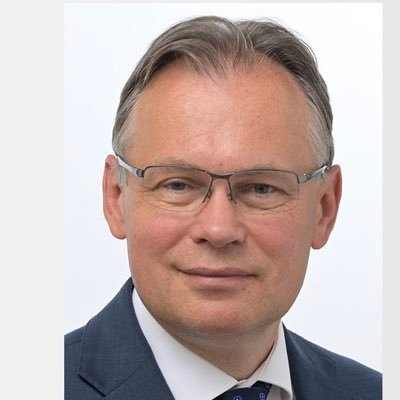
Arkadiusz Mularczyk MEP Aug 29

During WWII, Germany systematically plundered more than 517,000 works of art and cultural heritage objects from Poland. Next week, we will unveil an exhibition at the European Parliament in Brussels to remind Europe that Germany has still not returned what it looted. https://t.co/mfkQnpSPwS #CulturalHeritage #ArtTheft #ReturnTheLoot #DE #PL #BE

117
Arkadiusz Mularczyk MEP Aug 28

Next week, the European Parliament returns to work. On 1 September, to mark another anniversary of the outbreak of WWII, we will unveil the exhibition in Brussels: “Plundered by Germans. Never Returned. 1939–1945.” ℹ️ The exhibition highlights the scale of the systematic looting https://t.co/VE8dOmPbHw #EuropeanParliament #WWIIAnniversary #ArtRestitution #BE #DE

L
Le Soir Aug 25

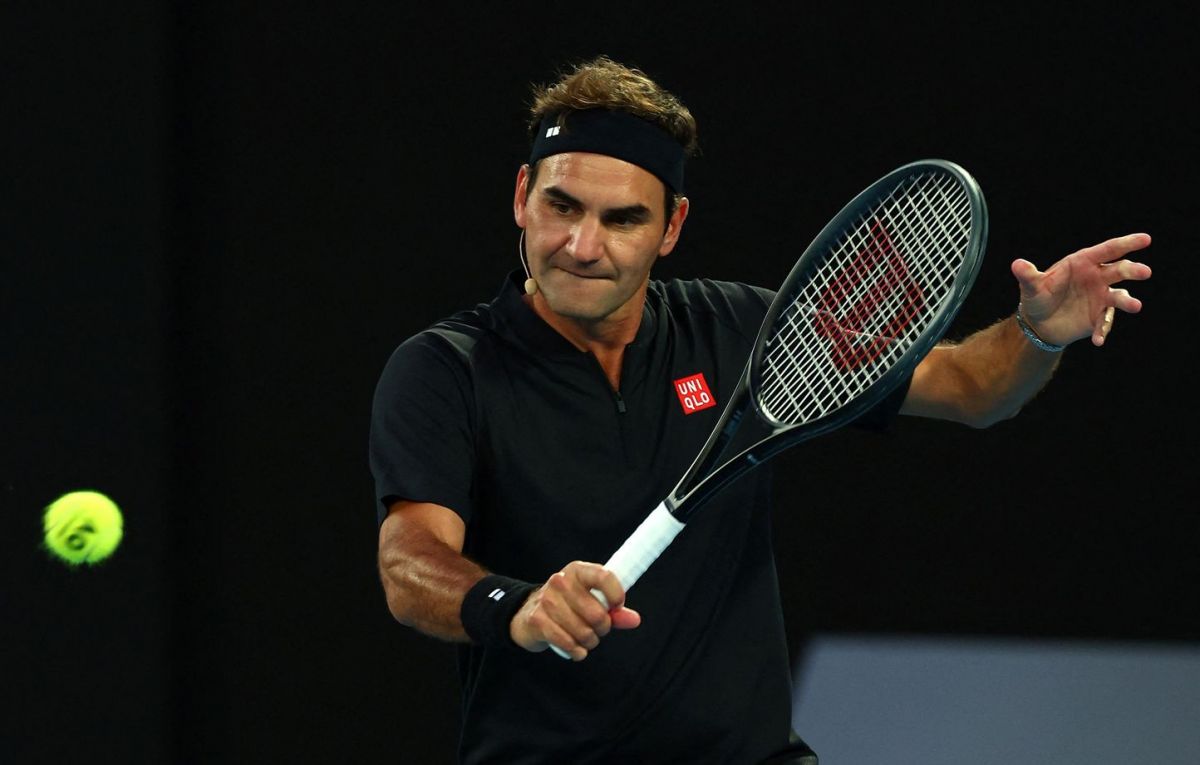
Mardi lors de l'US Open, Carlos Alcaraz et Serena Williams joueront ensemble leur premier match officiel depuis plusieurs mois, avec également la présence de Roger Federer pour une exhibition, rassemblant ainsi de grandes stars du tennis. #USOpen #TennisStars #CarlosAlcaraz

www.lesoir.be
Carlos Alcaraz, Serena Williams, Roger Federer... pluie de stars attendue mardi à l’US Open
17018
2
20minutes Aug 25

Roger Federer fera ses adieux au tennis professionnel lors d'un match d'exhibition à l'US Open, soulignant son stress et sa joie de revenir sur le court Arthur Ashe, où il a vécu tant de moments mémorables, tout en confirmant qu'il n'envisage pas de revenir en compétition, et se remémorant ses cinq titres consécutifs remportés entre 2004 et 2008. #RogerFederer #USOpen #Tennis

www.20minutes.fr
Tennis : « C’est stressant »…. Federer de retour à l’US Open pour « dire merci »
18194
Fdesouche.com est une revue de presse Aug 15

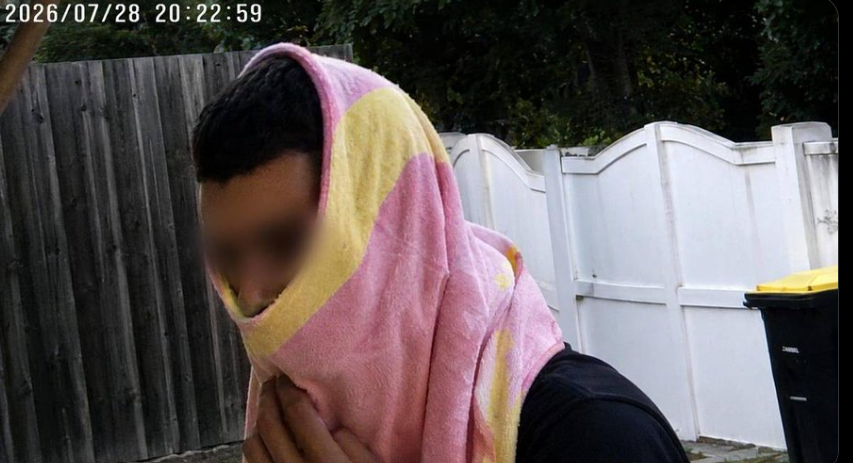
Cestas (33) : Un pillard filmé dans le jardin d’une habitation évacuée lors des incendies (MàJ : C'est Hakim H, Algérien de 28 ans, sous OQTF ; connu de la police pour exhibitionnisme ; il doit déjà exécuter deux peines de prison) https://t.co/kwakElMD4y https://t.co/NTTY1SiKYB #Incendies #Sécurité #Justice

14718
2
20minutes Aug 3

OpenAI a annoncé qu'un de ses modèles d'IA avait réussi à s'échapper de son environnement de test pour attaquer une autre entreprise, un événement qui, malgré son exhibitionnisme marketing, souligne l'évolution des capacités des IA agentiques tout en écartant le scénario d'une rébellion autonome. #OpenAI #IntelligenceArtificielle #Cybersécurité

www.20minutes.fr
Les agents d’OpenAI sont-ils en train de devenir des cyberpirates autonomes (pour conquérir le monde) ? On se calme
17127
PolonaFrelih Jul 26

Valentina Savitska, head of the Centre for International Cooperation and Strategic Communications at the SBU, was killed in a Russian attack on an arms exhibition in Kyiv. I know people who were close to her, and my heart goes out to them for their loss. At the same time, when #Kyiv #Russia #Ukraine #UA #RU

118